The Rise of Natural Detox Baths: How Simple Pantry Ingredients Are Transforming Modern Wellness Routines
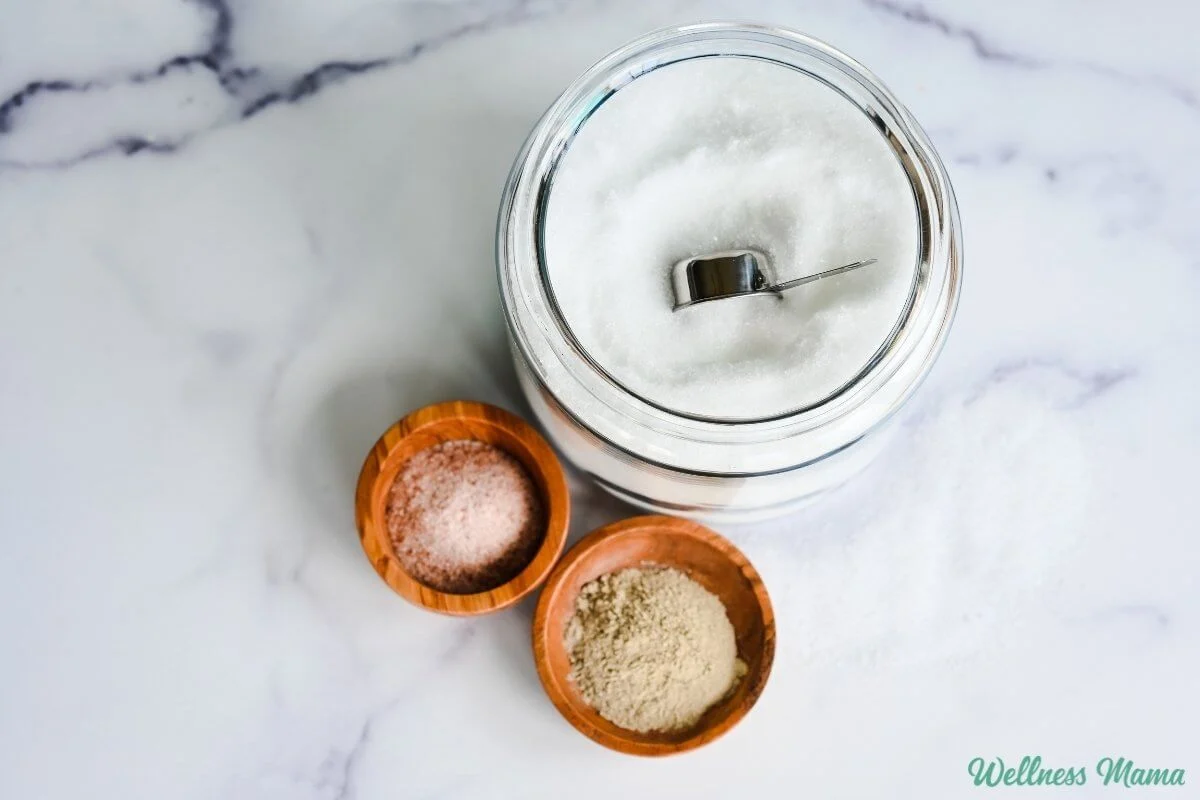
In the pursuit of modern wellness, individuals are increasingly turning to traditional, low-cost remedies to combat the daily accumulation of environmental stressors and skin irritations. Among the most popular low-barrier health trends gaining traction is the specialized detox bath. Far from being just a standard routine for relaxation, these targeted soaks utilize basic household and pantry ingredients—ranging from Epsom salts and baking soda to bentonite clay, apple cider vinegar, and organic mustard powder—to support the body’s natural elimination pathways, soothe inflammation, and boost overall physical well-being.
Health advocates and practitioners note that while the human body—specifically the liver, kidneys, and skin—innately processes and eliminates toxins on a regular basis, the demands of contemporary life can sometimes leave these natural systems needing targeted support. Rather than relying on expensive or aggressive wellness protocols, a warm bath infused with specific minerals and natural compounds offers an accessible, inexpensive method to encourage circulation, alleviate muscle tension, and provide deep soothing relaxation. For those lacking the time for a full immersion soak, localized foot baths are frequently utilized to capture many of the same physiological benefits.
The foundation of most natural detox bath regimens is the classic Epsom salt soak. Rich in magnesium, Epsom salts not only aid in general detoxification but also help replenish the body’s magnesium stores through dermal absorption, while simultaneously easing skin irritation. However, wellness enthusiasts have expanded far beyond basic magnesium soaks, incorporating specialized recipes tailored to specific health needs, such as managing seasonal illnesses, recovering from skin flare-ups, or addressing heavy metal accumulation.
Bentonite clay represents another powerful addition to the detox bath repertoire. Renowned for its ability to absorb heavy metals and impurities that accumulate within the body, bentonite clay creates a deeply purifying soak. Because clay can potentially settle in household plumbing and cause blockages, practitioners frequently advise the use of drain filters or cloth strainers during clay-based baths. The process typically involves dissolving Epsom salts in warm or hot water, sometimes accompanied by complementary essential oils, before integrating the clay through specialized mixing methods to ensure the minerals remain suspended and effective.
Beyond mineral and clay soaks, alternative ingredients like ginger, apple cider vinegar, and organic mustard powder offer specialized therapeutic properties. Ginger-infused baths, often prepared by adding freshly brewed ginger tea or grated ginger directly to the water, are frequently utilized during bouts of illness to help clear congestion, alleviate deep body aches, and stimulate peripheral circulation to accelerate recovery times. Similarly, vinegar baths—frequently utilizing apple cider vinegar—serve as an effective remedy for balancing the skin’s natural pH. While the distinct aroma of vinegar may not appeal to everyone, families frequently turn to apple cider vinegar soaks to find relief from sunburns, eczema, dandruff, and dry, itchy skin, noting that the treatment often leaves both skin and hair noticeably softer.
More surprisingly to some, organic mustard powder has maintained a historical place in traditional wellness practices. Rather than standard table condiments, organic mustard spice has long been valued by ancient cultures for its powerful circulation-stimulating properties. When combined with Epsom salts and select essential oils, mustard powder creates a warming, aromatic bath designed to soothe cold and flu symptoms, ease sore muscles, and promote vigorous circulation.
Medical professionals generally advise that any significant shift in a health routine, including the introduction of intensive detox baths, should be approached gradually. This is particularly true for individuals with pre-existing medical conditions, pregnant women, and nursing mothers, all of whom are encouraged to consult with a qualified healthcare professional before beginning new wellness regimens. Medical review by board-certified practitioners emphasizes that while home remedies can offer supportive care, they should complement, rather than replace, professional medical advice.
As interest in sustainable, home-based health practices continues to grow, proponents suggest starting slowly to see how the body responds to different ingredient combinations. Whether used as a wind-down mechanism at the end of a long day, a gentle immune-supporting routine for children, or a targeted intervention for skin and muscle recovery, the traditional detox bath remains a versatile and enduring staple of natural health care.
