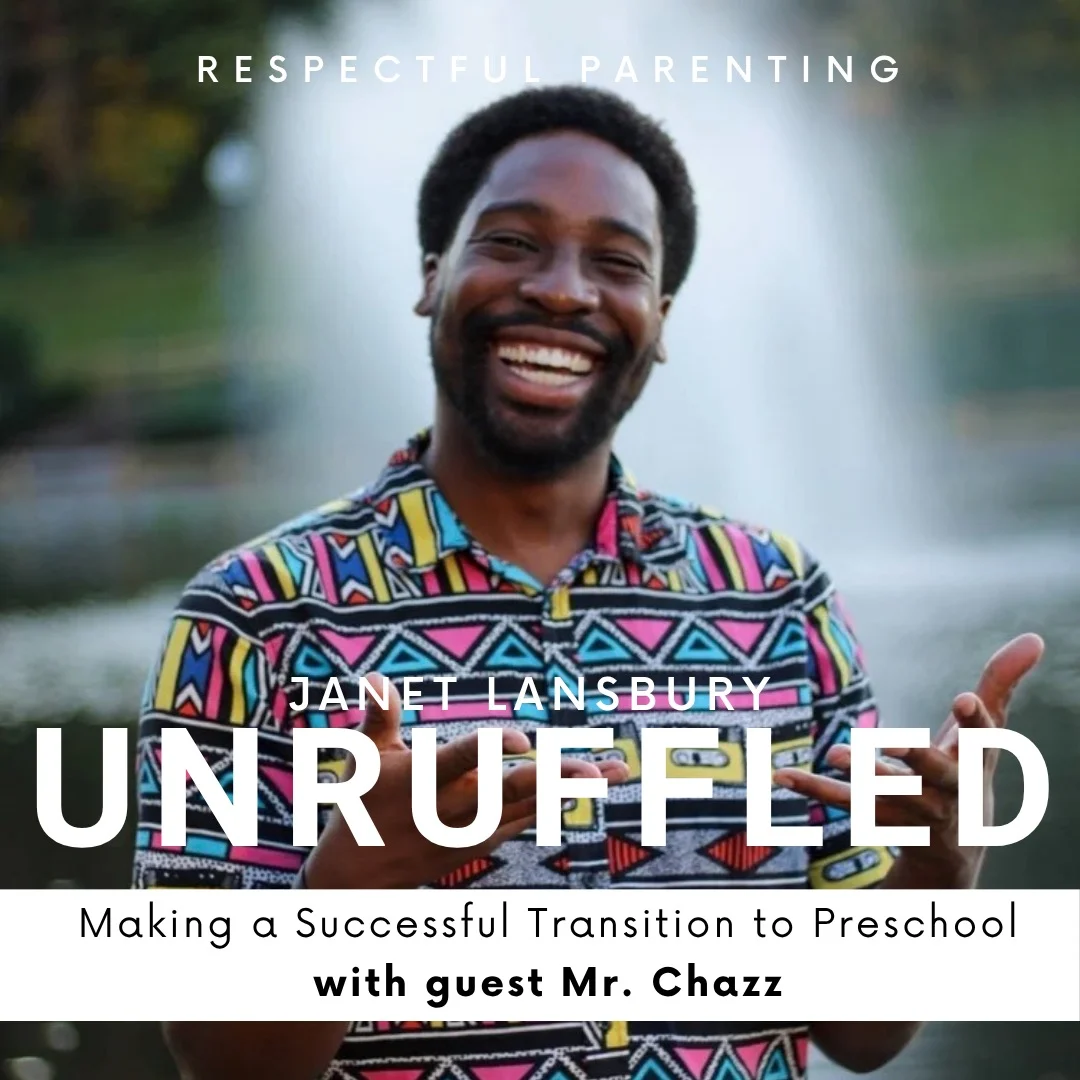
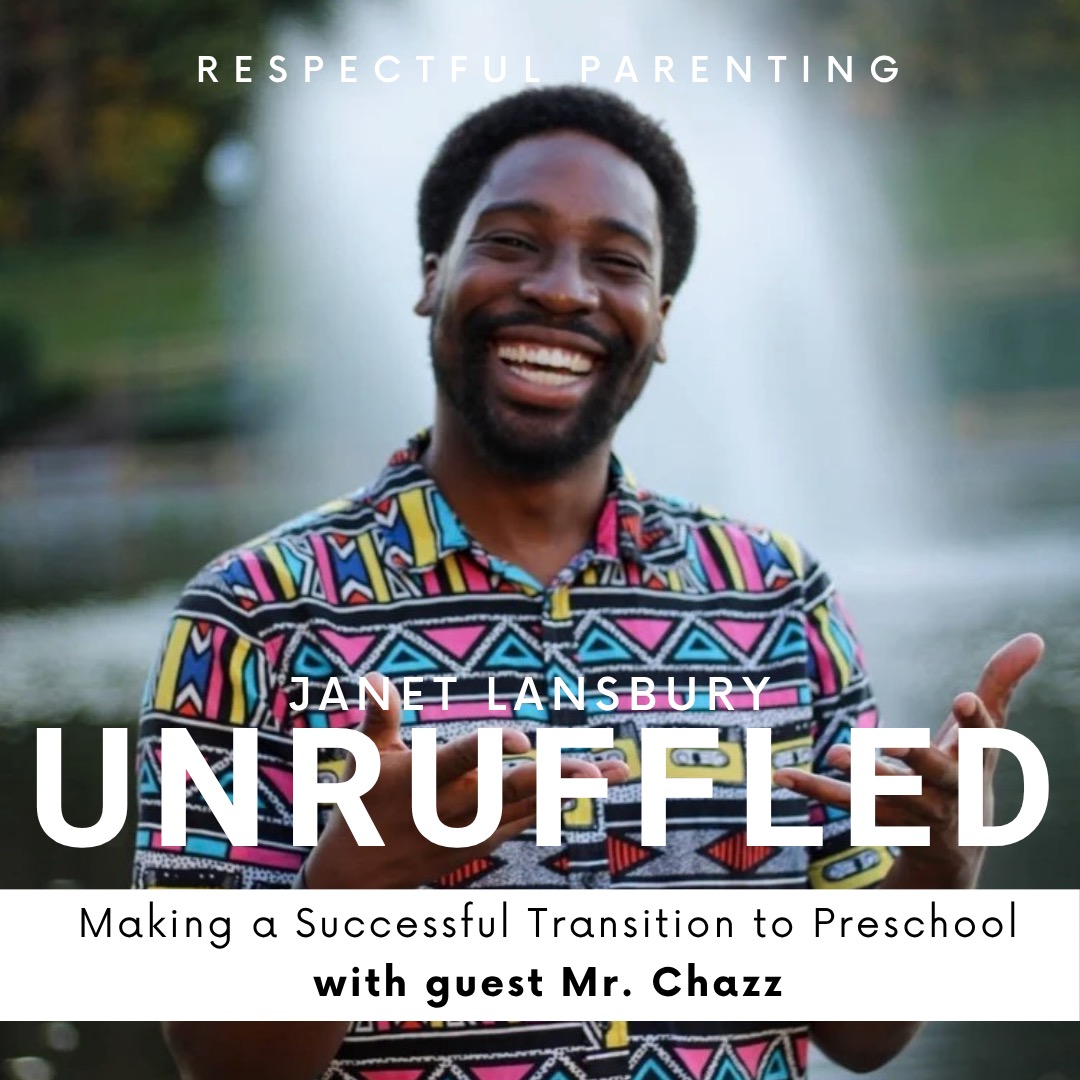
As the new school year gets underway, families and educators alike face the familiar, often emotional hurdle of transitioning young children into preschool and childcare programs. To address how parents and teachers can navigate this milestone with confidence, renowned educator and child development specialist Mr. Chazz recently appeared on Janet Lansbury’s podcast, Unruffled.
Known widely across social media platforms like TikTok and Instagram as "America’s favorite teacher," Mr. Chazz sat down with Lansbury to discuss the foundational role of trust and connection in early childhood education. Drawing from his extensive experience in the field and his latest venture—a Brooklyn-based learning and childcare center called Birdhouse—the educator shared strategies for transforming stressful drop-off routines into positive experiences for both children and adults.
Rethinking Traditional Early Childhood Transitions
During the discussion, Mr. Chazz and Lansbury turned their attention to the standard practices of early childhood programs, many of which they noted are designed more for adult convenience than for the emotional well-being of the child. Mr. Chazz remarked that a vast majority of traditional childcare centers employ transition processes that treat drop-off like a logistical transaction rather than an emotional milestone.
"We often do things for the convenience of the adult rather than what’s best for the child or the teachers or even the family unit," Mr. Chazz explained during the episode. He pointed out that quick, rushed drop-offs—where parents quickly shuffle children into a classroom and dart out the door—frequently heighten anxiety and stress for everyone involved.
In contrast, his new school, Birdhouse, approaches the beginning and end of the school day through the lens of "arrival" and "reunion" rather than simple drop-offs and pick-ups. This shift in language is accompanied by a structural shift in how children enter the classroom environment. At Birdhouse, arrival is treated as an intentional period of integration where children are supported in putting away their belongings, removing their outdoor shoes to maintain cleanliness, washing their hands, and engaging in individualized moments of connection with teachers, whom the center refers to as "safekeepers."
Supporting Teachers to Support Children
A core tenet of Mr. Chazz’s philosophy at Birdhouse is that caring for children effectively requires first caring for the adults who look after them. The early childhood education sector has historically struggled with high staff turnover rates, low compensation, and severe burnout, which ultimately disrupts the consistency that young children need to feel secure.
To combat this systemic issue, Birdhouse implements unique measures to support its teaching staff. Notably, the head teacher lives directly upstairs from the school, sparing them from the financial strain of paying local rent and mitigating the chronic survival state that many educators experience. By ensuring that teachers feel secure, valued, and cared for, the program creates a stable environment where educators can lend their prefrontal cortexes to the complex emotional needs of the children in their care.
Lansbury praised the model, noting that such consistency directly benefits families who often suffer from high teacher turnover in traditional commercial daycare settings. "That’s a really good way of ensuring that people are dedicated and will stay," Lansbury observed.
Navigating Big Emotions and Separation Anxiety
Even with thoughtful preparation, predictable routines, and prior visits to the classroom, children will occasionally experience distress during separation. Both educators emphasized that crying and sadness are normal human responses when children must part ways with their primary caregivers. Rather than viewing tears as a failure of the transition process, Mr. Chazz and Lansbury framed these moments as natural opportunities for emotional release and co-regulation.
Recounting a particularly difficult morning at Birdhouse when a child cried through an entire circle time while missing his mother, Mr. Chazz explained how the teaching team handled the situation without panic or forced distraction. The staff remained nearby, offering a calm, available presence without pressuring the upset child into a hug or demanding that he stop crying.
Remarkably, the situation became a powerful learning experience for the rest of the classroom community. When another child pointed out that their classmate was crying, the teachers acknowledged the feeling openly, telling the group that their peer was missing his mom. The class then collectively took a deep breath to send supportive energy to the upset child.
"Emotions are contagious," Mr. Chazz noted, explaining how the experience taught the other children how to regulate themselves while validating their peer’s right to feel sad. Once the parents departed and the environment settled, the crying child was eventually able to seek comfort, re-regulate, and transition back into play.
Lansbury added that caregivers often feel immense societal pressure or self-judgment when their child cries in public or at school, worrying that others might view them as ineffective parents or teachers. Both educators encouraged adults to acknowledge those passing thoughts, let them go, and trust that children possess the resilience to process and move through their feelings.
Practical Strategies for Parents at Traditional Centers
Recognizing that most families do not have access to alternative models like Birdhouse, Mr. Chazz offered practical techniques that parents can use to ease transitions in more traditional school environments.
Among these strategies is the use of visual routine cards—simple, left-to-right visual representations of the morning steps, such as greeting the teacher, hanging up a coat, removing shoes, and washing hands. These visual aids help ground children when they feel overwhelmed by the sensory input of a busy classroom, allowing them to take ownership of the sequence rather than relying entirely on parental commands.
Additionally, Mr. Chazz recommended familiarizing children with the upcoming experience through roleplay using stuffed animals, talking about the daily schedule ahead of time, and taking photos of the school to create a personalized narrative book. He stressed the importance of remaining honest and open if a child expresses anxiety about specific aspects of the day, such as nap time, rather than overly "selling" the school experience, which children can often sense and distrust.
As the discussion concluded, both Lansbury and Mr. Chazz reflected on the profound rewards of working directly with young children. Despite the emotional labor and daily challenges inherent in early childhood education and parenting, Mr. Chazz emphasized that remaining attuned to children, honoring their perspectives, and maintaining a steadfast belief in their capacity to handle big emotions ultimately creates a healing and deeply meaningful environment for everyone involved.
For many people seeking to transition toward a whole-food lifestyle, one of the hardest hurdles to clear is letting go of nostalgic fast-food favorites. Processed, Americanized versions of Asian cuisine—frequently found at ubiquitous mall food court chains like Panda Express—often exert a powerful pull due to their heavy reliance on salt, sugar, and artificial flavor enhancers. Transitioning away from these ultra-processed meals typically requires finding clever culinary workarounds that deliver the same complex, savory flavor profiles without the reliance on MSG or heavy commercial sauces.
One recent culinary development gaining traction among home cooks looking for healthy comfort food is the sesame ginger cabbage roll. Designed to mimic the deep, comforting flavors of traditional dumplings or potstickers while cutting out the tedious and often processed wrapper-making process, these dishes marry an abundance of lean protein and fresh vegetables with classic aromatic elements like toasted sesame oil, fresh ginger, and coconut aminos.
The appeal of this dish lies largely in its efficiency and nutrient density. Rather than spending significant time rolling individual wontons—which, even when store-bought, may not always align with clean-eating standards—cooks are turning to Napa cabbage as a surprisingly tender, light, and versatile outer layer. After a brief blanching process, Napa cabbage leaves become pliable enough to wrap around a savory filling without tearing, introducing an extra serving of vegetables directly into the meal without compromising the classic flavor profile.
The choice of filling is equally deliberate. While a variety of ground meats can be utilized, lean ground chicken remains a preferred choice because its mild flavor profile allows heavy aromatic notes like garlic and ginger to take center stage while providing a substantial dose of daily protein. To ensure the lean poultry retains its moisture throughout the cooking process, finely diced shiitake mushrooms are blended directly into the mixture. These mushrooms not only impart a rich, earthy depth that elevates the overall flavor profile, but their natural moisture content also keeps the chicken from drying out as it cooks.
A critical component that ties the dish together is the accompanying dipping sauce, which achieves a balance of salty, savory, and spicy notes. By substituting traditional
soy sauce with coconut aminos, cooks can achieve a similar deep, umami-rich flavor with a touch of natural sweetness, completely avoiding soy and ultra-processed additives. The addition of earthy ginger, aromatic toasted sesame, and chili crisp provides a complex kick, ensuring that every bite delivers a punch of flavor without the need for artificial flavorings.
Achieving success with these cabbage rolls requires attention to a few foundational culinary techniques, starting with the selection of the right produce. Napa cabbage is favored specifically because its softer, more flexible leaves roll easily once blanched. To make the wrapping process even smoother, any stiff portions of the thick white stems can be trimmed away prior to filling, preventing the leaves from splitting. Portion control during the assembly phase is also essential; limiting the filling to roughly one-third of a cup per leaf ensures the rolls remain manageable and secure. In the event that a leaf does tear during the process, cooks can easily remedy the issue by wrapping a second, overlapping leaf around the damaged spot, a flaw that becomes completely unnoticeable once the dish is fully steamed.
The cooking method itself relies on a combination of browning and steaming to achieve the ideal texture. After searing the bottoms of the rolls in a skillet for a couple of minutes to develop a slight crust, a small amount of water is added to the pan, and a lid is placed over top to allow the cabbage to soften while the filling cooks through. Removing the lid for the final moments of cooking permits any remaining liquid to evaporate, leaving the bottoms with a pleasing texture that contrasts nicely with the tender leaves.
The adaptability of the recipe makes it a practical choice for modern meal planning. Ground turkey or pork can easily substitute for chicken depending on preference or availability, and finely shredded carrots can be folded into the meat mixture to add a subtle hint of natural sweetness and visual color. For those who appreciate an added crunch, incorporating finely chopped water chestnuts into the filling provides an interesting textural contrast.
Furthermore, these cabbage rolls lend themselves exceptionally well to meal preparation and storage. Leftovers maintain their quality when stored in an airtight container in the refrigerator for up to three days. Reheating them is a straightforward process that mirrors the initial cooking technique; warming them gently in a covered skillet with a small splash of water restores their moisture and tenderness, making them just as viable for a quick weekday lunch or a fast dinner as they were when freshly made.
As home cooks continue to seek out inventive ways to recreate their favorite restaurant-style dishes using wholesome, accessible ingredients, creative shortcuts like sesame ginger cabbage rolls demonstrate that health-conscious eating does not require sacrificing complexity of flavor. By trading processed wrappers and heavy commercial sauces for nutrient-dense vegetables and aromatic pantry staples, everyday meals can bridge the gap between wholesome nutrition and culinary satisfaction.
The Chicago Waldorf School has recently garnered prestigious national attention, receiving a prominent feature in Esquire Magazine for an innovative educational collaboration with the renowned Italian luxury fashion house Kiton. Together, the institution and the luxury brand have launched a one-of-a-kind high school course entitled "The Art of Tailoring," a program designed to bridge the gap between traditional craftsmanship and modern commerce by teaching students advanced sartorial techniques alongside contemporary principles of branding and design, ultimately equipping them with tangible, real-world industry skills that extend far beyond the traditional classroom environment.
The partnership represents a unique intersection of progressive education and elite global fashion, bringing the exacting standards of Neapolitan tailoring directly to high school students in the heart of Chicago. The genesis of this remarkable curriculum can be traced back to personal connections within the school community and a moment of acute observation by a fashion industry insider who saw extraordinary potential in the Waldorf educational philosophy.
Victor de Leon, Kiton’s North American director of wholesale made-to-measure, is a resident of Chicago whose own children attend the Chicago Waldorf School. Like many parents who immerse themselves in the daily life of a Waldorf campus, de Leon became deeply familiar with the school’s unique pedagogical approach, which places a heavy emphasis on hands-on learning, artistic expression, and tactile mastery from a very early age.
It was during a routine visit to the school that de Leon observed younger students engaging in traditional textile arts, a foundational element of the Waldorf curriculum. Reflecting on the experience, de Leon recalled watching seven-year-olds sewing, weaving, and meticulously knitting socks, gloves, and hats. He noted that the children approached these intricate tasks with an unusual level of ease, moving their hands with the natural grace of little tailors. That single observation sparked a profound realization about the potential to channel this early-developed dexterity into advanced vocational and artistic training as the children grew older.
Recognizing an opportunity to elevate the school’s existing handwork curriculum to an entirely new level for older adolescents, de Leon initiated conversations with the school’s principal. He also secured the eager and enthusiastic support of Antonio De Matteis, the chief executive officer of Kiton, who immediately recognized the value of cultivating the next generation of master artisans and brand stewards. Together, this collaborative team hatched a comprehensive plan to translate the time-honored traditions of the tailor’s workshop into a structured, high school-level academic and vocational experience.
The fruit of this planning materialized in September 2024, when "The Art of Tailoring" officially opened its doors to students. Since the course’s inception, de Leon has personally presided over the classes, bringing decades of high-end fashion industry expertise directly to the students. The curriculum was specifically conceived and structured to instill authentic, craft-based skills straight from the floor of a professional tailor’s shop, ensuring that the students learn not merely from textbooks, but from an active practitioner of a centuries-old trade.
By combining the rigorous technical training of bespoke Italian tailoring with modern insights into fashion branding and commercial design, the course provides Chicago Waldorf School students with a comprehensive understanding of the luxury apparel ecosystem. As detailed in the recent Esquire Magazine feature, the partnership stands out as a pioneering model of how independent schools and luxury enterprises can collaborate to enrich educational offerings and inspire students with professional pathways they might never have otherwise encountered.
In the landscape of modern education, educators and parents are continually searching for methodologies that do more than simply help students pass tests. The objective is to foster deep comprehension, analytical thinking, and an enduring curiosity about the world. Within the framework of classical education, these goals are pursued through time-tested models, including the Five Common Topics of Dialectic and the Five Canons of Rhetoric. Among these foundational practices are the Five Core Habits of Grammar—a versatile pedagogical framework that can be applied to virtually any area of learning, regardless of a student’s age.
Prominently integrated into classical curricula such as the Foundations and Essentials programs offered by Classical Conversations, these core habits are designed for elementary and middle school students. However, educational advocates note that their utility extends far beyond the traditional classroom. Learners of any age can utilize these practices to approach unfamiliar subjects, demystify complex concepts, and engage in meaningful discussions about the world around them.
The Framework of NAMES
Conveniently summarized by the acronym NAMES, the Five Core Habits of Grammar outline a structured progression for encountering and mastering new information. In strict order, the habits consist of naming, attending, memorizing, expressing, and storytelling. By moving through this deliberate sequence, educators and parents can systematically dismantle the intimidation factor often associated with learning new or difficult subjects, replacing it with a natural, inquisitory approach that resonates deeply with children.
At the bedrock of this model is the first habit: naming. In classical education, the art of grammar is understood as the crucial first phase of the traditional Trivium, preceding dialectic and rhetoric. Before a student can analyze, debate, or persuasively write about a subject, they must first acquire its fundamental vocabulary. Naming is the deliberate practice of developing this necessary vocabulary through interactive engagement.
To illustrate this principle, educators often point to the study of astronomy. Before a child can comprehend the vast and intricate mechanics of the universe, they must first be introduced to foundational terminology such as planet, star, orbit, solar system, galaxy, and constellation. Without this basic lexicon, advanced discussions regarding stellar evolution or gravitational pulls remain out of reach. When parents encounter roadblocks while teaching new topics, educational experts advise returning to this foundational step. By encouraging students to define general terms before moving on to specific instances—such as defining a planet broadly before examining Mercury, Venus, Earth, and Mars—teachers establish a secure baseline from which more detailed academic exploration can safely proceed.
Developing Sensory Focus and Retention
Once foundational vocabulary is established, the educational process moves naturally to the second habit: attending. Attending is defined as the practice of differentiating details through sensory focus. It functions primarily as a comparative exercise, enabling students to discern precisely what a subject is and what it is not.
Consider how this habit applies to the study of botany. After a student has learned essential terms such as plant, tree, trunk, leaf, bark, pine, maple, and oak, they can engage in the habit of attending. This involves organizing terms hierarchically from general to specific, prompting students to explore relationships—such as understanding that while a tree is a plant, not all plants are trees. Furthermore, students examine the specific similarities and differences among the designated tree types, honing observational skills that prove vital across all academic disciplines.
Building directly upon vocabulary acquisition and keen observation is the third core habit: memorizing. Memorization in this context is not a rote, mechanical exercise devoid of meaning, but rather the essential process of retaining the vocabulary and facts acquired during the naming phase.
Foreign language acquisition provides a clear example of this principle in action. By regularly memorizing foundational vocabulary and grammatical endings—with classical educators frequently advocating for Latin as an ideal starting point—students build a robust framework. Over time, this internalized storehouse of knowledge provides the stability required to advance into more complex linguistic studies or transition smoothly into related modern languages like Spanish or French. To aid in this retention, educators utilize songs, chants, and mnemonics, leveraging resources designed to help children master basic vocabulary, historical events, geographical locations, and foundational ideas.
Demonstration and Narrative Exploration
As students progress beyond basic retention, the classical model introduces methods for active engagement through the final two habits: expressing and storytelling. These practices appeal particularly to those focused on the humanities, bridging the gap between passive reception and active demonstration.
Expressing involves demonstrating abstract ideas through tangible activity. Returning to the study of astronomy, a student might construct a physical model of the solar system using painted spheres to represent the planets, or they might attempt to draw a detailed world map from memory during a geography lesson. Proponents of this method emphasize that creating a physical representation requires the student to observe the subject matter with intense care. Once the model is complete, it serves as the centerpiece for analytical dialogue, prompting questions about accuracy, design choices, and alternative methods of representation.
The final habit in the sequence, storytelling, harnesses the human affinity for narrative to reinforce learning. Particularly effective with younger students, storytelling involves recounting events through narration. In the context of an astronomy lesson, a student might write a short science fiction narrative incorporating the planetary terms they previously defined. Similarly, when studying historical epochs, parents and children can retell historical events by narrating the chronological sequence of developments to one another. Like expression, storytelling transforms academic data into memorable experiences, cementing foundational knowledge through imaginative engagement.
Perspectives on Classical Education and the Trivium
The endurance of the Five Core Habits of Grammar lies in their alignment with the broader philosophy of the classical Trivium, which divides learning into grammar, dialectic, and rhetoric. The art of grammar, practiced during the early years of education, is designed to accumulate a rich storehouse of facts, words, and structural patterns. Classical educators argue that young children naturally delight in songs, chants, and repetitive memory work, and that educational programs should honor this developmental stage rather than rush past it.
By committing fundamental facts across history, science, mathematics, and literature to memory, children build what classical pedagogy terms memoria—a lasting intellectual treasury that supports analytical reasoning and persuasive communication in later years. Proponents emphasize that these habits cultivate an underlying sense of order, making subsequent subjects more approachable and less intimidating.
For parents navigating homeschooling or participating in structured community programs, the core habits offer a practical toolkit. Tutors and parents who model these behaviors provide children with a reliable methodology for confronting new disciplines. By breaking unfamiliar subjects down into manageable components of naming, attending, memorizing, expressing, and storytelling, learners of any age can approach education with sustained curiosity, confidence, and intellectual joy.
When the immediate storm of a panic attack finally passes—the chest tightness eases, the uncontrollable shaking subsides, and breathing returns to a steady rhythm—many individuals expect an immediate sense of relief. Instead, a strange and profound exhaustion often sets in. It is as though the body has just run an intense marathon without the person ever consciously choosing to sign up for it. In medical and mental health circles, this delayed wave of fatigue, cognitive cloudiness, and physical depletion is frequently referred to as a "panic attack hangover."
The hours or even days that follow a severe panic episode can be uniquely disorienting. Individuals frequently report experiencing lingering headaches, sore and clenched muscles, severe difficulty concentrating, and an overwhelming urge to sleep. For those who have never been informed about this post-panic phase, these symptoms can be deeply alarming, often triggering a secondary wave of worry that something else is physically wrong. However, healthcare professionals and researchers emphasize that these after-effects are a completely normal, albeit exhausting, part of the human body’s recovery process. Understanding the physiological mechanics behind this phenomenon can significantly reduce anxiety about the recovery period, providing individuals with the context and gentle strategies needed to navigate the aftermath safely.
What is a Panic Attack Hangover?
A panic attack hangover is formally defined as the collection of lingering physiological and psychological after-effects that persist long after the acute rush of fear and physical panic symptoms has peaked and faded. Even though the acute psychological terror has passed, the human body remains temporarily off-balance. Many people who experience this phenomenon describe it as sharing striking similarities with an alcohol hangover: a heavy, foggy, and emotionally sensitive state where even basic tasks feel monumental.
This delayed response can be unsettling for those unfamiliar with the concept of a panic "aftermath." Nevertheless, clinical literature shows that these hangovers are both common and temporary. They represent the body’s necessary physiological down-shift following an intense, emergency-level stress response. It is important to distinguish this from an anxiety attack, which typically builds more gradually over time; panic attacks arrive swiftly and with immense intensity, leaving a distinct physical toll in their wake.
The Symptoms Defining the Post-Panic Phase
While panic attack hangovers can manifest at any time and vary widely from person to person, clinical observations point to several recurring symptoms. The most frequently reported signs include profound fatigue, mental fog, muscle soreness, tension headaches, heightened emotional sensitivity, and mild dizziness.
These symptoms typically begin to fade within twenty-four hours, though their exact duration can fluctuate based on variables such as sleep quality, ongoing daily stress levels, and an individual’s overall physical health. When these episodes occur with high frequency or become intensely overwhelming, it often serves as an indication that the individual’s nervous system is under chronic strain and may benefit from additional clinical support.
Why the Body Feels "Hungover" After Panic
The root cause of a panic attack hangover lies within the sophisticated mechanisms of the human nervous system. When a panic attack occurs, it triggers an immediate, full-alert response designed for ancient survival emergencies. The heart rate accelerates rapidly, breathing becomes shallow and quick, and muscles throughout the body contract violently. This evolutionary survival mechanism is intended to keep an individual safe in moments of extreme physical danger.
The core complication in modern contexts is that even when a panic attack is triggered by psychological stressors rather than an immediate physical threat, the body still goes through the exact same physiological motions. It deploys a massive surge of adrenaline and other stress hormones without a practical physical outlet to burn off that sudden influx of energy.
Once the acute attack subsides, the central nervous system must transition from high-alert crisis mode into recovery mode. That sudden biochemical crash leaves the body feeling shaky, sore, and deeply depleted—a state comparable to the physical toll of an exhaustive workout. Compounding this physical exhaustion is the emotional weight of the experience. Feelings of vulnerability, fear, and the persistent worry that another attack might strike can keep the brain active and hyper-vigilant even while the body desperately attempts to rest. This potent combination of physical depletion and emotional strain generates the foggy, heavy condition recognized as a panic attack hangover.
Coping and Recovery Strategies for the Aftermath
Because panic attack hangovers can induce profound fatigue, individuals often lack the energy required for complex recovery routines. Experts suggest adopting simple, low-effort practices designed specifically for moments when daily demands feel insurmountable. The fundamental approach involves pausing non-urgent tasks to allow the nervous system a designated window for recovery.
Setting aside a brief ten-to-fifteen-minute window to rest with physical support can aid the body in recalibrating. Simple adjustments—such as prioritizing hydration, consuming gentle and balanced nutrition to stabilize blood sugar, and engaging in slow, controlled breathing exercises with extended exhales—can signal to the nervous system that the perceived emergency has passed. Similarly, incorporating light micro-movements, such as gentle shoulder rolls or brief walks, can help release the residual muscle tension accumulated during the panic response without overtaxing an already depleted body.
Reducing environmental stimulation by dimming harsh overhead lights, lowering background noise, and temporarily silencing non-essential notifications can also create a supportive sensory environment for recovery. Furthermore, engaging in brief reflective journaling, leaning on trusted social connections for reassurance, and actively protecting the upcoming night’s sleep through consistent wind-down routines are widely recognized as effective methods for shortening the duration of post-panic symptoms.
Frequently Asked Questions About Panic Attack Hangovers
Clinical inquiries surrounding panic hangovers frequently address their relationship with alcohol, their typical duration, and methods for mitigating physical symptoms. Research indicates that alcohol consumption can indeed trigger or exacerbate panic responses due to its disruptive effects on sleep architecture, hydration levels, and blood sugar regulation, which collectively render the nervous system more sensitive.
While most individuals find that the acute hungover sensation resolves within several hours, lingering fatigue or cognitive fogginess can occasionally persist into the following day. Factors such as attack intensity, sleep deprivation, and the implementation of effective aftercare heavily influence recovery timelines. If symptoms regularly extend beyond twenty-four hours or accompany every panic episode, healthcare providers recommend consulting a medical professional to evaluate overall nervous system health and explore targeted therapeutic interventions.
PHILADELPHIA — In the historic birthplace of American democracy, civic leaders, corporate executives, higher education administrators, and public policy experts gathered at the National Constitution Center this week for a landmark convening titled “The Next 250: The Promise of American Pluralism.” Organized by Interfaith America, the multi-day event served as a forward-looking dialogue aimed at addressing the enduring challenges and future possibilities of a diverse American republic.
As the nation looks ahead to its quarter-millennial milestone, participants focused on anchoring the country’s next century and a half in the foundational promises of pluralism, religious liberty, and deliberate cooperation across deep ideological and cultural differences. Rather than dwelling solely on the political polarization and national gridlock that frequently dominate contemporary headlines, speakers turned their attention toward grassroots solutions, highlighting the vital role of local leadership, shared community service, and thoughtful partnerships in sustaining the nation’s civic fabric.
Trust in Local Community
A central theme of the convening was the recognition that pluralism is not merely a high-minded constitutional theory, but a daily practice built locally. Speakers emphasized that the heavy lifting of bridging divides happens on the ground, driven by mentors, community organizers, and everyday neighbors who make collaboration across difference possible, even in challenging times.
Reflecting on the personal and communal roots of this civic resilience, the Rev. Jen Bailey, executive director of the Dan and Margaret Maddox Fund, reminded attendees of the importance of grounding oneself in history and community. “It’s okay to take two hours out of your day and think about the people who brought you here,” Bailey remarked during her address.
This sentiment of uncovering resilient hope in difficult environments was echoed by Jenan Mohajir, vice president of external affairs at Interfaith America. Drawing on the evocative poetry of Gwendolyn Brooks, Mohajir invoked lines speaking to the hidden potential within dark moments: “True, there is silver under / The veils of darkness. / But few care to dig in the night / For the possible treasure of stars.”
“The work that you are doing in your local communities is that very important work of digging in the night for the possible treasure of stars and bringing that up to the surface,” Mohajir told the audience, connecting literary reflection to the pragmatic, often overlooked efforts taking place in towns and cities across the United States.
Building on the focus on local action, Hiram E. Chodosh, president and chief operating officer of the National Constitution Center, emphasized the urgent need to identify and elevate unrecognized local changemakers. He argued that national strategies must be informed by what is already working on the ground rather than imposed from the top down.
“We need to look locally for those leaders who are achieving great things in their community that no one knows, that no one’s familiar with, that doesn’t reach audiences like this,” Chodosh said. “We need to find those leaders. We need to surface and champion them. Yes, we need to network and activate their networks, and we need to build our national strategy inductively on the keys to their success.”
Echoing this perspective on the scale and impact of grassroots history, Laurie Patton, president of the American Academy of Arts and Sciences, offered a sweeping validation of local endeavors. “Local history is cosmic, universal, and world-building,” she stated.
Further reinforcing the argument for decentralized problem-solving, Melissa Rogers, a distinguished scholar in faith, law, and public policy at the Wake Forest Divinity School, pointed out the unique advantages of state and local action in an era characterized by federal friction. “Sometimes at the state and local level, we can make even more progress than we can make at the federal level, where there can be more gridlock and friction in coming together,” Rogers noted.
Strength in Partnership
Moving from the local sphere to the broader architecture of national civil society, panelists emphasized that the ongoing promise of pluralism in the United States is fundamentally contingent on intentional collaboration and meaningful partnership across differences. Without deliberate efforts to build bridges, the nation risks fracturing along ideological, religious, and cultural lines.
Vince Stango, interim president and chief executive officer of the National Constitution Center, addressed the ethical and civic imperatives of protecting conscience and liberty in a diverse society. He stressed that foundational rights must be preserved not only for oneself, but universally, particularly for those with whom one holds profound disagreements.
“Freedom of conscience cannot be a freedom we claim only for ourselves,” Stango said. “Its promise is realized when we defend that same freedom for others, especially those with whom we profoundly disagree. At the center, we believe that honoring this promise and renewing the civic culture that sustains it are among the great responsibilities of our time.”
To further illustrate the multifaceted support systems required for this enduring civic work, Mohajir recited verses from poet Joy Harjo’s work, “For Calling the Spirit Back from Wandering the Earth in Its Human Feet.” The reading underscored the communal and ancestral dimensions of resilience, reminding listeners of the instruction to call upon helpers and, in turn, “help the next person find their way through the dark.”
The reality of navigating deep political and philosophical differences was given a practical perspective by Utah Governor Spencer Cox, who addressed the realities of governance within a constitutional framework designed for disagreement. Cox spoke candidly about his own experiences working across the aisle and maintaining productive relationships with political adversaries.
“I disagree on things with my legislators,” Cox noted. “But the Constitution is the framework that [the founders] gave us to solve our problems together… You have to form coalitions to get things done in this country.”
Expanding on the skills required to maintain a functioning democracy, Heather Gerken, president of the Ford Foundation, pointed out that citizenship is a learned practice that extends beyond holding power. She emphasized the critical function of constructive opposition within a democratic ecosystem.
“We all need to learn how to be leaders, and we all need to learn how to be part of a loyal opposition, not just an opposition,” Gerken said. “And so, the habits of citizenship that are taught in a system like ours are incredibly important.”
Acknowledging the heavy emotional and psychological toll that civic engagement can exact on leaders, Anna del Castillo, co-founder of Our Own Deep Wells, offered a timely reminder regarding sustainability and pacing within social movements. She urged participants to recognize their own limitations and share the burden collectively.
“This work isn’t the responsibility of any one person, nor should it be,” del Castillo observed. “There are moments when we can step in and be active and also know when we need to take a break.”
In closing the convening, Eboo Patel, president and founder of Interfaith America, framed the pursuit of pluralism not merely as a civic duty, but as a sacred undertaking. He challenged attendees to look beyond their immediate ideological or theological comfort zones and commit to expanding the boundaries of civil society.
“It is a sacred thing to widen the welcome and strengthen bonds to cooperate with people whose doctrine we do not agree with, to support identities you do not share,” Patel reflected. “It is a sacred thing to build the cathedrals of the world.”
The prospect of sitting down to talk with a child about their adoption story is an experience that frequently intimidates parents, leaving many feeling overwhelmed just at the thought of initiating the dialogue. Yet, child development specialists, adoption professionals, and experienced families emphasize that these crucial conversations are not only entirely healthy, but they are also vital for the emotional well-being of the child and the ongoing strength of the parent-child relationship. As families prepare to navigate these conversations, experts suggest that parents begin by understanding the fundamental purpose behind sharing these narratives.
Having an honest, open, and safe dialogue with a child about their adoption story directly strengthens the relational connection within the family, with advocates noting that the earlier these conversations begin, the better the long-term outcome. In insights published by the National Council for Adoption (NCFA), Jayne Schooler, founder of the Schooler Institute, explains that every child who has been adopted carries a distinct past. When children have little to no information about their personal history, it can leave them feeling profoundly disconnected. As Schooler describes it, a child’s story serves as the vital bridge that connects their past to their present and extends far beyond into their future.
Drawing from pediatric guidance, trust-based parenting research, and broader community adoption insights, family advocates continue to compile recommendations designed to help parents communicate their child’s unique history with a balance of absolute truth and deep gentleness.
Start Early, and Continue the Conversation
When it comes to the timing of sharing an adoption narrative, child development experts emphasize that there is no singular, perfect moment to wait for. The American Academy of Pediatrics (AAP) recommends that parents incorporate foundational words such as adoption, birth family, and foster care directly into everyday conversations from the very beginning. Furthermore, the pediatric organization advises that parents ensure their child is fully aware of their adoption story by the time they reach school age.
Rather than viewing this as one massive, definitive conversation, parents are encouraged to approach the subject as a lifelong dialogue. Uttering these meaningful words out loud while an adopted child is still an infant allows parents to practice and find their voice long before the child’s questions naturally grow more complex and nuanced. As children mature through various developmental stages, their capacity to comprehend their personal history deepens. Consequently, parents find themselves telling the story again and again, gradually incorporating more details as the child demonstrates readiness. The AAP maintains dedicated resources outlining how families can appropriately address adoption at every distinct developmental stage.
Central to this continuous dialogue is an unwavering commitment to honesty. Parents are strongly advised never to fabricate details about a child’s adoption story or attempt to soften the narrative into something it fundamentally was not. While every intricate detail does not need to be revealed all at once, everything that is shared with the child must remain entirely truthful.
For many children, personal histories inherently involve complex themes such as trauma, abuse, neglect, and significant loss. It remains a completely natural parental instinct to want to shield a child from difficult and painful realities. However, the overwhelming consensus among adoption professionals and adult adoptees alike is that withholding critical information is rarely in a child’s best interest. When children eventually discover a hidden truth later in life, it can severely fracture the trust they place in the caregivers who kept the secret. Instead, keeping foundational principles of transparency at the forefront allows families to navigate difficult disclosures with care and consistency.
Honor Their First Families and Their Roots
Within many faith-based and community-oriented adoption circles, experts stress the importance of actively honoring a child’s birth parents and respecting their biological roots. Birth parents possess inherent dignity and worth, and treating them with anything less would fail to reflect the principles of grace and compassion. As representatives from the National Council for Adoption note, the decision to place a child for adoption is exceptionally complex, filled with a profound mixture of heartbreak and hope. Whether families maintain an open relationship with a child’s birth family or possess only limited background information, finding meaningful ways to speak respectfully of biological parents helps children integrate their complete identity.
Make Room for Big Feelings
As children process the realities of their adoption narratives, they may experience a wide spectrum of powerful emotions, including joy, gratitude, sadness, anger, and confusion. It is not uncommon for a child to cycle through several of these conflicting feelings within the span of a single afternoon. Experts emphasize that such emotional responses are not indicators of parental failure, but rather represent an honest, normal reaction of a child holding both deep love and significant loss simultaneously.
A substantial portion of modern post-adoption support is rooted in Trust-Based Relational Intervention (TBRI), a care model developed by Dr. Karyn Purvis and Dr. David Cross at the Karyn Purvis Institute of Child Development at Texas Christian University. Designed specifically for children who have experienced early trauma, the core philosophy of TBRI is remarkably straightforward: connection builds trust, and trust forms the foundation for healthy, secure relationships.
Practically applied within the home, this relational model encourages parents to meet emotional dysregulation with attunement, presence, and intentional engagement. However, when children struggle through emotional waves that feel larger than a family can manage independently, seeking outside assistance is viewed by professionals as a wise and supportive step. Families often look to counselors who specialize specifically in adoption and developmental trauma, or they utilize specialized caregiver training platforms such as Hope for the Journey to equip themselves further.
Mary Beth Chapman, co-founder of organizations supporting vulnerable children, has frequently described adoption as gloriously hard—a daily exercise in holding the delicate tension between enduring love and profound loss. Because both elements form integral components of an adopted child’s life story, parents often feel the heavy weight of being the designated keepers of those narratives.
Experts remind families that perfection is neither expected nor required. What children truly need are parents who keep communication channels open, speak the truth wrapped in love, and remain steadfastly close through every emerging question and emotional turn. When mistakes happen in communication, the recommended path forward involves offering sincere apologies, asking for a fresh start, and continuing forward together. While the journey remains challenging, advocates encourage parents to faithfully share their child’s adoption story and trust the broader unfolding of their lives. Families seeking additional assistance continue to utilize pre- and post-adoption support networks and specialized adoption education platforms to find guidance along the way.
For generations, the beloved Little House book series by Laura Ingalls Wilder has captured the imaginations of young readers and adults alike, shaping how families view American pioneer history, resilience, and family bonds. For Jamie C. Martin, editor of Simple Homeschool, the connection runs deep. Having first discovered the classic series as a young girl and read the entire collection multiple times throughout her life, Martin long held a cherished dream: to walk where Laura walked, experience the historic landscapes firsthand, and share that inspiration with her own family along the way.
That long-held dream is now becoming a reality. This summer, Martin and her family are packing up their minivan for an extensive cross-country road trip. Eschewing the covered wagons of the nineteenth century for modern transportation, the family is heading west to explore the authentic historical sites associated with the Little House series across Wisconsin, Minnesota, and South Dakota.
While the family’s minivan can only hold so many passengers, Martin realized she did not have to make the pilgrimage alone. To share the experience with a broader audience of fellow readers, educators, and families, she has curated a comprehensive virtual field trip designed to bring the historic locations directly into living rooms and classrooms. Through digital mapping tools, photographs, and video archives, families can explore the actual geography of Laura Ingalls Wilder’s childhood and literary legacy from their dining room tables.
Stop 1: Pepin, Wisconsin
The journey begins in the dense woodlands of Pepin, Wisconsin, the setting immortalized in Little House in the Big Woods. Born in the Big Woods in 1867, Laura Ingalls Wilder described her earliest memories of this frontier home in her inaugural book. Interestingly, literary historians note that while this represents her first childhood home, the specific domestic memories Laura chronicles in the book actually took place after the family returned from the Kansas prairie.
A satellite view of the original site reveals that only a scattering of trees remains from the dense forest of the nineteenth century. However, visitors and virtual travelers alike can explore a faithful replica cabin constructed on the grounds, complete with a surrounding picnic area. Through digital resources and video tours, enthusiasts can examine the layout of the pioneer cabin and visualize the solitary, self-sufficient lifestyle of the Ingalls family during their early years in Wisconsin.
Stop 2: Independence, Kansas
Moving further south and west, the second major stop on the itinerary takes travelers to Independence, Kansas, the setting for Little House on the Prairie. In 1869, the Ingalls family relocated to this region, settling on land belonging to the Osage Nation after receiving word that the territory would soon be officially opened for white settlers.
The family’s tenure in Kansas was marked by resilience and difficulty. After enduring a year of harsh physical hardships and navigating the escalating tensions between Native Americans and incoming settlers, the Ingalls family was ultimately compelled to leave the prairie. Today, a meticulously reconstructed cabin stands at the site, furnished precisely as Laura described in her writing. Nearby, visitors can still observe the hand-dug well that Pa Ingalls constructed during his time on the homestead.
Stop 3: Walnut Grove, Minnesota
Following their departure from Kansas and a brief return to Wisconsin, the Ingalls family ventured north to Walnut Grove, Minnesota, in 1874. Their initial introduction to the area involved spending a severe winter living in a traditional sod house dug into the earth. Pa Ingalls eventually constructed a timber frame home on the property, which Laura fondly remembered as "the wonderful house" because it was the largest dwelling she had experienced up to that point in her childhood.
While the original physical structures no longer stand, the natural landmarks of the era endure. Plum Creek remains a central focal point for visitors, offering modern travelers the chance to walk along its banks and wade in its waters, exactly as Laura and her siblings did more than a century ago. The precise location of the original dugout is officially marked for historical preservation, and the local town of Walnut Grove features a dedicated museum housing artifacts from the period. Notably, the historic church bell—purchased using funds famously donated from Pa’s shoe money—still hangs in a local community church.
Stop 4: De Smet, South Dakota
After facing agricultural and economic setbacks in Minnesota and a brief interim period in Iowa, the Ingalls family made a decisive move further west to De Smet, South Dakota. Pa Ingalls secured employment with the expanding railroad as it pushed across the Dakota Territory. This location marked the final major migration of Laura’s childhood and adolescence, serving as her primary home until she, Mary, Carrie, and Grace reached adulthood and established their own households.
De Smet holds a monumental place in the literary chronology of the series. It is the setting for The Long Winter, the harrowing chronicle of survival against relentless blizzards, as well as the backdrop for Laura’s emerging adulthood, her courtship with Almanzo Wilder, and the early years of their marriage. Historic homes and preserved town structures allow visitors to step directly into the world depicted in By the Shores of Silver Lake, The Long Winter, Little Town on the Prairie, These Happy Golden Years, and The First Four Years.
Stop 5: Malone, New York
To fully understand the world of the Little House series, the historical journey extends beyond the travels of the Ingalls family to encompass the childhood of Almanzo Wilder. Born on a prosperous farm in Malone, New York, in 1857, Almanzo’s early years were documented by Laura in Farmer Boy.
Almanzo’s family farmed the New York land for nearly twenty years before widespread crop failures necessitated a difficult move west to Minnesota. The original farmhouse where Almanzo grew up has been preserved and carefully restored to reflect the mid-nineteenth-century period detailed in the book, providing visitors with a glimpse into agricultural life in the northeastern United States during the era.
Stop 6: Mansfield, Missouri
The final chapter of the Little House legacy unfolds at Rocky Ridge Farm in Mansfield, Missouri. In 1894, Laura, Almanzo, and their daughter Rose relocated to the Ozarks in search of a fresh start in agriculture. Over the course of nearly two decades of labor, they transformed the rocky, challenging terrain into a productive farm and built the white farmhouse that now operates as a museum celebrating the family’s history.
It was within the walls of this farmhouse that Laura Ingalls Wilder penned the entire Little House book series, drawing upon her childhood memories to preserve the history of the American frontier for future generations. Visitors to the site can view authentic artifacts, including Pa Ingalls’ original fiddle, alongside the kitchen and parlor where Laura lived and wrote. Additional nearby points of interest include the "Rock House," a structure built by Rose as a gift to her parents, which they briefly inhabited before returning to the familiar comfort of their farmhouse down the street.
Through this digital and physical exploration of the historic sites, Martin’s project bridges the gap between historical fact and literary fiction, allowing contemporary readers to connect with the enduring themes of the pioneer era. Reflecting on the legacy of the series in later years, Laura Ingalls Wilder herself noted the timeless nature of the lessons imparted by her parents, observing that while domestic technologies and daily routines change, fundamental truths and principles remain constant across generations.
When readers pick up a children’s book—whether it is a whimsical picture book about talking animals or a richly illustrated historical story set centuries in the past—they are usually drawn in by the vibrant illustrations, the charming characters, and the engaging rhythm of the prose. Readers experience the final, polished product of a long and intricate creative journey. Yet, when people think about the various tasks that go into making a children’s book, research rarely makes it to the top of the list. In fact, for many casual observers, historical or factual research might not even make it onto the list of literary ingredients at all.
However, behind the deceptively simple pages of many beloved children’s books lies a foundation of rigorous, dedicated, and often surprising research. Far from being a dry academic exercise, the investigative phase of children’s literature is frequently an essential part of the artistic process. Authors and illustrators alike spend countless hours tracking down historical details, interviewing experts, exploring archives, and testing out scientific or cultural concepts to ensure their stories ring true, no matter how fantastical the premise might feel to the reader.
In This Episode, You’ll Hear
For anyone who has ever wondered how a brilliant concept transforms into a published book sitting on a library shelf, peeling back the curtain reveals a fascinating world of detective work. Personal experiences from creators in the field show that research can be a time-intensive undertaking. At times, the sheer volume of information can feel overwhelming, threatening to derail a project or send a creator down endless rabbit holes of historical trivia and minutiae. Yet, despite the hurdles, this investigative phase is repeatedly described by professional writers and illustrators as one of the most delightful and rewarding tasks of their creative lives.
In a recent installment of the RAR Podcast, titled "Sparking Creativity with Research," host Sarah Mackenzie brings this hidden aspect of publishing to the forefront. The episode features insights from several incredible authors and illustrators who pull back the curtain on the unexpected ways research fuels their work. Whether the listener is an aspiring writer hoping to break into the children’s literature market, a dedicated educator looking for new ways to engage students, or simply a curious reader who loves discovering how things are made, the conversation offers a wealth of surprising revelations.
The discussion challenges the common misconception that writing for young audiences is purely a matter of imagination. While imagination is certainly the engine that drives the vehicle, research serves as the road map. Without it, even the most imaginative stories can lack the authentic texture and emotional resonance that captivates young minds. Creators discuss how digging into the specifics of a time period, a scientific phenomenon, or a cultural tradition does not stifle creativity; rather, it acts as a powerful spark that ignites entirely new narrative directions.
Books and Resources Mentioned in This Episode
As the conversation unfolds, the podcast highlights a variety of books, tools, and resources designed to help readers and educators dive deeper into the literary world. For parents and teachers who want to foster a love of reading while building deeper connections with the children in their lives, the episode emphasizes that the journey does not end when the last page of a story is turned. In fact, reading is often just the catalyst that gets things started.
Great conversations seal the deal. Building meaningful dialogues around literature can sometimes feel intimidating for adults, particularly when dealing with complex themes or unfamiliar genres. To bridge this gap, resources provided by literary advocates offer practical assistance. For instance, guides developed by Sarah Mackenzie provide straightforward, accessible methods for adults to talk with children about books, offering three simple ways to initiate engaging discussions even if the adult has not yet read the book themselves. These tools demonstrate that meaningful literary conversations do not require a master’s degree in literature; they simply require curiosity, open-ended questions, and a willingness to explore stories together.
As the publishing landscape continues to evolve, the appreciation for the meticulous craftsmanship behind children’s books grows right alongside it. By shedding light on the quiet, behind-the-scenes labor of research, discussions like the one featured on the RAR Podcast remind audiences of the dedication poured into the books that shape childhood reading habits. Every historical footnote verified, every landscape sketched from reference photos, and every scientific fact checked contributes to the magic that happens when a child opens a book and steps into a new world.
Could mental models be the key to streamlining our hectic, fast-paced modern lives?
Do you ever experience those days when everything seems to spin entirely out of control? When it feels mathematically impossible to fit in all the tasks, responsibilities, and emotional demands required of you? Of course you do. You are human, and above all, you are a parent trying to navigate an increasingly complex world.
That sensation of complete and utter overwhelm is a universal rite of passage for caregivers. It often strikes without warning, turning a routine morning into an insurmountable obstacle course. Just recently, a parent experienced precisely this phenomenon. What began as an entirely typical workday quickly spiralled into a cascading series of domestic and professional emergencies.
While that parent usually works from home, juggling writing, household chores, and childcare in a relatively manageable equilibrium, this particular day was different. They had been invited to present at a major international webinar—an opportunity that was deeply important to them and one they had spent considerable time preparing for.
The initial logistical plan was simple, straightforward, and entirely achievable on paper. The schedule required them to wake up, dress and feed the kids, drop them off at school and childcare, and then make their way smoothly to the professional studio where the webinar was scheduled to be broadcast live to a global audience. It was a tight timeline, but one that countless working parents manage on a regular basis.
Reality, however, had entirely different plans. The morning routine began to fracture when the parent went to their daughter’s bedroom to wake her up, only to find the room empty. A frantic search led them to the bathroom, where they discovered their daughter was suffering from a sudden bout of gastrointestinal illness. After tending to the immediate cleanup and comforting the sick child, the parent had to pivot instantly to waking their young son, who was entirely unaware of the rising domestic crisis.
During breakfast, the complex emotional dynamics of sibling rivalry immediately took hold. The young son, perceiving that his sick sister was receiving an unfair share of attention and care, began to act out. In a classic bid to shift emotional focus back to himself, he dissolved into tears because his socks felt "too lumpy."
With the morning sock crisis eventually averted through patience and persuasion, the logistical mountain still loomed large. The parent was left facing a shattered schedule: they still had to get their son safely to school, arrange for their sick daughter to be cared for by Grandma, and somehow navigate city traffic to make it to the broadcast studio on time. Their mind was tumbling like an industrial washing machine. Even the most simple, habitual tasks had suddenly begun to feel as baffling and impossible as trying to put toothpaste back into the tube.
Days of high friction and cascading stress are an inevitable part of everyday life. More than that, they are practically the defining nature of contemporary parenting. Life in the twenty-first century is inherently complicated. Caregivers frequently find themselves forced to manage competing desires, shifting priorities, and sudden emergencies with very little margin for error. This raises a fundamental question for modern families: how can we predictably achieve good, functional outcomes in such an unpredictable and complex environment?
Introducing Mental Models
Day-to-day existence bombards the human brain with a sheer volume of information that can easily become entirely unmanageable. To deal with this relentless influx of data and safeguard the mind against perpetual overwhelm, the human brain relies on cognitive frameworks known as mental models. These psychological tools subconsciously order and categorize information using higher-order representations, helping our brains to dramatically simplify what is otherwise overwhelmingly complex.
These mental models function effectively as cognitive shortcuts. They represent the accumulated wisdom that others have already figured out over generations to drastically improve life efficiency. By distilling the complexity of thousands of individual thoughts and physical actions into a single, simple explanation, they allow individuals to process situations rapidly without suffering from decision fatigue.
Shane Parrish, the founder of the prominent self-improvement blog Farnam Street, has articulated this concept clearly. According to Parrish, a mental model is simply a representation of how something works in the real world. Because human beings cannot possibly keep all of the infinite details of the world active in their brains at any given moment, we utilize these models to simplify the complex into understandable and organizable chunks. Consequently, the overall quality of our thinking is directly proportional to the variety of models we hold in our heads and their practical usefulness in the specific situation at hand.
Being consciously aware of different mental models, and knowing how to apply them correctly in the right situations, can fundamentally change how individuals deal with daily complexity. These frameworks help reduce the risks associated with high-stakes decisions and provide caregivers with a broader repertoire of potential responses when plans fall apart.
Three Mental Models for Parenting
There are several distinct cognitive frameworks that parents can utilize to bring a sense of order to domestic chaos. Invoking these models helps individuals overcome acute emotional overwhelm, maintain a healthy long-term perspective, and successfully achieve their desired outcomes even when circumstances conspire against them.
The first of these frameworks is the 80/20 Rule, widely recognized as the Pareto principle. This economic and logical concept states that for many outcomes, roughly 80 percent of consequences originate from just 20 percent of the causes. This principle proves exceptionally useful for parents. It is deployed most frequently when juggling numerous competing priorities—which, for the average parent, is essentially all the time—or when acute feelings of overwhelm threaten to paralyze decision-making.
To put the Pareto principle into practical action during a crisis, a parent can pause and ask a clarifying question: of all the countless things that need to be accomplished, what are the single one or two tasks that will produce 80 percent of the results actually desired? This simple mental exercise helps individuals ruthlessly narrow their focus onto just one or two high-leverage activities, deliberately excluding the rest for the time being, thereby securing the most significant outcome possible under pressure.
The second valuable framework is the concept of addressing bottlenecks and constraints. Parents frequently encounter situations where children face behavioral, emotional, or academic roadblocks. When children and teenagers encounter these challenges, it is entirely natural for caregivers to look at the immediate situation strictly at face value. However, the real root cause of the problem is very frequently located much further upstream.
For instance, consider a scenario where a child is profoundly nervous about having to read a passage aloud to her classroom. To assist her, a well-meaning parent might instinctively choose to have the child repeatedly read that specific passage out loud at the kitchen table until she memorizes the cadence. Yet, applying the bottlenecks and constraints model encourages the parent to look much further upstream. The genuine upstream problem is not the text itself, but rather an underlying issue concerning confidence and self-esteem. Simply helping the child with her reading is merely a temporary band-aid solution to a deeper issue that requires more comprehensive support.
The third essential framework is the circle of competence. In professional fields such as psychology, the primary ethical aim is to always best serve patients, a responsibility that requires clinicians to accurately recognize where their professional competence begins and ends with respect to a patient’s specific needs, leading to external referrals whenever necessary.
As parents, individuals are routinely required to perform across an extraordinarily diverse range of domains. In some of these areas, a parent’s performance may not carry significant long-term implications for their children, but in others, the stakes are exceptionally high. Knowing how to differentiate between these domains is critical. The circle of competence mental model serves as the precise tool needed to separate the areas where a parent possesses genuine competence from the areas where they do not. Recognizing the exact boundaries of one’s own competence allows individuals to actively bridge the knowledge gap, either by dedicating time to self-improvement or by proactively seeking external expert guidance and community input.
Mental models are by no means universal cure-alls. Just like any other psychological framework or philosophical tool, they are inherently open to human interpretation and possess their own limitations. However, many busy adults find that utilizing these models allows them to step back and perceive the broader picture during any given circumstance of high stress. This elevated perspective highlights precisely where effort and attention must be focused, while filtering out the distracting noise. For busy parents struggling to stay afloat in the daily currents of family life, this clarity can be a welcome asset in the ongoing effort to transform domestic chaos into manageable calm.