Forging the Next 250 Years: Leaders Convene in Philadelphia to Chart the Future of American Pluralism
PHILADELPHIA — In the historic birthplace of American democracy, civic leaders, corporate executives, higher education administrators, and public policy experts gathered at the National Constitution Center this week for a landmark convening titled “The Next 250: The Promise of American Pluralism.” Organized by Interfaith America, the multi-day event served as a forward-looking dialogue aimed at addressing the enduring challenges and future possibilities of a diverse American republic.
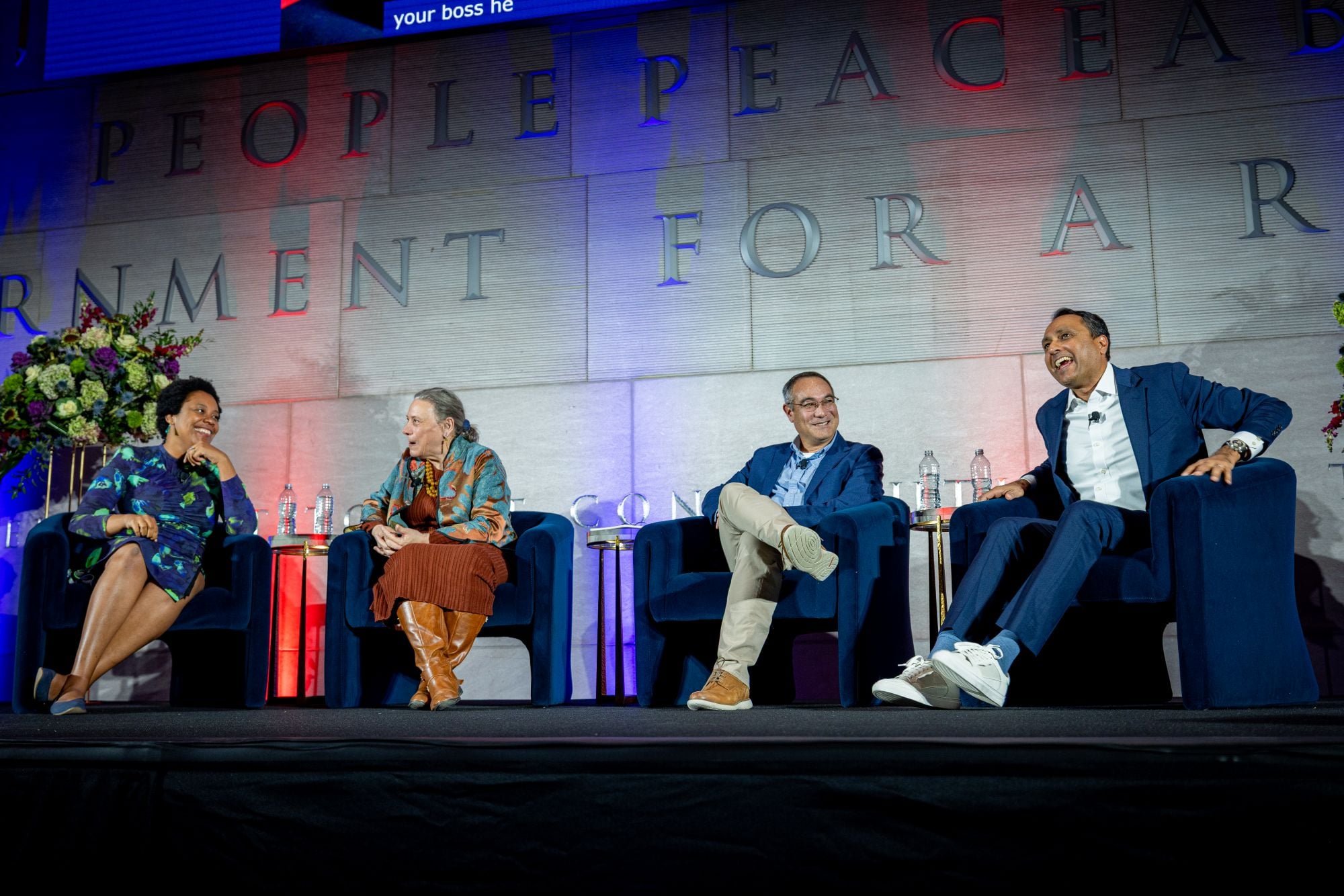
As the nation looks ahead to its quarter-millennial milestone, participants focused on anchoring the country’s next century and a half in the foundational promises of pluralism, religious liberty, and deliberate cooperation across deep ideological and cultural differences. Rather than dwelling solely on the political polarization and national gridlock that frequently dominate contemporary headlines, speakers turned their attention toward grassroots solutions, highlighting the vital role of local leadership, shared community service, and thoughtful partnerships in sustaining the nation’s civic fabric.
Trust in Local Community
A central theme of the convening was the recognition that pluralism is not merely a high-minded constitutional theory, but a daily practice built locally. Speakers emphasized that the heavy lifting of bridging divides happens on the ground, driven by mentors, community organizers, and everyday neighbors who make collaboration across difference possible, even in challenging times.
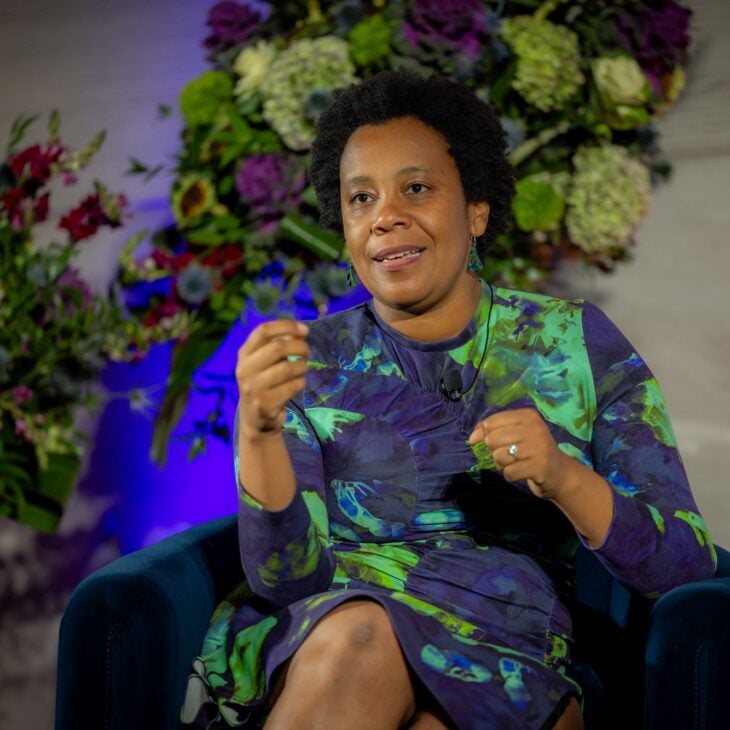
Reflecting on the personal and communal roots of this civic resilience, the Rev. Jen Bailey, executive director of the Dan and Margaret Maddox Fund, reminded attendees of the importance of grounding oneself in history and community. “It’s okay to take two hours out of your day and think about the people who brought you here,” Bailey remarked during her address.
This sentiment of uncovering resilient hope in difficult environments was echoed by Jenan Mohajir, vice president of external affairs at Interfaith America. Drawing on the evocative poetry of Gwendolyn Brooks, Mohajir invoked lines speaking to the hidden potential within dark moments: “True, there is silver under / The veils of darkness. / But few care to dig in the night / For the possible treasure of stars.”
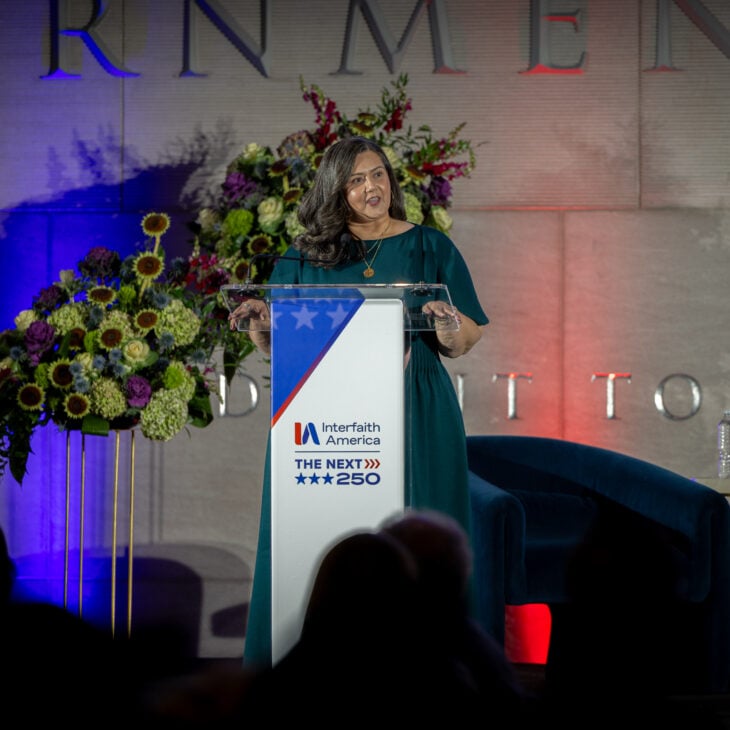
“The work that you are doing in your local communities is that very important work of digging in the night for the possible treasure of stars and bringing that up to the surface,” Mohajir told the audience, connecting literary reflection to the pragmatic, often overlooked efforts taking place in towns and cities across the United States.
Building on the focus on local action, Hiram E. Chodosh, president and chief operating officer of the National Constitution Center, emphasized the urgent need to identify and elevate unrecognized local changemakers. He argued that national strategies must be informed by what is already working on the ground rather than imposed from the top down.
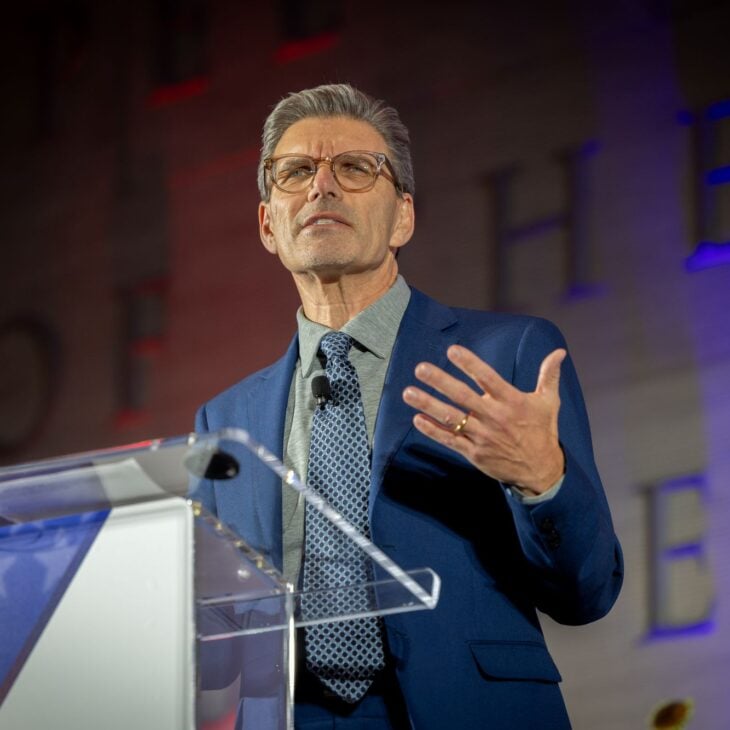
“We need to look locally for those leaders who are achieving great things in their community that no one knows, that no one’s familiar with, that doesn’t reach audiences like this,” Chodosh said. “We need to find those leaders. We need to surface and champion them. Yes, we need to network and activate their networks, and we need to build our national strategy inductively on the keys to their success.”
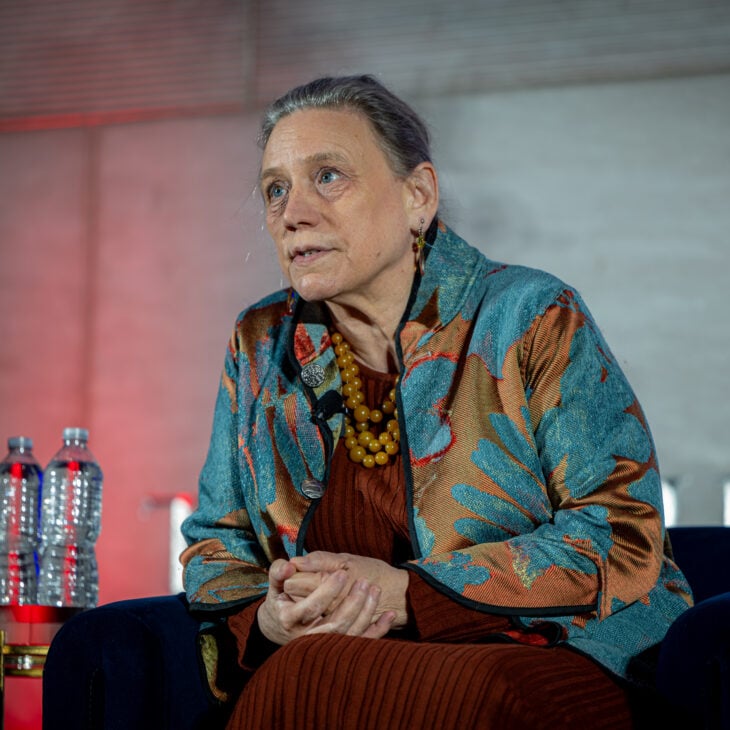
Echoing this perspective on the scale and impact of grassroots history, Laurie Patton, president of the American Academy of Arts and Sciences, offered a sweeping validation of local endeavors. “Local history is cosmic, universal, and world-building,” she stated.
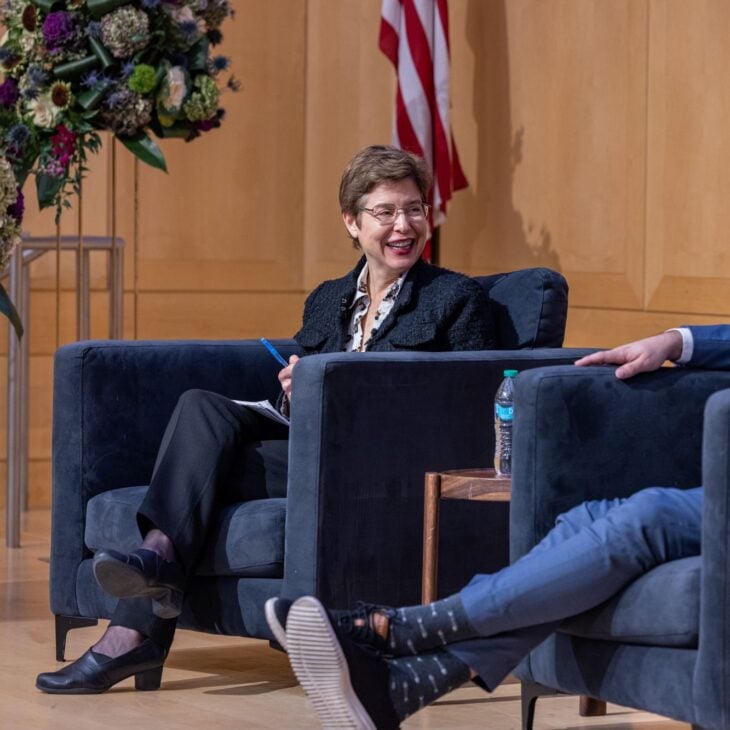
Further reinforcing the argument for decentralized problem-solving, Melissa Rogers, a distinguished scholar in faith, law, and public policy at the Wake Forest Divinity School, pointed out the unique advantages of state and local action in an era characterized by federal friction. “Sometimes at the state and local level, we can make even more progress than we can make at the federal level, where there can be more gridlock and friction in coming together,” Rogers noted.
Strength in Partnership
Moving from the local sphere to the broader architecture of national civil society, panelists emphasized that the ongoing promise of pluralism in the United States is fundamentally contingent on intentional collaboration and meaningful partnership across differences. Without deliberate efforts to build bridges, the nation risks fracturing along ideological, religious, and cultural lines.
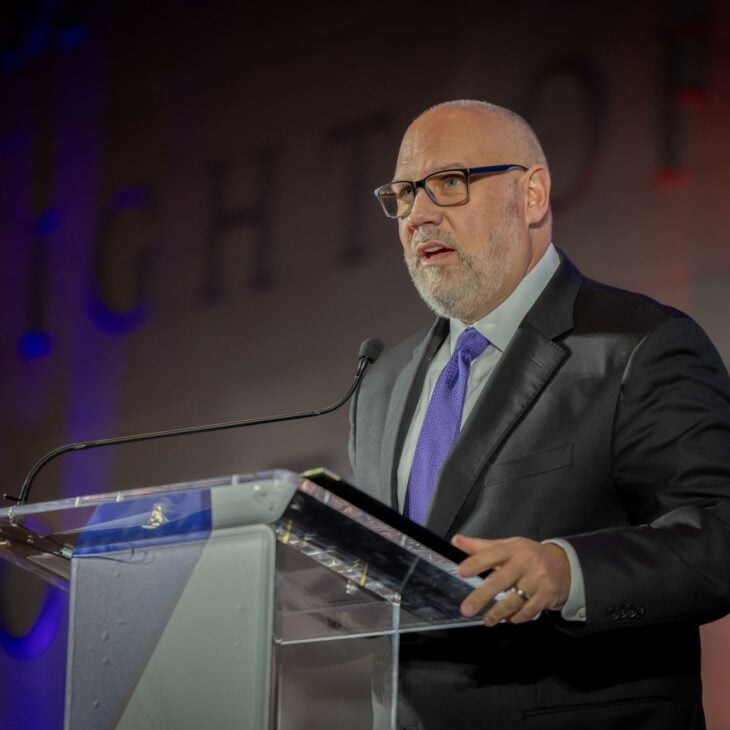
Vince Stango, interim president and chief executive officer of the National Constitution Center, addressed the ethical and civic imperatives of protecting conscience and liberty in a diverse society. He stressed that foundational rights must be preserved not only for oneself, but universally, particularly for those with whom one holds profound disagreements.
“Freedom of conscience cannot be a freedom we claim only for ourselves,” Stango said. “Its promise is realized when we defend that same freedom for others, especially those with whom we profoundly disagree. At the center, we believe that honoring this promise and renewing the civic culture that sustains it are among the great responsibilities of our time.”
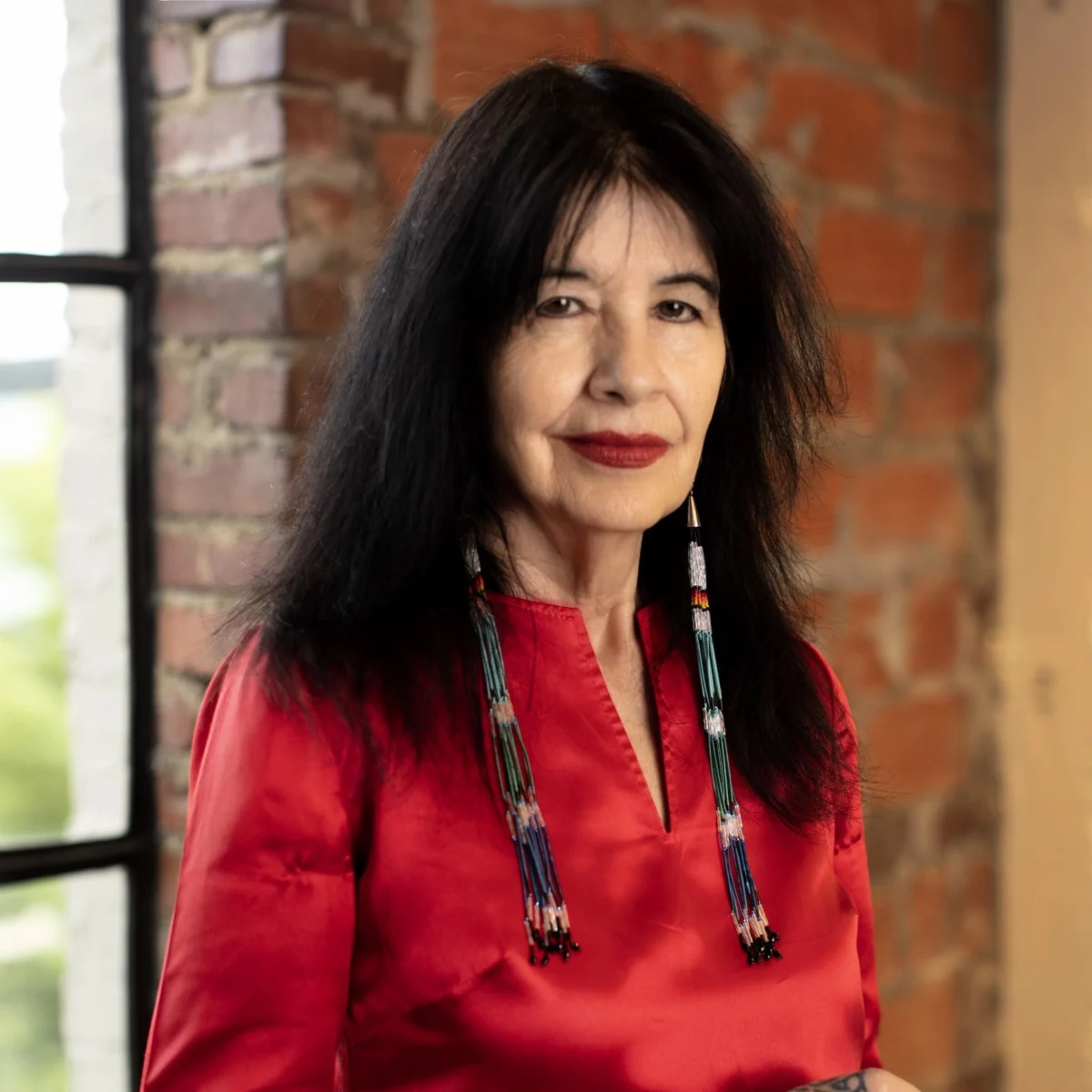
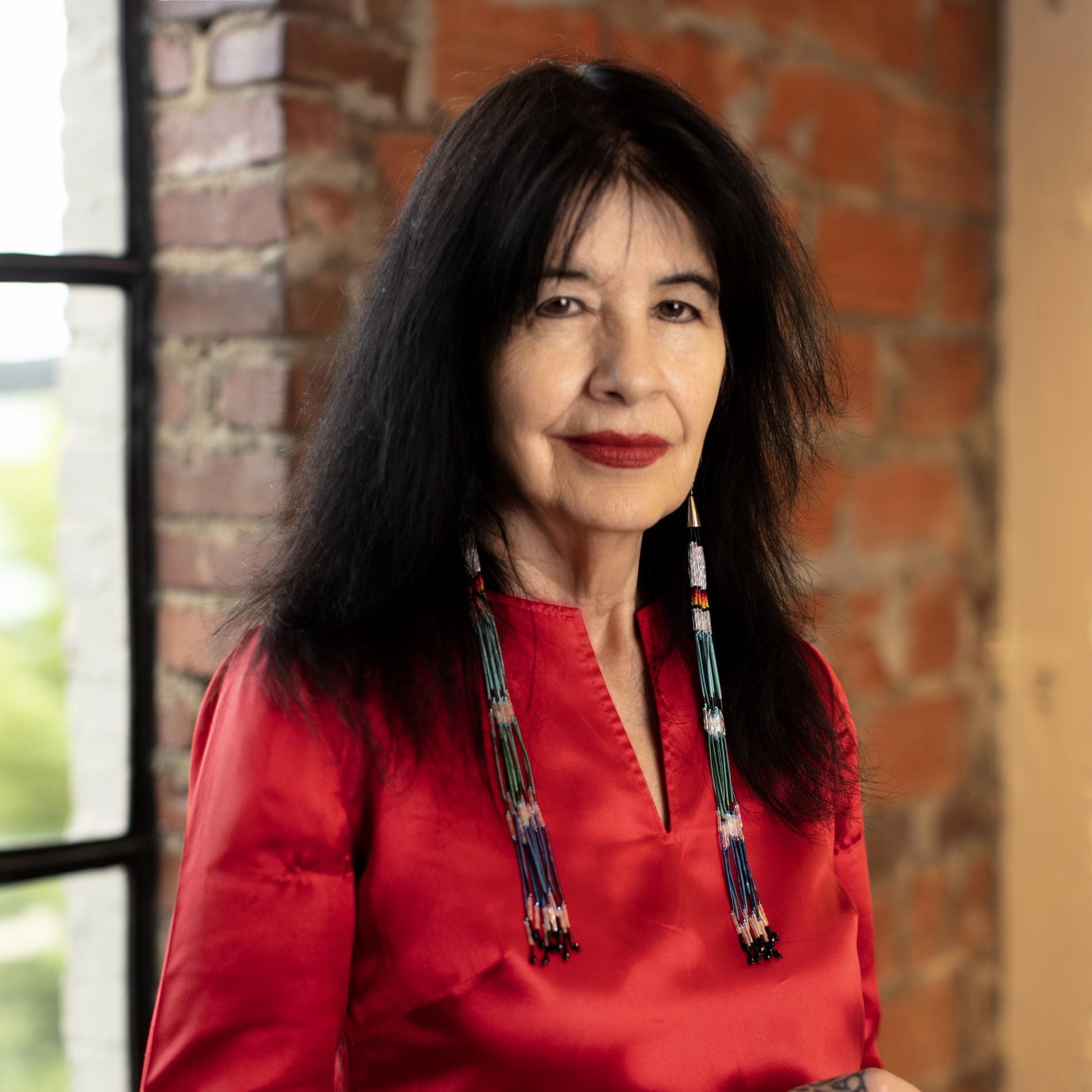
To further illustrate the multifaceted support systems required for this enduring civic work, Mohajir recited verses from poet Joy Harjo’s work, “For Calling the Spirit Back from Wandering the Earth in Its Human Feet.” The reading underscored the communal and ancestral dimensions of resilience, reminding listeners of the instruction to call upon helpers and, in turn, “help the next person find their way through the dark.”
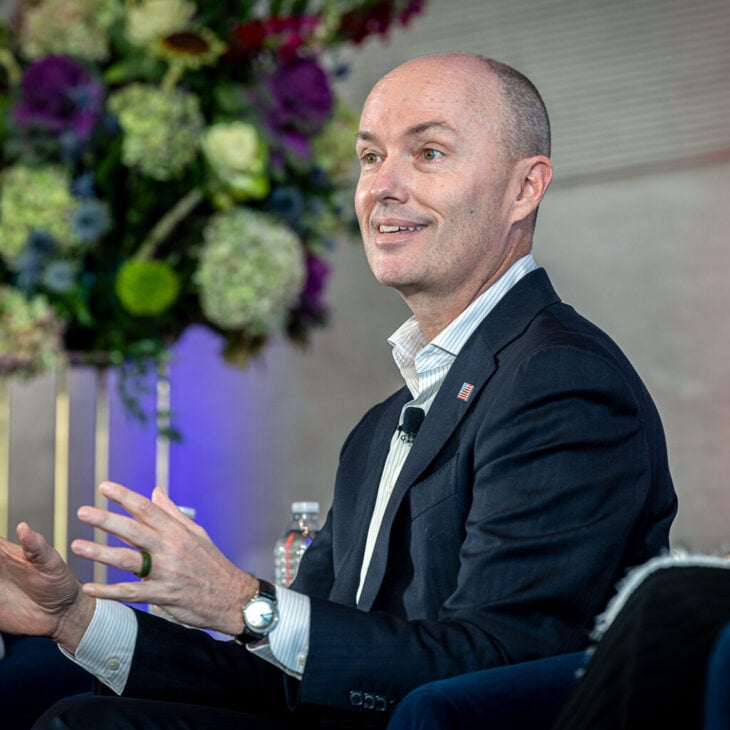
The reality of navigating deep political and philosophical differences was given a practical perspective by Utah Governor Spencer Cox, who addressed the realities of governance within a constitutional framework designed for disagreement. Cox spoke candidly about his own experiences working across the aisle and maintaining productive relationships with political adversaries.
“I disagree on things with my legislators,” Cox noted. “But the Constitution is the framework that [the founders] gave us to solve our problems together… You have to form coalitions to get things done in this country.”
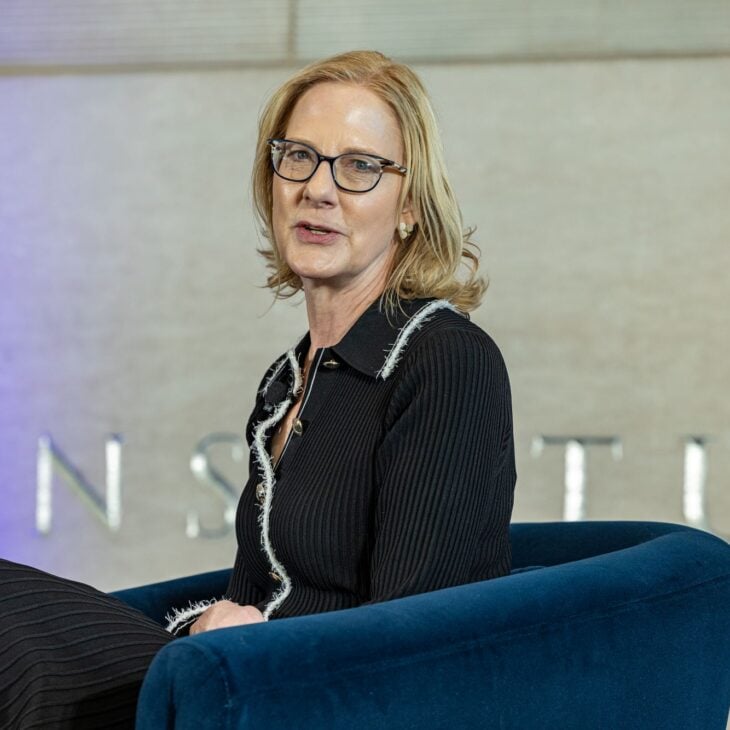
Expanding on the skills required to maintain a functioning democracy, Heather Gerken, president of the Ford Foundation, pointed out that citizenship is a learned practice that extends beyond holding power. She emphasized the critical function of constructive opposition within a democratic ecosystem.
“We all need to learn how to be leaders, and we all need to learn how to be part of a loyal opposition, not just an opposition,” Gerken said. “And so, the habits of citizenship that are taught in a system like ours are incredibly important.”
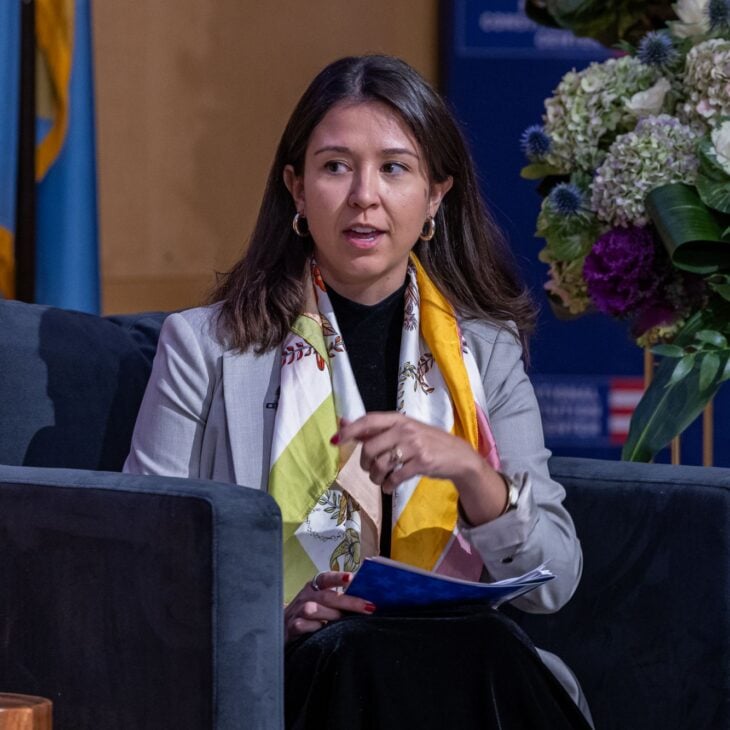
Acknowledging the heavy emotional and psychological toll that civic engagement can exact on leaders, Anna del Castillo, co-founder of Our Own Deep Wells, offered a timely reminder regarding sustainability and pacing within social movements. She urged participants to recognize their own limitations and share the burden collectively.
“This work isn’t the responsibility of any one person, nor should it be,” del Castillo observed. “There are moments when we can step in and be active and also know when we need to take a break.”
In closing the convening, Eboo Patel, president and founder of Interfaith America, framed the pursuit of pluralism not merely as a civic duty, but as a sacred undertaking. He challenged attendees to look beyond their immediate ideological or theological comfort zones and commit to expanding the boundaries of civil society.
“It is a sacred thing to widen the welcome and strengthen bonds to cooperate with people whose doctrine we do not agree with, to support identities you do not share,” Patel reflected. “It is a sacred thing to build the cathedrals of the world.”
