Navigating the Long Road: Why Families of Individuals with Disabilities Must Confront the Unspoken Future
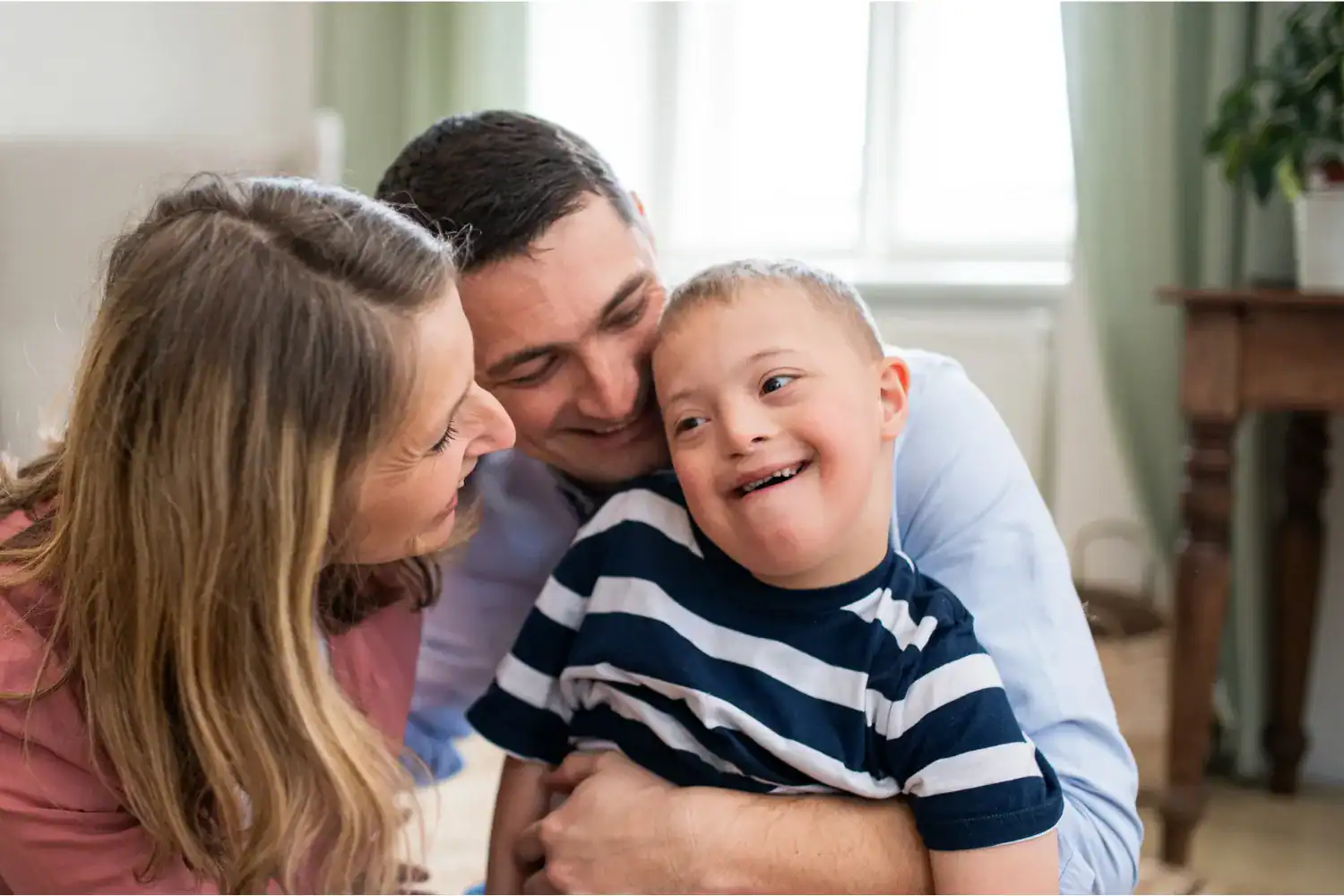
For families living with a disability, the daily rhythm of life is often defined by a complex labyrinth of medical appointments, specialized services, and around-the-clock support systems. Parents and caregivers spend years mastering the intricacies of therapy schedules, educational accommodations, and daily care routines. Yet, amidst the pressing demands of the present, a profound and weighty question frequently remains unspoken and deliberately avoided: What happens when parents are no longer able to provide care?
Future planning conversations can feel overwhelmingly heavy because they touch directly upon deep-seated fears, mortality, shifting family roles, and immense responsibility. For many families, avoiding these difficult dialogues can leave parents, siblings, and the individual with a disability carrying confusion, anxiety, and unaddressed assumptions entirely alone. As experts in disability advocacy and family counseling note, breaking this silence is rarely about solving every unknown overnight; rather, it is about finding a way to carry those unknowns together before a crisis forces the issue.
The Night Before High School Started
The emotional reality of these transitions often hits home during major life milestones. For many families, the night before a child starts high school brings an acute awareness of a new and demanding season. Consider the experience of families raising a child with Down syndrome or other developmental disabilities, where every major educational shift introduces a fresh wave of questions. New teachers, new administrative staff, and different communities of peers must once again learn how to support and understand the student.
While high school is an exciting chapter, it inevitably raises deeper, more long-term anxieties for families. Parents begin to wonder what supports will remain available after graduation, who will help their child truly belong in adult society, and what role other siblings will eventually play. Beneath all these inquiries lies the ultimate, heavy reality: what happens when Mom and Dad can no longer provide care?
For many parents, that specific question feels simply too painful to articulate out loud. Caregiving has often been a cherished, defining role for decades, tightly bound to their personal identity. Furthermore, parents frequently hesitate to initiate these discussions out of a desire to protect their other children from feeling burdened by future responsibilities. Meanwhile, the individual with a child or adult disability may carry their own private hopes and fears about the future. When no one talks about these possibilities, silence becomes its own heavy burden, leaving siblings to wonder what expectations are secretly resting on their shoulders.
Why Is Future Planning So Emotional for Families?
Engaging in future planning for a child with a disability requires families to confront scenarios they would naturally prefer to push away. For parents, the emotional barrier is rooted in the fear of mortality and the vulnerability of their dependent child. However, avoiding the conversation does not actually protect the family unit; instead, it allows anxiety to fester in the dark.
Advocates suggest that families should not jump straight into complex legal paperwork or financial structuring. Instead, the process should begin with a single, foundational relational question: "What are we assuming that we have never said out loud?" Naming these unexpressed assumptions allows family members to clear the air and understand where each person stands emotionally.
Why "His Sibling Will Take Care of Him" Is Not Enough
In disability advocacy circles, a common phrase often echoes through family discussions: "His sibling will take care of him someday." While many siblings harbor a genuine desire to remain deeply involved in their brother or sister’s life, relying on that single sentence falls critically short of a comprehensive plan. Without further details, it remains merely an assumption rather than a strategy.
Leaving the plan at that simple statement leaves too many vital questions unanswered. Where will the individual with a disability live? What specific daily supports will be in place? Has the sibling explicitly agreed to take on that specific role, and how will it impact their own marriage, children, career, and personal finances? Most importantly, what does the individual with a disability actually want for their own life?
Experts often compare this dynamic to a sports huddle. If a coach simply tells a player they are getting the ball without giving them a play, the player may be ready to run, but they have no designated direction and no one blocking for them. The objective of future planning is not to eliminate every single unknown—which is impossible—but to systematically reduce confusion, anxiety, and unfounded assumptions before an emergency occurs.
Beginning the Conversation and Including the Extended Family
The initial conversation is almost always the hardest. Families do not need to solve every legal, financial, housing, and caregiving puzzle in a single sitting. They can begin simply by identifying the expectations that have been silently harbored over the years. By guiding the discussion toward individualized planning, families take the crucial first step toward clarity.
Crucially, future planning extends far beyond parents and siblings. It directly impacts spouses, children, professional trajectories, and daily household dynamics. If an adult sibling is expected to eventually provide a home or caregiving support, their own spouse and children cannot be blindsided years down the road. Honest conversations must happen early so that siblings who love their family member deeply can still communicate realistically about their capacity, marriage, work, and personal boundaries. Clear communication in these moments is an act of profound care.
Furthermore, future planning should never happen entirely around the individual with a disability; as much as possible, it must happen with them. While the abstract concept of living independently from parents can be difficult to grasp fully, families can still find meaningful ways to center the individual’s voice and dignity. Asking what kind of home they would like, who they enjoy spending time with, and what activities make them feel safe ensures that the plan remains centered on the person whose life is actually being discussed.
Approaching the Future with Faith and Hope
For many faith-based families, navigating these heavy topics intersects deeply with spiritual beliefs. Questions often arise about whether planning ahead runs contrary to trusting God for daily provision. However, historical and scriptural examples suggest that provision and planning are not mutually exclusive. From the cross, Jesus entrusted the care of His mother Mary to the apostle John, demonstrating that practical provision and caregiving matter deeply within a community.
Families can maintain a posture of prayer while simultaneously engaging in rigorous preparation. Trusting in a higher plan does not preclude the responsibility of making wise, faithful arrangements for dependents. In many traditions, future planning is viewed not as a sign of weak faith, but as a tangible way to love one another well and bear each other’s burdens.
Where Families Can Begin
Professionals emphasize the importance of starting small. Families do not need to complete a comprehensive, multi-layered life plan in a single afternoon. Progress can begin with a single meeting, a targeted question, or reaching out to a trusted professional organization, such as The Arc’s Center for Future Planning, which offers specialized resources for special needs trusts and estate arrangements.
When families initiate these discussions before a crisis strikes, they actively lower anxiety, clarify expectations, and foster an environment of mutual support. While the topic of mortality and disability can feel daunting, taking small, intentional steps forward allows families to build momentum. By replacing fear with open communication, acknowledging unspoken assumptions, and keeping the individual with a disability at the center of the conversation, families can navigate the road ahead with greater peace and shared understanding.
