A Fresh Take on Takeout: How Sesame Ginger Cabbage Rolls Offer a Healthier Alternative to Processed Asian-Inspired Cuisine
For many people seeking to transition toward a whole-food lifestyle, one of the hardest hurdles to clear is letting go of nostalgic fast-food favorites. Processed, Americanized versions of Asian cuisine—frequently found at ubiquitous mall food court chains like Panda Express—often exert a powerful pull due to their heavy reliance on salt, sugar, and artificial flavor enhancers. Transitioning away from these ultra-processed meals typically requires finding clever culinary workarounds that deliver the same complex, savory flavor profiles without the reliance on MSG or heavy commercial sauces.
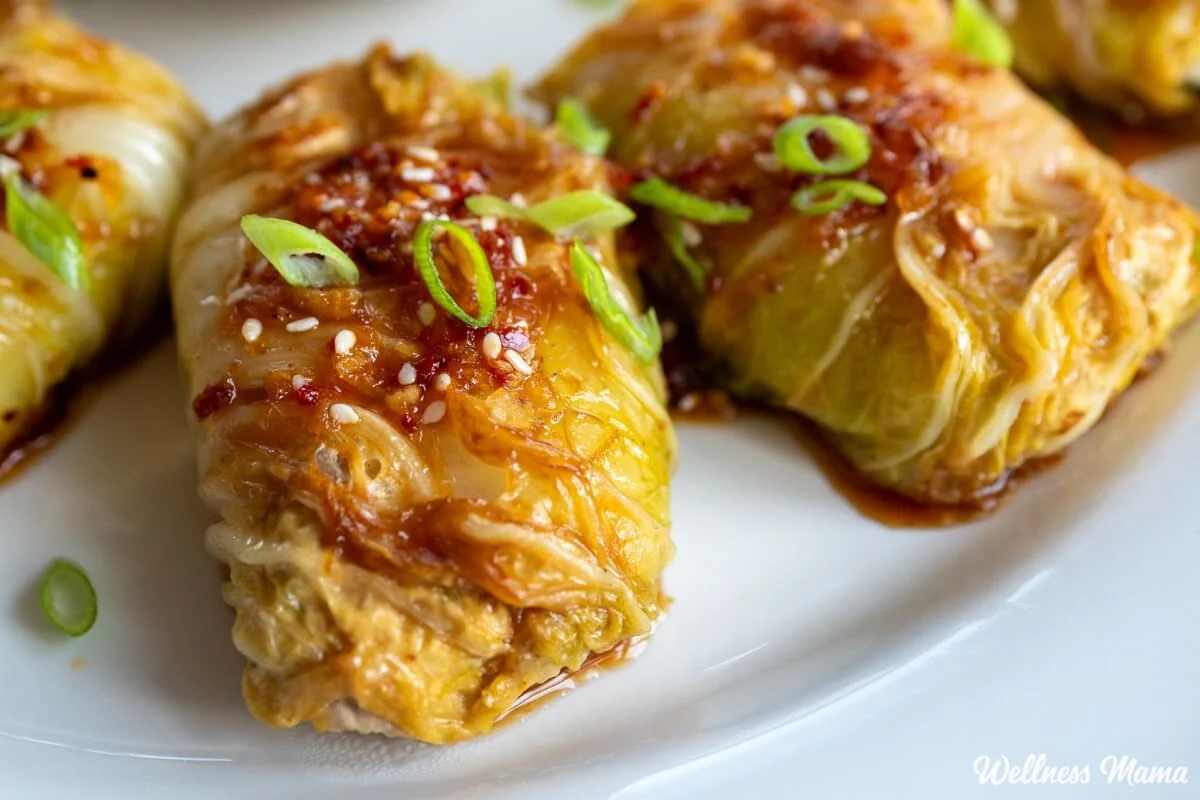
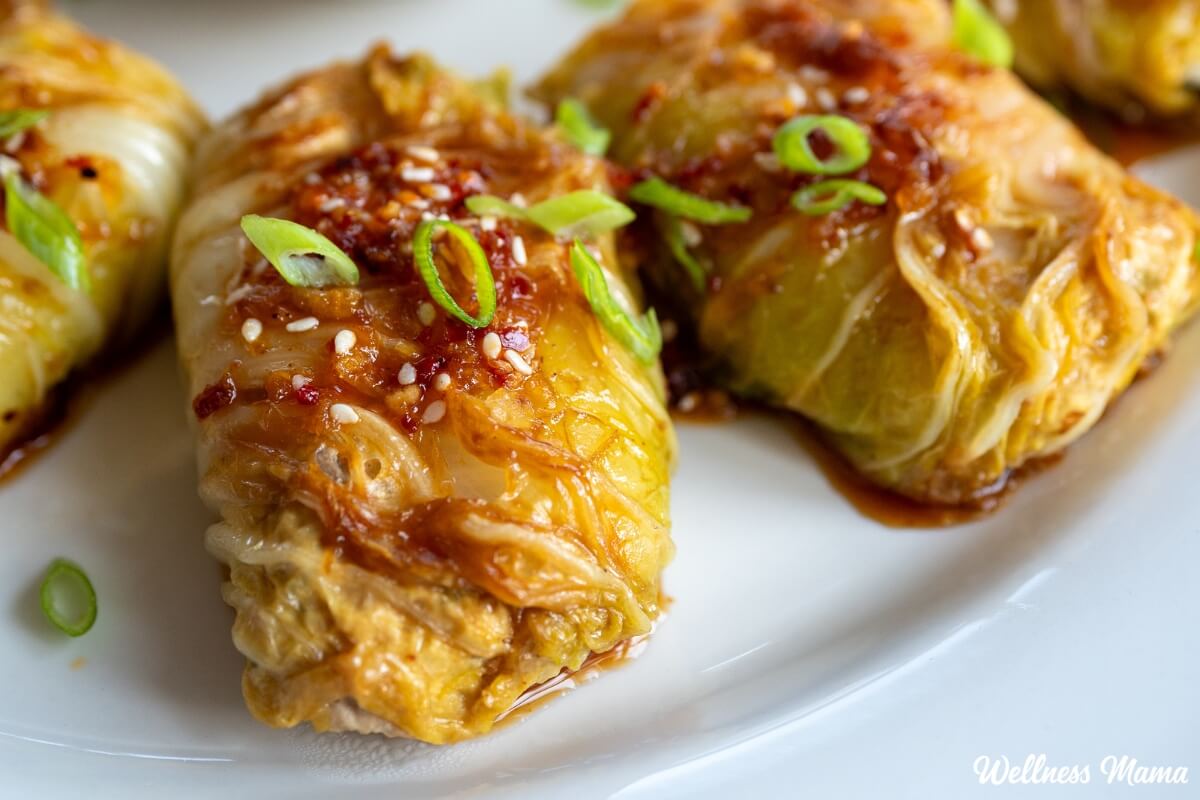
One recent culinary development gaining traction among home cooks looking for healthy comfort food is the sesame ginger cabbage roll. Designed to mimic the deep, comforting flavors of traditional dumplings or potstickers while cutting out the tedious and often processed wrapper-making process, these dishes marry an abundance of lean protein and fresh vegetables with classic aromatic elements like toasted sesame oil, fresh ginger, and coconut aminos.
The appeal of this dish lies largely in its efficiency and nutrient density. Rather than spending significant time rolling individual wontons—which, even when store-bought, may not always align with clean-eating standards—cooks are turning to Napa cabbage as a surprisingly tender, light, and versatile outer layer. After a brief blanching process, Napa cabbage leaves become pliable enough to wrap around a savory filling without tearing, introducing an extra serving of vegetables directly into the meal without compromising the classic flavor profile.
The choice of filling is equally deliberate. While a variety of ground meats can be utilized, lean ground chicken remains a preferred choice because its mild flavor profile allows heavy aromatic notes like garlic and ginger to take center stage while providing a substantial dose of daily protein. To ensure the lean poultry retains its moisture throughout the cooking process, finely diced shiitake mushrooms are blended directly into the mixture. These mushrooms not only impart a rich, earthy depth that elevates the overall flavor profile, but their natural moisture content also keeps the chicken from drying out as it cooks.
A critical component that ties the dish together is the accompanying dipping sauce, which achieves a balance of salty, savory, and spicy notes. By substituting traditional
soy sauce with coconut aminos, cooks can achieve a similar deep, umami-rich flavor with a touch of natural sweetness, completely avoiding soy and ultra-processed additives. The addition of earthy ginger, aromatic toasted sesame, and chili crisp provides a complex kick, ensuring that every bite delivers a punch of flavor without the need for artificial flavorings.
Achieving success with these cabbage rolls requires attention to a few foundational culinary techniques, starting with the selection of the right produce. Napa cabbage is favored specifically because its softer, more flexible leaves roll easily once blanched. To make the wrapping process even smoother, any stiff portions of the thick white stems can be trimmed away prior to filling, preventing the leaves from splitting. Portion control during the assembly phase is also essential; limiting the filling to roughly one-third of a cup per leaf ensures the rolls remain manageable and secure. In the event that a leaf does tear during the process, cooks can easily remedy the issue by wrapping a second, overlapping leaf around the damaged spot, a flaw that becomes completely unnoticeable once the dish is fully steamed.
The cooking method itself relies on a combination of browning and steaming to achieve the ideal texture. After searing the bottoms of the rolls in a skillet for a couple of minutes to develop a slight crust, a small amount of water is added to the pan, and a lid is placed over top to allow the cabbage to soften while the filling cooks through. Removing the lid for the final moments of cooking permits any remaining liquid to evaporate, leaving the bottoms with a pleasing texture that contrasts nicely with the tender leaves.
The adaptability of the recipe makes it a practical choice for modern meal planning. Ground turkey or pork can easily substitute for chicken depending on preference or availability, and finely shredded carrots can be folded into the meat mixture to add a subtle hint of natural sweetness and visual color. For those who appreciate an added crunch, incorporating finely chopped water chestnuts into the filling provides an interesting textural contrast.
Furthermore, these cabbage rolls lend themselves exceptionally well to meal preparation and storage. Leftovers maintain their quality when stored in an airtight container in the refrigerator for up to three days. Reheating them is a straightforward process that mirrors the initial cooking technique; warming them gently in a covered skillet with a small splash of water restores their moisture and tenderness, making them just as viable for a quick weekday lunch or a fast dinner as they were when freshly made.
As home cooks continue to seek out inventive ways to recreate their favorite restaurant-style dishes using wholesome, accessible ingredients, creative shortcuts like sesame ginger cabbage rolls demonstrate that health-conscious eating does not require sacrificing complexity of flavor. By trading processed wrappers and heavy commercial sauces for nutrient-dense vegetables and aromatic pantry staples, everyday meals can bridge the gap between wholesome nutrition and culinary satisfaction.
