Navigating Preschool and Childcare Transitions: Educator Mr. Chazz Shares Insights on Trust, Connection, and Separation
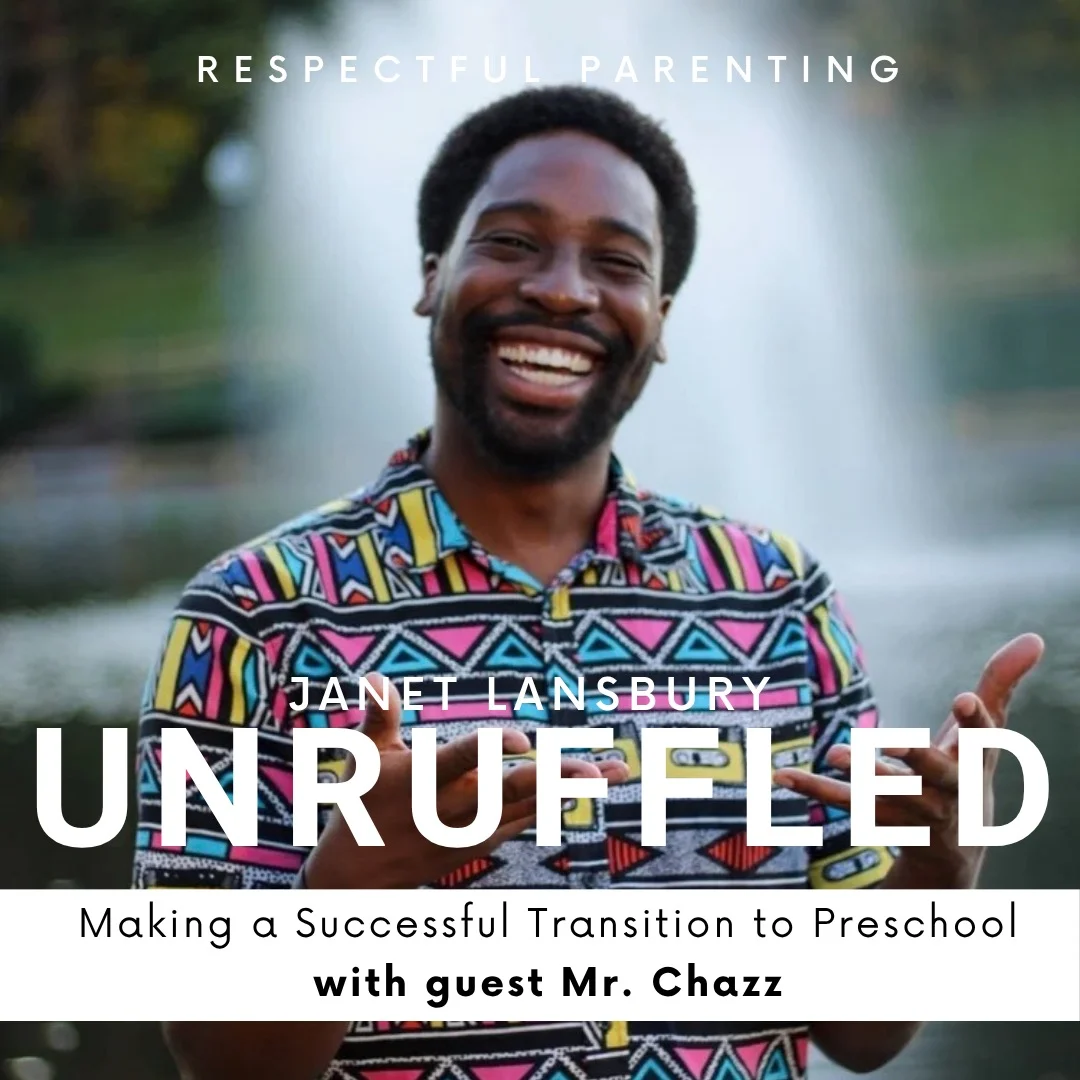
As the new school year gets underway, families and educators alike face the familiar, often emotional hurdle of transitioning young children into preschool and childcare programs. To address how parents and teachers can navigate this milestone with confidence, renowned educator and child development specialist Mr. Chazz recently appeared on Janet Lansbury’s podcast, Unruffled.
Known widely across social media platforms like TikTok and Instagram as "America’s favorite teacher," Mr. Chazz sat down with Lansbury to discuss the foundational role of trust and connection in early childhood education. Drawing from his extensive experience in the field and his latest venture—a Brooklyn-based learning and childcare center called Birdhouse—the educator shared strategies for transforming stressful drop-off routines into positive experiences for both children and adults.
Rethinking Traditional Early Childhood Transitions
During the discussion, Mr. Chazz and Lansbury turned their attention to the standard practices of early childhood programs, many of which they noted are designed more for adult convenience than for the emotional well-being of the child. Mr. Chazz remarked that a vast majority of traditional childcare centers employ transition processes that treat drop-off like a logistical transaction rather than an emotional milestone.
"We often do things for the convenience of the adult rather than what’s best for the child or the teachers or even the family unit," Mr. Chazz explained during the episode. He pointed out that quick, rushed drop-offs—where parents quickly shuffle children into a classroom and dart out the door—frequently heighten anxiety and stress for everyone involved.
In contrast, his new school, Birdhouse, approaches the beginning and end of the school day through the lens of "arrival" and "reunion" rather than simple drop-offs and pick-ups. This shift in language is accompanied by a structural shift in how children enter the classroom environment. At Birdhouse, arrival is treated as an intentional period of integration where children are supported in putting away their belongings, removing their outdoor shoes to maintain cleanliness, washing their hands, and engaging in individualized moments of connection with teachers, whom the center refers to as "safekeepers."
Supporting Teachers to Support Children
A core tenet of Mr. Chazz’s philosophy at Birdhouse is that caring for children effectively requires first caring for the adults who look after them. The early childhood education sector has historically struggled with high staff turnover rates, low compensation, and severe burnout, which ultimately disrupts the consistency that young children need to feel secure.
To combat this systemic issue, Birdhouse implements unique measures to support its teaching staff. Notably, the head teacher lives directly upstairs from the school, sparing them from the financial strain of paying local rent and mitigating the chronic survival state that many educators experience. By ensuring that teachers feel secure, valued, and cared for, the program creates a stable environment where educators can lend their prefrontal cortexes to the complex emotional needs of the children in their care.
Lansbury praised the model, noting that such consistency directly benefits families who often suffer from high teacher turnover in traditional commercial daycare settings. "That’s a really good way of ensuring that people are dedicated and will stay," Lansbury observed.
Navigating Big Emotions and Separation Anxiety
Even with thoughtful preparation, predictable routines, and prior visits to the classroom, children will occasionally experience distress during separation. Both educators emphasized that crying and sadness are normal human responses when children must part ways with their primary caregivers. Rather than viewing tears as a failure of the transition process, Mr. Chazz and Lansbury framed these moments as natural opportunities for emotional release and co-regulation.
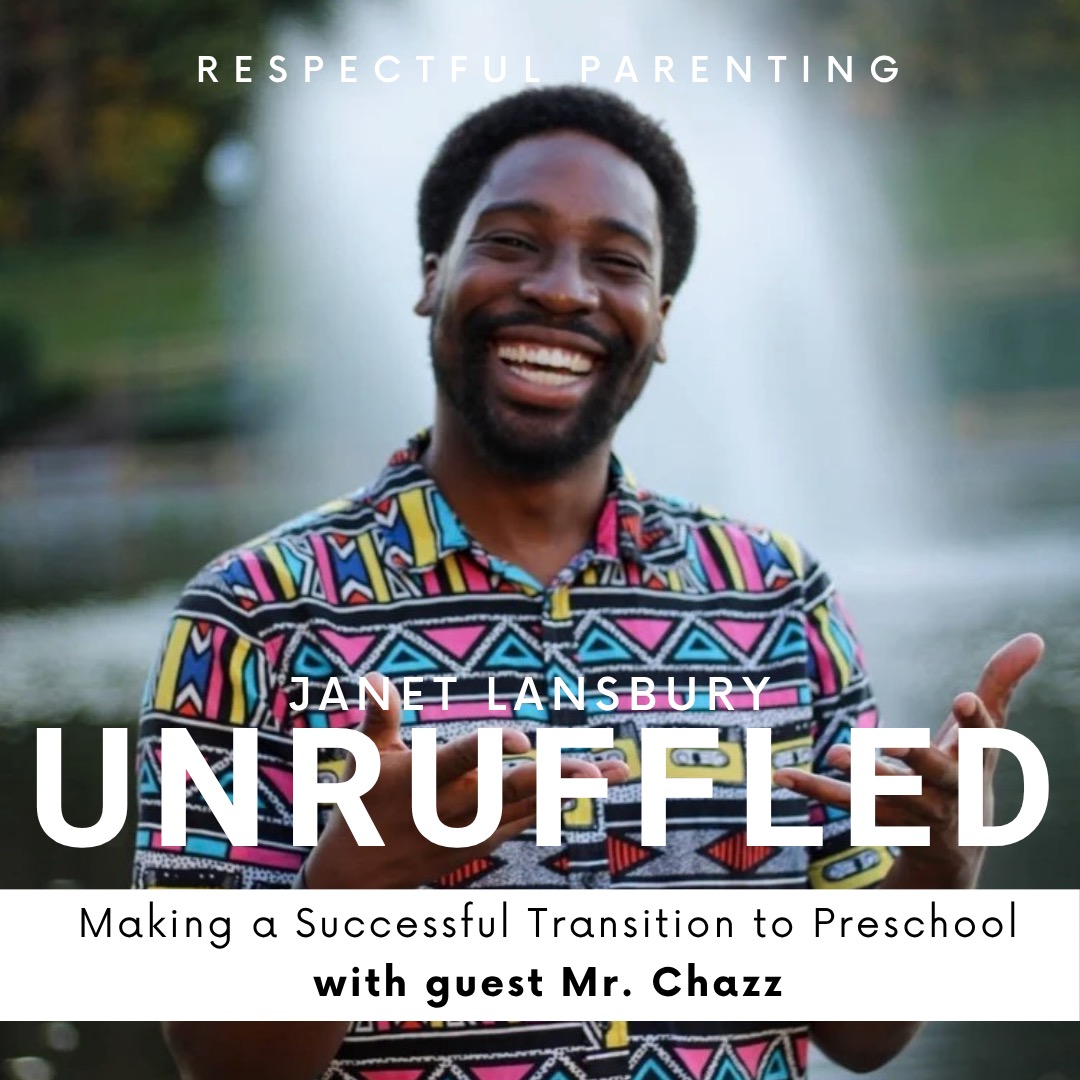
Recounting a particularly difficult morning at Birdhouse when a child cried through an entire circle time while missing his mother, Mr. Chazz explained how the teaching team handled the situation without panic or forced distraction. The staff remained nearby, offering a calm, available presence without pressuring the upset child into a hug or demanding that he stop crying.
Remarkably, the situation became a powerful learning experience for the rest of the classroom community. When another child pointed out that their classmate was crying, the teachers acknowledged the feeling openly, telling the group that their peer was missing his mom. The class then collectively took a deep breath to send supportive energy to the upset child.
"Emotions are contagious," Mr. Chazz noted, explaining how the experience taught the other children how to regulate themselves while validating their peer’s right to feel sad. Once the parents departed and the environment settled, the crying child was eventually able to seek comfort, re-regulate, and transition back into play.
Lansbury added that caregivers often feel immense societal pressure or self-judgment when their child cries in public or at school, worrying that others might view them as ineffective parents or teachers. Both educators encouraged adults to acknowledge those passing thoughts, let them go, and trust that children possess the resilience to process and move through their feelings.
Practical Strategies for Parents at Traditional Centers
Recognizing that most families do not have access to alternative models like Birdhouse, Mr. Chazz offered practical techniques that parents can use to ease transitions in more traditional school environments.
Among these strategies is the use of visual routine cards—simple, left-to-right visual representations of the morning steps, such as greeting the teacher, hanging up a coat, removing shoes, and washing hands. These visual aids help ground children when they feel overwhelmed by the sensory input of a busy classroom, allowing them to take ownership of the sequence rather than relying entirely on parental commands.
Additionally, Mr. Chazz recommended familiarizing children with the upcoming experience through roleplay using stuffed animals, talking about the daily schedule ahead of time, and taking photos of the school to create a personalized narrative book. He stressed the importance of remaining honest and open if a child expresses anxiety about specific aspects of the day, such as nap time, rather than overly "selling" the school experience, which children can often sense and distrust.
As the discussion concluded, both Lansbury and Mr. Chazz reflected on the profound rewards of working directly with young children. Despite the emotional labor and daily challenges inherent in early childhood education and parenting, Mr. Chazz emphasized that remaining attuned to children, honoring their perspectives, and maintaining a steadfast belief in their capacity to handle big emotions ultimately creates a healing and deeply meaningful environment for everyone involved.
