Navigating the Preschool Transition: Educator Mr. Chazz Shares Insights on Trust, Connection, and Early Childhood Care
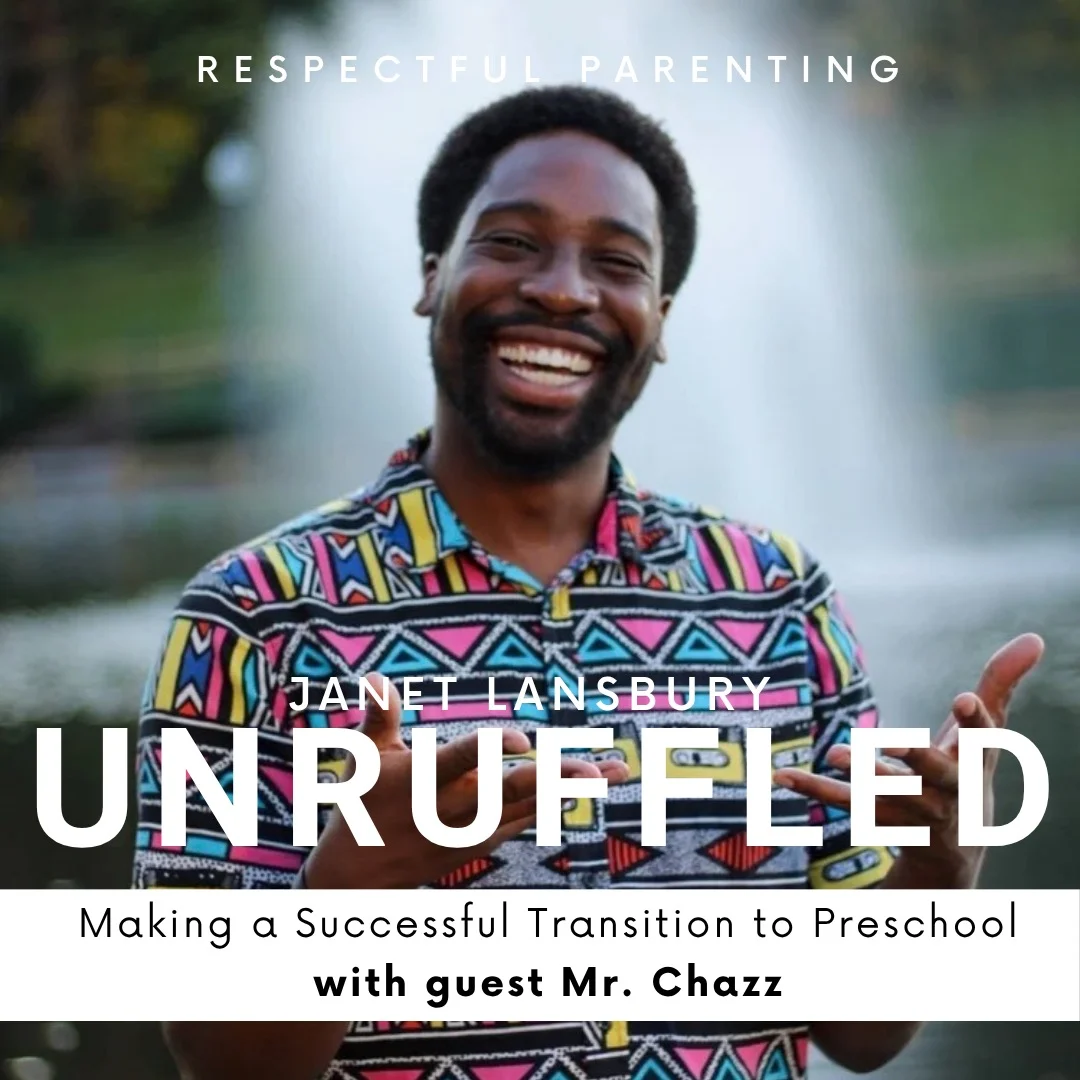
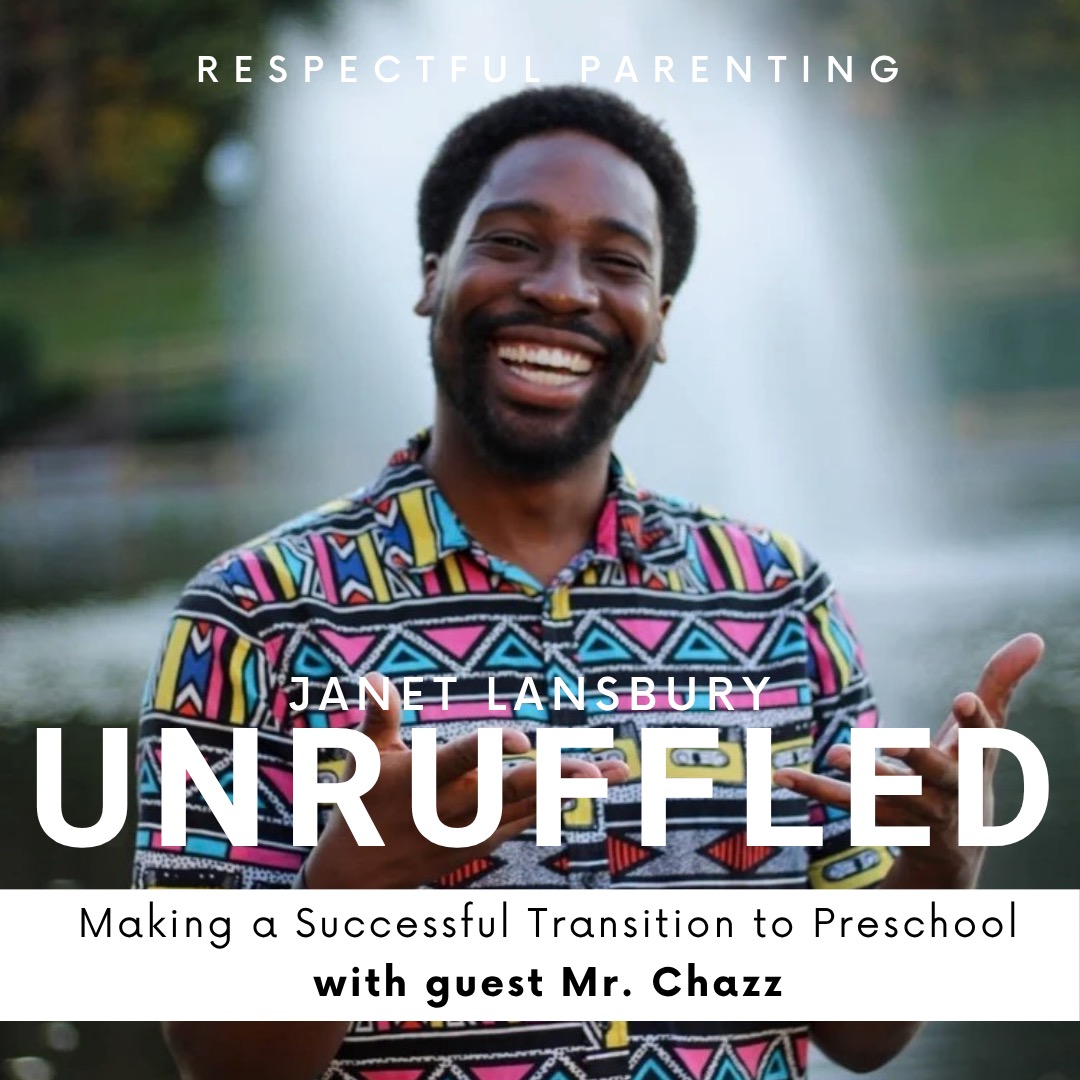
As families navigate the emotional milestones of the back-to-school season, renowned educator and early childhood specialist Chazz Lewis—widely known as Mr. Chazz—recently joined parenting expert Janet Lansbury on her Unruffled podcast to discuss strategies for helping young children successfully transition into preschool and childcare settings.
The conversation, published on October 5, 2025, centers on the foundational role of trust, the importance of maintaining emotional connection during separations, and how early childhood programs can better support both children and their families.
Mr. Chazz, who has built a massive following across TikTok, Instagram, and his own podcast, Learning Curve with Mr. Chazz, has earned widespread acclaim for his compassionate and humble approach to child development. During his conversation with Lansbury, he discussed his latest venture: the opening of Birdhouse, an innovative in-home childcare and learning center located in Brooklyn, New York.
According to Mr. Chazz, the inspiration behind Birdhouse stemmed from a desire to address systemic flaws in traditional early childhood education models. He noted that approximately ninety-nine percent of conventional childcare facilities approach transitions and daily operations for the convenience of adults rather than prioritizing the well-being of children, families, and educators.
To combat high burnout and turnover rates common in the early childhood sector, Birdhouse implements a unique support system for its staff. The facility’s head teacher lives upstairs, eliminating personal rent burdens and allowing educators to feel cared for and secure. By ensuring that teachers are not operating from a survival state, the program fosters greater consistency, emotional availability, and long-term commitment for the children and families they serve.
Moving beyond logistical frameworks, Mr. Chazz and Lansbury explored the micro-interactions that define a child’s daily school experience, specifically challenging the traditional model of hurried morning drop-offs. Frequently comparing conventional drop-offs to handling packages at a delivery counter, Mr. Chazz advocated for a fundamental shift in perspective and language, reframing the daily routine from "drop-off and pick-up" to "arrival and reunion."
At Birdhouse, arrival is designed as an intentional period of integration and connection rather than a rushed separation. Children are guided through a predictable, visual routine that includes greeting teachers, storing belongings in cubbies, changing out of street shoes onto designated floor markers, and washing hands with a parent or caregiver present. Parents are invited to stay through morning activities, such as circle time, before a collective goodbye song marks the transition.
While this approach fosters a deep sense of safety, Mr. Chazz emphasized that proactive preparation does not eliminate all tears. Even with robust foundational trust and familiarity with the space, young children occasionally experience intense emotional reactions during separation. Rather than viewing these moments as failures, Mr. Chazz framed them as powerful learning opportunities for the entire classroom community.
Recalling a recent day when a child experienced prolonged sadness and missed his mother, Mr. Chazz explained how the teaching staff supported the child by offering a reassuring presence without forcing unwanted physical touch. Peers in the classroom observed the situation and were guided to take collective deep breaths and send supportive energy to their classmate. This approach demonstrated to the children how to navigate heavy emotions and practice healthy co-regulation.
Lansbury noted that witnessing such demonstrations provides parents with profound relief, granting them permission to step back and allow children to process their feelings naturally rather than rushing to fix or distract them from discomfort. Both educators emphasized the importance of avoiding the blame game when children experience distress, encouraging caregivers to accept emotional moments simply as they are, without internalizing guilt over going to work or having to separate.
To help families prepare for transitions outside of progressive environments like Birdhouse, Mr. Chazz shared several practical strategies that parents can implement at home. Creating visual routine cards helps children anticipate each step of the morning sequence, reducing cognitive friction and anxiety. Additionally, proactive measures such as creating photographic books of the school environment, visiting the classroom ahead of time when permitted, and role-playing arrival scenarios with stuffed animals can significantly ease a child’s apprehension.
Mr. Chazz also addressed the realities of adjustment periods in traditional centers, noting that teachers often require up to a month to truly understand the unique personalities, cues, and home routines of every child in a large group. He encouraged parents to share detailed information with educators regarding nap preferences, comfort items, and behavioral patterns to bridge the gap between home and school life.
Reflecting on his decision to return to the physical classroom after extensive travel and public speaking, Mr. Chazz expressed profound gratitude for the emotional depth and daily rewards of direct teaching. Despite the heavy emotional labor involved in early childhood education, he highlighted those small, transformative moments of connection—such as helping a child decode and understand their feelings—as the driving force that continually inspires his work.
