Picture the scene: a busy morning commute, a local coffee shop line moving at a steady pace, and the customer directly ahead of you suddenly finding their card declined. Before the awkwardness fully settles into the room, you step in, tap your phone against the reader, and cover the modest four-dollar balance. The person turns around, visibly flustered yet profoundly relieved, offering repeated thanks as the queue resumes its rhythm. While the interaction takes mere seconds, the simple act leaves both parties carrying a slightly lighter mood into the rest of the day.
Moments like this embody the essence of World Kindness Day. Celebrated annually on November 13, the global observance highlights how intentional acts of goodwill can brighten an ordinary day, yielding psychological benefits for both those receiving and those performing the gestures. As communities, classrooms, and workplaces look ahead to World Kindness Day 2026, which falls on Friday, November 13, researchers and mental health advocates continue to explore the tangible connections between altruism and human well-being.
What is World Kindness Day and How Did It Begin?
World Kindness Day operates as an unofficial global observance designed to encourage acts of kindness across all scales, ranging from minor daily courtesies to substantial community efforts. The observance traces its roots back to 1998, emerging from the efforts of the World Kindness Movement. Rather than stemming from a single visionary founder, the movement developed through a coalition of independent kindness organizations that united to promote global cooperation and empathy.
The foundational coalition was established during an international conference held in Tokyo, drawing founding members from a diverse group of nations including Japan, Singapore, Australia, Canada, Thailand, the United Kingdom, and the United States. Organizers selected November 13 for the annual celebration because it marked the opening day of that inaugural Tokyo conference, as well as the thirty-fifth anniversary of Japan’s historic Small Kindness Movement. In the decades since its inception, the observance has expanded organically, becoming a fixture in schools, corporate offices, and local communities worldwide.
The Science of Kindness: Mental Health and Stress Reduction
Most people have experienced the immediate psychological shift that follows a generous action—a sudden lift in spirits and a warmer outlook on the day. Over the years, behavioral scientists and psychologists have turned their attention to these experiences, attempting to measure the exact impact of kindness on the human brain and emotional stability.
A notable study published in 2023 by researchers at The Ohio State University explored the intersection of kindness and mental health. The research team evaluated 122 adults experiencing moderate to severe symptoms of depression, anxiety, and stress, dividing them into three distinct groups over a period of several weeks. Participants were assigned to perform acts of kindness, plan engaging social activities, or practice cognitive reappraisal—a standard therapeutic technique focused on reframing stressful thoughts from a fresh perspective.
The findings revealed that while all three behavioral interventions offered notable psychological relief, engaging in acts of kindness proved more effective at reducing symptoms of depression and anxiety than cognitive reappraisal alone. Furthermore, the group assigned to perform kind acts was the sole cohort to report a statistically significant increase in feelings of social connection with others.
These findings align with a broader body of psychological research. A comprehensive review analyzing 27 distinct studies and encompassing more than 4,000 individuals demonstrated that performing voluntary acts of kindness consistently correlates with a modest yet reliable enhancement in overall personal well-being.
Beyond general mood elevation, research suggests that kindness may serve as a psychological buffer during periods of high stress. A two-week diary study involving 77 adult participants tracked daily fluctuations in stress levels, mood patterns, and instances of helping behavior. While elevated stress predictably dragged down positive emotions on a day-to-day basis, researchers observed a distinct moderating effect on days when participants engaged in higher-than-average levels of helping behavior. On those high-stress days, the typical drop in positive mood was significantly cushioned, suggesting that extending care to others can help individuals weather difficult circumstances.
Mental health professionals emphasize important context regarding these findings, noting that the existing research primarily relies on short-term observations and self-reported emotional tracking. Consequently, researchers cannot definitively quantify the exact longevity of these psychological benefits. While altruistic behavior actively supports overall emotional health and resilience, experts stress that it does not substitute for professional medical care or clinical intervention. Individuals experiencing persistent anxiety, low mood, or chronic stress spanning multiple weeks are strongly encouraged to consult qualified healthcare providers.
Practical Ways to Engage with World Kindness Day
Observing World Kindness Day does not require grand gestures, elaborate planning, or substantial financial resources. Numerous low-pressure approaches fit seamlessly into a standard daily routine, whether an individual is navigating a workday, managing household responsibilities, or interacting within a local neighborhood.
One accessible approach involves reaching out to acquaintances or loved ones through a simple "thinking of you" message. Many individuals maintain mental lists of friends passing through difficult seasons, relatives with whom they have lost touch, or former colleagues they genuinely miss. Crafting a brief message that mentions a specific trigger—such as spotting a pet that resembles theirs—can bridge distances effectively. To alleviate any social pressure on the recipient, messages can incorporate a gentle note indicating that no reply is necessary, ensuring that individuals feeling overwhelmed are not burdened by a required correspondence.
Another meaningful avenue is expressing written appreciation to service workers, local businesses, or professional colleagues. Leaving thoughtful online reviews for small local enterprises, writing notes of gratitude to service personnel, or formally commending a hardworking employee to management can profoundly impact a recipient’s day. Such gestures draw attention to the details of everyday labor that often go unnoticed.
Similarly, offering assistance before a direct request is made allows individuals to alleviate the friction in shared environments. Whether taking on an undesirable household chore, refilling an office paper supply, or carrying a heavy load, anticipating practical needs spares others the awkwardness of asking for help.
For those with modest financial flexibility, covering a small incidental tab—such as purchasing a colleague’s lunch, rounding up a tip, or adding a friend’s beverage to an order—serves as a tangible expression of goodwill, provided individuals establish clear personal budgets beforehand to prevent financial anxiety. When financial resources are constrained, tangible alternatives remain readily available, including donating gently used clothing to local shelters, contributing volunteer hours, or participating in remote community service tasks such as digital tutoring or card-writing campaigns.
Finally, experts emphasize that kindness toward oneself remains an essential yet frequently neglected component of emotional well-being. Monitoring internal dialogue during moments of personal frustration and consciously adopting a compassionate, supportive tone—akin to the way one might address a trusted friend—offers a valuable pathway toward self-compassion. Short reflective pauses, focused breathing, and gentle self-acknowledgment can help individuals navigate high-pressure moments with greater resilience.
As World Kindness Day approaches on November 13,
2026, the global observance continues to serve as an intentional reminder that small, deliberate acts of empathy hold the capacity to transform individual moments and strengthen the fabric of communities worldwide.
BALTIMORE — At a crowded conference table with fellow University of Maryland students and campus leaders, Keven Guruswamy carefully lifted a photograph of his personal bookshelf. Displayed neatly across the wooden slats was his collection of Bibles, some bound in Tamil, others in English. Some he had acquired on his own, while others were cherished gifts, including one from his late grandmother.
For Guruswamy, a senior psychology major and Seventh-day Adventist, the image captured more than just books; it represented a lifelong education. Growing up in a religiously mixed family that included both Hindus and Christians, he said, introduced him early on to "the beauty of interfaith cooperation."
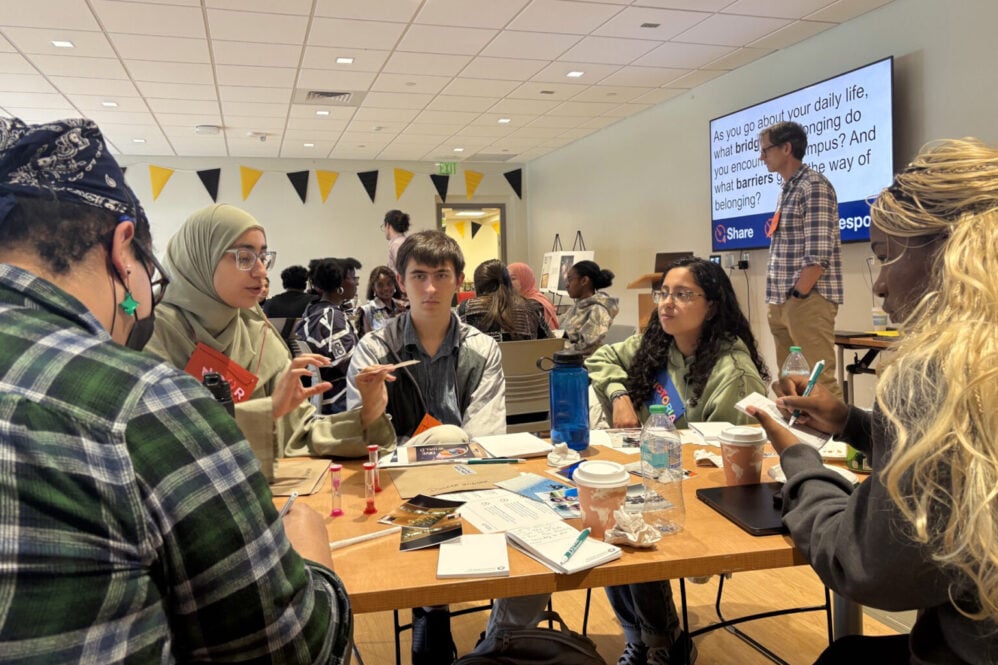
That photograph was just one of many brought to a two-day retreat in mid-October as part of "Picturing Pluralism," a semester-long photography and dialogue project. The initiative brought together roughly 30 students and 10 faculty and staff members from the University of Maryland, Baltimore County (UMBC). Designed to foster meaningful connections in a national political climate that has often felt fraught and polarized for college students, the program aims to build bridges across faith lines on a remarkably diverse campus.
Faculty members interviewed for this report describe UMBC as one of the most religiously diverse campuses in the United States, pointing to a vibrant student culture that spans multiple Christian denominations, Islamic traditions, Jewish movements, Sikh communities, and Dharmic groups. Organizers and participants note that student-led organizations have recently hosted diverse gatherings ranging from Muslim women’s fellowships and Sikh cultural festivals to queer Orthodox Jewish meetups and South Asian Christian organizations.
Yet the university, founded in the 1960s and currently enrolling approximately 13,530 students, operates without some of the traditional religious infrastructure found at older or larger institutions. According to Matt Hoffman, director of the campus Center for Religion, Spirituality and Pluralism, UMBC lacks a formal campus chapel. Because dedicated spaces for prayer and religious practice are limited, multiple faith communities must share the same physical facilities.
On Fridays, the multi-use hall managed by the Center for Religion, Spirituality and Pluralism becomes a bustling microcosm of this shared existence. Muslim students roll out prayer mats and erect temporary dividers for gender-separated prayers, while Catholic students gather nearby for rosary sessions and worship music, and Jewish students prepare for Shabbat dinners and evening services.
Lisa Huberman, the social action engagement associate at UMBC Hillel, often arrives on Friday afternoons to help students set up their Sabbath gatherings just as Muslim prayers are concluding in the same room.
"It’s very much like a delicate dance," Huberman said. "Even just basic functions of existing, even in a mundane way, we’re always negotiating. But it also means there is an opportunity to encounter difference in close proximity at UMBC."
This intricate dance takes place against a backdrop of heightened national tension, as college campuses across the country remain flashpoints in broader disputes over identity, free speech, and inclusion. Just days before the photography retreat began, students on campus held vigils to honor the victims of the October 7, 2023, attacks in Israel and to protest the devastating war in Gaza that followed.
While organizers acknowledged feeling sensitive to these intense political and emotional dynamics, they also stressed that they had prepared thoroughly for potential conflicts. Rather than running from these tensions, Huberman and Hoffman said they have come to view the close proximity of diverse groups as a unique educational opportunity.
"The next level," Hoffman said, "is to ask, ‘What do we do with the diversity?’"
Enter “Picturing Pluralism”
"Picturing Pluralism" is a collaborative partnership between UMBC’s Center for Religion, Spirituality and Pluralism and Interfaith Photovoice, an organization that pairs amateur photography with structured, facilitated dialogue to bridge religious, spiritual, and cultural divides.
Joshua Polanski, director of engagement for Interfaith Photovoice, noted that his organization has successfully implemented its programs across diverse multicultural communities in places ranging from Michigan and Texas to Oman and Pakistan, working everywhere from corporate boardrooms to higher education institutions.
The primary objective, according to visual sociologist and Interfaith Photovoice founder Roman R. Williams, is to "take someone that is maybe even barely an acquaintance and shift that relationship into something where they’re gaining knowledge."
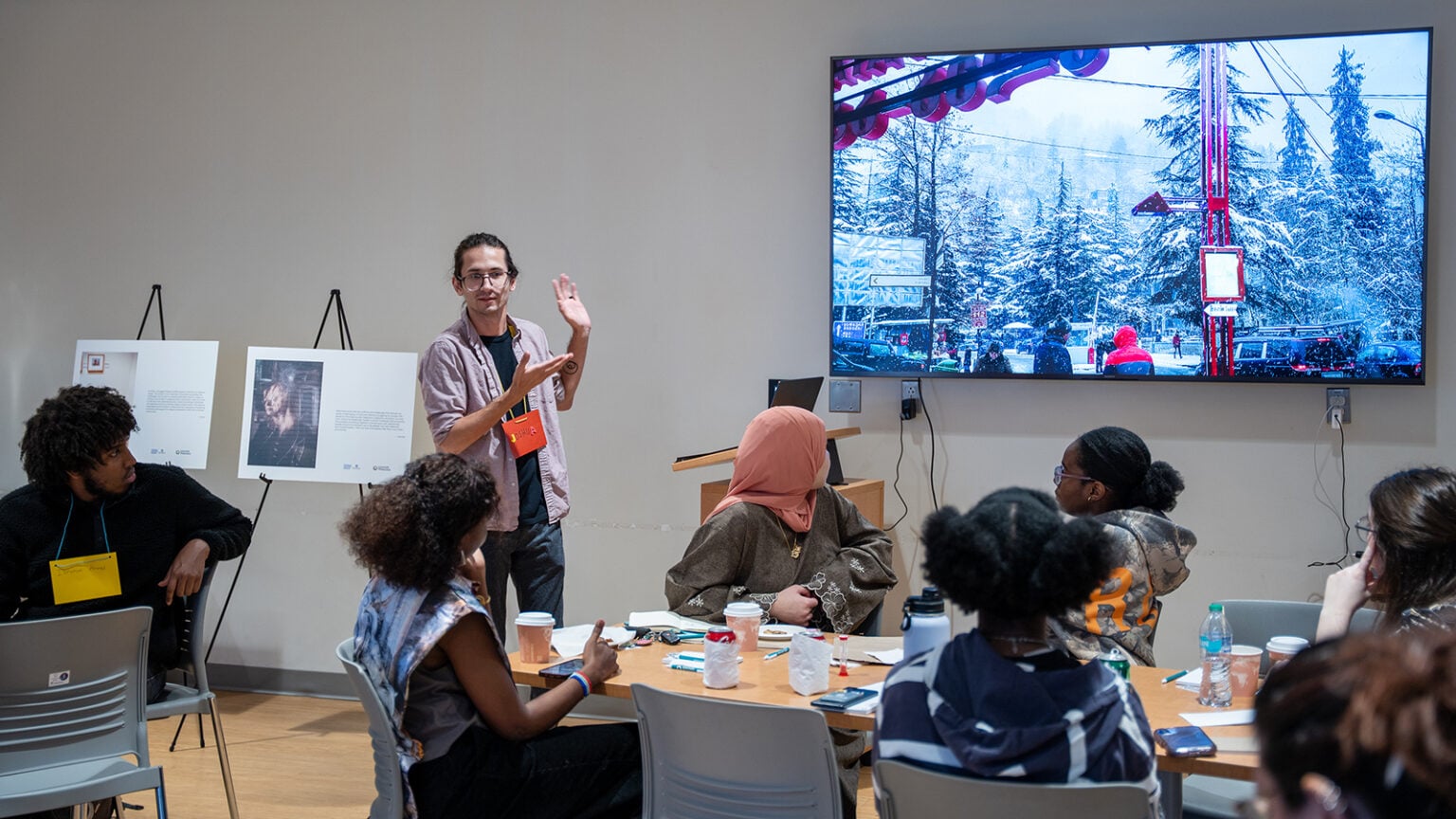
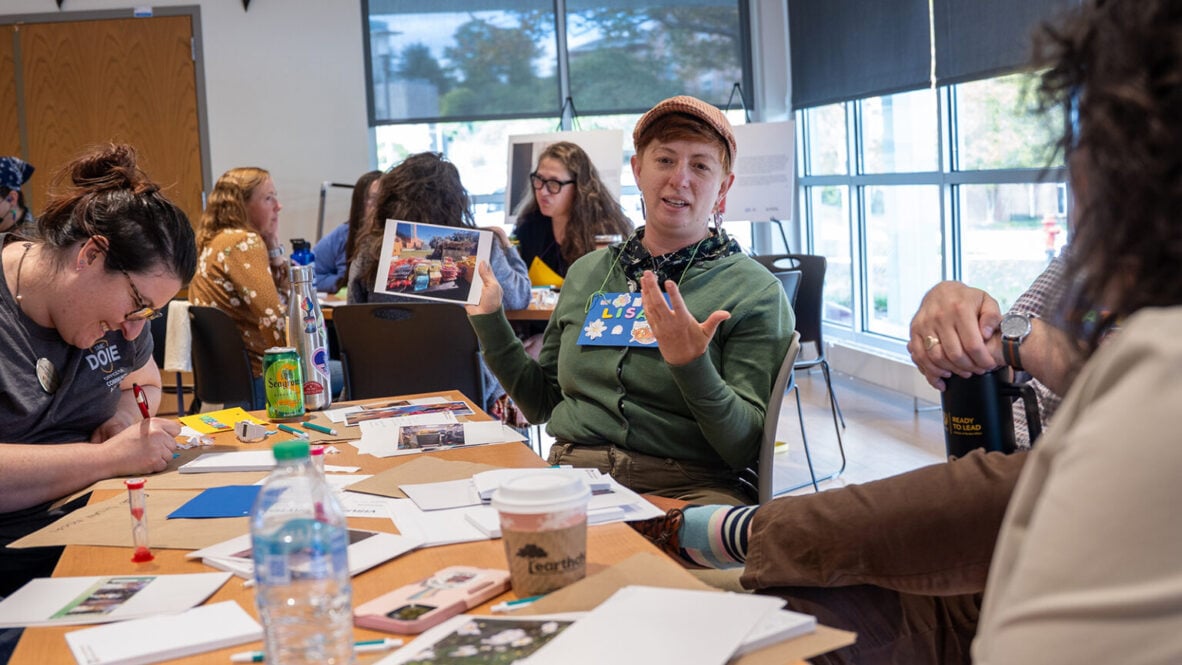
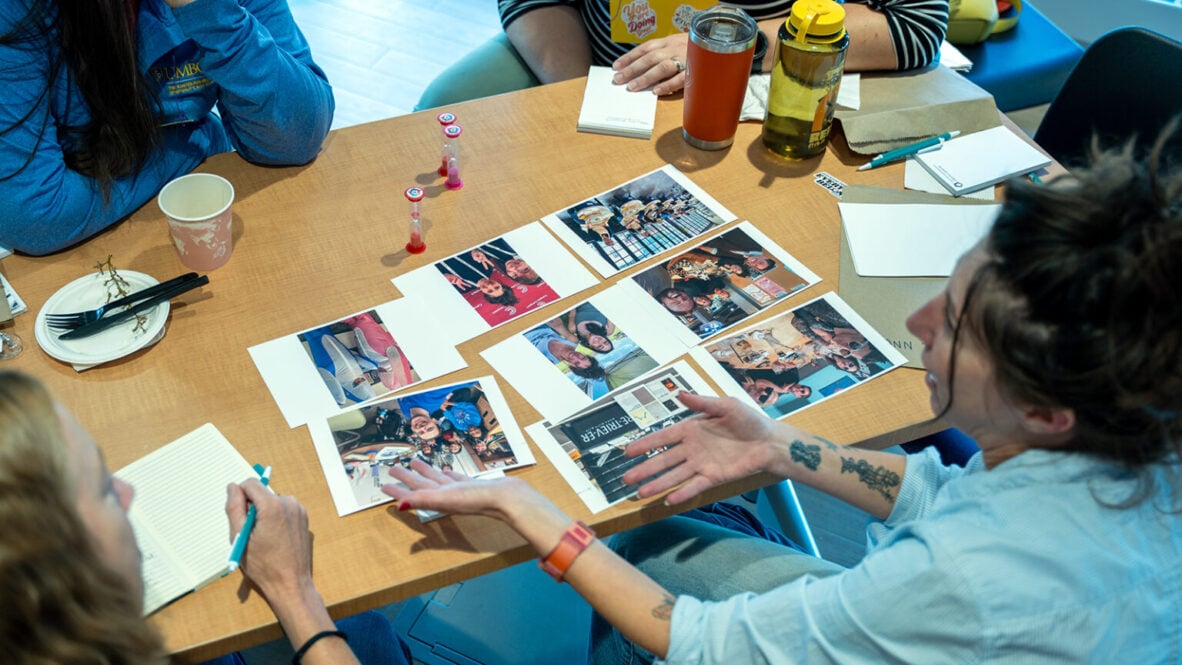
The UMBC retreat was intentionally scheduled during the university’s fall break, a time when the heavily commuter-oriented campus grows unusually quiet. Inside the familiar multi-use hall—the same space typically utilized for weekly religious services—participants gathered in small circles of five or six people. They brought personal photographs capturing prayer practices, meaningful objects, landscapes, or relationships, and used them to anchor deep discussions around belief, belonging, and the barriers they face on campus.
The structure of the dialogue was disciplined and intentional. Each participant spoke for four uninterrupted minutes while the rest of the small group listened. Afterward, group members asked thoughtful questions, giving the speaker ample time to reflect before offering a response.
Although many students initially appeared hesitant to share personal details with virtual strangers, the atmosphere shifted as the conversations progressed. Voices grew louder and more enthusiastic, and several participants became visibly emotional as they offered vulnerable reflections on their identities.
A Palestinian-American student shared a powerful self-portrait exploring her sense of self during an extraordinarily difficult historical moment, explaining that she had spent years feeling "too Palestinian to be American, or too American to be Palestinian."
For Guruswamy, the exercise represented a meaningful evolution from "cultural competence" toward "cultural humility." The process, he said, "allows you the opportunity to be humble with one another."
Onkarpreet Kaur, a second-year microbiology student, shared a photograph of the kara she has worn continuously for six years. The circular steel or iron bracelet is one of the five articles of faith traditionally required in Sikhism. Kaur explained that while the circular shape symbolizes continuity, it also serves as a poignant reminder of the physical distance she sometimes feels from her faith as a member of the diaspora, living far from the historic center of Sikhi in Punjab, India. Having kept the same bracelet for years because she does not know where to purchase a replacement near campus, she looks to it for grounding.
"It just reminds me of my values," Kaur said. "It helps me get to the right path."
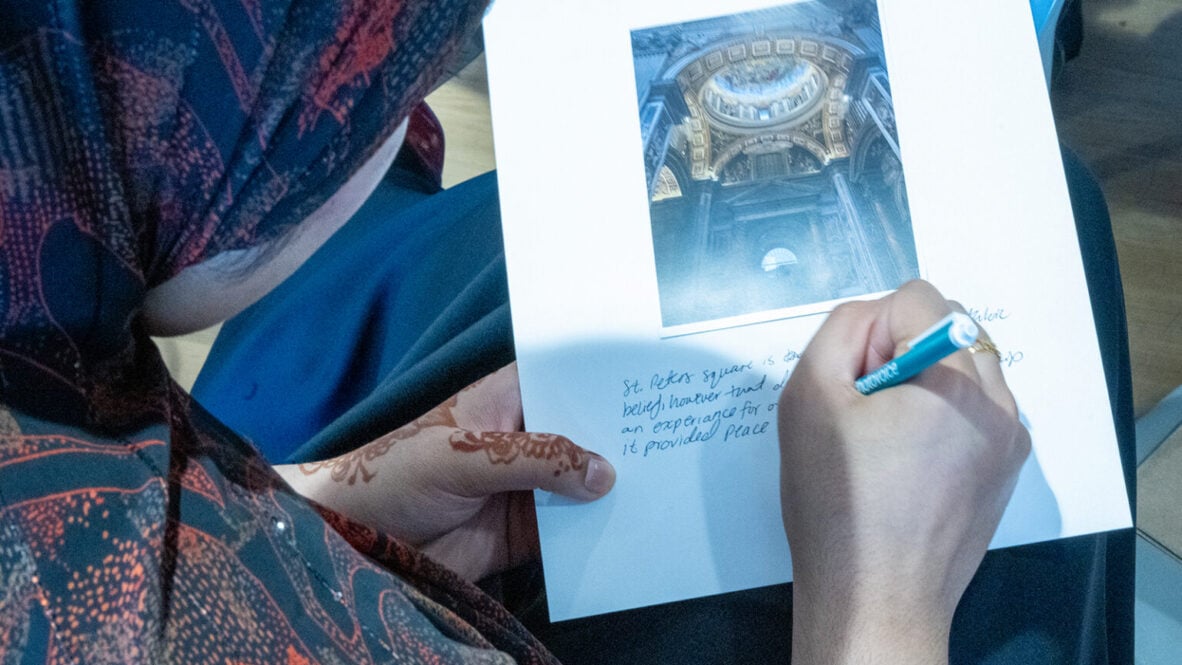
Fatima Hafeez, a second-year political science student, contributed a photograph of St. Peter’s Basilica in Vatican City. She described being deeply moved by the intense devotion of the Catholic pilgrims who traveled there, drawing a direct parallel to the Islamic pilgrimages of Hajj and Umrah, which she has experienced herself.
"I love to hear what people think, how they process things," Hafeez said. "It’s really easy to group people together," she added, noting that listening to personal stories serves as an essential reminder that "everyone is a human with their own individual experience."
The Impact
The retreat left a lasting impression on students from a wide variety of backgrounds. Duncan Winger, a second-year student designing an interdisciplinary course of study around holistic learning, said the experience transformed how he viewed everyday interactions across campus.
Listening to a fellow participant describe the spiritual practice of praying while taking a daily walk opened Winger’s eyes. Growing up in an atheist family and identifying as agnostic, Winger realized he could pass a stranger on a campus pathway without having any inkling of their profound internal life.
That recognition, Winger said, "opens up empathy." It also taught him that he did not need to possess a comprehensive academic understanding of another person’s religion before engaging with them in conversation. "I can still ask and be curious," he noted.
Velma Funebe, a senior public health major, said the project caused her to rethink how she communicates her Christian faith. While she occasionally shares written reflections on religion and spirituality on LinkedIn, the retreat made her wonder if photography might offer a richer medium for expression. "I think people can take so much from just a picture," she said.
At the same time, broader sociopolitical realities were never far from the surface. As the Trump administration’s mass deportation agenda has impacted cities nationwide, some students born outside the United States remained cautious about being interviewed or photographed. Several participants shared photographs and explanations that subtly touched upon questions of immigration status and underlying fears.
Whether these encounters will translate into lasting institutional change remains an open question, and organizers are quick to admit that photography alone is not a cure-all for campus polarization.
However, Abdul Samad Amjad, a Photovoice facilitator and community-based participatory research scholar born in Pakistan who now lives in Ohio, argued that the methodology gives participants an active role in diagnosing problems and envisioning solutions.
"There are different stories being told," Amjad said. "But at the end, what I’d realize, there is always this story of us, that collective story. Our shared humanity gets represented there."
On the second day of the retreat, participants began the collaborative task of transforming their individual narratives into a joint public exhibition. Each student selected a single photograph they felt was essential, and the group evaluated the collective collection to identify any missing perspectives before writing accompanying captions.
The resulting exhibition is scheduled to open on December 2 in UMBC’s Albin O. Kuhn Library and Gallery, showcasing the students’ collective reflections on belonging, unmet campus needs, and the type of inclusive community they hope to build moving forward.
"My dream is that these spaces can be more beyond campus, too, and that we can all be more interconnected, to just be human with each other in rooms, across difference," Winger said.
For Kaur, the transformation is already tangible. She arrived at UMBC uncertain about how people holding vastly different beliefs could manage to live alongside one another. Today, some of those very people are among her closest friends.
"We are living in the same space with different beliefs," Kaur said. "We coexist, but we are not blending with each other. We have our own identity, and it is so beautiful."
While Williams cautioned against viewing these initial breakthroughs as definitive proof that photography can erase deep-seated societal divisions, he remains confident in the power of sustained human connection. Building authentic relationships, he emphasized, is a slow and deliberate process.
"It’s a theory of change, but we see it happen," Williams said. "Sometimes in very small ways."
For many individuals seeking a profound life shift, stepping away from the daily routine to reconnect with the natural world offers a compelling path forward. Each year, participants arrive for "The Immersion" at the Wilderness Awareness School, ready to commit to a rigorous multi-month journey that begins in the crisp air of autumn and culminates in the renewal of spring. Graduates often emerge with a renewed sense of resilience, empowered to lead more centered, intentional lives.
Yet, the path to personal transformation is rarely straightforward. Prospective students frequently encounter significant hurdles before they can even set foot in the Pacific Northwest forests. Recognizing these barriers, organizers and alumni of the program are shedding light on the practical solutions available to help candidates navigate financial constraints, relocation challenges, and temporary career sabbaticals.
The desire for deep personal change is a common thread among applicants. As Sam, a student from the 2019 cohort, reflected on the experience, "I had become stuck, and now that I’m taking part in The Immersion, so much gunk has been removed." Echoing this sentiment, program coordinators note that while many people feel stuck in their current trajectories and are prepared to bravely show up for themselves on Day 1, practical obstacles frequently stand in the way. Addressing these barriers head-on has become a key focus for the institution as it prepares for upcoming cohorts.
Financial concerns consistently rank among the primary challenges for prospective participants. Program tuition represents a major investment, and organizers acknowledge that the cost is not easily managed by everyone. However, they emphasize that determination and creativity remain powerful tools for overcoming monetary hurdles. Applicants are encouraged to request scholarships during the admissions process. These financial awards, which typically range from $500 to $3,000, are funded entirely by generous donors who believe deeply in the transformative power of the program and its long-term impact on nature connection and environmental stewardship.
In addition to scholarship opportunities, the school provides flexible payment plan options designed to ease the economic burden. Many students choose to distribute their tuition payments across quarterly or monthly installments. This structured approach allows participants to maintain part-time employment while actively engaging in the curriculum, bridging the gap between professional obligations and full-time outdoor education.
Beyond financial considerations, the logistical reality of relocation presents another substantial hurdle. Picking up one’s life and moving to the greater Seattle area requires a leap of faith, particularly given the region’s elevated cost of living. Nevertheless, the allure of the majestic Pacific Northwest forests often serves as a powerful motivator. To ease the transition, numerous Immersion students opt to secure shared housing with their classmates, a living arrangement that not only reduces individual expenses but also fosters exceptionally close bonds within the cohort.
The community network surrounding the school further supports incoming students through an active web of alumni and elders who frequently have rooms available for rent. For those inclined toward alternative living arrangements, the student community frequently embraces creative solutions, ranging from the burgeoning "van life" movement to cozying up in nearby tiny houses or yurts nestled in the surrounding landscape.
The prospect of taking a major life sabbatical—stepping away from established careers and temporarily parting from family members—often creates hesitation. Leaving a steady job or moving away from loved ones is a significant decision, but program advocates argue that a career break of this nature can yield unexpected professional dividends. Alumni of The Immersion routinely report marked improvements in their communication skills, greater emotional balance, and an enhanced capacity to remain centered under high-stress conditions. These attributes are increasingly recognized as highly desirable qualifications by modern employers across a wide spectrum of industries. Program documentation highlights a diverse array of professional pathways pursued by graduates after completing the curriculum.
Family separation, while challenging, is managed through the program’s structural design. Recognizing that occasional postcards are rarely sufficient to maintain vital connections, the schedule incorporates several extended breaks throughout the academic year. These designated intervals allow students to travel back to their home regions to visit family members and share the wilderness survival and tracking skills they have acquired during their training.
The broader educational experience extends far beyond the classroom setting, immersing students directly into diverse ecosystems. During field excursions, such as a memorable trip to Eastern Washington, student groups like the Frog Clan have the opportunity to observe local wildlife, including Great Horned Owls perched quietly against the backdrop of a setting sun. These direct encounters with the natural world form the core of the curriculum, reinforcing the observational and tracking skills that define the school’s educational philosophy.
For those contemplating the journey, coordinators urge individuals not to settle for feeling stuck, but rather to confront their limitations and explore what the program can offer. Prospective participants are encouraged to reach out to the admissions team to discuss their specific circumstances, schedule a direct call, and learn more about navigating the path toward enrollment in upcoming cohorts.
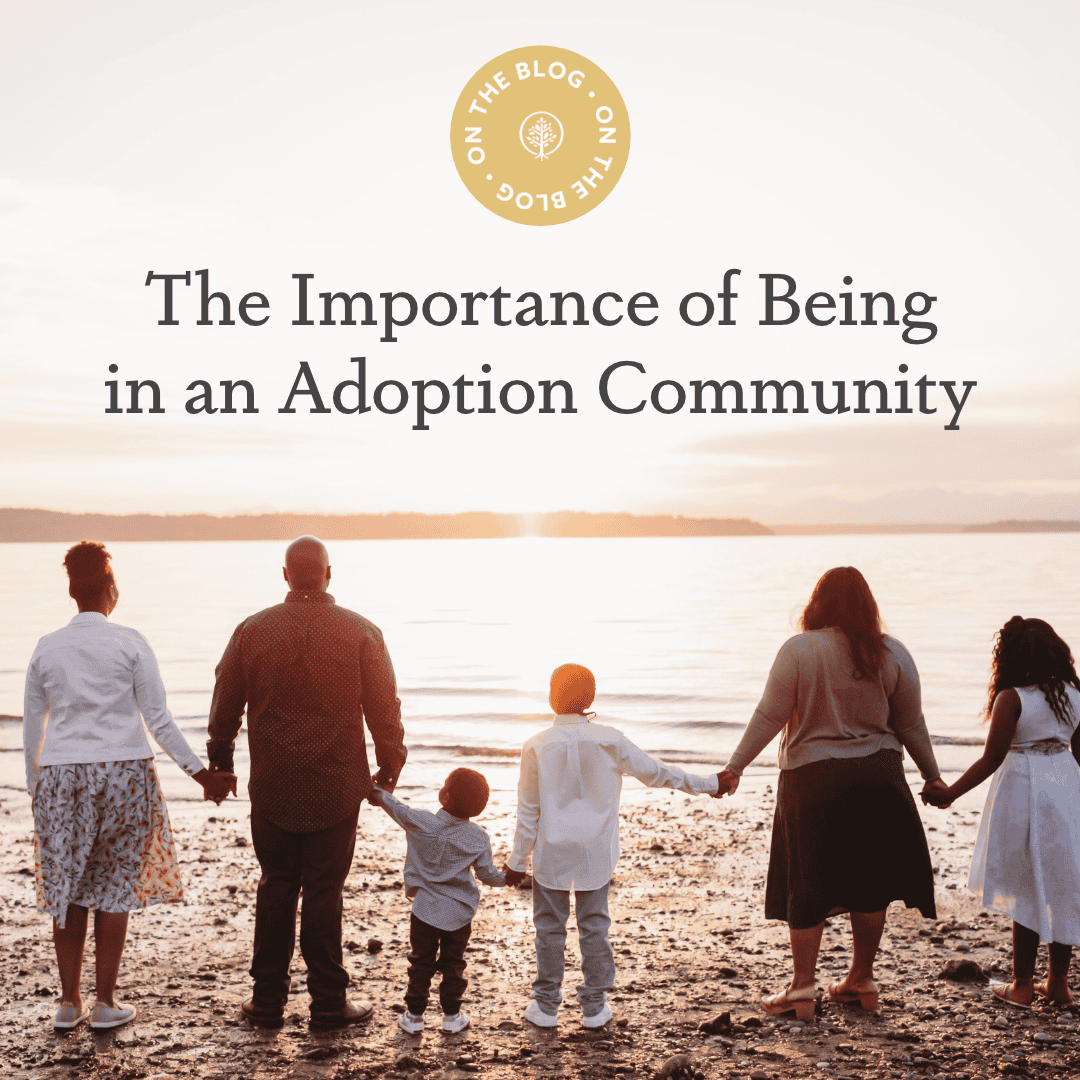
The ancient proverb dictates that it takes a village to raise a child, a sentiment that resonates deeply within the adoption and foster care communities. While modern daily life often encourages isolation or a retreat into the comfortable confines of the immediate nuclear household, advocates and family support organizations emphasize that intentional connection is not merely a luxury for those touched by adoption—it is an absolute necessity. Navigating the unique landscape of raising children who have joined a family through foster care or adoption presents distinct joys and challenges, making the presence of a robust, understanding community a vital cornerstone for long-term family well-being.
Understanding and Support
As Mary Beth Chapman, co-founder of the adoption support organization Show Hope, famously observed, adoption is "gloriously hard." For many adoptive parents and foster caregivers, a significant amount of emotional and mental energy is expended simply explaining the intricacies of adoption to well-meaning friends, extended family members, and acquaintances. While education and advocacy are crucial components of welcoming a child into a family, repeatedly explaining trauma histories, attachment nuances, and the emotional complexities of adoption can become exhausting.
This is where the profound value of an adoption-specific community comes into play. Within a network of other families who share similar lived experiences, a baseline of mutual understanding exists that requires no translation or justification. Parents can speak freely about behavioral challenges, the complexities of open adoption, and the emotional highs and lows without fear of judgment. Through these shared experiences, families find a unique space to encourage one another, exchange practical parenting advice, and offer deep empathy during seasons of transition and adjustment.
In a "Village"
Beyond emotional solidarity, participation in an adoption community offers invaluable practical assistance rooted in shared perspective. Raising children who have experienced early childhood trauma, institutionalization, or disrupted attachments requires a specialized understanding of behavior as a form of communication. Consequently, families with shared adoption and foster care experience are often uniquely equipped to offer meaningful, practical help that traditional support systems might miss.
This shared awareness translates into more effective and seamless support networks. Whether it is assisting with specialized childcare, navigating the labyrinth of adoption paperwork, managing complex state and agency processes, or simply stepping in during a crisis with informed compassion, a knowledgeable village alleviates the practical burdens that often overwhelm parents. Knowing that those around you truly understand the specific triggers, sensitivities, and needs of your children creates a profound sense of security and operational relief for the entire household.
When Times Are Tough
Every family inevitably navigates difficult seasons, but for households formed through adoption or foster care, those challenging periods often take on a distinct character. A difficult developmental transition, a tense or emotionally heavy conversation regarding a child’s origin story, or a routine week where parents and children alike are running on empty can manifest differently when trauma history is part of the equation. During these intervals, having a reliable circle of people to lean on is paramount.
Crucially, this supporting village does not need to consist exclusively of other adoptive or foster families. Friends, local church members, neighbors, and extended relatives who demonstrate a willingness to learn, listen, and actively show up can provide equally meaningful support. A hot meal left on the doorstep, a thoughtful text message checking in during a stressful week, or an hour of practical help around the house serves as a tangible reminder to weary parents that they are not carrying their responsibilities in isolation.
Shared Experiences for Children
While parental support is vital, advocates stress that one of the most critical dimensions of an adoption community is the peer connection it provides for the children themselves. Growing up in an adoptive or foster family can sometimes leave children feeling isolated, particularly if they do not know peers with similar life stories. Providing opportunities for adoptees and foster youth to interact with others who share their experiences is essential for healthy identity development.
These peer connections offer children a safe space to explore what it means to be adopted, process complex emotions, and learn how to articulate their stories on their own terms. Just as adoptive parents benefit from community validation, children require the mutual understanding and camaraderie of peers who walk similar paths. Seeing others who look like them, share similar backgrounds, or navigate parallel questions regarding identity helps normalize their experiences and fosters a deep, reassuring sense of belonging.
The Best Support
Adoption and foster care remain profoundly beautiful yet undeniably challenging journeys, and no family is meant to navigate that road alone. Whether relief comes through a seasoned peer who instantly understands a specific parenting hurdle, a neighbor who knows how to offer practical help without being asked, or a playmate who shares a child’s unique story, community consistently makes the journey lighter. For families still searching for their village, outreach and connection remain the essential first steps toward building a resilient support system. Ultimately, the most effective support network is often forged from a balanced mix of individuals who understand adoption firsthand and those who simply love and champion the family well.
The festive season invariably brings with it a familiar cultural pressure: the unspoken mandate to craft a cinematic holiday experience for children. From elaborate schedules and meticulously planned activities to expensive decorations and sprawling lists of seasonal events, modern parents often find themselves navigating a holiday itinerary as exhaustive as a historical pilgrimage.
However, a growing perspective shared by educators, parenting advocates, and family specialists suggests that the moments children carry into adulthood are rarely the grand productions. Instead, the memories that truly endure are overwhelmingly ordinary, quiet, and unplanned: a spontaneous dinner of frozen yogurt, a sticky note left on a bathroom mirror, or the scent of a single batch of cookies baked every December.
According to insights gathered from the community behind the Read-Aloud Revival, what children and parents genuinely crave during the holiday season—and throughout the year—is not financial investment or digital perfection, but unhurried time together.
While the winter holidays naturally invite families to slow down, savor the season, and reflect, contemporary holiday planning frequently achieves the exact opposite. Families often trade peace and rest for glitter and consumerism, building to-do lists that overshadow the core purpose of the season.
This tension between the pressure to perform and the desire for genuine connection forms the basis of recent commentary from parenting circles, highlighting how simple daily rhythms consistently outweigh elaborate productions in the minds of growing children.
To illustrate the deceptive nature of flashiness versus simplicity, childhood anecdotes shared by family teams offer a revealing window into how children actually perceive the world. One parent recalled visiting a major aquarium and zoo exhibit in Tacoma, Washington, specifically anticipating the awe her children would experience watching a massive walrus glide past the underwater glass. Standing by the viewing window, she waited for the dramatic entrance, urging her young daughter to watch.
Instead of observing the giant marine mammal, the young child was discovered on her hands and knees on the pavement, completely transfixed by an ordinary ant carrying a piece of food larger than its own body. The realization underscored a broader parenting truth: the bigger, flashier attraction is rarely what captures a child’s imagination. True wonder is frequently found in small, quiet corners of everyday life.
This sentiment is echoed in the childhood reflections of various team members who look back on their upbringing. Leilani Curtis, a program coordinator who grew up as the eldest of four siblings, recalled a single, unrepeated Easter holiday when her family divided into teams for an egg hunt. Rather than maintaining a rigid annual ritual, her parents actively participated, racing across the yard to find hidden eggs alongside their children. Years later, what remains vivid in Curtis’s memory is simply seeing her parents play, laugh, and engage in a joyful, uninhibited dynamic.
Similarly, unexpected gestures of thoughtfulness often outlive planned events in a child’s memory. Erica Brasfield, an administrative assistant, recalled coming home from school to find a complete, coordinated outfit waiting quietly in her closet—placed there simply because her mother had thought of her without any accompanying announcement or demand for recognition. Years later, Brasfield notes that while meticulously planned holiday events often blurred together, the unannounced, random acts of kindness left a permanent mark on her understanding of motherhood.
The power of feeling truly seen by a parent is another recurring theme in familial recollections. Kelsey Murphy, a community manager, shared memories of her father’s military deployment overseas during her early childhood. Communicating through handwritten letters and stacks of simple crayon drawings, Murphy later discovered upon visiting her father’s naval assignment that he had covered the walls of his quarters entirely with her scribbled artwork. For a young child, the gesture communicated profound validation, proving that her simple creations mattered deeply to the person she loved.
Food also serves as an enduring anchor for childhood nostalgia. Pam Barnhill, a director of operations, surveyed her adult son regarding his most vivid childhood memories. To her surprise, none of the recollections involved elaborate crafts or formal productions. Instead, her son remembered routine culinary touchstones: stopping for doughnuts on the very first day of the school year, assembling peppermint bark, and baking chocolate-kiss cookies in December. Despite the simplicity of the efforts, the consistency of the time spent together transformed routine baking into cherished folklore.
Gretchen Louise, a business and website manager, experienced childhood holidays marked by both structured traditions—such as sunrise services and extended family gatherings—and shifting locations. Yet, when her own children were asked about their favorite memories, they bypassed geographical consistency entirely. They recalled finding a Christmas tree in a national forest, watching newborn kittens play in holiday wrapping paper, and listening to seasonal music together. The power lay not in the physical location or the expense of the event, but in the collective presence of family.
Ultimately, childhood memories appear anchored in micro-rhythms rather than macro-events. Avery Shelburne, a merchandising manager, fondly recalled sneaking downstairs as a young child to find her mother engaged in early morning Bible study. Rather than dismissing the interruption, her mother routinely pulled up a chair and poured her a tiny, diluted cup of coffee with cream and sugar, treating her with adult respect at the kitchen table. Those quiet, unhurried conversations formed the most visceral foundation of her respect for her mother’s daily life and spiritual habits.
As families navigate the busy winter months, these collective reflections suggest that the pursuit of perfection can safely be abandoned in favor of relational presence. Whether through a ten-minute read-aloud session before bed, an unexpected treat, or simply sharing a quiet morning, the moments that endure into adulthood require little more than time, attention, and mutual affection.
For expectant parents, the journey through pregnancy is often filled with a unique blend of anticipation, curiosity, and a deep-seated desire to feel connected to the life growing within. While modern medicine offers a wealth of diagnostic tools to monitor fetal development, many parents are looking for ways to foster a more personal, hands-on relationship with their baby before the moment of birth. In a significant development for the prenatal care community, Spinning Babies® founder Gail Tully has announced the release of her latest resource, The Belly Mapping® Method book, which aims to transform how families interact with their pregnancy through a practice that is as practical as it is profound.
For two decades, Gail Tully has championed the Belly Mapping® Method as a cornerstone of her work. The practice serves as a gentle, non-invasive way for parents to gain insight into their baby’s position inside the womb. By utilizing tactile awareness and observation, parents can learn to identify where their baby is resting, kicking, or stretching. This method has long been a staple of the Spinning Babies® philosophy, having been tested and compared against ultrasound imagery to confirm its accuracy. Now, for the first time, this wealth of knowledge, combined with Tully’s signature playful approach, has been consolidated into a single, beautifully illustrated volume designed to be shared and enjoyed by families as they prepare for the transition of labor and birth.
Why The Belly Mapping® Method Matters
The clinical significance of fetal positioning in late pregnancy cannot be overstated. A baby’s position serves as a primary indicator of how they might navigate the birth canal, and it plays a substantial role in the overall progression of labor. When a baby is well-flexed—meaning their head is tucked toward their chest—and their body is neatly curled, the journey through the pelvis is generally more efficient, often leading to a smoother birth experience. Conversely, when a baby settles into a less-than-ideal position, it can sometimes lead to prolonged or more challenging labor scenarios.
The Belly Mapping® Method is not merely an observational tool; it is an empowering practice that allows parents and their healthcare providers to collaborate more effectively. By identifying a baby’s position early, parents can gain a deeper understanding of their own body and the space their baby occupies. If a baby is in an orientation that might be less than optimal for birth, this awareness provides a window of opportunity. Parents and providers can work together to explore comfortable positions and movements that encourage better alignment, potentially easing discomfort and helping the baby settle into a more favorable spot. By providing families with a gentle, proactive way to notice these movements, the method transforms passive waiting into an active, collaborative, and deeply bonding experience.
Insights Within the New Publication
The newly released book serves as a comprehensive companion for expectant parents, offering a bridge between the technical aspects of fetal positioning and the emotional journey of pregnancy. Within its pages, readers will find a synthesis of two decades of professional experience. The book is designed to be accessible to everyone, regardless of their medical background, providing clear, illustrated explanations that demystify the internal world of the womb. It guides parents through the nuances of feeling for fetal limbs, interpreting movement patterns, and recognizing the subtle cues that indicate a baby’s orientation.
Beyond the technical guidance, the book is designed to foster a sense of confidence. Many parents report feeling overwhelmed by the clinical nature of prenatal check-ups, where they are often the subjects of assessment rather than active participants. The Belly Mapping® Method flips this dynamic, encouraging parents to be the primary observers of their baby’s development. This shift in perspective is intended to reduce anxiety and replace it with a sense of wonder and agency, helping families feel more connected to the baby as an individual long before they are born.
Cultivating Confidence and Connection
The core philosophy behind the release of this resource is the belief that birth preparation should be an experience marked by joy and ease. As the due date approaches, the practice of Belly Mapping® can serve as a meditative and grounding ritual. Whether a baby is already in an ideal position or requires a little more space to maneuver, the book provides a suite of simple, effective tools that help parents stay present. It invites families to slow down, tune into the movements of the fetus, and cultivate a sense of calm readiness.
For those who find the book helpful and wish to take their practice a step further, the option for more personalized support remains available. Spinning Babies® offers access to Certified Parent Educators, professionals who are trained to provide in-depth instruction on these methods. These educators can help tailor the techniques to the specific needs of an individual pregnancy, ensuring that parents feel fully supported in their journey. This tiered approach—starting with the accessible, beautifully illustrated book and extending to professional, one-on-one guidance—ensures that every family has the resources they need to make the most of their pregnancy.
Ultimately, The Belly Mapping® Method book is intended to be more than just an informational guide; it is an invitation to celebrate the final stages of gestation. By nurturing this connection, parents are better equipped to enter the birth room with a sense of partnership with their baby. It is a tool for building confidence, fostering intimacy, and bringing a sense of empowerment to the birth process.
Celebrating Pregnancy Through Creative Expression
One of the unique aspects of the Belly Mapping® philosophy is the encouragement of creative engagement with the pregnant body. For many, the process of mapping the baby’s position naturally leads to an interest in belly painting—a creative way to visualize what is happening inside the womb on the surface of the skin. This activity can be a fun, bonding experience for parents and siblings alike, turning the physical reality of pregnancy into a piece of temporary art.
When engaging in belly painting, safety is of the highest priority. It is recommended that families use materials specifically designed for skin contact, such as water-soluble crayons, non-toxic markers, or high-quality face paints. Because the skin of a pregnant belly is sensitive and the substances applied to it may be absorbed or ingested by the mother, caution is necessary. Many inexpensive craft pigments are not regulated for cosmetic use and may contain heavy metals like lead, which are often not disclosed on packaging. Families are encouraged to verify that all products are explicitly labeled as non-toxic and safe for use on the skin before beginning their artwork. By combining the scientific curiosity of the Belly Mapping® Method with the creative joy of painting, parents can turn their pregnancy journey into a memorable and artistic celebration of their growing family.
As the release of this book marks a new chapter for the Spinning Babies® community, it stands as a testament to the idea that the most profound preparation for birth often begins with a gentle hand placed on a belly, a quiet moment of observation, and the simple desire to know one’s baby before they arrive.
For anyone who identifies as a highly sensitive person (HSP), prioritizing personal wellbeing is not merely a luxury; it is a fundamental requirement for navigating daily life, and it becomes doubly vital when stepping into the role of parenthood.
To be a highly sensitive person is to experience the full arc of the human condition with heightened intensity. The highs and the lows, the moments of profound joy and deep sorrow, and the stark contrasts between beauty and difficulty are all felt with exceptional vibrancy. Drawing from personal experience as an HSP and professional background as a clinical psychologist working directly with other highly sensitive individuals, this trait frequently feels like a dual-edged sword. It serves as both a profound gift and a notable burden. The capacity to experience the pain and the beauty of life more fully means that everyday events—and particularly the complex demands of raising children—affect HSPs much more deeply and intensely than the general population.
To maintain emotional equilibrium and achieve optimal psychological wellbeing, all highly sensitive people must cultivate reliable self-care practices. However, for those who are also balancing the relentless demands of parenting, establishing these protective habits is an absolute necessity rather than an optional lifestyle choice.
What is a Highly Sensitive Person?
Sensitivity, scientifically referred to as sensory processing sensitivity, is a biologically based temperament trait that exists on a continuous spectrum ranging from high sensitivity to low sensitivity. Within the broader population, individuals typically cluster into three distinct sensitivity groups. Comprehensive research published in 2018 established that approximately 31 percent of the population exhibits high sensitivity, around 40 percent display moderate sensitivity, and roughly 29 percent fall into the low-sensitivity category.
Individuals who possess high sensitivity are understood to have a more reactive nervous system. Consequently, they tend to process environmental and sensory information at a much deeper level. This neurological difference leaves them more prone to sensory overstimulation, heightened emotional intensity, and elevated empathy, alongside a vastly superior capacity for noticing intricate details and subtle changes within their physical and social environments. Because HSPs think and feel with such profound intensity, the depth of their cognitive and emotional processing makes them significantly more susceptible to feeling overwhelmed compared to others. For instance, environments that bombard the senses can become intolerable in a matter of minutes; spending even a brief five-minute window inside a brightly lit, cacophonous children’s game arcade or a bustling, crowded shopping center is often enough to trigger complete overstimulation and sensory exhaustion.
Like other core temperament traits, high sensitivity is present from birth, reflecting the natural and healthy variation found in human genetics—a concept firmly rooted in neurodiversity. It is crucial to understand that high sensitivity is entirely distinct from a personal weakness, a character flaw, or a psychological disorder. In fact, evolutionary biology and behavioral research have identified comparable rates of high sensitivity across more than 100 species of non-human animals, suggesting that the trait carries a distinct evolutionary survival advantage. Furthermore, empirical research demonstrates that when placed in optimal environments—specifically those characterized as highly supportive and nurturing, rather than harsh, critical, or unsupportive—highly sensitive children and adults can flourish. Under these favorable conditions, they frequently equal or even outperform their less-sensitive peers across a wide variety of domains, including social competence and academic achievement.
Thriving as both an individual and a parent while possessing high sensitivity requires a deliberate commitment to prioritizing self-care. Joel Moffat, a registered psychologist and therapist specializing in working with HSPs, emphasizes that highly sensitive individuals must seriously consider developing a structured plan for nurturing themselves in alignment with their unique physiological and psychological requirements. Yet, this raises a central question: what factors must be carefully evaluated when planning to care for oneself and manage such profound sensitivity?
Practising Self-Care as a Highly Sensitive Parent
The journey of parenting requires immense energy from anyone, but for those whose nervous systems process the world with elevated intensity, the daily demands can rapidly deplete available resources. Addressing this requires adopting specific, intentional strategies to protect mental health and emotional stability.
A foundational principle for highly sensitive parents involves a shift in perspective regarding personal needs. Because HSPs are naturally inclined toward empathy, compassion, and caring for others, falling into the trap of constantly placing family members’ needs ahead of their own is remarkably easy. Yet, experiencing a family at its best requires tending carefully and consistently to one’s own foundational needs. The standard safety briefing provided by commercial flight crews offers a powerful and enduring metaphor: passengers are invariably instructed to secure their own oxygen masks before attempting to assist others, including their dependent children. This directive is rooted in simple logic rather than selfishness. If an individual is physically or emotionally depleted, they lose the capacity to effectively help those around them. As the common idiom illustrates, it is impossible to pour from an empty cup. Investing time and energy into personal wellbeing is therefore an act of profound love directed not only toward one’s children, but toward every individual shared within a household or community.
Managing daily energy reserves effectively requires monitoring personal capacity through conceptual tools like spoon theory. Originally developed by chronic illness advocate Christine Miserandino, spoon theory utilizes a metaphor of physical spoons to represent the finite units of energy a person possesses for executing daily tasks, chores, and social obligations. This visual and mental model serves as an exceptionally useful framework for highly sensitive parents aiming to plan out their days and weeks strategically, thereby avoiding sudden depletion and sensory overstimulation. Before committing to social engagements, such as accepting an invitation to an upcoming baby shower or agreeing to take on additional shifts at work, HSPs benefit greatly from pausing to evaluate their current energy reserves by asking a simple guiding question: do I have enough spoons remaining for this commitment?
Establishing and maintaining firm personal boundaries represents another critical pillar of wellbeing. While boundaries have emerged as a prominent topic across social media platforms and self-help literature in recent years, this widespread attention is well-deserved, as boundaries remain an essential component of sustaining healthy interpersonal relationships and optimal mental health. For highly sensitive individuals, boundaries are not merely helpful; they are protective barriers. Recognizing personal limits, understanding where those boundaries lie, and holding the line is vital. If a person discovers that their social endurance at a bustling work function peaks at precisely one hour, honoring that limit is paramount. Similarly, when a weekend is intentionally scheduled as a period of rest, giving oneself permission to decline Sunday play dates or social visits with extended family is an act of self-preservation. This protective approach extends to the digital realm as well. Sheryl Paul, an author and therapist specializing in anxiety who identifies as an HSP, frequently reminds individuals that an effective and rapid method for reducing stress and anxiety involves taking regular, deliberate time away from screens and digital devices. Failing to establish and protect these boundaries ultimately undermines personal wellbeing.
Finally, highly sensitive individuals must actively determine what constitutes an optimal environment for their specific nervous system. Current research demonstrates clearly that HSPs are disproportionately influenced by their surroundings, experiencing environments for both better and worse. To uncover what optimal conditions look like on an individual basis, parents must pay close attention to how their nervous system physically and emotionally reacts to varying situations, diverse groups of people, and different physical locations. Tuning into the internal signals that indicate when the nervous system responds with alignment versus friction—recognizing the internal indicators of a clear "yes" versus a definitive "no"—provides invaluable guidance. While the concept may sound deceptively simple, committing to spending more time within environments that elicit a genuine "yes" response serves as a reliable pathway toward feeling balanced and regulated on a much more consistent basis.
When a husband goes quiet during a conflict or drifts into emotional distance, it is a common assumption among struggling spouses that he simply stops caring. However, relationship experts, marriage counselors, and extensive sociological research reveal that this silence rarely stems from a lack of love. Instead, couples find themselves trapped in a deeply entrenched, painful dynamic known as the demand-withdraw pattern, where one partner reaches out for connection while the other feels overwhelmed and retreats.
This dynamic frequently unfolds in quiet living rooms across the country, particularly as couples transition into new life phases. For Meg, a pseudonym used to protect family privacy, decades of imagining empty-nest travel, romance, and shared time collided with a starkly different reality after her children moved out. After more than thirty years of marriage, she found herself sitting in a counseling office, disillusioned.
"Every dinner feels like sitting in a cold, lonely prison cell," she told her counselor. "I tried getting my husband to respond. To say anything. But he refuses to engage. I’m so tired of trying."
For couples facing similar ongoing patterns, the situation can feel utterly hopeless. Organizations like Focus on the Family refer to this phenomenon as the Reactive Cycle. According to relationship advocates, the cycle can be interrupted if a wife softens her approach or if a husband takes a structured break and returns to the conversation. However, if a spouse uses silence punitively, utilizes it as a tool for control, or exhibits underlying signs of clinical depression, professional intervention is often recommended.
Drawing from years of counseling sessions and public outreach events, relationship educators emphasize that the root problem is rarely a husband’s apathy. Rather, both partners feel cornered in a predictable loop: she reaches out, he feels overwhelmed and retreats, and her subsequent pursuit causes him to pull away further. This cycle, rather than either individual, emerges as the primary threat to relationship health.
The Prevalence of the Demand-Withdraw Pattern
"My husband won’t talk to me" remains one of the most frequent grievances heard in marriage counseling. Researchers formally categorize this dynamic as the demand-withdraw pattern. One partner actively pursues dialogue, resolution, or change, while the other physically or emotionally retreats. As the pursuer escalates their efforts, the withdrawer pulls back further.
Data highlights just how widespread this issue is. A prominent 2014 meta-analytic review examined 74 studies involving nearly 14,000 participants and concluded that the demand-withdraw pattern is the single most common structural struggle couples face. The mechanics of the pattern are stark: the pursuing spouse thinks, If he just talks to me, I wouldn’t have to push, while the withdrawing spouse thinks, If she just backs off, I wouldn’t have to shut down.
While either gender can assume either role, research consistently shows that the wife-pursues, husband-withdraws dynamic occurs with the highest frequency. Longitudinal studies indicate that this split often widens over time, correlating with diminished relationship satisfaction, reduced intimacy, and poorer overall communication. The damage is particularly severe in marriages already experiencing distress.
Parallel findings emerge from national studies on family health. In comprehensive marriage surveys where thousands of spouses rate various dimensions of their relationship, listening to one another routinely ranks among the top foundational pillars of a healthy union—alongside love, respect, and physical intimacy. Ironically, when evaluating their own day-to-day lives, couples frequently admit they fail to allocate sufficient time to genuinely listen to each other.
Deciphering the Meaning Behind "He Won’t Talk"
When a wife states that her husband refuses to talk, she rarely means he has taken a vow of absolute silence. Instead, the phrase usually encapsulates one of several specific communication breakdowns: he gives monosyllabic answers, completely avoids emotional topics, shuts down mid-argument, or ignores daily attempts at interaction.
To an outside observer, he might be labeled the strong, silent type. But to the spouse sharing a home and a bed with him, the silence feels heavy, leaving her feeling ignored, unseen, and profoundly lonely.
Underneath the frustrated plea of "Why won’t you talk to me?" lies a more vulnerable question: Do I matter to you? When a partner responds with silence, that silence can be interpreted as a painful answer, activating deep-seated emotional triggers regarding rejection, unimportance, and isolation.
Relationship research underscores the significance of everyday interactions. Renowned marriage researcher Dr. John Gottman spent years studying newlyweds and observed that spouses constantly make subtle "bids for connection"—ranging from a passing comment or a touch to pointing out something interesting. Couples whose relationships survived long-term turned toward those bids roughly 86 percent of the time, whereas couples who ultimately divorced turned toward them only about a third of the time.
A husband who habitually stays silent may miss hundreds of these micro-moments. Because silence leaves a vacuum regarding his thoughts and feelings, the waiting partner frequently fills the gap with unsettling narratives, convincing herself that he doesn’t care, is deeply unhappy, or is hiding something.
Why Husbands Shut Down Under Pressure
Far from indicating indifference, a husband’s shutdown is frequently a physiological stress response. During interpersonal conflict, a man’s body frequently experiences emotional flooding—characterized by a racing heart, a surge of stress hormones, and the activation of fight-or-flight mechanisms. Silence often functions as an instinctive, albeit maladaptive, attempt to prevent escalating the situation. Beneath the exterior quiet often lies an acute fear of failing his partner.
Data from observational studies indicate that a vast majority of stonewallers in clinical settings are men. When a husband cuts off communication, his physiological state frequently impairs his ability to listen or process information logically. Men also tend to ruminate longer on distressing thoughts following a conflict, keeping their stress levels elevated for extended periods.
Daily stress also impacts spouses differently. Studies tracking workdays and evening interactions show that wives often become more engaged and emotionally activated after a stressful day at work, whereas husbands tend to grow quieter and more withdrawn. Research examining high-stress professions, such as air traffic controllers, indicates that marriages benefit significantly when wives provide their husbands with temporary space to decompress after a grueling shift. The dynamic becomes problematic, however, when a brief respite turns into permanent emotional isolation.
Furthermore, national datasets reveal that husbands frequently rate the overall health of their marriages higher than their wives do across multiple domains. A husband may genuinely believe everything is stable while his partner suffers in isolation.
When a conversation opens with a high-stakes prompt like "We need to talk," a husband may immediately perceive it as a verdict on his character, hearing accusations of failure, inadequacy, or imminent rejection. Combined with upbringings that may have discouraged the verbalization of sadness or vulnerability, many men view requests to discuss emotions as high-stakes tests they are bound to fail. If past attempts at vulnerability resulted in criticism, silence quickly becomes the safer alternative.
The Anatomy of the Reactive Cycle
The underlying mechanics of this dynamic form a predictable loop. As a husband’s silence triggers his partner’s fears of abandonment or rejection, she pursues more aggressively. Her pursuit, in turn, triggers his internal alarms regarding failure and criticism, causing him to retreat further.
Relationship experts categorize the resulting behavior through the lens of fight, flight, or freeze. The pursuing partner adopts a fighting posture by engaging, questioning, or following the silent partner from room to room to secure a resolution. The withdrawing partner adopts a flight posture by going silent, physically leaving the space, or checking out emotionally. If the emotional overload is complete, the partner may freeze and disengage entirely.
This push-pull dynamic causes emotional hearts to close. Just as a pill bug curls into an unyielding ball when touched, forcing a closed heart open through increased pressure typically results in greater resistance. While this explains the mechanics of the cycle, it does not excuse it. Contention fuels withdrawal, and withdrawal fuels contention, steadily eroding listening skills, mutual respect, and emotional safety.
However, experts emphasize that breaking the cycle does not require both parties to change simultaneously. Much like a tug-of-war, if one person simply drops the rope, the struggle ceases.
Distinguishing Between Time-Outs and the Silent Treatment
Healthy communication strategies incorporate temporary time-outs designed to de-escalate tension. However, a constructive time-out requires specific criteria: an agreement to return to the discussion and a defined timeframe, typically around twenty minutes. The objective is to clear one’s head, reduce physiological arousal, and reengage productively.
A time-out must never morph into chronic stonewalling or a punitive silent treatment. When silence is deliberately weaponized to punish, control, intimidate, or induce fear, it crosses the line into emotional abuse. In marriages where the silent treatment is part of a pervasive pattern of control, professional counseling or outside support is strongly advised.
Shifting Strategies to Rebuild Connection
For spouses attempting to bridge the gap, the key lies in altering the method of approach rather than questioning the depth of one’s care. Shifting toward softer start-ups, leading with vulnerable emotions instead of accusations, engaging in side-by-side conversations rather than direct confrontations, and allowing adequate decompression time can transform the environment from threatening to safe.
Simultaneously, husbands learning to navigate emotional flooding can benefit from verbalizing their internal state before withdrawing. Stating clearly, "I am getting overwhelmed and don’t want to say something I’ll regret; give me twenty minutes and I will come back," provides reassurance that the silence is a pause rather than an abandonment.
By identifying the Reactive Cycle together, building daily rituals of connection, and practicing structured communication during calm periods, couples can dismantle years of ingrained distance. For those feeling entirely stuck, professional counseling and intensive marriage programs offer proven pathways back to mutual understanding and enduring emotional intimacy.
The critically acclaimed middle-grade novel “Don’t Feed the Lion” is officially heading to the screen, celebrating its one-year anniversary with a major Hollywood adaptation deal. International star Gal Gadot is teaming up with Fox Entertainment Studios and Moriah Media, the storytelling arm of the Simon Wiesenthal Center, to bring the timely story to life.
Written by Emmy Award-winning journalist Bianna Golodryga and prominent Israeli Channel 12 news anchor Yonit Levi, the book has resonated deeply with young readers, families, and educators since its publication. According to reports from Deadline, Gadot is eyeing the lead role in the upcoming adaptation, though formal casting announcements have yet to be made.
Gadot has been a passionate champion of the book since its initial release. The novel quickly garnered widespread support and high-profile endorsements from notable figures across media, sports, and entertainment, including Sacha Baron Cohen, Robert Kraft, and Jake Tapper.
Expressing their enthusiasm for the upcoming project, Gal Gadot and her husband and producing partner, Jaron Varsano, shared their perspective on the novel’s vital importance in a joint statement, noting that “Don’t Feed the Lion” opens the door to crucial conversations that matter and expressing their gratitude for the opportunity to help bring the story to the screen.
At its core, “Don’t Feed the Lion” follows the journey of 13-year-old Theo Kaplan. Prior to the events of the narrative, Theo’s life closely mirrors that of many teenagers: his weeks are filled with preparing for his upcoming bar mitzvah, playing soccer with his teammates, and gathering with his family to celebrate Shabbat. However, his world is abruptly upended when his soccer hero, Wes Mitchel, makes an antisemitic comment.
The public remark quickly bleeds into Theo’s everyday life, echoing through the hallways of his Chicago middle school and forcing him to confront prejudice firsthand. Alongside his sister, Annie, and their friend Gabe, Theo navigates the complex emotional landscape of middle school while discovering what it truly means to "not feed the lion"—a central metaphor emphasizing the importance of standing up to hate speech and refusing to let bigotry amplify.
The journey of how two accomplished news anchors came to write a middle-grade novel stems from a deeply personal place. For Bianna Golodryga, the decision to venture into children’s and middle-grade literature was driven by an urgent, unfulfilled need.
When Golodryga’s son was directly impacted by the widely publicized antisemitic social media posts made by NBA player Kyrie Irving, she went searching for age-appropriate books that her son could connect with on the topic of antisemitism. To her surprise, she found a severe lack of resources. Aside from Gordon Korman’s acclaimed novel “Linked,” the literary market offered very few options that tackled contemporary antisemitism in a manner suitable for middle-grade readers.
Determined to bridge this gap, Golodryga and Yonit Levi set out to write the book they desperately wished already existed. Their collaborative effort culminated in the publication of “Don’t Feed the Lion” in November 2025, providing a much-needed narrative framework for young readers grappling with prejudice in their own lives.
Since its release, the novel has found a welcoming audience among educators, parents, and children alike. Readers and teachers have praised the book for its authentic representation of modern youth experiences and its empowering message. For many young readers, engaging with a protagonist facing similar societal pressures provides a powerful sense of validation and resilience.
The transition from page to screen represents an important next step for the narrative. A film adaptation possesses a unique capacity to reach an even wider audience, connecting with children in the crucial 8-to-12 age demographic on a sensory and emotional level that traditional reading formats do not always access in the same way. In today’s cultural and social climate, Jewish youth face unique challenges regarding identity and public discourse, making stories that offer empowerment and practical resilience increasingly valuable. With high-profile creatives and advocates like Gal Gadot leading the cinematic charge, the adaptation of "Don’t Feed the Lion" aims to bring these essential conversations to living rooms and theaters worldwide.
The 2026 midterm elections have officially concluded, leaving behind a profound legacy of civic mobilization and a historic breakthrough for American political representation. Across the nation, citizens engaged in the democratic process with unprecedented fervor—voting in high numbers, making financial contributions, knocking on doors, organizing phone banks, driving neighbors to the polls, and serving grueling hours as election volunteers. Yet, as political analysts and community leaders emphasize, the conclusion of Election Day does not signal a time for civic slumber. Instead, the hard work of governance and active citizenship is just beginning.
A Historic Triumph: The First Muslim in the United States Senate
The defining federal milestone of the 2026 midterms unfolded in Michigan, where voters elected Dr. Abdul El-Sayed to the United States Senate, marking the first time in American history that a Muslim has ever won a seat in the upper chamber of Congress.
This victory was achieved against formidable institutional and financial headwinds. Dr. El-Sayed secured his historic win despite tens of millions of dollars deployed by political opponents to defeat his candidacy. Major outside spending units, including the Israeli lobby AIPAC and various corporate-backed political action committees, poured vast resources into the race. Furthermore, his campaign weathered a persistent barrage of Islamophobic rhetoric from prominent political figures, including attacks originating from presidential and vice-presidential platforms.
Michigan voters ultimately bypassed the deluge of negative campaign spending and fear-based messaging, choosing instead to evaluate Dr. El-Sayed on his established record and substantive policy platform. This outcome underscores the core fairness of the American electorate, which decisively rejected targeted bigotry and Islamophobia at the ballot box. It stands as a powerful testament that hate does not have the final say in the United States when ordinary citizens organize, show up, and make their voices heard. Alongside this monumental Senate victory, countless candidates were elected to local and federal positions across the country, securing seats on school boards, city councils, state legislatures, and the House of Representatives.
To Those Who Lost: Today’s Loser Can Be Tomorrow’s Winner
While the night brought historic triumphs, it also brought inevitable defeats for many candidates and campaigns. To every candidate who fell short, and to the tireless volunteers who poured their time and energy into those efforts, political veterans emphasize that such labor is never wasted.
History is replete with examples of future leaders who faced early electoral setbacks. Dr. El-Sayed himself previously mounted an unsuccessful campaign for Michigan governor in 2018; eight years later, that foundational effort culminated in his election to the U.S. Senate. Similarly, Abraham Lincoln famously lost two races for the United States Senate before ultimately being elected President.
Every rigorous campaign serves a vital developmental purpose within a community. It builds an enduring database of dedicated supporters, trains a new cadre of grassroots volunteers, elevates critical policy issues that previously lacked public attention, and introduces a candidate to a broader base of voters who will remember their integrity and commitment. For those who experienced losses, community leaders advise maintaining those supporter lists, staying in touch with the individuals met along the campaign trail, and continuing the steady, vital work of local community service.
Why Civic Engagement Cannot Sleep After Election Day
A fundamental truth of American democracy is that Election Day is never the finish line of civic life; rather, it is merely the starting line of governance. The individuals who were successfully voted into office will now wield immense power over the daily realities of American communities. They will make critical decisions regarding public education, local civil rights, the vitality of neighborhoods, and the trajectory of the economy. They will also vote on federal budgets that determine whether tax dollars are allocated toward international conflicts or domestic human needs.
Leaving a vote cast on Tuesday completely forgotten by Wednesday is likened by community advocates to planting a vital seed and deliberately withholding water.
Muslim Americans have firmly moved past the margins of public life in the United States. Prior to the 2026 midterms, a comprehensive directory compiled by the Council on American-Islamic Relations (CAIR) identified a record 255 Muslim elected officials holding office nationwide. This cycle also saw a record-shattering number of Muslim American candidates appearing on ballots across the country. However, true political representation extends far beyond simply having Muslims seated in government offices. It encompasses a broader standard where every elected official, regardless of their religious background or political party, truly knows, understands, and trusts the Muslim community, while faithfully honoring the promises made to all of their constituents.
The Broader Implications of Governance and Public Trust
As governance begins, maintaining active engagement requires a balanced approach of prayer, critical thought, open dialogue, and direct civic action. Gratitude for the fundamental blessing of a political voice remains the spiritual foundation for ongoing advocacy, echoing the timeless principle that expressing appreciation for one’s current standing ensures future blessings and stability.
Furthermore, the relationship between constituents and elected officials must remain clean, transparent, and principled. Advocacy efforts should consistently center on the broader public good rather than seeking private, narrow favors. Sincere advice offered to those in authority is recognized not as an unwelcome interference in politics, but as an essential element of ethical public life.
Ultimately, public office is a sacred trust, just as the individual ballot was a trust exercised by the voter. Ensuring that elected leaders remain accountable through consistent follow-up is the primary method by which citizens fulfill their own civic and moral responsibilities. As communities process the results of the 2026 midterms, the mandate is clear: the energy, dedication, and unity displayed throughout the campaign season must now be channeled into sustained, vigilant participation in the governance of the nation.