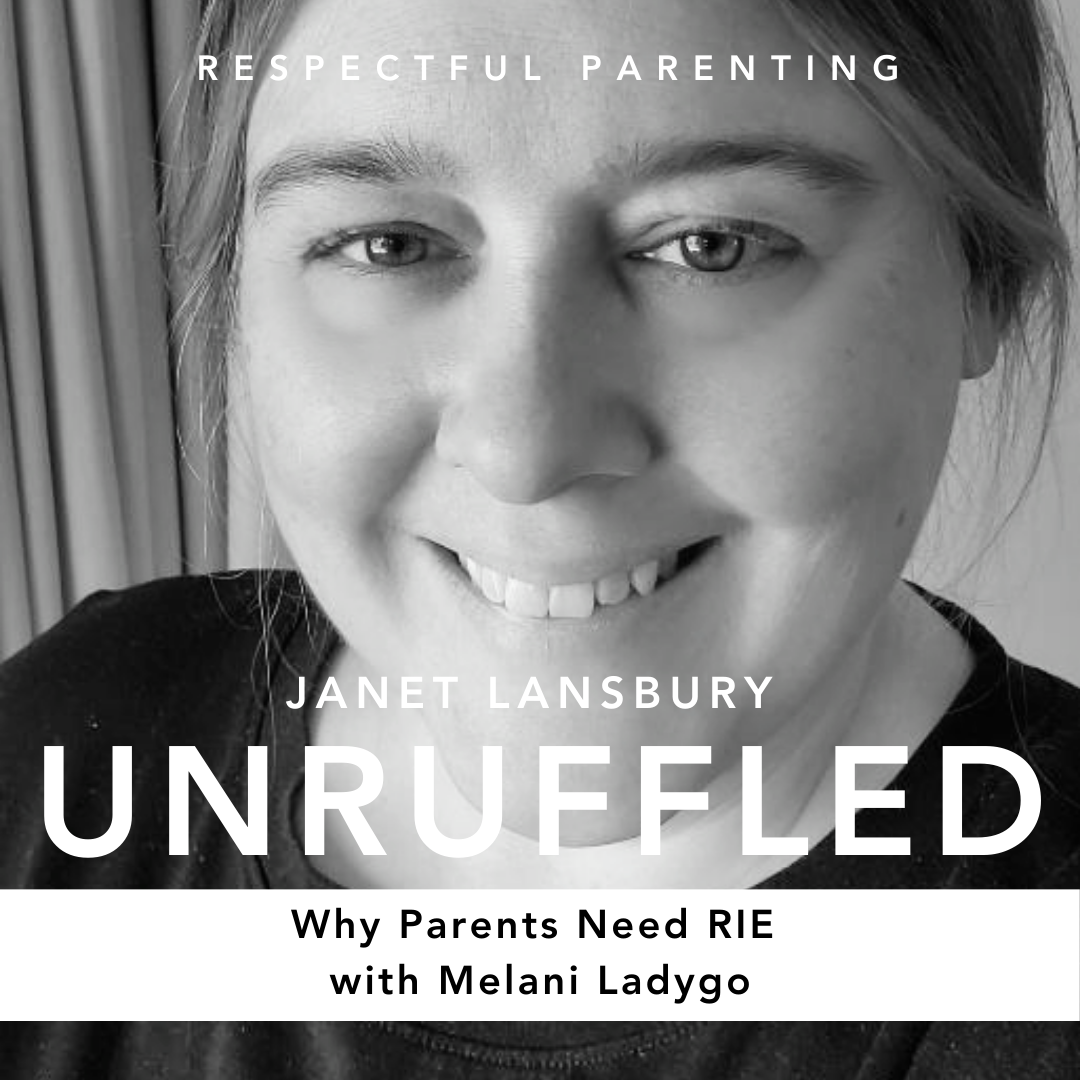
The parenting approach known as RIE—pronounced “rye”—often evokes strong reactions. For many parents and early childhood professionals who practice it, the philosophy is described as profound and life-changing. Yet, for others encountering it for the first time, certain elements can sound unusual, controversial, or even impractical. To demystify what the approach truly entails and how it benefits families, long-time advocate and podcast host Janet Lansbury recently welcomed Resources for Infant Educarers (RIE) Executive Director Melani Ladygo onto her Unruffled podcast for an in-depth conversation on the core tenets of respectful childcare.
Lansbury’s own journey with RIE began more than 30 years ago when she attended classes with her firstborn, an experience inspired by the teachings of infant expert and RIE founder Magda Gerber. Those early sessions fundamentally shifted Lansbury’s perceptions of babies, the art of childcare, and life itself. Having trained one-on-one with Gerber, Lansbury has spent years answering questions from parents and early childhood professionals seeking to define the nuanced philosophy. Recognizing the challenge of summarizing such a rich approach into a simple soundbite, Lansbury turned to Ladygo, a longtime RIE associate and home-based parent-infant class instructor who embodies the deep respect championed by Gerber.
The discussion quickly turned to the elusive "elevator pitch" for RIE. Ladygo recalled taking her initial 60-hour training course—formerly known as RIE I and now titled RIE Foundations—hoping to easily articulate the philosophy to others. Despite completing the intensive curriculum alongside passionate early childhood educators, she found herself filled up with knowledge yet still struggling to succinctly describe the approach. It was only through years of working in the RIE office, answering phones, and speaking directly with families that Ladygo honed her ability to explain it.
At its core, Ladygo explained, RIE is an organization that teaches parents and professionals how to foster respectful, reciprocal relationships with babies and toddlers from birth to age two. The term "educarer," coined by Gerber, captures the dual nature of the role: adults care while they educate, and educate while they care. The organization functions as a vital resource for practitioners of this educaring approach, supporting adults who want to build a lifelong bond rooted in mutual trust and respect with their children from the very beginning.
Reflecting on her own experience, Lansbury noted that prior to discovering RIE, she shared the common misconception that deep bonding and respect only happen later in childhood, once children develop verbal skills and can participate in mutual play. However, observing her three-month-old daughter in an RIE class revealed a revelation: even a tiny infant possesses a rich inner world filled with thoughts and ideas. That moment marked Lansbury’s realization that her baby was a distinct person with her own agency, rather than merely a passive respondent to adult stimulation.
Ladygo shared a similar path to the philosophy, sparked by a college child development course that illuminated the profound impact of early brain development on behavior and relationships. Eager to gain real-world experience, she secured a position in an infant program heavily influenced by RIE principles. Walking into a room of twelve babies, Ladygo was immediately struck by the peaceful atmosphere. Her early missteps—such as instinctively trying to comfort a crying infant by jostling them or physically assisting a toddler struggling to climb a slide—were met with gentle guidance from veteran teachers.
Recalling an incident where she helped a toddler up a slide, a colleague asked Ladygo whether the child had actually asked for help or looked frustrated. The question prompted Ladygo to consider the child’s perspective, realizing the toddler had not been seeking intervention and had accomplished the feat with adult assistance rather than independently. This sparked her curiosity about why traditional reactions like distracting a crying baby or rushing to help were discouraged under the RIE framework, eventually leading her to complete the formal RIE training in Silver Lake, California.
The conversation highlighted how acknowledging a baby’s valid point of view transforms the caregiver-child dynamic. Ladygo illustrated this universal human desire to be seen by sharing an anecdote from teaching outdoor parent-infant classes during the COVID-19 pandemic. Regularly purchasing large quantities of bananas—the standard snack served in RIE classes—prompted a curious grocery store checker to ask about her frequent visits. When Ladygo explained that she taught a class helping parents slow down, allow children to figure things out, and truly see their children, a customer waiting nearby slammed his hand on a register and declared that his own parents needed that class. The interaction underscored a fundamental truth: individuals of all ages yearn to be seen and understood.
Lansbury emphasized that the ultimate gift of RIE is not merely optimal infant development, but the profound relief it offers parents. When adults let go of the perceived obligation to perform, constantly entertain, or artificially manufacture happiness, they escape the trap of modern parental perfectionism. By stepping back, observing, and allowing children space to encounter and navigate minor struggles—such as a challenging climb or a frustrating moment—parents shed an immense amount of emotional labor. This shift establishes a calm baseline, turning routine interactions into opportunities for genuine connection.
Addressing the inevitability of difficult moments, both experts agreed that the approach does not eliminate human exhaustion or frustration. Caregiving remains physically and emotionally demanding. However, having a reliable framework allows adults to acknowledge the struggle authentically rather than forcing artificial cheerfulness. Lansbury shared how giving herself permission to voice frustration during challenging moments, such as a difficult diaper change, serves as an authentic reset that brings both parent and child back to a moment of honest connection.
The philosophy also profoundly shapes how children learn to navigate social relationships and boundaries with peers. Ladygo recounted an experience with a mother who struggled when her strong-willed toddler refused to share a rocking boat with other children. Through discussion, the mother realized her discomfort stemmed from her own habit of acquiescing to others at the expense of her personal boundaries. RIE encourages children to understand their own limits and desires, ensuring that kindness and sharing stem from genuine capacity rather than forced compliance. Lansbury noted that adults maintain safety and act as neutral translators during peer conflicts rather than acting as judges or arbitrators, allowing children to authentically work through social situations and discover their own solutions.
To help educators and parents deepen their understanding of these concepts, Lansbury highlighted the upcoming online RIE Conference, themed around authentic play and featuring prominent speaker Peter Gray. The event offers workshops exploring practical applications of free play, conflict resolution, and the broader implementation of respectful care principles in diverse educational settings. Organizers noted that the conference provides a supportive community for individuals striving to foster peaceful, respectful relationships with children in their care.
The approach to selecting holiday presents for men often centers on utility combined with longevity. In an era marked by an abundance of disposable goods and environmental concerns, prioritizing durability helps keep items out of landfills and reduces overall waste. Furthermore, finding items that integrate seamlessly into a man’s daily routine—ranging from practical outdoor gear and wellness tools to specialized culinary accessories and simple skincare—ensures that the present will see regular use rather than gathering dust on a shelf.
Curating a comprehensive selection of presents requires looking beyond conventional retail tropes to find products that meet stringent standards for quality and eco-friendliness. While do-it-yourself projects hold a special appeal for many holiday creators, certain sophisticated items simply demand professional manufacturing. Advanced accessories such as electromagnetic field protective phone cases, portable water filtration systems, high-grade fitness recovery tools, and specialized outdoor equipment require a level of engineering that makes them ideal retail purchases.
The scope of suitable presents spans a wide array of categories, accommodating diverse lifestyles, hobbies, and personal preferences. For instance, the culinary enthusiast or backyard grilling aficionado benefits immensely from specialized food and drink accessories that elevate everyday cooking into an art form. Similarly, men who prioritize their physical health respond well to wellness-oriented products designed to support overall vitality, mental clarity, and daily routines.
Outdoor and travel enthusiasts present another distinct category where quality truly matters. Whether a man is an avid camper, a frequent traveler, a dedicated hiker, or someone who simply enjoys spending quiet evenings relaxing on the back porch, rugged and reliable gear enhances these experiences. Items engineered to withstand the elements while providing maximum convenience make dependable presents for anyone with an adventurous spirit or a love for nature.
Grooming and personal care products represent an area where many men are notoriously selective, yet practical solutions can easily earn a permanent place in their daily habits. While most men do not maintain elaborate cosmetic routines, streamlined and natural skincare items designed specifically for male skin health can successfully bridge the gap between simplicity and effective maintenance. By focusing on clean ingredients and straightforward application, gift-givers can introduce valuable additions to a man’s morning routine without overwhelming him.
Physical fitness and active lifestyles demand another distinct set of considerations. For men who engage in regular workouts, sports, or demanding physical labor, recovery is just as important as exertion. Products aimed at muscle relaxation, post-workout soreness relief, and enhanced mobility provide tangible benefits that active individuals appreciate. These items cater directly to the needs of those who are constantly on the move, offering physical relief and promoting sustained athletic performance.
Beyond functional utility, sentimental presents offer a powerful way to express affection and create lasting memories. Thoughtful keepsakes and personalized items allow gift-givers to communicate deeper appreciation, making them particularly meaningful for close family members and romantic partners. These heartfelt gestures often become cherished possessions that endure long after the holiday season has passed.
Other unique presents that defy easy categorization often fill the remaining gaps, providing delightful surprises for men who seem to have everything. These distinct items capture specific interests or introduce novel conveniences that enhance daily living in unexpected ways. To complete the holiday presentation, carefully chosen stocking stuffers—ranging from small practical tools to artisanal treats and traditional gift cards—provide those final touches of excitement on Christmas morning. As the holiday season approaches, shoppers continue to exchange ideas and evaluate new products, reflecting a collective desire to find meaningful ways to celebrate the men who matter most in their lives.
Long before they were known to the global music community as Panda Bear and Deakin—core members and driving creative forces behind the pioneering experimental band Animal Collective—Noah Lennox and Josh Dibb were simply classmates navigating the halls of the Waldorf School of Baltimore.
The story of how two young boys from Baltimore evolved into architects of modern independent music offers a fascinating look at the intersection of alternative education and artistic innovation. Long before the grueling international tours, the critical acclaim, and the genre-defying albums that would come to define Animal Collective’s legacy, Lennox and Dibb were growing up in an educational environment specifically designed to nurture creativity, honor individuality, and encourage deep artistic exploration.
A recent profile published in GQ magazine, titled "Panda Bear’s Long Road Home," sheds new light on these formative years, tracing the unlikely trajectory that began in a Baltimore classroom and blossomed into a decades-long musical partnership. For those familiar with Animal Collective’s surreal, texture-rich soundscapes, it comes as little surprise that its creators emerged from an academic background that prioritized imagination over rote memorization.
Reflecting on his time at the institution, Noah Lennox recalled the unique atmosphere of the Waldorf School of Baltimore in the GQ profile. There was a constant current of artistic expression woven into the daily routine—a place characterized by frequent drawing, painting, and a continuous presence of music. Lennox highlighted a particularly distinctive element of the curriculum: a movement art created by Rudolf Steiner known as eurhythmy. Through these unconventional methods, children were encouraged to remain suspended in a dream world of unbridled imagination for as long as possible, laying a subconscious foundation for the avant-garde paths they would later travel.
The GQ article further illuminates the narrative by detailing how Josh Dibb entered this creative ecosystem. Dibb joined the Waldorf School of Baltimore at the very end of second grade, having previously been homeschooled. It was within this intimate educational setting that he crossed paths with Lennox, sparking a legendary friendship that would weather the shifting tides of adolescence, adulthood, and the unpredictable music industry.
Recalling their initial meeting, Dibb offered a warm assessment of his future bandmate in the pages of GQ, noting that Lennox immediately stood out from the crowd. He struck Dibb as special—acknowledging it as a generic word, yet emphasizing that Lennox possessed a collection of deeply attractive qualities. According to Dibb, Lennox was simultaneously athletic, remarkably intelligent, and already exhibiting clear evidence of natural creativity. While Lennox demonstrated an effortless aptitude for anything physical, Dibb humorously recalled having "two left feet," yet the contrast in their early skill sets only seemed to solidify their bond.
The narrative of Lennox and Dibb is fundamentally a story of profound friendship, a willingness to take immense artistic risks, and the cultivation of a shared creative language that has endured across decades. In an industry notorious for fleeting partnerships and volatile band dynamics, the enduring connection between these two founding members of Animal Collective stands out as a testament to the power of shared origins.
For Waldorf educators, current parents, and the broader community of alumni, the journey of Panda Bear and Deakin serves as a compelling, real-world reminder of how the subtle seeds planted during early education can fundamentally shape lifelong paths. The ethos of the Waldorf approach—emphasizing holistic development, artistic freedom, and imaginative thinking—clearly left an indelible mark on two boys who would eventually help redefine the boundaries of contemporary alternative music.
As detailed in the comprehensive feature by GQ, the road from Baltimore classrooms to global festival stages was long and winding, rooted in a shared childhood defined by paint, music, and uninhibited imagination.
A homeschool graduation ceremony begins with the quiet intention that first took root when a child wobbled through their earliest steps. It serves as a monumental milestone, bringing together bittersweet memories and buoyant hope in a rich bouquet of learning and love. Yet, as families finish the rigorous Challenge program, they frequently bring a series of practical questions into this season of transition. Parents wonder what the ceremony should properly include, how formal the event needs to be, and whether a homeschool diploma carries genuine weight with modern colleges and prospective employers.
Leigh Bortins addresses this pivotal season directly in Chapter Twelve and the epilogue of her book, The Conversation. She reassures parents that graduation, much like every preceding stretch of the high school journey, is simply one more educational milestone to learn and execute well as a unified family. Classical Conversations families have celebrated this rite of passage for decades in living rooms, rented halls, and even at sea, proving that the celebration can be as unique as the student.
When it comes to planning the ceremony itself, a homeschool graduation does not require a massive stadium, a marching band, or a guest list stretching a mile long to mark the moment effectively. What it truly requires is intention: a clear sense of what the day represents and who belongs in the room. Most families build the core of their ceremony around three simple, foundational elements: a formal diploma presentation, a short reflection on the student’s cumulative learning journey, and intentional time spent with the people who shaped it—parents, Tutors, Directors, and community day friends who sat shoulder-to-shoulder with the graduate through years of memory work, intensive essays, and rigorous debate.
While some families prefer to keep the ceremony small and deeply personal, hosting it at home or folding it seamlessly into their local Challenge community’s final gathering of the academic year, others gravitate toward larger celebrations. To accommodate this, Classical Conversations hosts a National Commencement, complete with traditional academic regalia and a full-scale ceremony, for families who want their graduate’s milestone recognized on a grander scale alongside their broader community. Members can order their official graduation packages, including diplomas, through authorized partners such as HomeschoolDiploma.com.
Looking backward provides valuable perspective on how far the student has traveled. Long before the final graduation ceremony, the classical educational model was already quietly at work through three distinct movements corresponding to the traditional arts of the trivium. During the Foundations years, the grammar stage provided the student with a vast body of fundamental knowledge, committing history, science, and Latin to memory through recitations shared with the entire family. As students advanced into Essentials and the early Challenge levels, the dialectic stage taught them how to ask perceptive questions and critically sort through that accumulated knowledge.
By the time students reached Challenge II, III, and IV, the rhetoric stage brought all previous learning together. Graduates learned to craft sophisticated research papers, defend complex philosophical positions, and speak persuasively about the truths they had come to embrace. From the age of four all the way to commencement, these students systematically practiced the liberal arts of grammar, dialectic, and rhetoric, steadily growing toward genuine wisdom and intellectual freedom.
Along this winding path, most graduates also acquired vital leadership skills that rarely appear directly on a traditional transcript. Challenge students routinely lead academic strands, mentor younger classmates, and hone their public speaking abilities through competitive Policy Debate and Lincoln-Douglas Debate long before they ever slip on a cap and gown. Furthermore, they forge lifelong friendships that endure long after the graduation festivities conclude—bonds formed through years of singing together, wrestling over deep philosophical topics, and vigorously debating complex social and historical issues.
As graduates look ahead, their immediate next steps might lead them toward higher education, a skilled trade, military service, or full-time employment. The fifteen distinct classical skills cultivated through Foundations, Essentials, and Challenge travel right along with the student into any of these diverse environments.
Parents finishing this demanding educational season often experience a kind of graduation of their own. After years of managing memory work in the early years and acting as academic mentors in the Challenge program, parents realize they have gained far more expertise than they initially recognized. They have learned how to ask insightful questions, carefully weigh alternative options, and seek out wisdom within a supportive community of fellow educators. That hard-earned confidence carries directly into helping their graduate navigate the complex process of choosing a college, a specialized training program, or an entry-level career.
For families looking ahead to the post-high school landscape, a wealth of resources remains available to help bridge the gap. Guides on homeschooling through high school, preparing students and parents for post-graduation endeavors, and navigating homeschool transcripts provide essential frameworks for documenting the years of rigorous work standing behind the diploma.
Addressing common concerns about the validity of homeschool credentials, educational experts emphasize that a parent-issued homeschool diploma is legally recognized nationwide and widely accepted by colleges, the military, and corporate employers. While recognition can occasionally vary slightly depending on state regulations, admissions offices typically rely most heavily on the comprehensive transcript rather than the diploma itself. Maintaining a meticulously detailed transcript alongside the diploma ensures that graduates face no administrative hurdles as they transition into the wider world.
Ultimately, a homeschool graduation ceremony marks the graceful close of a season that began with uncertain first steps and blossomed, year by year, into rigorous memory work, sophisticated essays, deep debates, and late-night discussions around the kitchen table. By planning the day with deliberate intention, families can look back with profound gratitude at the knowledge, understanding, and wisdom that has taken root in the student. Though the ceremony eventually concludes, the deeper formation it celebrates—a mind and heart cultivated to know and glorify God—carries forward into whatever future chapters await.
As the calendar approaches a fresh year, millions of people find themselves facing the familiar cycle of setting ambitious New Year’s resolutions, only to watch them fade away within weeks. The traditional narrative of January 1st as a transformative threshold often sets an impossibly high standard, encouraging drastic lifestyle changes that can quickly lead to feelings of disappointment and fatigue. However, wellness experts and behavioral advocates are increasingly encouraging a shift away from rigid, perfection-driven goals toward a more compassionate, sustainable approach to self-improvement for 2027.
The common experience of abandoning a resolution—such as vowing to overhaul dietary habits entirely or committing to a punishing fitness schedule—highlights a fundamental flaw in how society approaches annual goal-setting. When an unexpected stressor arises, breaking a strict rule can trigger an immediate sense of failure, often causing individuals to abandon their positive intentions altogether. Recognizing this psychological trap, contemporary wellness strategies emphasize that resolutions do not need to be monumental setups for failure. Instead, they can function as manageable, mindful adjustments designed to support gradual growth across key areas of daily life, including personal relationships, professional environments, mental well-being, and physical health.
Rather than striving for an idealized version of perfection, experts suggest focusing on small, achievable habits that seamlessly integrate into existing routines. By reframing annual goals around flexibility and self-compassion, individuals can foster genuine personal development without the heavy burden of unrealistic expectations.
Cultivating Fulfilling Connections: Relationship Resolutions for the New Year
At the close of any given year, many individuals reflect on a pervasive sense of disconnection from friends, family members, and partners. The fast pace of modern life, professional demands, and daily distractions often cause important interpersonal bonds to dwindle over time. Rebuilding these networks requires deliberate effort, but the solutions do not require sweeping lifestyle overhauls.
Relationship experts recommend choosing a small handful of intentional habits rather than attempting to transform an entire social life at once. Central to this approach is the practice of dedicating uninterrupted quality time to loved ones, whether through regular family dinners, focused conversations, or intentional phone calls free from digital distractions. Active listening also plays a pivotal role in deepening bonds, requiring individuals to focus entirely on what another person is communicating rather than planning a response.
Expressing gratitude and affection regularly can also transform interpersonal dynamics. Simple gestures, such as offering sincere appreciation, saying "I love you" more frequently, or stepping in to help a struggling family member without waiting to be asked, build a resilient foundation of mutual support. Furthermore, maintaining relationships involves establishing healthy boundaries respectfully, resolving conflicts kindly with a focus on understanding, and offering genuine celebration for the successes of others. By approaching interpersonal connections with patience, empathy, and a willingness to apologize when mistakes happen, individuals can foster supportive networks that endure throughout the year.
Navigating Career Growth and Balance in the Workplace
The pursuit of professional fulfillment often presents a delicate balancing act. Many workers constantly strive for career advancement, greater productivity, and improved work-life balance, yet the sheer pressure of these aspirations can lead to chronic overwhelm and burnout. To combat this cycle, workplace wellness advocates suggest adopting sustainable professional resolutions that prioritize long-term growth over frantic busyness.
Establishing clear boundaries between professional duties and personal time remains one of the most effective strategies for preventing exhaustion. Defining specific working hours, setting goals to log off by a certain time, and refraining from checking emails during off-hours help protect personal energy. Within the workspace itself, reducing physical clutter and creating an inspiring environment can significantly enhance daily focus and mood.
To manage large, daunting projects effectively, professionals are encouraged to break complex tasks into smaller, manageable steps or utilize time-boxing techniques. Prioritizing the top three daily tasks, taking mindful micro-breaks, and avoiding the trap of constant multitasking further contribute to sustainable productivity. Additionally, intentional networking, seeking constructive feedback, and advocating for necessary resources or schedule flexibility allow individuals to cultivate fulfilling careers aligned with their core values and long-term aspirations.
Nurturing Mental Well-Being and Inner Calm
Mental health is foundational to overall wellness, yet when individuals experience chronic stress or cognitive fatigue, identifying actionable steps for improvement can feel exceptionally difficult. The pressure to instantly reduce stress can inadvertently amplify anxiety, making a compassionate and gradual approach essential for mental health resolutions.
Starting a daily journaling practice provides a valuable outlet for processing emotions, recognizing behavioral patterns, and cultivating gratitude. By acknowledging small positives—such as navigating a minor daily inconvenience without frustration—individuals can gently rewire their thought patterns to notice everyday sources of joy. Incorporating brief moments of mindfulness, whether through intentional deep breathing during a work break or observing the surrounding environment during a walk, fosters a greater sense of presence.
Prioritizing a consistent sleep schedule and spending regular time in nature further support neurological and emotional recovery. As individuals work to reduce daily stressors, learning to set boundaries, limiting screen time, and speaking to oneself with the same kindness offered to a close friend help quiet the inner critic. Engaging in creative outlets, moving the body in ways that feel nourishing, and deliberately limiting exposure to prolonged negativity create essential space for calm and mental resilience.
Prioritizing Physical Health Through Sustainable Habits
Physical health goals are frequently associated with rigorous fitness regimens and strict dietary rules, yet true physical wellness encompasses sustained energy, strength, and overall vitality. Because maintaining a rigorous workout schedule amidst a demanding lifestyle can be challenging, health experts advocate for flexible, manageable habits that make physical care approachable.
Daily movement does not require hours spent in a gym; instead, aiming for modest activities such as a ten-minute stretch or a brisk neighborhood walk allows individuals to honor their physical needs on a day-to-day basis. Proper hydration, achieved by carrying a reusable water bottle and aiming for consistent water intake, supports overall bodily function and alertness.
Nutrition can also be approached with mindfulness rather than restriction. Incorporating a variety of colorful whole foods, planning balanced meals, and swapping heavily processed items for nourishing snacks help sustain energy levels over time. Small lifestyle adjustments—such as taking the stairs when able, standing up periodically from a desk, or establishing a calming bedtime routine to ensure quality sleep—contribute significantly to long-term physical health. By celebrating small victories, tracking incremental progress, and approaching physical wellness with flexibility, individuals can build lasting habits that support their overall well-being throughout the year.
At a time when societal polarization increasingly threatens America’s corporate suites and storefronts, leaders who possess the skills to bridge deep-seated divides in the workplace are becoming indispensable. This capability is no longer viewed merely as a nice-to-have cultural bonus, but rather as a critical competency that offers a tangible competitive advantage.
One of the most complex and sensitive issues that workplace leaders must navigate today is religion, and the diverse religious identities of their employees. This challenge often becomes particularly acute toward the end of the calendar year, driven by the annual overlap of competing religious holidays, observances, and cultural festivities. Yet, within this complexity lies a valuable opportunity: successfully bridging divides across religious identity is a specialized skill that can be readily applied to navigating a wide array of other ideological and personal differences in the modern organization.
The evolving landscape of the contemporary workplace presents distinct operational contexts. With the rapid rise of hybrid work models, the integration of artificial intelligence, and the persistent blurring of boundaries between business, society, and technology, traditional management approaches are being tested. These rapid changes and diverse workforce expectations demand innovative methodologies. Interfaith leaders, who are naturally adept at engaging diverse religious and secular traditions, offer a proven model for navigating differences that can significantly enhance organizational culture and drive measurable business outcomes.
Business experts point to several key management strategies that employers can learn from interfaith leaders to help successfully navigate conflicting viewpoints, foster resilience, and maintain productivity in an unpredictable future.
Disentangle Beliefs from Behaviors
Modern workplaces bring together unprecedented levels of diversity. With as many as six generations currently active in the workforce, organizations encompass a vast mosaic of geographies, cultures, perspectives, values, and work styles that directly influence how they function. In an era marked by increasing division and social fragmentation—where individual values frequently guide conduct and decision-making—business leaders face the ongoing challenge of building an organizational foundation that counters the urge to polarize and instead fosters an inclusive culture.
While these challenges are undoubtedly daunting, organizations already possess the key to the solution. However, this process requires vigilance regarding workplace conduct. Some exchanges between colleagues regrettably cross the line into unacceptable behavior. Industry studies show that approximately 30 percent of Americans report being bullied at work, while microaggressions continue to impact marginalized groups, and the frequency of antisemitic and anti-Muslim incidents continues to grow globally. To maintain a safe and productive environment, organizational leaders emphasize that there is simply no room for these behaviors in the workplace.
At the same time, it is remarkably easy for managers and team members alike to fall into the trap of conflating a person’s religious or ideological beliefs with their direct behaviors. In a diverse workforce, employers should naturally expect that employees will hold opposing views on a wide spectrum of contentious issues. When a colleague’s beliefs conflict with our own, it is tempting to view their actions with suspicion.
When organizations learn that colleagues hold differing beliefs regarding immigration policy, sexuality, eternal salvation, or complex geopolitical situations like the conflict in the Middle East, maintaining distinction is vital. Leaders must separate an individual’s right to hold a personal set of beliefs from the reasonable expectation that they uphold a shared, high standard of behavior while on the job.
This distinction becomes exceptionally clear when viewed through the lens of inter-religious difference. For example, a Hindu manager and their evangelical Christian teammate may hold not only different but foundationally opposing views on the nature of the divine. Despite these profound theological divergences, both professionals can routinely adhere to their company’s non-proselytization standards and work collaboratively toward shared organizational goals.
Ultimately, a colleague’s beliefs are personal, complex, deeply held, and generally outside the purview of organizational leaders attempting to enact change. Conversely, people’s behavior at work is something management can and should monitor. When facing challenging situations involving employees with differing beliefs on sensitive topics, zooming out to evaluate whether the core concern is belief or behavior allows leaders to act appropriately and fairly.
Get Personal and Find Shared Values
In the professional environment, tensions between individuals with differing religious identities and divergent ideologies can quickly turn personal. However, workplace strategists suggest that this dynamic is not necessarily detrimental. According to the 2026 Edelman Trust Barometer, 34 percent of global survey respondents reported that they would actively reduce their effort on projects led by someone whose beliefs clash with their own.
Rather than avoiding necessary confrontation or sweeping disagreements under the rug, interfaith leaders focus on building positive professional relationships that are deeply rooted in common ground, while simultaneously acknowledging and respecting profound differences. As Eboo Patel, founder and president of Interfaith America, frequently notes, in a religiously diverse democracy, people must be able to agree on some fundamental things while disagreeing on others.
Meaningful relationships forged across worldview differences tend to cultivate a deeper respect for other people’s identity groups. This process strengthens social capital, which in turn fosters a greater sense of empathy and trust among teammates, ultimately yielding a more productive workplace. Research from Teleskope’s 2025 Fortune 500 ERG Benchmark Report underscores this impact, finding that Employee Resource Group participants exhibit longer tenure and stronger performance, with 57 percent reporting that ERGs directly influenced business innovation.
To translate this into daily practice, interfaith leaders start by identifying shared values across diverse religious and philosophical traditions, such as a mutual commitment to compassion and service to others. A prominent example is FaithConnect, Equinix’s Interfaith Employee Connect Network, where members from diverse religious traditions unite to drive awareness and raise funds for A21, an organization dedicated to combating human trafficking. It can be safely assumed that FaithConnect members likely disagree on a wide array of theological and political issues; nevertheless, they unite around their shared commitment to ending modern slavery.
Managers looking to address ideological divides can similarly lean into this focus on personal relationship-building rooted in shared values. For instance, two employees who strongly disagree about abortion access might both care deeply about volunteering in their local schools. While their fundamental difference is real, it does not have to define their entire professional relationship.
Getting personal is also deeply pragmatic. Anchoring professional relationships to a set of superordinate goals that colleagues are working toward together helps ground interactions in shared deliverables, properly sizing conflicting beliefs. Furthermore, bringing diverse perspectives around the table frequently leads to more nuanced and effective business solutions. Teams can successfully collaborate, build and maintain relationships, and execute deliverables despite divergent perspectives.
Offer a Guiding Framework and Prioritize Skill-Building
Achieving high impact in a complex operational environment requires successful leaders to first align their organizations around a shared vision. Interfaith America utilizes a foundational three-part framework centered on the concepts of respect, relating, and cooperating. The objective is to build an organizational environment characterized by active respect for diverse religious and non-religious identities, mutually enriching relationships across diverse communities, and effective cooperation around shared operational goals.
This framework is equally useful when cultivating an inclusive and collaborative culture that extends far beyond religious diversity alone. However, an inclusive culture does not simply materialize; employees require the proper skills to make it a reality. The essential interpersonal skills required for organizations to build a welcoming environment are frequently drawn from the shared values found in the world’s diverse religious, spiritual, and secular traditions, serving as the bedrock for constructive engagement and problem-solving.
Companies can actively support this upskilling process by embedding a focus on these core competencies into mandatory onboarding workflows, ongoing professional development opportunities, or through concise, accessible tools shared during quarterly all-hands meetings. By aligning teams on a shared vision and prioritizing continuous skill-building, organizational leaders can foster resilient, cohesive units capable of enhanced innovation and adaptability in an unpredictable future.
By leaning into an organization’s core values, businesses allow for the healthy expression of diverse ideas and perspectives while aligning individual actions with the collective corporate mission. Anchoring to a shared set of values drives consistency through periods of change and social division, while clearly defining behavioral expectations and setting transparent standards for accountability. As organizations continue navigating the modern landscape of leadership through crisis, experts suggest it may be an opportune moment to reevaluate company values while identifying interfaith leaders and internal champions capable of modeling constructive behaviors for their peers.
The article was authored by Sumreen Ahmad, Managing Director of Talent and Organization at Accenture, alongside Amber Hacker, Managing Director, and Megan Johnson, Senior Director of Corporate Strategy at Interfaith America.
When parents envision the future of their children, they often map out milestones years in advance—selecting neighborhoods, schools, and extracurricular programs that will lay the foundation for a lifetime of growth. For one family living in Duvall, Washington, that foundational vision was centered entirely around the Wilderness Awareness School (WAS). Relocating to the area was not just a housing choice; it was a deliberate lifestyle decision designed to weave the school’s unique philosophy deeply into the fabric of their son Brayden’s childhood.
From the earliest stages of his development, Brayden’s parents intended for him to experience the immersive, nature-based education that the school is widely known for providing. As an educator herself, Brayden’s mother holds a deeply intentional perspective regarding the formative years of a child’s youth. Understanding the profound impact that extended time spent outdoors can have on shaping a young mind, building self-efficacy, and fostering resilience, she carefully structured the family’s weekly routines, schooling decisions, and daily activities around Brayden’s participation in the program’s signature Foxes class.
The journey began years ago with the school’s early childhood offerings, including the Roots and Wings program. The long-term family plan has always been straightforward: keep Brayden enrolled in the Wilderness Awareness School’s continuous School Year Programs until he eventually graduates from both high school and the Community School. For this family, the school is not merely an occasional weekend activity or a supplemental hobby; it is viewed as an essential pillar of Brayden’s comprehensive education and holistic childhood development.
However, life possesses a well-documented tendency to diverge from even the most carefully crafted blueprints. Unexpected personal and financial hardships can materialize without warning, testing the resilience of families and forcing difficult recalculations. Recovery from such periods often takes significantly longer than initially anticipated. For Brayden’s family, a sudden convergence of life challenges meant that the dream they had meticulously planned before he was even born suddenly collided with severe economic constraints. The specialized, immersive nature education they so deeply valued for their son was placed in jeopardy by financial realities that briefly made regular tuition costs unattainable without outside assistance.
This is where the broader community network surrounding the Wilderness Awareness School stepped into the picture. Through the availability of donor-funded financial aid and scholarship programs, the family found a vital lifeline that prevented their son’s educational trajectory from being abruptly derailed. Rather than having to withdraw Brayden from the community and the curriculum that was shaping his character, the scholarship ensured that financial barriers did not block his access to the programs.
The impact of community philanthropy extends far beyond simply covering the cost of tuition. Support provided by donors plays a critical, tangible role in building meaningful community connections, fostering genuine interpersonal relationships, and instilling lasting life skills. For growing children, these programs offer real-world opportunities to test personal boundaries, confront challenges head-on, and engage with authentic rites of passage designed to support youth as they navigate the transition into their own independence and identity.
For Brayden, these opportunities have manifested in a deeply transformative environment. The weekly immersion in nature, combined with the guidance of dedicated mentors and the companionship of peers, has played an instrumental role in shaping the remarkable young person he is actively becoming. His mother emphasizes that as an educator, she recognizes the irreplaceable value of these experiences—experiences that might otherwise have been entirely out of reach if not for the generosity of scholarship donors.
While navigating the ongoing process of restoring personal health and stability, Brayden’s family lives with a profound sense of gratitude for the individuals and entities who contribute to the scholarship funds. Looking ahead, a primary personal and professional goal for his mother is to regain full health and financial footing so that she might one day transition from a scholarship recipient to a donor, thereby paying forward the exact kind of life-changing assistance her family received during their time of need.
In the meantime, Brayden continues to attend his classes, build friendships, and explore the natural world around Duvall, insulated from the financial stressors that adults shoulder behind the scenes. The family’s experience highlights a broader narrative about the quiet, powerful impact of educational philanthropy. By bridging the gap between aspiration and economic reality, scholarships ensure that transformative childhood experiences remain accessible to children based on their potential and curiosity, rather than restricted by temporary financial hardship.
Founded in 2003 with a clear and urgent mission to care for orphans by engaging the Church and reducing barriers to adoption, the organization Show Hope has spent more than two decades evolving to meet the complex needs of vulnerable children and families. Established through the personal adoption journey of its founders, Mary Beth and Steven Curtis Chapman, the organization’s initial focus was simple yet profound: to identify and bridge the financial gaps standing between waiting children and families longing to welcome them home through the miracle of adoption via Adoption Aid grants.
Over the years, that initial vision expanded significantly, leading to diverse programmatic areas aimed at creating lasting change in the lives of children around the world. As the organization looks back on its storied history and prepares for its next chapter, it continues to address the shifting landscape of orphan care, transitioning from its legacy international initiatives to innovative domestic support structures designed to champion families long after finalization.
A Legacy of Care: Remembering Maria and the Care Centers in China
More than fifteen years ago, Show Hope broadened its scope by launching its second major programmatic area, supporting the vital work of the New Hope Foundation and the Care Centers in China. This initiative was born from a deep, calling-like desire to care for little ones in China who faced acute medical and special needs.
The mission took on profound personal significance in 2009, following the tragic passing of the Chapmans’ daughter, Maria Sue Chapman, who went to be with Jesus. In the wake of this immense personal loss, a beacon of hope emerged in Luoyang, China—a facility affectionately known as the "Big Blue Building." Adorned with painted white clouds and a flower beautifully drawn by Maria herself, the building began shining brightly against the skyline, symbolizing resilience and boundless love.
Supported by Show Hope alongside a dedicated community of loving family members, friends, and even compassionate strangers, Maria Sue Chapman’s legacy stood tall, providing comprehensive care to vulnerable children who otherwise might have gone without specialized medical attention.
During nearly fifteen years of sustained love, operational support, and community backing, more than 2,700 children received critical care at the Care Centers in China. Furthermore, through the combined efforts of the centers and adoption networks, more than 800 of those children were welcomed home into the love, security, and permanency of a forever family through adoption.
A Season of Transition and Reflection
At the beginning of 2020, after much prayer, careful consideration, and strategic evaluation, Show Hope made the difficult announcement that it would be concluding its financial support of the New Hope Foundation and the Care Centers in China at the close of its fiscal year on June 30, 2020.
While the conclusion of this chapter was undeniably marked by deep sadness, the leadership recognized that certain seasons must naturally transition and be set aside—planted deep into the heart of the organization’s mission—in order to allow new avenues of support to grow and flourish.
Reflecting on the core ethos of how the Care Centers program originally began—driven by an unwavering commitment to address the complex medical needs of children who had been orphaned—leadership took a deliberate step back to listen, dream, and hope for the future. This period of reflection sparked a vital question: What if the organization could further journey with children and families long after an adoption has been finalized, offering targeted Medical Care grants to help offset mounting healthcare expenses?
Addressing New Barriers: The Launch of Medical Care Grants
Casting this bold vision with Show Hope’s executive leadership and the broader team proved to be an inspiring and collaborative process. Building directly upon the organization’s extensive expertise and the intricate administrative processes already established through its long-running Adoption Aid grants, Show Hope was uniquely and strategically positioned to expand its financial assistance portfolio to include Medical Care grants.
By introducing this new initiative, Show Hope is once again tackling head-on not just one, but two enduring barriers to adoption: financial constraints during the placement process and ongoing medical hurdles after a child joins a family.
Following diligent research, numerous in-depth conversations with pediatric healthcare professionals, and drawing upon years of direct organizational experience, leadership became thoroughly convinced that adoptive families would benefit immensely from additional support. Accessing quality, specialized care for the complex medical and mental health needs of children impacted by adoption often places a tremendous financial strain on households.
The overarching hope behind this expansion is straightforward: as families come to realize that these vital financial resources are readily available, they will feel profoundly more supported in their ongoing journeys to love and nurture the children who have been entrusted to them through adoption.
Looking Ahead to the Next Chapter of the Great Adventure
As the Show Hope family continues to grow, welcoming new generations of children and families into what the founders describe as a masterpiece painted by God, the organization looks forward with eager anticipation. Leadership frequently poses reflective questions about the road ahead: Who are the next precious children they will meet, and how many more families can they ultimately reach?
Even on the most imaginative days, the founders dare to dream about what the future might hold, wondering aloud if there could one day be another "Big Blue Building" located right in the United States—covered with painted white clouds and Maria’s signature flower. While acknowledging the importance of staying grounded in the present, leadership remains anchored in the magnitude of their faith, leaning on, trusting in, and looking to God to guide them through what they fondly refer to as their "Great Adventure."
Describing the journey thus far as the wildest and most rewarding of rides, the founders express deep gratitude to the wider community of supporters, donors, and advocates whose dedication has sustained the mission through every twist and turn.
With eyes firmly fixed on the horizon and a steadfast commitment to serving waiting children and adoptive families, the leadership team invites supporters near and far to saddle up and join the trail for this next chapter, encouraging all who share their passion to explore how they can become actively involved in the ongoing mission of Show Hope and its expanding Medical Care grants program.
For many educators and parents navigating the intricate world of alternative education, a familiar phantom often looms large in the background. In the minds of many homeschooling mothers and fathers, an idealized version of an educator exists—a standard often referred to simply as "The Best."
This mental archetype effortlessly manages all educational responsibilities with unwavering grace. In this imagined ideal, children progress in a straight, forward-moving line of academic and personal achievement. The idealized parent remains permanently organized, entirely unfazed by emotional turbulence, internal doubt, shifting outward circumstances, or the inevitable mood swings of growing children. For many who carry the daily weight of instruction, this archetype serves as both a towering hero and a source of quiet frustration.
Yet, beneath the surface of these high expectations lies a more nuanced reality defined by the fluctuating rhythms of everyday life. Jamie C. Martin, an experienced educator, author, and co-founder of the educational resource Simple Homeschool, recently addressed this pervasive pressure in an essay examining the dichotomy between striving for an unattainable standard of perfection and offering a genuine, personal best.
According to Martin, while fleeting moments of effortless inspiration occasionally emerge—aligning stars that create a harmonious flow for a few hours or a couple of days—real life inevitably interrupts. The daily demands of managing a household, addressing personal limitations, and navigating unexpected challenges quickly return educators to the realm of human imperfection. Yet, Martin emphasizes, remaining on track does not require achieving perfection; rather, it requires offering one’s authentic best, even amid difficult and unpredictable circumstances.
Understanding the Seasons: Crossing a Field Versus Climbing a Wall
To better understand the shifting capacities of parents throughout the academic year, Martin draws upon a visual distinction shared by her colleague and friend, Lisa Grace Byrne. This perspective categorizes the various seasons of family life and education into distinct geographical metaphors.
In certain periods, parenting and teaching resemble walking through a flat, grassy meadow. During these expansive phases, families cover substantial ground, making measurable, steady progress one predictable step at a time. Routines are easily maintained, lessons flow smoothly, and the educational trajectory feels straightforward and rewarding.
However, other seasons bring families to the sudden borders of that flat landscape, revealing a steep, sheer rock wall towering directly before them. In these moments, turning back is neither practical nor desirable. The only way to continue moving forward is to climb—requiring slow, deliberate, and sometimes shaky grips and footholds for every inch gained. While progress still occurs, it looks entirely different from the effortless pace of the grassy field.
This realization highlights a fundamental truth about modern education: the capacity and energy a parent can offer during a season of smooth sailing in the meadows will vary drastically from the resilience they must muster when actively scaling walls. Whether dealing with sudden crises or long-term adjustments, educators across the country frequently find themselves navigating these demanding vertical seasons.
Redefining Success Through Personal Strengths
In addressing the heavy burden of responsibility often felt by conscientious parents, Martin highlights the wisdom of various educational and spiritual thinkers who advocate for grace over unrealistic expectations. Quoting Mother Teresa’s reminder that humanity is called to faithfulness rather than guaranteed success, the discussion encourages educators to embrace their current realities rather than measuring their worth against flawless standards.
A personal best inevitably shifts from day to day and hour to hour. It looks vastly different for an educator managing a chronic health condition, welcoming a newborn into the family, or guiding a newly enrolled student through the transition into home-based learning. Similar demands apply to those raising children with specialized needs, supporting teenagers through emotional transitions, or processing personal grief and loss.
While the temptation to compare oneself to idealized educational figures remains strong, seasoned educators suggest turning toward established resources and personal strengths during challenging phases. Revisiting meaningful literature, reflecting on foundational educational philosophies, and reviewing past insights can help replace self-doubt with reassurance. Furthermore, recognizing that parents in traditional school settings experience their own distinct anxieties helps normalize the weight of responsibility inherent in guiding a child’s development.
Ultimately, the unique contributions of an individual parent—ranging from specialized emotional support to natural creative strengths—provide children with an environment tailored to their specific needs. By leaning into these innate gifts rather than pursuing an impossible ideal, educators can foster a sustainable, authentic learning environment where both parent and child can thrive.
WASHINGTON — Each person’s experience and expression of grief is as unique as their relationship with the person who died. Within families and closely connected communities, this profound truth can sometimes present unexpected challenges, particularly when others’ grief experiences differ vastly from our own. Compounding these interpersonal dynamics are shared, societal "myths" regarding the proper duration, expression, and intensity of grief. As a result, many bereaved individuals feel deeply isolated and struggle to find a sense of validation during their darkest moments.
Recognizing the different ways people may experience and express grief is therefore critical to ensuring compassion and understanding for those who are mourning. Experts emphasize that making space for diverse coping mechanisms can bridge the emotional gaps that often form between grieving family members, friends, and colleagues.
The Framework of Grieving Styles
To help demystify these varied reactions, grief specialists Ken Doka and Terry Martin offer a comprehensive model for understanding different styles of grieving in their seminal book, Grieving Beyond Gender: Understanding Diverse Grieving Styles. They posit that cultivating a better understanding of an individual’s unique grief style can prevent misguided assumptions, misinformation, and unnecessary conflict among families, friends, and communities impacted by profound loss.
The Doka and Martin model presents three primary types of grieving styles: intuitive, instrumental, and blended.
According to the authors, intuitive grievers process the feelings and emotions of grief verbally or through outward expression. Their external behavior mirrors their internal feelings, often manifesting through crying, emotional sharing, or angry outbursts. Instrumental grievers, on the other hand, process their grief cognitively or behaviorally. Rather than relying primarily on emotional venting, instrumental grievers lean into tasks, problem-solving, and "doing" as a way to navigate their sorrow. Meanwhile, some individuals find themselves somewhere between these two poles, operating with a blended approach that encompasses both intuitive and instrumental styles.
Crucially, experts stress that no single style of grieving is superior to any of the others. They are simply different, equally valid ways of experiencing and expressing the profound human reality of grief.
Fostering Connection Through Peer Support
Recognizing that others do not have to grieve in the exact same way we do provides an essential foundation for how communities can come together, offer meaningful support, and receive understanding in return. Organizations like The Compassionate Friends, a national non-profit supporting families after the death of a child, rely heavily on a peer support model that functions best when space is made for each person to grieve in the way that is most natural to them.
To accommodate these diverse styles, support networks often offer a wide variety of opportunities for connection. Whether individuals prefer engaging online through private social media groups and live chats, participating in virtual support group meetings, or attending in-person chapter meetings and regional conferences, the core message remains consistent: come as you are, and grieve in your own way.
Within family units specifically, acknowledging these differences and allowing others to grieve in their own unique fashion helps create a far more understanding and supportive domestic environment. Rather than attempting to "fix" other family members or pressuring them to respond to a loss in the exact same manner, listening with the heart and walking alongside one another with patience and empathy leads to significantly stronger relationships. These resilient bonds can help sustain individuals during their most desperate moments when the reassurance that they are not alone is most urgently needed.
Expert Insights on Coping and Loss
To further assist families in navigating these complexities, grief professionals continue to develop educational resources aimed at decoding different coping mechanisms. Andy McNiel, MA, a prominent author, trainer, and bereavement support professional, recently addressed these dynamics in a specialized webinar titled Understanding Others in My Family: The Different Ways We Cope and Grieve.
McNiel, who currently serves as the Chief Executive Officer of The Compassionate Friends, brings three decades of experience facilitating support groups and providing individual care to bereaved people of all ages. His extensive professional background spans hospice care, regional and national grief organizations, and the ongoing creation of safe spaces where bereaved individuals can connect with peers who truly understand their pain.
Widely regarded as a thought leader, educator, and presenter on bereavement support, McNiel lectures and keynotes extensively on topics relating to grief, loss, and personal wellness. He is the author of Understanding and Supporting Bereaved Children: A Practical Guide for Professionals, in addition to numerous book chapters and articles addressing grief and loss across the human lifespan.
Furthermore, McNiel contributes his expertise to several national organizations, serving as a member of the Tragedy Assistance Program for Survivors (TAPS) Advisory Board, a national trainer for the American Foundation for Suicide Prevention, and a member of the International Workgroup on Death, Dying, and Bereavement. He holds a Bachelor of Arts in Religion and a Master of Arts in Counseling. Through ongoing educational initiatives and community resources, professionals like McNiel continue to champion the message that understanding diverse grieving styles is an indispensable step toward healing families and communities affected by loss.