Gal Gadot Set to Produce and Star in Screen Adaptation of Middle-Grade Antisemitism Novel "Don’t Feed the Lion"
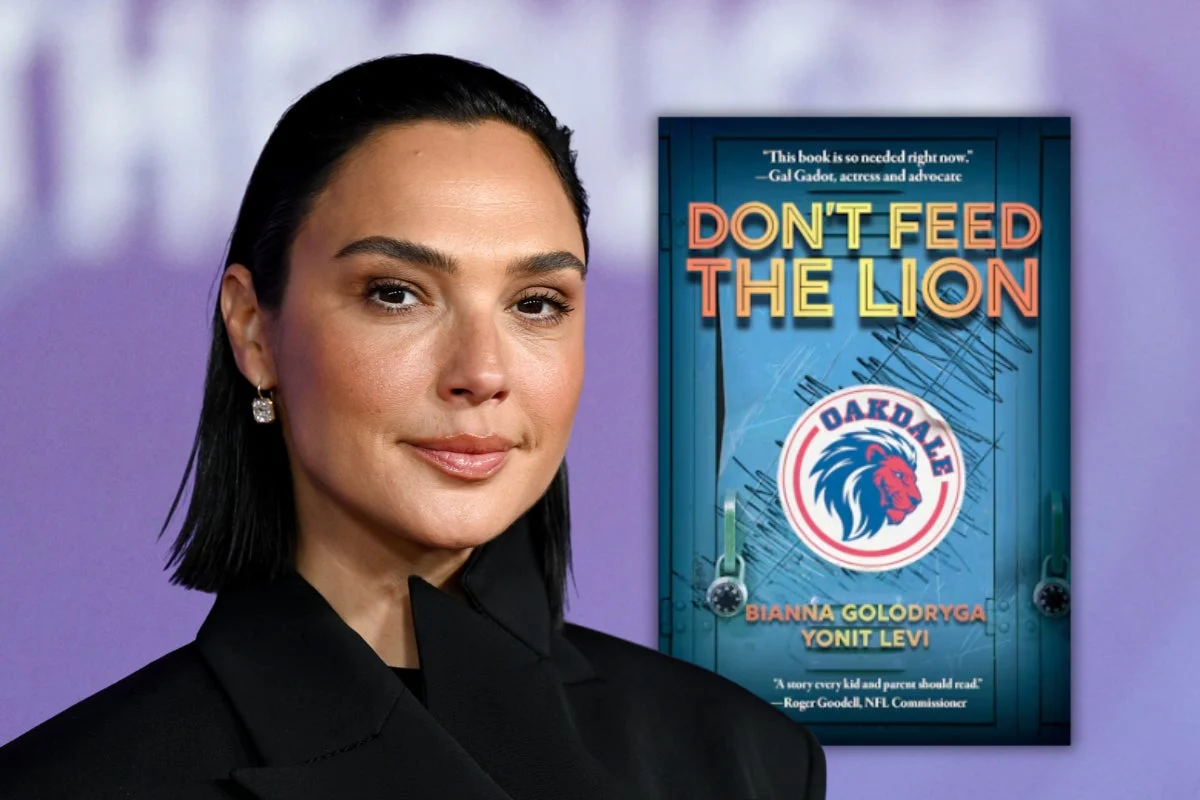
The critically acclaimed middle-grade novel “Don’t Feed the Lion” is officially heading to the screen, celebrating its one-year anniversary with a major Hollywood adaptation deal. International star Gal Gadot is teaming up with Fox Entertainment Studios and Moriah Media, the storytelling arm of the Simon Wiesenthal Center, to bring the timely story to life.
Written by Emmy Award-winning journalist Bianna Golodryga and prominent Israeli Channel 12 news anchor Yonit Levi, the book has resonated deeply with young readers, families, and educators since its publication. According to reports from Deadline, Gadot is eyeing the lead role in the upcoming adaptation, though formal casting announcements have yet to be made.
Gadot has been a passionate champion of the book since its initial release. The novel quickly garnered widespread support and high-profile endorsements from notable figures across media, sports, and entertainment, including Sacha Baron Cohen, Robert Kraft, and Jake Tapper.
Expressing their enthusiasm for the upcoming project, Gal Gadot and her husband and producing partner, Jaron Varsano, shared their perspective on the novel’s vital importance in a joint statement, noting that “Don’t Feed the Lion” opens the door to crucial conversations that matter and expressing their gratitude for the opportunity to help bring the story to the screen.
At its core, “Don’t Feed the Lion” follows the journey of 13-year-old Theo Kaplan. Prior to the events of the narrative, Theo’s life closely mirrors that of many teenagers: his weeks are filled with preparing for his upcoming bar mitzvah, playing soccer with his teammates, and gathering with his family to celebrate Shabbat. However, his world is abruptly upended when his soccer hero, Wes Mitchel, makes an antisemitic comment.
The public remark quickly bleeds into Theo’s everyday life, echoing through the hallways of his Chicago middle school and forcing him to confront prejudice firsthand. Alongside his sister, Annie, and their friend Gabe, Theo navigates the complex emotional landscape of middle school while discovering what it truly means to "not feed the lion"—a central metaphor emphasizing the importance of standing up to hate speech and refusing to let bigotry amplify.
The journey of how two accomplished news anchors came to write a middle-grade novel stems from a deeply personal place. For Bianna Golodryga, the decision to venture into children’s and middle-grade literature was driven by an urgent, unfulfilled need.
When Golodryga’s son was directly impacted by the widely publicized antisemitic social media posts made by NBA player Kyrie Irving, she went searching for age-appropriate books that her son could connect with on the topic of antisemitism. To her surprise, she found a severe lack of resources. Aside from Gordon Korman’s acclaimed novel “Linked,” the literary market offered very few options that tackled contemporary antisemitism in a manner suitable for middle-grade readers.
Determined to bridge this gap, Golodryga and Yonit Levi set out to write the book they desperately wished already existed. Their collaborative effort culminated in the publication of “Don’t Feed the Lion” in November 2025, providing a much-needed narrative framework for young readers grappling with prejudice in their own lives.
Since its release, the novel has found a welcoming audience among educators, parents, and children alike. Readers and teachers have praised the book for its authentic representation of modern youth experiences and its empowering message. For many young readers, engaging with a protagonist facing similar societal pressures provides a powerful sense of validation and resilience.
The transition from page to screen represents an important next step for the narrative. A film adaptation possesses a unique capacity to reach an even wider audience, connecting with children in the crucial 8-to-12 age demographic on a sensory and emotional level that traditional reading formats do not always access in the same way. In today’s cultural and social climate, Jewish youth face unique challenges regarding identity and public discourse, making stories that offer empowerment and practical resilience increasingly valuable. With high-profile creatives and advocates like Gal Gadot leading the cinematic charge, the adaptation of "Don’t Feed the Lion" aims to bring these essential conversations to living rooms and theaters worldwide.
