Thanksgiving, Advent, and Christmas traditions provide homeschooling families with a meaningful way to pass faith, wonder, and the narrative of God’s faithfulness down to the next generation. Drawing parallels to biblical accounts, such as when Israel crossed the Jordan River and God instructed Joshua to stack twelve stones by the riverbank so future generations would inquire about their meaning, modern family rituals serve a similar educational and spiritual purpose. A candle lit each Sunday of Advent, a Psalm read before a Thanksgiving meal, or a symbolic ornament hung on a small tree each December evening invite children to ask foundational questions and parents to provide historical and theological answers.
Amid the seasonal rush of pie crusts, travel itineraries, and holiday concerts, the traditions that endure are typically the simplest ones. The English word "tradition" originates from the Latin traditio, meaning "a handing over," and every household possesses heritage worth imparting. Incorporating structured Thanksgiving observances, Advent practices, and chronological teaching tools like the Jesse Tree allows families to establish lasting markers of memory for their children.
Establishing Meaningful Thanksgiving Traditions
Thanksgiving falls annually on the fourth Thursday in November, tracing its national roots back to 1789 when George Washington proclaimed the first national day of thanksgiving under the new Constitution. For classical and homeschooling families, Thanksgiving activities often draw on classical, Christian, and community pillars, utilizing repetition to transform simple holiday events into enduring family traditions.
Among these practices is the Ebenezer gratitude jar, inspired by the biblical account where Samuel set up a stone named Ebenezer to signify divine help. Families can use smooth stones and paint pens during Thanksgiving to record how God helped them throughout the year, adding them to a glass jar that accumulates a chronological record of faithfulness over time. Similarly, reciting short scriptural passages like Psalm 100 before the holiday meal allows children of varying ages to participate through choral recitation and memorization.
Families also incorporate historical literacy by reading aloud presidential proclamations from leaders like George Washington in 1789 or Abraham Lincoln in 1863, the latter written during the height of the Civil War. Older students engage in critical analysis and dialectic discussions at the dinner table using these primary sources. Literature further enriches the holiday, with curated historical stories and seasonal poetry—such as John Greenleaf Whittier’s poem "The Pumpkin"—read aloud by candlelight. Furthermore, extending hospitality by setting an extra place at the table for a neighbor, widow, or college student far from home teaches children the biblical call to hospitality. Writing an annual collaborative family thankful letter in a dedicated notebook creates a primary source document for future generations.
The Significance of Advent and Christmas
Advent marks the four-week preparatory season leading up to Christmas, originating from the Latin word adventus, meaning "coming" or "arrival." Beginning on the fourth Sunday before Christmas, the season encourages a dual perspective: looking backward to Christ’s historical incarnation in Bethlehem and forward to His promised future return. It also fosters the spiritual discipline of waiting, mirroring Israel’s centuries-long anticipation of the Messiah through weekly candles, readings, and carols.
Families translate this sense of gratitude and anticipation into December through structured Christmas traditions. The Jesse Tree traces biblical history from Creation to the manger using daily readings and ornaments. An Advent wreath, featuring four peripheral candles and an optional central Christ candle, allows families to mark the growing light of Christ week by week through prophetic readings from Isaiah. On Christmas Eve, families traditionally read Luke 2 aloud, with children reciting memorized passages ranging from the angelic announcements to the prologue of the Gospel of John.
Historical hymnody plays a vital role in the season, with families studying carols like "O Come, O Come, Emmanuel" and "Joy to the World" alongside their scriptural and theological origins. Service projects, such as marking St. Nicholas Day on December 6 by meeting local needs or packing shoeboxes for charitable organizations, put Christian faith into action. Additionally, reading seasonal literature—such as L. M. Montgomery’s "Christmas at Red Butte" or Clement Clarke Moore’s "A Visit from St. Nicholas"—provides children with narratives centered on sacrifice, generosity, and historical continuity.
Connecting the Jesse Tree to Historical Timelines
The Jesse Tree tradition aligns naturally with historical chronologies, specifically matching the early weeks of foundational history curricula. Drawing its name from Isaiah 11:1—which speaks of a shoot coming forth from the stump of Jesse, the father of King David—the tradition utilizes daily symbols and scriptures to trace the lineage of Jesus from Creation through the Old Testament prophets.
As families hang ornaments representing figures like Noah, Abraham, and King David, they integrate historical timeline events. Connections naturally emerge when reading accounts like the Christmas narrative in Luke 2, which references the decree of Caesar Augustus and the Pax Romana. Older students can extend these studies by researching historical gaps in traditional Jesse Tree ornaments, designing their own symbols for events like the fall of Israel to Assyria or the rebuilding of the temple, and presenting these historical narratives to their families.
By selecting a few sustainable traditions that teach, worship, and gather communities together, homeschooling parents can successfully anchor their holiday seasons in historical depth and spiritual continuity.
In an era defined by relentless digital connectivity, demanding professional environments, and complex personal responsibilities, daily stress has become a ubiquitous part of the human experience. Whether individuals are confronting sudden professional pressures, managing unexpected family obligations, or navigating personal crises, the accumulation of daily friction frequently manifests as physical tension and mental exhaustion.
When stress builds up and modern life feels overwhelmingly difficult, people often forget one of the most accessible and powerful tools available to them: the breath. According to health and wellness experts, slowing down to focus intentionally on respiration offers a straightforward, scientifically grounded method to interrupt the cycle of stress, calm the physical body, and restore a sense of personal control.
Breathing exercises provide immediate, portable tools to manage acute stress, ease chronic anxiety, and even regulate mood. These techniques require no specialized equipment, take very little time to learn, and can be practiced seamlessly across diverse environments. Whether an individual is sitting in congested traffic, preparing for sleep, or grabbing a brief operational pause during a hectic workday, targeted breathwork serves as a reliable anchor for mental stability.
To better understand how these practices function and how individuals can integrate them into their routines, wellness specialists have outlined ten distinct breathing exercises, detailing their structural mechanics and primary applications for everyday health.
Understanding Breathing Exercises and Their Physiological Impact
At their core, breathing exercises are deliberate techniques designed to help individuals regain control over their autonomic respiratory patterns. During periods of high stress or acute anxiety, natural breathing typically accelerates, becoming shallow and rapid. This physiological shift often triggers a feedback loop that intensifies feelings of panic, signaling the nervous system that the body is under threat.
Implementing focused, slow breathing interrupts this cycle, engaging the parasympathetic nervous system to naturally lower the heart rate and calm both body and mind. While a variety of techniques exist, each approach utilizes a unique structural pattern tailored to specific objectives. Some methods prioritize the rapid reduction of anxiety, while others focus on enhancing cognitive concentration, easing musculoskeletal tension, or preparing the body for restorative sleep.
Rather than serving as a cure-all for complex external problems—such as completing professional projects or managing personal administrative burdens—these techniques act as foundational support mechanisms for overall physical and mental resilience. Incorporating them into daily routines helps keep chronic stress at bay, facilitates better sleep hygiene, and maintains steady cognitive focus throughout demanding schedules.
Ten Core Breathing Techniques for Stress Management and Health
When daily responsibilities multiply, having a diverse repertoire of breathing exercises ensures that individuals can select the most appropriate method for their immediate circumstances. Familiarity with multiple techniques allows people to effectively navigate varying degrees of stress, fatigue, or sleep disruption.
Deep belly breathing stands as one of the most foundational and effective methods for calming the nervous system. Particularly useful for relieving stress, promoting a sense of grounding, or preparing for sleep, the technique involves finding a comfortable seated or lying position and placing one hand on the abdomen. Practitioners inhale deeply through the nose, allowing the stomach to rise as the lungs fill, pause briefly, and then slowly exhale through the mouth while observing the abdomen fall. This rhythmic pattern encourages deep relaxation.
Diaphragmatic breathing shares similarities with belly breathing but places a primary emphasis on strengthening the diaphragm and optimizing oxygen intake. This approach is frequently utilized by individuals managing respiratory concerns or seeking to alleviate persistent physical tension. By placing one hand on the chest and the other just below the ribs, practitioners breathe in deeply through the nose, directing the movement primarily to the diaphragm so that the stomach rises while the chest remains relatively still. A slow exhale through pursed lips completes the cycle.
Box breathing, also recognized as square breathing, is widely favored by individuals who require effective stress management while on the move. By balancing oxygen levels and slowing the heart rate, box breathing swiftly transitions the body into a state of composure during high-pressure scenarios. Practitioners visualize a square, inhaling for a count of four along one side, holding the breath for four along the top, exhaling for four down the opposite side, and pausing for a final count of four to complete the perimeter.
The four-seven-eight breathing technique is explicitly engineered to calm the nervous system and mitigate anxiety, making it a popular choice for evening wind-down routines. The practice requires inhaling quietly through the nose for a count of four, holding the breath for a count of seven, and exhaling completely and audibly through the mouth for a count of eight. Repeating this sequence several times facilitates a smooth transition into rest.
Alternate nostril breathing, known in traditional practices as Nadi Shodhana, focuses on balancing energy, reducing stress, and sharpening mental clarity. It serves as an effective reset when individuals feel mentally or physically depleted. While seated comfortably, practitioners use the right thumb to gently close the right nostril, inhaling deeply through the left. They then close the left nostril with the ring finger, release the right, and exhale fully. The sequence reverses to complete the alternating pattern.
Pursed lip breathing is another technique that enhances airflow to the lungs, proving beneficial for those experiencing respiratory strain or shortness of breath. By inhaling through the nose for a shorter duration and exhaling slowly and gently through pursed lips—mimicking the action of blowing out a candle—practitioners create gentle airway resistance that regulates breathing rhythm.
Lion’s breath offers an energizing release of physical tension, particularly around the face, jaw, and throat, while helping to dispel mental fatigue. The practice involves taking a deep inhalation through the nose, followed by a wide opening of the mouth, an extension of the tongue, and a forceful, audible exhale accompanied by a clear sound. This expressive release helps reset mood and alertness during sluggish moments.
Resonant breathing, or coherent breathing, targets heart rate variability—an important marker of the body’s physiological resilience and stress recovery capacity. By maintaining a slow, steady rhythm of equal-length inhalations and exhalations, typically lasting five seconds each, practitioners achieve an optimized breathing rate of approximately six breaths per minute, supporting long-term stress regulation.
Humming bee breath, or Bhramari, utilizes auditory vibration to soothe frustration and nervous tension. Practitioners sit comfortably, close their eyes, take a deep inhalation, and produce a gentle, steady humming sound on the exhale. Focusing inward on the vibrations generated within the head and face helps quiet racing thoughts, making it particularly useful before sleep or during high-stress episodes.
Breath counting provides a direct mindfulness anchor designed to draw wandering attention into the present moment. By mentally noting numbers sequentially with each inhalation or exhalation—counting from one up to ten before restarting—individuals can quiet mental chatter, alleviate stress, and cultivate sustained concentration.
Practical Considerations and Long-Term Integration
Health professionals emphasize that consistency is the primary determinant of success when utilizing breathing exercises. Establishing a daily practice, even if restricted to a few minutes, helps individuals build emotional resilience and prepares the nervous system to handle unexpected stressors more effectively. Morning sessions can establish a grounded tone for the day ahead, whereas evening practices facilitate the necessary physiological unwinding required for deep sleep.
While these techniques offer profound benefits for managing everyday stress, mitigating anxiety, and supporting physical endurance by optimizing oxygen utilization, experts note that they function best as part of comprehensive self-care routines. Organizations such as the Calm application continue to provide accessible digital resources and guided programs to help individuals integrate these foundational wellness practices into their daily lives, making mental health support readily available whenever and wherever it is needed.
an Election: A Call for Grace, Inclusion, and the Parable of the Good Samaritan
Spending too much time on social media—particularly in the volatile windows immediately preceding or following a major election—is almost always a risky venture for one’s peace of mind. In the digital public square, algorithms often amplify division, outrage, and polarization, turning political discourse into a battlefield of extremes. Yet, even among the endless scroll of political commentary and partisan talking points, one occasionally encounters a jarring piece of content that stops a reader dead in their tracks, demanding deeper reflection.
This was the exact experience of one citizen a few days following the midterm elections, when a familiar name appeared on the feed. The user who shared the provocative post was an acquaintance from decades past, someone known through their shared connection at a hometown church. Attached to the profile was an image featuring a striking series of four United States maps, each visually communicating a vastly different political and cultural vision for the country.
The first map was colored entirely in red, symbolizing dominant conservative or Republican control. The second map was rendered entirely in blue, representing sweeping Democratic dominance. The third map featured a traditional American flag stretching seamlessly from coast to coast. The fourth and final map, however, was shrouded entirely in black, intentionally designed to mimic the stark visual branding and imagery associated with the Islamic State.
Accompanying the graphic was a blunt caption that laid bare the author’s polarizing worldview. "Some want this. Others want this. I want this," the caption read, pointing directly toward the patriotic map of the United States. It then pivoted sharply with an intolerant declaration: "Not this!," screaming in opposition to what the poster framed as an imminent Muslim takeover of America.
While the post did not explicitly name individuals, the timing and context made the underlying implication transparent. It was widely understood to be a direct and reactionary jab at the historic election of prominent political figures, specifically targeting the milestone achievement of Abdul El-Sayed, whose political ascent has frequently sparked intense national debates regarding representation, faith, and American identity.
For the observer reading the post, the encounter carried a profound layer of personal irony and theological dissonance. The man who shared the inflammatory image and the person reading it shared a foundational Christian faith, nurtured in the same spiritual traditions and sacred texts. As the reader processed the hostility embedded in the graphic, their mind immediately drifted to one of the most enduring and radical teachings of Jesus: the parable of the Good Samaritan.
In the biblical narrative, Jesus is posed with a fundamental question by an interlocutor seeking to test his doctrine: "Who is my neighbor?" Rather than offering a narrow, tribal definition that prioritizes those who share the same ethnicity, cultural background, or religious orthodoxy, Jesus chooses an unexpected figure as the hero of the story. He centers a Samaritan—someone belonging to a religious and ethnic community with deep historical divisions, animosities, and theological rivalries with the Jewish community of Jesus’s time.
The parable challenges listeners to expand their circle of empathy, tearing down societal walls and recognizing human dignity across deep cultural divides. For the churchgoer scrolling through Facebook, the lesson was clear and inescapable. It served as a timeless reminder that faith demands more than passive comfort; it calls believers to engage constructively with the world around them.
We are called to love our neighbors across religious, cultural, and political differences — but especially when those differences challenge us.
Reflecting on the digital confrontation, the observer distilled a vital principle that would guide their response: We are called to love our neighbors across religious, cultural, and political differences — but especially when those differences challenge us.
True empathy and compassion are easy to practice when dealing with those who mirror our own beliefs, values, and life experiences. The true test of character and faith arises precisely when individuals encounter worldviews, political ideologies, or religious practices that make them uncomfortable or challenge their preconceived notions of society.
Examining the rhetoric of the social media post, the observer noted a critical distinction that often gets lost in the heat of political and cultural warfare: the necessity of separating religious extremism from the everyday reality of ordinary Muslim neighbors. Millions of American Muslims live, work, raise families, and contribute to the fabric of society every single day. They are every bit as American as Christians, Jews, Hindus, secular citizens, and people of no faith at all.
From this perspective, the central image of the American flag featured in the third map was not a symbol of exclusion, but rather a capacious banner broad enough to represent the rich tapestry of all citizens, regardless of their background. The national identity, at its best, is expansive rather than restrictive.
Choosing how to react to online hostility is often a delicate dilemma. Many social media users adhere to the unwritten rule that engaging with polarizing content is a futile exercise, a waste of energy that rarely changes minds and frequently devolves into digital shouting matches. As someone who typically avoids wading into hot-button controversies on public platforms, the observer initially considered scrolling past the post and letting it fade into the background noise of the internet.
However, the gravity of the rhetoric proved too significant to ignore. Deciding that silence in the face of bigotry is a form of passive endorsement, the decision was made to speak up. Rather than launching an attack, hurling insults, or attempting to publicly humiliate the acquaintance, the response was framed within the spirit of "calling in" rather than "calling out."
Drawing directly upon the shared Christian faith that connected them, the commenter crafted a thoughtful reply explaining why they viewed the image through a fundamentally different lens. The goal was not to "win" a partisan argument or score rhetorical points for an audience of online onlookers. Instead, the objective was modest yet ambitious: to offer an alternative perspective, inviting the friend to consider a more inclusive way of viewing Muslim neighbors and a more generous understanding of what it truly means to be an American.
This philosophy of engagement extends far beyond a single social media exchange and applies directly to the broader landscape of modern American politics. Looking back at recent electoral outcomes, the political landscape reveals deep fractures, yet it also highlights moments of unprecedented demographic and political evolution.
It is entirely possible to harbor deep disagreements with a candidate’s political platform, policy proposals, or partisan alignment while simultaneously acknowledging and celebrating broader democratic milestones. Modern elections have increasingly brought one of the most diverse groups of leaders into positions of power in U.S. history, bridging divides across traditional party lines.
Consider, for instance, the political landscape in Florida, where Republicans witnessed the historic emergence of leaders breaking racial barriers, or developments in states like Michigan, where figures such as Abdul El-Sayed achieved significant electoral victories. A citizen does not need to endorse every policy stance or agree ideologically with these leaders to recognize the profound historical significance and hopeful nature of their achievements. Representation matters in a pluralistic democracy, and witnessing individuals from diverse backgrounds ascend to positions of leadership is a testament to the ongoing evolution of the American experiment.
Ultimately, this experience encapsulates a broader hope for the future of the nation. The goal of a diverse republic is not forced uniformity or universal agreement on every political and cultural issue. Complete consensus is neither realistic nor necessarily healthy in a vibrant democracy characterized by free thought and open debate.
Instead, the true aspiration for America is learning how to coexist peacefully, loving one’s neighbors despite profound disagreements, and recognizing that individuals of vastly different faiths, non-faith backgrounds, races, and political ideologies are all essential characters in the ongoing American story.
The flag, in all its historic symbolism, remains expansive enough to cover us all.
DUVALL — For many families, choosing where to put down roots is a decision weighed heavily against school districts, neighborhood safety, and community culture. But for one local family, the decision to move to Duvall was driven by a very specific, singular vision: to weave the Wilderness Awareness School into the fabric of their son Brayden’s childhood.
As an educator, Brayden’s parent approaches the formative years of youth with profound intentionality. Long before Brayden was even born, the blueprint for his upbringing had already been drawn, centered around the profound belief that immersion in the natural world is vital for shaping a young mind and fostering self-efficacy.
The family’s journey with the Wilderness Awareness School began early, with Brayden participating in programs like Roots and Wings. Today, his schedule and activities are deliberately structured around his weekly Foxes class. The plan was, and remains, for him to continue participating in the school year programs at the organization straight through until he graduates from high school and the Community School. For this family, the school is not merely an extracurricular activity; it is an essential pillar of his comprehensive education and personal development.
Yet, life has a way of introducing unforeseen variables that test even the most meticulously crafted plans. Recently, the family encountered a series of unexpected hardships—health challenges that required time, energy, and prolonged recovery. While the dream for Brayden’s education remained entirely intact, the financial reality of sustaining it shifted dramatically. Suddenly, the family faced the daunting prospect that they could no longer afford the tuition required to keep their son enrolled in the programs that meant so much to his development.
Fortunately, financial distress did not spell the end of Brayden’s journey in the woods. Thanks to the availability and blessing of donor-funded scholarships, the family was able to bridge the gap between their aspirations and their current economic reality. Because of this financial assistance, economic hardship was prevented from becoming a barrier to the formative experiences that are actively molding Brayden into the person he is becoming today.
Supporters and donors of the Wilderness Awareness School may rarely see the direct, individual impact of their contributions, but families experiencing hardships feel that generosity deeply. The funding provided by donors does far more than simply cover the cost of tuition; it builds a meaningful community, fosters genuine relationships, and imparts essential life skills. Furthermore, it opens up real-world opportunities for children to test their personal boundaries, challenge themselves physically and mentally, and experience authentic rites of passage that support youth as they come into their own.
For Brayden’s parent, the gratitude for these opportunities is profound and enduring. Working steadily toward personal health recovery, the parent harbors a clear long-term aspiration: to one day regain financial stability and transition from a scholarship recipient to a donor, thereby paying forward the generosity that kept their son connected to the natural world during a time of crisis.
Until that day arrives, the family continues to cherish every moment Brayden spends learning, exploring, and growing alongside his peers in Duvall’s rich natural landscape. Boundless gratitude remains for the donors whose anonymous or named contributions ensure that nature-based education remains accessible, transforming financial uncertainty into a continued journey of outdoor discovery and personal growth for a young boy whose education is deeply rooted in the wild.
FRANKLIN, Tenn. — When founders Mary Beth and Steven Curtis Chapman established the adoption and orphan care advocacy organization Show Hope in 2003, their vision was forged in the personal experiences of their own family’s adoption journey. Driven by a mission to care for orphans by engaging the Church and reducing barriers to adoption, the organization initially identified a glaring obstacle standing between vulnerable children waiting in orphanages and the families longing to welcome them home: financial strain. In response, Show Hope launched its foundational Adoption Aid grants program, designed to help families offset the heavy upfront costs associated with the adoption process.
Over the span of more than two decades, that initial vision has steadily expanded, evolving alongside the changing landscape of global orphan care and international adoption. Recently, the organization reflected on its historical milestones, celebrated the legacy of its international partnerships, and outlined the next major chapter in its ongoing mission to support children and families impacted by adoption.
A Legacy of Care in China and the Memory of Maria Sue Chapman
More than 15 years ago, Show Hope broadened its scope by establishing a second major programmatic area of work, supporting the operations of the New Hope Foundation and specialized Care Centers in China. This expansion stemmed from a deep-seated calling to care for infants and young children with acute medical and specialized healthcare needs who were awaiting permanent families.
A profound turning point in this international work occurred in 2009, following the tragic passing of the Chapmans’ daughter, Maria Sue Chapman, who went to be with Jesus. In the wake of that heartbreak, a specialized facility known affectionately as the "Big Blue Building" was established in Luoyang, China. Adorned with painted white clouds and a distinctive flower drawn by Maria herself, the facility stood as a beacon of hope and specialized care. Supported by loving family members, friends, and even strangers moved by the family’s story, the legacy of Maria Sue Chapman stood tall, providing comprehensive care for vulnerable children facing severe medical challenges.
Throughout nearly 15 years of continuous love, financial support, and community investment, more than 2,700 children received specialized care at the Care Centers in China. Crucially, more than 800 of those children were eventually welcomed home into the love, stability, and permanency of a family through international adoption.
Closing a Chapter to Plant Seeds for New Growth
As global adoption dynamics shifted and organizational assessments continued, Show Hope announced at the beginning of 2020 that, following extensive prayer and careful consideration, it would conclude its financial support of the New Hope Foundation and the Care Centers in China at the close of its fiscal year on June 30, 2020.
Reflecting on that difficult transition, leadership acknowledged that while the closure marked a deeply emotional milestone, certain seasons must naturally conclude and be planted deep within the heart in order to make way for new growth and fresh avenues of service. Rather than signaling an end to the organization’s international and medical focus, the closure prompted leadership to return to the foundational roots of the Care Centers program—namely, a profound desire to address the complex medical needs of children who have been orphaned.
Taking a step back to listen, dream, and plan for the future, leadership posed a forward-looking question: What if the organization could continue journeying with children and families long after adoption finalization by offering specialized financial assistance to help offset ongoing healthcare expenses?
Addressing New Frontiers: The Launch of Medical Care Grants
This vision was introduced to then-Executive Director Emily Chapman Richards—the Chapmans’ daughter—and the broader Show Hope leadership team. The resulting discussions highlighted a natural organizational synergy. Building upon years of institutional expertise and the intricate, compassionate processes already established through the Adoption Aid grants program, Show Hope recognized that it was uniquely positioned to extend financial assistance directly toward post-adoption medical care.
By launching Medical Care grants, Show Hope once again addresses two formidable barriers to adoption head-on: financial hurdles during the adoption process and ongoing medical and healthcare expenses after a child joins a family. Following diligent research, extensive consultations with pediatric healthcare professionals, and drawing upon two decades of organizational experience, leadership expressed strong conviction that adoptive families would greatly benefit from additional resources to access quality medical and mental health care for their children.
The overarching goal of the initiative is straightforward yet impactful: as families learn that these financial resources are available, they will feel increasingly supported in their daily journeys to nurture and love the children entrusted to them through adoption.
Looking Ahead to the Next Chapter of the "Great Adventure"
As the Show Hope community continues to grow—welcoming new children and families into what founders describe as a masterpiece being painted by God—leadership remains focused on the future. The organization continues to ask foundational questions about its expanding reach: Who are the next children whose lives will intersect with the ministry, and how many more families can receive vital support?
Reflecting on the unpredictable and inspiring journey of the past two decades, the Chapmans noted that even in their wildest dreams, they occasionally ponder the possibility of a domestic parallel to the historic facility in China—a metaphorical "Big Blue Building" here in the United States, covered with white clouds and Maria’s flower. While acknowledging the magnitude of such dreams, leadership emphasizes a continued reliance on faith and trust for guidance along what they affectionately call a "Great Adventure."
Expressing deep gratitude to the donors, advocates, and families who have sustained the ministry over the years, the founders issued an invitation for supporters to join the next phase of the organization’s mission. Quoting a favorite songwriter’s call to "saddle up your horses, we’ve got a trail to blaze," Mary Beth and Steven Curtis Chapman encouraged the wider community to consider how they might participate in the ongoing evolution of Show Hope and its dedicated Medical Care grants program as the ministry moves forward into its next chapter.
For many parents who have chosen the path of alternative education, a familiar phantom quietly occupies their thoughts: the idealized homeschooling mother. In the imagination, this archetype accomplishes every educational objective with effortless precision. Her children progress in a straight, forward-moving line, completely unhindered by external circumstances, emotional turbulence, or the unpredictable moods native to growing children. She is organized, unfazed, and perpetually equipped for whatever the curriculum demands.
For veteran educator and author Jamie C. Martin, founder of Simple Homeschool, this idealized figure is simultaneously a personal hero and a persistent source of frustration. Most parents find that reality rarely matches the pristine standards of the imaginary archetype. Every once in a while, conditions align, inspiration flows, and a household operates with seamless rhythm for a day or two. Yet, real life inevitably interrupts with the reminder that imperfection and human limitation are permanent fixtures of the domestic landscape.
When life brings heavier burdens, parents frequently discover that they are no longer delivering an idealized version of education to their children. Instead, they are offering something far more authentic, even if it feels inadequate by comparison: their personal best.
This tension between the impossible standard of absolute perfection and the grounded reality of human effort forms a central challenge for families navigating alternative education. Rather than focusing on delivering a complete or flawless education—neither of which is entirely necessary or realistically attainable—advocates suggest that the true mark of success lies in awakening a genuine, lifelong love of learning within the child.
Navigating Meadows and Rock Walls
To better understand the shifting capacities of parents throughout different seasons of life, educators often point to visual metaphors that capture the daily reality of child-rearing and instruction. Lisa Grace Byrne, a writer and educator, previously described these distinct life phases by comparing them to two very different terrains.
In some seasons, a family’s journey resembles a walk across a flat, grassy field. Progress is steady and measurable, covering significant ground one natural step at a time. In these open meadows, routines flow smoothly, lessons are absorbed with ease, and the educational path appears clear and straightforward.
However, other seasons bring families to the edge of the field, where a steep, rocky wall towers abruptly before them. Turning back is neither practical nor desirable, and the only viable option for continued progress is climbing—one slow, deliberate, and sometimes shaky grip at a foothold after another. While this journey still counts as forward momentum, it looks entirely different from the effortless pace of the grassy field.
The standard of excellence that a parent can offer during a peaceful meadow season varies drastically from the capacity they bring when they are actively scaling a vertical wall. Many families experience these demanding climbing seasons due to unexpected life changes, and the weight of responsibility can feel isolating for those attempting to manage it alone.
Defining the Personal Best Under Pressure
A parent’s personal best is not a static benchmark; it shifts from day to day and hour to hour, shaped heavily by immediate circumstances. The capacity to instruct and nurture looks entirely different for an individual managing a chronic health condition, welcoming a newborn, or adjusting to the steep learning curve of a newly established homeschooling routine. Similar adjustments are required when families care for children with special needs, support teenagers through emotional transitions, or grieve the loss of a loved one.
While educators agree that difficult circumstances should not serve as an excuse to abandon educational responsibilities, parents must inevitably play the cards they have been dealt. When caregivers recognize that what they are offering is genuinely the limit of their current capacity—however inadequate it might appear against external benchmarks—the alternative involves extending grace to oneself rather than succumbing to perpetual burnout.
Throughout demanding seasons, many experienced educators find solace by returning to foundational literature on parenting and alternative education. Revisiting passages that resonated deeply in the past helps replace self-doubt with reassuring principles. Furthermore, conscientious parents across all educational models—whether public, private, or home-based—frequently wrestle with underlying insecurities regarding their children’s futures. Documenting and comparing these anxieties reveals that doubts tend to persist regardless of the chosen schooling method, even if the specific worries vary.
Recognizing Unseen Contributions and Natural Strengths
Examining what a parent’s limited personal best has already achieved often uncovers significant benefits that might otherwise go unnoticed. Children frequently experience profound improvements in their overall well-being simply by stepping away from environments that caused severe stress, such as chronic bullying or overstimulating traditional classrooms.
Beyond these protective measures, a parent’s personal best incorporates ingrained natural strengths—attributes so familiar to the individual that they are often dismissed as ordinary. Traits that seem completely normal to one person can inject a distinct and positive personality into a household environment. Educational writers often emphasize that recognizing and building a routine around these innate strengths allows families to thrive authentically, even if they never construct elaborate school projects or follow rigid instructional templates.
Ultimately, the most valuable support a parent can receive during challenging educational phases is not a flawless blueprint from an unreachable expert, but rather the companionship of someone willing to acknowledge the genuine difficulty of the journey. By embracing an authentic, human approach to education, parents may find that their imperfect efforts, when offered sincerely, meet the true needs of their children just as effectively as any idealized standard of perfection.
WASHINGTON — In the wake of profound personal loss, navigating the turbulent waters of grief is an intensely individual journey. According to grief experts and support organizations, each person’s experience and expression of mourning is as unique as the relationship they shared with the person who died. Yet, within families, close-knit communities, and broader social circles, these distinct paths frequently collide, creating friction at a time when mutual support is needed most.
Compounding these interpersonal challenges are persistent societal "myths" regarding how long grief should last and what its intensity ought to look like. These rigid cultural expectations often leave bereaved individuals feeling isolated, misunderstood, and stripped of the validation they desperately require. To combat this widespread isolation, mental health professionals and bereavement advocates are emphasizing the critical need to recognize and respect the diverse ways individuals experience and express their grief, fostering an environment of true compassion and understanding.
The Framework of Grieving Styles: Intuitive and Instrumental
To better understand these differences and help communities avoid the pitfalls of misunderstanding, grief specialists Ken Doka and Terry Martin introduced a foundational model in their book, Grieving Beyond Gender: Understanding Diverse Grieving Styles. Doka and Martin posit that gaining insight into a person’s unique grief style can prevent the misguided assumptions and miscommunication that so often fracture families and friendships following a profound tragedy.
Their model outlines three primary styles of grieving: intuitive, instrumental, and blended.
According to Doka and Martin, intuitive grievers tend to process their grief primarily through feelings and emotions. Their internal pain is frequently expressed outwardly and verbally, mirroring their emotional state through tears, sighs, and visible emotional releases such as anger or sorrow.
Conversely, instrumental grievers tend to process their grief cognitively and behaviorally. Rather than focusing immediately on emotional expression, instrumental grievers lean into tasks, problem-solving, and "doing." Their coping mechanism involves physical activity, organizing, maintaining routines, or throwing themselves into projects that provide a tangible sense of control or purpose amidst chaos.
Between these two distinct poles lie individuals who operate with a blended approach, incorporating elements of both intuitive and instrumental styles depending on the day, the circumstances, or the specific demands of their loss.
Crucially, Doka and Martin emphasize that no single style of grieving is superior to any other. None represents a healthier or more correct way to process a loss. They are simply different, equally valid responses to the human experience of bereavement. Recognizing that loved ones, colleagues, and friends do not have to grieve in the exact same way provides an essential foundation for communities to come together, offering genuine support while receiving understanding in return.
Fostering Connection Through Peer Support
For organizations dedicated to bereavement support, such as The Compassionate Friends—a national non-profit organization that supports families after the death of a child—embracing this diversity is central to their mission. The peer support model championed by the organization works best when groups deliberately make space for each person to grieve in the manner that feels most natural to them, free from judgment or expectation.
To accommodate these varied needs, organizations provide a wide spectrum of connection opportunities. Whether individuals seek out private online spaces through dedicated social media groups, participate in live-text chats, attend virtual support group meetings, or gather in person for local chapter meetings, support groups, and annual conferences, the underlying message remains constant: come as you are, and grieve in your own way.
This philosophy of radical acceptance is equally vital within the domestic sphere. Within families, acknowledging differences in coping styles and actively allowing others to grieve in their own unique fashion creates a much more supportive and understanding household environment. Too often, well-meaning family members fall into the trap of trying to "fix" one another, or attempting to coerce loved ones into responding to a tragedy in the exact same way they do.
Experts note that shifting away from these corrective impulses—and instead listening with the heart, walking alongside one another with patience, and honoring different emotional rhythms—leads to vastly stronger relationships. These fortified familial bonds can ultimately help sustain individuals during their most desperate moments, offering the reassuring reminder that, even in profound sorrow, they are not entirely alone.
Expanding the Conversation on Bereavement Support
To further educate the public and professionals alike on these complex dynamics, ongoing educational initiatives continue to explore how families navigate divergent coping mechanisms. Andy McNiel, MA, Chief Executive Officer of The Compassionate Friends, recently hosted an in-depth webinar titled Understanding Others in My Family: The Different Ways We Cope and Grieve, providing further guidance for those seeking to bridge the gap between differing grief styles in their own homes.
McNiel brings three decades of experience to the field of bereavement support, having spent his career facilitating support groups, offering individual care to grieving people of all ages, and leading national non-profit organizations. Throughout his extensive career in hospice care and regional and national grief organizations, McNiel has dedicated himself to creating safe spaces where bereaved individuals can connect with others who truly understand the weight of loss.
As an author, educator, and thought leader, McNiel has lectured and keynoted extensively on topics relating to grief, loss, and personal wellness. He is the author of Understanding and Supporting Bereaved Children: A Practical Guide for Professionals, alongside numerous book chapters and articles addressing grief and loss across the human lifespan.
Furthermore, McNiel contributes his expertise to several prominent national organizations, serving as a member of the Tragedy Assistance Program for Survivors (TAPS) Advisory Board, a national trainer for the American Foundation for Suicide Prevention, and a member of the International Workgroup on Death, Dying, and Bereavement. He holds a Bachelor of Arts in Religion and a Master of Arts in Counseling, credentials that underpin his enduring advocacy for compassionate, individualized approaches to bereavement.
Through continued education, open dialogue, and a willingness to embrace the diverse ways human beings process pain, communities and families can foster environments where grief is neither hidden nor dictated, but honored in all its varied forms.
For parents navigating the vast world of children’s literature, finding resources to help guide a child’s moral and emotional development is a common priority. At the Read-Aloud Revival, a prominent platform dedicated to fostering a love of reading in families, one request has consistently surfaced more than almost any other. The team is routinely asked by educators, parents, and caregivers to curate specific virtue-based book lists—compilations featuring stories explicitly chosen to teach children about kindness, honesty, perseverance, and other noble traits.
Yet, despite the overwhelming and persistent demand for these targeted selections, the answer from the platform’s leadership has always been a definitive no.
In a recent episode of the podcast, the rationale behind this unconventional stance was brought to the forefront. The platform’s host was joined by Creative Director Audrey—who also happens to be her eldest daughter—to discuss the philosophy of children’s literature and explain why they deliberately avoid creating lists of books that set out with the primary pedagogical agenda of teaching character traits.
The core of their argument challenges the modern trend of instrumentalizing children’s books as tools for direct moral instruction. According to the discussion, the reality is that all genuinely good books possess a powerful, inherent capacity to inspire readers toward virtue. However, the literature that achieves this effect most profoundly is rarely the type that explicitly sets out to teach a lesson. Instead, the most effective formative stories are those whose sole ambition is to tell a compelling, authentic story.
Good stories, by their very nature, shape and form the moral imaginations of those who read and listen to them. When authors become overly focused on delivering a didactic moral message or engineering a specific character-building outcome, the narrative often suffers, becoming heavy-handed or preachy. Children, and readers of all ages, tend to recognize when a story is more interested in lecturing than engaging, which can dilute its emotional and psychological impact. By contrast, rich narratives featuring complex characters facing authentic dilemmas allow readers to walk alongside protagonists, experiencing the weight of choices and the natural consequences of actions in a way that feels organic rather than forced.
During the discussion, the mother and daughter duo explored what precisely makes a story truly formational for young minds. Rather than relying on a checklist of virtues that a book attempts to check off, formational literature invites readers into a shared human experience. It broadens empathy by allowing children to step into worlds vastly different from their own, encountering diverse perspectives, struggles, and triumphs. Through this immersive literary journey, character development happens naturally as a byproduct of deep engagement with well-crafted plots and multifaceted characters.
In addition to exploring the theoretical framework behind story-driven moral formation, the episode also turned toward practical application. The hosts shared several of their own favorite books that have played a deeply formative role within their own family over the years. These titles serve as examples of how powerful storytelling naturally nurtures virtue without ever needing to resort to heavy-handed moralizing or didactic lecturing.
The conversation highlights a broader ongoing dialogue within the parenting and educational communities regarding how children consume media and literature. In an era where books are frequently marketed based on their utility—whether for teaching emotional regulation, social skills, or specific virtues—the Read-Aloud Revival continues to advocate for the intrinsic value of story for story’s sake. By trusting the natural power of excellent literature to do its work, parents may find that the best way to form virtue in their kids is simply to open a remarkably good book and read aloud together.
When a baby navigates the birth canal, their physical orientation relative to the mother’s pelvis is a critical factor in the efficiency and progression of labor. For decades, midwives and obstetricians have recognized that when a fetus rotates into an optimal position—specifically an anterior position—the descent through the pelvis is often smoother and less complicated. Now, a new study published in the European Journal of Midwifery provides compelling data regarding a specific, non-invasive approach designed to facilitate this rotation: the Spinning Babies® method.
The study, which examined the impact of these techniques on babies starting labor in non-optimal positions, offers a significant contribution to the growing body of research surrounding physiological birth. By focusing on the mechanics of the maternal pelvis and the movement of the fetus, the research highlights how targeted maternal activities may influence the trajectory of a birth, potentially reducing the challenges often associated with occiput-posterior or occiput-transverse positions.
What the Study Looked At
To evaluate the efficacy of the Spinning Babies® approach, a team of midwives in Italy conducted a retrospective review involving 244 births. In each of these cases, the infants began the labor process in either an occiput-posterior position—where the back of the baby’s head is toward the mother’s back—or an occiput-transverse position, where the baby is facing the side of the pelvis.
These positions are widely known in clinical practice to present challenges during the birth process. Because the widest part of the baby’s head may not be ideally aligned with the widest dimensions of the pelvic outlet, these positions can lead to prolonged labor, increased maternal discomfort, and a higher likelihood of interventions.
The researchers divided the study participants into two distinct groups to observe the impact of the Spinning Babies® techniques. The first group consisted of parents who were supported by midwives utilizing the Spinning Babies® approach, which incorporates specific movements and positions intended to create space within the pelvis. The second group consisted of parents who labored without the use of these specific techniques. The primary objective for the researchers was to track and compare the success rates of fetal rotation to the optimal anterior position—where the back of the baby’s head is toward the mother’s front—prior to the birth.
What They Found
The findings of the study were striking, suggesting a measurable correlation between the use of the Spinning Babies® approach and successful fetal rotation. Among the group that received support through the Spinning Babies® techniques, an impressive 93% of the infants successfully rotated to an anterior position during labor. In contrast, the control group, which did not utilize these specific activities, saw a rotation rate of approximately 64%.
To ensure the validity of these results, the researchers adjusted for other contributing factors that could influence the progress of labor. Upon completing this analysis, the data indicated that the use of the Spinning Babies® approach was associated with a 45% higher probability of the baby rotating into an anterior position compared to those who did not receive such support.
While the researchers emphasized that these findings are highly encouraging, they also maintained a scientific tone of caution. They noted that while the study suggests the approach is an effective tool for encouraging fetal rotation, further, larger-scale studies are necessary to definitively confirm these results across broader populations and diverse clinical settings.
Why Baby’s Position Matters
It is important to note the scope of this specific study: the researchers focused exclusively on the frequency of fetal rotation during the labor process. The study did not set out to measure secondary outcomes, such as the total duration of labor, the level of pain experienced by the parent, or specific birth outcomes like the rate of surgical intervention or recovery times.
However, even without focusing on these secondary metrics, the importance of fetal position in the context of childbirth cannot be overstated. A baby’s orientation within the pelvis is a primary driver of how the birth progresses. When a baby is in an optimal position, the mechanics of descent are generally more efficient, which can significantly alter the birth experience for both the parent and the clinical team. Beyond the physiological benefits, the researchers pointed out that providing parents with gentle, non-invasive ways to actively support their baby’s rotation can have a profound psychological impact. It allows parents to feel more involved, empowered, and confident during the often-intense experience of labor.
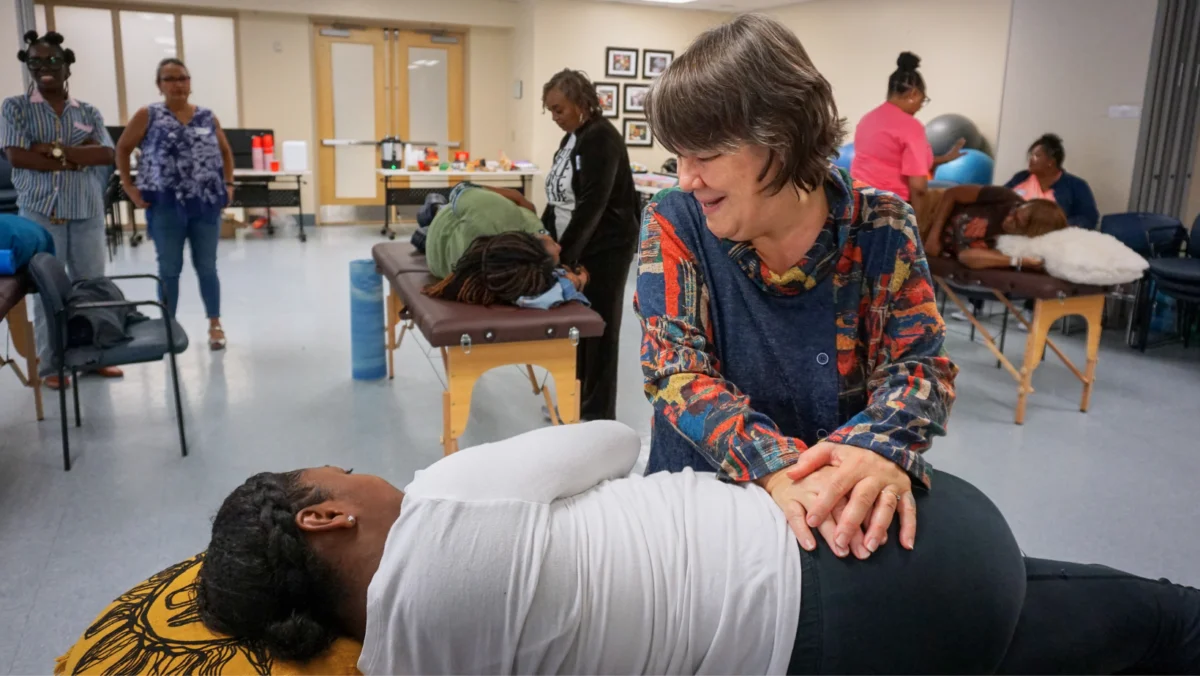
The methodology behind Spinning Babies® is rooted in three core principles: Balance, Gravity, and Movement. These concepts are designed to work in harmony with the body’s natural capacity to facilitate birth. By focusing on creating "space" within the pelvis, these techniques aim to remove physical constraints that might otherwise impede a baby’s natural descent. This is further supported by the Pelvic Levels Solutions™ framework, which helps birth attendants and parents identify exactly what type of movement or positioning is needed at specific stages of labor. By understanding which maneuvers create space in different parts of the pelvic anatomy, caregivers can guide parents toward positions that facilitate the necessary rotation. This research provides a foundational evidence base for these physiological principles, suggesting that they are not merely anecdotal but may be deeply tied to the natural biological process of birth.
A Few Things to Remember
While the data from the Italian study is a positive step forward, it is essential to view these results within the context of the uniqueness of every pregnancy and birth. No two births are identical, and physiological, anatomical, and clinical factors vary wildly from one person to another. The authors of the study were careful to encourage continued research to better understand the nuances of these outcomes.
Furthermore, it is a key tenet of the Spinning Babies® philosophy that their activities are intended to be used as a complement to existing prenatal and intrapartum care, rather than a substitute for professional medical oversight. The techniques are designed to support the care provided by doctors and midwives, ensuring that the birthing process remains safe and medically sound.
Looking Ahead
The study represents a significant milestone in the ongoing dialogue regarding physiological birth. It provides a bridge between the clinical observations of birth workers and the rigorous requirements of academic research. By demonstrating that simple, body-centered techniques can influence the mechanical progression of labor, this research invites the medical community to look more closely at how non-pharmacological and non-invasive methods can be integrated into standard care protocols.
As the scientific community continues to explore the impact of these techniques, more research is currently underway. Teams of researchers across the globe are working to further analyze how the Spinning Babies® approach supports physiological birth, looking at a wider range of outcomes and participant demographics. These ongoing efforts are crucial for building a comprehensive understanding of how movement and positioning can be best utilized in the delivery room.
For those interested in the evolving evidence surrounding these techniques, the Spinning Babies® organization maintains a dedicated research portal. This resource offers a platform for exploring current studies, collaborative academic projects, and clinical findings. As the evidence base grows, it continues to highlight the potential for these methods to become a standard, supportive component of the birthing experience, ultimately aiming to foster better outcomes and a more empowered experience for parents worldwide. Through rigorous investigation and a commitment to understanding the mechanics of birth, the field of midwifery and obstetrics continues to move toward a more holistic and evidence-informed future.
Who let the swag out? For pet owners looking to include their furry companions in the annual celebration, Hanukkah pet merchandise for 2026 has officially arrived. From clever gelt teaser toys to eight-night surprise boxes designed for animals, there is something for just about every four-legged friend this year to join in on the Festival of Lights.
The seasonal marketplace for Jewish-themed pet products continues to expand, offering festive items that cater to cats, dogs, and even more unconventional animal companions. Of course, longtime observers of holiday pet trends know that a high standard was set years ago, and nothing will ever quite top the infamous ugly Hanukkah sweater designed specifically for bearded dragons. Yet, the 2026 lineup proves that mainstream pet brands and independent creators are leaning even further into the demand for holiday-themed pet accessories.
To all the pets answering to names like Mazel, Kugel, and Shayna-Punim across households, the message from designers and retailers is clear: get ready. Pets and their owners have all eight nights of the holiday season to show off their brand-new Hanukkah merchandise, whether during family candle-lighting ceremonies, neighborhood walks, or festive gatherings.
Among the standout items hitting the market this year are a few particularly clever designs that have captured the attention of holiday shoppers. One of the most prominent additions is the Dreidel Dog Toy, available at major retailers like Target. This plush dreidel is crafted to be almost too cute for a dog to chew, though handlers might want to keep a close eye on their pets to make sure the energetic pups do not attempt to gamble away all of their kibble during a high-stakes game of spinning top.
Another notable release for the 2026 season is the Latke Flyer Set, a three-piece medium dog toy package available through Petco. Featuring a plate of detachable latkes, the toy opens up humorous possibilities for pet training. As holiday enthusiasts have noted, successfully training a dog to catch a flying potato pancake midair would undoubtedly qualify as the ultimate holiday trick for any well-behaved hound during the winter festivities.
These playful products are part of a broader cultural shift toward inclusive holiday celebrations that embrace household pets as fully fledged members of the family. Retailers have noticed a significant uptick in consumer interest regarding holiday merchandise that extends beyond traditional human apparel and home decorations. As a result, designers are continually finding fresh ways to translate iconic Jewish symbols, foods, and motifs into safe, engaging, and humorous items for animals.
Behind many of these creative cultural touchstones is Rabbi Yael Buechler, whose work often intersects Jewish tradition, contemporary design, and popular culture. When she is not busy creating whimsical items such as Hanukkah Space Pajamas or Hanukkah Animal Print Cardigans, Rabbi Buechler serves in a dual professional capacity as the Lower School Rabbi and Outreach Coordinator at The Leffell School, located in White Plains, New York.
Rabbi Buechler’s distinct approach to infusing modern Jewish life with creativity has made her a familiar name for those tracking contemporary Judaica and holiday trends. Beyond her responsibilities in education and community outreach, she frequently shares her latest Jewish-inspired creative finds and artistic projects with a wide digital audience. Observers and holiday shoppers interested in following her ongoing contributions to modern Jewish culture can find her updates on Instagram under the handle Midrash Manicures, where she documents her latest designs and seasonal explorations. Additional information regarding her broader portfolio and creative projects can also be explored directly through the Midrash Manicures platform, highlighting how traditional holiday elements continue to inspire fresh, modern expressions across communities today.