The study of Islamic history often focuses heavily on public leadership, spiritual guidance, and geopolitical events. However, a comprehensive understanding of the life of Prophet Muhammad, peace and blessings be upon him, reveals an equally rich and detailed record of his day-to-day existence as a husband and father. Long before receiving the first divine revelations, he was already established as a family man, possessing a deep and practical understanding of the responsibilities required to manage a household.
Biographical accounts found within the Seerah and books of hadith offer a vivid look into domestic life in early Islam, addressing everything from the initial selection of a spouse to the delicate navigation of interpersonal differences and household conflict. For contemporary observers and practicing believers alike, these historical records provide a humanizing portrait of the Prophet, demonstrating that spiritual devotion and marital harmony go hand in hand with patience, empathy, and active communication.
The Quran explicitly points to this aspect of his life as a model for humanity, stating in Surah Al-Ahzab: "Indeed, in the Messenger of Allah you have an excellent example for whoever has hope in Allah and the Last Day, and remembers Allah often." (33:21). To understand how this example translates to the realities of marriage and the resolution of domestic friction, historians and scholars turn to the detailed narrations preserved by his wives—collectively known as the Mothers of the Believers.
These accounts establish that the women in the Prophet’s household experienced the full spectrum of human emotion, including jealousy, financial strain, suspicion, and frustration. Their elevated religious status and honored positions did not exempt them from navigating difficult feelings or marital disputes. Through these narrations, contemporary readers gain access to a unique historical window showing how conflicts arose and how the Prophet systematically addressed them with grace, wisdom, and emotional intelligence.
Early Marriage and the Foundation of Companionship
The foundation of the Prophet’s domestic life was established through his first marriage to Khadijah, may Allah be pleased with her. Their relationship predated their marriage, beginning when he managed her commercial business. The two were married for approximately twenty-five years, and the Prophet did not take another wife during her lifetime. Together, they raised a family and weathered significant social and economic hardships during the early years of Islam.
The depth of his enduring love for Khadijah was such that his later wife, Aisha, frequently expressed a sense of lingering jealousy regarding the first wife, even years after Khadijah had passed away, as documented in Sahih al-Bukhari (6004).
Following Khadijah’s death, the Prophet contracted subsequent marriages with several women, including Sawdah bint Zamah, Aisha bint Abi Bakr, Hafsah bint Umar, Zaynab bint Khuzaymah, Umm Salamah, Zaynab bint Jahsh, Juwayriyah bint al-Harith, Umm Habibah bint Abi Sufyan, Safiyyah bint Huayy, and Maymunah bint al-Harith, may Allah be pleased with them all. Each marriage brought unique dynamics and family structures into his home, creating scenarios that closely mirror the complexities of modern blended families, extended households, and spousal relationships.
Historical records highlight several specific incidents from these marriages that illustrate how the Prophet handled common domestic challenges, offering enduring lessons in communication, emotional regulation, and mutual respect.
Balancing Parental Responsibilities and Spousal Privacy
One recurring challenge in modern marriages is the difficulty of securing private time amid the relentless demands of childcare and family life. A similar dynamic arose when the Prophet married Umm Salamah, who entered the marriage as a widow with young children, including her nursing daughter, Zaynab.
According to historical hadith accounts, when the Prophet would visit Umm Salamah, she would naturally place young Zaynab in her lap to nurse. Upon seeing this, the Prophet would exhibit a sense of shyness and immediately excuse himself from the room. Recognizing the situation, Ammar ibn Yasir, Umm Salamah’s maternal brother, intervened by taking the child into his care, thereby granting the newlyweds the necessary privacy to spend time together as husband and wife (Musnad Ahmad, hadith 26669).
This historical account highlights the Prophet’s patience and respect for his wife’s maternal duties. Rather than displaying annoyance, frustration, or demanding undivided attention immediately upon entering the home, he accommodated her responsibilities. The resolution came through the natural intervention of extended family support, demonstrating the value of a communal network in easing the pressures of early marriage and parenting.
Managing Spousal Jealousy Without Escalation
Jealousy is a natural human emotion that can quickly destabilize a household if mishandled. In one widely recorded incident from the books of hadith, the Prophet was visiting the home of one of his wives when another wife sent a dish of food as a gift. The wife hosting him reacted out of sudden jealousy, striking the hand of the servant carrying the dish. The bowl fell, shattered on the floor, and spilled its contents entirely.
Rather than becoming furious, raising his voice, or escalating the situation—reactions that might easily occur in a modern household under similar circumstances—the Prophet responded with remarkable composure. He calmly knelt, gathered the broken ceramic pieces, and collected the spilled food. Acknowledging the underlying cause of the incident, he explained to those present, "Your mother (my wife) felt jealous." He then promptly arranged for an intact dish from that household to replace the damaged property, ensuring that the host wife’s property was restored (Sahih al-Bukhari 5225).
This reaction underscores the importance of looking past the disruptive behavior to recognize the emotional catalyst behind it. By maintaining his composure, preserving his wife’s dignity, and addressing the material loss without assigning harsh blame, the Prophet prevented a minor emotional outburst from spiraling into a severe domestic dispute.
Direct Communication and Addressing Mistrust
Trust is a fundamental pillar of any relationship, and moments of suspicion can severely test marital bonds. On one occasion, Aisha experienced a surge of jealousy and decided to follow the Prophet after he silently left her quarters during the night. She pursued him all the way to the cemetery of al-Baqi, then hurried back home to feign sleep before his return.
Upon re-entering the room, the Prophet noticed her heavy breathing and uncharacteristic restlessness. Instead of ignoring the tension or reacting defensively, he directly questioned her about her actions and challenged the underlying mistrust. He asked pointedly, "Did you think that Allah and His Messenger would deal unjustly with you?" He then offered a transparent explanation, clarifying that Angel Jibril had brought a divine command instructing him to visit al-Baqi to pray for the deceased, adding that he had intentionally refrained from waking her because he assumed she was asleep (Sahih Muslim 974b).
This interaction illustrates the necessity of direct, transparent communication when trust is brought into question. Despite his status as the Messenger of Allah, he chose to explain his whereabouts and address her underlying insecurities rather than dismissing her concerns, thereby reinforcing mutual accountability and emotional safety in the marriage.
Navigating Financial Expectations and Temporary Separation
Financial expectations and material desires have historically been a source of strain in marriages. A serious dispute arose between the Prophet and his wives when they collectively requested greater material provisions and worldly comforts than what was currently available in his austere household.
Faced with this persistent pressure, the Prophet chose to withdraw from his wives for a period, maintaining a physical separation for twenty-nine days. The prolonged absence caused considerable anxiety among his companions, with figures like Umar ibn al-Khattab inquiring directly whether a divorce had taken place. The Prophet clarified that he had not divorced them, but had simply taken a temporary oath to stay apart for a month to allow both sides space to reflect (Sahih Muslim 1478; Sahih al-Bukhari 5203).
During this period of separation, Quranic verses were revealed giving the Prophet’s wives a clear choice: they could either opt for the material comforts of worldly life, upon which the Prophet would gracefully release them with provisions, or they could choose Allah, His Messenger, and the eternal reward of the Hereafter (Quran 33:28–29). Ultimately, all of his wives chose to remain with him.
This episode demonstrates the strategic use of emotional space during intense disagreements. By stepping back rather than engaging in continuous argument, both the Prophet and his wives were given the time and clarity needed to evaluate their mutual commitments, expectations, and priorities before attempting to resolve the core issue.
Attunement to Emotional Shifts and Subtle Cues
Effective marital communication often relies on non-verbal cues and subtle changes in behavior. The Prophet demonstrated a high degree of emotional attunement to his wife Aisha, frequently noticing minute shifts in her language and tone.
In a narration recorded in Sahih al-Bukhari (5228), the Prophet remarked to Aisha, "I know when you are pleased with me or angry with me." When she asked how he could possibly discern this, he explained his observation of her phrasing: "When you are pleased with me, you say, ‘No, by the Lord of Muhammad,’ but when you are angry with me, then you say, ‘No, by the Lord of Abraham.’" Recognizing the shift, Aisha confirmed his accuracy, playfully responding, "Yes, but by Allah, I leave nothing but your name"—indicating that while her words changed slightly out of frustration, her underlying love and commitment to him remained constant.
This interaction highlights the importance of paying close attention to a spouse’s habitual patterns and emotional expressions. It also serves as a reminder that temporary feelings of anger or frustration within a marriage do not negate deeper foundational bonds of affection and loyalty.
Ultimately, these historical accounts offer enduring guidance for individuals navigating the inevitable conflicts, jealousies, disappointments, and disagreements inherent in human relationships. How an individual manages such moments reflects directly on their personal character. Even when faced with provocative or frustrating behavior from a spouse, the responsibility for maintaining composure, practicing patience, and responding with integrity remains paramount.
(Note: Islamic scholarship and legal frameworks consistently emphasize that the historical examples discussed here pertain strictly to everyday marital disagreements and emotional friction. Incidents involving physical abuse or domestic violence are entirely unacceptable, contrary to the teachings of Islam, and must be reported immediately to the appropriate legal and community authorities.)
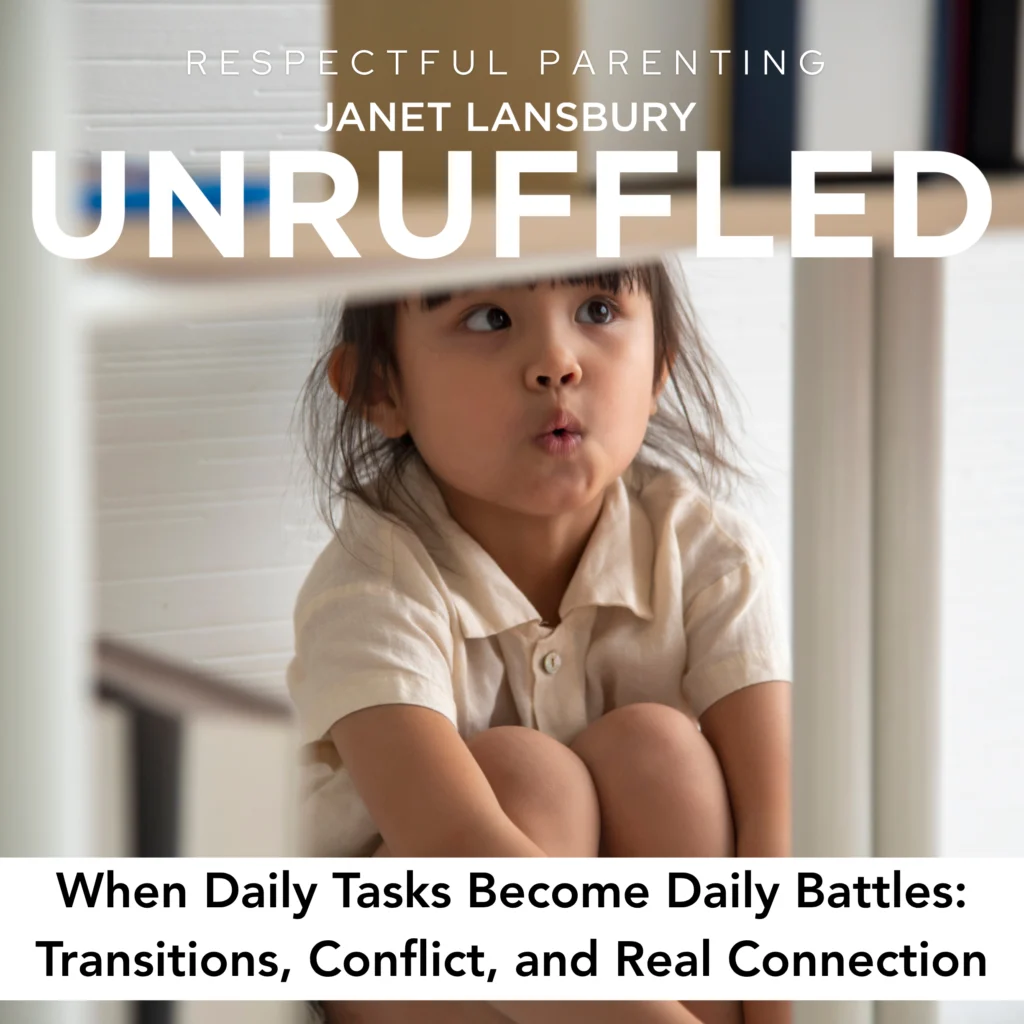
For many parents, the daily routine of getting a young child dressed, brushing their hair, managing a bath, or cleaning teeth can transform a peaceful morning or evening into an hour-long ordeal of resistance and exhaustion. A recent exchange shared by parenting expert and author Janet Lansbury on her Unruffled podcast sheds light on this universal parenting challenge, offering a deep re-examination of how families approach daily transitions, conflict, and genuine connection.
The discussion centers around a note from a single mother struggling with her five-year-old daughter. Described as a sweet, affectionate, and socially confident child who will soon enter first grade, the girl nonetheless exhibits strong resistance to daily tasks that accompany routine transitions. According to the mother, what begins as a simple request to change clothes or brush teeth frequently escalates into an extended battle, leaving both parent and child overwhelmed, while the task often remains incomplete.
In her message, the mother detailed a wide array of strategies she has deployed over the years to manage the friction. She has implemented timers, countdowns, playful competitions like the "Get Dressed Race," silly games, reward charts, and even punishments. While she has attempted to approach the situation through a lens of reduced pressure, acceptance, and leadership, she noted that her daughter’s resistance has not improved with age. This dynamic led the parent to question whether her well-meaning tactics might inadvertently work against deep connection, and how to discern when a child genuinely requires support through discomfort versus when a firmer boundary is necessary.
Responding to the parent’s concerns, Lansbury praised the mother’s self-awareness and thoughtful dedication to her daughter. However, she emphasized that many common parenting tools—such as reward charts, external incentives, countdowns, and punishments—can sometimes act as barriers rather than bridges to authentic connection. Lansbury explained that while these strategies aim to ease friction, they often function as external fixes that bypass the real emotional landscape of the child. When parents rely on tricks or games born out of desperation to make a task go smoothly, the dynamic can shift away from honest, person-to-person engagement.
The expert highlighted that children’s resistance to routine transitions is rarely about the specific task itself, whether it is the sensation of a hairbrush or the act of putting on shoes. Instead, these moments of friction often serve as an outlet for deeper feelings of overwhelm, particularly for young children navigating complex life transitions. In this specific case, the child must navigate a dynamic co-parenting situation with inconsistent schedules between two homes, alongside the impending milestone of starting first grade. Lansbury noted that it is entirely normal for children experiencing such widespread life shifts to express their inner turmoil during routine micro-transitions, using the safety of their primary caregiver’s presence to let their guard down.
Rather than trying to avoid conflict or eliminate a child’s discomfort through performance-based parenting techniques, Lansbury advocates for embracing what she terms "messy connection." She suggests that true respect and secure attachment do not require eliminating all friction or ensuring that every interaction remains cheerful. Instead, connection deepens when a parent remains a steady, unruffled leader who openly acknowledges the child’s frustration without taking it personally or attempting to rush past the emotional reality of the moment.
Reflecting on her own upbringing as a millennial, the mother noted in a follow-up exchange that her early environment often approached emotional struggles through a behavior-focused lens, where uncomfortable feelings were frequently sidelined to secure pleasing conduct. She expressed a conscious desire to break this cycle by cultivating a compassionate internal voice for her daughter, even while recognizing how difficult it is to untangle old patterns while actively managing daily demands.
Lansbury affirmed that parents do not need to choose between holding necessary boundaries and maintaining a warm, respectful relationship. In fact, she argues that these two elements are fundamentally intertwined. When a parent calmly insists that a necessary task must happen while simultaneously validating the child’s complaints and reluctance, it communicates a powerful message of security. The child learns that even when life requires uncomfortable or non-negotiable actions, a trusted adult is present to help carry the burden without becoming rattled or intimidated by emotional outbursts.
Addressing the parent’s core dilemma regarding when to offer support versus when to hold a firm boundary, Lansbury clarified that personal care tasks and transitions do not lend themselves to rigid, authoritarian enforcement. Because physical force or coercion ultimately undermines trust, these situations require a delicate balance of decisive momentum and empathetic partnership. Parents are encouraged to maintain a confident attitude—what Lansbury describes as confident momentum—allowing the child’s complaints to flow freely without derailing the process or leading to lengthy power struggles.
Ultimately, the insights shared in the discussion offer a reassuring perspective for families caught in the cycle of daily resistance. By relinquishing the need for flawless performance, external rewards, and constant emotional avoidance, parents can step into their roles with greater authenticity. According to Lansbury, welcoming the emotional messiness of transitions as a natural expression of a child’s inner life allows both parent and child to move forward with resilience, mutual respect, and a genuinely fortified relationship.
As the holiday season approaches, households across the country find themselves balancing the long-standing tradition of gift-giving with a growing desire to emphasize the true spirit of the season. For many parents, Christmas is an opportunity to focus on spending quality time together, giving back to those in need, and finding small, purposeful ways to serve the community. However, valuing connection over consumerism does not mean skipping gifts altogether. Instead, a broader cultural shift is taking place, with families increasingly seeking out thoughtful presents that bring genuine joy to children without adding unnecessary clutter, single-use plastic waste, or excessive screen time into the home.
Shopping for children who seemingly have everything can present a unique challenge for parents, grandparents, and relatives alike. To combat holiday fatigue and toy overload, many shoppers are turning to curated selections of alternative gifts that extend far beyond traditional toys. The ideal presents range from big-ticket items to small, budget-friendly surprises suitable for both boys and girls. Many of the most successful holiday gifts are unique, personalized, or entirely experience-based—requiring nothing more than a bit of creativity. While some economical options carry deep sentimental value, others double as perfect presents for birthdays and other special milestones throughout the year.
Finding top-tier gifts that can withstand the test of time often requires looking beyond the latest commercial fads. Experienced parents and gift-givers frequently recommend items crafted from natural or eco-friendly materials that actively encourage imagination, creativity, and physical movement. Over the years, trends come and go, but the items that resonate most deeply with children are consistently those that invite shared connection and active discovery.
Among the family favorites that stand the test of time are high-quality art supplies, balance boards to help with coordination, and personalized aprons for aspiring young culinary helpers. For older children with a taste for adventure, transforming the backyard into an active play space provides endless entertainment, particularly for kids who naturally gravitate toward movement and tactile exploration. Meanwhile, for children who love to create and build with their hands, simple craft or jewelry-making kits remain reliable favorites that foster focus and artistic expression.
Beyond physical items, a vital component of the modern holiday season involves instilling a sense of community responsibility. Each year, many families make it a tradition to involve their children directly in choosing ways to give back to those facing hardship. Whether through donating gently used toys, assembling care packages for local shelters, or volunteering together as a family, these collaborative moments serve as a powerful reminder that some of the most enduring gifts are those shared with others. Acts of service, kindness, and donated time cost nothing yet yield the most profound impact on a child’s character development.
Furthermore, children often cherish the intangible moments far more than commercial goods. A homemade coupon book promising extra bedtime stories, an uninterrupted family game night, or practical cooking lessons can carry far more emotional weight than any store-bought item. Whether gifts are large or small, inexpensive or distinctive, the most meaningful aspects of the holidays often come unwrapped. By prioritizing human connection and the simple joy of generosity, families are discovering that the absolute best presents for children are not toys at all, but shared memories designed to last a lifetime.
As children grow older, transitioning through the tween and teen years into young adulthood, their preferences and expectations surrounding gift-giving naturally evolve. For teenagers, the focus shifts toward items that inspire creativity, encourage physical activity, and actively minimize screen time. Selecting gifts for this demographic requires an understanding of their developing independence and changing personal identities, ensuring that presents remain engaging and relevant to their maturing lifestyles.
For tweens and big kids—those bridging the gap between early elementary school and the full onset of adolescence—finding the right balance can be equally nuanced. A wide variety of thoughtful options appeal to both boys and girls in this transitional age group, many of which also prove popular among younger elementary students. These gifts are carefully chosen to challenge their growing intellects, support active hobbies, and keep them engaged in the physical world.
For younger children, spanning the preschool through early elementary years, the focus broadens to include interactive games, tactile crafts, sensory play items, and modern audio players that deliver storytelling without the need for screens. These carefully curated selections acknowledge the rapid developmental milestones of early childhood, providing entertainment that supports cognitive and motor skill development while keeping children thoroughly captivated.
Naturally, the littlest members of the family are not left out of the holiday season. Gifts tailored for babies and toddlers range from items suited for early infancy all the way through the foundational preschool years. For older toddlers who are beginning to outgrow infant toys, overlapping options from the younger kids’ category offer additional avenues for creative play and sensory exploration.
Finally, no holiday celebration is complete without filling the traditional stockings. Stocking stuffer ideas for kids focus on small, high-utility, and imaginative items that fit neatly into holiday stockings while avoiding the trap of disposable plastic trinkets. As families continue to refine their holiday traditions, the collective conversation around gift-giving highlights a return to intentionality—proving that the most cherished holiday moments are rooted in mindfulness, sustainability, and shared family experiences.
It’s an Easy Way to Access the Wisdom of Ernest Holmes Each Day »
Readers and spiritual seekers looking for a structured approach to daily reflection have a new resource available, as organizations and spiritual leaders continue to champion the enduring teachings of New Thought philosophy. Publications and communities dedicated to the movement are placing renewed focus on daily engagement with foundational texts, offering accessible pathways for individuals to integrate profound spiritual principles into their everyday lives.
As part of this ongoing effort to make classical spiritual literature approachable, a specialized reading checklist has been made widely available to help individuals navigate one of the most influential texts in modern metaphysical thought. The initiative is designed to help readers catch up on The Science of Mind textbook and inject daily inspiration into their lives, ensuring that complex philosophical concepts can be digested in manageable, bite-sized portions over the course of a standard calendar year.
The comprehensive list was compiled with care and dedication by Rev. Dr. Edward Viljoen of the Center for Spiritual Living, Santa Rosa. Dr. Viljoen’s thoughtful curation breaks down the dense and comprehensive volume into daily segments, allowing readers to follow a steady rhythm of study, contemplation, and personal growth without feeling overwhelmed by the scope of the masterwork. Those who wish to follow along or catch up on previous milestones can access the entire year of readings through the official archive hosted online.
For individuals specifically seeking to align their daily studies with the current schedule, resources for specific months have been highlighted for public access. » November 2026 readings are readily available for download, providing a direct continuation of the yearly syllabus and allowing dedicated students of the text to maintain synchronicity with the broader community of readers.
The emphasis on reading The Science of Mind—originally authored by Ernest Holmes, a towering figure in the New Thought movement—reflects a broader desire among contemporary readers for structured spiritual frameworks. Holmes first published his seminal work in 1926, establishing a comprehensive philosophy that synthesizes ancient wisdom, modern psychology, and universal spiritual laws. Over the decades, the book has served as a primary textbook for Centers for Spiritual Living and independent students alike, offering a systematic approach to spiritual mind healing, affirmative prayer, and the transformation of personal consciousness.
By organizing the text into a year-long journey, leaders like Dr. Viljoen have helped bridge the gap between academic or theological study and the practical application of spiritual principles in daily life. Readers utilizing the checklist can engage with the material systematically, moving from foundational concepts of universal presence and the creative power of thought to more advanced applications of spiritual practice. The availability of these structured archives ensures that whether individuals are reading the text for the first time or returning to its pages for a renewed perspective, they have the logistical support needed to sustain a consistent habit of daily inspiration.
The Bible describes joy as a lasting gladness that flows directly from God’s presence, serving as an enduring strength that He extends to His people across every season of life, as highlighted in passages like Psalm 16:11 and Nehemiah 8:10. Far from being restricted to monumental life milestones or rare celebrations, scriptural accounts of joy meet individuals in the most mundane spaces. It is found at the kitchen table, inside a car during the commute to a community gathering, or during the quiet, uneventful stretch of an ordinary afternoon.
For nearly thirty years, Classical Conversations has walked alongside homeschooling families as they navigate the shared journey of learning, growing, and worshipping together. Through decades of educational support and community building, one recurring truth has consistently emerged: the vast majority of homeschooling days are entirely ordinary, and it is precisely within that ordinary rhythm that true joy often resides.
Examining the intersection of faith and daily routine reveals how families can shift their perspectives. A mother’s personal reflection on noticing divine goodness in everyday moments offers insight into how intentional awareness can transform a weary routine, followed by a deeper exploration of fundamental questions surrounding joy versus happiness, the nature of Christian joy, and strategies for navigating homeschool burnout. Joy, educators and parents note, is always present and waiting to be uncovered.
What Is Giving You Joy Right Now?
In the daily rhythm of life, external influences often shape our awareness. Reflecting on the words of Tecumseh, who advised rising in the morning to give thanks for the light, life, strength, food, and the joy of living, modern educators often find themselves pondering similar questions. Listening to cultural and educational podcasts frequently reveals a common closing ritual: asking featured guests what is bringing them joy at that exact moment.
Inevitably, the answers point to simple, inspiring elements such as a great book, a favorite mobile application, a newly formed daily habit, or a personal ritual integrated into the day. Hearing this question asked of others naturally invites listeners to turn inward, examining their own lives and asking the same probing question: What is giving me joy right now?
This line of inquiry recently brought to mind an unexpected source of inspiration: water towers. An acquaintance of the family, whose brother lives with special needs, harbors a profound fascination with water towers. Whenever they meet, he inquires about water towers near hometowns, college campuses, or airports, describing their architectural styles, colors, and precise shapes from memory alone. After spending several days in the company of this enthusiastic observer, the family found themselves similarly captivated by these towering structures.
While traveling across Michigan during a long highway drive, family members found themselves joyfully shouting out whenever a new water tower came into view. Those structures had always lined the landscape, but adopting another person’s passion allowed the family to view them through a lens of appreciation. When individuals actively seek out a specific focus, they find that it is readily available for the discovering.
Joy operates in a remarkably similar fashion. It remains constantly available for discovery if individuals make it the object of their search. On days when circumstances feel overwhelming or life appears dominated by mundane, repetitive tasks, pausing to ask that essential question—what is giving me joy right now?—can reorient the heart. Joy waits patiently to be noticed once again.
Finding Joy in Everyday Life
For many parents navigating the educational journey, experiencing joy often involves tuning out distractions and paying close attention to the subtle shifts of the natural world. During the autumn season, for instance, changing foliage offers a masterclass in quiet beauty. The colors shift so gradually that an inattentive observer might easily miss them entirely.
Taking a deliberate pause during a routine walk—closing one’s eyes, inhaling the crisp scent of autumn, and listening to the rustle of tumbling leaves swirling like tiny tornadoes—can anchor a person in the present. The sound of traveling birds, the artistic long shadows cast by late-afternoon silhouettes, and the softening rays of a fading golden light all provide subtle reminders of the goodness embedded in daily life.
Yet, maintaining this perspective requires deliberate effort, particularly during demanding educational seasons. Homeschooling children through their high school years, for instance, can occasionally feel like a relentless grind. Parents who remember the early years of early childhood education often experience a deep sense of nostalgia. They recall the abundance of field trips, the shared reading of picture books, and deep involvement in a rich, exploratory feast of learning.
As children mature into teenagers, however, a parent’s role naturally shifts toward project management and quality control. Days become consumed by college preparation planning, transcript tracking, and administrative record-keeping. Even though this advanced educational season carries a vastly different focus, meaningful joy remains entirely accessible. While daily routines may take on a structured, ordinary rhythm, the underlying goodness of the work persists.
Joy in the Little Things
When joy is reframed in this manner, it becomes clear that gladness is ubiquitous. It is not restricted exclusively to mountaintop moments, such as when an adolescent student composes a brilliant research paper or delivers a profound public speech. Instead, it is equally present during routine dinnertime conversations when teenagers ask about their parents’ high school experiences or seek guidance on navigating complex social questions.
These moments emerge during routine car rides to the grocery store or while folding laundry and discussing current events. Much like the water towers along the highway, joy surrounds households on every side. There is an abundance of it, and for those who choose to open their eyes, the experience of divine goodness can be found in nearly every direction.
Frequently Asked Questions About Joy
What does the Bible say about joy?
Scripture consistently presents joy as a spiritual gift originating from God’s presence, serving to strengthen His followers. Psalm 16:11 notes that the fullness of joy resides in His presence, while Nehemiah 8:10 emphasizes that the joy of the Lord acts as a pillar of strength. Throughout the biblical text, joy surfaces during times of worship, in the midst of hardship, and simply through the gratitude of experiencing a new day, as referenced in Psalm 118:24.
What is the difference between joy and happiness?
While happiness tends to fluctuate in direct response to changing external circumstances, genuine joy remains anchored in the unchanging character and past actions of God. Romans 15:13 illustrates the God of hope filling believers with deep joy and peace as they place their trust in Him.
What is joy in the Bible?
Within the context of Scripture, joy is defined as a profound, steady gladness grounded entirely in God. Galatians 5:22 explicitly categorizes joy as a fruit of the Spirit, developing organically as the Holy Spirit shapes a believer’s heart over time.
How do you find joy in life again?
Recovering a sense of joy in daily routines often begins with the establishment of small, consistent habits. Maintaining a gratitude journal, reading a psalm each morning, prioritizing adequate rest, and cultivating fellowship with encouraging peers can help. Over time, these simple rhythms lift an individual’s perspective and reveal the steady presence of goodness.
What is Christian joy?
Christian joy is fundamentally defined as a deep-seated gladness rooted in Christ. Because it relies entirely on His steadfast love and redemptive work, it remains resilient through both prosperous seasons and heavy trials, as reflected in Philippians 4:4.
How do I deal with homeschool burnout?
Experiencing burnout while educating children at home typically signals a pressing need for rest and a simplification of daily schedules. Reducing the weekly workload to its core essentials, returning to beloved family read-aloud traditions, and leaning on a supportive community for encouragement can restore balance. Passages like James 1:2–3 remind believers that trials can cultivate steadfast faith, allowing joy to return as individuals rely on the strength provided to them.
The mental health and wellness space is seeing a new intersection between digital mindfulness and tactile organization, as popular wellness platform Calm provides deeper clarity surrounding its physical product lineup. Featuring the Calm 365 Journal and the Calm Calendar, the brand’s latest merchandise push brings its signature mindfulness framework off the screen and into daily, physical routines. Designed to foster consistent mental health habits throughout the year, the collection introduces a structured approach to daily reflection, goal setting, and emotional check-ins.
As consumers increasingly seek analog tools to balance screen fatigue, the launch offers flexibility for both long-time digital subscribers and individuals entirely new to the Calm ecosystem. Both items are currently available for purchase with promotional discounts, offering buyers an accessible entry point into mindfulness-based organization ahead of the upcoming holiday season and the new year.
Understanding the Lineup: Journal Versus Calendar
A central aspect of the release involves the distinction between the two flagship products, allowing users to choose the format that best fits their daily lifestyle. The Calm Calendar is designed as a quick, at-a-glance version featuring a single daily prompt, engineered to live in a prominent physical space where it can be seen throughout the day. Measuring 11 by 8.5 inches, the calendar is built to hang or be displayed on a desk or wall.
In contrast, the Calm Journal takes the concept a step further by providing dedicated physical space to write and reflect on a daily basis. Spanning 300 pages in a standard A5 format measuring 5.8 by 8.3 inches, the journal includes substantial editorial and interactive additions. Beyond daily entries, the journal features Look Back and Look Ahead chapters, guided rituals, letter-writing prompts, and vision-boarding exercises. These elements are specifically crafted to help individuals process the year behind them while setting a clear emotional and practical direction for the year ahead.
Both items are sold separately, giving consumers the freedom to purchase just the calendar, just the journal, or both depending on their personal organizational needs. Furthermore, the products are designed to function independently of a digital subscription. While every theme ties into dedicated content collections within the Calm app, users are not required to maintain a paid subscription to utilize the physical products. Certain app content can be accessed freely, and users have the option to start a free trial if they wish to explore the digital soundscapes and meditations more deeply. The publisher notes that the physical books operate seamlessly whether the user is brand new to the platform or a long-time subscriber.
The Twelve Monthly Themes
At the core of both the Calm 365 Journal and the Calm Calendar is a curriculum structured around twelve distinct monthly themes. Running consecutively from January through December, the themes are Clarity, Connection, Nourishment, Growth, Kindness, Flow, Presence, Ease, Balance, Release, Gratitude, and Stillness. These concepts guide the daily prompts and reflections, encouraging a well-rounded approach to emotional well-being over the course of a full year.
While the calendar is specifically dated for 2027 and is best initiated around the start of the new calendar year, the journal offers greater temporal flexibility. The journal is not tied to a specific calendar year, meaning users are not required to begin on January first and can open the book and start whenever it feels right for their personal journey.
Pricing, Promotions, and Purchasing Details
To celebrate the availability of the collection, the platform has rolled out promotional discounts across the product line. Currently, three separate discount codes are available, each offering thirty percent off a specific product. Buyers must apply the promotional code that corresponds directly to the item in their shopping cart at checkout to secure the discount.
The physical nature of the publishing model means that specific operational guidelines apply to orders, shipments, and fulfillment. Because each copy of the journal and calendar is printed on demand specifically for the individual buyer, the platform cannot accept returns or exchanges for reasons such as a change of mind. However, if a product arrives damaged or misprinted, customers are advised to reach out within fourteen days of receipt so that customer service can resolve the issue.
Additionally, once an order has been placed and the printing process has commenced, modifications cannot be made. Buyers are encouraged to double-check their cart contents and shipping addresses before finalizing their purchases.
Shipping and Holiday Delivery Guidelines
Fulfillment for the print-on-demand items typically requires between three and five business days of production time, though this window extends to seven to ten business days during peak holiday periods. Standard delivery then takes an additional fourteen to eighteen business days. For customers purchasing the items as holiday gifts, planners recommend submitting orders by early-to-mid December to ensure timely arrival under standard shipping conditions. Faster shipping options remain available at checkout for those purchasing closer to major gift-giving deadlines.
At present, shipping for the Calm physical product line is restricted to the United States, the United Kingdom, and Canada, though expansion to additional international regions is under consideration for the future. The company highlights that the journal and calendar are frequently purchased as gifts for birthdays, holidays, or spontaneous gestures of appreciation, while self-gifting continues to be a popular option for individuals looking to invest in their own mental wellness routines.
SEATTLE — For many participants, discovering the Wilderness Awareness School feels like stumbling upon a hidden path that was waiting all along. For one dedicated parent and community leader, enrolling in the school’s flagship program was a transformative turning point that reshaped not only her relationship with the natural world, but also her approach to parenting, community advocacy, and personal growth. Reflecting on a journey that spans more than a decade of summer camps, youth programs, and adult education, she shares how learning the deep languages of nature and awareness ultimately redefined what it means to truly observe the world around us.
"Better late than never! That is how I describe the day I finally registered for The Immersion at Wilderness Awareness School," she recalls. While it is easy to look back and wonder about the choices she might have made differently had she graduated from the life-changing program decades earlier, she prefers to heed the wise advice of poet Galway Kinnell in his renowned poem, Wait: “Distrust everything if you have to. / But trust the hours. Haven’t they / carried you everywhere, up to now?” Looking back, she realized that she entered The Immersion program at precisely the right moment—at a point in her life when she was truly ready to receive its profound teachings.
Her deep relationship with the school began years prior, in the summer of 2010, when her family first connected with the organization through its seasonal summer camps. That initial summer season opened the door to many more, establishing a long-standing bond between her family and the Pacific Northwest-based nature school. The turning point for her family deepened significantly when her son enrolled in the Friday Community School program during a particularly difficult juncture in his academic life. As a sixth grader, he was feeling woefully uninspired and underwhelmed by his new middle school environment.
The weekly Friday sessions spent learning and exploring out on the land provided an essential lifeline. The deep immersion in nature filled him with a joy fierce enough to protect and sustain him through the remainder of the challenging school year. Witnessing how life-saving and restorative those outdoor experiences were for her son planted a seed. It was an experience she ultimately desired for herself, leading directly to her decision to enroll as an adult student in The Immersion at Wilderness Awareness School.
Through the rigorous curriculum of The Immersion, she adopted a guiding philosophy that has since influenced every aspect of her personal and professional life: "Just because I didn’t know about something until now, doesn’t mean it wasn’t there all along."
This foundational awareness mantra carries profound weight across multiple dimensions of her daily existence. Whether applied to the natural environment—such as noticing a barred owl perched quietly on a limb just above her head, or a cougar stealthily stalking at the edge of a wooded pond—the principle extends equally into human interactions. It translates into recognizing a teenager subtly and desperately calling out for emotional attention, or acknowledging a harmful pattern of systemic bias and cultural conditioning that friends and colleagues gently challenge her to recognize and release. Learning how to truly practice this level of heightened awareness during her time at The Immersion shifted her perspective permanently. While she admits to being imperfect in her daily practice, the training continuously nudges her back toward a posture of genuine curiosity and deep humility.
After successfully graduating from The Immersion program in 2018, her commitment to the school community only deepened. She chose to continue her educational journey by enrolling in the Youth Nature Instructor Training program, becoming an active and engaged member of the school’s Equity Council, and volunteering her time for both summer and school-year youth programs. Expanding her dedication even further, she later joined the Adult Nature Instructor Training program in a supportive capacity, mentoring the incoming cohorts of Immersion students.
This enduring, multi-year involvement raises a compelling question about what draws participants back to the program time and time again. According to her experience, the answer boils down to two core concepts: awareness and camouflage.
Navigating daily life in a bustling urban environment like Seattle involves balancing a myriad of diverse circles, commitments, and responsibilities. Her schedule is remarkably full and varied: she serves on the Board of a local outdoor preschool, remains active as a local philanthropist, participates in parent-teacher associations at her children’s schools, and sits on the equity committees of three separate organizations. Furthermore, she maintains a deep personal commitment to anti-racism work through continuous self-reflection, participation in white caucus groups, and engagement in mixed-race communities of practice and action. Above all else, she identifies primarily as a mother of three emerging adults. In that crucial role, she has learned that her children are best served when she truly notices, listens, and protects them for life’s challenges rather than trying to shield them from those essential growth experiences.
Before embarking on The Immersion, her understanding of camouflage was strictly conventional. She associated the term with utilitarian clothing splashed in patterns of green, brown, and tan, paired with similarly colored face paint caked on for concealment in the woods. However, her perspective on the concept underwent a complete paradigm shift through her training.
Today, she views herself as being in full, effective camouflage when she is dressed in a formal black dress accessorized with a string of pearls. Her instructors and mentors at Wilderness Awareness School taught her a valuable lesson about behavioral ecology that transcends the natural forest: true camouflage is about blending seamlessly into the baseline environment. Whether that baseline involves nesting quietly in a clump of sword fern beneath the canopy of a Western Red Cedar, sitting unobtrusively by a campfire within a circle of teenagers, or gracefully utilizing a salad fork at a high-end dinner hosted at a luxury downtown venue like the Four Seasons Hotel, the underlying principle remains identical. By mastering this art of subtle integration, an individual can navigate complex social or natural landscapes and accomplish meaningful work without causing concentric rings of disturbance in their surroundings.
Reflecting on a decade marked by continuous learning, dedicated mentoring, and deep community building, she expresses profound gratitude for the welcoming space she and her son discovered at the Wilderness Awareness School. As she looks forward to the decade to come, that foundational commitment to awareness, equity, and environmental connection remains as strong as ever.
More than two decades after its founding, the adoption and orphan care advocacy organization Show Hope has reached a monumental milestone, officially marking 10,000 children impacted through its Adoption Aid grant program.
When founders Mary Beth and Steven Curtis Chapman first established the organization over twenty years ago, their initial vision was both modest and deeply hopeful. At the time, they dreamed of seeing just 100 children impacted by an Adoption Aid grant. That goal felt meaningful, ambitious, and safely within reach as they embarked on a mission to address the complex and often prohibitive financial barriers associated with adoption.
Today, that original goal has been multiplied one hundred times over. In a heartfelt message shared with supporters, friends, and partners of the organization, the Chapmans reflected on the journey that has brought them to this historic threshold, celebrating 10,000 children who have finally come to know the enduring love, security, and permanency of a family.
"You likely know this story, but at this moment in time, it is worth repeating," the founders shared in their address to the community. Recalling their early ambitions, they emphasized the magnitude of what has been achieved collectively. "When we founded Show Hope more than 20 years ago, our dream was to see 100 children impacted by an Adoption Aid grant. That really seemed within reach—a significant milestone, for sure. And here we are today, with 10,000 children impacted by a Show Hope Adoption Aid grant—10,000 children coming to finally know the love, security, and permanency of a family."
Behind that staggering numerical milestone are individual stories of children whose lives have been transformed, families that have been formed or expanded, and a community of supporters whose sustained generosity made it all possible. For the leadership and staff at Show Hope, each of those 10,000 children represents a distinct reason to hold onto hope, a reason to believe in the power of community action, and a reason to express gratitude.
The financial hurdles of adoption are widely recognized as one of the single greatest obstacles facing prospective parents. Legal fees, agency costs, travel expenses, and medical assessments can quickly accumulate, creating a mountain of debt or an insurmountable financial wall that keeps loving families from bringing waiting children home. By providing foundational financial grants through its Adoption Aid program, Show Hope has consistently worked to dismantle these financial barriers, easing the economic burden for families stepping forward to adopt.
Yet, even as the organization pauses to celebrate the 10,000 children whose lives have been touched over the past two decades, leadership is quick to point out that the work is far from finished. The reality of the global orphan crisis means that countless children continue to wait in institutional care, foster systems, and vulnerable situations around the world. At the same time, a multitude of prospective parents continue to long for the opportunity to welcome these children into their homes, hindered primarily by the logistical and financial costs of the journey.
Show Hope’s ongoing mission remains focused on bridging that exact gap. The organization’s stated desire has long been to reduce the barriers standing between waiting children and willing families, walking alongside them through the complexities of the adoption process. As the organization looks beyond its current milestone, leadership has signaled its continued readiness to serve families, expressing profound trust that its community of donors and advocates will continue to stand with them as they have for the past twenty years.
The milestone arrives as communities around the world enter the traditional season of gratitude and giving. For Show Hope, this timing offers a natural moment to invite supporters into a renewed commitment to the cause, framing the ongoing work as an extension of the faith and dedication that built the organization from its earliest days.
In their message of appreciation, Mary Beth and Steven Curtis Chapman made a point to highlight the irreplaceable role played by the organization’s supporters, whose prayers, advocacy, and financial contributions have sustained Show Hope through economic shifts, cultural changes, and the daily operational challenges of running a large-scale nonprofit.
"And you made that possible," the Chapmans wrote, addressing their supporters directly. "Those children… 10,000 reasons to hope… 10,000 reasons to believe… 10,000 reasons to praise God for His enduring love and faithfulness."
The founders acknowledged that human words ultimately fall short of capturing the depth of their gratitude for the individuals who have poured themselves into the work of Show Hope over the years. Looking forward, they expressed confidence that the true impact of this collective generosity will be fully revealed in time, echoing biblical encouragement to sustain their shared mission.
Citing the passage from 1 Thessalonians 3:12—"may the Lord make you increase and abound in love for one another and for all, as we do for you"—the founders framed their gratitude not just as a retrospective thank-you, but as an ongoing spiritual bond that unites the organization, the families, and the supporters in a common purpose.
As Show Hope turns the page on its first two decades of operation and sets its sights on the future, the organization does so with a blend of humility, celebration, and resolute determination. With 10,000 children now safely integrated into permanent, loving families, the foundation laid over the past twenty years stands as a testament to what can be accomplished when individuals unite around a shared vision of hope and family care.
Closing their reflections with a forward-looking salute, Mary Beth and Steven Curtis Chapman encapsulated the sentiment driving the organization into its next chapter: "Here’s to the Next 10,000!"
For many parents navigating the intricate world of education at home, late nights are occasionally consumed by the puzzling behaviors of a child. Long after the textbooks have been closed and the house has grown quiet, the mind of a dedicated parent often races to decode subtle shifts in mood, sudden bouts of defiance, or inexplicable emotional distance. For Jamie C. Martin, a veteran homeschooling mother and author behind the educational resource Simple Homeschool, a persistent issue with one of her children recently led to just such a sleepless night filled with reflection, prayer, and quiet tears.
Desperate for insight, Martin eventually reached out to a trusted friend and homeschooling mentor. In a brief message, she outlined the core of the problem and asked for guidance. The response came back just as swiftly, delivered in a single, probing question that fundamentally shifted her perspective: "What’s your child’s love language?"
Reflecting on the advice, Martin realized that while the concept of "love languages" was a familiar psychological framework often discussed in the context of marriage, it was a tool she had rarely applied intentionally to her relationships with her children. Intrigued by the suggestion, she began to research her child’s specific emotional needs and consciously focused on addressing them. Within a remarkably short period, the perplexing behavioral issue evaporated, demonstrating the profound impact that targeted emotional connection can have on the daily rhythm of a homeschool environment.
The concept of love languages originally popularized by Gary Chapman and Ross Campbell posits that every individual—whether adult or child—expresses and receives love best through one of five distinct communication styles. While parents naturally strive to express unconditional love in a myriad of ways, recognizing that each child possesses a unique emotional vocabulary akin to their distinct personality can dramatically alter the health and harmony of a household, particularly within an intensive educational setting.
To help identify these preferences, online assessment tools, such as the love languages quiz recommended for children ages nine and older, have proven invaluable for families seeking to better understand one another. Through careful observation and intentional application, parents can navigate the five primary love languages—physical touch, words of affirmation, receiving gifts, quality time, and acts of service—and integrate them seamlessly into their daily homeschool lives.
Physical Touch
For children whose primary emotional currency is physical touch, the need for tactile reassurance is constant. These youngsters desperately thrive on frequent hugs, kisses, and reassuring pats on the shoulder. Without these physical expressions of affection, they may internalize minor missteps, quickly developing an underlying anxiety that they have done something wrong or that their parent is displeased with them. In a homeschool setting, integrating physical touch can be as simple as sitting close while reading together, offering a comforting hand during a frustrating math lesson, or starting the school day with a warm embrace.
Words of Affirmation
In a modern culture that has largely lost the art of giving deliberate, meaningful affirmation, spoken encouragement carries immense weight. Carefully chosen words do not damage children; rather, they fill them with the confidence needed to tackle difficult academic challenges and social hurdles. For individuals whose primary love language is words of affirmation, verbal expressions of pride and affection powerfully communicate unconditional love. Parents teaching a child with this preference can intentionally weave spoken praise, handwritten notes left inside textbook pages, and specific compliments about effort rather than just achievement into the daily academic routine.
Receiving Gifts
The concept of receiving gifts often carries a superficial connotation of commercialism or excessive spending, but a broader understanding reveals that gifts can be powerful symbols of thoughtfulness and care. Rather than making frequent trips to the store, parents can reframe everyday essentials or seasonal items in a more special, intentional light. For instance, presenting new school clothing or supplies with a decorative bow, a quick handwritten note, or an unexpected placement in the child’s bedroom can transform a practical necessity into a memorable expression of love that resonates deeply with a gift-oriented child.
Quality Time
For families engaged in homeschooling, the sheer amount of time spent together under one roof can sometimes create a false sense of security regarding emotional connection. Parents of children whose primary love language is quality time often find their work cut out for them, as physical proximity does not automatically equate to focused attention. If a parent is distracted by grading papers, household chores, or digital devices, it fails to register in the child’s emotional bank account. Fulfilling this need does not require elaborate outings or grand gestures; simple, undivided attention—such as chatting while preparing a meal together or pausing lessons to engage in a shared interest—goes a long way toward keeping emotional tanks filled.
Acts of Service
Acts of service within a family dynamic do not mean performing every task for a child and stripping them of personal responsibility. Instead, it involves recognizing that through intentional acts of assistance, a parent communicates deep affection. When caregivers understand that a child’s main love language is service, they can channel extra effort into helping them navigate the academic duties or daily chores they struggle with most. By stepping in to assist with a particularly daunting project or organizing a chaotic workspace as an unexpected kindness, parents can demonstrate love in a language that speaks directly to the child’s heart.
Exploring these five communication styles highlights an often-overlooked benefit of homeschooling: the extended hours families share each day provide a unique opportunity to truly understand children on a profound level. This ongoing closeness allows parents to consistently demonstrate unconditional love in ways that resonate most deeply with each individual child. Furthermore, by modeling love effectively within the home, parents inadvertently teach their children how to extend that same grace to others, creating a generational impact. As author Isabel Allende famously observed, children are blessings to be accepted with gratitude much like trees—loved simply for who they are without demanding unnecessary transformation.
As the holiday season approaches, bringing with it societal expectations of joy, family gatherings, and abundant celebration, individuals navigating profound personal loss often face an overwhelming emotional paradox. For families coping with the death of a child or other devastating losses, the simultaneous presence of deep sorrow and the capacity for thankfulness can feel like an impossible burden. Addressing this complex emotional terrain, bereavement experts and national support organizations are offering guidance on how to navigate the holidays without forcing artificial cheer, while acknowledging the possibility of holding space for both grief and gratitude.
The deep weight of sorrow that accompanies grief can frequently cast a heavy shadow over the people, experiences, and things in our lives for which, under entirely different circumstances, we would naturally give thanks. Profound grief often expends whatever finite amount of physical and emotional strength a person may possess, transforming thankfulness from a spontaneous human experience into a difficult, exhausting task. This delicate and exhausting dynamic proves true for many life experiences at various stages of the grieving process, and it is felt acutely during the initial, raw years of living with profound, life-altering loss.
To articulate this complex coexistence of emotional extremes, grief advocates often point to the reflections of prominent leaders and thinkers who have endured their own private tragedies. Among them is Rick Warren, founder of Saddleback Church in California, who previously reflected on his personal struggle to balance profound grief following the death of his son and his wife’s cancer diagnosis with the concurrent reality that there remained much in his life for which to be genuinely thankful.
Warren famously observed that life is not merely a sequence of alternating hills and valleys. Rather than viewing existence solely through the paradigm of ups and downs, he described it as resembling two parallel rails on a railroad track, suggesting that at any given moment, an individual can experience both something good and something profoundly bad simultaneously.
This same phenomenon has been explored by historical figures who survived unimaginable circumstances. Viktor Frankl, the renowned 20th-century psychotherapist and survivor of Nazi concentration camps during World War II, wrote extensively about the human capacity to find meaning, and even moments of grace, amidst unbearable suffering. Frankl articulated these profound insights after discovering the harrowing reality that he and a single sister were the sole members of his immediate family to survive the war.
While holding space for both grief and gratitude simultaneously is entirely possible, mental health professionals and bereavement support leaders emphasize that it is rarely easy. There are distinct moments within the journey of grief that leave individuals struggling simply to find the physical and emotional strength to take the next breath and hang on. At times, the darkness of profound grief is so thick and all-encompassing that abstract concepts like gratitude and meaning become severely strained.
Acknowledging gratitude is, at many pivotal moments in a person’s life, a hard-fought and deliberate experience. Crucially, experts note that recognizing gratitude does not necessarily mean an individual will instantly feel a warm sense of thankfulness. Yet, there remains something deeply important about acknowledging gratitude even when it cannot be actively felt.
As communities prepare for the winter holidays, grief support professionals stress that there is no single right or wrong way to navigate the season. Individuals are encouraged to consider the thoughtful suggestions offered by figures like Warren and Frankl, attempting to hold space for both their ongoing grief and any quiet flickers of gratitude they may manage to locate.
At the same time, professionals offer a vital message of self-compassion. If a grieving individual simply cannot reach that emotional space during a given holiday season, they are encouraged to give themselves the grace to remain exactly where they are emotionally. Pacing oneself, leaning into available support networks—whether composed of trusted family members, close friends, or specialized external resources—and granting oneself explicit permission not to participate in traditional holiday events are considered essential coping strategies.
Organizations dedicated to bereavement support emphasize that those experiencing loss are never truly alone in their journey. The Compassionate Friends, a prominent national non-profit organization supporting families after the death of a child, maintains an extensive network of support designed to assist individuals through difficult times. This network includes local, in-person peer support gatherings, private online communities such as dedicated Facebook groups, and a wide array of digital resources and connections.
To further assist individuals during this challenging time of year, organizations continue to provide educational programming and virtual events focused on coping mechanisms and self-advocacy. Individuals seeking additional guidance on finding support and navigating the season can access recorded webinars, including a recent presentation titled "Crying Out Loud: A Path Through Grief into a Life Reimagined," led by Dr. Laura Berman. Additionally, upcoming virtual events, such as the holiday webinar titled "Surviving the Holidays: Asking for the Support You Need," presented by Colin Campbell, provide further avenues for connection and practical advice.
The ongoing conversation surrounding grief, gratitude, and holiday survival continues to be guided by experienced professionals in the field of bereavement care, including Andy McNiel, MA, Chief Executive Officer of The Compassionate Friends. McNiel brings three decades of experience in facilitating support groups and providing individualized care to bereaved people of all ages. Throughout his extensive career, which spans hospice care and executive leadership within regional and national grief organizations, he has focused on creating safe spaces for bereaved individuals to connect with others who truly understand the complexities of loss.
As an author, national trainer, and thought leader in the field of grief and bereavement support, McNiel lectures extensively on topics related to loss and personal wellness. His professional background includes service on the advisory board of the Tragedy Assistance Program for Survivors (TAPS), national training for the American Foundation for Suicide Prevention, and membership in the International Workgroup on Death, Dying, and Bereavement. Holding a Bachelor of Arts in Religion and a Master of Arts in Counseling, he remains a prominent voice in helping families navigate the profound challenges of life after loss.