New Study Suggests Spinning Babies® Approach May Improve Fetal Positioning During Labor
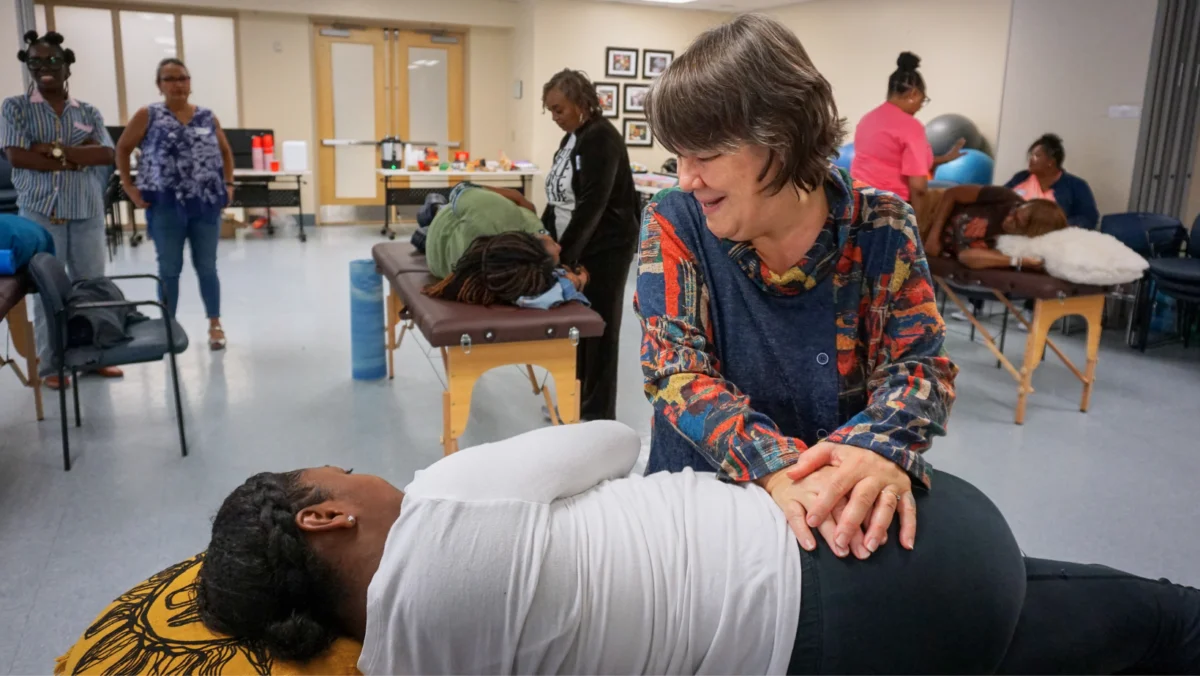
When a baby navigates the birth canal, their physical orientation relative to the mother’s pelvis is a critical factor in the efficiency and progression of labor. For decades, midwives and obstetricians have recognized that when a fetus rotates into an optimal position—specifically an anterior position—the descent through the pelvis is often smoother and less complicated. Now, a new study published in the European Journal of Midwifery provides compelling data regarding a specific, non-invasive approach designed to facilitate this rotation: the Spinning Babies® method.
The study, which examined the impact of these techniques on babies starting labor in non-optimal positions, offers a significant contribution to the growing body of research surrounding physiological birth. By focusing on the mechanics of the maternal pelvis and the movement of the fetus, the research highlights how targeted maternal activities may influence the trajectory of a birth, potentially reducing the challenges often associated with occiput-posterior or occiput-transverse positions.
What the Study Looked At
To evaluate the efficacy of the Spinning Babies® approach, a team of midwives in Italy conducted a retrospective review involving 244 births. In each of these cases, the infants began the labor process in either an occiput-posterior position—where the back of the baby’s head is toward the mother’s back—or an occiput-transverse position, where the baby is facing the side of the pelvis.
These positions are widely known in clinical practice to present challenges during the birth process. Because the widest part of the baby’s head may not be ideally aligned with the widest dimensions of the pelvic outlet, these positions can lead to prolonged labor, increased maternal discomfort, and a higher likelihood of interventions.
The researchers divided the study participants into two distinct groups to observe the impact of the Spinning Babies® techniques. The first group consisted of parents who were supported by midwives utilizing the Spinning Babies® approach, which incorporates specific movements and positions intended to create space within the pelvis. The second group consisted of parents who labored without the use of these specific techniques. The primary objective for the researchers was to track and compare the success rates of fetal rotation to the optimal anterior position—where the back of the baby’s head is toward the mother’s front—prior to the birth.
What They Found
The findings of the study were striking, suggesting a measurable correlation between the use of the Spinning Babies® approach and successful fetal rotation. Among the group that received support through the Spinning Babies® techniques, an impressive 93% of the infants successfully rotated to an anterior position during labor. In contrast, the control group, which did not utilize these specific activities, saw a rotation rate of approximately 64%.
To ensure the validity of these results, the researchers adjusted for other contributing factors that could influence the progress of labor. Upon completing this analysis, the data indicated that the use of the Spinning Babies® approach was associated with a 45% higher probability of the baby rotating into an anterior position compared to those who did not receive such support.
While the researchers emphasized that these findings are highly encouraging, they also maintained a scientific tone of caution. They noted that while the study suggests the approach is an effective tool for encouraging fetal rotation, further, larger-scale studies are necessary to definitively confirm these results across broader populations and diverse clinical settings.
Why Baby’s Position Matters
It is important to note the scope of this specific study: the researchers focused exclusively on the frequency of fetal rotation during the labor process. The study did not set out to measure secondary outcomes, such as the total duration of labor, the level of pain experienced by the parent, or specific birth outcomes like the rate of surgical intervention or recovery times.
However, even without focusing on these secondary metrics, the importance of fetal position in the context of childbirth cannot be overstated. A baby’s orientation within the pelvis is a primary driver of how the birth progresses. When a baby is in an optimal position, the mechanics of descent are generally more efficient, which can significantly alter the birth experience for both the parent and the clinical team. Beyond the physiological benefits, the researchers pointed out that providing parents with gentle, non-invasive ways to actively support their baby’s rotation can have a profound psychological impact. It allows parents to feel more involved, empowered, and confident during the often-intense experience of labor.
The methodology behind Spinning Babies® is rooted in three core principles: Balance, Gravity, and Movement. These concepts are designed to work in harmony with the body’s natural capacity to facilitate birth. By focusing on creating "space" within the pelvis, these techniques aim to remove physical constraints that might otherwise impede a baby’s natural descent. This is further supported by the Pelvic Levels Solutions™ framework, which helps birth attendants and parents identify exactly what type of movement or positioning is needed at specific stages of labor. By understanding which maneuvers create space in different parts of the pelvic anatomy, caregivers can guide parents toward positions that facilitate the necessary rotation. This research provides a foundational evidence base for these physiological principles, suggesting that they are not merely anecdotal but may be deeply tied to the natural biological process of birth.
A Few Things to Remember
While the data from the Italian study is a positive step forward, it is essential to view these results within the context of the uniqueness of every pregnancy and birth. No two births are identical, and physiological, anatomical, and clinical factors vary wildly from one person to another. The authors of the study were careful to encourage continued research to better understand the nuances of these outcomes.
Furthermore, it is a key tenet of the Spinning Babies® philosophy that their activities are intended to be used as a complement to existing prenatal and intrapartum care, rather than a substitute for professional medical oversight. The techniques are designed to support the care provided by doctors and midwives, ensuring that the birthing process remains safe and medically sound.
Looking Ahead
The study represents a significant milestone in the ongoing dialogue regarding physiological birth. It provides a bridge between the clinical observations of birth workers and the rigorous requirements of academic research. By demonstrating that simple, body-centered techniques can influence the mechanical progression of labor, this research invites the medical community to look more closely at how non-pharmacological and non-invasive methods can be integrated into standard care protocols.
As the scientific community continues to explore the impact of these techniques, more research is currently underway. Teams of researchers across the globe are working to further analyze how the Spinning Babies® approach supports physiological birth, looking at a wider range of outcomes and participant demographics. These ongoing efforts are crucial for building a comprehensive understanding of how movement and positioning can be best utilized in the delivery room.
For those interested in the evolving evidence surrounding these techniques, the Spinning Babies® organization maintains a dedicated research portal. This resource offers a platform for exploring current studies, collaborative academic projects, and clinical findings. As the evidence base grows, it continues to highlight the potential for these methods to become a standard, supportive component of the birthing experience, ultimately aiming to foster better outcomes and a more empowered experience for parents worldwide. Through rigorous investigation and a commitment to understanding the mechanics of birth, the field of midwifery and obstetrics continues to move toward a more holistic and evidence-informed future.
