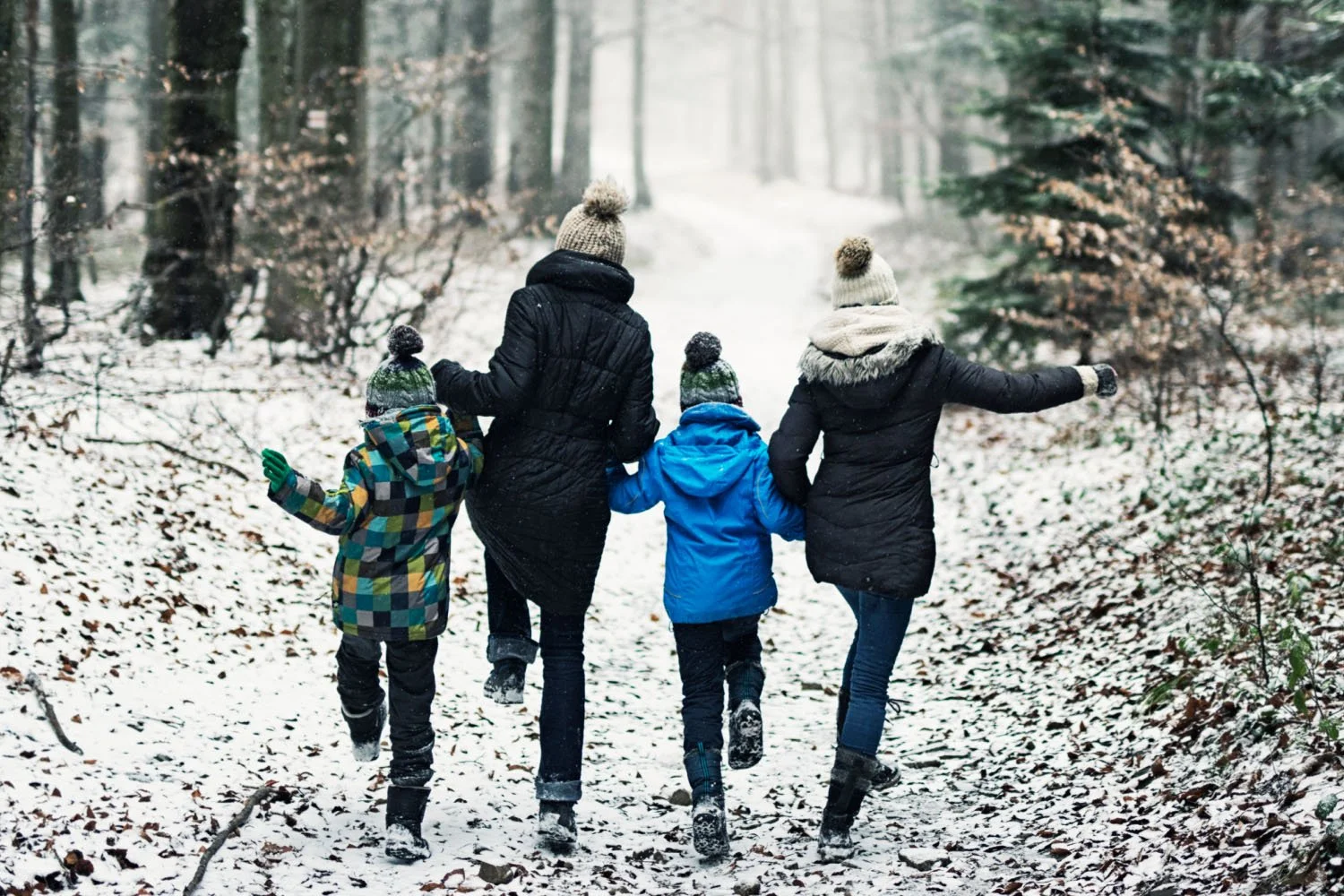
The holiday season arrives each year laden with expectations of warmth, joy, and familial harmony. Yet, for many, the reality of December involves navigating a complex landscape of emotional exhaustion, financial pressure, and deep-seated holiday baggage. Between the arduous task of selecting thoughtful gifts, braving crowded retail stores, and recreating labor-intensive generational recipes, the festive period can quickly transform from a season of comfort into a source of significant stress.
Rather than succumbing to the rigid script of what Christmas is ostensibly "supposed" to be, a growing cultural shift is encouraging people to slow down, reset, and design holiday traditions that genuinely serve their mental health and foster authentic connections with family and chosen circles. Experts note that traditions do not require perfection or adherence to external standards; instead, their true value lies in their capacity to cultivate shared laughter, emotional bonding, and a sense of ease.
The pressure to maintain perpetual gratitude and cheer—even when facing underwhelming gift exchanges or family friction—often leaves individuals feeling isolated in their overwhelm. By shifting focus away from historical baggage and perfectionism, households are discovering that meaningful rituals can be remarkably simple, low-stakes, and tailored to the emotional needs of those involved.
A foundational aspect of this seasonal reset involves reimagining familiar activities, starting with the decoration of the home. While "decking the halls" is traditionally viewed as a mandatory aesthetic checklist, it can be reframed as a collaborative team effort. Rather than stressing over a meticulously styled interior, individuals are turning ornament hanging and light stringing into relaxed bonding opportunities accompanied by music, shared memories, and lighthearted competition. Mental health advocates suggest anchoring these moments in mindfulness by taking time to discuss the stories behind specific decorations and setting intentional expectations for the weeks ahead.
Similarly, traditional holiday movie nights offer an antidote to the relentless hustle of "doing" during December. Escaping the pressure of constant productivity by gathering under blankets for a classic film allows families and friends to practice quality time without agenda. When disagreements arise over viewing selections, scheduling a rotating film marathon ensures that everyone gets a chance to share a favorite piece of cinema, reinforcing inclusivity and mutual appreciation.
Creative pursuits, such as crafting personalized ornaments or designing homemade keepsakes, further strip away the demand for flawlessness. Embracing imperfect creations—such as a friend’s accidentally eccentric handmade decoration—fosters an atmosphere of humor and warmth that a sterile, magazine-worthy home cannot replicate. Focusing on the sensory process of working with one’s hands, accompanied by seasonal acoustic music, helps ground individuals in the present moment.
Acts of service and philanthropy also take on a more manageable form when approached through the lens of personal capacity. While large-scale volunteering is admirable, packed holiday schedules can make it difficult to sustain. Communities are finding that smaller, collective gestures—such as a group gathering to donate a single unused item or book to a local charity—provide the emotional benefits of giving back without inducing guilt or burnout. Following these activities with reflective conversations about gratitude helps reinforce a sense of community connection.
Communication rituals are likewise evolving. While children traditionally write letters to Santa Claus, adults and peers are increasingly adopting letter-writing practices directed at one another. Expressing gratitude, highlighting cherished memories, and sharing hopes for the upcoming year through handwritten notes creates a lasting emotional archive. These letters, saved and read aloud on Christmas Eve or morning, anchor the holiday in genuine appreciation rather than material exchange.
Musical traditions, too, are being adapted to modern comfort levels. While traditional door-to-door caroling remains a classic custom, many prefer hosting intimate karaoke nights featuring holiday playlists or simply singing along during home decorating sessions. The emphasis remains on shared joy and playfulness rather than performance quality, allowing participants to set a collective intention of levity and connection.
Culinary traditions are undergoing a similar relaxation of standards. Baking holiday treats together provides a multisensory experience where the quality of the final product matters far less than the shared laughter around the kitchen counter. Savoring the aromas, textures, and tastes of seasonal baking encourages mindful engagement, while packaging leftover goods for neighbors and coworkers extends the spirit of generosity outward.
For those seeking respite from technology and seasonal acceleration, quiet rituals such as shared reading offer a deliberate pause. Reading aloud from a favorite holiday book or listening to an atmospheric winter audio story while enjoying warm beverages creates a sanctuary of calm within a typically hectic schedule. These practices encourage mental stillness and offer a reliable buffer against holiday fatigue.
Reflecting on the passage of time is another way individuals process the conclusion of the calendar year. Rather than viewing December’s arrival with melancholy, people are utilizing scrapbook-making sessions or digital photo slideshows to celebrate annual highlights. Compiling ticket stubs, photographs, and meaningful keepsakes together provides a tangible record of shared experiences, anchoring the family unit in a collective sense of gratitude.
The desire for genuine rest has also popularized the concept of dedicated pajama days. By carving out a single day to remain in comfortable loungewear, share a simple meal, and disconnect from external pressures, loved ones can reclaim the holiday as a period of true restoration. Experts emphasize that making such days screen-free enhances interpersonal presence, allowing individuals to notice and appreciate small, humorous details of shared domestic life.
Anticipation can likewise be cultivated through flexible advent calendars centered on shared experiences rather than material consumption. Exchanging small cards inscribed with simple, low-effort activities—such as brewing hot chocolate or hanging a specific decoration—ensures that every day holds a small point of connection.
Finally, engaging with seasonal displays, such as driving through local light installations or walking through decorated neighborhoods, offers a zero-pressure way to appreciate the aesthetic beauty of the season. Pausing amidst glittering lights with a warm beverage allows individuals to practice situational awareness and embrace the present moment.
As cultural attitudes shift toward mental health awareness, the reinvention of Christmas traditions highlights a collective desire for authenticity. By releasing the burden of perfection and focusing on connection, rest, and shared joy, individuals and families continue to forge holiday customs that genuinely nourish their well-being.
Transitioning into November: Remembrance and Harvest
The season begins at the intersection of October and November with Samhain, a sacred Pagan and Wiccan festival marking the definitive end of the harvest season and celebrated by many as the Wiccan new year. This ancient observance sets a reflective tone for the darker, colder months ahead, emphasizing cycles of nature, memory, and spiritual renewal.
As November officially begins on the first of the month, Christian communities observe All Saints Day, also historically known as All Hallows Day. This day is dedicated to honoring all the saints from Christian history, reinforcing the theological understanding of an enduring spiritual connection between heaven and earth.
Concurrently, November 1 and 2 mark the observance of Día de los Muertos, or the Day of the Dead. Traditionally celebrated in contemporary Mexico and among communities of Mexican heritage in the United States, this vibrant and deeply meaningful holiday centers on the belief that the souls of the departed return to visit their living family members. To welcome and honor these visiting souls, participants traditionally visit the graves of deceased loved ones and construct elaborate ofrendas, or altars, adorned with photographs, candles, and the favorite foods and drinks of the departed. Prominent artistic symbols of the holiday include calacas representing skeletons and calaveras depicting intricately decorated skulls. Within these celebrations, well-wishers often greet one another by saying, “Feliz día de los Muertos.”
The theme of remembrance continues on November 2 with All Souls Day, a solemn Catholic holy day marked by dedicated prayer and worship to commemorate the souls of all the faithful departed, bridging grief with enduring spiritual hope.
Mid-November Observances: Light, Sacrifice, and Heritage
Shifting across cultural traditions, November 8 brings Dev Diwali, also known as Dev Deepavali or "the Diwali of the Gods." Celebrated on the full moon exactly 15 days after the primary festival of Diwali, Dev Diwali commemorates the Hindu goddess Ganga ma, the revered personification of the sacred river Ganges. According to Hindu mythology, this is the auspicious night when the gods descend to Earth to bathe in the purifying waters of the Ganges, inspiring widespread festivities, lighting of lamps, and devotional gatherings.
Later in the month, on November 24, communities observe significant milestones within the Sikh tradition. This date marks the Martyrdom of Guru Tegh Bahadur Sahib, commemorating the supreme sacrifice made by the ninth Sikh Guru to protect the fundamental rights of religious freedom for both Sikhs and non-Sikhs alike. Simultaneously, Sikhs observe the birth anniversary of Guru Nanak Dev Ji, the foundational figure and founder of Sikhism, whose teachings of equality, selfless service, and devotion continue to guide millions worldwide.
Days later, on November 28, the Baháí community observes the Ascension of Abdu'l-Bahá. This sacred day marks the passing ofAbdu’l-Bahá, a central figure and leader of the Baháí faith who meticulously modeled its core principles throughout his life, serving as an enduring ethical and spiritual example for the faith’s followers globally.
As the month draws closer to its end, Christian traditions observe St. Andrew’s Day on November 30, celebrating the life and legacy of St. Andrew, recognized in scripture as the "first-called" among the twelve disciples of Jesus. Additionally, November 29 marks the beginning of Advent—derived from the Latin word adventus, meaning "coming"—a reflective liturgical season observed within the Christian calendar as a dedicated time of waiting, spiritual preparation, and anticipation for the birth of Jesus at Christmas.
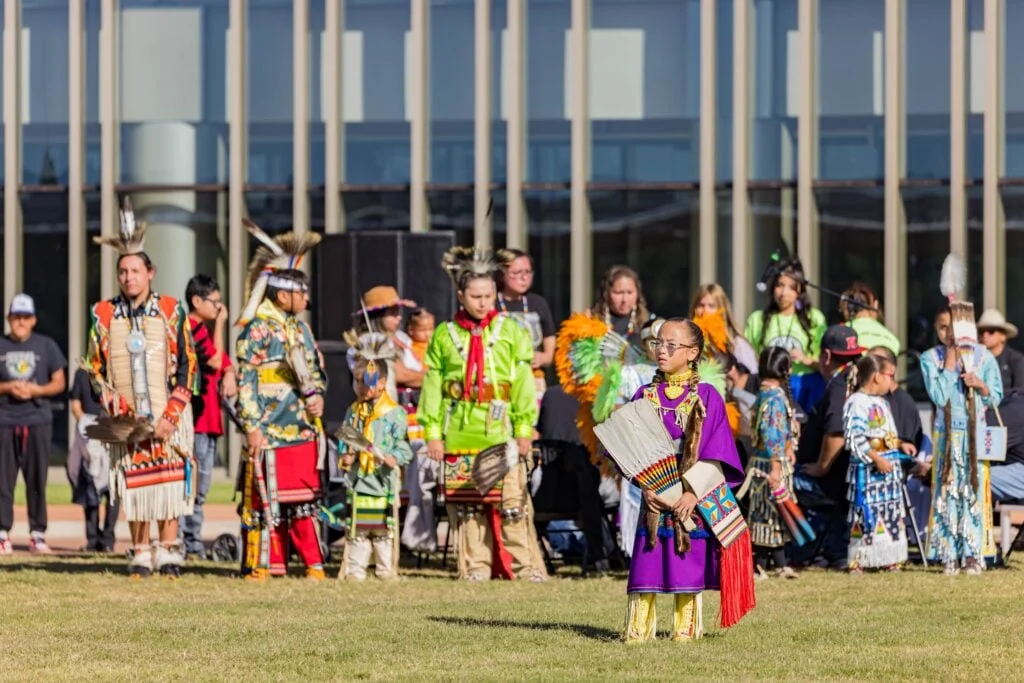
Beyond these specific holy days, the entire month of November is officially recognized as Native American Heritage Month. This national designation celebrates the profound contributions, diverse cultures, rich traditions, and complex histories of Indigenous peoples to the United States, providing an essential context of gratitude and recognition throughout the autumn season.
December 2026: A Season of Light, Festivity, and Anticipation
The momentum of cultural and spiritual observance carries seamlessly into December, beginning on December 6 with St. Nicholas Day. This Christian holiday commemorates Saint Nicholas, the historical bishop of Myra who became widely celebrated as the patron saint of children and the legendary inspiration behind modern gift-giving traditions.
On December 8, observers mark multiple significant traditions. In the Buddhist tradition, Bodhi Day commemorates the historic day that Gautama Buddha is said to have attained enlightenment, or "bodhi" in Sanskrit and Pali. Bodhi Day is typically observed quietly, often involving contemplative meditation, chanting practices, the decorative use of bodhi trees, or the sharing of simple meals like tea and cookies among practitioners. Simultaneously, Roman Catholics observe the Feast of the Immaculate Conception, celebrating the theological doctrine that the Virgin Mary was conceived without original sin.
Days later, on December 12, millions observe the Feast Day of Our Lady of Guadalupe. This date commemorates the miraculous reported appearances of the Virgin Mary to St. Juan Diego, an Indigenous man, in Mexico in 1531. The feast day remains an immensely important religious and cultural holiday in Mexico and among Mexican Americans, providing a powerful expression of religious devotion and cultural identity.
The calendar also embraces major communal festivals of light and faith during mid-December. Running from December 5 to December 12, Hanukkah—the Jewish Festival of Lights—begins at sundown on December 4. This eight-day celebration features the ritualistic lighting of a candle on the menorah each evening, alongside the giving of gifts, traditional games with the dreidel, and the preparation and serving of classic culinary staples like latke potato pancakes.
Running from December 16 to December 24, Las Posadas ("The Inns" in Spanish) is a traditional religious festival celebrated widely in Mexico and parts of the United States during the Christmas season. The festival dramatizes the arduous journey that Joseph and Mary made from Nazareth to Bethlehem before the birth of Jesus. Each evening throughout the festival, a child dressed as an angel leads a festive procession through neighborhood streets, reenacting the search for shelter.
As the month progresses, December 21 brings Yule, a traditional Pagan and Wiccan holiday celebrating the winter solstice. Marking the longest night of the year and the gradual return of the sun, Yule emphasizes central themes of light, fire, warmth, and communal feasting.
Christmas Day follows on December 25, standing as one of the most widely observed Christian holidays commemorating the birth of Jesus. The sequence of holiday observances continues immediately on December 26 with St. Stephen’s Feast Day, honoring the life, ministry, and ultimate martyrdom of St. Stephen, recognized as the first Christian martyr and a tireless servant to the poor.
Finally, concluding the calendar year from December 26 to January 1 is Kwanzaa. This annual celebration honors African American culture, community, and heritage through a series of traditional observances that include songs, dances, storytelling, and a shared communal feast known as Karamu, which typically takes place on the sixth day of the celebration.
As Interfaith America continues to highlight these diverse traditions, the organization encourages contributions that present a wide range of experiences, worldviews, and perspectives on the unique opportunities and challenges of American pluralism.