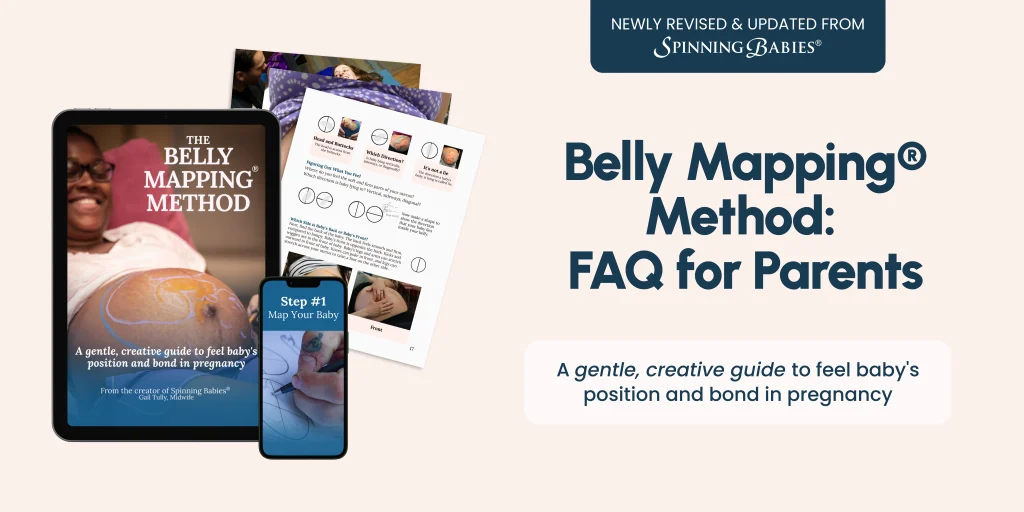
In the journey toward parenthood, the months of pregnancy are often filled with clinical check-ups, medical screenings, and a constant flow of data from ultrasounds and fetal monitors. Yet, amidst the technical landscape of modern obstetrics, there remains a deep, human desire for personal connection—a way to bridge the gap between the internal, unseen reality of a growing baby and the expectant parent’s anticipation. It is this intersection of physiological awareness and emotional bonding that founder Gail Tully seeks to address with the publication of The Belly Mapping® Method book, a resource designed to transform how parents and professionals perceive the final trimesters of pregnancy.
The Belly Mapping® Method is fundamentally a hands-on, three-step process that empowers expecting parents to gently palpate their abdomen to identify their baby’s position within the womb. More than just a clinical exercise, the method is presented as a joyful, intuitive practice that encourages parents to slow down and listen to the subtle cues provided by their baby’s movements. For the expectant parent, the practice offers a way to move beyond the passive observation of a screen and into an active, tactile relationship with their child. For the professional—whether a doula, midwife, or childbirth educator—it serves as a collaborative tool that shifts the focus from purely provider-led assessments to a parent-centered approach that fosters confidence and informed awareness.
A New Perspective for Parents
For many parents, the primary appeal of the Belly Mapping® Method lies in its simplicity and the sense of agency it provides. The process, which is best initiated in the third trimester after 28 weeks, allows families to develop a deeper understanding of how their baby is positioned. As the baby grows, the space within the uterus becomes more defined, making the practice increasingly intuitive. By using the pads of their fingers rather than forceful pressure, parents can explore the contours of the womb, turning a routine moment of rest into an opportunity for discovery.
While the practice is intended to be simple, it is not framed as a medical diagnosis. The developers of the method are clear that while it is a powerful tool for connection, it does not replace the precision of diagnostic tools like ultrasound. Instead, it offers a three-dimensional, sensory-based experience that can complement the information provided by clinical visits. Parents often find that their own estimations, built through daily or weekly interaction, are later validated by their healthcare providers. Furthermore, the method provides a unique psychological benefit: it transforms the abstract experience of pregnancy into something tangible. Many families have embraced the practice as a creative ritual, using the insights gained to document their journey, sometimes even through artistic expressions like belly painting, which serves as a lasting keepsake of the pregnancy.
The practical benefits are equally significant. Understanding the baby’s position can have a profound impact on the birth experience. By recognizing how a baby enters the pelvis, parents can work with their healthcare team to explore different postures and comfort measures that may facilitate a smoother labor. This awareness is particularly useful when a baby is in a less-than-ideal position, such as breech. Early identification through the Belly Mapping® Method allows parents to discuss balancing techniques and alternative options with their care providers well in advance, rather than discovering the position unexpectedly during the onset of labor.
Bridging the Gap in Professional Practice
While parents find the method inherently bonding, professionals in the birth community are also finding that the resource fills a critical gap in prenatal education. Traditional clinical palpation, such as Leopold’s Maneuvers, is designed for the provider to gather data for medical records. The Belly Mapping® Method, conversely, is designed to be shared. By inviting parents to participate in the assessment process, providers can turn a standard examination into an educational dialogue.
This collaborative approach allows professionals to use the parent’s observations—such as where they feel the most frequent kicks or where they perceive the baby’s back—as a starting point for deeper conversations about fetal positioning and labor preparation. When a midwife or doula validates a parent’s observations, it builds trust and reinforces the parent’s confidence in their own body. It also allows the professional to offer guidance, helping to correct common misinterpretations, such as confusing a firm head with a bony knee, or mistaking the sensations of an anterior placenta for the baby’s movements.
For the professional, the value of the method extends into the labor room. When parents have been practicing the method throughout their pregnancy, they are often more adept at identifying shifts in their baby’s position as labor progresses. This heightened body awareness can be a catalyst for meaningful intervention, such as encouraging the parent to change positions to help the baby navigate the pelvis more effectively. Because the method is a registered trademark of Spinning Babies®, it is presented as a professional-grade tool. While it is accessible to all, the brand emphasizes the importance of proper training; only those who have completed certification, such as Spinning Babies® Certified Parent Educators, are authorized to teach the method in a formal or promotional capacity. This ensures that the information shared with families remains consistent, safe, and evidence-informed.
Addressing Common Concerns and Misconceptions
The transition to using the Belly Mapping® Method is not always seamless, and the book addresses this with a pragmatic outlook. It is common for parents to feel unsure or frustrated when they first attempt the practice, particularly if the baby is active or tucked behind the placenta. The guidance provided in the text emphasizes that these challenges are normal. It encourages parents to view the practice as a process of learning rather than a test of accuracy. If a specific session does not yield clear results, the advice is simply to try again at another time or to invite a partner or professional to assist.
Safety remains a central tenet of the instruction. The method stresses that the touch involved must be gentle. The goal is not to manipulate the baby into a specific position through force, but to identify the position the baby has already chosen. If a parent experiences any pain or discomfort, they are instructed to stop immediately and adjust their pressure or position. The importance of comfort for the parent is also emphasized; for instance, the book recommends reclining on pillows with support under the knees, which not only helps the parent stay relaxed but also encourages the abdomen to soften, making the baby’s form easier to palpate.
Empowering Families for the Future
As more families and practitioners incorporate the Belly Mapping® Method into their prenatal routines, the conversation around birth is slowly shifting. By moving away from a model where the parent is merely a recipient of clinical information to one where they are an active, knowledgeable participant in their own care, the method fosters a sense of empowerment.
Whether it is used to alleviate the anxiety associated with an unknown fetal position or simply to foster a quiet moment of connection in the midst of a busy day, the method serves as a bridge between the physical and emotional aspects of pregnancy. The book acts as a comprehensive repository for this knowledge, ensuring that the techniques developed by Gail Tully are available to anyone looking to deepen their engagement with the birth process. By providing answers to common questions and clear, accessible instructions, it serves as a foundational resource for a more connected, informed, and confident approach to bringing a new life into the world. For those looking to integrate these practices into their own journey or professional repertoire, the text remains an essential starting point for exploring the intricate, and often surprising, landscape of the womb.
Could mental models be the ultimate key to streamlining our increasingly hectic days?
Do you ever experience those specific days when everything seems to spin completely out of control, and it feels entirely impossible to fit in all the tasks you need to accomplish? Of course you do. You are human, and more importantly, you are a parent balancing the unpredictable demands of raising children while managing a career and personal responsibilities.
Many parents know this feeling intimately. One recent morning began like any typical weekday, quickly spiralling into a whirlwind of chaos. While the author normally works from home, this particular day brought a major professional commitment: an invitation to present at a live international webinar. It was an important milestone, and careful preparation had been underway for some time.
The logistical plan was straightforward on paper. The schedule required getting dressed, feeding the children, dropping them off at school, and then heading directly to the studio where the webinar was scheduled to be broadcast live to a global audience.
However, reality quickly intervened. Going into the daughter’s room to wake her up, she was nowhere to be found. A search led to the bathroom, where she was suffering from a sudden bout of gastrointestinal illness. After helping her get clean and comfortable, attention shifted to waking the son to keep the morning moving forward.
During breakfast, the young boy felt that his sister was receiving all the attention due to her illness. In a classic bid to shift the focus back to himself, he began crying inconsolably because his socks felt "too lumpy."
Even after navigating the morning’s unexpected sock crisis, the mounting logistical puzzle remained daunting. The son still needed to be transported to school, the sick daughter needed to be dropped off safely at Grandma’s house, and the speaker had to make it to the broadcast studio on time. The mind was tumbling like a washing machine during a heavy spin cycle. Even the most simple, routine tasks had begun to feel as impossible as trying to put squeezed toothpaste back inside the tube.
Days of unexpected disruption and pressure are an inevitable part of everyday life. They are, without a doubt, a fundamental nature of parenting. Modern life can be remarkably complicated, requiring adults to constantly manage competing desires, urgent priorities, and sudden emergencies. So how can individuals predictably achieve good outcomes in such a complex, unpredictable environment?
Introducing Mental Models
Day to day, the sheer volume of information that human brains need to process can sometimes become completely unmanageable. To deal with this ongoing problem and safeguard ourselves against perpetual mental overwhelm, the human brain utilizes cognitive frameworks known as mental models. Mental models subconsciously order incoming information using higher-order representations, helping the brain simplify what is otherwise overwhelmingly complex.
These mental tools function much like cognitive shortcuts. They represent the accumulated wisdom that others have already figured out to improve overall life efficiency, distilling the complexity of thousands of thoughts and actions into simple, actionable explanations.
Shane Parrish, the founder of the popular self-improvement blog Farnam Street, has described the concept clearly: "A mental model is simply a representation of how something works. We cannot keep all of the details of the world in our brains, so we use models to simplify the complex into understandable and organisable chunks. The quality of our thinking is proportional to the models in our head and their usefulness in the situation at hand."
Being aware of different mental models, and consciously applying them in the right situations, can help individuals deal with modern complexity, reduce the risks associated with difficult decisions, and provide a broader range of options for how to respond under pressure.
Three Mental Models for Parenting
Experience shows that certain mental models are particularly useful when applied to the daily challenges of parenting. They help bring order to sudden chaos, overcome deep overwhelm, maintain necessary perspective, and successfully achieve desired outcomes even when plans go awry.
The first valuable concept is the Pareto principle, widely known as the 80/20 rule. This principle states that for many common outcomes, roughly 80 percent of consequences originate from approximately 20 percent of the causes. This mathematical observation proves remarkably handy in everyday life. It can be applied when juggling numerous competing priorities—which describes a parent’s reality most of the time—or when experiencing acute feelings of overwhelm.
When facing an avalanche of tasks, asking a single guiding question can change everything: "Of all the things I need to do, what are the one or two things that will produce 80 percent of the results I want?" This simple mental exercise helps direct focus toward just one or two critical actions while temporarily setting aside the rest, ensuring that energy is spent where it will produce the most significant outcome.
The second helpful concept involves analyzing bottlenecks and constraints. This mental model is frequently useful for identifying upstream blockages that prevent children and teenagers from progressing or achieving their goals. When young people face a difficult challenge, it is natural for adults to look at the immediate situation at face value. However, the root cause of the problem is often located much further upstream.
For example, when a child feels nervous about reading a passage aloud to a classroom, a superficial response might involve having the child repeatedly practice reading that specific passage at home. Yet, applying the bottlenecks and constraints model encourages a deeper look upstream, revealing that the core issue is often a lack of confidence and self-esteem. Treating only the reading performance provides merely a temporary band-aid solution to a much deeper challenge.
The third essential framework is the circle of competence. In professional psychology, the primary aim is to best serve patients by understanding the exact boundaries of where professional competence begins and ends with respect to a patient’s specific needs, leading to appropriate referrals when necessary. Similarly, parents are required to perform across extremely diverse domains. In some areas, parental performance carries minimal long-term implications, but in others, the stakes are exceptionally high.
Recognizing the difference between areas of competence and incompetence is vital. Utilizing the circle of competence mental model allows individuals to clearly differentiate the domains where they possess expertise from the areas where they do not. Acknowledging these knowledge gaps enables parents to bridge them effectively, either by actively improving their own understanding or by seeking outside input and professional support.
Mental models are certainly not universal cure-alls for every daily struggle. Just like any psychological tool, they remain open to interpretation and possess their own inherent limitations. However, many find that these frameworks provide the ability to see the broader picture in any given circumstance, highlighting precisely where to focus effort and attention. For busy parents navigating the daily balancing act of work, family, and unexpected crises, having structured ways to reduce stress and overwhelm can be a meaningful gift.
In the rhythm of daily life—juggling work commitments, managing household chores, raising children, and navigating the endless demands of modern schedules—it is easy for couples to slowly drift apart. Decades of marriage and a full family life can often extinguish the initial fire and romantic closeness that first brought two people together. For many, the profound sense of connection is replaced by parallel routines, leaving partners to wonder how they ended up feeling more like roommates than soulmates.
Drawing parallels to spiritual devotion, relationship experts and long-married couples suggest that just as maintaining a close relationship with God requires intentional time and persistent effort, nurturing a marriage demands the exact same dedication. Far too often, partners fall into the trap of taking each other for granted, assuming that a shared history is enough to sustain the bond. However, relationship advocates emphasize that couples do not have to remain passive victims of time and busyness. By adopting a few deliberate strategies, partners can actively reconnect and rebuild intimacy.
Examine Yourself First
When romantic distance creeps into a marriage, the instinctive reaction is often to point out the shortcomings of the other person. Yet, introspection is frequently cited as the critical starting point for renewal. Just as personal reflection and the acknowledgment of shortcomings can bring a sense of spiritual renewal, examining one’s own heart within a marriage can uncover hidden barriers to intimacy.
Relationship mentors note that superficial fixes, such as buying new clothing or planning a quick getaway, rarely resolve underlying emotional disconnection if unaddressed personal attitudes are standing in the way. True intimacy requires humbling oneself, evaluating personal faults, and seeking forgiveness where necessary. This involves asking difficult questions about one’s own contribution to a stagnant or strained relationship. Have external complaints become too frequent? Has the partner been taken for granted, or reduced merely to a functional contributor on a household chore list? By looking inward and addressing personal blind spots, individuals often discover that shifting their own posture can dramatically alter the dynamic of the relationship.
Spend Quality Time Together
In certain seasons of family life—particularly during the demanding years of raising teenagers—carving out dedicated alone time with a spouse can feel nearly impossible. Even after children leave the home, couples can find themselves entrenched in separate routines and distinct interests unless they consciously choose otherwise.
Just as regular communication and dedicated focus are necessary to cultivate any deep relationship, a marriage requires protected, uninterrupted time. Long-married couples often find that establishing routine habits can bridge the physical and emotional gap. Simple practices, such as taking a daily walk together without distractions, scheduling regular lunch dates while children are at school, or planning intentional getaways, provide the necessary space for meaningful dialogue. Experts stress that this time must go beyond logistics and household management; it requires what many call "heart talk"—sharing the genuine inner workings of one’s thoughts, challenges, and joys.
Have Adventures Together
Relationship research increasingly underscores the value of shared novelty in sustaining and reviving romance. Studies in social psychology indicate that engaging in activities that are new, interesting, challenging, and exciting promotes greater relationship quality, higher satisfaction, and deeper mutual commitment. When couples step out of their comfort zones and experience unfamiliar environments or challenges together, they learn new facets of one another and strengthen their emotional bond.
These shared adventures do not necessarily require grand gestures or extravagant travel. Couples have reported successfully rekindling their connection through unexpected activities, such as adopting new shared hobbies, learning to play pickleball, traveling to unfamiliar destinations, hosting dinners for new acquaintances, or taking on new volunteer roles within their communities. Whether it is learning to navigate a new sound system to dance in the living room or stepping into leadership roles within a community group, facing unfamiliar experiences as a team helps couples break out of monotonous cycles and rediscover joy in each other’s company.
Serve Your Spouse
The transition from passionate infatuation to long-term companionship often brings moments of frustration, leading some partners to feel as though their loving feelings have permanently vanished. However, psychological research suggests that love is not merely a passive emotion that happens to a person, but an active choice demonstrated through behavior. Studies indicate that performing intentional, loving actions toward a partner can actually cultivate and restore warm emotional feelings over time.
Serving a spouse—often in small, unnoticed ways—can profoundly shift a partner’s internal attitude. Whether it is taking extra time to fold laundry thoughtfully, offering a listening ear, or respecting a partner’s need for quiet transition time after a stressful workday, acts of service dismantle selfishness and foster genuine affection. By prioritizing a spouse’s needs and approaching daily interactions with an attitude of grace, individuals frequently find that their own capacity for love and patience expands, transforming the daily experience of marriage from the inside out.
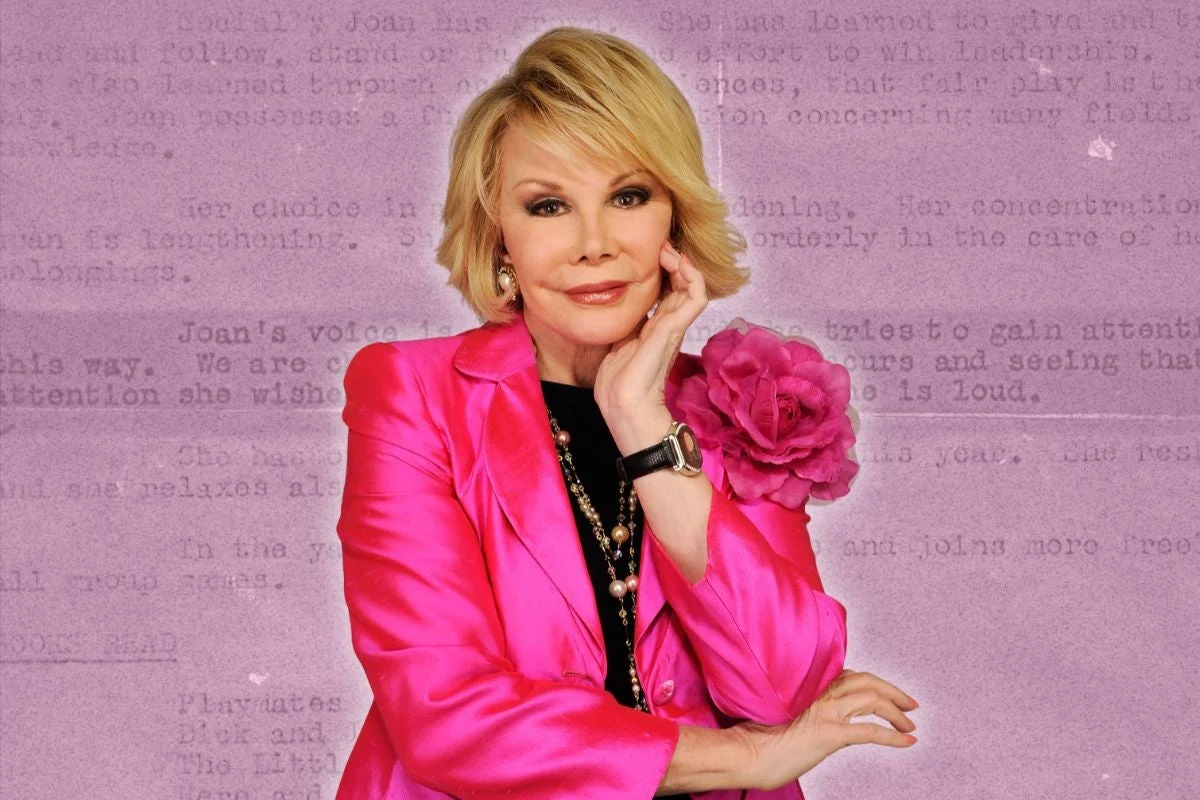
In between promotional videos for her podcast, Group Text, television personality and producer Melissa Rivers has been treating her social media followers to a steady stream of nostalgic and heartfelt content dedicated to her mother, the legendary Jewish comedian Joan Rivers. Recently, Melissa posted a clip on Instagram from a 2015 appearance on The Tonight Show Starring Jimmy Fallon that instantly reminded audiences just how much they love, miss, and cherish the indelible comedy icon.
The resurfaced clip dates back to 2015, roughly a year after Joan Rivers passed away at the age of 81. At the time of the television appearance, Melissa was actively promoting The Book of Joan, a deeply personal memoir she wrote about growing up with her mother, chronicling the trials, tribulations, and endless laughter of their unique dynamic. During the segment, Melissa brought along a piece of rare memorabilia to share with Fallon and the studio audience: pages from Joan’s actual grade school report cards.
The first report card, dating all the way back to 1939 when Joan was just a first-grade student, offered an amusing glimpse into the early life of a future superstar. The teacher’s notes read, “Joan’s voice is still loud and she tries to gain attention this way. We are checking this habit as it occurs and seeing that the attention she wishes is not forthcoming when she is loud.”
Before reading the second report card, which came from Joan’s fourth-grade class, host Jimmy Fallon looked at the audience and remarked, “You can’t make this stuff up.” The fourth-grade evaluation continued the hilarious thematic preview of Joan’s adult personality, stating, “Joan is learning to be self-reliant and to gain recognition through accomplishment rather than through complaining. She is fast overcoming her tendency toward bribery in order to win friends.”
Complaining loudly for attention and resorting to minor bribery to secure friendships might not be standard advice for modern youth, but both traits felt so quintessentially, perfectly Joan Rivers. Long before she was breaking barriers as a trailblazing female comic, hosting red carpets, and dominating late-night television, Joan was already carving out a larger-than-life presence that demanded the room’s attention.
While the world knew Joan Rivers for her groundbreaking comedy career, sharp tongue, and fearlessly unapologetic humor—and generations of television viewers knew her lovingly as the voice of Bubbe in an iconic Yom Kippur episode of the animated children’s series Arthur—she was equally famous among friends and archivists for her meticulous record-keeping. Joan never threw anything away. Alongside those priceless grade school report cards, she saved decades of personal letters, telegrams, newspaper clippings, and historical mementos.
At the center of this archival treasure trove was her legendary joke archive. Joan kept every single joke she ever wrote on handwritten index cards, which were immaculately organized and filed away by category. In 2017, Melissa Rivers honored this obsessive organizational habit by publishing a stunning coffee table book titled Joan Rivers Confidential: The Unseen Scrapbooks, Joke Cards, Personal Files, and Photos of a Very Funny Woman Who Kept Everything.
Those very same joke cards—numbering more than 65,000 in total—now reside safely in a 52-drawer filing cabinet at the National Comedy Center in Jamestown, New York. Melissa made the generous decision to donate the massive collection in 2023, a move that proved not only culturally significant for the preservation of comedy history, but also fortuitous given subsequent personal tragedy.
In 2024, Melissa lost her home in the devastating Palisades fire. She has since spoken candidly about the heartbreak of losing the vast majority of her family’s physical legacy, particularly the belongings tied to her father’s side of the family. During a 2025 episode of her podcast, she reflected on the immense loss, noting that nearly every piece of physical evidence proving her father’s family ever existed had been completely destroyed, emphasizing the poignant reality of a family that had originally fled from the Nazis. Amidst such profound devastation, knowing that cultural institutions like the National Comedy Center hold pillars of Joan’s professional legacy provides a vital anchor to history.
The connection between the Rivers family and Jimmy Fallon’s show spans across a decade of shared television history. At the conclusion of Melissa’s 2015 appearance on The Tonight Show, she presented the host with a special gift: an original, framed joke card handwritten by Joan herself. Ten years later, coinciding with the resurfacing of the old clip, Melissa appeared on Fallon’s show once again, where the host proudly revealed that the framed joke card has been hanging in his dressing room every single day since the moment it was given to him.
As the holiday shopping season accelerates and consumers increasingly search for alternatives to conventional retail items, a new curation of unusual, health-conscious gift ideas has been introduced to the market. Moving past the standard rotation of predictable kitchen gadgets, clothing items, and conventional children’s toys, this specialized gift compilation focuses on practical, usable, and wellness-oriented products designed to ensure recipients never find their gifts relegated to gathering dust on a shelf.
Targeting weddings, birthdays, or everyday gift-giving occasions, these selections emphasize utility and health benefits. Furthermore, households sharing living spaces can capitalize on the inherent wellness advantages these items bring directly into the domestic environment. Spanning several categories—ranging from innovative food and beverage selections to advanced recovery tools, nature-inspired products, and eco-friendly home goods—the curation highlights items that many recipients are unlikely to already possess.
Food and Drink
The culinary category leads the collection with items focusing on molecular hydration, specialized nutrition, and artisanal craftsmanship. Among these is the Mayu Swirl, a device designed to recreate structured water reminiscent of fresh mountain springs. Modern plumbing systems and holding tanks typically strip water of the specific molecular structure and mineral infusion acquired as it flows through natural pathways. The swirling mechanism helps restore this structure, allowing users to enhance the water further by adding minerals prior to the aeration process.
In the confectionery space, Spring and Mulberry chocolate bars offer an artisanal approach to sweets. Sweetened naturally with dates and utilizing fair-trade, organic ingredients, these bars showcase unique flavor combinations that highlight diverse, health-supportive components available from global agricultural sources.
Coffee enthusiasts are targeted through the classic Chemex pour-over coffee maker, praised for producing a clean cup free of traditional bitterness and acidity. Pairing the glass coffeemaker with specialty wellness coffees, such as options from Four Sigmatic or Purity Coffee, elevates the brewing experience.
Other notable nutritional gifts include frozen camel milk, which shares biochemical similarities with human breastmilk, lacks common allergenic dairy proteins, and retains its texture through freezing. Additionally, Barukas nuts—wild-harvested exclusively in South America—offer a dense nutritional profile rich in protein, fiber, trace minerals, and antioxidants, with a roasting process designed to neutralize anti-nutrients.
Community Supported Agriculture (CSA) box subscriptions offer a sustainable way to support local farming operations while providing recurring deliveries of fresh vegetables, fruits, meats, dairy, or cut flowers. For a comforting evening beverage, Cacao Calm, crafted by artisan chocolatiers, incorporates stress-relieving adaptogens into a hot cocoa drink. Finally, the Clearly Filtered stainless steel water bottle and accompanying pitcher systems remove up to 99.99% of contaminants while preserving beneficial minerals, allowing users to filter water from virtually any source.
Nature Lovers
For individuals drawn to the natural world, the gift selections emphasize ethically sourced botanicals, preservation techniques, and home-cultivation kits
. Mountain Rose Herbs serves as a primary source for organic, ethically harvested bulk herbs, essential oils, teas, and DIY body care ingredients.
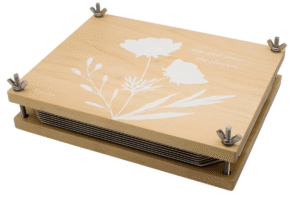
To preserve the beauty of fresh botanicals past their natural lifespan, wooden flower and plant presses allow recipients to flatten and store leaves and blooms. These pressed elements can then be arranged inside hanging glass frames for long-term home decoration.
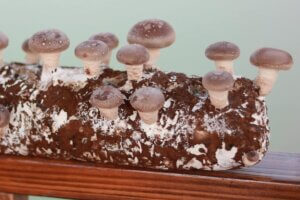
Additionally, indoor mushroom-growing kits featuring real organic logs enable recipients to cultivate shiitake mushrooms directly in their homes within ten days, requiring no specialized gardening expertise and guaranteeing two distinct harvests per log.
Kids
The children’s category focuses on educational tools, sustainable developmental products, and screen-time alternatives that prioritize cognitive well-being. The Kids Daylight Computer provides a tablet-style interface without the blue light, flashy colors, and overstimulating video content typical of standard devices, offering calm learning applications that remain legible in direct sunlight.
For language acquisition, Talkbox approaches foreign languages through a natural progression—hearing, seeing, and speaking—designed for real-life family integration. Older children and adults can engage with handmade Japanese wooden puzzle boxes, which require intricate problem-solving steps to secure valuable items, or Money Maze Puzzle Boxes that combine cash gifts with a mechanical challenge.
Addressing the needs of new parents, Hiro Diapers offer a sustainable alternative to traditional disposables. While many eco-friendly diapers exist on the market, Hiro utilizes a cotton composition, reduced plastic usage, and an included mycelium packet that facilitates complete decomposition in landfills.
Bodycare
The bodycare selection highlights advanced phototherapy and traditional natural remedies designed to improve skin health, oral hygiene, and cellular function. Red light therapy takes center stage with specialized devices such as facial masks and face wands from BON CHARGE, which operate at a cellular level to target inflammation and signs of aging.
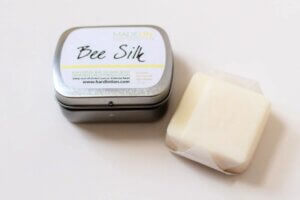
Oral hygiene is similarly upgraded through the introduction of a red light toothbrush, which combines sonic vibrations for gum massage with near-infrared and red light frequencies intended to calm gum inflammation and enhance circulation. Skin care regimens are further supported by mint-infused ice rollers for lymphatic drainage and depuffing, as well as LED teeth whitening systems that substitute harsh peroxides and chemicals with remineralizing hydroxyapatite and natural light therapy. For hair health, a red-light therapy cap stimulates follicles using specific wavelength technology during routine daily activities. Traditional hard lotion bars, formulated with nourishing natural ingredients and skin-friendly essential oils, provide a zero-waste moisturizing option.
Rest and Recover
Recovery and relaxation products emphasize portable wellness technology and ergonomic adaptations. Joovv offers compact red light therapy panels, such as the Go Light, alongside modular systems capable of expanding into full-body treatment setups. Self-massage tools, including cane-shaped trigger point massagers, allow users to apply targeted pressure to hard-to-reach muscle knots while resting.
At-home thermal therapy is represented by portable sauna blankets from brands like BON CHARGE and Higher Dose, offering an accessible method for daily sweating and relaxation. The Pranamat acupressure mat utilizes natural fibers such as untreated linen, cotton, and buckwheat hulls, featuring thousands of lotus-shaped relief points designed to stimulate circulation, release endorphins, and reduce muscle tension.
Further exploring alternative wellness technology, the WAVwatch utilizes preloaded restorative frequency sets to target specific organs and physiological concerns, ranging from sleep optimization to general discomfort. Blue light therapy glasses serve as a daytime supplement during gloomy winter months to support mood and energy levels, while LeelaQ quantum energy products aim to harmonize environmental frequencies.
Physical well-being is also supported through active seating and movement tools, including mini trampoline rebounders for lymphatic stimulation, ergonomic balance chairs that combine yoga balls with rolling desk bases, and full-spectrum light lamps designed to combat seasonal fatigue and regulate cortisol rhythms.
Everything Else
The miscellaneous category rounds out the curation with unconventional accessories, home environment solutions, and personalized keepsakes. This includes full-grain leather "magic wallets" manufactured with traditional craftsmanship and long-term durability guarantees, as well as the full-sized Daylight Computer, which provides a circadian-friendly, paper-like display for evening reading and note-taking without blue-light exposure.
Pet owners can access specialized probiotic supplements containing digestive enzymes and prebiotics formulated for dogs, cats, and horses. Extending microbiome support to the living space, Homebiotic products introduce beneficial bacteria to the household environment to help manage mold and odors. Finally, personalized hardcover photo books allow families to permanently catalog annual memories, trips, and milestones through customizable design layouts.
WHISTLER — Following a comprehensive, year-long campaign driven entirely by student initiative and community-wide collaboration, the Whistler Waldorf School has earned Canada’s highest environmental distinction for educational institutions, securing Platinum Certification from EcoSchools Canada.
The prestigious designation marks a historic milestone for the institution, establishing it as the first school in the local area to attain the top-tier environmental certification. The achievement recognizes a diverse portfolio of sustainability initiatives undertaken by students and staff over the past academic year, ranging from zero-waste school events and public community panels to rigorous composting programs and targeted fundraising efforts. By embedding these practices into daily operations, the school has successfully woven ecological stewardship into the fabric of its academic culture, laying a robust foundation for the next generation of environmental leaders.
Principal Eleanor West commended the student body and staff for their tireless efforts, pointing to the Platinum Certification as a direct reflection of the school’s enduring dedication to fostering ecological leadership among young people.
"This achievement demonstrates the power of collective action in creating lasting, meaningful change," Principal West stated, emphasizing that the milestone belongs to the students who spearheaded the daily work required to meet EcoSchools Canada’s most rigorous standards.
EcoSchools Canada is a national charity dedicated to environmental education and certification for K-12 schools. Its framework is designed to help students develop leadership skills through hands-on, school-based environmental projects that measurably reduce ecological footprints while building community-wide awareness. Achieving Platinum status requires a school to document comprehensive action across multiple pillars of environmental management, including energy conservation, waste minimization, school ground greening, and active community outreach.
For the Whistler Waldorf School community, the journey to Platinum involved transforming everyday routines into opportunities for education and conservation. Throughout the academic year, students took charge of waste reduction initiatives, ensuring that campus events operated under strict zero-waste guidelines. These efforts went beyond simple recycling programs, engaging students in the mechanics of organic waste diversion through comprehensive composting systems designed to handle food scraps and organic materials generated across the campus.
In addition to operational changes on campus, the school extended its reach into the wider community. Students organized and participated in community panels, raising public awareness regarding local environmental challenges and sustainable living practices. These public forums allowed students to articulate their learning, engage with local stakeholders, and advocate for ecological responsibility outside the classroom walls. Furthermore, student-led fundraising campaigns generated vital resources to support both on-site green initiatives and broader environmental causes, demonstrating a holistic approach to activism that combined education, community engagement, and financial mobilization.
The transition to a sustainable school culture at Whistler Waldorf reflects a growing regional and national emphasis on climate literacy and practical environmental action within educational curricula. By integrating these values directly into the student experience, the school has ensured that environmental stewardship is not merely an abstract concept discussed in textbooks, but a lived reality practiced daily by its students.
As the Whistler Waldorf School celebrates this unprecedented local distinction, the accomplishment sets a high benchmark for other educational institutions in the region. By proving that student-powered initiatives can achieve national recognition at the highest level, the school has paved the way for future environmental leadership, demonstrating how grassroots commitment can translate into substantial, certified recognition on the national stage.
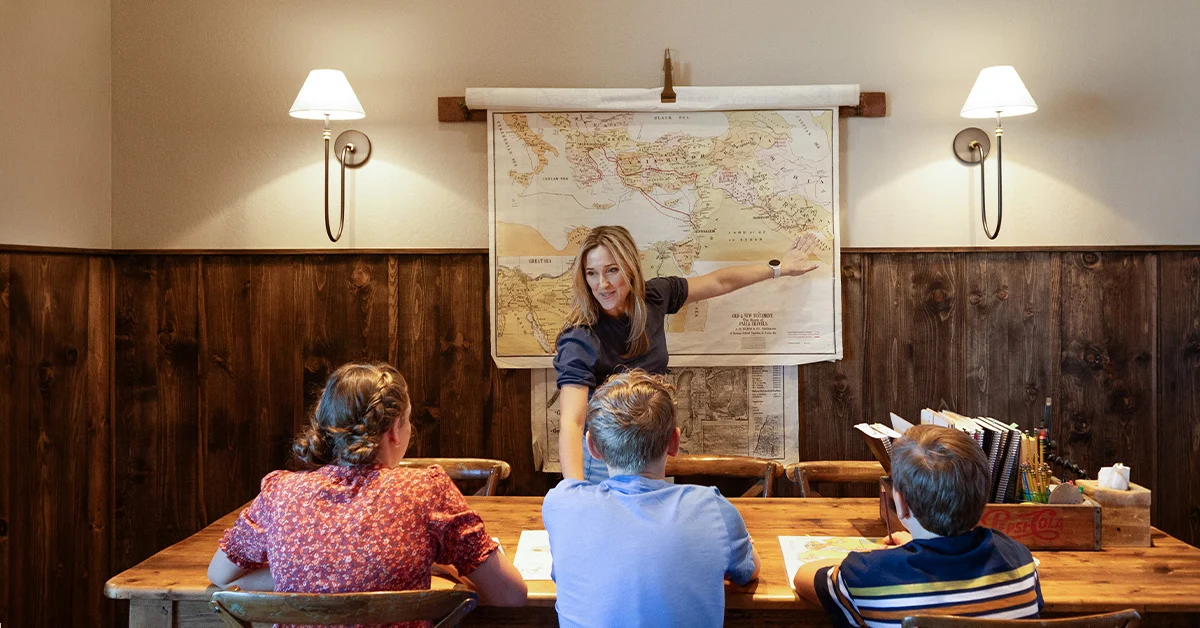
As families dive into a new academic year, students participating in Classical Conversations are transforming flat textbook pages into a dynamic, working map of the United States. Through the Foundations program, parents and children are spending the autumn semester singing through the fifty states and their capitals, while the spring term is dedicated to mastering the nation’s vast physical features, including mountain ranges, winding rivers, and historic canals. To ensure this memory work takes deep and lasting root, educators and homeschooling parents are increasingly pairing traditional recitation with immersive, hands-on activities, field trips, and creative arts integration.
The curriculum, which draws inspiration from classical education resources such as The Habits of a Classical Education: Practicing the Art of Grammar and Scribblers at Home, is designed to extend beyond mere memorization. Rather than replacing traditional recitation, these supplemental experiences give students a chance to see, build, taste, and walk through the concepts they encounter in their weekly memory sentences. By anchoring abstract geography in tangible experiences, families are building a comprehensive mental map of the entire country, one week at a time.
Fall: Bringing States and Capitals to Life
During the fall semester, Foundations students focus intensely on memorizing all fifty states and their respective capitals as part of the New Grammar geography component. Daily practice at home is typically straightforward and efficient. Parents point to blackline maps, prompting students to locate specific cities or identify the geographic positions of state capitals. While this quick-fire recitation remains an effective cornerstone of classical learning, educators note that incorporating multi-sensory activities provides students with vital cognitive anchors.
To make the process more engaging, many families have adopted creative projects such as the Capital Road Trip Journal. In this ongoing project, students compile a personalized binder or passport booklet where they record essential data for each state, including the capital, state bird, official nickname, year of admission to the Union, and a memorable historical fact. Younger siblings often contribute by coloring state outlines, while older students engage in deeper research, creating a comprehensive keepsake that grows alongside the family throughout the academic year.
In addition to kitchen-table journaling, everyday errands are frequently repurposed for geography practice. Students often maintain a state abbreviation scavenger hunt, spotting and checking off license plates in grocery store parking lots or along highways using printable checklists. This low-prep activity turns routine transit times into active learning intervals between community days.
Culinary arts also play a role in anchoring the curriculum, with families occasionally hosting capital cooking days. By preparing regional dishes—such as gumbo to represent Baton Rouge or clam chowder for Boston—students connect regional culture and geography directly to their sense of taste. This integration of food and history provides a memorable bridge between the classroom and the kitchen table.
Music further enriches the geographical study, as families explore regional American musical traditions that mirror the country’s diverse landscape. From Appalachian bluegrass and Deep South blues to New England hymnody, Midwest ragtime, and the rich musical heritage of Hawaii and Alaska, students develop an ear for the cultural soundscapes of the regions they map. Educators often highlight historical figures such as composer Charles Ives, whose incorporation of New England hymn tunes demonstrates how early American music frequently evolved from regional worship traditions. Similarly, exploring the historical compositions of figures like Queen Liliuokalani in Hawaii adds vital cultural context to the study of statehood dates.
Spring: Feeling the Physical Features
As the academic calendar shifts to spring, Classical Conversations Cycle 3 expands its geographical scope far beyond political boundaries. Over a twelve-week period, students memorize a comprehensive list of physical features, including major mountain ranges, the Great Lakes, prominent bays, river systems, historic overland trails, engineering canals, Native American regions, deserts, and landmark geological formations ranging from the Grand Canyon to the San Andreas Fault.
The spring term begins with an exploration of mountain ranges spanning the continent, from the Adirondacks and Green Mountains in the East to the towering Rockies, Sierra Nevadas, and Cascades in the West. Educational experts emphasize that molding these ranges by hand using salt dough, clay, or even shaving cream serves a dual purpose. Beyond reinforcing immediate spatial awareness for Foundations students, these tactile exercises lay critical groundwork for advanced cartography in higher-level programs like Challenge A, where students eventually practice drawing the United States and the world freehand for public presentations.
Water systems command significant focus during the middle weeks of the spring semester, as students trace the Great Lakes, major bays, and the expansive river networks of the eastern and western United States. Because waterways historically dictated climate, settlement patterns, and economic development, parents frequently integrate fundamental earth science concepts into their geography lessons.
Human history and geography intersect directly when the curriculum turns to historic overland trails and nineteenth-century canals. Families often trace historic migration routes such as the Oregon, Santa Fe, and Old Spanish trails across floor maps to simulate the slow pace of pioneer wagon trains. For the study of canals—such as the Erie and the Chesapeake and Ohio—students frequently construct working model locks out of recycled materials and clay. These hands-on engineering projects demonstrate how lock systems raise and lowering water levels to transport boats across varying elevations, bringing industrial history to life through practical mechanics.
The curriculum also addresses Native American regions and major North American deserts. Educators encourage families to explore the distinct foodways, storytelling traditions, and environmental adaptations of specific indigenous groups using authentic and primary sources, thereby moving past generalized stereotypes. When studying arid regions and prominent geological landmarks like Mammoth Cave, Niagara Falls, or Death Valley, families frequently utilize the National Park Service’s Junior Ranger programs. By completing educational booklets and participating in ranger-led activities during family hikes, students earn official badges that transform routine outdoor excursions into memorable milestones.
Community Connection and Field Experience
While home-based activities provide a steady rhythm of learning, educators stress that Cycle 3 geography is uniquely suited for real-world exploration. Families across the country frequently align their weekend outings and vacations with their current memory work, visiting state capitals, historic trails, and national parks featured in the curriculum. Major metropolitan areas—including Houston, Atlanta, Chicago, St. Louis, Washington, D.C., Seattle, New York, and Boston—serve as living classrooms where students can observe the tangible results of the historical and geographical forces they study.
As the academic year draws to a close, local Classical Conversations communities frequently celebrate their collective progress through year-end geography showcases, map-drawing exhibitions, and shared meals featuring regional dishes from across the United States. Through this combination of rigorous memory work, creative arts, tactile building, and shared community experiences, students develop a profound familiarity with the geography, history, and cultural heritage of their nation.
Picture the scene: a busy morning commute, a local coffee shop line moving at a steady pace, and the customer directly ahead of you suddenly finding their card declined. Before the awkwardness fully settles into the room, you step in, tap your phone against the reader, and cover the modest four-dollar balance. The person turns around, visibly flustered yet profoundly relieved, offering repeated thanks as the queue resumes its rhythm. While the interaction takes mere seconds, the simple act leaves both parties carrying a slightly lighter mood into the rest of the day.
Moments like this embody the essence of World Kindness Day. Celebrated annually on November 13, the global observance highlights how intentional acts of goodwill can brighten an ordinary day, yielding psychological benefits for both those receiving and those performing the gestures. As communities, classrooms, and workplaces look ahead to World Kindness Day 2026, which falls on Friday, November 13, researchers and mental health advocates continue to explore the tangible connections between altruism and human well-being.
What is World Kindness Day and How Did It Begin?
World Kindness Day operates as an unofficial global observance designed to encourage acts of kindness across all scales, ranging from minor daily courtesies to substantial community efforts. The observance traces its roots back to 1998, emerging from the efforts of the World Kindness Movement. Rather than stemming from a single visionary founder, the movement developed through a coalition of independent kindness organizations that united to promote global cooperation and empathy.
The foundational coalition was established during an international conference held in Tokyo, drawing founding members from a diverse group of nations including Japan, Singapore, Australia, Canada, Thailand, the United Kingdom, and the United States. Organizers selected November 13 for the annual celebration because it marked the opening day of that inaugural Tokyo conference, as well as the thirty-fifth anniversary of Japan’s historic Small Kindness Movement. In the decades since its inception, the observance has expanded organically, becoming a fixture in schools, corporate offices, and local communities worldwide.
The Science of Kindness: Mental Health and Stress Reduction
Most people have experienced the immediate psychological shift that follows a generous action—a sudden lift in spirits and a warmer outlook on the day. Over the years, behavioral scientists and psychologists have turned their attention to these experiences, attempting to measure the exact impact of kindness on the human brain and emotional stability.
A notable study published in 2023 by researchers at The Ohio State University explored the intersection of kindness and mental health. The research team evaluated 122 adults experiencing moderate to severe symptoms of depression, anxiety, and stress, dividing them into three distinct groups over a period of several weeks. Participants were assigned to perform acts of kindness, plan engaging social activities, or practice cognitive reappraisal—a standard therapeutic technique focused on reframing stressful thoughts from a fresh perspective.
The findings revealed that while all three behavioral interventions offered notable psychological relief, engaging in acts of kindness proved more effective at reducing symptoms of depression and anxiety than cognitive reappraisal alone. Furthermore, the group assigned to perform kind acts was the sole cohort to report a statistically significant increase in feelings of social connection with others.
These findings align with a broader body of psychological research. A comprehensive review analyzing 27 distinct studies and encompassing more than 4,000 individuals demonstrated that performing voluntary acts of kindness consistently correlates with a modest yet reliable enhancement in overall personal well-being.
Beyond general mood elevation, research suggests that kindness may serve as a psychological buffer during periods of high stress. A two-week diary study involving 77 adult participants tracked daily fluctuations in stress levels, mood patterns, and instances of helping behavior. While elevated stress predictably dragged down positive emotions on a day-to-day basis, researchers observed a distinct moderating effect on days when participants engaged in higher-than-average levels of helping behavior. On those high-stress days, the typical drop in positive mood was significantly cushioned, suggesting that extending care to others can help individuals weather difficult circumstances.
Mental health professionals emphasize important context regarding these findings, noting that the existing research primarily relies on short-term observations and self-reported emotional tracking. Consequently, researchers cannot definitively quantify the exact longevity of these psychological benefits. While altruistic behavior actively supports overall emotional health and resilience, experts stress that it does not substitute for professional medical care or clinical intervention. Individuals experiencing persistent anxiety, low mood, or chronic stress spanning multiple weeks are strongly encouraged to consult qualified healthcare providers.
Practical Ways to Engage with World Kindness Day
Observing World Kindness Day does not require grand gestures, elaborate planning, or substantial financial resources. Numerous low-pressure approaches fit seamlessly into a standard daily routine, whether an individual is navigating a workday, managing household responsibilities, or interacting within a local neighborhood.
One accessible approach involves reaching out to acquaintances or loved ones through a simple "thinking of you" message. Many individuals maintain mental lists of friends passing through difficult seasons, relatives with whom they have lost touch, or former colleagues they genuinely miss. Crafting a brief message that mentions a specific trigger—such as spotting a pet that resembles theirs—can bridge distances effectively. To alleviate any social pressure on the recipient, messages can incorporate a gentle note indicating that no reply is necessary, ensuring that individuals feeling overwhelmed are not burdened by a required correspondence.
Another meaningful avenue is expressing written appreciation to service workers, local businesses, or professional colleagues. Leaving thoughtful online reviews for small local enterprises, writing notes of gratitude to service personnel, or formally commending a hardworking employee to management can profoundly impact a recipient’s day. Such gestures draw attention to the details of everyday labor that often go unnoticed.
Similarly, offering assistance before a direct request is made allows individuals to alleviate the friction in shared environments. Whether taking on an undesirable household chore, refilling an office paper supply, or carrying a heavy load, anticipating practical needs spares others the awkwardness of asking for help.
For those with modest financial flexibility, covering a small incidental tab—such as purchasing a colleague’s lunch, rounding up a tip, or adding a friend’s beverage to an order—serves as a tangible expression of goodwill, provided individuals establish clear personal budgets beforehand to prevent financial anxiety. When financial resources are constrained, tangible alternatives remain readily available, including donating gently used clothing to local shelters, contributing volunteer hours, or participating in remote community service tasks such as digital tutoring or card-writing campaigns.
Finally, experts emphasize that kindness toward oneself remains an essential yet frequently neglected component of emotional well-being. Monitoring internal dialogue during moments of personal frustration and consciously adopting a compassionate, supportive tone—akin to the way one might address a trusted friend—offers a valuable pathway toward self-compassion. Short reflective pauses, focused breathing, and gentle self-acknowledgment can help individuals navigate high-pressure moments with greater resilience.
As World Kindness Day approaches on November 13,
2026, the global observance continues to serve as an intentional reminder that small, deliberate acts of empathy hold the capacity to transform individual moments and strengthen the fabric of communities worldwide.
BALTIMORE — At a crowded conference table with fellow University of Maryland students and campus leaders, Keven Guruswamy carefully lifted a photograph of his personal bookshelf. Displayed neatly across the wooden slats was his collection of Bibles, some bound in Tamil, others in English. Some he had acquired on his own, while others were cherished gifts, including one from his late grandmother.
For Guruswamy, a senior psychology major and Seventh-day Adventist, the image captured more than just books; it represented a lifelong education. Growing up in a religiously mixed family that included both Hindus and Christians, he said, introduced him early on to "the beauty of interfaith cooperation."
That photograph was just one of many brought to a two-day retreat in mid-October as part of "Picturing Pluralism," a semester-long photography and dialogue project. The initiative brought together roughly 30 students and 10 faculty and staff members from the University of Maryland, Baltimore County (UMBC). Designed to foster meaningful connections in a national political climate that has often felt fraught and polarized for college students, the program aims to build bridges across faith lines on a remarkably diverse campus.
Faculty members interviewed for this report describe UMBC as one of the most religiously diverse campuses in the United States, pointing to a vibrant student culture that spans multiple Christian denominations, Islamic traditions, Jewish movements, Sikh communities, and Dharmic groups. Organizers and participants note that student-led organizations have recently hosted diverse gatherings ranging from Muslim women’s fellowships and Sikh cultural festivals to queer Orthodox Jewish meetups and South Asian Christian organizations.
Yet the university, founded in the 1960s and currently enrolling approximately 13,530 students, operates without some of the traditional religious infrastructure found at older or larger institutions. According to Matt Hoffman, director of the campus Center for Religion, Spirituality and Pluralism, UMBC lacks a formal campus chapel. Because dedicated spaces for prayer and religious practice are limited, multiple faith communities must share the same physical facilities.
On Fridays, the multi-use hall managed by the Center for Religion, Spirituality and Pluralism becomes a bustling microcosm of this shared existence. Muslim students roll out prayer mats and erect temporary dividers for gender-separated prayers, while Catholic students gather nearby for rosary sessions and worship music, and Jewish students prepare for Shabbat dinners and evening services.
Lisa Huberman, the social action engagement associate at UMBC Hillel, often arrives on Friday afternoons to help students set up their Sabbath gatherings just as Muslim prayers are concluding in the same room.
"It’s very much like a delicate dance," Huberman said. "Even just basic functions of existing, even in a mundane way, we’re always negotiating. But it also means there is an opportunity to encounter difference in close proximity at UMBC."
This intricate dance takes place against a backdrop of heightened national tension, as college campuses across the country remain flashpoints in broader disputes over identity, free speech, and inclusion. Just days before the photography retreat began, students on campus held vigils to honor the victims of the October 7, 2023, attacks in Israel and to protest the devastating war in Gaza that followed.
While organizers acknowledged feeling sensitive to these intense political and emotional dynamics, they also stressed that they had prepared thoroughly for potential conflicts. Rather than running from these tensions, Huberman and Hoffman said they have come to view the close proximity of diverse groups as a unique educational opportunity.
"The next level," Hoffman said, "is to ask, ‘What do we do with the diversity?’"
Enter “Picturing Pluralism”
"Picturing Pluralism" is a collaborative partnership between UMBC’s Center for Religion, Spirituality and Pluralism and Interfaith Photovoice, an organization that pairs amateur photography with structured, facilitated dialogue to bridge religious, spiritual, and cultural divides.
Joshua Polanski, director of engagement for Interfaith Photovoice, noted that his organization has successfully implemented its programs across diverse multicultural communities in places ranging from Michigan and Texas to Oman and Pakistan, working everywhere from corporate boardrooms to higher education institutions.
The primary objective, according to visual sociologist and Interfaith Photovoice founder Roman R. Williams, is to "take someone that is maybe even barely an acquaintance and shift that relationship into something where they’re gaining knowledge."
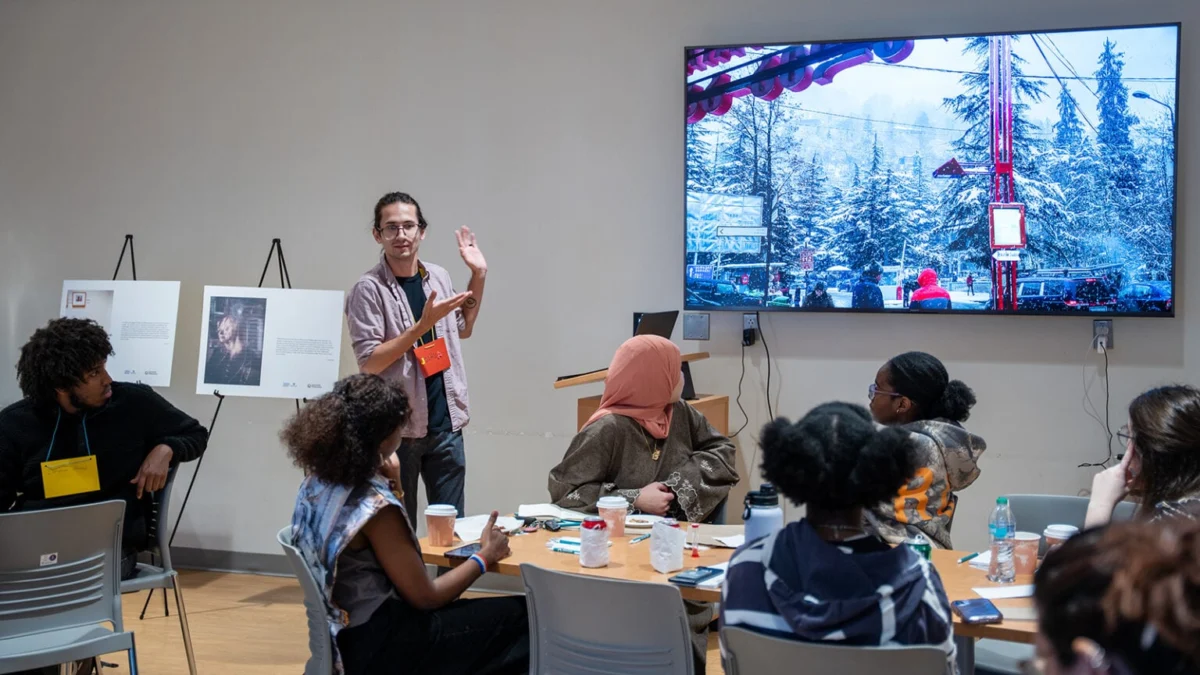
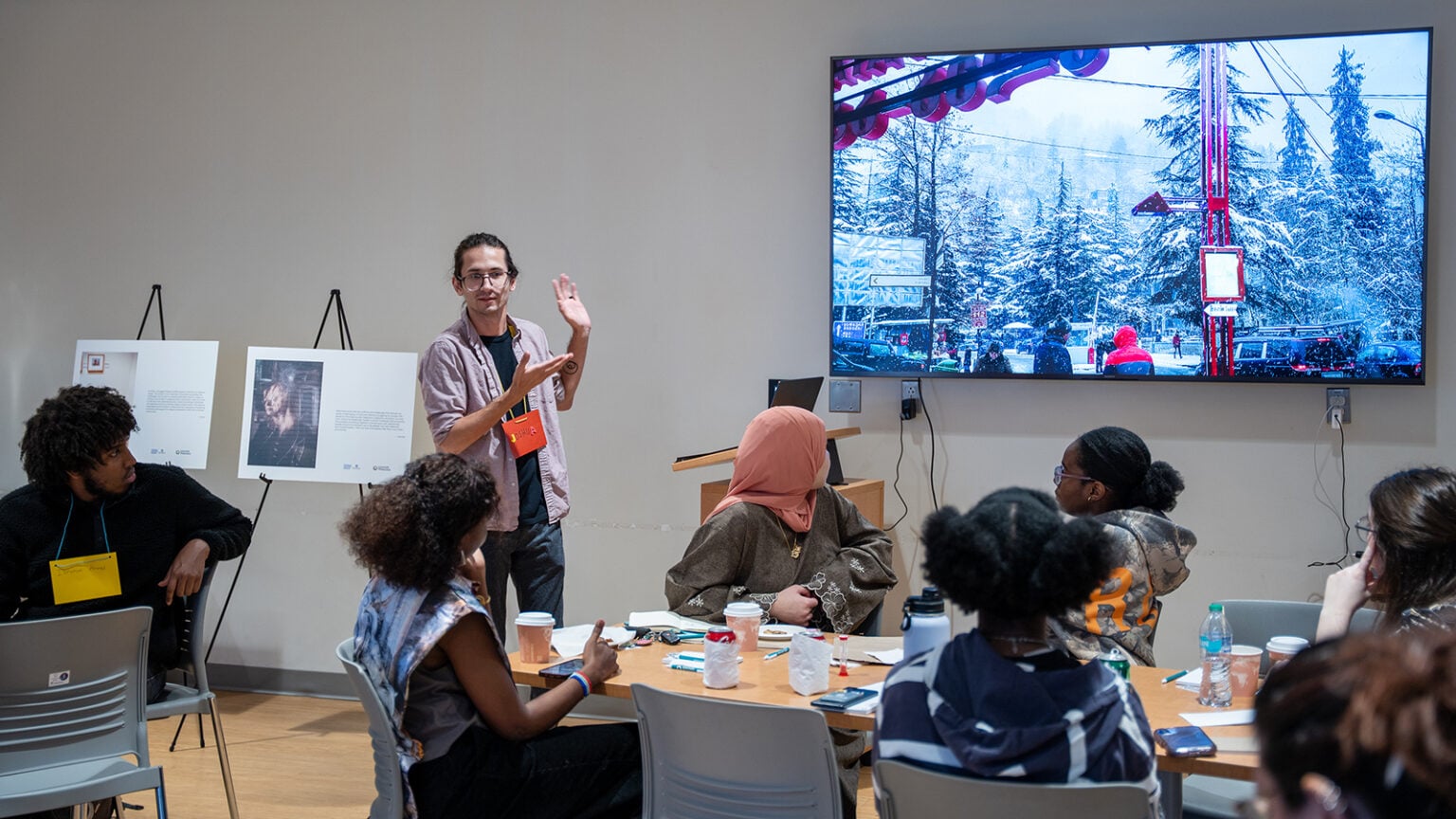
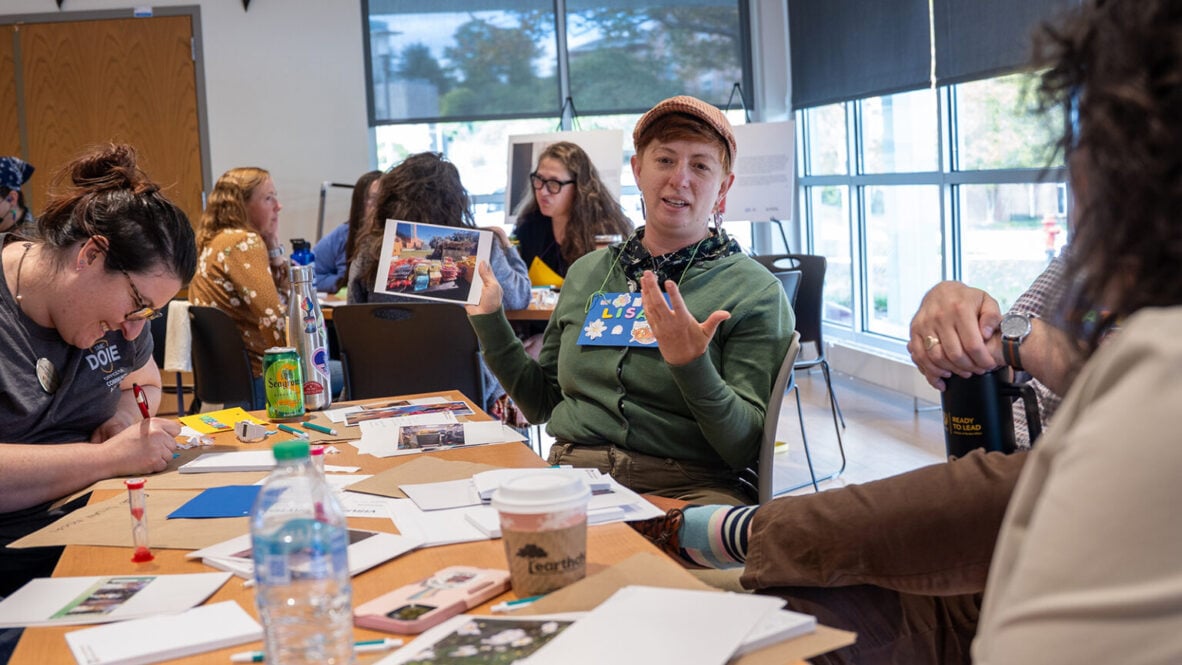
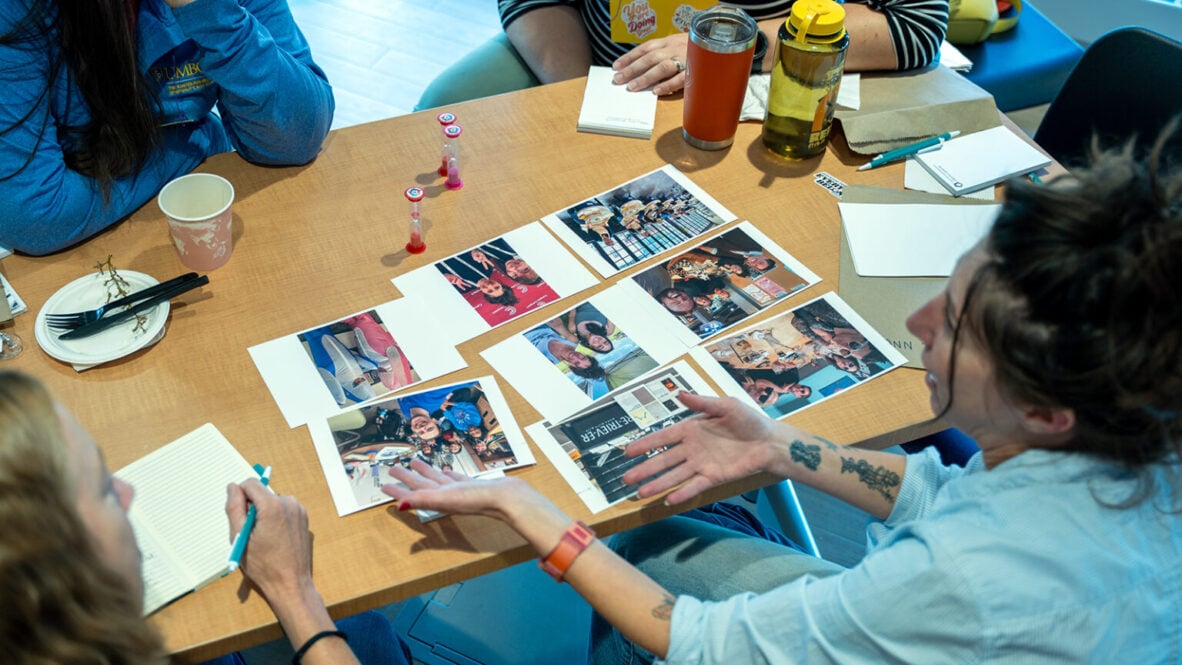
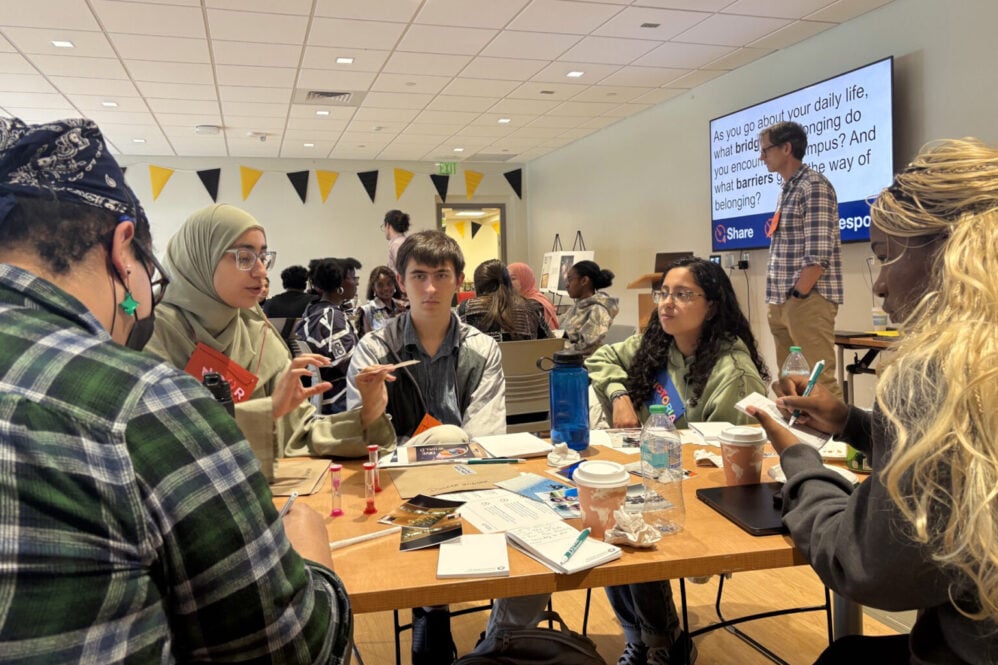
The UMBC retreat was intentionally scheduled during the university’s fall break, a time when the heavily commuter-oriented campus grows unusually quiet. Inside the familiar multi-use hall—the same space typically utilized for weekly religious services—participants gathered in small circles of five or six people. They brought personal photographs capturing prayer practices, meaningful objects, landscapes, or relationships, and used them to anchor deep discussions around belief, belonging, and the barriers they face on campus.
The structure of the dialogue was disciplined and intentional. Each participant spoke for four uninterrupted minutes while the rest of the small group listened. Afterward, group members asked thoughtful questions, giving the speaker ample time to reflect before offering a response.
Although many students initially appeared hesitant to share personal details with virtual strangers, the atmosphere shifted as the conversations progressed. Voices grew louder and more enthusiastic, and several participants became visibly emotional as they offered vulnerable reflections on their identities.
A Palestinian-American student shared a powerful self-portrait exploring her sense of self during an extraordinarily difficult historical moment, explaining that she had spent years feeling "too Palestinian to be American, or too American to be Palestinian."
For Guruswamy, the exercise represented a meaningful evolution from "cultural competence" toward "cultural humility." The process, he said, "allows you the opportunity to be humble with one another."
Onkarpreet Kaur, a second-year microbiology student, shared a photograph of the kara she has worn continuously for six years. The circular steel or iron bracelet is one of the five articles of faith traditionally required in Sikhism. Kaur explained that while the circular shape symbolizes continuity, it also serves as a poignant reminder of the physical distance she sometimes feels from her faith as a member of the diaspora, living far from the historic center of Sikhi in Punjab, India. Having kept the same bracelet for years because she does not know where to purchase a replacement near campus, she looks to it for grounding.
"It just reminds me of my values," Kaur said. "It helps me get to the right path."
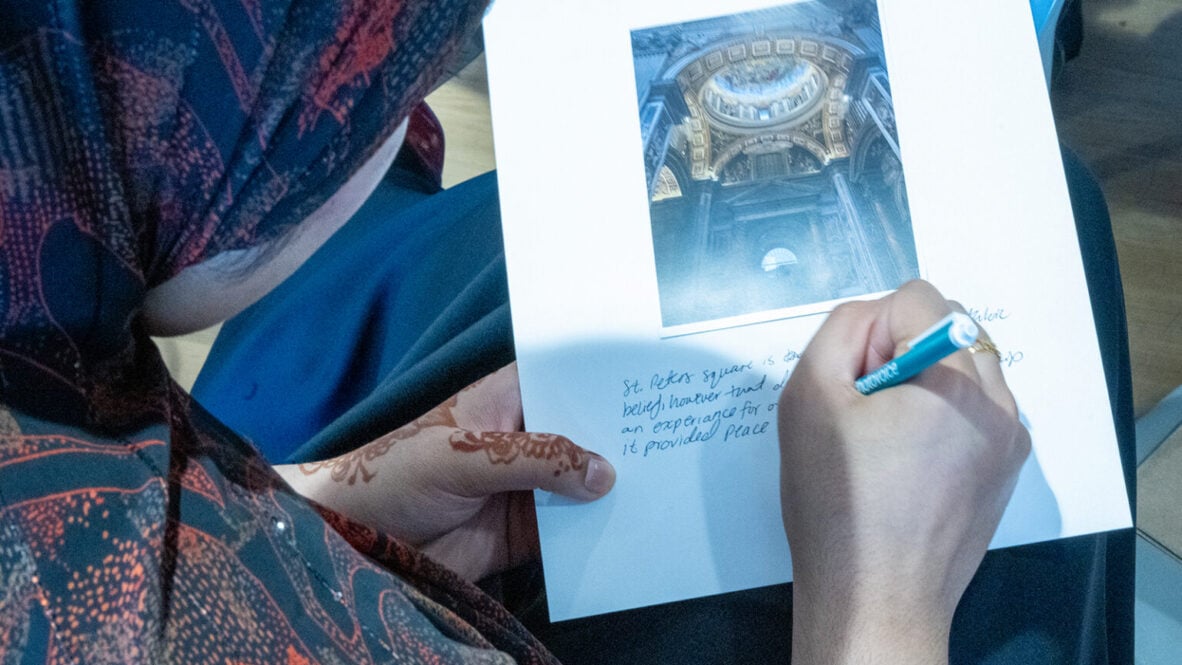
Fatima Hafeez, a second-year political science student, contributed a photograph of St. Peter’s Basilica in Vatican City. She described being deeply moved by the intense devotion of the Catholic pilgrims who traveled there, drawing a direct parallel to the Islamic pilgrimages of Hajj and Umrah, which she has experienced herself.
"I love to hear what people think, how they process things," Hafeez said. "It’s really easy to group people together," she added, noting that listening to personal stories serves as an essential reminder that "everyone is a human with their own individual experience."
The Impact
The retreat left a lasting impression on students from a wide variety of backgrounds. Duncan Winger, a second-year student designing an interdisciplinary course of study around holistic learning, said the experience transformed how he viewed everyday interactions across campus.
Listening to a fellow participant describe the spiritual practice of praying while taking a daily walk opened Winger’s eyes. Growing up in an atheist family and identifying as agnostic, Winger realized he could pass a stranger on a campus pathway without having any inkling of their profound internal life.
That recognition, Winger said, "opens up empathy." It also taught him that he did not need to possess a comprehensive academic understanding of another person’s religion before engaging with them in conversation. "I can still ask and be curious," he noted.
Velma Funebe, a senior public health major, said the project caused her to rethink how she communicates her Christian faith. While she occasionally shares written reflections on religion and spirituality on LinkedIn, the retreat made her wonder if photography might offer a richer medium for expression. "I think people can take so much from just a picture," she said.
At the same time, broader sociopolitical realities were never far from the surface. As the Trump administration’s mass deportation agenda has impacted cities nationwide, some students born outside the United States remained cautious about being interviewed or photographed. Several participants shared photographs and explanations that subtly touched upon questions of immigration status and underlying fears.
Whether these encounters will translate into lasting institutional change remains an open question, and organizers are quick to admit that photography alone is not a cure-all for campus polarization.
However, Abdul Samad Amjad, a Photovoice facilitator and community-based participatory research scholar born in Pakistan who now lives in Ohio, argued that the methodology gives participants an active role in diagnosing problems and envisioning solutions.
"There are different stories being told," Amjad said. "But at the end, what I’d realize, there is always this story of us, that collective story. Our shared humanity gets represented there."
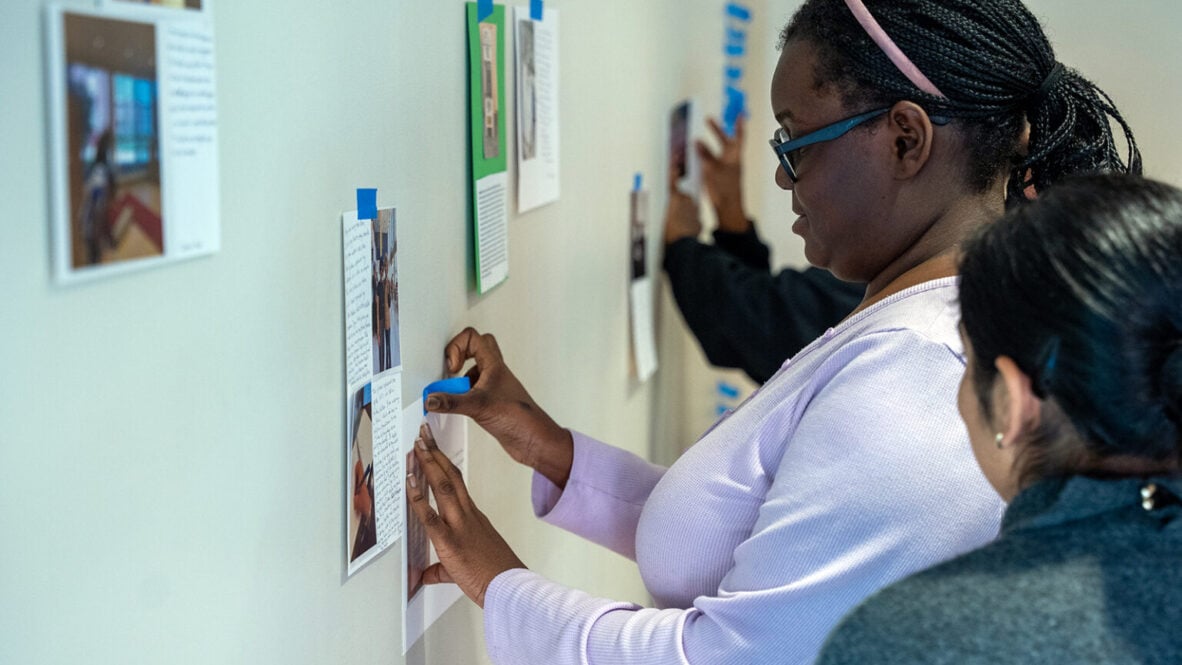
On the second day of the retreat, participants began the collaborative task of transforming their individual narratives into a joint public exhibition. Each student selected a single photograph they felt was essential, and the group evaluated the collective collection to identify any missing perspectives before writing accompanying captions.
The resulting exhibition is scheduled to open on December 2 in UMBC’s Albin O. Kuhn Library and Gallery, showcasing the students’ collective reflections on belonging, unmet campus needs, and the type of inclusive community they hope to build moving forward.
"My dream is that these spaces can be more beyond campus, too, and that we can all be more interconnected, to just be human with each other in rooms, across difference," Winger said.
For Kaur, the transformation is already tangible. She arrived at UMBC uncertain about how people holding vastly different beliefs could manage to live alongside one another. Today, some of those very people are among her closest friends.
"We are living in the same space with different beliefs," Kaur said. "We coexist, but we are not blending with each other. We have our own identity, and it is so beautiful."
While Williams cautioned against viewing these initial breakthroughs as definitive proof that photography can erase deep-seated societal divisions, he remains confident in the power of sustained human connection. Building authentic relationships, he emphasized, is a slow and deliberate process.
"It’s a theory of change, but we see it happen," Williams said. "Sometimes in very small ways."
For many individuals seeking a profound life shift, stepping away from the daily routine to reconnect with the natural world offers a compelling path forward. Each year, participants arrive for "The Immersion" at the Wilderness Awareness School, ready to commit to a rigorous multi-month journey that begins in the crisp air of autumn and culminates in the renewal of spring. Graduates often emerge with a renewed sense of resilience, empowered to lead more centered, intentional lives.
Yet, the path to personal transformation is rarely straightforward. Prospective students frequently encounter significant hurdles before they can even set foot in the Pacific Northwest forests. Recognizing these barriers, organizers and alumni of the program are shedding light on the practical solutions available to help candidates navigate financial constraints, relocation challenges, and temporary career sabbaticals.
The desire for deep personal change is a common thread among applicants. As Sam, a student from the 2019 cohort, reflected on the experience, "I had become stuck, and now that I’m taking part in The Immersion, so much gunk has been removed." Echoing this sentiment, program coordinators note that while many people feel stuck in their current trajectories and are prepared to bravely show up for themselves on Day 1, practical obstacles frequently stand in the way. Addressing these barriers head-on has become a key focus for the institution as it prepares for upcoming cohorts.
Financial concerns consistently rank among the primary challenges for prospective participants. Program tuition represents a major investment, and organizers acknowledge that the cost is not easily managed by everyone. However, they emphasize that determination and creativity remain powerful tools for overcoming monetary hurdles. Applicants are encouraged to request scholarships during the admissions process. These financial awards, which typically range from $500 to $3,000, are funded entirely by generous donors who believe deeply in the transformative power of the program and its long-term impact on nature connection and environmental stewardship.
In addition to scholarship opportunities, the school provides flexible payment plan options designed to ease the economic burden. Many students choose to distribute their tuition payments across quarterly or monthly installments. This structured approach allows participants to maintain part-time employment while actively engaging in the curriculum, bridging the gap between professional obligations and full-time outdoor education.
Beyond financial considerations, the logistical reality of relocation presents another substantial hurdle. Picking up one’s life and moving to the greater Seattle area requires a leap of faith, particularly given the region’s elevated cost of living. Nevertheless, the allure of the majestic Pacific Northwest forests often serves as a powerful motivator. To ease the transition, numerous Immersion students opt to secure shared housing with their classmates, a living arrangement that not only reduces individual expenses but also fosters exceptionally close bonds within the cohort.
The community network surrounding the school further supports incoming students through an active web of alumni and elders who frequently have rooms available for rent. For those inclined toward alternative living arrangements, the student community frequently embraces creative solutions, ranging from the burgeoning "van life" movement to cozying up in nearby tiny houses or yurts nestled in the surrounding landscape.
The prospect of taking a major life sabbatical—stepping away from established careers and temporarily parting from family members—often creates hesitation. Leaving a steady job or moving away from loved ones is a significant decision, but program advocates argue that a career break of this nature can yield unexpected professional dividends. Alumni of The Immersion routinely report marked improvements in their communication skills, greater emotional balance, and an enhanced capacity to remain centered under high-stress conditions. These attributes are increasingly recognized as highly desirable qualifications by modern employers across a wide spectrum of industries. Program documentation highlights a diverse array of professional pathways pursued by graduates after completing the curriculum.
Family separation, while challenging, is managed through the program’s structural design. Recognizing that occasional postcards are rarely sufficient to maintain vital connections, the schedule incorporates several extended breaks throughout the academic year. These designated intervals allow students to travel back to their home regions to visit family members and share the wilderness survival and tracking skills they have acquired during their training.
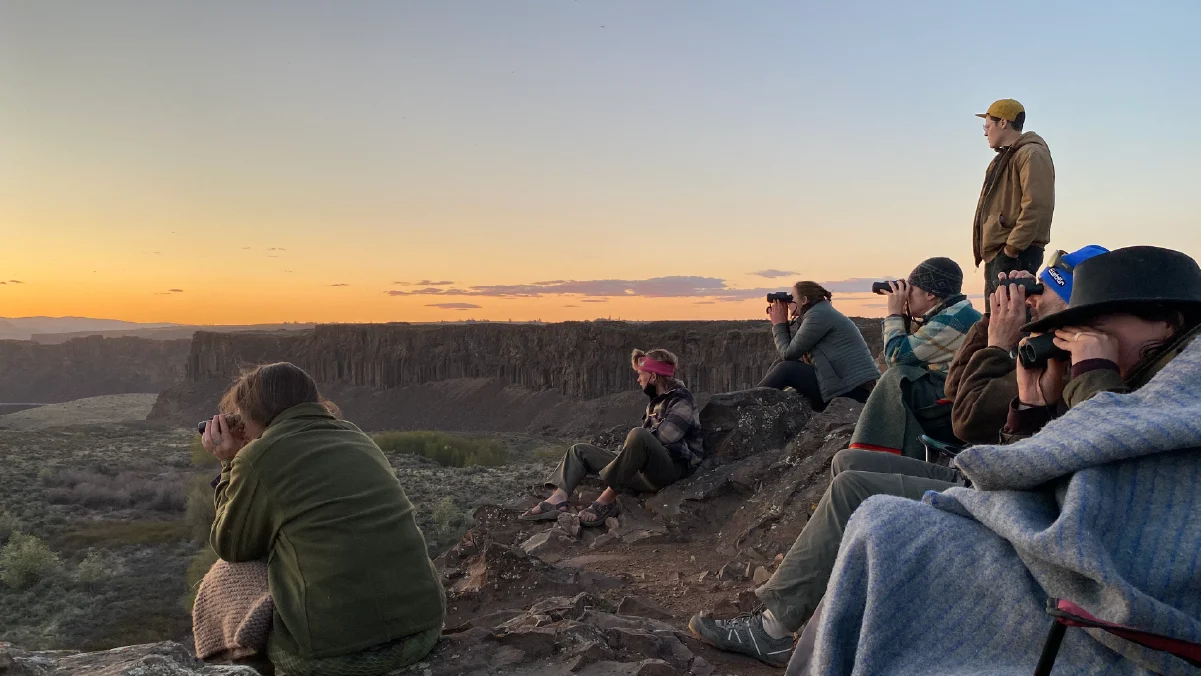
The broader educational experience extends far beyond the classroom setting, immersing students directly into diverse ecosystems. During field excursions, such as a memorable trip to Eastern Washington, student groups like the Frog Clan have the opportunity to observe local wildlife, including Great Horned Owls perched quietly against the backdrop of a setting sun. These direct encounters with the natural world form the core of the curriculum, reinforcing the observational and tracking skills that define the school’s educational philosophy.
For those contemplating the journey, coordinators urge individuals not to settle for feeling stuck, but rather to confront their limitations and explore what the program can offer. Prospective participants are encouraged to reach out to the admissions team to discuss their specific circumstances, schedule a direct call, and learn more about navigating the path toward enrollment in upcoming cohorts.