Bringing the United States to Life: Families Expand Classical Conversations Cycle 3 Geography with Hands-On Learning
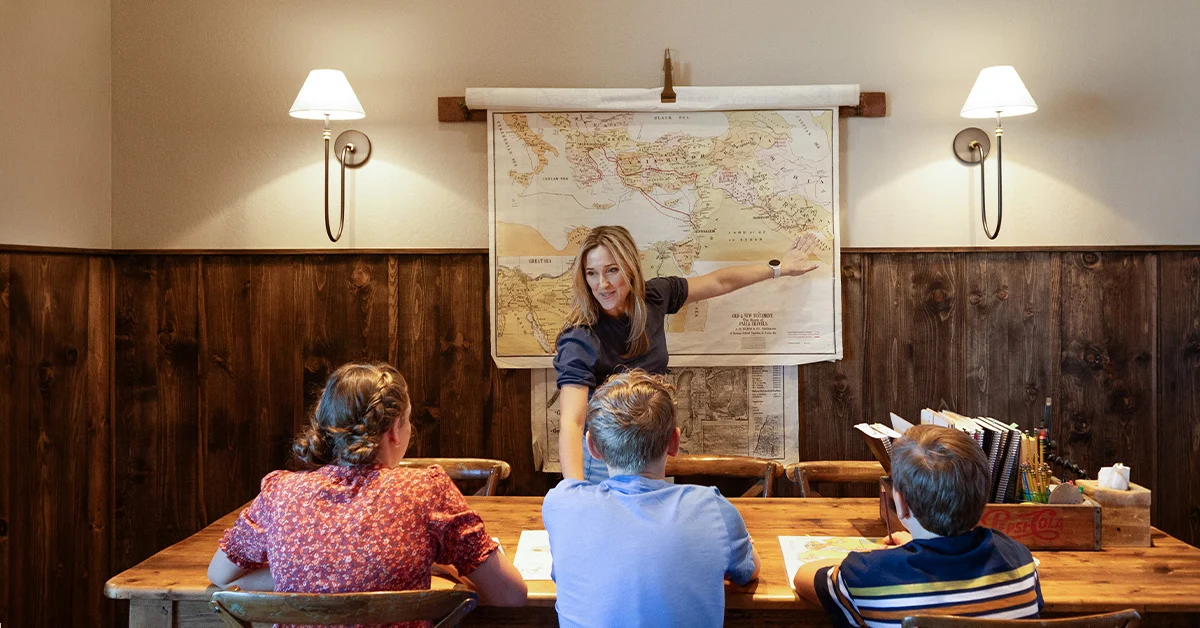
As families dive into a new academic year, students participating in Classical Conversations are transforming flat textbook pages into a dynamic, working map of the United States. Through the Foundations program, parents and children are spending the autumn semester singing through the fifty states and their capitals, while the spring term is dedicated to mastering the nation’s vast physical features, including mountain ranges, winding rivers, and historic canals. To ensure this memory work takes deep and lasting root, educators and homeschooling parents are increasingly pairing traditional recitation with immersive, hands-on activities, field trips, and creative arts integration.
The curriculum, which draws inspiration from classical education resources such as The Habits of a Classical Education: Practicing the Art of Grammar and Scribblers at Home, is designed to extend beyond mere memorization. Rather than replacing traditional recitation, these supplemental experiences give students a chance to see, build, taste, and walk through the concepts they encounter in their weekly memory sentences. By anchoring abstract geography in tangible experiences, families are building a comprehensive mental map of the entire country, one week at a time.
Fall: Bringing States and Capitals to Life
During the fall semester, Foundations students focus intensely on memorizing all fifty states and their respective capitals as part of the New Grammar geography component. Daily practice at home is typically straightforward and efficient. Parents point to blackline maps, prompting students to locate specific cities or identify the geographic positions of state capitals. While this quick-fire recitation remains an effective cornerstone of classical learning, educators note that incorporating multi-sensory activities provides students with vital cognitive anchors.
To make the process more engaging, many families have adopted creative projects such as the Capital Road Trip Journal. In this ongoing project, students compile a personalized binder or passport booklet where they record essential data for each state, including the capital, state bird, official nickname, year of admission to the Union, and a memorable historical fact. Younger siblings often contribute by coloring state outlines, while older students engage in deeper research, creating a comprehensive keepsake that grows alongside the family throughout the academic year.
In addition to kitchen-table journaling, everyday errands are frequently repurposed for geography practice. Students often maintain a state abbreviation scavenger hunt, spotting and checking off license plates in grocery store parking lots or along highways using printable checklists. This low-prep activity turns routine transit times into active learning intervals between community days.
Culinary arts also play a role in anchoring the curriculum, with families occasionally hosting capital cooking days. By preparing regional dishes—such as gumbo to represent Baton Rouge or clam chowder for Boston—students connect regional culture and geography directly to their sense of taste. This integration of food and history provides a memorable bridge between the classroom and the kitchen table.
Music further enriches the geographical study, as families explore regional American musical traditions that mirror the country’s diverse landscape. From Appalachian bluegrass and Deep South blues to New England hymnody, Midwest ragtime, and the rich musical heritage of Hawaii and Alaska, students develop an ear for the cultural soundscapes of the regions they map. Educators often highlight historical figures such as composer Charles Ives, whose incorporation of New England hymn tunes demonstrates how early American music frequently evolved from regional worship traditions. Similarly, exploring the historical compositions of figures like Queen Liliuokalani in Hawaii adds vital cultural context to the study of statehood dates.
Spring: Feeling the Physical Features
As the academic calendar shifts to spring, Classical Conversations Cycle 3 expands its geographical scope far beyond political boundaries. Over a twelve-week period, students memorize a comprehensive list of physical features, including major mountain ranges, the Great Lakes, prominent bays, river systems, historic overland trails, engineering canals, Native American regions, deserts, and landmark geological formations ranging from the Grand Canyon to the San Andreas Fault.
The spring term begins with an exploration of mountain ranges spanning the continent, from the Adirondacks and Green Mountains in the East to the towering Rockies, Sierra Nevadas, and Cascades in the West. Educational experts emphasize that molding these ranges by hand using salt dough, clay, or even shaving cream serves a dual purpose. Beyond reinforcing immediate spatial awareness for Foundations students, these tactile exercises lay critical groundwork for advanced cartography in higher-level programs like Challenge A, where students eventually practice drawing the United States and the world freehand for public presentations.
Water systems command significant focus during the middle weeks of the spring semester, as students trace the Great Lakes, major bays, and the expansive river networks of the eastern and western United States. Because waterways historically dictated climate, settlement patterns, and economic development, parents frequently integrate fundamental earth science concepts into their geography lessons.
Human history and geography intersect directly when the curriculum turns to historic overland trails and nineteenth-century canals. Families often trace historic migration routes such as the Oregon, Santa Fe, and Old Spanish trails across floor maps to simulate the slow pace of pioneer wagon trains. For the study of canals—such as the Erie and the Chesapeake and Ohio—students frequently construct working model locks out of recycled materials and clay. These hands-on engineering projects demonstrate how lock systems raise and lowering water levels to transport boats across varying elevations, bringing industrial history to life through practical mechanics.
The curriculum also addresses Native American regions and major North American deserts. Educators encourage families to explore the distinct foodways, storytelling traditions, and environmental adaptations of specific indigenous groups using authentic and primary sources, thereby moving past generalized stereotypes. When studying arid regions and prominent geological landmarks like Mammoth Cave, Niagara Falls, or Death Valley, families frequently utilize the National Park Service’s Junior Ranger programs. By completing educational booklets and participating in ranger-led activities during family hikes, students earn official badges that transform routine outdoor excursions into memorable milestones.
Community Connection and Field Experience
While home-based activities provide a steady rhythm of learning, educators stress that Cycle 3 geography is uniquely suited for real-world exploration. Families across the country frequently align their weekend outings and vacations with their current memory work, visiting state capitals, historic trails, and national parks featured in the curriculum. Major metropolitan areas—including Houston, Atlanta, Chicago, St. Louis, Washington, D.C., Seattle, New York, and Boston—serve as living classrooms where students can observe the tangible results of the historical and geographical forces they study.
As the academic year draws to a close, local Classical Conversations communities frequently celebrate their collective progress through year-end geography showcases, map-drawing exhibitions, and shared meals featuring regional dishes from across the United States. Through this combination of rigorous memory work, creative arts, tactile building, and shared community experiences, students develop a profound familiarity with the geography, history, and cultural heritage of their nation.
