Unlocking Connection: The Belly Mapping® Method Offers New Ways for Parents and Providers to Engage with Pregnancy
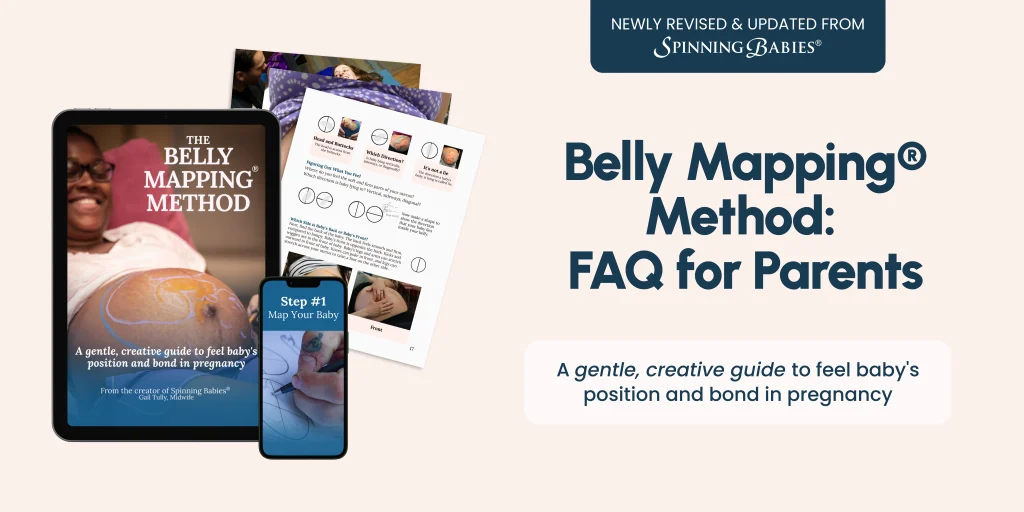
In the journey toward parenthood, the months of pregnancy are often filled with clinical check-ups, medical screenings, and a constant flow of data from ultrasounds and fetal monitors. Yet, amidst the technical landscape of modern obstetrics, there remains a deep, human desire for personal connection—a way to bridge the gap between the internal, unseen reality of a growing baby and the expectant parent’s anticipation. It is this intersection of physiological awareness and emotional bonding that founder Gail Tully seeks to address with the publication of The Belly Mapping® Method book, a resource designed to transform how parents and professionals perceive the final trimesters of pregnancy.
The Belly Mapping® Method is fundamentally a hands-on, three-step process that empowers expecting parents to gently palpate their abdomen to identify their baby’s position within the womb. More than just a clinical exercise, the method is presented as a joyful, intuitive practice that encourages parents to slow down and listen to the subtle cues provided by their baby’s movements. For the expectant parent, the practice offers a way to move beyond the passive observation of a screen and into an active, tactile relationship with their child. For the professional—whether a doula, midwife, or childbirth educator—it serves as a collaborative tool that shifts the focus from purely provider-led assessments to a parent-centered approach that fosters confidence and informed awareness.
A New Perspective for Parents
For many parents, the primary appeal of the Belly Mapping® Method lies in its simplicity and the sense of agency it provides. The process, which is best initiated in the third trimester after 28 weeks, allows families to develop a deeper understanding of how their baby is positioned. As the baby grows, the space within the uterus becomes more defined, making the practice increasingly intuitive. By using the pads of their fingers rather than forceful pressure, parents can explore the contours of the womb, turning a routine moment of rest into an opportunity for discovery.
While the practice is intended to be simple, it is not framed as a medical diagnosis. The developers of the method are clear that while it is a powerful tool for connection, it does not replace the precision of diagnostic tools like ultrasound. Instead, it offers a three-dimensional, sensory-based experience that can complement the information provided by clinical visits. Parents often find that their own estimations, built through daily or weekly interaction, are later validated by their healthcare providers. Furthermore, the method provides a unique psychological benefit: it transforms the abstract experience of pregnancy into something tangible. Many families have embraced the practice as a creative ritual, using the insights gained to document their journey, sometimes even through artistic expressions like belly painting, which serves as a lasting keepsake of the pregnancy.
The practical benefits are equally significant. Understanding the baby’s position can have a profound impact on the birth experience. By recognizing how a baby enters the pelvis, parents can work with their healthcare team to explore different postures and comfort measures that may facilitate a smoother labor. This awareness is particularly useful when a baby is in a less-than-ideal position, such as breech. Early identification through the Belly Mapping® Method allows parents to discuss balancing techniques and alternative options with their care providers well in advance, rather than discovering the position unexpectedly during the onset of labor.
Bridging the Gap in Professional Practice
While parents find the method inherently bonding, professionals in the birth community are also finding that the resource fills a critical gap in prenatal education. Traditional clinical palpation, such as Leopold’s Maneuvers, is designed for the provider to gather data for medical records. The Belly Mapping® Method, conversely, is designed to be shared. By inviting parents to participate in the assessment process, providers can turn a standard examination into an educational dialogue.
This collaborative approach allows professionals to use the parent’s observations—such as where they feel the most frequent kicks or where they perceive the baby’s back—as a starting point for deeper conversations about fetal positioning and labor preparation. When a midwife or doula validates a parent’s observations, it builds trust and reinforces the parent’s confidence in their own body. It also allows the professional to offer guidance, helping to correct common misinterpretations, such as confusing a firm head with a bony knee, or mistaking the sensations of an anterior placenta for the baby’s movements.
For the professional, the value of the method extends into the labor room. When parents have been practicing the method throughout their pregnancy, they are often more adept at identifying shifts in their baby’s position as labor progresses. This heightened body awareness can be a catalyst for meaningful intervention, such as encouraging the parent to change positions to help the baby navigate the pelvis more effectively. Because the method is a registered trademark of Spinning Babies®, it is presented as a professional-grade tool. While it is accessible to all, the brand emphasizes the importance of proper training; only those who have completed certification, such as Spinning Babies® Certified Parent Educators, are authorized to teach the method in a formal or promotional capacity. This ensures that the information shared with families remains consistent, safe, and evidence-informed.
Addressing Common Concerns and Misconceptions
The transition to using the Belly Mapping® Method is not always seamless, and the book addresses this with a pragmatic outlook. It is common for parents to feel unsure or frustrated when they first attempt the practice, particularly if the baby is active or tucked behind the placenta. The guidance provided in the text emphasizes that these challenges are normal. It encourages parents to view the practice as a process of learning rather than a test of accuracy. If a specific session does not yield clear results, the advice is simply to try again at another time or to invite a partner or professional to assist.
Safety remains a central tenet of the instruction. The method stresses that the touch involved must be gentle. The goal is not to manipulate the baby into a specific position through force, but to identify the position the baby has already chosen. If a parent experiences any pain or discomfort, they are instructed to stop immediately and adjust their pressure or position. The importance of comfort for the parent is also emphasized; for instance, the book recommends reclining on pillows with support under the knees, which not only helps the parent stay relaxed but also encourages the abdomen to soften, making the baby’s form easier to palpate.
Empowering Families for the Future
As more families and practitioners incorporate the Belly Mapping® Method into their prenatal routines, the conversation around birth is slowly shifting. By moving away from a model where the parent is merely a recipient of clinical information to one where they are an active, knowledgeable participant in their own care, the method fosters a sense of empowerment.
Whether it is used to alleviate the anxiety associated with an unknown fetal position or simply to foster a quiet moment of connection in the midst of a busy day, the method serves as a bridge between the physical and emotional aspects of pregnancy. The book acts as a comprehensive repository for this knowledge, ensuring that the techniques developed by Gail Tully are available to anyone looking to deepen their engagement with the birth process. By providing answers to common questions and clear, accessible instructions, it serves as a foundational resource for a more connected, informed, and confident approach to bringing a new life into the world. For those looking to integrate these practices into their own journey or professional repertoire, the text remains an essential starting point for exploring the intricate, and often surprising, landscape of the womb.
