Created as part of the broader Catholic Icing Monthly Membership initiative—developed in collaboration with Angie from Real Life at Home—the new printable resource aims to remove the intimidation and complexity often associated with liturgical living. The creators note that many families express a strong desire to celebrate the saints and incorporate the rhythms of the Catholic Church into their daily routines, but frequently encounter obstacles such as time constraints, a lack of organization, or simply not knowing where to begin.
To bridge this gap, the monthly membership program provides subscribers with a curated collection of themed materials, including home altar displays, prayer table decor, liturgical-themed recipes, coloring sheets, and children’s activity packets. However, recognizing the value of these resources to the wider community, the team has elected to make one of their most popular decorative calendar sets available to the public at no cost.
The newly released July printable features an 8.5 by 11-inch Litany of Saints calendar, listing a specific saint or blessed individual for every day of the month. Designed to match the visual theme of the July 2025 membership pack, the resource offers two distinct font choices to accommodate various aesthetic preferences and classroom environments. Educators and parents can easily frame the pages, display them on a refrigerator, or hang them on a clothesline display to ensure that the saints remain a visible and central part of the home or learning space.
Beyond the daily calendar entries, the month of July holds special significance within the traditional calendar of the Catholic Church, as it is dedicated to the Most Precious Blood of Jesus. The platform has compiled a variety of complementary resources, including paper crafts centered on the host and chalice, snack ideas, and interactive activities designed to help children connect with this monthly devotion. These materials are intended to work in tandem with the daily saint calendar, offering a comprehensive suite of tools for summer faith formation.
For families seeking a more structured approach to organizing these seasonal resources year-round, the initiative also highlights supplemental planning tools, such as the comprehensive liturgical living binder and ebook. Designed to house printables, feast day celebration plans, and sacrament anniversary records, the binder functions as a cumulative library that families can utilize and expand upon as their children grow.
The free July Saint of the Day calendar is currently being offered as an exclusive download for subscribers to the platform’s weekly newsletter. While recipients retain the option to unsubscribe at any point, the creators encourage families to remain connected to receive ongoing weekly updates, feast day ideas, and liturgical resources directly in their inboxes. The distribution process requires individuals to submit a request for the specific July file through the designated signup portal, ensuring seamless delivery even for existing subscribers.
As summer activities get underway, these newly accessible tools provide a flexible and engaging pathway for households and classrooms seeking to weave traditional Catholic practices into their everyday lives without the burden of extensive preparation.
Editorial note: Spoilers ahead for season three of “Nobody Wants This.”
In season three, episode two of Netflix’s virally popular romantic comedy series “Nobody Wants This,” dating podcaster Joanne, played by Kristen Bell, explains to her Intro to Judaism class what initially drew her to the faith. Sharing her perspective with the group as the rabbi’s girlfriend, she expresses her appreciation for the tradition, noting that she loves the rituals, the openness, the close-knit community, and the cozy vibes. The remark is immediately met with a sharp, deadpan quip from her conversion class nemesis, Sebastien, played by Andrew Rannells, who asks if that particular concept is written in the Torah.
This brief, witty exchange concisely encapsulates the broader tenor and evolution of the show’s third season, which premiered on Netflix. It serves as the key to why the 10 episodes succeed while simultaneously acknowledging a fundamental truth about the protagonist and the series itself: “Nobody Wants This” has finally become self-aware.
As much as Judaism has remained at the center of the narrative throughout the run of “Nobody Wants This,” portraying it authentically has historically not been the show’s greatest strength. Cultural critics such as Esther Zuckerman and Jessica Grose concluded after the release of the first season that the romantic comedy relied heavily on outdated and flattened stereotypes of Jewish women. The show’s creator, Erin Foster, even candidly admitted in an interview with Hey Alma that she was not thinking too deeply about the program’s depiction of Jewish women during its conceptualization.
Unfortunately, the second season proved even more problematic, lacking the necessary writing depth, character development, and narrative novelty to bolster its premise. It concocted a version of Judaism that was treated less as a rich, ancient religion to be explored with genuine curiosity and care, and more as an inconvenient obstacle to be maneuvered around, generalized, and laughed at. After an entire season of Joanne waffling over whether or not to convert with the indecisiveness of a trendy-brand literary figure, she ultimately reaches her decision after her sister-in-law, Esther, played by Jackie Tohn, tells Joanne she already feels Jewish. According to Esther, this feeling stems from a handful of exceedingly non-specific qualities, chief among them being warm and cozy.
That foundation provided a remarkably amorphous rationale upon which to base a life-altering decision to convert to a new religion, a critique echoed by Vulture critic Fran Hoepfner. Writing for The Hollywood Reporter, Steven Zeitchik similarly described the approach as Judaism treated like a hood ornament, consisting of superficial elements dropped in to make the audience feel like something substantive is being explored, while the show itself maintains zero interest in doing the actual heavy lifting.
Fast-forwarding to Sebastien’s snarky dismissal of Joanne’s reasoning in season three, it becomes apparent that the moment operates as a knowing wink from creator Erin Foster alongside showrunners Jenni Konner and Bruce Eric Kaplan. The message from the production team was clear, and the critique had been received.
The resulting creative shift led to a season that leans directly into what “Nobody Wants This” actually does best. The most compelling conflicts the show has ever developed do not stem from the fundamental cultural differences between Joanne and her agnostic family and the Roklov family’s traditional Jewish lifestyle. Instead, the narrative sparks fly because Noah’s family presents a prim, highly unified front aspiring toward upper-class social conventions, while the Williams family represents low-brow, free-spirited, chaotic alternative energy. Viewers consistently return to the series because Noah is portrayed as both conventionally attractive and emotionally mature, and because the dynamic features a juicy, ongoing love triangle involving Sasha, played by Timothy Simons, Esther, and Morgan, played by Justine Lupe.
Season three delivers precisely on these comedic and dramatic fronts. Joanne firmly commits to the long-term future of the relationship by officially beginning conversion classes, and Noah responds in kind by proposing marriage. This milestone forces the Roklov and Williams families even closer together, generating substantial comedic friction. The current “Nobody Wants This” universe features Bina heavily inserting herself into Joanne’s wedding planning, going so far as to insist that Noah and Joanne exchange vows on the backyard basketball court so Eliezer—Noah’s childhood pet hamster, who is naturally buried beneath it—can bear witness to the ceremony.
At the same time, the relationship between Morgan and Sasha deepens significantly. This development unfolds first when a newly single Sasha moves into Lynn’s spare bedroom, and later when the two characters share an unexpected hookup during a business trip to New York City. Timothy Simons and Justine Lupe prove to be winning comedy partners, and stepping slightly outside the intense family dynamics provides them with ample room for comedic exploration.
By contrast, Joanne’s conversion classes are deliberately relegated to a handful of brief, punchy scenes. Rabbi Eden, played by Sarah Silverman, delivers short bursts of Jewish wisdom while Sebastien and Joanne engage in brief verbal sparring before the scene cuts away. By the eighth episode, Rabbi Eden is already wrapping up the Intro to Judaism curriculum, leaving viewers with little sense of how much narrative time has actually passed or how Joanne has actively grappled with the profound implications of living a Jewish life. Rabbi Eden mentions that each student will eventually meet with a beit din, a rabbinical court, but the audience never witnesses that pivotal conversation for Joanne, nor is the beit din ever mentioned again.
Presumably, the meeting goes well, because by episode 10, aptly titled “The Plunge,” Joanne completes her ritual immersion in the mikveh located in the Pacific Ocean. Voilá, the blonde podcaster once disparaged as an outsider has officially become Jewish.
In an alternate version of the television series, a deeper exploration tracking the rigorous intellectual and spiritual demands of converting to Judaism could have offered rich narrative territory. Scenes depicting Joanne preparing for, engaging in deep conversation with, and perhaps being constructively challenged by her beit din could have established genuine interiority and depth in her connection to Judaism. Perhaps concepts such as the Shechinah, representing the Divine Feminine, might have deeply resonated with this particular version of Joanne, or perhaps Judaism’s historic connection to the natural world and lunar cycles could have served as an appealing entry point. At the very least, a character like Joanne might have naturally latched onto the core Jewish value of tikkun olam, repairing the world.
However, “Nobody Wants This” is explicitly uninterested in deepening Joanne’s relationship to Judaism outside of the immediate context of her relationship with Noah. Recognizing this reality allows for a smoother viewing experience. Looking back at how the show has portrayed Judaism in previous installments, attempting a sweeping theological exploration likely would not have yielded successful results. For many viewers, less is more when it comes to the intersection of Jewish identity and mainstream romantic comedies. Holding back on forced religious depth that the production is simply not equipped to support proves to be a wise and disciplined creative choice by showrunners Konner and Kaplan.
The moments of Judaism that do make it onto the screen in season three remain enjoyable to behold precisely because of their straightforward simplicity. In the third episode, Noah and Joanne host a hanukkat habayit, a traditional Jewish home dedication ritual. As family, friends, and even Joanne’s ex-partner gather, the couple affixes a mezuzah to the final unadorned doorpost in their home, marking the official beginning of building a shared Jewish life together.
The promise established during the hanukkat habayit finds its ultimate fulfillment in the season finale mikveh scene. As Joanne stands on the beach alongside Noah and Rabbi Eden in the closing moments of the episode, she articulates her conversion in direct relation to Noah and their anticipated future family. She explains that she wants their future children to understand they belong to something much larger than themselves or even their immediate family, and that when they inevitably feel lost, they will possess these ancient traditions to guide them. She then walks into the surf, removes her outer garments, dunks herself under the water three times, and recites the traditional blessings.
In both instances, the prayers are executed accurately, with notable credit due to Kristen Bell for her Hebrew pronunciation, the rituals are performed with clear intention, the values remain consistent, and the entire sequence feels entirely authentic to the established characters of Noah and Joanne. The emotional peak arrives when Joanne steps back onto the sand and Noah, visibly moved by the proceedings, asks her if she wants to get married right then and there. As the camera pans upward, zooming away from the couple exchanging rings on the sand, it becomes clear that “Nobody Wants This” has finally found its footing and is moving in the right direction.
When a breast cancer diagnosis is finally confirmed, the initial wave of shock, surprise, hurt, and deep anguish inevitably reverberates through the household. In the Islamic tradition, the family operates as a closely knit community within itself; as the saying goes, if any single part of that body is in pain, the entire body feels the hurt. Navigating this new reality requires immense emotional, physical, and spiritual resilience not just from the patient, but from every member of the family unit.
Fortunately, as in all aspects of life, believers have the enduring life example and traditions of the Prophet Muhammad, peace and blessings be upon him, to serve as a steady guide through times of crisis. A profound source of comfort can be found in the Holy Quran, specifically within Surah al-Inshirah. Revealed in Makkah during a period when the Prophet himself was facing intense emotional distress and heavy political and social opposition, the surah was sent down to offer divine reassurance and solace:
Did We not expand for you, your breast? And removed from you your burden, which weighed upon your back, and raised high for you your reputation? For indeed, with hardship comes ease. Indeed, with hardship ease. So when you have finished, labor hard, and to your Lord direct longing. (94:1-8)
This chapter of the Holy Quran imparts timeless lessons for families facing severe trials. Families supporting a loved one through a breast cancer diagnosis can take immense comfort in the divine promise that ease will inevitably follow hardship. In Islamic theology, this concept of ease—known as yusr—signifies outcomes that are not only achievable but also remarkably adaptive to human needs and limitations.
It is essential for caregivers and relatives to recognize that this ease can manifest physically, mentally, spiritually, or through a combination of all three dimensions. The key for families is to move forward following a diagnosis with patience (sabr), unwavering strength, and purposeful, compassionate action. This approach aligns closely with the wisdom imparted by the Prophet Muhammad, peace and blessings be upon him, who noted the virtue of a deliberate and gentle temperament. As narrated by Abdullah ibn Abbas, the Messenger of Allah once said to Ashajj Abdul-Qais, "Indeed, there are two traits in you that Allah loves: forbearance, and deliberateness." Achieving the promised state of ease requires deliberate, measured actions that actively cultivate healing and comfort within the household.
One of the foundational steps in this supportive process is to begin with sincere supplication, or dua. During the prophetic era, when early believers were afflicted with illness and physical suffering, the Prophet Muhammad would bring comfort to the afflicted by visiting them personally. He would gently touch the patient or the area of concern with his right hand and invoke Allah for intercession through specific prayers aimed at holistic healing. One such widely taught supplication is: "O Allah, Lord of mankind, remove the hardship and grant healing. You are the Healer, there is no healing but Yours, a healing that leaves no illness behind." Integrating this practice into the daily routine of caring for a breast cancer patient establishes a spiritual anchor for the entire family.
Alongside spiritual invocation, the practice of kind acts serves as an outward reflection of faith, sincere intention, and charity extended to one another. Kindness within the family structure—particularly during periods of profound trial, physical vulnerability, and emotional distress—acts as one of the most powerful mitigating factors members can provide to alleviate suffering. The companion Abu Hurairah narrated that the Prophet Muhammad taught the believers a profound principle regarding mutual support: "Whoever relieves a Muslim of a burden from the burdens of the world, Allah will relieve him of a burden from the burdens of the Hereafter." Whether through preparing meals, managing household chores, accompanying the patient to medical appointments, or simply offering a comforting listening ear, these everyday acts of service embody the highest ideals of Islamic compassion.
As families journey through the unpredictable trajectory of treatment and recovery, it remains vital to sustain this spiritual and emotional momentum. Regardless of whether the afflicted family member is a mother, grandmother, aunt, sister, or even a male relative, a supportive household makes it a practice to conclude each day by asking for divine mercy upon them. This often takes the form of collective family supplications made during regular prayer times, echoing the beautiful du’as preserved in the Quran for parents and loved ones, such as the verse from Surah al-Isra: "My Lord! Be merciful to them as they raised me when I was small." Through a harmonious blend of spiritual devotion, practical kindness, and steadfast patience, Muslim families can navigate the heavy trials of a breast cancer diagnosis while fostering an environment of profound healing, dignity, and grace.
For years, modern parenting culture has been dominated by the philosophy of gentle parenting. Characterized by calm communication, emotional validation, and an aversion to traditional punishments, the approach has been widely embraced by Millennials and Gen Z parents striving to break away from authoritarian traditions. However, a growing cultural fatigue suggests that the style is leaving many caregivers exhausted, second-guessing themselves, and struggling to maintain basic household limits.
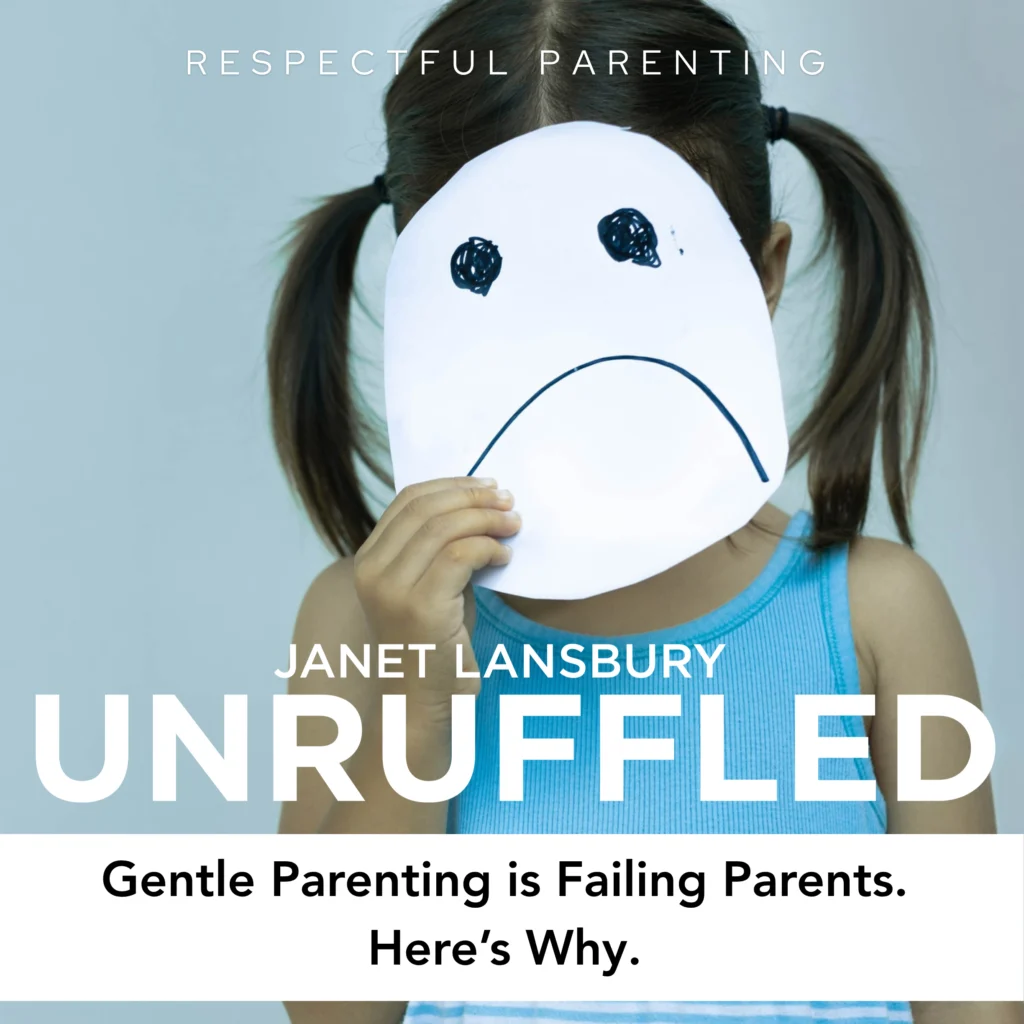
Parenting expert and author Janet Lansbury recently addressed this widespread disillusionment on an episode of her podcast, Unruffled. Lansbury explored why so many families feel let down by gentle parenting, arguing that the approach—at least in its popular interpretation—creates unrealistic expectations by prioritizing endless dialogue over decisive, calm leadership. Rather than adopting a new label or swinging toward harsher disciplinary trends, Lansbury contends that parents can transform their daily lives by shifting toward a foundation of confident leadership rooted in respect.
The Pendulum Swing: From Gentle Parenting to "FAFO"
The frustration surrounding modern parenting styles has not gone unnoticed by researchers and media outlets. Recent reports, including data from the YPulse Parenting Report and commentary cited from the Wall Street Journal, highlight a growing counter-trend among young parents. As public criticism of gentle parenting mounts—with detractors occasionally blaming the style for permissive child behavior—some parents are gravitating toward a more blunt, consequence-driven approach colloquially dubbed "FAFO" (an acronym for "F-Around and Find Out").
This emerging style operates on the premise that while parents can offer warnings, they should ultimately step aside and let natural repercussions unfold without interference—such as letting a child walk in the rain because they refused to bring a raincoat. According to reports, some parents prefer this direct method to avoid constantly "tiptoeing around their children’s feelings," while others selectively incorporate harsh consequences into otherwise gentle households.
Lansbury cautions against jumping blindly from one cultural trend to another. She notes that reactionary shifts toward harsher discipline often stem from parental resentment—a subconscious desire to enact payback for the daily friction children cause. Rather than choosing between the extremes of an over-accommodating gentle style and a punitive, detached approach, Lansbury advocates for a middle ground focused on genuine connection, clear boundaries, and parental self-assurance.
Deconstructing the Pitfalls of Popular Gentle Parenting
To better understand where modern practices diverge from effective relationship-building, Lansbury examined descriptions of gentle parenting outlined by healthcare professionals, such as an overview published by Brown University Health authored by Dr. Laura H. Dawson. While components of the philosophy—such as prioritizing the parent-child relationship, understanding developmental expectations, and committing to repair after a conflict—align with effective child-rearing, other common interpretations present significant practical hurdles.
A primary critique involves the insistence on verbally narrating a child’s emotions during high-stress moments. For instance, telling a frustrated toddler in the middle of a tantrum, "You look frustrated," often backfires. Rather than calming the child, such interventions can exacerbate distress, as lengthy dialogue during emotional dysregulation serves the parent’s need to follow a script rather than the child’s immediate need for a calm, non-verbal presence. Psychological studies indicate that excessive talking during tantrums frequently prolongs the episode.
Similarly, attempting to reason with a child immediately following an impulsive action—such as explaining alternative behaviors after a toy is thrown—often proves ineffective. Young children operating under emotional impulsivity lack the developmental capacity to process complex logical dialogues in the heat of the moment. Furthermore, framing bedtime resistance or daily transitions through elaborate negotiations and choices can overwhelm both parties, transforming simple boundaries into exhausting verbal standoffs.
The Shift Toward Confident Leadership
Lansbury argues that the fundamental flaw in taking "gentle" as a primary guiding principle is that it encourages tentativeness. When parents lead with an overarching desire to remain gentle above all else, they often stifle their own authority, second-guess every reaction, and walk on eggshells to prevent their children from experiencing disappointment.
Instead, Lansbury advocates for anchoring family life in respect and confidence. Respect means acknowledging children as whole, capable human beings from birth, honoring their stages of development, and accepting that their emotional outbursts are a normal part of growing up. Confidence, meanwhile, provides the inner strength necessary to hold firm boundaries without resorting to anger, harshness, or manipulation. When parents embody confident leadership, gentleness becomes a natural byproduct of strength rather than a defensive reaction born of fear.
Rather than relying on rigid, one-size-fits-all scripts, Lansbury encourages caregivers to reframe their approach through fundamental shifts in perspective. This includes stepping back to view misbehaving children not as intimidating adversaries, but as immature individuals who genuinely need a larger, more grounded figure to lean on. Understanding the root causes of misbehavior—recognizing that children act out when they are overwhelmed rather than out of malice—helps parents respond with less stress and greater emotional economy.
Moreover, accepting the inherent messiness of family life allows caregivers to let go of the pressure of perfection. Acknowledging that mistakes will happen, followed by authentic moments of repair when tempers flare, builds resilience and trust within the relationship. By cultivating internal clarity and recognizing that a child’s resistance to a boundary is simply part of the developmental process, parents can navigate daily friction with greater ease.
Ultimately, Lansbury emphasizes that parenting does not require rigid adherence to fluctuating internet trends or exhausting ideological scripts. By focusing less on policing their tone and more on embodying calm, decisive leadership paired with deep respect, parents can foster secure, resilient relationships that benefit both themselves and their children over the long term.
As debate continues surrounding the delicate balance between safe sun exposure and skin protection, wellness advocate and writer Katie Wells has introduced a new formulation aimed at filling a distinct gap in natural personal care: a homemade mineral lip sunscreen with SPF. While advocates of safe sun exposure frequently emphasize the vital role natural sunlight plays in synthesizing vitamin D, supporting immune function, and regulating hormones, they also point out that vulnerable areas like the lips still require deliberate protection during prolonged outdoor activities.
For years, wellness advocates have promoted the benefits of moderate, unprotected sun exposure to support overall health. However, extended exposure during high-intensity activities such as boating, surfing, or spending time in exceptionally sunny climates can lead to painful and damaging sunburns. While traditional body sunscreens are widely available, applying them to the lips often proves impractical. Standard formulas tend to leave an unappealing white cast, apply unevenly, and possess an unpleasant taste. Because small amounts of lip products inevitably end up ingested, finding a clean, safe, and palatable alternative has remained a priority for many health-conscious consumers seeking to avoid the chemical additives found in mainstream products.
Why You Should Not (and Should) Use Lip Sunscreen
The broader conversation surrounding sun protection often involves a critical look at conventional sunscreens and blocking habits. Many experts argue that modern society’s fear of the sun—exemplified by constant sunscreen application and the frequent use of sunglasses—can interfere with natural biological signaling pathways by blocking light receptors in the eyes. From this perspective, the ideal approach to sun health involves seeking shade or covering up once the body has received an adequate amount of sunlight for the day, rather than relying on chemical barriers from dawn until dusk.
At the same time, science remains clear on the risks of acute UV damage, particularly on sensitive areas of the skin like the lips, which lack the melanin and protective layers found elsewhere on the body. For individuals living in intense climates or spending hours on the water, targeted protection becomes a necessity rather than a precaution. Adapting existing homemade sunscreen recipes for facial and body use onto the lips, however, presents distinct challenges. Beyond the unappealing taste and texture, standard DIY sunscreens are not formulated for the unique environment of the mouth area, prompting the need for a specialized, food-grade yet effective alternative.
Mineral Lip Balm With Sunscreen Ingredients
Commercial lip balms and sunscreens often rely on a wide array of synthetic ingredients and UV-blocking agents. While chemicals like oxybenzone and avobenzone allow products to glide smoothly onto the skin and absorb quickly, they carry significant environmental and health consequences. Environmental studies have shown that these common chemical UV filters are toxic to coral reefs, causing widespread damage to fragile marine ecosystems that are essential to ocean life and the global environment. Furthermore, questions persist regarding the systemic absorption of these synthetic compounds into the human body.
In contrast, the newly developed DIY formulation utilizes non-nano and uncoated zinc oxide as its primary physical UV barrier. Unlike chemical absorbers, zinc oxide sits directly on top of the skin and lips, functioning as a physical shield that reflects ultraviolet rays away from the tissue. Recognized by health regulators as one of the safest and most effective UV barriers available, zinc oxide provides reliable protection without penetrating the skin barrier. Formulated at a concentration of twenty percent, the resulting lip balm achieves an estimated SPF of 10. While this number may appear modest, an SPF 10 rating successfully blocks approximately ninety percent of incoming ultraviolet rays.
To complement the mineral barrier, the formulation incorporates several nourishing, natural carrier oils and butters selected for their skin-protecting properties. Red raspberry seed oil is included for its natural trace SPF capabilities and its high concentration of protective antioxidants, which help shield delicate lip tissue from oxidative stress caused by solar radiation. Organic shea butter contributes a smooth, creamy texture that deeply nourishes the skin while providing the structural firmness required to maintain a solid lip balm consistency. Natural beeswax forms an additional breathable, protective layer over the lips to lock in moisture and resist environmental elements.
Avocado oil serves as the primary base for the lip balm, offering vital support for collagen production and helping to prevent the weakening of skin cells under environmental stress. Rich in natural carotenoids that offer supplementary protection against UV rays, avocado oil also aids in calming inflammation, accelerating skin cell regeneration, and reinforcing the skin’s natural moisture barrier. Together, these carefully selected ingredients create a balanced product that nourishes while it protects.
Tinted Sunscreen Lip Balm
Because mineral ingredients like zinc oxide naturally impart a distinct white appearance to topical formulations, addressing the visual aesthetic of a lip sunscreen is an important consideration for everyday wear. While some users remain comfortable with a traditional white cast, the formula can be easily customized using natural colorants. Incorporating iron oxide or mica allows users to tint the lip balm while adding subtle light-reflecting qualities that provide a gentle sheen.
When sourcing pigments for natural cosmetics, safety remains paramount. While iron oxides can occur naturally in soil, earth-derived minerals frequently contain trace contaminants such as lead and other heavy metals, making them unsuitable for products meant to be used on the lips. To circumvent this issue, modern natural formulations rely on lab-created, nature-identical iron oxides that offer rich, burgundy-red pigmentation without the risk of heavy metal contamination. For those who prefer alternative color sources, ingredients such as rose kaolin clay offer a comparable tinted effect while maintaining the product’s clean profile.
A crucial technical consideration in the creation of natural sunscreens and lip care products involves the careful selection of essential oils. Certain botanical extracts and essential oils are classified as phototoxic, meaning they contain chemical constituents that react with ultraviolet light to significantly increase the risk of severe sunburn, blistering, and long-term skin damage. Commonly used citrus oils such as bergamot, lime, lemon, and grapefruit fall squarely into this category and must be strictly avoided in any formulation intended for sun-exposed skin or outdoor wear.
As consumer interest in natural health and chemical transparency continues to grow, approaches to sun protection are evolving to encompass both environmental responsibility and personal wellness. By combining mineral-based physical barriers with antioxidant-rich botanical oils, health advocates are finding new ways to enjoy the outdoors safely while minimizing exposure to synthetic chemicals and synthetic UV filters.
For well over a century, a dedicated coalition of educators, cognitive scientists, and academic researchers has recognized a fundamental truth about human development: the arts are far more than mere enrichment or optional extracurricular activities. From music and dramatic performance to drawing, painting, and narrative storytelling, artistic expression actively strengthens academic achievement, fosters divergent thinking, enhances long-term memory retention, and builds critical social-emotional skills. While contemporary school districts and policy makers frequently debate whether the arts constitute essential curriculum or dispensable luxuries during budget crises, a robust body of empirical research consistently demonstrates that creative disciplines are, in fact, central to holistic student growth and long-term academic success.
Education as an Art
The foundational idea that teaching itself is an art form has deep historical roots in pedagogical philosophy. Highly effective educators are never simply passive conveyors of standardized information; rather, they operate as creative guides who awaken natural curiosity, invite deep exploration, and help students perceive the world around them through fresh perspectives. When daily lessons are infused with rhythm, imagination, and narrative structure, children find it vastly easier to connect abstract knowledge with tangible, lived experience.
A major randomized controlled trial conducted in Texas, entitled Investigating Causal Effects of Arts Education Experiences, provided compelling empirical evidence regarding this phenomenon. The study demonstrated that students enrolled in schools featuring enhanced arts programming not only performed significantly better in standardized writing assessments, but also displayed fewer disciplinary infractions and higher overall levels of empathy. When teaching is approached as a deliberate art form, the entire educational process extends far beyond basic academic metrics into the vital realms of personal character, community cohesion, and shared humanity.
Academic Achievement and the Arts
For decades, learning environments rich in the arts have been directly correlated with superior academic performance across diverse student populations. The landmark federal report Arts and Achievement in At-Risk Youth revealed that students who maintain a deep and sustained involvement in artistic disciplines earn noticeably better grades, graduate from secondary education at substantially higher rates, and demonstrate a much greater likelihood of aspiring to higher education.
More recent evaluations, including the National Endowment for the Arts publication Snapshots of Arts Education in Childhood and Adolescence, have further confirmed consistent, measurable gains in reading comprehension, mathematical proficiency, and general language skills when student participation in the arts remains robust and continuous.
This academic advantage is vividly illustrated by specific cognitive research, such as a study led by Dr. Mariale Hardiman and her colleagues at Johns Hopkins University. Entitled The Effects of Arts-Integrated Instruction on Memory for Science Content, the 2019 study discovered that students who learned core scientific concepts through arts-based methodologies retained that knowledge far more effectively than control groups taught through traditional instructional methods. This empirical finding reinforces what many innovative classrooms practice daily: complex, abstract concepts become vastly more accessible when introduced through creative exploration. Students who draw geometric forms before tackling complex geometry formulas, or who illustrate a biological process as an active component of their science curriculum, build stronger cognitive pathways for information retrieval.
Creativity and Critical Thinking
In the rapidly evolving landscape of the modern global economy, creativity is no longer viewed as an elite luxury; it has become an absolute necessity for economic and social navigation. A comprehensive report from the Organisation for Economic Co-operation and Development (OECD), titled Art for Art’s Sake?, highlights the profound ways in which structured arts education fosters flexible, innovative thinking patterns.
Extensive academic studies consistently confirm that students who routinely engage in artistic and musical activities develop markedly stronger divergent thinking skills. These cognitive capabilities enable young learners to generate original ideas, synthesize disparate concepts, and adapt fluidly to novel, unexpected situations. Whether an adolescent is composing an original piece of music, performing in a theatrical production, or painting a landscape, the rigorous practice of art cultivates persistence, originality, and complex problem-solving capacities that seamlessly translate across all academic and professional disciplines.
Memory, Engagement, and Multisensory Learning
The cognitive mechanics behind artistic practice also play a decisive role in strengthening both memory retention and daily student engagement. The research conducted by Hardiman and her colleagues demonstrates that arts-integrated instruction leads to deeper, more durable long-term recall of academic content. This occurs primarily because the arts activate multiple sensory modalities simultaneously—incorporating visual, auditory, and kinesthetic pathways—which effectively anchors newly acquired knowledge in rich, embodied physical experience.
When a classroom of students engages in reciting historical poetry, singing a complex mathematical formula, or physically illustrating historical events through movement, the learning process is embedded much more deeply into the brain than it would be through rote memorization or passive listening alone.
Social-Emotional Growth
The transformative benefits of comprehensive arts education extend far beyond traditional cognitive metrics into the crucial social-emotional domain. The Houston-based arts evaluation noted earlier documented a measurable increase in compassion and improved social engagement among students who experienced heightened exposure to the arts. Similarly, a specialized National Endowment for the Arts brief, Arts in Early Childhood: Social and Emotional Benefits of Arts Participation, meticulously documented how storytelling, collaborative music-making, and dramatic play actively build cooperation, empathy, and emotional resilience in young learners.
Participating in a theatrical production, rehearsing in a choir, or collaborating on a large-scale visual art project inherently requires high levels of interpersonal communication, patience, shared responsibility, and mutual respect. These collaborative creative endeavors cultivate essential life skills that prepare students for cooperative environments throughout their adult lives.
Equity and Access
Despite the overwhelming volume of supporting research, arts programs remain disproportionately vulnerable, frequently serving as the very first line item targeted for budget cuts when school districts face financial tightening. Yet, empirical research consistently demonstrates that robust arts engagement can function as a powerful equalizer for disadvantaged student populations.
Data compiled by the National Endowment for the Arts indicates that low-income students who maintain deep involvement in the arts regularly outperform their socioeconomically similar peers academically, exhibit higher rates of college enrollment, and demonstrate significantly greater civic engagement in their communities. Furthermore, nationwide initiatives like the Kennedy Center’s Turnaround Arts program confirm parallel positive outcomes, documenting measurable improvements in daily student attendance, behavioral metrics, and overall school climate in historically underfunded schools that intentionally embrace comprehensive arts integration.
A Universal Call
The cumulative body of evidence compiled over the past century is unequivocal: the arts are not peripheral luxuries, but rather foundational pillars of effective education. They elevate academic performance, spark vital creativity, deepen cognitive memory retention, and nurture profound social empathy. Educational institutions that fully integrate the arts into their daily routines—whether through music, visual arts, physical movement, drama, or narrative storytelling—align directly with what modern educational research affirms as best practice for human learning.
For more than a century, educational models such as Waldorf schools have provided a practical, real-world example of what this holistic integration looks like in everyday classrooms, weaving the arts into every academic subject as a matter of core principle. Within these environments, the creative arts are never treated as superficial add-ons, but rather as the vital medium through which traditional academics are truly brought to life.
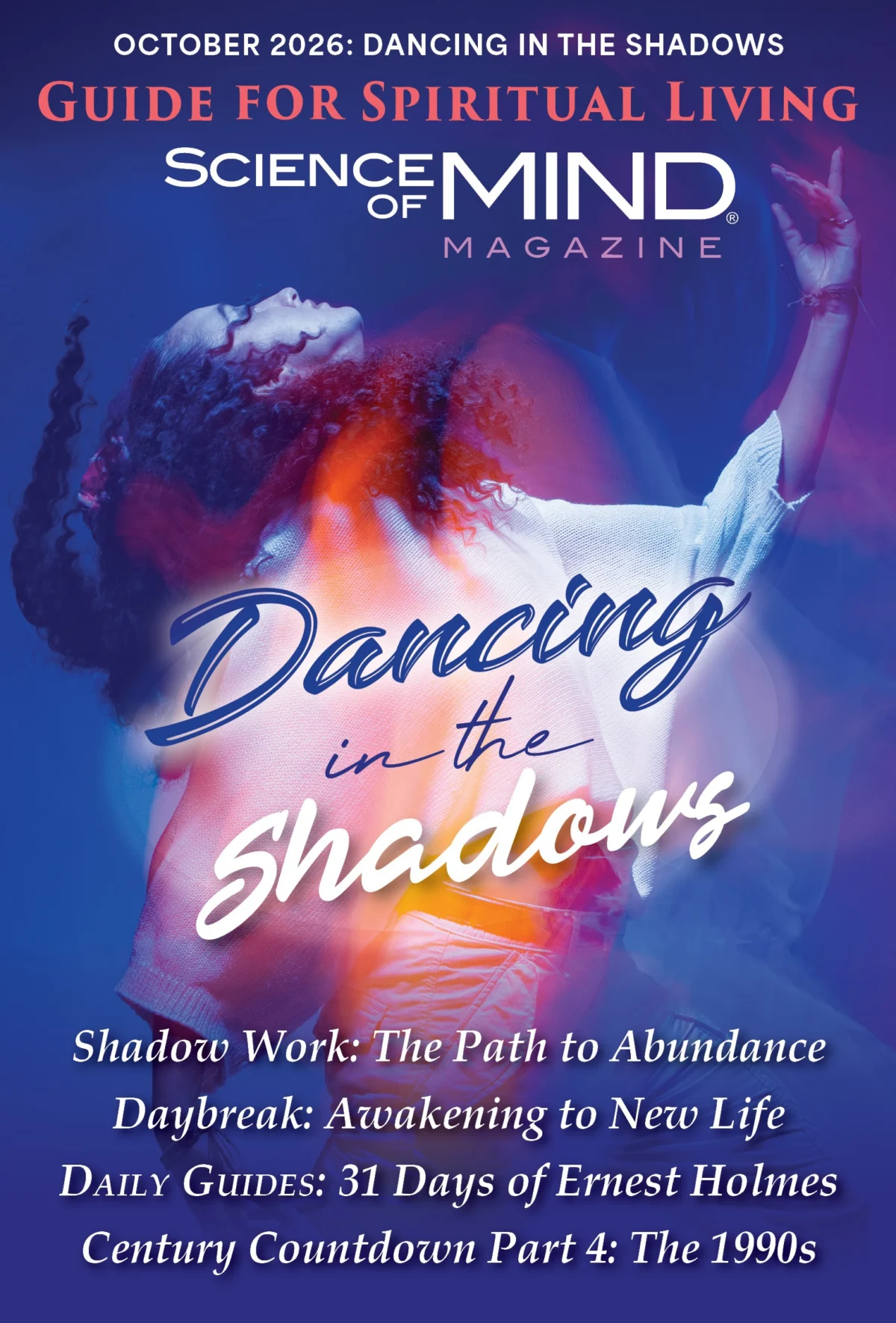
Readers and subscribers can now dive into the latest content with the official release of the October 2026 issue, highlighted by the featured presentation Dancing in the Shadows. The new edition is currently available to the public and subscribers through multiple digital and print channels, offering immediate access to the publication’s newest offerings.
Dancing In The Shadows
The centerpiece of the October 2026 release is Dancing in the Shadows, a prominent feature that anchors this month’s publication. As readers open the latest issue, they will find this compelling work available immediately as part of the overarching release. The timing aligns with the scheduled rollout for October 2026, bringing fresh material directly to dedicated followers and casual readers alike who have anticipated the newest installment.
The presentation of Dancing in the Shadows marks a significant addition to the publication’s ongoing catalog, continuing a tradition of delivering timely and engaging features. With the October 2026 issue now officially out, audiences can explore the full scope of the release through the publication’s established reading platforms.
Access Your Online Issue Here
For digital readers and subscribers who prefer immediate, on-the-go access, the complete October 2026 issue is readily accessible online. Readers can view the current edition by navigating directly to the secure digital portal. By visiting the designated online access page at https://epub.pubservice.com/Login.aspx?PC=SC, subscribers and authorized users can log in to view Dancing in the Shadows and all accompanying content formatted specifically for digital screens. This online portal ensures that readers can engage with the publication seamlessly across various devices without waiting for physical mail delivery.
Get 12 Digital Issues for Just $19.95
Individuals interested in maintaining continuous digital access to the publication can currently take advantage of a specialized subscription offer. New readers and digital enthusiasts can secure a full year of content—comprising 12 digital issues—for a promotional rate of just $19.95. This option provides a cost-effective way to follow ongoing releases, ensuring that editions featuring works like Dancing in the Shadows arrive directly in the reader’s digital library month after month. Those wishing to opt for this digital package can sign up directly by visiting https://csl.dragonforms.com/loading.do?omedasite=SC_new to complete the online form and start their 12-issue subscription.
Subscribe Online to Receive the Print Issue in the Mail
For those who appreciate the tactile experience of reading a physical magazine or journal, print subscriptions are also open. Readers can subscribe online to receive the official print issue delivered directly to their mailing address. Furthermore, the publisher offers a combined subscription tier that bundles both the print and digital editions together for one low price. This dual format ensures that subscribers do not have to choose between traditional delivery and digital convenience. Interested individuals can secure the combined print and digital package by visiting the online subscription portal at https://csl.dragonforms.com/loading.do?omedasite=SC_new to set up their home delivery for the October 2026 edition of Dancing in the Shadows and all future issues moving forward.
A homeschool graduation ceremony begins with the same intention that took root when a child first learned to take their steps. It is a milestone that brings memories and hope together in a blend of learning and love. Yet, as families finishing the Challenge program reach this significant juncture, they often carry practical questions into the season. Parents wonder what the ceremony should include, how formal the celebration needs to be, and whether a homeschool diploma carries legitimate weight with universities, colleges, and modern employers.
Leigh Bortins addresses this pivotal season directly in Chapter Twelve and the epilogue of The Conversation, reassuring parents that graduation—much like every other stretch of the rigorous high school years—is simply one more milestone to learn and execute well as a family. Classical Conversations families have celebrated this rite of passage for decades, hosting ceremonies in living rooms, rented community halls, and even at sea. This collective experience has helped gather what truly works for families navigating the transition from high school to the broader world.
Planning the Ceremony: Practical Ideas for a Meaningful Celebration
A homeschool graduation ceremony does not require a massive stadium, a marching band, or an extensive guest list to mark the moment properly. What it demands is intention: a clear sense of what the day represents and who belongs in the room. Most families build the ceremony around three core elements: a formal diploma presentation, a brief reflection on the student’s unique learning journey, and dedicated time with the people who shaped it. These individuals often include parents, Tutors, Directors, and community day friends who sat beside the graduate through years of memory work, intensive essays, and rigorous debate.
Some families prefer to keep the ceremony small and deeply personal, hosting it at home or folding it naturally into their local Challenge community’s final gathering of the academic year. Others opt for a broader celebration. Classical Conversations hosts a National Commencement, complete with traditional academic regalia and a full-scale ceremony, for families who wish to mark their graduate’s milestone on a larger scale alongside their wider community. For those organizing their own events, members can order official graduation packages, including diplomas, through authorized partners such as HomeschoolDiploma.com.
Reflecting on the Journey: What the Classical Model Built Over the Years
Graduation also serves as an ideal time to look backward and evaluate the educational path traveled. Long before the cap and gown are fitted, the classical model is already at work across three distinct movements, which correspond directly to the three arts of the trivium.
During the Foundations years, grammar provides the student with a foundational body of knowledge, encompassing memory work in history, science, and Latin, which is often recited together with the entire family. As students move into Essentials and the early Challenge levels, the dialectic stage teaches them how to ask perceptive questions and sort through that accumulated knowledge critically.
By the time students reach Challenge II, III, and IV, the rhetoric stage brings all these elements together. Graduates learn to write comprehensive research papers, defend positions through formal debate, and speak persuasively about what they have come to believe is true. From the age of four all the way to commencement, these students practice the liberal arts of grammar, dialectic, and rhetoric as they steadily grow toward wisdom and freedom.
Along this educational pathway, most graduates also acquire essential leadership qualities that a standard academic transcript cannot explicitly show. Challenge students lead educational strands, mentor younger classmates, and hone their public speaking skills through Policy Debate and Lincoln-Douglas Debate long before they ever wear graduation regalia. Furthermore, they forge lifelong friendships that endure long after the final ceremony concludes—bonds formed through years of singing songs, wrestling with deep intellectual topics, and debating complex issues together.
Looking Ahead: Encouragement for the Next Chapter
A graduate’s next step might involve higher education, a skilled trade, military service, or entering the workforce full-time. The fifteen core skills built through Foundations, Essentials, and Challenge travel purposefully with the student into whichever path they choose.
For parents, reaching this juncture represents a kind of graduation of their own. After years of managing memory work in Foundations and mentoring through Challenge, parents possess a refined set of capabilities: they know how to ask incisive questions, weigh complex options, and seek wisdom within a supportive community of fellow educators. This accumulated confidence carries directly into helping their graduate evaluate colleges, specialized programs, or initial career opportunities. Resources such as the Everyday Educator podcast episode titled Graduating Into a New Beginning offer targeted encouragement for families navigating this exact seasonal transition.
Families looking forward to post-high school life can also draw upon a variety of established guides, including resources on why to homeschool through high school, how the classical model prepares students and parents for future endeavors, and comprehensive transcripts guides designed to properly document years of diligent academic work.
Frequently Asked Questions about Homeschool Graduation
When planning these milestones, families frequently ask what a homeschool graduation ceremony should include. Most traditional ceremonies incorporate a diploma presentation, a brief reflection on the student’s academic trajectory, and shared time with family, Tutors, Directors, and community peers. While some prefer a simple, intimate gathering, others coordinate formal public events such as the Classical Conversations National Commencement.
Regarding logistics, planning usually begins with determining the desired scale of the event—whether a private home ceremony, a joint celebration with a local Challenge community, or a large formal assembly. Families then select a date, invite the mentors who guided the student, and decide whether to feature a keynote reflection, formal presentation, and reception.
A common concern among parents is whether a homeschool diploma carries the same weight as a public school credential. A parent-issued homeschool diploma is legally valid nationwide and is broadly accepted by colleges, military branches, and employers. While recognition can vary slightly depending on regional guidelines, admissions offices typically place the greatest weight on a well-documented academic transcript rather than the diploma document itself. Maintaining a clear, detailed transcript alongside the diploma remains an essential practice for this reason.
Celebrating Your Homeschool Graduation Well
A homeschool graduation ceremony marks the formal close of an educational season that began with uncertain first steps and expanded, year by year, into rigorous memory work, scholarly essays, structured debates, and late nights spent working around the kitchen table. Families approach the day with intention, using the occasion to look back with deep gratitude at the knowledge, understanding, and wisdom cultivated in their student over the years. Though the graduation ceremony eventually concludes, the formation it celebrates—a mind and heart shaped to understand the world—carries forward into whatever endeavors lie ahead.
It is 2:00 in the morning, the house is completely quiet, and yet sleep remains entirely out of reach. For millions of people, staring at the ceiling in the dead of night is not a rare occurrence caused by a temporary bout of worry, but rather the nightly reality of a biological clock operating entirely out of sync with the outside world. Whether dealing with the lingering, disorienting fog of a red-eye flight, the grueling demands of a rotating night shift, or a natural internal rhythm that simply refuses to align with societal expectations, the fundamental struggle is always the same: an internal clock and daily life are pulling in opposite directions.
These issues fall under the umbrella of circadian rhythm sleep disorders (CRSDs), medical conditions that occur when an individual’s internal sleep-wake cycle fails to synchronize with their environment, social schedule, or desired sleep times. Far more common than many realize, these disorders are frequently mistaken for ordinary stress, brushed off as a lifestyle inconvenience, or ignored until daily functioning begins to severely suffer. However, medical science increasingly recognizes CRSDs as distinct, diagnosable physiological conditions with specific causes and proven treatment protocols designed to help individuals get their sleep back on track.
To understand why these disorders occur, it helps to examine the human body’s master internal clock. Located in the brain, the circadian rhythm regulates the natural ebb and flow of sleepiness and alertness across a roughly 24-hour cycle. This internal pacemaker is constantly fine-tuned by external environmental cues, known as zeitgebers, with light exposure serving as the most powerful synchronizer. Temperature fluctuations and meal timing also play supporting roles in keeping the biological clock aligned with the Earth’s rotation. When this delicate alignment breaks down, a circadian rhythm sleep disorder develops, manifesting in several distinct ways depending on how the internal clock has drifted relative to the external world.
While symptoms can vary widely depending on the specific type of disorder an individual is experiencing, the core underlying problem remains consistent: sleep is happening at the wrong time. Affected individuals frequently report chronic difficulties falling asleep at conventional hours, severe struggles waking up when required, or waking up too early and being unable to return to sleep. This misalignment often leads to severe daytime fatigue, brain fog, impaired concentration, and irritability, severely impacting professional performance, academic success, and personal relationships. Over time, the chronic mismatch between internal biology and external demands takes a significant toll on overall health and well-being.
The roots of circadian rhythm sleep disorders are rarely singular, typically stemming from a complex interplay of lifestyle habits, environmental factors, and innate biology. Light exposure, or the lack thereof, remains a primary driver. Entering the eyes, light acts as the strongest external cue for the brain’s internal clock. Consequently, exposure to excessive bright light late at night—particularly the blue light emitted by smartphones, tablets, and computer screens—combined with a lack of natural sunlight in the morning, can actively push the internal clock in the wrong direction, delaying the onset of natural sleepiness.
Beyond environmental influences, genetics play a profound role in determining an individual’s natural sleep timing, often referred to as their chronotype. Specific genetic variations have been closely linked to differences in circadian timing, which may explain why some people possess a lifelong, hardwired tendency to function as late-night owls while others naturally wake up as early risers. Age also exerts a powerful influence on sleep architecture and timing. Teenagers naturally experience a biological shift toward later sleep and wake times, often clashing with early school start times, whereas older adults frequently find themselves feeling tired much earlier in the evening and waking up significantly earlier in the morning.
For workers engaged in night shifts or rapidly rotating schedules, the disruption is structural. Forcing the body to remain awake and alert during hours when biology demands sleep creates a persistent state of internal friction. Irregular eating patterns and mistimed exercise routines often compound this disruption, making it exceptionally difficult for the body to establish a stable rhythm. Furthermore, certain neurological conditions are intimately tied to an elevated risk of circadian disruption. Disorders such as Alzheimer’s disease, Parkinson’s disease, and a history of traumatic brain injury have been frequently correlated with fragmented, irregular sleep patterns and weakened circadian rhythms. While researchers continue to study the exact mechanisms, it remains an open question whether disrupted rhythms act as a primary cause, an early indicator, or both in the progression of these conditions. Additionally, individuals who are completely blind often experience severe circadian challenges because light cannot reach the eyes to provide the brain with its primary external cue for maintaining a 24-hour alignment.
Fortunately, medical science and sleep research have established a variety of effective strategies to help individuals correct these misalignments and reset their internal clocks. Managing light exposure is often the cornerstone of treatment. Bright daylight encountered early in the day helps advance the internal clock, making it a particularly valuable tool for those struggling with delayed sleep phase disorder. During darker winter months or in environments with limited natural sunlight, specialized bright light therapy boxes providing 10,000 lux for roughly 20 to 30 minutes shortly after waking can effectively substitute for natural sunlight. Because certain eye conditions can be sensitive to intense light therapy, consulting a healthcare professional beforehand is always recommended.
Conversely, reducing exposure to bright light two to three hours before bedtime helps ease the body into a natural sleep state. Dimming overhead lights and minimizing screen time prevents the artificial suppression of melatonin, the hormone responsible for signaling that rest is approaching. For travelers crossing multiple time zones, light management strategies can significantly accelerate adjustment. Travelers flying east are advised to seek bright light in the new morning and avoid it in the new evening, while those flying west should follow the reverse pattern. Properly timed light exposure over the course of a day or two can dramatically speed up adaptation and reduce the severity of jet lag.
Maintaining consistent sleep and wake times represents another vital pillar of circadian health. Establishing a rigid schedule—waking up at the same exact time every single day, including weekends—provides the body with a reliable, predictable anchor. While consistency can be challenging to maintain initially, the biological clock eventually responds to the steady repetition, naturally reinforcing the desired rhythm. For shift workers, consistency may look different, but the principle remains valid: anchoring sleep to the same designated block of hours on workdays and minimizing large schedule swings on days off helps stabilize the underlying biology.
For more severe or stubborn misalignments, more structured clinical approaches may be required. Chronotherapy involves the deliberate, gradual adjustment of sleep and wake times in a single direction day by day until the desired schedule is achieved. For individuals dealing with delayed sleep phase disorder, this might involve pushing bedtime slightly later each day until the schedule cycles all the way around to the target hour. Because this process is physically demanding and carries a risk of pushing the schedule further off track if not managed carefully, sleep specialists advise undertaking chronotherapy under professional guidance.
Behavioral interventions also play a crucial role in recovery. Sleep difficulties frequently generate secondary anxiety regarding the ability to fall asleep, which in turn triggers a physiological stress response that makes slumber even more elusive. Mindfulness practices, such as focused breathing exercises or brief guided meditations, can help quiet a racing mind and alleviate sleep-related anxiety. Even short periods of intentional relaxation can lower physiological arousal enough to allow natural sleep processes to take over.
Pharmacological tools, when used correctly, can support circadian realignment. Melatonin, a hormone naturally secreted by the pineal gland as evening approaches, serves primarily as a timing cue rather than a heavy sedative meant to force immediate unconsciousness. For individuals with delayed sleep phase disorders, taking a low dose ranging from 0.5 to 3 milligrams roughly three hours before the desired bedtime can gradually shift the biological clock forward. When dealing with jet lag, taking melatonin approximately an hour before the target bedtime in the new time zone helps synchronize the body more rapidly. Consulting a physician or sleep specialist ensures that both the dosage and timing are appropriately tailored to individual needs.
Persistent or severe circadian rhythm disorders often warrant professional medical evaluation. Sleep specialists utilize diagnostic tools such as actigraphy—a wrist-worn sensor that records movement and rest patterns over extended periods—to objectively assess an individual’s circadian profile. In many cases, cognitive behavioral therapy for insomnia is integrated with circadian-focused treatments to address the thoughts, behaviors, and environmental habits that perpetuate poor sleep.
Everyday disruptions, ranging from inconsistent schedules and caffeine intake to late-night screen use and stress, can readily challenge the body’s internal timing. While mild disruptions like jet lag often resolve independently within a few days, chronic circadian rhythm sleep disorders rarely correct themselves without deliberate changes to light exposure, daily habits, and sleep schedules. Distinguishing these disorders from general insomnia—where difficulty falling or staying asleep can occur at any hour, rather than simply happening at the wrong time on the clock—is essential for finding the right intervention. Through consistent lifestyle adjustments, targeted light therapy, and professional guidance when needed, individuals can successfully recalibrate their internal clocks and restore harmony to their daily lives.
As the 2026 midterm elections approach, organizational leaders across the United States are deepening their commitments to safeguarding free and fair elections. Faced with a complex political landscape marked by polarization, anxiety, and shifting local challenges, these leaders are actively working to protect democracy by respecting, relating, and cooperating across diverse community lines.
Ahead of the midterm season, Interfaith America connected with three leaders participating in the Vote is Sacred (VIS) fellowship. These fellows shared insights into the unique hurdles facing voters and election administrators this year, detailed how their organizations are working to safeguard democracy at state and local levels, and offered advice on how people of faith can effectively support and stabilize their communities.
Meeting the Challenges of the Midterm Season
This election cycle, Americans are grappling with widespread uncertainty and fear regarding the future of the democratic process. Although election concerns vary significantly from region to region and community to community, leaders emphasize that an essential component of fostering pluralism and building trust—both in the electoral system and in one another—is acknowledging these difficulties openly and directly.
Michele Dunne, executive director at the Franciscan Action Network, points out that the issues confronting voters this midterm season span a wide spectrum, ranging from the persistent threat of electoral sabotage to various forms of voter suppression that manifest differently at the local level.
"One thing I think that will be a concern everywhere is getting proper information, getting correct information," Dunne noted, highlighting the pervasive issue of misinformation and the difficulty everyday citizens face in sorting through competing narratives.
For Jane Andersen, the Arizona director at Mormon Women for Ethical Government (MWEG), voter apathy presents a profound and compounding challenge. As the political environment grows increasingly hostile and complex, many citizens are simply tuning out.
"I think our general everyday voters are completely overwhelmed by the quantity of news and quasi-news that comes their way," Andersen said. "People are becoming less and less willing to buck the trend of what politics looks like and dive into it. That’s what worries me the most, because as a citizen, we really do hold so much power."
Beyond information overload and fatigue, growing fear is actively discouraging democratic participation in certain vulnerable communities. Dunne highlighted anxieties surrounding the potential presence of law enforcement personnel—including Immigration and Customs Enforcement (ICE) and other agencies—deployed near polling places on election day, which could create a severe intimidating effect for immigrant communities and marginalized groups.
These concerns are echoed by Ria Chakrabarty, senior policy director at Hindus for Human Rights (HfHR). Chakrabarty identified escalating animosity toward South Asian communities, rising Islamophobia, and persistent anti-immigrant sentiment as major factors shaping the midterm season.
"[It] makes people really afraid to even want to participate in democracy," Chakrabarty said, pointing to recent vitriol directed against South Asian Americans and aggressive rhetoric targeting Haitian immigrants. "At that point, you just want to keep your head down and not really engage with anything. You just want to survive. That’s a huge problem."
Different Communities, Shared Democratic Commitments
In response to the multifaceted challenges facing the nation’s electoral infrastructure, Vote is Sacred fellows are actively mobilizing their respective constituencies to uphold free and fair elections. Just as local communities and diverse demographic groups face varied obstacles, the strategies employed by different faith-based and civic organizations reflect a wide range of creative approaches.
"We’re a diverse group in terms of our composition, even on the political spectrum," Andersen said of the fellowship cohort. "But it was so encouraging to see the work they’re doing and the creativity that they’re using to reach their audiences."
For Andersen and Mormon Women for Ethical Government, a primary focus has been demystifying the electoral process for everyday voters. In the months leading up to the midterms, MWEG initiatives have concentrated on familiarizing women within their constituency with the mechanics of running an election. This has been achieved through scheduled visits with elected officials, shared media literacy content, hosted educational trips to the Maricopa County Tabulation Office and Election Center, and community voter preparation parties designed to build confidence and competence.
Meanwhile, the Franciscan Action Network has dedicated its efforts to nonpartisan initiatives aimed at preserving the integrity of the voting process. This includes the recruitment and training of poll chaplains—individuals organized into teams of people of faith stationed outside polling locations.
"To help voters out in any way that they need, and to help create a peaceful and positive atmosphere, possibly to de-escalate conflict," Dunne explained, describing the vital, calming presence these chaplains provide during tense electoral windows.
At Hindus for Human Rights, election protection work involves drawing connections between threats to democracy and authoritarian tendencies observed both in the United States and abroad, particularly in India. Chakrabarty emphasized the importance of creating what she terms a "landing place" for individuals whose commitment to democracy compels them to act, even when facing the chilling effects of potential retaliation or deportation.
In Georgia, HfHR has focused on building local chapters and cultivating deep community ties, encouraging constituents to stay engaged far beyond the immediate cycle of a single election.
"After the elections, they’re able to continue talking about the issues that they care about, and then once the people that they’ve elected are in office, making sure that the elected officials in Georgia are hearing from HfHR in the Atlanta metro area throughout the next two years," Chakrabarty said.
Advice for Showing Up as People of Faith
As communities navigate the complexities of the upcoming midterm elections, leaders stress the importance of anchoring civic engagement in deep spiritual and moral foundations.
"It’s important for each organization or faith tradition to spend a little time discerning what is this spiritual grounding that they’re bringing to this work," Dunne advised. She noted that the Franciscan Action Network operates as a completely nonpartisan organization, guided steadfastly by "a commitment to nonviolence and to democracy as the system we have in the United States for resolving political differences."
Drawing on her membership in the Church of Jesus Christ of Latter-Day Saints, Andersen referenced a call from LDS President Dallin H. Oaks urging believers to "be agents of peacemaking in our culture." This religious mandate serves as a primary motivation for her civic involvement with MWEG.
"We want to empower people to recognize that, as people of faith, our principles are going to guide how we create specific impact, and it really separates us from people who are solely politically motivated," Andersen said. "Approaching politics from a viewpoint of faith really provides a new and needed perspective."
For Chakrabarty, the foundational first step in democracy work—particularly when reaching out to populations hesitant to make their voices heard—is remarkably straightforward. It requires "just showing up, listening and talking to people, and giving people the tools that they can use to feel in control." By providing tangible resources and clear pathways for involvement, organizations can empower everyday constituents to take meaningful action.
"Democracies are just as strong as the people who are involved in them," Chakrabarty emphasized.
Looking ahead to the challenges and opportunities of the 2026 midterms, Dunne maintains a steady sense of hope rooted in the dedication of ordinary citizens stepping forward into public life.
"People are stepping forward," she said. "And they’re saying, ‘I believe so much in the need for a peaceful and properly functioning democracy in this country, and I want to be there. I want to play a role.’"