Wellness Advocate Introduces Natural DIY Mineral Lip Sunscreen to Combat Toxic Commercial Ingredients
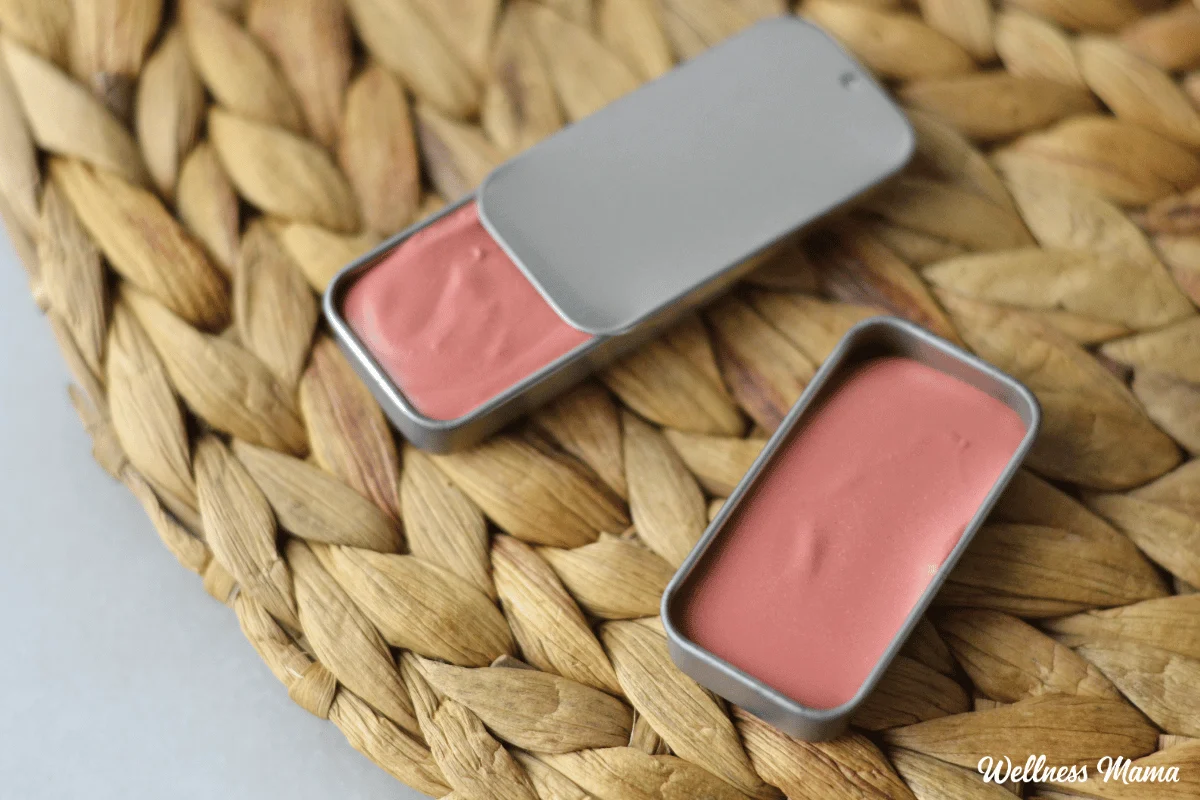
As debate continues surrounding the delicate balance between safe sun exposure and skin protection, wellness advocate and writer Katie Wells has introduced a new formulation aimed at filling a distinct gap in natural personal care: a homemade mineral lip sunscreen with SPF. While advocates of safe sun exposure frequently emphasize the vital role natural sunlight plays in synthesizing vitamin D, supporting immune function, and regulating hormones, they also point out that vulnerable areas like the lips still require deliberate protection during prolonged outdoor activities.
For years, wellness advocates have promoted the benefits of moderate, unprotected sun exposure to support overall health. However, extended exposure during high-intensity activities such as boating, surfing, or spending time in exceptionally sunny climates can lead to painful and damaging sunburns. While traditional body sunscreens are widely available, applying them to the lips often proves impractical. Standard formulas tend to leave an unappealing white cast, apply unevenly, and possess an unpleasant taste. Because small amounts of lip products inevitably end up ingested, finding a clean, safe, and palatable alternative has remained a priority for many health-conscious consumers seeking to avoid the chemical additives found in mainstream products.
Why You Should Not (and Should) Use Lip Sunscreen
The broader conversation surrounding sun protection often involves a critical look at conventional sunscreens and blocking habits. Many experts argue that modern society’s fear of the sun—exemplified by constant sunscreen application and the frequent use of sunglasses—can interfere with natural biological signaling pathways by blocking light receptors in the eyes. From this perspective, the ideal approach to sun health involves seeking shade or covering up once the body has received an adequate amount of sunlight for the day, rather than relying on chemical barriers from dawn until dusk.
At the same time, science remains clear on the risks of acute UV damage, particularly on sensitive areas of the skin like the lips, which lack the melanin and protective layers found elsewhere on the body. For individuals living in intense climates or spending hours on the water, targeted protection becomes a necessity rather than a precaution. Adapting existing homemade sunscreen recipes for facial and body use onto the lips, however, presents distinct challenges. Beyond the unappealing taste and texture, standard DIY sunscreens are not formulated for the unique environment of the mouth area, prompting the need for a specialized, food-grade yet effective alternative.
Mineral Lip Balm With Sunscreen Ingredients
Commercial lip balms and sunscreens often rely on a wide array of synthetic ingredients and UV-blocking agents. While chemicals like oxybenzone and avobenzone allow products to glide smoothly onto the skin and absorb quickly, they carry significant environmental and health consequences. Environmental studies have shown that these common chemical UV filters are toxic to coral reefs, causing widespread damage to fragile marine ecosystems that are essential to ocean life and the global environment. Furthermore, questions persist regarding the systemic absorption of these synthetic compounds into the human body.
In contrast, the newly developed DIY formulation utilizes non-nano and uncoated zinc oxide as its primary physical UV barrier. Unlike chemical absorbers, zinc oxide sits directly on top of the skin and lips, functioning as a physical shield that reflects ultraviolet rays away from the tissue. Recognized by health regulators as one of the safest and most effective UV barriers available, zinc oxide provides reliable protection without penetrating the skin barrier. Formulated at a concentration of twenty percent, the resulting lip balm achieves an estimated SPF of 10. While this number may appear modest, an SPF 10 rating successfully blocks approximately ninety percent of incoming ultraviolet rays.
To complement the mineral barrier, the formulation incorporates several nourishing, natural carrier oils and butters selected for their skin-protecting properties. Red raspberry seed oil is included for its natural trace SPF capabilities and its high concentration of protective antioxidants, which help shield delicate lip tissue from oxidative stress caused by solar radiation. Organic shea butter contributes a smooth, creamy texture that deeply nourishes the skin while providing the structural firmness required to maintain a solid lip balm consistency. Natural beeswax forms an additional breathable, protective layer over the lips to lock in moisture and resist environmental elements.
Avocado oil serves as the primary base for the lip balm, offering vital support for collagen production and helping to prevent the weakening of skin cells under environmental stress. Rich in natural carotenoids that offer supplementary protection against UV rays, avocado oil also aids in calming inflammation, accelerating skin cell regeneration, and reinforcing the skin’s natural moisture barrier. Together, these carefully selected ingredients create a balanced product that nourishes while it protects.
Tinted Sunscreen Lip Balm
Because mineral ingredients like zinc oxide naturally impart a distinct white appearance to topical formulations, addressing the visual aesthetic of a lip sunscreen is an important consideration for everyday wear. While some users remain comfortable with a traditional white cast, the formula can be easily customized using natural colorants. Incorporating iron oxide or mica allows users to tint the lip balm while adding subtle light-reflecting qualities that provide a gentle sheen.
When sourcing pigments for natural cosmetics, safety remains paramount. While iron oxides can occur naturally in soil, earth-derived minerals frequently contain trace contaminants such as lead and other heavy metals, making them unsuitable for products meant to be used on the lips. To circumvent this issue, modern natural formulations rely on lab-created, nature-identical iron oxides that offer rich, burgundy-red pigmentation without the risk of heavy metal contamination. For those who prefer alternative color sources, ingredients such as rose kaolin clay offer a comparable tinted effect while maintaining the product’s clean profile.
A crucial technical consideration in the creation of natural sunscreens and lip care products involves the careful selection of essential oils. Certain botanical extracts and essential oils are classified as phototoxic, meaning they contain chemical constituents that react with ultraviolet light to significantly increase the risk of severe sunburn, blistering, and long-term skin damage. Commonly used citrus oils such as bergamot, lime, lemon, and grapefruit fall squarely into this category and must be strictly avoided in any formulation intended for sun-exposed skin or outdoor wear.
As consumer interest in natural health and chemical transparency continues to grow, approaches to sun protection are evolving to encompass both environmental responsibility and personal wellness. By combining mineral-based physical barriers with antioxidant-rich botanical oils, health advocates are finding new ways to enjoy the outdoors safely while minimizing exposure to synthetic chemicals and synthetic UV filters.
