Celebrating the Homeschool Graduate: Milestones, Methods, and Meaning in Classical Education
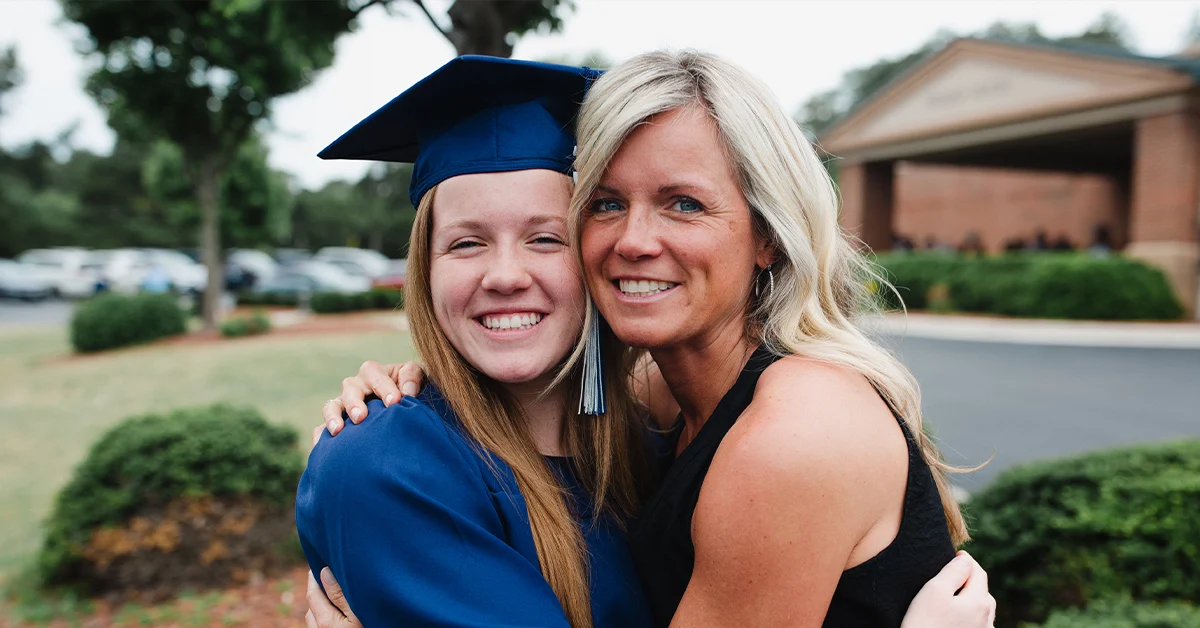
A homeschool graduation ceremony begins with the quiet intention that first took root when a child wobbled through their earliest steps. It serves as a monumental milestone, bringing together bittersweet memories and buoyant hope in a rich bouquet of learning and love. Yet, as families finish the rigorous Challenge program, they frequently bring a series of practical questions into this season of transition. Parents wonder what the ceremony should properly include, how formal the event needs to be, and whether a homeschool diploma carries genuine weight with modern colleges and prospective employers.
Leigh Bortins addresses this pivotal season directly in Chapter Twelve and the epilogue of her book, The Conversation. She reassures parents that graduation, much like every preceding stretch of the high school journey, is simply one more educational milestone to learn and execute well as a unified family. Classical Conversations families have celebrated this rite of passage for decades in living rooms, rented halls, and even at sea, proving that the celebration can be as unique as the student.
When it comes to planning the ceremony itself, a homeschool graduation does not require a massive stadium, a marching band, or a guest list stretching a mile long to mark the moment effectively. What it truly requires is intention: a clear sense of what the day represents and who belongs in the room. Most families build the core of their ceremony around three simple, foundational elements: a formal diploma presentation, a short reflection on the student’s cumulative learning journey, and intentional time spent with the people who shaped it—parents, Tutors, Directors, and community day friends who sat shoulder-to-shoulder with the graduate through years of memory work, intensive essays, and rigorous debate.
While some families prefer to keep the ceremony small and deeply personal, hosting it at home or folding it seamlessly into their local Challenge community’s final gathering of the academic year, others gravitate toward larger celebrations. To accommodate this, Classical Conversations hosts a National Commencement, complete with traditional academic regalia and a full-scale ceremony, for families who want their graduate’s milestone recognized on a grander scale alongside their broader community. Members can order their official graduation packages, including diplomas, through authorized partners such as HomeschoolDiploma.com.
Looking backward provides valuable perspective on how far the student has traveled. Long before the final graduation ceremony, the classical educational model was already quietly at work through three distinct movements corresponding to the traditional arts of the trivium. During the Foundations years, the grammar stage provided the student with a vast body of fundamental knowledge, committing history, science, and Latin to memory through recitations shared with the entire family. As students advanced into Essentials and the early Challenge levels, the dialectic stage taught them how to ask perceptive questions and critically sort through that accumulated knowledge.
By the time students reached Challenge II, III, and IV, the rhetoric stage brought all previous learning together. Graduates learned to craft sophisticated research papers, defend complex philosophical positions, and speak persuasively about the truths they had come to embrace. From the age of four all the way to commencement, these students systematically practiced the liberal arts of grammar, dialectic, and rhetoric, steadily growing toward genuine wisdom and intellectual freedom.
Along this winding path, most graduates also acquired vital leadership skills that rarely appear directly on a traditional transcript. Challenge students routinely lead academic strands, mentor younger classmates, and hone their public speaking abilities through competitive Policy Debate and Lincoln-Douglas Debate long before they ever slip on a cap and gown. Furthermore, they forge lifelong friendships that endure long after the graduation festivities conclude—bonds formed through years of singing together, wrestling over deep philosophical topics, and vigorously debating complex social and historical issues.
As graduates look ahead, their immediate next steps might lead them toward higher education, a skilled trade, military service, or full-time employment. The fifteen distinct classical skills cultivated through Foundations, Essentials, and Challenge travel right along with the student into any of these diverse environments.
Parents finishing this demanding educational season often experience a kind of graduation of their own. After years of managing memory work in the early years and acting as academic mentors in the Challenge program, parents realize they have gained far more expertise than they initially recognized. They have learned how to ask insightful questions, carefully weigh alternative options, and seek out wisdom within a supportive community of fellow educators. That hard-earned confidence carries directly into helping their graduate navigate the complex process of choosing a college, a specialized training program, or an entry-level career.
For families looking ahead to the post-high school landscape, a wealth of resources remains available to help bridge the gap. Guides on homeschooling through high school, preparing students and parents for post-graduation endeavors, and navigating homeschool transcripts provide essential frameworks for documenting the years of rigorous work standing behind the diploma.
Addressing common concerns about the validity of homeschool credentials, educational experts emphasize that a parent-issued homeschool diploma is legally recognized nationwide and widely accepted by colleges, the military, and corporate employers. While recognition can occasionally vary slightly depending on state regulations, admissions offices typically rely most heavily on the comprehensive transcript rather than the diploma itself. Maintaining a meticulously detailed transcript alongside the diploma ensures that graduates face no administrative hurdles as they transition into the wider world.
Ultimately, a homeschool graduation ceremony marks the graceful close of a season that began with uncertain first steps and blossomed, year by year, into rigorous memory work, sophisticated essays, deep debates, and late-night discussions around the kitchen table. By planning the day with deliberate intention, families can look back with profound gratitude at the knowledge, understanding, and wisdom that has taken root in the student. Though the ceremony eventually concludes, the deeper formation it celebrates—a mind and heart cultivated to know and glorify God—carries forward into whatever future chapters await.
