How Scholarships Keep Wilderness Education Alive for Families Facing Hardship: A Parent’s Perspective
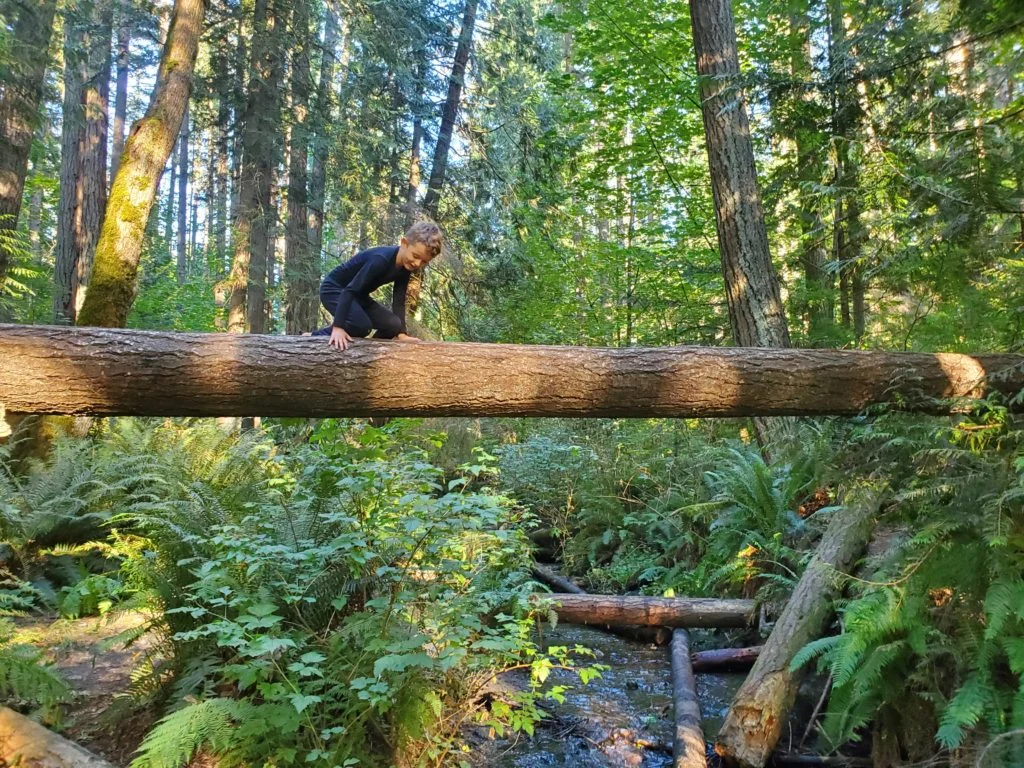
When parents envision the future of their children, they often map out milestones years in advance—selecting neighborhoods, schools, and extracurricular programs that will lay the foundation for a lifetime of growth. For one family living in Duvall, Washington, that foundational vision was centered entirely around the Wilderness Awareness School (WAS). Relocating to the area was not just a housing choice; it was a deliberate lifestyle decision designed to weave the school’s unique philosophy deeply into the fabric of their son Brayden’s childhood.
From the earliest stages of his development, Brayden’s parents intended for him to experience the immersive, nature-based education that the school is widely known for providing. As an educator herself, Brayden’s mother holds a deeply intentional perspective regarding the formative years of a child’s youth. Understanding the profound impact that extended time spent outdoors can have on shaping a young mind, building self-efficacy, and fostering resilience, she carefully structured the family’s weekly routines, schooling decisions, and daily activities around Brayden’s participation in the program’s signature Foxes class.
The journey began years ago with the school’s early childhood offerings, including the Roots and Wings program. The long-term family plan has always been straightforward: keep Brayden enrolled in the Wilderness Awareness School’s continuous School Year Programs until he eventually graduates from both high school and the Community School. For this family, the school is not merely an occasional weekend activity or a supplemental hobby; it is viewed as an essential pillar of Brayden’s comprehensive education and holistic childhood development.
However, life possesses a well-documented tendency to diverge from even the most carefully crafted blueprints. Unexpected personal and financial hardships can materialize without warning, testing the resilience of families and forcing difficult recalculations. Recovery from such periods often takes significantly longer than initially anticipated. For Brayden’s family, a sudden convergence of life challenges meant that the dream they had meticulously planned before he was even born suddenly collided with severe economic constraints. The specialized, immersive nature education they so deeply valued for their son was placed in jeopardy by financial realities that briefly made regular tuition costs unattainable without outside assistance.

This is where the broader community network surrounding the Wilderness Awareness School stepped into the picture. Through the availability of donor-funded financial aid and scholarship programs, the family found a vital lifeline that prevented their son’s educational trajectory from being abruptly derailed. Rather than having to withdraw Brayden from the community and the curriculum that was shaping his character, the scholarship ensured that financial barriers did not block his access to the programs.
The impact of community philanthropy extends far beyond simply covering the cost of tuition. Support provided by donors plays a critical, tangible role in building meaningful community connections, fostering genuine interpersonal relationships, and instilling lasting life skills. For growing children, these programs offer real-world opportunities to test personal boundaries, confront challenges head-on, and engage with authentic rites of passage designed to support youth as they navigate the transition into their own independence and identity.
For Brayden, these opportunities have manifested in a deeply transformative environment. The weekly immersion in nature, combined with the guidance of dedicated mentors and the companionship of peers, has played an instrumental role in shaping the remarkable young person he is actively becoming. His mother emphasizes that as an educator, she recognizes the irreplaceable value of these experiences—experiences that might otherwise have been entirely out of reach if not for the generosity of scholarship donors.
While navigating the ongoing process of restoring personal health and stability, Brayden’s family lives with a profound sense of gratitude for the individuals and entities who contribute to the scholarship funds. Looking ahead, a primary personal and professional goal for his mother is to regain full health and financial footing so that she might one day transition from a scholarship recipient to a donor, thereby paying forward the exact kind of life-changing assistance her family received during their time of need.
In the meantime, Brayden continues to attend his classes, build friendships, and explore the natural world around Duvall, insulated from the financial stressors that adults shoulder behind the scenes. The family’s experience highlights a broader narrative about the quiet, powerful impact of educational philanthropy. By bridging the gap between aspiration and economic reality, scholarships ensure that transformative childhood experiences remain accessible to children based on their potential and curiosity, rather than restricted by temporary financial hardship.
