In an era where most students can type on a keyboard significantly faster than they can write with a pen, it is easy to wonder whether learning handwriting and cursive is still relevant in a modern classroom. Yet, a growing body of neuroscience research suggests that these traditional skills are anything but obsolete. Rather than being mere relics of the past, writing by hand activates unique neurons and varying areas of the brain in ways that digital typing simply cannot replicate. As educators and policymakers continually debate the integration of technology in schools, scientific insights are increasingly pointing to the irreplaceable value of putting pen to paper.
What Handwriting Does in the Brain
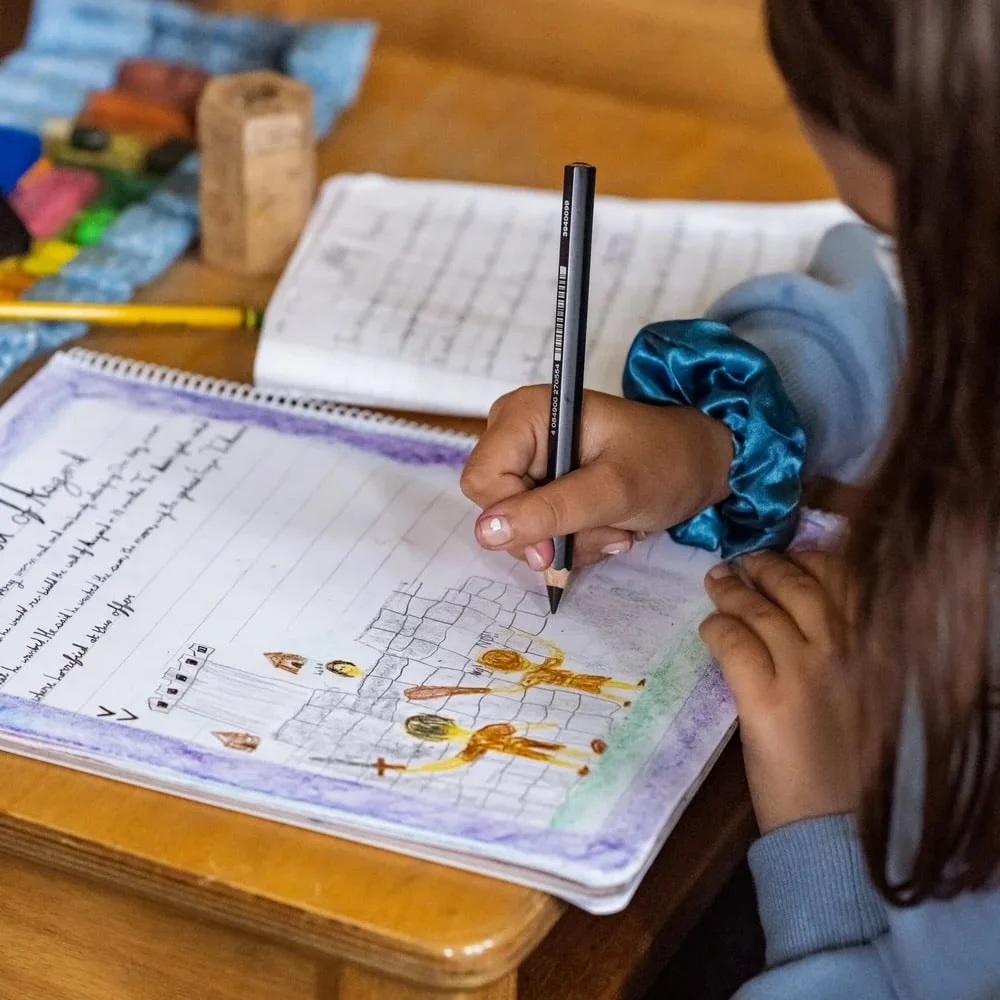
When a student writes by hand, the sensory, motor, and cognitive regions of the brain work together in close coordination, activating far more neural pathways than typing does. This intricate physical and mental exercise leads to deeper learning and much stronger memory formation.
A 2024 study published in Frontiers in Psychology utilized high-density electroencephalography (EEG) to compare brain activity during handwriting versus typing. The results were striking: handwriting produced far more elaborate and widespread connectivity, engaging complex networks associated with attention, language, and memory. Existing scientific literature indicates that connectivity patterns in these specific brain areas are crucial for memory formation and for encoding new information, making them inherently beneficial for learning. The authors of the study concluded that handwriting actively supports the very neural foundations of learning and therefore should remain central in education.
This deeper cognitive processing is echoed across other international studies, including a Japanese investigation that looked at adult foreign language learning and the semantic encoding of new words. The 2021 study, published on PubMed Central, confirmed that handwriting—whether executed with a traditional ink pen or a digital stylus on a tablet—builds significantly stronger memory traces and fosters more robust language comprehension than keyboarding alone.
Perhaps the most widely cited research regarding classroom application focuses on how students’ brains engage with material when writing by hand versus typing. In a landmark series of experiments conducted by Mueller and Oppenheimer in 2014, researchers found that college students who took notes longhand consistently outperformed laptop note-takers on conceptual questions related to the lecture material. While typing allowed students to capture more words verbatim, it frequently led to shallow processing because students could quickly transcribe lectures without actively digesting the information. Writing by hand, however, required students to engage the material more deeply as they actively processed, rephrased, and summarized complex ideas in real time. Regardless of the age of the learner, the mounting evidence points to a single, consistent conclusion: handwriting fundamentally improves how we think and process information.
Handwriting Builds Literacy
Beyond conceptual understanding, the physical act of writing letters—rather than merely recognizing them visually or typing them on a keyboard—helps the developing brain build the precise circuitry needed for fluent reading. Handwriting is a complex visual-motor skill supported by a widespread neural system that comprises ventral-temporal, parietal, and frontal motor regions. Young children who are actively learning to read and write are simultaneously developing these crucial neural pathways.
Two distinct modern studies link early literacy development directly to the neural systems forged through handwriting. Both Wiley and Rapp in 2021, and Vinci-Booher and James in the same year, found that handwriting experience accelerates literacy learning and directly engages the visual-motor areas that are critical for reading comprehension.
Students who engaged in literacy learning that incorporated handwriting, compared to those learning exclusively through nonmotor practice, showed significantly faster learning curves and greater generalization capabilities. Researchers believe this occurs because handwriting practice leads to learning both motor and amodal symbolic letter representations. In simpler terms, writing by hand—and crucially, only writing by hand—helps the brain connect the physical formations of letters directly with word meanings.
Earlier foundational work by James and Engelhardt in 2012 also demonstrated that when young children practiced writing letters by hand, their brains subsequently activated the reading network automatically when those same letters were viewed later. Neither typing nor passive tracing produced the same neurological effect.
In a similar vein of deciphering visual symbols and abstract forms, a 2014 study by Pegado and colleagues showed that handwriting experience helps the human brain distinguish mirror-image letters, such as the lowercase b and d. Each of these scientific findings reinforces the core idea that forming letters by hand literally shapes the physical architecture of the brain to read them more effectively. Taken together, these studies indicate that handwriting helps create the neurological foundation necessary for more efficient and comprehensive reading skills.
Cursive Writing: Flow, Focus, and Fluency
Cursive writing, once considered a standard and mandatory part of primary schooling, has been quietly disappearing from many educational curricula in recent years. Yet, contemporary research and classroom experience suggest that this flowing script offers unique cognitive and developmental advantages that print writing and typing do not.
Because cursive involves continuous, fluid motion, it requires sustained attention and precise coordination, thereby reinforcing fine-motor control and rhythm. Neuroimaging studies demonstrate that writing by hand in a continuous motion fosters synchronization across multiple brain regions responsible for motor planning and language processing.
According to research out of Norway examining the EEGs of 12-year-olds, conducted by Ose Askvik, van der Weel, and van der Meer in 2020, strengthened connections between the hand and the brain directly improve letter recognition, spelling precision, and overall reading fluency.
Furthermore, cursive writing serves an important cultural and historical function. As noted by Smithsonian Magazine in 2023, the ability to read and write in cursive connects modern students to centuries of handwritten history—ranging from personal family letters to foundational national documents. Losing cursive literacy risks cutting future generations off from their own historical past, leaving them unable to read original source materials without transcription.
Handwriting in the Future
Handwriting and cursive deeply and effectively connect areas of the brain tied to motor function, memory, cognitive processing, and reading comprehension. Relegating these foundational skills to a nostalgic practice is short-sighted at best and actively detrimental at worst. In a modern world dominated by endless keyboard typing and digital screens, handwriting remains an essential tool for building thoughtful, connected, and capable learners. Educational frameworks like Waldorf education, which maintain a steadfast commitment to educating the whole child and preserving lessons using handwriting and cursive, closely align with what current cognitive research continues to reveal about the human brain.
In correctional facilities across the country, individuals navigating the darkest and most challenging periods of their lives are finding a vital source of hope, guidance, and personal transformation. Through a dedicated outreach initiative, Guide for Spiritual Living: Science of Mind magazine continues to offer complimentary subscriptions to incarcerated individuals and correctional center study groups, providing readers with enduring spiritual principles designed to foster personal accountability, healing, and long-term change.
At the heart of this outreach effort is a clear and impactful mission: to support the learning and practical application of spiritual concepts that help disrupt the cycle of crime and incarceration. Organizers emphasize that the ministry promotes a deeply principled and transformative process for everyone who engages with the publication’s pages. By offering tools for introspection, emotional resilience, and ethical living, the magazine serves as a steadfast companion for individuals striving to rebuild their lives from the inside out.
Make a Difference in the Life of an Incarcerated Person
For supporters looking to participate in this impactful ministry, the opportunity to contribute is readily accessible. A direct avenue for involvement has been established through the organization’s platform, where community members can purchase a one-year subscription specifically designated for individuals currently serving time in correctional institutions.
Organizers note that a gift of $48.95 covers the full cost of a one-year subscription, making this powerful ministry and its ongoing outreach possible. Each contribution directly answers the requests of incarcerated individuals who have actively sought out the publication to aid in their personal study, reflection, and rehabilitation efforts.
When donors contribute through the initiative’s designated page, the publication is mailed directly to an incarcerated person who has requested it. Furthermore, the program offers a personalized approach for donors who wish to share the gift with a specific acquaintance or family member inside the correctional system. Individuals wishing to direct their subscription to a particular person are invited to coordinate the details by contacting [email protected].
The Real-World Impact of Spiritual Outreach Behind Bars
The true value of this outreach ministry is best understood through the experiences of those who receive the publication while navigating the profound isolation and difficulties of the prison environment. For many, the arrival of each issue represents a critical turning point during moments of intense personal crisis.
Reflecting on the impact the publication has had on his journey, an incarcerated reader named Jonathon shared a deeply personal account of how the magazine entered his life during a period of immense grief and hardship.
"Science of Mind magazine was ordered from a friend of my father’s for me after my father passed away," Jonathon expressed. "I’ve gone through so many battles while here in prison, but this little magazine has always shown up just in time and helped bring my spirits along with my focus back to where it should be. I want to say ‘thank you’ to all."
Stories like Jonathon’s highlight the enduring reach of the publication and the tangible difference that compassionate community support can make in the lives of those often forgotten by society at large. As correctional facilities continue to seek effective programs that encourage rehabilitation, personal growth, and mental well-being, initiatives that provide positive, constructive reading materials remain an essential component of holistic reform efforts.
Through the ongoing generosity of readers and donors, Guide for Spiritual Living: Science of Mind magazine sustains an outreach effort that bridges the gap between the outside world and those striving to transform their lives behind bars, offering a steady beacon of hope, resilience, and spiritual renewal one subscription at a time.
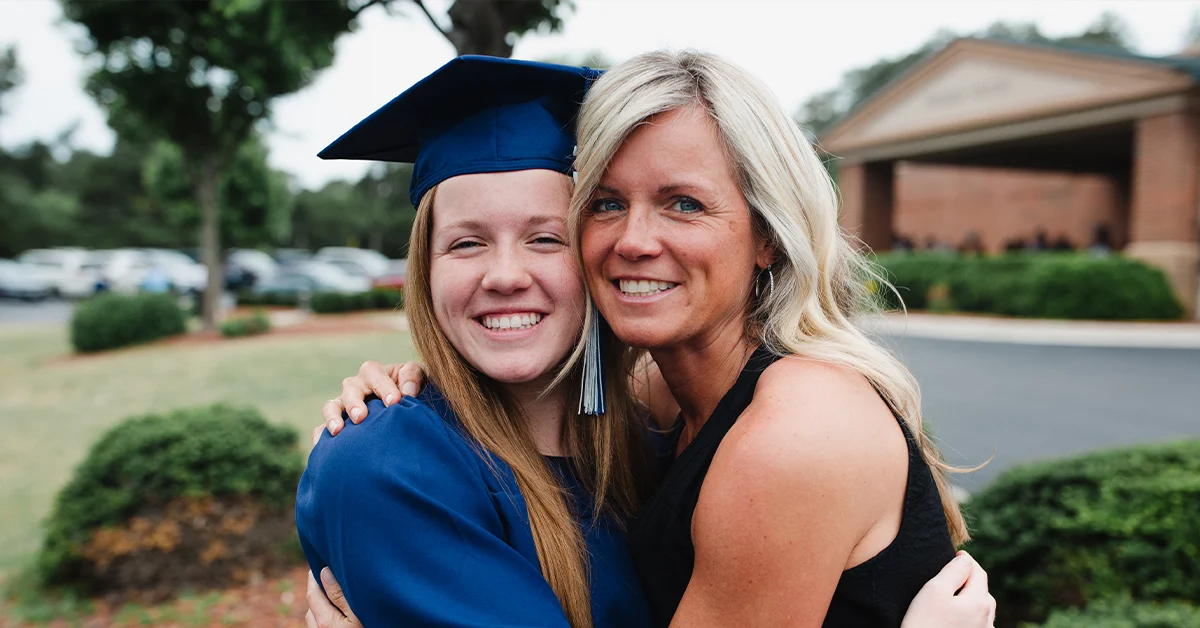
A homeschool graduation ceremony begins with an intention that echoes the very first steps a child takes. It represents a significant milestone, weaving together cherished memories and bright hope in a rich bouquet of learning and affection. However, as families complete the rigorous Challenge program, they frequently approach this transitional season with very practical inquiries: what the ceremony ought to include, the level of formality required, and whether a homeschool diploma holds genuine weight with universities, colleges, and prospective employers.
Leigh Bortins addresses this pivotal season directly within Chapter Twelve and the epilogue of The Conversation, reassuring parents that graduation—much like every preceding stretch of the high school journey—is simply another task to learn and execute successfully as a cohesive family unit. Classical Conversations families have celebrated this major milestone for decades, hosting gatherings in cozy living rooms, rented community halls, and even at sea. This collective experience has helped shape a clear understanding of what practices truly work for families navigating the transition.
Planning the Ceremony: Practical Ideas for a Meaningful Celebration
A homeschool graduation ceremony does not demand a massive stadium, a marching band, or an extensive guest list to mark the occasion properly. Instead, the event requires intention—a clear sense of purpose regarding the meaning of the day and the individuals who should be present in the room. Most families choose to build their ceremonies around three fundamental elements: a formal diploma presentation, a brief reflection detailing the student’s unique learning journey, and dedicated time with the community that shaped them, including parents, Tutors, Directors, and community day friends who sat alongside the graduate through years of rigorous memory work, essays, and debate.
Some families prefer to keep the ceremony intimate and personal, hosting it at home or folding the celebration into their local Challenge community’s final gathering of the academic year. Conversely, others opt for larger celebrations. Classical Conversations hosts a National Commencement, complete with traditional academic regalia and a comprehensive ceremony, specifically for families who desire to mark their graduate’s achievement on a grander scale alongside their broader community. Members can order their official graduation packages and diplomas through partner providers to ensure all traditional elements are met.
Reflecting on the Journey: What the Classical Model Built Over the Years
Graduation naturally invites families to look backward and evaluate the long-term impact of their educational choices. Long before the cap and gown are fitted, the classical model is already at work across three distinct movements corresponding to the traditional trivium arts.
During the Foundations years, the study of grammar provides students with a robust body of essential knowledge, encompassing memory work in history, science, and Latin that families recite together. As students advance into Essentials and the early Challenge levels, the dialectic stage teaches them how to ask probing questions and effectively sort through that accumulated knowledge. By the time students reach Challenge II, III, and IV, rhetoric brings these elements together cohesively. Graduates learn to craft sophisticated papers, defend complex positions, and speak persuasively about principles they have come to understand as true. From the age of four all the way to commencement, these students practice the liberal arts of grammar, dialectic, and rhetoric as they steadily grow toward wisdom and freedom.
Along this demanding path, most graduates also acquire invaluable leadership skills that may not appear directly on a formal transcript. Challenge students frequently lead academic strands, mentor younger classmates, and hone their public speaking abilities through rigorous formats like Policy Debate and Lincoln-Douglas Debate long before they ever step onto a graduation stage. Furthermore, they forge enduring friendships that persist well beyond the final ceremony—bonds born from years of shared songs, wrestling with profound intellectual topics, and debating challenging issues side by side.
Looking Ahead: Encouragement for the Next Chapter
As a graduate prepares for the next phase of life—whether that involves pursuing higher education, entering a technical trade, joining the military, or stepping directly into full-time employment—the fifteen foundational skills developed through Foundations, Essentials, and Challenge travel with them into every endeavor.
Parents finishing this demanding season often experience a profound sense of personal graduation as well. Following years of managing memory work and mentoring adolescents through advanced coursework, parents possess a deeper understanding of their own capabilities: knowing how to ask insightful questions, weigh complex options, and seek wisdom within a supportive community of fellow educators. This newly forged confidence translates directly into helping their graduate evaluate colleges, select specific career programs, or secure a first job.
Families looking forward to life beyond high school can draw upon a wealth of established resources designed to ease the transition. Guides detailing why families choose to homeschool through high school, how the classical model prepares students and parents for post-graduation endeavors, and how to properly document years of academic effort through a comprehensive homeschool transcript provide essential support for the road ahead.
Navigating Legal Recognition and Practical Realities
A frequent concern among transitioning families involves the legal standing and acceptance of home-education credentials. A parent-issued homeschool diploma is legally valid nationwide and is widely accepted by institutions of higher education, military branches, and employers. While specific recognition can occasionally vary by state, admissions offices generally place the greatest emphasis on the student’s detailed academic transcript rather than the diploma document itself. For this reason, maintaining a meticulous, well-documented transcript alongside the diploma remains a vital practice for every graduating family.
Ultimately, a homeschool graduation ceremony marks the beautiful close of a season that began with uncertain first steps and blossomed, year by year, into rigorous memory work, thoughtful essays, engaging debates, and late-night discussions around the kitchen table. When families plan the day with genuine intention, the event becomes a profound opportunity to look back with deep gratitude at the knowledge, understanding, and wisdom cultivated in the student over the years. Though the ceremony itself eventually concludes, the deeper reality it celebrates—a mind and heart shaped to know and glorify God—continues to resonate in whatever path the graduate pursues next.
The holiday season arrives each year laden with expectations of warmth, joy, and familial harmony. Yet, for many, the reality of December involves navigating a complex landscape of emotional exhaustion, financial pressure, and deep-seated holiday baggage. Between the arduous task of selecting thoughtful gifts, braving crowded retail stores, and recreating labor-intensive generational recipes, the festive period can quickly transform from a season of comfort into a source of significant stress.
Rather than succumbing to the rigid script of what Christmas is ostensibly "supposed" to be, a growing cultural shift is encouraging people to slow down, reset, and design holiday traditions that genuinely serve their mental health and foster authentic connections with family and chosen circles. Experts note that traditions do not require perfection or adherence to external standards; instead, their true value lies in their capacity to cultivate shared laughter, emotional bonding, and a sense of ease.
The pressure to maintain perpetual gratitude and cheer—even when facing underwhelming gift exchanges or family friction—often leaves individuals feeling isolated in their overwhelm. By shifting focus away from historical baggage and perfectionism, households are discovering that meaningful rituals can be remarkably simple, low-stakes, and tailored to the emotional needs of those involved.
A foundational aspect of this seasonal reset involves reimagining familiar activities, starting with the decoration of the home. While "decking the halls" is traditionally viewed as a mandatory aesthetic checklist, it can be reframed as a collaborative team effort. Rather than stressing over a meticulously styled interior, individuals are turning ornament hanging and light stringing into relaxed bonding opportunities accompanied by music, shared memories, and lighthearted competition. Mental health advocates suggest anchoring these moments in mindfulness by taking time to discuss the stories behind specific decorations and setting intentional expectations for the weeks ahead.
Similarly, traditional holiday movie nights offer an antidote to the relentless hustle of "doing" during December. Escaping the pressure of constant productivity by gathering under blankets for a classic film allows families and friends to practice quality time without agenda. When disagreements arise over viewing selections, scheduling a rotating film marathon ensures that everyone gets a chance to share a favorite piece of cinema, reinforcing inclusivity and mutual appreciation.
Creative pursuits, such as crafting personalized ornaments or designing homemade keepsakes, further strip away the demand for flawlessness. Embracing imperfect creations—such as a friend’s accidentally eccentric handmade decoration—fosters an atmosphere of humor and warmth that a sterile, magazine-worthy home cannot replicate. Focusing on the sensory process of working with one’s hands, accompanied by seasonal acoustic music, helps ground individuals in the present moment.
Acts of service and philanthropy also take on a more manageable form when approached through the lens of personal capacity. While large-scale volunteering is admirable, packed holiday schedules can make it difficult to sustain. Communities are finding that smaller, collective gestures—such as a group gathering to donate a single unused item or book to a local charity—provide the emotional benefits of giving back without inducing guilt or burnout. Following these activities with reflective conversations about gratitude helps reinforce a sense of community connection.
Communication rituals are likewise evolving. While children traditionally write letters to Santa Claus, adults and peers are increasingly adopting letter-writing practices directed at one another. Expressing gratitude, highlighting cherished memories, and sharing hopes for the upcoming year through handwritten notes creates a lasting emotional archive. These letters, saved and read aloud on Christmas Eve or morning, anchor the holiday in genuine appreciation rather than material exchange.
Musical traditions, too, are being adapted to modern comfort levels. While traditional door-to-door caroling remains a classic custom, many prefer hosting intimate karaoke nights featuring holiday playlists or simply singing along during home decorating sessions. The emphasis remains on shared joy and playfulness rather than performance quality, allowing participants to set a collective intention of levity and connection.
Culinary traditions are undergoing a similar relaxation of standards. Baking holiday treats together provides a multisensory experience where the quality of the final product matters far less than the shared laughter around the kitchen counter. Savoring the aromas, textures, and tastes of seasonal baking encourages mindful engagement, while packaging leftover goods for neighbors and coworkers extends the spirit of generosity outward.
For those seeking respite from technology and seasonal acceleration, quiet rituals such as shared reading offer a deliberate pause. Reading aloud from a favorite holiday book or listening to an atmospheric winter audio story while enjoying warm beverages creates a sanctuary of calm within a typically hectic schedule. These practices encourage mental stillness and offer a reliable buffer against holiday fatigue.
Reflecting on the passage of time is another way individuals process the conclusion of the calendar year. Rather than viewing December’s arrival with melancholy, people are utilizing scrapbook-making sessions or digital photo slideshows to celebrate annual highlights. Compiling ticket stubs, photographs, and meaningful keepsakes together provides a tangible record of shared experiences, anchoring the family unit in a collective sense of gratitude.
The desire for genuine rest has also popularized the concept of dedicated pajama days. By carving out a single day to remain in comfortable loungewear, share a simple meal, and disconnect from external pressures, loved ones can reclaim the holiday as a period of true restoration. Experts emphasize that making such days screen-free enhances interpersonal presence, allowing individuals to notice and appreciate small, humorous details of shared domestic life.
Anticipation can likewise be cultivated through flexible advent calendars centered on shared experiences rather than material consumption. Exchanging small cards inscribed with simple, low-effort activities—such as brewing hot chocolate or hanging a specific decoration—ensures that every day holds a small point of connection.
Finally, engaging with seasonal displays, such as driving through local light installations or walking through decorated neighborhoods, offers a zero-pressure way to appreciate the aesthetic beauty of the season. Pausing amidst glittering lights with a warm beverage allows individuals to practice situational awareness and embrace the present moment.
As cultural attitudes shift toward mental health awareness, the reinvention of Christmas traditions highlights a collective desire for authenticity. By releasing the burden of perfection and focusing on connection, rest, and shared joy, individuals and families continue to forge holiday customs that genuinely nourish their well-being.
Transitioning into November: Remembrance and Harvest
The season begins at the intersection of October and November with Samhain, a sacred Pagan and Wiccan festival marking the definitive end of the harvest season and celebrated by many as the Wiccan new year. This ancient observance sets a reflective tone for the darker, colder months ahead, emphasizing cycles of nature, memory, and spiritual renewal.
As November officially begins on the first of the month, Christian communities observe All Saints Day, also historically known as All Hallows Day. This day is dedicated to honoring all the saints from Christian history, reinforcing the theological understanding of an enduring spiritual connection between heaven and earth.
Concurrently, November 1 and 2 mark the observance of Día de los Muertos, or the Day of the Dead. Traditionally celebrated in contemporary Mexico and among communities of Mexican heritage in the United States, this vibrant and deeply meaningful holiday centers on the belief that the souls of the departed return to visit their living family members. To welcome and honor these visiting souls, participants traditionally visit the graves of deceased loved ones and construct elaborate ofrendas, or altars, adorned with photographs, candles, and the favorite foods and drinks of the departed. Prominent artistic symbols of the holiday include calacas representing skeletons and calaveras depicting intricately decorated skulls. Within these celebrations, well-wishers often greet one another by saying, “Feliz día de los Muertos.”
The theme of remembrance continues on November 2 with All Souls Day, a solemn Catholic holy day marked by dedicated prayer and worship to commemorate the souls of all the faithful departed, bridging grief with enduring spiritual hope.
Mid-November Observances: Light, Sacrifice, and Heritage
Shifting across cultural traditions, November 8 brings Dev Diwali, also known as Dev Deepavali or "the Diwali of the Gods." Celebrated on the full moon exactly 15 days after the primary festival of Diwali, Dev Diwali commemorates the Hindu goddess Ganga ma, the revered personification of the sacred river Ganges. According to Hindu mythology, this is the auspicious night when the gods descend to Earth to bathe in the purifying waters of the Ganges, inspiring widespread festivities, lighting of lamps, and devotional gatherings.
Later in the month, on November 24, communities observe significant milestones within the Sikh tradition. This date marks the Martyrdom of Guru Tegh Bahadur Sahib, commemorating the supreme sacrifice made by the ninth Sikh Guru to protect the fundamental rights of religious freedom for both Sikhs and non-Sikhs alike. Simultaneously, Sikhs observe the birth anniversary of Guru Nanak Dev Ji, the foundational figure and founder of Sikhism, whose teachings of equality, selfless service, and devotion continue to guide millions worldwide.
Days later, on November 28, the Baháí community observes the Ascension of Abdu'l-Bahá. This sacred day marks the passing ofAbdu’l-Bahá, a central figure and leader of the Baháí faith who meticulously modeled its core principles throughout his life, serving as an enduring ethical and spiritual example for the faith’s followers globally.
As the month draws closer to its end, Christian traditions observe St. Andrew’s Day on November 30, celebrating the life and legacy of St. Andrew, recognized in scripture as the "first-called" among the twelve disciples of Jesus. Additionally, November 29 marks the beginning of Advent—derived from the Latin word adventus, meaning "coming"—a reflective liturgical season observed within the Christian calendar as a dedicated time of waiting, spiritual preparation, and anticipation for the birth of Jesus at Christmas.
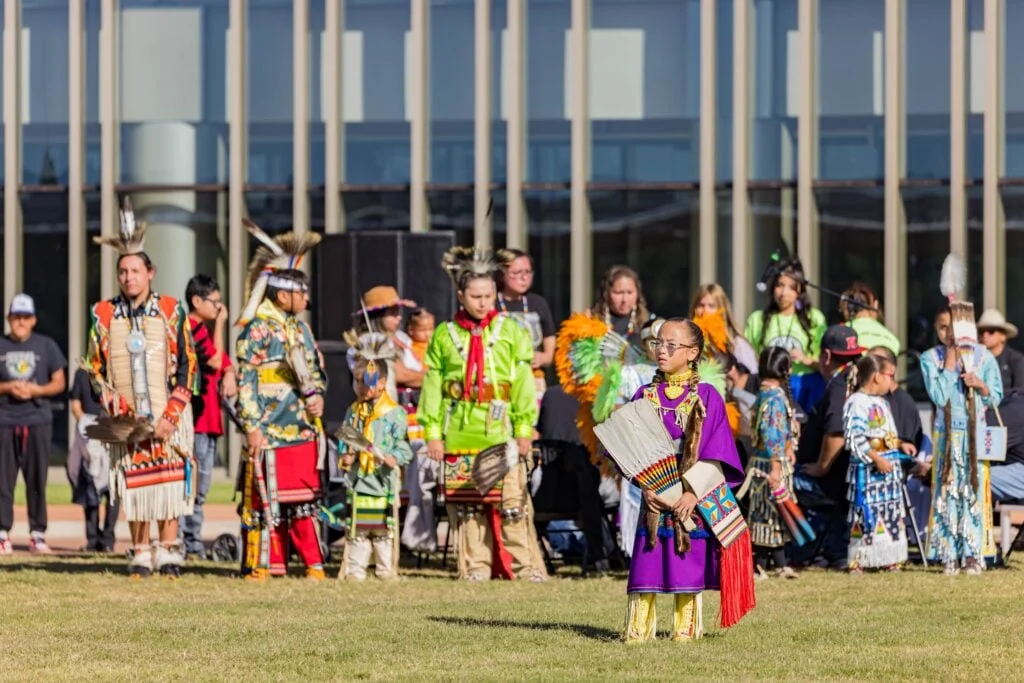
Beyond these specific holy days, the entire month of November is officially recognized as Native American Heritage Month. This national designation celebrates the profound contributions, diverse cultures, rich traditions, and complex histories of Indigenous peoples to the United States, providing an essential context of gratitude and recognition throughout the autumn season.
December 2026: A Season of Light, Festivity, and Anticipation
The momentum of cultural and spiritual observance carries seamlessly into December, beginning on December 6 with St. Nicholas Day. This Christian holiday commemorates Saint Nicholas, the historical bishop of Myra who became widely celebrated as the patron saint of children and the legendary inspiration behind modern gift-giving traditions.
On December 8, observers mark multiple significant traditions. In the Buddhist tradition, Bodhi Day commemorates the historic day that Gautama Buddha is said to have attained enlightenment, or "bodhi" in Sanskrit and Pali. Bodhi Day is typically observed quietly, often involving contemplative meditation, chanting practices, the decorative use of bodhi trees, or the sharing of simple meals like tea and cookies among practitioners. Simultaneously, Roman Catholics observe the Feast of the Immaculate Conception, celebrating the theological doctrine that the Virgin Mary was conceived without original sin.
Days later, on December 12, millions observe the Feast Day of Our Lady of Guadalupe. This date commemorates the miraculous reported appearances of the Virgin Mary to St. Juan Diego, an Indigenous man, in Mexico in 1531. The feast day remains an immensely important religious and cultural holiday in Mexico and among Mexican Americans, providing a powerful expression of religious devotion and cultural identity.
The calendar also embraces major communal festivals of light and faith during mid-December. Running from December 5 to December 12, Hanukkah—the Jewish Festival of Lights—begins at sundown on December 4. This eight-day celebration features the ritualistic lighting of a candle on the menorah each evening, alongside the giving of gifts, traditional games with the dreidel, and the preparation and serving of classic culinary staples like latke potato pancakes.
Running from December 16 to December 24, Las Posadas ("The Inns" in Spanish) is a traditional religious festival celebrated widely in Mexico and parts of the United States during the Christmas season. The festival dramatizes the arduous journey that Joseph and Mary made from Nazareth to Bethlehem before the birth of Jesus. Each evening throughout the festival, a child dressed as an angel leads a festive procession through neighborhood streets, reenacting the search for shelter.
As the month progresses, December 21 brings Yule, a traditional Pagan and Wiccan holiday celebrating the winter solstice. Marking the longest night of the year and the gradual return of the sun, Yule emphasizes central themes of light, fire, warmth, and communal feasting.
Christmas Day follows on December 25, standing as one of the most widely observed Christian holidays commemorating the birth of Jesus. The sequence of holiday observances continues immediately on December 26 with St. Stephen’s Feast Day, honoring the life, ministry, and ultimate martyrdom of St. Stephen, recognized as the first Christian martyr and a tireless servant to the poor.
Finally, concluding the calendar year from December 26 to January 1 is Kwanzaa. This annual celebration honors African American culture, community, and heritage through a series of traditional observances that include songs, dances, storytelling, and a shared communal feast known as Karamu, which typically takes place on the sixth day of the celebration.
As Interfaith America continues to highlight these diverse traditions, the organization encourages contributions that present a wide range of experiences, worldviews, and perspectives on the unique opportunities and challenges of American pluralism.
Before a single word of introduction was spoken at the Wilderness Awareness School’s Wild Women’s Weekend last October, the event’s host handed off a hypothetical torch to Marina Rivera, who stepped forward to ignite the ceremonial fire that would officially open the gathering.
Moving in slow, deliberate, dancer-like steps, Marina approached a piece of wood held steady by her bare foot. She paused to take several large, steady breaths, closing her eyes to center herself. When she opened them, the process began. Using one hand, she held a wooden spindle, pressing its tip into a board on the ground. With her other hand, she grasped a handmade bow, sawing it smoothly back and forth. The motion caused rapid friction between the rotating spindle and the hearth board below.
Every few moments, she paused to take intentional breaths. Within a short time, thin wisps of smoke began to rise from the dark friction point, signaling the birth of a glowing coal. Carefully lifting the coal, she nestled it inside a soft tuft of shredded cedar tree bark. Kneeling close, Marina blew gentle, measured breaths into the bark until soft flames licked upward. She then transferred the nascent fire to a intricately carved feather stick—a piece of wood featuring thin, curled shavings coalescing at its tip—before finally moving the flame to a small pile of tinder waiting in the central fire pit.
And just like that, there was fire. It burned brightly for only a brief moment before Marina extinguished it, as a seasonal burn ban was firmly in place.
Throughout the entire ceremony, attendees found themselves utterly transfixed. Aside from the sound of Marina’s controlled breathing and the eventual crackle of the wood, the surrounding forest was quiet. Roughly 50 participants watched with rapt attention. While many of the onlookers, including author and researcher Elizabeth Doerr, were initially unfamiliar with the technical names of the tools being used, it was immediately clear that the demonstration transcended basic survival mechanics. It felt, undeniably, somewhat spiritual.
Even acknowledging that spiritual element can feel slightly uncomfortable, particularly for those navigating a modern, back-to-the-land journey. Yet, watching Marina conjure fire from raw elements while seemingly tuning out the gaze of over a hundred watching eyes sparked a deeper realization. Crafting fire was not merely a mechanical, hard skill; it was anchored in something softer, something rooted deeply in intuition and emotional presence.
That observation was reinforced later when participants broke into smaller workshop groups. Marina led the fire-making session, introducing the group to the essential tools of primitive friction firecraft: the bow drill, cedar bark, feather sticks, and kindling. Excitement rippled through the group at the prospect of finally learning how to harness fire from the raw materials scattered across the surrounding landscape.
Then came a perspective-shifting piece of advice from the instructor. Marina explained that while carrying modern fire-starting tools—what she lightheartedly referred to as nature’s blowtorch—can be useful, relying on them entirely is often a direct compensation for a lack of genuine understanding of one’s natural environment. As a person truly gets to know the land, those artificial crutches become unnecessary, though learning that level of deep ecological literacy takes far longer than a brief afternoon workshop.
For participants balancing busy modern lives, becoming a master of the local ecology overnight was unrealistic, but the underlying philosophy proved magnetic.
Following a thorough briefing on safety rules—essential when handling sharp knives and hatchets—Marina demonstrated the foundational steps of the craft. She walked the group through wood-chopping, fuel gathering, feather stick production, and fire lighting using a ferrocerium rod and knife. Watching her work highlighted the immense amount of preparation required long before a single spark is ever struck. Furthermore, Marina deliberately used the phrase "getting fire" rather than "making fire."
When asked about the distinction, she explained that drawing fire requires technical proficiency combined with emotional attunement. In her view, fire is fundamentally ingrained in human biology and history, serving not only as a physical center for community but as a reflection of human identity itself.
The concept of "getting fire" implies that fire already exists within the materials and the environment; the human role is simply to become open and receptive to it. Watching Marina’s graceful opening ceremony under the pressure of a large, expectant audience demonstrated just how vital that mind-body attunement truly is.
This linguistic and philosophical shift illuminated a broader truth about the journey of wilderness skill acquisition. The division between "hard skills"—quantifiable, objective abilities built through repetitive practice—and "soft skills"—subjective, qualitative traits like critical thinking, patience, and active listening—is not as rigid as it often seems. Instead, they exist along a continuous spectrum.
While building a primitive fire demands concrete knowledge, such as gathering the correct volume and species of bark, mastering the precise angle of a ferro rod, or sizing kindling correctly, technical perfection guarantees nothing. Even with flawless execution, fire is never a mechanical certainty. Bringing a spark to life requires presence, patience, and intuition.
By the end of the workshop, participants put these lessons into practice. Many successfully chopped wood, crafted functional if imperfect feather sticks, scraped cedar bark for tinder, and coaxed sparks from ferro rods into tiny embers that blossomed into flames. However, when participants faced a timed challenge to produce a fire using only a single match within five minutes, the psychological pressure shifted the dynamic entirely.
For some, the sudden rush of adrenaline and frustration made the task elusive. Heart rates climbed, and doubts surfaced about whether they possessed the inherent capability to succeed. Yet, those moments of struggle reinforced a core teaching from the instructor: if the fire refuses to come, forcing the issue is counterproductive, and a change in approach is required. Marina had noted earlier that it is far better to remain calm and without fire than to panic and force an unsafe outcome. The objective is to invite the fire in rather than battle the materials into submission. Without the right mental space, technical preparation alone falls short.
This realization underscored the holistic nature of the Wilderness Awareness School’s curriculum. The weekend balanced sessions focused on mindfulness and nature play with more technical workshops on fire and plant identification. Yet every component demanded an acute awareness of both the natural world and the self, anchoring them firmly in the realm of soft skills.
For individuals hesitant to embrace the hyper-masculine, rigidly technical focus often associated with traditional prepper communities, this approach offers an alternative framework. It views skill-building not as a frantic race toward absolute mastery, but as an ongoing refinement of human intuition in harmony with the environment—proving that the soft skills of awareness and presence may ultimately be the most vital tools of all.
For many prospective parents, the journey of adoption is as emotionally profound as it is financially demanding. Recognizing the significant monetary hurdles that often accompany bringing a child home, organizations dedicated to easing this burden play a critical role in the child welfare landscape. Among them, Show Hope remains a prominent pillar of support, having recently issued a comprehensive set of recommendations designed to streamline the application process for its well-known Adoption Aid grants.
Show Hope’s financial assistance program has long served as a vital resource for families committed to domestic and international adoption. Ranging between $8,000 and $12,000 per award, these grants are structured to cover approximately 20% to 30% of total adoption expenses. Since its inception, the initiative has achieved a remarkable milestone, impacting the lives of 10,000 children and distributing more than $52 million in financial aid. As the organization prepares to welcome a new cohort of applicants, leadership has emphasized the importance of thorough preparation to ensure that families can navigate the administrative requirements as smoothly as possible.
Embarking on the grant application journey requires careful attention to detail, beginning well before a prospective parent submits their paperwork. According to the organization, understanding the foundational criteria of the program is the most critical first step. Show Hope Adoption Aid grants are specifically designated for adoptions facilitated exclusively through a licensed, 501(c)(3) nonprofit placing agency. Ensuring that an adoption arrangement aligns precisely with this organizational status prevents administrative delays and ensures eligibility from the outset.
Timing also plays a pivotal role in the application lifecycle, particularly for families utilizing complex adoption structures. Prospective parents who are currently working with an adoption consultant or engaging multiple agencies simultaneously are advised to exercise patience. The organization strongly encourages applicants to hold off on submitting their paperwork until they have achieved an official, confirmed match with a single placing agency. Conversely, families who are already paired with a single agency are cleared to proceed with their submissions whenever they feel prepared.
Beyond financial and structural alignment, the organization places significant emphasis on cultural and ideological compatibility. Prospective applicants are encouraged to take ample time to thoroughly review Show Hope’s Statement of Faith before initiating the application process. This foundational document outlines the core values and beliefs of the organization, providing crucial context for the mission and philosophy that drive its ongoing philanthropic efforts.
Administrative preparedness is another area where many applicants encounter avoidable bottlenecks. Gathering all necessary documentation ahead of time is highlighted as one of the most effective ways to accelerate the review process. While financial and legal records are essential components of any adoption dossier, the organization offers a specific, security-conscious recommendation regarding sensitive information: applicants are strongly advised to black out all social security numbers before uploading their documents to the portal.
Once the documentation is assembled, meticulousness becomes paramount. Organization officials stress the importance of completing every section of the application thoroughly and deliberately. Much like a rigorous academic assignment, taking the time to address each prompt fully helps paint a comprehensive picture of the family’s readiness and circumstances, ultimately facilitating a smoother evaluation by the review committee.
Before hitting the final submission button, applicants are urged to engage in a rigorous quality-control check. Ensuring that all required attachments and documents are properly uploaded prevents frustrating delays that can occur when administrative staff must track down missing files. Furthermore, because adoption journeys are inherently dynamic, the organization emphasizes the necessity of ongoing communication. If significant life changes occur after an application has been submitted—ranging from adjustments in timelines to shifts in financial circumstances—families are encouraged to notify the organization promptly. This transparent dialogue ensures that applicant files remain current and that the staff can continue to serve each family effectively.
For those encountering questions or uncertainties along the way, a wealth of resources remains accessible. The organization maintains a dedicated frequently asked questions section on its platform, designed to address common inquiries regarding eligibility, documentation, and the review timeline. Additionally, recognizing that the broader adoption process can occasionally feel overwhelming, leadership has pointed families toward supplemental educational resources, including the specialized portal HowToAdopt.org, which aims to support parents through every phase of the journey, from initial preparation to post-placement integration.
For families standing at the threshold of this transformative experience, the path forward begins with careful planning, attention to detail, and a clear understanding of available support systems. As Show Hope continues its mission of mobilizing communities and individuals to reduce the barriers to adoption, the release of these practical insights underscores the organization’s enduring commitment to walking alongside families every step of the way.
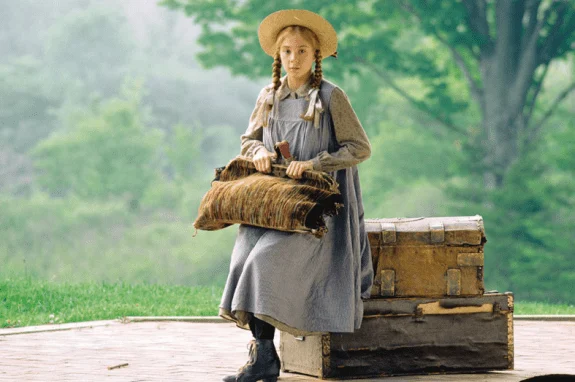
For generations, readers have found themselves enchanted by the spirited, red-headed orphan of Prince Edward Island. Long before she became a fixture of literary and television adaptations, Anne Shirley—always insistent on the "e"—was shaping the inner lives of young readers across the globe. Among them was Jamie C. Martin, a self-described starry-eyed dreamer who spent her childhood hours under the literary influence of L.M. Montgomery’s timeless creation.
Reflecting on her early years, Martin notes that the classic series did far more than provide mere entertainment. It planted foundational seeds that would later blossom into a full harvest in her adult life, inspiring a love for books, a passion for writing, a personal journey toward adoption, and an enduring appreciation for imagination.
"I owe a lot to her," Martin writes, recalling how she eagerly consumed the entire Anne of Green Gables series multiple times as a teenager and young adult, alongside any other works by Montgomery she could acquire.
Years later, as a newly married woman, Martin experienced another profound literary shift when she turned to the five volumes of L.M. Montgomery’s published journals. Unlike the whimsical fiction that defined her childhood, these grown-up entries revealed a complex tapestry of real-life joy mixed with deep sorrow, and happiness existing side-by-side with heartbreak. It was a revelation that challenged her initial perception of the beloved author and her fictional counterpart, proving that the world of Green Gables held deeper, more mature lessons for the future.
Finding a Fresh Perspective Through Parenting
When revisiting classic literature, literary critics often suggest approaching the text with a specific personal question in mind. Years later, as a mother of three navigating the daily realities of homeschooling and family life, Martin decided to re-read Anne of Green Gables through a distinct lens: What could she learn about parenting from the pages of this beloved classic?
The answer she discovered was both surprising and liberating, offering a philosophy she has attempted to implement ever since: loosen up and let maturity do its work.
In the early chapters of the novel, a young Anne is a magnet for constant mischief. Whether she is accidentally getting her best friend Diana Barry drunk with raspberry cordial, falling off the ridgepole of a roof, dying her hair an unfortunate shade of green, or spinning elaborate imaginative tales that frequently get her into trouble, Anne’s childhood is defined by impulsive errors in judgment.
Furthermore, Anne possesses a fierce and fiery temper. This volatility is demonstrated in full force when she shatters her school slate over the head of her classmate, Gilbert Blythe, after he teases her about her red hair. Even when Gilbert attempts a peace offering by sliding a pink candy heart inscribed with "You are sweet" under her arm, Anne responds with uncompromising indignation, dropping the candy to the floor and grinding it to powder beneath her heel without even deigning to look at him.
Yet, amidst the chaos and strong-willed defiance, there was genius quietly developing beneath the surface. Anne possessed a vibrant imagination, sharp intelligence, creativity, and a resilient character that simply required time to find proper expression.
The Softening of Marilla Cuthbert
The transformation of Anne’s guardians plays a crucial role in the narrative arc. Marilla Cuthbert, initially depicted as a tense, stern, and pragmatic woman who takes in the orphan alongside her gentle brother Matthew, slowly softens despite Anne’s continuous misbehavior.
Following the incident with the broken slate, Marilla demonstrates a newfound flexibility. Yielding to the advice of the neighborhood busybody, Mrs. Rachel Lynde, Marilla decides not to force the issue of school attendance. Instead, she allows Anne to stay home, effectively homeschooling her while she learns her lessons, performs her chores, and plays with her kindred spirit, Diana, in the chilly purple autumn twilights.
Matthew Cuthbert, recognizing the child’s sensitive and affectionate nature from the very beginning, offers a quiet reassurance to Marilla that ultimately guides their parenting approach: "Only be as good and kind to her as you can without spoiling her. I kind of think she’s one of the sort you can do anything with if you only get her to love you."
At the right season, Anne’s fiery spirit and erratic impulses blossomed into academic brilliance and emotional maturity.
Trusting the Natural Clock of Childhood
Reflecting on Anne’s gradual maturation process, Martin connects the fictional narrative to contemporary ideas about child development, drawing from Unschooling Rules: 55 Ways to Unlearn What We Know About School and Rediscover Education.
As the text notes, maturation is a powerful force. Irrational teenagers inevitably transition into rational adults, and the natural cycles of calmness and focus eventually return. Childhood is inherently filled with alternating periods of equilibrium and disequilibrium, and children’s bodies and minds operate on their own internal clocks that may not always align with rigid external structures or societal expectations.
For parents, particularly those engaged in homeschooling, the daily pressures of academic progress and behavioral correction can sometimes foster unnecessary tension and sternness. Martin’s reflection on Green Gables serves as an invitation to reconsider those pressures. By trusting the natural developmental process, parents can potentially relax, find humor in the inevitable mischief of youth, and truly enjoy the journey of raising children.
As Montgomery’s text and the lived experience of raising a family suggest, a little appreciation and patience can sometimes accomplish just as much good as all the conscientious upbringing in the world.
For generations, those navigating the profound waters of personal tragedy have frequently encountered a well-intentioned yet deeply misleading cultural idiom: "Grief is just a season." For many newly bereaved individuals, the phrase acts as a temporary psychological lifeline, suggesting that the unbearable weight of loss is inherently fleeting, bound by a calendar, and destined to conclude with a return to normalcy.
However, for individuals who have walked the long, winding path of bereavement for decades, that premise dissolves under the weight of lived experience. Melissa Hull, a master coach, international speaker, best-selling author, and CEO, knows this reality intimately. Twenty-five years after the tragic drowning death of her young son, Drew, Hull reflects on a quarter-century of living with loss, offering a profound perspective that challenges how society perceives and interacts with sorrow. Grief, Hull argues, is not a temporary meteorological shift in the human experience. Rather, it is a permanent, complex language—one that individuals are forced to learn when their world splits apart, shaping how they navigate existence forever.
Like any intricate tongue, mastering the language of grief takes time, patience, and fluency. It requires transitioning from being completely swallowed by the sorrow to learning how to articulate and inhabit it.
The First Words We Learn in Grief
In the immediate aftermath of a catastrophic loss, the language of grief does not begin with coherent thoughts, philosophical musings, or quiet wisdom. In its earliest iterations, grief only knows how to scream. It manifests as a roar—a guttural, breathless, and bottomless wail that human language struggles to contain or define.
Recalling the hours immediately following Drew’s passing, Hull describes a sound escaping her body that she did not recognize as her own. It was entirely raw, profoundly primal, and undeniably the absolute truth of her shattered reality. That visceral outburst served as her introduction to a lexicon she never wanted to study, marking the painful genesis of a lifelong education in survival.
When the World Speaks a Different Language
One of the most isolating and painful dimensions of long-term bereavement is the immediate realization of how few people within one’s daily orbit are fluent in the same emotional dialect.
A grieving parent might find themselves pushing a cart through a local grocery store with a shattered heart, surrounded by strangers casually discussing weekend social plans, household chores, or upcoming birthday celebrations. Upon returning to the professional sphere, society often expects an individual to seamlessly "be okay" again, operating under the flawed assumption that a resumption of routine equates to a restoration of the former self.
These societal expectations rarely stem from malice or a desire to cause harm. Instead, colleagues, acquaintances, and even distant friends are simply operating under an entirely different cultural framework—a language defined by productivity goals, operational tasks, and superficial pleasantries.
Meanwhile, the grieving individual remains suspended in a different realm entirely. They find themselves listening intently for faint echoes of a lost child’s voice in an otherwise silent room, deciphering hidden meanings in a passing song, catching a familiar scent on the breeze, or noticing a flicker of light that registers as a personal message. They hold onto physical artifacts left behind—a child’s toothbrush, a favorite cup, or a worn-out piece of clothing. They are speaking fluent grief, often while feeling entirely misunderstood by the world around them.
Finding the Words to Stay Alive
Eventually, though the timeline varies entirely from person to person, a critical psychological shift occurs. The survivor stops merely trying to survive the crushing weight of the pain and begins attempting to understand it.
At this juncture, grief begins a gradual transformation: shifting from chaotic internal pandemonium into communication, from a piercing scream into a reflective whisper, and from an overwhelming force that flattens the spirit into a dialogue that speaks directly to the soul, provided the individual is willing to listen.
Reflecting on her own journey, Hull remembers picking up a journal once again, even when she felt she had nothing profound or eloquent to document. Her early entries were stark and minimalistic: "I got out of bed today. I fed the dog. I cried in the car."
Even those painfully simple sentences represented significant progress. They provided a tangible shape to an abstract sorrow, establishing a rudimentary rhythm within a chaotic emotional storm and interpreting the language of grief one fragile word at a time.
The Evolution of the Language
Over extended periods, the dialect in which grief speaks undergoes profound transformations. In the beginning stages, the language is constructed entirely of sharp, unyielding pain. In time, that pain evolves into memory. Eventually, memory matures into perspective. And finally, in moments when it is least expected, grief circles back to become love once more.
This is not necessarily the physical, tactile love of the past—not the toddler cuddles, infectious giggles, or hand-holding moments of early childhood. Instead, it transforms into a spiritual, infinite, and deeply knowing kind of affection. It is a love that transcends the traditional boundaries of time and space, reaching the individual during moments of profound stillness.
Hull notes that she still feels Drew’s enduring presence in subtle, everyday occurrences: the way a sudden breeze sweeps through a room, the specific lyrics of an unexpected song playing on the radio, or hearing a stranger laugh with a cadence that mirrors her son’s. This phenomenon represents grief adopting an entirely new dialect, where love answers back across the divide.
Grief Fluency in the Real World
Achieving fluency in the language of grief does not mean the grieving process eventually stops or disappears. Rather, it means learning how to grieve well. It represents the acquisition of skills that allow sorrow to move fluidly through the human spirit without taking total control of it.
An individual with grief fluency learns when to voice their loss and when to hold it in a protective silence. They learn how to fully participate in moments of genuine joy while simultaneously carrying the weight of their absence with grace and dignity. This is the essence of fluency: learning how to inhabit the complex language of grief while actively constructing a life that remains worth living.
This emotional literacy also fundamentally transforms interpersonal relationships. Understanding one’s own grief equips a person to communicate more honestly with others. It teaches the invaluable ability to articulate personal boundaries and express vulnerability without hesitation, allowing someone to state "I am not okay" without feeling the need to apologize for their emotional state. Furthermore, it fosters the capacity to hold compassionate space for others during their own hardships without feeling pressured to "fix" their pain, cultivating a deeper capability to sit in discomfort, bear witness, and remain fully present.
Hull credits this journey with reshaping her entire relational landscape, making her a more attuned mother to her surviving children, a stronger partner, a dedicated friend, and a reliable guide for others navigating similar tragedies. This transformation did not occur because she discovered a way to "get over" the profound loss of her son, but rather because she learned how to stay present with her grief, with herself, and with the world, choosing to continue living fully.
You Don’t Have to Be Fluent Yet
For those currently trapped in the raw, agonizing phases of grief where coherent words fail and existence makes little sense, the message from those further along the path is clear: you are not broken; you are simply learning.
Grief does not ship with a standardized dictionary, nor does it offer convenient phrasebooks or simplified translations. Fluency is earned incrementally through patient endurance and meeting oneself honestly within the darkness. With time, those enduring the storm may find themselves articulating their sorrow in a manner that helps another isolated soul feel seen and understood. Eventually, they will notice beauty in the world again, realizing that their profound loss has paradoxically taught them to appreciate existence with greater depth.
Ultimately, achieving this fluency brings a realization that stands as a testament to enduring attachment: the survivor did not simply get over the loss, nor did they let go of the bond. Instead, they learned how to speak the language of their grief.
Society does not need to silence grief; rather, it needs to afford it a robust vocabulary. There is no need to desperately outrun sorrow when one can learn to understand its unique rhythms. Grief is neither a temporary season nor a linear checklist, but a sacred language that, once learned, illuminates the path toward living again.
Every parent shares a common aspiration for their children: a genuine, enduring love for reading. The goal is rarely just about basic literacy or meeting academic milestones in the classroom. Instead, parents and educators alike hope to cultivate children who not only can read, but children who actively do read—individuals who will eventually grow into adults that continuously choose books for pleasure, enrichment, and personal fulfillment rather than out of sheer obligation.
Yet, a curious paradox often emerges among adults who care deeply about fostering this habit. Well-meaning parents and teachers frequently approach children’s reading lives in a manner that directly contradicts how authentic, lifelong adult readers actually experience books.
Examining the everyday dynamics of modern education and parenting reveals a heavy-handed framework imposed on young readers. Adults typically select all the reading material for children, dictate the exact duration they must spend with a book, and administer pointed questions designed to prove that the story was not only read but fully understood. To ensure compliance and comprehension, children are frequently required to write formal essays analyzing plot points, themes, and character motivations.
Underneath this rigorous structure lies an unspoken assumption: that by subjecting children to external controls, testing, and academic burdens, they will somehow develop an internal desire to pick up a book for pure enjoyment once those external mandates finally disappear. However, experts and advocates point out that this heavy oversight often achieves the exact opposite effect, turning a potentially joyful pastime into a tedious chore associated with pressure and evaluation.
To bridge the gap between forced reading and voluntary engagement, child development advocates suggest a fundamental shift in perspective. Rather than obsessing over the traditional question of how to compel children to read, adults might achieve better results by asking a different, more reflective question: What do real, lifelong readers actually do in their day-to-day lives?
By examining the habits of avid adult readers, a clearer picture emerges of what true literacy appreciation looks like. Passionate readers generally select their own books based on personal interest, curiosity, or mood. They read at their own pace, stop reading books they do not enjoy without finishing them, and rarely face pop quizzes or essay assignments on every chapter they turn. They share their enthusiasm naturally through casual conversations rather than graded assessments.
Advocates argue that if adults want children to adopt these same organic reading habits, the solution is not to double down on micro-management, but rather to grant children more autonomy, trust, and opportunities to experience reading on their own terms. This means stepping back from excessive control and allowing young people the freedom to discover the intrinsic rewards of literature without the looming shadow of academic accountability.
As conversations surrounding childhood literacy continue to evolve, media outlets and parenting forums are exploring these exact dynamics. Discussions featured on platforms dedicated to childhood reading development frequently highlight the tension between institutional reading requirements and the cultivation of a lifelong passion. Observers note that shifting the paradigm from supervision to autonomy may hold the key to helping the next generation embrace reading as a lifelong companion rather than a temporary homework assignment.