Rethinking How We Raise Lifelong Readers: Why Traditional Approaches May Be Backfiring
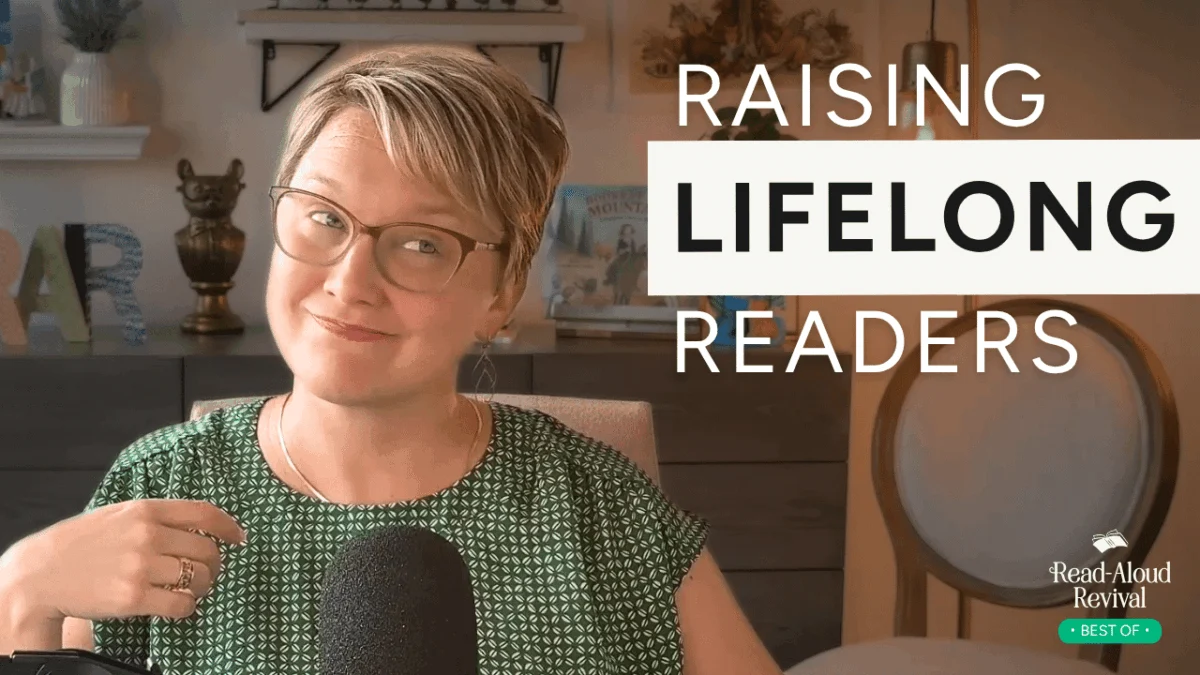
Every parent shares a common aspiration for their children: a genuine, enduring love for reading. The goal is rarely just about basic literacy or meeting academic milestones in the classroom. Instead, parents and educators alike hope to cultivate children who not only can read, but children who actively do read—individuals who will eventually grow into adults that continuously choose books for pleasure, enrichment, and personal fulfillment rather than out of sheer obligation.
Yet, a curious paradox often emerges among adults who care deeply about fostering this habit. Well-meaning parents and teachers frequently approach children’s reading lives in a manner that directly contradicts how authentic, lifelong adult readers actually experience books.
Examining the everyday dynamics of modern education and parenting reveals a heavy-handed framework imposed on young readers. Adults typically select all the reading material for children, dictate the exact duration they must spend with a book, and administer pointed questions designed to prove that the story was not only read but fully understood. To ensure compliance and comprehension, children are frequently required to write formal essays analyzing plot points, themes, and character motivations.
Underneath this rigorous structure lies an unspoken assumption: that by subjecting children to external controls, testing, and academic burdens, they will somehow develop an internal desire to pick up a book for pure enjoyment once those external mandates finally disappear. However, experts and advocates point out that this heavy oversight often achieves the exact opposite effect, turning a potentially joyful pastime into a tedious chore associated with pressure and evaluation.
To bridge the gap between forced reading and voluntary engagement, child development advocates suggest a fundamental shift in perspective. Rather than obsessing over the traditional question of how to compel children to read, adults might achieve better results by asking a different, more reflective question: What do real, lifelong readers actually do in their day-to-day lives?
By examining the habits of avid adult readers, a clearer picture emerges of what true literacy appreciation looks like. Passionate readers generally select their own books based on personal interest, curiosity, or mood. They read at their own pace, stop reading books they do not enjoy without finishing them, and rarely face pop quizzes or essay assignments on every chapter they turn. They share their enthusiasm naturally through casual conversations rather than graded assessments.
Advocates argue that if adults want children to adopt these same organic reading habits, the solution is not to double down on micro-management, but rather to grant children more autonomy, trust, and opportunities to experience reading on their own terms. This means stepping back from excessive control and allowing young people the freedom to discover the intrinsic rewards of literature without the looming shadow of academic accountability.
As conversations surrounding childhood literacy continue to evolve, media outlets and parenting forums are exploring these exact dynamics. Discussions featured on platforms dedicated to childhood reading development frequently highlight the tension between institutional reading requirements and the cultivation of a lifelong passion. Observers note that shifting the paradigm from supervision to autonomy may hold the key to helping the next generation embrace reading as a lifelong companion rather than a temporary homework assignment.

Leave a Reply