For anyone juggling the demands of a busy household, finding a breakfast solution that is both nutritious and effortless can often feel like a daily challenge. While smoothies and overnight oats have long held a staple place in the morning routines of health-conscious individuals, prioritizing protein early in the day remains a primary goal for many families. Enter the broccoli cheddar egg bake—a culinary solution designed to bridge the gap between minimal effort and maximum nutritional value, quickly establishing itself as a favorite for both weekday rushes and relaxed weekend brunches.
The appeal of the dish lies largely in its simplicity. Requiring only a few minutes of active preparation time before the oven takes over, the recipe allows home cooks to mix the ingredients while brewing their morning coffee, leaving the baking process to unfold smoothly alongside the rest of the morning routine. Furthermore, the dish is built for longevity; it reheats remarkably well, making it an ideal candidate for weekend meal prep that yields nourishing leftovers for breakfast or lunch throughout the busy work and school week.
Why the Broccoli Cheddar Egg Bake is Gaining Popularity
Egg casseroles have long been celebrated in home kitchens as a cornerstone of meal prep due to their inherent versatility. This particular iteration elevates the traditional breakfast bake by incorporating eggs with cottage cheese. This clever addition delivers an extra boost of protein while contributing a rich, creamy texture without the need for heavy, calorie-dense cream. Meanwhile, shredded cheddar cheese provides a robust flavor profile, and chopped broccoli introduces vibrant color, essential fiber, and a host of vital nutrients.
Another major advantage of the recipe is its reliance on pantry and freezer staples. Fresh produce works wonderfully, but frozen broccoli serves as an equally effective alternative, ensuring that families can pull the meal together at a moment’s notice without requiring an unplanned trip to the grocery store. The seasoning profile is kept deliberately straightforward, allowing the natural flavors of the quality cheese and fresh or frozen vegetables to take center stage.
Naturally gluten-free, the breakfast casserole accommodates various dietary preferences while effortlessly scaling to feed a crowd, whether that means satisfying hungry children before school or hosting extended family for a weekend gathering. Many home cooks choose to pair the bake with fresh fruit, sliced avocado, or roasted potatoes to round out the meal, transforming a simple egg dish into a comprehensive, satisfying feast. Because it yields multiple generous servings, it serves as an efficient tool for anyone looking to get ahead of the weekly schedule.
Tips for Mastering the Ultimate Egg Casserole
Culinary experts note that recipes of this nature thrive on forgiveness, and this broccoli cheddar egg bake is no exception. Whisking cottage cheese directly into the eggs is a crucial technique, as it helps establish a smooth, exceptionally fluffy texture as the casserole bakes. Additionally, the broccoli cooks thoroughly within the mixture without losing its integrity or becoming unpleasantly mushy. Allowing the finished bake to rest for a few brief minutes before slicing ensures that the structure sets properly, making it significantly easier to serve clean, attractive portions.
Storage and reheating are equally straightforward. Leftovers retain their quality in the refrigerator for several days, preserving the appeal of a make-ahead breakfast. Warming a single slice in a traditional oven, toaster oven, or air fryer restores much of the original texture and flavor, tasting nearly as fresh as the moment it was pulled from the oven.
From easing the friction of frantic weekday mornings to anchoring a leisurely weekend spread, the broccoli cheddar egg bake represents a practical approach to modern nutrition. By relying on wholesome, accessible ingredients and requiring minimal time spent standing over a hot stove, the recipe offers a reliable path toward stress-free morning routines.
Play has long been viewed by adults as a pleasant pastime, a way for children to burn off energy between academic lessons or a reward for finishing homework. However, an expanding body of interdisciplinary research confirms what many educators and parents have instinctively known for generations: unstructured, child-led play is not a luxury. It is foundational to healthy childhood development, building critical capacities across physical, cognitive, emotional, and social domains.
Over the past twenty-five years, thousands of empirical studies have explored the profound impact of play on executive function, self-regulation, emotional intelligence, cognition, creativity, and physical development. The findings across these diverse fields are striking and remarkably consistent. As educational settings face continuous pressure to accelerate academic timelines, this growing scientific consensus offers a timely reminder that what looks like simple recreation is actually the vital work of growing minds and bodies.
A Strong Start: Physical and Cognitive Development
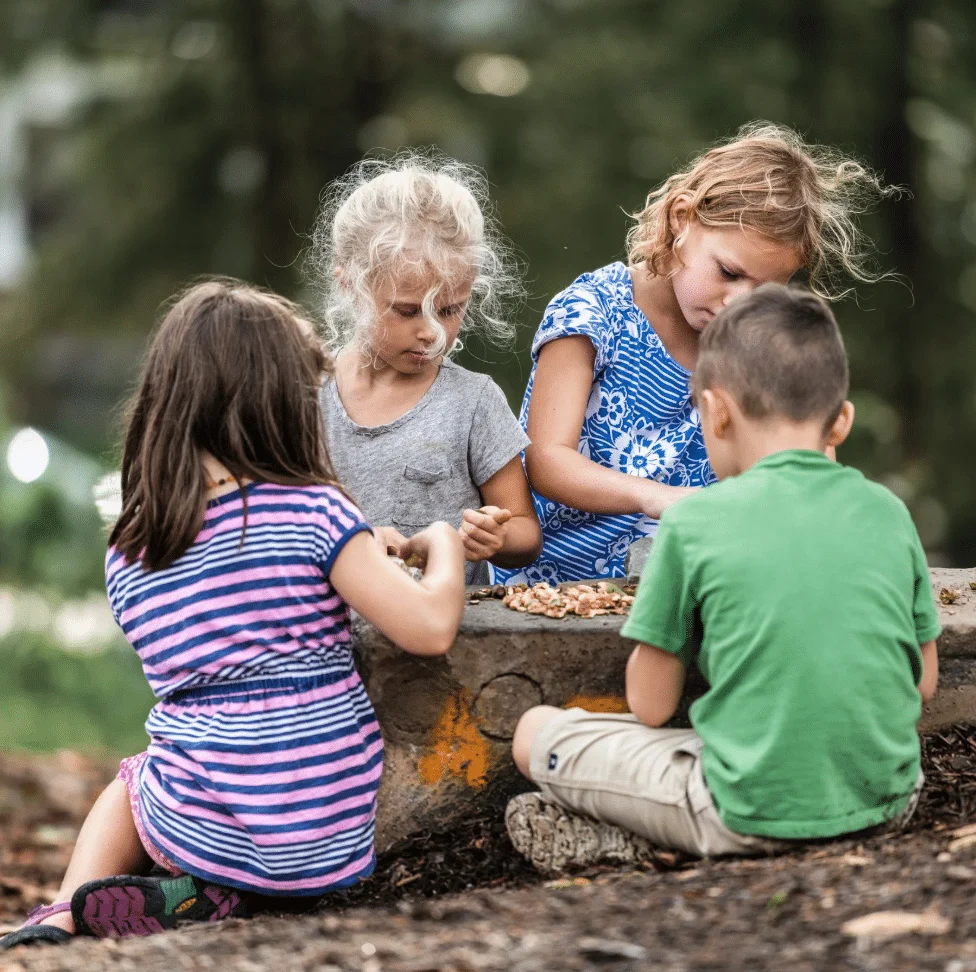
Observers easily recognize play’s role in motor development. Whether children are climbing playground equipment, building elaborate structures with blocks, or balancing along a fallen log, they strengthen both fine and gross motor skills through movement-rich environments. These physical activities build spatial awareness, muscle tone, and coordination that serve children well into adulthood.
Yet, play also builds the brain in sophisticated ways. A growing body of research shows that executive functions—such as working memory, cognitive flexibility, and impulse control—all develop through playful activity. Problem-solving, creativity, planning, and symbolic thinking are nurtured most effectively through hands-on, open-ended engagement rather than passive instruction.
Recent academic literature underscores this relationship. A systematic review published in 2025 in the Journal of Intelligence analyzed twenty-five empirical studies and concluded that loose parts play, which involves open-ended materials like sticks, stones, fabric, and boxes, significantly enhances problem-solving, divergent thinking, and overall academic readiness.
In addition, a 2024 review published in Frontiers in Public Health confirmed that physical play is a key contributor to early motor coordination. Furthermore, the review noted that pretend play allows children to explore consequences, integrate new learning, and safely simulate real-life scenarios. The researchers found that both structured and unstructured play in preschool significantly improved motor and cognitive skills, with the most pronounced benefits occurring when programs provided ample time exceeding 3,000 minutes of play-based engagement.
The Brain at Play
To gain a closer look at the neurological inner workings of play, researchers often turn to controlled animal models that parallel human behavioral development. A notable 2018 study published in Science Direct, focusing on juvenile rats, demonstrated that social play is essential for the proper development of inhibitory synapses in the medial prefrontal cortex. This region of the brain is critical for decision-making and impulse control. Interestingly, the study found that rats deprived of social play displayed lasting deficits in cognitive flexibility, underscoring the absolute necessity of early, unstructured interaction for neurological health.
These biological findings are strongly echoed in human studies. A longitudinal Australian study published in Science Direct in 2022 followed children from the ages of two to seven. The researchers discovered that one to five hours of active, unstructured play per day predicted significantly stronger self-regulation later in childhood, regardless of the children’s earlier cognitive baselines. This suggests that free play acts as an equalizing force, helping children build the internal controls necessary to navigate complex social and academic environments.
Intrinsic Motivation and Lifelong Learning
Beyond cognitive and social development, play fosters something even deeper: intrinsic motivation. When children engage in play, they do so for its own sake, driven by the sheer joy of discovery, mastery, and self-expression rather than the pursuit of external rewards, grades, or praise. This internal drive is the cornerstone of lifelong learning.
Research thoroughly backs this dynamic. The aforementioned longitudinal study, Free Play Predicts Self-Regulation Years Later, demonstrates a clear, measurable link between free play and long-term autonomy and creative thinking. Similarly, the Encyclopedia of Early Childhood Development, in its 2023 updates, confirms that exploratory play environments actively nurture imagination, independence, and a genuine love of learning that persists long after formal schooling ends.
Mental Health and Emotional Resilience
Among the most compelling and frequently overlooked benefits of play are those related to mental health and emotional well-being. Play helps children regulate stress, builds psychological resilience, and serves as a protective factor against anxiety and depression.
Recognizing these profound benefits, the American Academy of Pediatrics issued a policy statement in 2018 titled The Power of Play: A Pediatric Role in Enhancing Development in Young Children. The organization recommended that pediatricians actively advocate for play during wellness visits, treating it with the same clinical importance as sleep, nutrition, and physical safety. According to the pediatricians, imaginative and physical play reduce toxic stress and foster crucial emotional well-being.
These clinical recommendations are supported by empirical data. A 2020 study published through the National Library of Medicine reinforced these findings by showing measurable increases in children’s reported happiness and playfulness following structured play-based interventions in various settings.
The Bottom Line for Educators and Policymakers
When it comes to shaping educational curricula, institutional pedagogies, and public policy, the accumulated research is remarkably clear. Play is not a distraction from education; it is essential to it. It represents the true work of childhood and forms the biological and psychological foundation of executive function, creativity, social well-being, and emotional resilience.
Reducing or marginalizing playtime in schools under the banner of strict "academic focus" not only contradicts decades of scientific research, but it also undermines the very capacities that children need to succeed both in school and in life.
Educational traditions such as Waldorf education have long placed play at the absolute heart of early learning. By thoughtfully integrating imaginative play, rich sensory experiences, and unstructured outdoor exploration into the daily schedule, institutions like the Waldorf School of Philadelphia offer children the holistic developmental foundation they need to grow into capable, resilient, and joyful learners.
Ultimately, by investing in environments, daily practices, and public policies that prioritize play, society invests not only in the well-being of children today, but in the creation of healthier, more capable, and far more adaptable adults tomorrow.
For nearly a hundred years, the Centers for Spiritual Living has served as a beacon for individuals on a spiritual journey, offering a welcoming space that embraces spiritual seekers and adventurers across the globe. Founded in 1927 by Dr. Ernest Holmes—the same visionary year that saw the inception of Science of Mind magazine—the organization has grown into a vast international network comprising more than 300 spiritual communities worldwide. Today, these centers continue to uphold a foundational philosophy centered on practical spiritual teaching, drawing from the universal truths found across diverse faith paths combined with New Thought principles to encourage profound personal growth and transformation.
The rich history of the movement is deeply intertwined with the evolution of modern spiritual thought. Dr. Holmes established the organization with a clear and enduring vision: to provide a space where individuals could explore deeper truths without dogma, finding a community that supports both individual awakening and collective well-being. Operating under the guiding sentiment that everyone is included on the path to the divine, the movement has consistently championed an inclusive approach to spirituality. This philosophy is reflected in the day-to-day operations of its numerous communities, where visitors are met with open arms, warmth, and acceptance, regardless of where they find themselves on their personal spiritual paths.
At the heart of the Centers for Spiritual Living experience is a practical approach to spirituality that honors the golden thread of truth weaving through all major religious and philosophical traditions. By integrating these timeless wisdoms with New Thought principles, the organization equips its members with actionable spiritual tools designed to foster both individual and global transformation. The overarching purpose of the community is articulated through a threefold framework: to awaken humanity to its inherent spiritual magnificence, to manifest a vision of a world that genuinely works for everyone, and to provide accessible spiritual tools that facilitate meaningful change.
This commitment to personal development and global betterment is manifested through a wide variety of services, classes, and community gatherings offered at local centers around the world. Whether individuals are seeking a dynamic environment for weekly worship, study groups for deeper philosophical exploration, or simply a loving community of fellow seekers, the centers are structured to provide a nurturing home. The leadership and congregants alike emphasize the importance of radical acceptance, creating environments where people from all walks of life can feel valued and understood as they are.
To help newcomers and long-time participants alike understand the depth and scope of the movement, the organization provides comprehensive informational resources. These include detailed overviews designed to articulate the core teachings, community structures, and mission of the centers. For local study groups, individual chapters, and community leaders wishing to share these insights, the organization has made print-ready PDF summaries accessible for download. These materials are packaged in a convenient compressed folder format, allowing communities to easily print and distribute information sheets that outline the foundational principles and offerings of the Centers for Spiritual Living.
The availability of these print-ready resources underscores the organization’s dedication to supporting its global network of communities. As local chapters continue to grow and engage with new members, having standardized yet deeply meaningful informational materials ensures that the core message of the movement remains clear, accessible, and consistent across diverse geographical locations. These informational sheets serve as a bridge for individuals who may be stepping into a Center for Spiritual Living for the very first time, offering them a clear window into the history, purpose, and community life that defines the organization.
For those interested in experiencing these communities firsthand, the organization maintains a comprehensive digital directory and interactive map on its official website, CSL.org. This tool allows spiritual seekers to easily locate nearby centers, study groups, and ministries, facilitating physical connections in an increasingly digital world. By visiting a local center, individuals are invited to step into a warm, dynamic, and loving environment designed to help them claim the deeper life and purpose their souls are seeking. As the Centers for Spiritual Living looks toward its centenary, it remains steadfast in its mission to co-create a world that works for everyone, one community and one individual at a time.
For families who have spent years navigating the rigorous landscape of homeschooling, the arrival of Challenge IV graduation often brings a bittersweet realization. Years of iron-sharpening-iron conversations, deep-rooted community, and Christ-centered formation have built a robust foundation. Yet, as students step across the threshold of high school completion, parents and graduates alike are frequently left wondering what will become of those intellectual bonds.
Enter Classical Fellowship: a weekly, in-person community meticulously designed to keep classical skills formation, fellowship, and spiritual grounding alive, regardless of the unique path a graduate chooses next. Whether a young adult steps directly into a traditional degree program, enters a specialized trade, steps onto a mission field, or launches a business venture, this companion program is structured to walk alongside them.
The initiative addresses a critical transition period in a young person’s life. The weekly conversations, the enduring friendships, and the shared intellectual formation that took years to cultivate deserve a sustained environment in which to continue growing. Classical Fellowship aims to be precisely that environment—a place where the momentum of a classical education does not simply halt at high school graduation, but instead pivots to meet the demands of early adulthood.
A Program Tailored for Every Calling
Designed with versatility in mind, Classical Fellowship exists for anyone pursuing a distinct vocational or personal calling. Recognizing that modern homeschool graduates diverge into myriad professional and personal directions, the program acts as a flexible companion. It does not force students into a singular post-graduation mold; rather, it provides an intellectual and spiritual anchor that supports whatever path a graduate has already chosen.
As the initiative continues to expand with new sites opening across the country, geographic accessibility remains a priority. However, recognizing that a physical site may not yet be within driving distance for every family, organizers have established interactive online cohorts. These virtual gatherings maintain the exact same rigor, incorporating the Fifteen Skills of Learning and a Christ-centered community through weekly, interactive online sessions.
The Mechanics of Continued Learning
For years, parents and graduates practice the Fifteen Skills of Learning together, refining their abilities to think, reason, and articulate truth side by side. Classical Fellowship ensures this pursuit of knowledge does not wither. Graduates join what organizers describe as a collegium—a body of peers bound by a shared purpose where they continue learning, discussing, and sharpening one another just as they always have.
Each week, graduates gather in small groups consisting of six to twelve peers, guided by a trained Site Director. This intimate setting fosters genuine community and mentorship, elements that organizers note grow best when individuals share the same physical room. Over four consecutive semesters, students hone the Fifteen Skills of Learning together, supported by friends and a mentor who navigate this pivotal season of life alongside them.
The practical application of this model is dynamic and grounded in real-world experiences. Students bring whatever they are actively working on into their cohort meetings—whether that involves university coursework, a complex business decision, or ministry preparation. Moving around the room, participants share their updates and subsequently examine them through the lens of a classical skill, transforming a routine progress report into a rich Socratic conversation.
Joey Scott, a Challenge IV graduate and current Classical Fellowship student, explains the personal appeal of the program. "I said yes to Classical Fellowship because it seemed like a great way to extend what I already enjoyed about the Challenge years: deep conversation with like-minded friends," he notes.
This sentiment is echoed by institutional leaders who view the initiative as a vital bridge to maturity. Will McCreery, Director of New Business for Refining Rhetoric, emphasizes the long-term relational and developmental goals of the program. "It’s about getting these students together, continuing these Socratic circles and helping them mature into young men and young women under the guidance of a mentor who will be with them throughout their entire college experience," McCreery says.
The learning methodology remains consistent with the principles students practiced throughout their homeschooling years, now directly applied to their emerging adult responsibilities. Every seminar connects the Fifteen Skills of Learning to Scripture and shared conviction, carrying those lessons seamlessly into the graduate’s day-to-day work, whether in a trade, a mission field, a corporate office, or a university classroom.
Integrating Degrees and Broader Networks
For graduates concurrently pursuing higher education degrees, the program intersects with existing academic pipelines. Families frequently overlook opportunities already available to them upon completing Challenge IV, such as guaranteed admission pathways to Southeastern University through streamlined application procedures.
Robert Bortins, CEO of Classical Conversations, highlights the dual benefits of this structure, noting that the initiative blends traditional, incarnate community with modern academic flexibility. Shannon Castaneda, a Site Director Mentor, similarly points to the program’s ability to fulfill a pressing demographic need. Castaneda notes that Classical Fellowship equips young adults by fostering meaningful relationships while simultaneously teaching them how to apply the classical arts to their distinct vocational and life pursuits.
Ultimately, Classical Fellowship functions as an integral component of a broader ecosystem designed to support homeschooling families long after high school concludes. Graduates frequently transition into undergraduate coursework through specialized programs like CC Plus Undergrad, maintaining connections to the guaranteed Southeastern University online options. Both the fellowship program and the undergraduate tracks tie directly into the broader CC Alumni Network, ensuring that the community built during formative homeschooling years persists well into adulthood.
Through structured weekly gatherings, Socratic mentorship, and a steadfast commitment to Christ-centered formation, Classical Fellowship provides a landing place for graduates as they step into the next chapter of their lives, ensuring that the conversations, friendships, and pursuit of truth cultivated during their youth continue to bear fruit.
Communication is the cornerstone of any healthy relationship, yet even the closest partners and dearest friends frequently find themselves locked in conversations that spiral out of control. In the heat of an intense disagreement, a mild debate can suddenly transform into an overwhelming emotional experience. When a discussion reaches this fever pitch, individuals often describe feeling entirely consumed, unable to think straight, listen effectively, or process what the other person is saying. This physiological and psychological phenomenon, widely recognized by mental health professionals and researchers as emotional flooding, is a deeply ingrained biological response rather than a simple failure of willpower or patience.
At the core of emotional flooding is the amygdala, the almond-shaped cluster of nuclei located deep within the temporal lobes of the brain. Evolutionary biologists and neuroscientists explain that the amygdala functions as the brain’s primary alarm system, hardwired to detect danger and keep individuals safe from physical harm. When this ancient region of the brain senses a threat in the environment, it instantly triggers the body’s classic stress response, commonly known as the fight, flight, freeze, or fawn reaction. This automatic activation causes a rapid, involuntary surge of powerful hormones, including adrenaline and norepinephrine, which flood the bloodstream and put the entire body on high alert for immediate action.
As these stress hormones course through the system, they produce distinct physical sensations designed to maximize survival. Heart rates accelerate to pump more blood to major muscle groups, breathing shallowly increases oxygen intake, and sensory focus narrows sharply toward the perceived source of danger. While this tunnel vision is exceptionally useful when dodging a physical hazard, it creates a massive communication barrier during interpersonal conflicts. When the brain is entirely occupied with managing a perceived emergency, higher-level cognitive functions—such as empathy, active listening, and nuanced reasoning—take a backseat. The mind becomes laser-focused on self-protection, making it extraordinarily difficult to absorb a partner’s perspective or respond with patience and care.
In modern daily life, most disagreements do not involve physical danger. However, the human brain has not fully evolved to distinguish between a lunging predator and a raised voice, a sharp critique, or a fundamental difference of opinion. During an everyday argument, a partner’s frustrated tone or challenging viewpoint can easily be misinterpreted by the amygdala as a direct threat. This misinterpretation sets off the exact same physiological alarm bells and triggers the same sudden rush of anger, defensiveness, or panic that would accompany a physical peril.
This automatic reaction is often amplified within close relationships, where emotional stakes are significantly higher. In partnerships built on deep affection, shared history, and vulnerability, arguments rarely remain purely intellectual exercises. Instead, conflicts frequently touch upon core emotional needs that matter deeply to an individual, such as feeling respected, valued, heard, or safe. When a disagreement strikes these sensitive areas, the current friction does not exist in a vacuum. Old emotional wounds, unresolved past arguments, and lingering fears about the future stability of the relationship pile on top of the present moment, supercharging the brain’s alarm system and accelerating the onset of emotional flooding.
For individuals navigating these intense moments, understanding the mechanics of the nervous system is critical for maintaining healthy dynamics. However, mental health advocates and support organizations emphasize a vital distinction regarding relationship safety. The physiological mechanisms of emotional flooding and self-soothing apply directly to everyday arguments, misunderstandings, and ordinary relational friction. They are not appropriate tools for situations involving domestic abuse, intimidation, or persistent emotional control.
When a raised voice, aggressive posture, or pattern of intimidation leaves a person genuinely afraid for their safety within a relationship, that fear is a valid alarm rather than a misfiring neurological response. In abusive environments, standard conflict resolution techniques and personal self-soothing strategies are ineffective and potentially dangerous, because personal safety must always take absolute precedence. Individuals who find themselves in relationships that do not feel safe can access confidential, professional support through the National Domestic Violence Hotline by calling 1-800-799-7233 or by texting START to 88788 at any time of day or night.
For those experiencing standard emotional flooding during everyday interpersonal disputes, stopping the cycle requires recognizing that the physical body must be addressed before any productive conversation can resume. While it is rarely possible to prevent flooding from initiating once the amygdala has registered a threat, individuals possess a powerful capacity to help their bodies calm down once they recognize what is happening. By intentionally stepping back to let the physiological storm pass, people can restore their ability to think clearly, settle their nervous systems, and eventually return to the conversation with renewed empathy and perspective.
The process of managing emotional flooding generally follows a sequential path: first, calming the acute physiological reaction within the body, and second, returning to repair the dialogue once emotional equilibrium has been restored. Various techniques can assist with this process depending on the specific needs of the moment, and individuals are encouraged to utilize the strategies that resonate best while discarding those that do not feel supportive or natural.
The initial step in reversing emotional flooding often involves simple self-awareness and recognition. The exact moment an individual notices physical warning signs—such as a racing heartbeat, clenched fists, shallow breathing, or a sudden scramble of overwhelming thoughts—providing a silent internal label can create an immediate psychological buffer. Telling oneself that "this is flooding" acts as a mental anchor, serving as an explicit reminder that the intense emotions being experienced are fundamentally physical, driven by hormones, and entirely temporary. That brief moment of objective awareness introduces a valuable pause, creating a cognitive gap between the initial trigger and the subsequent behavior. Instead of reacting purely on autopilot through defensiveness or attack, the person gains the mental space required to choose a more deliberate next move.
Beyond mental labeling, direct physiological interventions can help signal safety back to the nervous system. One effective approach involves regulating breathing patterns to engage the parasympathetic nervous system, which acts as the physiological brake responsible for helping the body rest, settle down, and recover from stress. Research into breathing mechanics highlights specific patterns, such as cyclic sighing—often referred to as the physiological sigh—which involves taking two quick inhales through the nose followed by one long, extended exhale through the mouth. Scientific studies examining these breathing techniques have shown that intentional breath modulation can yield significant improvements in mood regulation and nervous system relaxation.
For individuals who find structured breathing exercises uncomfortable or overly complicated during moments of high stress, alternative grounding techniques can serve a similar purpose. The primary objective remains consistent across all methods: recognizing the physical signals of the body’s alarm system, implementing gentle strategies to lower internal arousal, and allowing the nervous system to return to a baseline of safety. Once this internal calm is reestablished and clear thinking returns, individuals can approach their partners with renewed openness, transforming potential conflicts into opportunities for deeper understanding and connection.
In an era increasingly defined by polarization, cultural friction, and deep-seated ideological divides, communities around the world are continually searching for new avenues to foster mutual understanding. While traditional dialogue formats, academic panels, and policy debates remain vital pillars of civic engagement, a growing movement suggests that the answers to our most persistent societal fractures might not be found in words alone. Across the country, a diverse collective of creatives is looking toward a different kind of language: art.
What is the role of art in a pluralistic society? This fundamental question recently brought together members of the Emerging Leaders Network through Interfaith America, a prominent organization dedicated to building bridges across religious and philosophical differences. Connecting with three distinct artists, each of whom approaches interfaith cooperation through a unique artistic medium, the initiative explored a profound inquiry: How do faith traditions and deep engagement with unfamiliar traditions shape creative work? Furthermore, how can the arts actively foster curiosity, empathy, and unbreakable human connections across vast lines of difference?
The Artist’s Life
For Rose Sall, an Interfaith Innovation Fellow and the creative force behind the acclaimed storytelling project The Spirits in Me, art has been an inseparable companion to her interfaith journey since she was just eighteen years old. Sall’s work uniquely confronts historical religious conflicts through wordless comics, using visual narrative to explore complex themes where spirituality and identity intersect with generational trauma and history.
In Sall’s view, the canvas offers a unique space for reconciliation that traditional discourse sometimes struggles to reach.
“I’ve learned that relationship doesn’t require sameness,” Sall reflected, discussing her extensive interfaith experiences and how the distinct medium of illustration naturally allows for multiple, varied interpretations. “Art is the way I try to practice that. It gives people a form of their own to bring into the room.”
That sentiment is shared by Max Yeshaye Brumberg-Kraus, another Interfaith Innovation Fellow whose creative practice spans multiple disciplines. Describing their work as an interdisciplinary endeavor, Brumberg-Kraus operates as a writer, theo-poet, and facilitator of specialized gender and spirituality workshop series throughout the Twin Cities. For them, creation is not merely a hobby or a profession, but a vital, holistic necessity.
“Art is a full-bodied experience,” Brumberg-Kraus explained. “We all need ways to process the chaos around us into meaning, into form, into beauty and justice. It accounts for life’s goods and bads, knowns and unknowns. As far as I’m concerned, the point of art is to live into the fullness of life, while the point of life is to live artfully.”
Drawing from Religious Traditions
This deep integration of creativity and worldview is equally evident in the work of Keryn Wouden, a longtime participant in Interfaith America’s Emerging Leaders Network and co-lead of the Arts & Culture Interfaith at Work Cohort. A member of the Church of Jesus Christ of Latter-day Saints, Wouden expresses her spirituality and her commitment to bridgebuilding through music, primarily as a classical harpist.
For Wouden, the act of making music is both deeply personal and outwardly expansive. It serves as a spiritual conduit that links her internal devotion to the external realities of a diverse world.
“Music helps me connect both internally and externally to the world around me. I do feel it is a gift that I’ve been given and have felt throughout my life that my Heavenly Father would like for me to use that gift for the benefit of others,” Wouden shared.
Grounded in the foundational belief that humanity shares an innate creative spark, Wouden views her musical endeavors as a practical application of faith—a tangible method for improving the human condition. Driven by the philosophy that “we are all inherently creators,” she maintains a clear and intentional vision for her art.
“That is my hope. I want to use my music to make the world better and build connections,” she noted.
Brumberg-Kraus finds a similarly profound intersection between their artistic output and ancient sacred texts. As a graduate of the Theological Seminary of the Twin Cities rooted in Jewish tradition, Brumberg-Kraus reads foundational scriptures through an artistic lens.
“The Tanakh, the scriptures at the heart of my Jewish practice, reads as a long story about God’s artistic maturation across generations,” they observed.
This theological framing informs Brumberg-Kraus’s broader educational and community work. Guided by the core Jewish value of communal responsibility—paired with its artistic counterpart: a creative responsiveness to the world—they design workshops aimed at lowering emotional barriers. By centering embodied techniques in these sessions, Brumberg-Kraus hopes to guide participants away from defensive postures and back into a state of open-minded wonder.
In contemporary civic life, where conversations surrounding gender and sexual variance are frequently fraught with hostility, finding pathways past defensiveness is critical.
“At a time when gender and sexual variance are so polarized, defanging the anxieties we have around gender and sexuality and replacing them with curiosity is necessary for a healthy, pluralistic society,” they emphasized.
Bridging Difference through Artistic Collaboration
Beyond individual inspiration, these artists demonstrate that the creative process itself serves as a powerful mechanism for bridging divides. Collaboration requires vulnerability, active listening, and a willingness to confront personal blind spots—elements that are equally essential to effective interfaith dialogue.
Rose Sall points directly to her collaboration with artist Pamela Nunez-Trejo on The Spirits in Me series as a prime example of bridgebuilding brought to life. Producing six distinct comics alongside an illustrator who identifies as non-religious required Sall to navigate the delicate intersections of religious commitment and secular artistic expression. Because the two creators hailed from different storytelling backgrounds, they frequently lacked a shared vocabulary, forcing them to articulate their assumptions and intentions from scratch.
“Every question showed me an assumption I didn’t know I was carrying,” Sall admitted, reflecting on the rigorous intellectual and creative negotiations required for the project. “The comics only exist because we were willing to keep asking each other what we meant.”
A parallel testament to the unifying power of art unfolded in Chicago, where Keryn Wouden helped organize a landmark interfaith concert centered around the dedication of a new chapel. Eschewing a single-tradition program, Wouden and her fellow organizers brought together representatives from six different faith traditions—including Hindu, Sikh, Baptist, Methodist, and Catholic communities—to perform alongside members of the Latter-day Saints in a cohesive 90-minute musical exploration themed around “Light.”
The impact of the evening extended far beyond the final musical note. Rather than dispersing immediately following the performances, attendees lingered in the space, engaging in organic conversations and expressing deep appreciation for the diverse spiritual expressions presented throughout the night.
Reflecting on the gathering, Wouden described it as a powerful snapshot of what community cooperation can achieve when facilitated by the arts.
“It was a beautiful moment in time,” she told Interfaith America, “and a great example to me of how music can be a powerful unifier, even in the face of deep difference.”
Human beings are significantly more than the sum of their hardships. That is a vital truth that partners at the Christian Alliance for Orphans (CAFO) highlighted following findings from the Global Flourishing Study. Organizations working within foster care and adoption support completely agree with this sentiment, yet they recognize that for children and teens impacted by trauma, those hardships frequently serve as formidable barriers to thriving. Understanding this reality is what drives ongoing pre- and post-adoption support work, particularly initiatives centered around Trust-Based Relational Intervention, commonly known as TBRI parenting.
Trauma Affects the Whole Child
Children and teens impacted by adoption and foster care have frequently experienced significant trauma, stemming from early loss, abuse, and neglect. This trauma can manifest in complex and confusing ways, frequently being misinterpreted by educators, peers, and even family members as mere defiance. In some communities, a trauma response is unfortunately labeled as nothing more than moral wrongdoing or behavioral disobedience, without any genuine understanding or addressing of the totality of the child’s internal experience. TBRI, however, takes a much deeper, more holistic approach to understanding these young lives.
Trauma impacts the whole self—encompassing the brain, biology, body, internal beliefs, and outward behaviors—which frequently leads to profound social, emotional, and behavioral challenges. According to specialists at the Karyn Purvis Institute of Child Development (KPICD), TBRI offers a practical, compassionate approach designed to help the whole child heal. Grounded in best practices derived from contemporary neuroscience, attachment theory, and developmental research, TBRI helps caregivers address children’s comprehensive physical, emotional, and developmental needs. In doing so, it offers what traditional, punitive approaches simply cannot: connection, regulation, and the foundation for lasting behavioral and emotional change.
As parents and caregivers navigate these journeys, it is critical that they maintain an active awareness and deep understanding of their children’s whole being. This requires being mindful of the complex history and formative experiences that have shaped each child’s heart, soul, and mind. Resources such as the "Created to Connect" study guide summarize this mission effectively, noting that by loving and nurturing children in this holistic way, families can provide an environment that fosters healing and wholeness, while simultaneously introducing them to a source of enduring hope.
Seeing the Need Behind the Behavior
A foundational saying within the TBRI community is both remarkably simple yet profoundly challenging to execute: see the need behind the behavior. The reality is that it is often exceptionally difficult to look beyond challenging outward behaviors, particularly as children reach the pre-teen and teenage years. Yet, looking past the immediate disruption is precisely what trauma-impacted children require from their caregivers. More often than not, children and teens acting out are operating from a deeper, unexpressed need.
Sometimes, that underlying need is relatively straightforward to identify, such as physical hunger, extreme exhaustion, or sensory overload from a loud environment. Other times, the root cause is far more complicated, rooted in profound experiences of loss, abuse, or early abandonment that leave a child locked in a perpetual state of fear, confusion, or shame.
Trauma inherently breeds shame, confusion, and fear, and those overwhelming emotions frequently drive significant, disruptive behaviors. In those critical situations, if a caregiver’s immediate response is driven by anger, or if they quickly jump to punitive consequences and strict punishment, they do not calm the emotional fire. Instead, they risk adding fuel to it, escalating the child’s distress and widening the relational gap.
Balancing Nurture and Structure in Parenting
Some critics have occasionally characterized TBRI parenting as being overly soft, viewing it as a philosophy centered entirely on nurture while abandoning necessary structure. However, the operational reality of TBRI is that it deliberately promotes a careful, intentional balance of both high nurture and high structure.
Dr. Karyn Purvis, co-creator of TBRI, frequently addressed this tension head-on during her teaching seminars. In the "Created to Connect" curriculum, she addressed the common parental question regarding the responsibility to teach children right from wrong and administer discipline accordingly. Her answer affirmed that teaching and guidance are indeed responsibilities of the caregiver, but she challenged parents to examine the deeper target of their efforts.
If a parent’s primary goal is simply compliance and immediate good behavior, that narrow objective will ultimately shape every single interaction they have with the child. However, if the primary goal is building a strong, healthy, and secure relationship, the overall approach, daily interactions, and long-term results will look fundamentally different.
Connecting the Gospel with Trauma-Informed Care
The principles underlying modern relational intervention also find powerful parallels in historical and spiritual narratives. In biblical texts, figures such as Jesus consistently looked to see the need behind outward behavior rather than reacting solely to surface-level actions. In accounts from the New Testament, narratives detail encounters with individuals whose choices and lifestyle habits—such as a series of unstable relationships—were likely attempts to fill a deeper internal void.
Like many children impacted by trauma, individuals in those historical accounts were often desperately seeking safe, close relationships and meaningful human connection. Yet, their external behaviors were frequently acting as barriers, hindering them from finding the very healing and fulfillment they truly needed.
Throughout these historical accounts, the response was never an excuse for harmful behavior, nor was the behavior allowed to define the individual’s entire story. Instead, observers noted a capacity to see beyond the immediate actions to identify the core human need: a relationship and connection capable of producing internal transformation.
From Correction-Driven to Connection-Driven Care
For children navigating the impacts of early trauma, understanding love, hope, and peace requires experiencing those qualities tangibly through the adults in their lives. For parents and caregivers, this necessitates a fundamental operational shift—moving away from a correction-driven model and embracing a connection-driven approach.
Caregivers must first learn to understand the underlying need behind a behavior and discover practical ways to nurture those developmental and emotional deficits. From that foundation of safety and connection—and from that place exclusively—parents can then appropriately transition to correction, lovingly guiding their children toward a life of resilience and flourishing.
Families seeking to explore these strategies further can access specialized resources and practical tools through programs like Hope for the Journey, which continue to expand the reach of trauma-informed care principles to households and communities nationwide.
As the academic calendar draws to a close for families across the country, veteran educator and author Shawna Wingert finds herself at a bittersweet milestone familiar to many parents. After seven years of sharing her family’s educational journey publicly, Wingert is simultaneously helping one son graduate high school while preparing to guide her younger son through the very same four-year threshold. With only six weeks remaining in her older son’s K-12 education, Wingert has taken time to reflect on the realities, surprises, and emotional shifts that defined the high school phase—an era of home education she admits went by in a blur, yet proved to be surprisingly rewarding.
Writing for educational platforms and drawing from her extensive background in special education and alternative learning environments, Wingert notes that the high school years were fundamentally different from what she originally anticipated. When she first faced the prospect of her oldest son entering the ninth grade seven years ago, she felt the familiar anxieties shared by many parents stepping outside traditional institutional education. However, looking back from the vantage point of senior year, she has identified five key insights that transformed her understanding of homeschooling through the upper grades.
Homeschooling High School Doesn’t Have To Be Totally Different From The Younger Years
When preparing for her oldest son’s freshman year, Wingert initially assumed that high school required a stark departure from their established routine. Culturally ingrained expectations suggest that high school must inherently become more rigorous, rigid, and serious—leaving behind the flexible, exploration-heavy methods of childhood.
Instead, her son’s high school experience closely mirrored his earlier education, remaining rooted in interest-led, hands-on, and project-based learning. Having already identified the specific ways her son absorbed information best, Wingert chose to trust their established routine rather than forcing a conventional institutional model. By the end of senior year, that personalized approach had proven successful, validating the decision to prioritize individual learning styles over traditional expectations.
Don’t Be Afraid Of High School Transcripts and Course Credits
For many parents transitioning into the high school phase of home education, administrative requirements represent a significant source of intimidation. The formal nature of transcripts and course credits can initially feel threatening to educators accustomed to flexible progress tracking.
However, Wingert discovered that the process was far more manageable than anticipated. Once she established a clear system for recording completed work, organizing credits actually became a satisfying task. Rather than remaining a bureaucratic burden, the transcript emerged as a tangible, observable measure of academic progress—a milestone that can occasionally prove elusive for educators working outside traditional classrooms.
Your Role Will Change Over The Four Years
As her son progressed through the upper grades, Wingert experienced a notable evolution in her daily responsibilities. The shift happened faster than expected, moving her from a hands-on daily instructor to a logistical coordinator—handling administrative details, purchasing specialized materials, and transporting her student to various educational and extracurricular commitments.
While the transition initially felt disconcerting, Wingert recognized it as a necessary evolution. This changing dynamic fostered a profound sense of independence and active engagement in her son’s education that had not been visible in earlier years. Embracing the role of administrator and facilitator, rather than traditional teacher, ultimately served the student’s growing autonomy.
Your Child Will Have More Opinions
Navigating high school education inevitably intersects with the broader reality of parenting adolescents. As students develop stronger personal identities, their opinions regarding their education, future plans, and daily schedules become more pronounced.
Wingert observed that accommodating these independent viewpoints—such as her son’s strong desire to pursue four-year colleges despite initial reservations about the fit—required letting go of strict parental control. This developmental milestone mirrors standard parenting transitions, highlighting the importance of stepping back and trusting the young adult as they begin charting their own course.
The Memories Are Irreplaceable
Perhaps the most prominent takeaway from Wingert’s journey is the unique emotional value of the upper-grade memories. As children mature into young adults, the dynamic within the home education environment shifts into something deeper and more conversational. Shared discussions regarding current events, historical developments, and artistic endeavors create an engaging intellectual partnership between parent and student.
Wingert notes that these high school years represent the period when home education truly matured into its most rewarding phase. The collaborative projects, mature discussions, and shared milestones formed a collection of memories that she would not trade for anything, offering a fitting conclusion to an era of intense, daily mentorship.
As she prepares to watch her oldest son take the next major step toward college in the fall, Wingert reflects on the entire experience with profound gratitude. Having navigated the anxieties of transcripts, changing roles, and shifting dynamics, she approaches the upcoming four-year cycle with her younger son equipped with perspective and confidence, ready to experience the journey all over again.
For decades, society has introduced people to the complex reality of loss through a familiar framework: the "Five Stages of Grief." Comprising denial, anger, bargaining, depression, and acceptance, this concept has become so deeply embedded in modern culture that many grieving individuals mistakenly believe they are supposed to experience loss in a rigid, sequential order. Under this traditional model, the ultimate destination is expected to be a final state called acceptance, after which the grieving process is presumably complete. However, mental health advocates, grief support professionals, and bereaved families increasingly point out that human grief rarely, if ever, works that way.
For many bereaved parents, grandparents, and siblings who have lived through profound and life-altering losses, the five-stage model can feel frustrating, misleading, and occasionally even harmful. Instead of providing comfort or a framework for understanding their pain, the model frequently creates unrealistic expectations about what grief should look like, how it should manifest, and how long it should take to resolve. The underlying truth is that grief is not a series of orderly boxes to check off. It is not a process that follows a predictable, uniform path, and it is certainly not a condition that can be neatly cured or completed.
The origins of this pervasive framework trace back to psychiatrist Elisabeth Kübler-Ross, who introduced the five stages in her seminal 1969 book, On Death and Dying. It is a crucial historical distinction that Kübler-Ross originally formulated these stages by observing individuals facing their own terminal illnesses, rather than bereaved individuals coping with the death of a loved one. Over time, however, the model was broadly generalized and applied to all forms of loss and grief across society. Unfortunately, as the decades passed, the public and various institutions began interpreting these psychological observations as a universal roadmap that every grieving person was expected to follow step-by-step.
This widespread misunderstanding has left countless individuals grappling with heavy emotional burdens, frequently questioning their own mental and emotional states when their personal experiences do not align with the textbook definitions. The simple, yet often overlooked, answer to their confusion is that grief is not a linear process. Anyone who has lived through significant loss knows intimately that grief is profoundly unpredictable. An individual might feel relatively stable and grounded one day, only to find that the next day brings overwhelming sadness triggered by something as simple as a familiar song, an old photograph, an upcoming birthday, or even a fleeting, ordinary moment. Years after a major loss, unexpected tears can still arrive without warning, while moments of genuine joy frequently coexist with deep heartbreak. Experts emphasize that experiencing this emotional volatility does not mean something is broken or wrong with the individual; it simply means they are human.
Families who navigate profound losses often share that grief behaves much like moving waves rather than rigid stages. While those emotional waves may gradually become less intense and more manageable over time, they can still return without warning. Anniversaries, milestone celebrations, major holidays, and ordinary life transitions frequently reopen emotional chambers that never completely disappear. A parent whose child died twenty years ago may still experience tears when speaking their child’s name aloud. A sibling may still feel the sharp, echoing ache of an empty chair at family holiday gatherings. A grandparent may still wonder quietly about what milestones their grandchild would have reached had they lived. Professionals emphasize that these enduring experiences are not signs of unfinished or unhealthy grief, but rather profound signs of enduring love.
One of the most damaging and persistent misconceptions fostered by the stage model is the societal notion that grief has a definitive finish line. Many grieving people report feeling intense pressure from friends, colleagues, and society at large to "move on," "find closure," or simply "get over it." The popular perception of the five stages can unintentionally reinforce the harmful belief that there should eventually be a clear point at which grief is completely resolved, put behind us, and left in the past. But mental health advocates remind the public that grief is not a logistical problem waiting to be solved. Grief exists because love exists.
When someone truly important dies, the nature of the relationship changes fundamentally, but it does not simply disappear. Survivors continue to carry memories, unfulfilled hopes, shared dreams, and deep emotional connections with those they have lost. The physical absence of the loved one becomes an indelible part of the survivor’s life story. For bereaved parents, in particular, no emotional stage can ever remove the stark reality that their child is missing from the world. No level of intellectual acceptance can completely erase the deep longing to hold them again. Instead of coming to an end, grief typically evolves as time passes. Individuals learn to carry the weight differently, discovering ways to integrate the loss into the fabric of their ongoing lives. They create personal meanings, cherished memories, comforting rituals, and new connections that allow them to move forward while simultaneously continuing to honor the person who died.
Another significant challenge associated with the stage model is its implicit suggestion that grief should look remarkably similar from one person to the next. In daily reality, grief is deeply personal and subjective. Some individuals cry frequently and openly, while others rarely shed a tear on the surface. Some people need to talk about their deceased loved one constantly to keep their memory vibrant, while others require long, quiet periods of internal reflection. Some find profound comfort and validation in organized support groups, whereas others discover personal healing through creative writing, spiritual faith, artistic expression, engagement with nature, community service, or private remembrance. There is no universal timeline governing these experiences, no standard progression to achieve, and no checklist for successful grieving. What truly matters is not whether an individual’s grief matches a theoretical framework, but whether they are finding healthy ways to navigate their loss while honoring their unique emotional landscape.
Rather than viewing grief as a series of developmental stages to successfully complete, mental health professionals suggest it is often far more helpful to conceptualize grief as a lifelong journey of adaptation. Over time, many bereaved individuals discover that they possess the capacity to experience profound grief and genuine joy simultaneously. They learn that they can laugh again without loving the deceased any less, and they can build meaningful, productive lives while continuing to miss the person who has passed away. The ultimate goal of the healing process is not to stop grieving altogether, but rather to learn how to carry the reality of grief alongside the daily flow of life. Some days, grief may take center stage in a person’s emotional life, while on other days, it quietly accompanies them in the background. Both of these experiences are entirely normal parts of the human condition.
What many bereaved individuals eventually come to understand is that true healing does not mean forgetting the past. It does not mean achieving a neat and tidy closure, nor does it mean reaching a final stage where grief vanishes entirely. Healing ultimately means learning to live with a persistent love that no longer has a physical place to reside in the world.
Perhaps the greatest gift individuals can offer themselves during times of bereavement is the explicit permission to grieve in their own individual way. People do not need to force their complex emotional experiences into five rigid categories, nor do they need to measure their personal progress against an imaginary societal timeline. They certainly do not need to feel a sense of guilt when grief resurfaces unexpectedly years down the road. Experts reiterate that grief is never a psychological disorder that requires a cure, nor is it merely a task to be completed and checked off a list. It is simply a natural, profound response to loving someone deeply and subsequently losing them from the physical world.
Professionals working in grief support recount frequent encounters with individuals who feel alienated because their personal trajectories do not match cultural expectations. For instance, a bereaved mother speaking with support staff three years after the death of her son expressed deep distress because she still found herself crying daily and experiencing lingering waves of anger and rage. Being reassured that she was moving along precisely as she needed to, entirely on her own terms, provided an eye-opening shift in perspective for her.
The overarching reality remains that grief continuously changes, grows, and transforms throughout the course of a human life. It may soften with time and become quieter in the background, but for many people—particularly those who have suffered the devastating loss of a child, sibling, or grandchild—it never completely disappears. And counselors emphasize that this reality is entirely acceptable. Grief is never evidence that an individual is failing to heal; rather, it stands as enduring, powerful evidence that someone deeply loved truly mattered, and that the love remains unbroken.
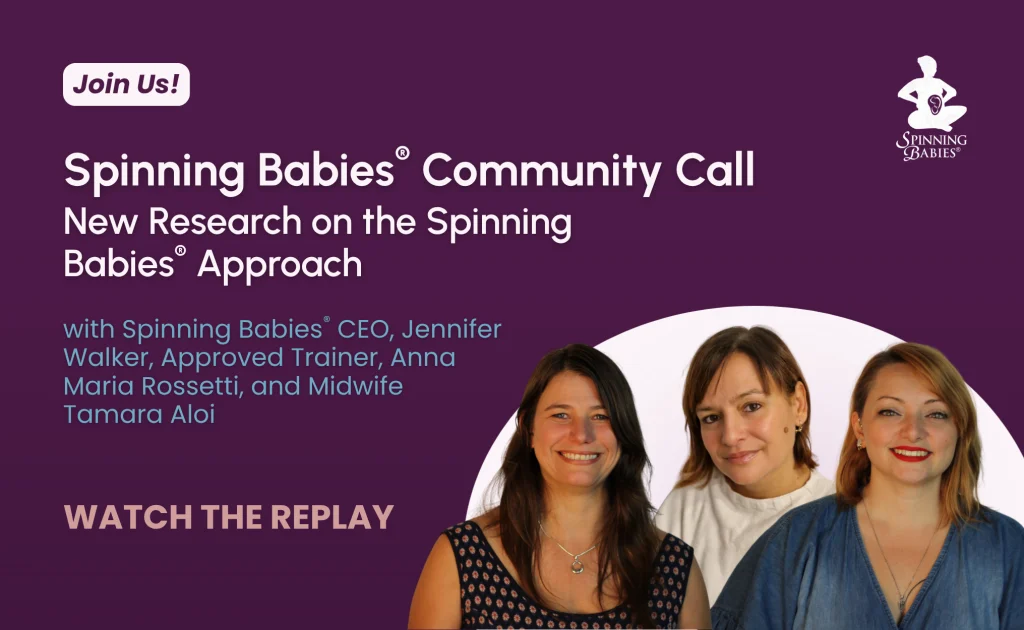
On November 5, 2025, the global birth community gathered for a significant virtual event hosted by Spinning Babies®. The session, conducted via Zoom, featured CEO Jennifer Walker, Approved Trainer Anna Maria Rossetti, and midwife Tamara Aloi. The primary focus of this international assembly was to discuss a landmark study recently published in the European Journal of Midwifery, which serves as one of the first peer-reviewed investigations specifically examining the efficacy of the Spinning Babies® framework in facilitating fetal rotation during the labor process.
For many professionals in the field, this publication represents a pivotal milestone. It provides formal, academic validation for the patterns and outcomes that birth workers have observed in clinical settings for years. By applying the principles of "Balance before Force" and the "Pelvic Levels Solutions™" framework, midwives, obstetricians, and doulas have long advocated for a shift in how we perceive the mechanics of birth. This new research offers a scientific bridge between those intuitive, observed practices and evidence-based medicine, providing a shared language for practitioners worldwide to discuss the complexities of fetal positioning.
A Collaboration Rooted in Real-World Practice
The study itself is the result of a profound professional collaboration. Anna Maria Rossetti, whose work at the Scuola Elementale di Arte Ostetrica (SEAO) in Italy is highly regarded, has been a central figure in advancing midwifery-led education and the promotion of physiological birth. Her partnership with Tamara Aloi is deeply rooted in a shared history; the two are contemporaries who navigated midwifery school together. Their enduring commitment to the physiology of birth has not only shaped their individual careers but has also driven their collective desire to bring structured, evidence-based improvements to clinical practice.
The journey toward this study began in a very practical, clinical environment. After attending one of Rossetti’s workshops, Aloi began to integrate the Spinning Babies® techniques into her own hospital-based practice. The results she witnessed—a noticeable difference in the progression of labors and the comfort of the birthing people she cared for—served as the primary catalyst for the study. Recognizing that their observations could offer valuable data to the broader medical community, the pair set out to formalize their findings, resulting in a project that emphasizes the importance of physiological support in modern maternity care.
During the community call, Jennifer Walker provided a broader perspective on the significance of this work. She noted that the research aligns perfectly with a growing global movement that prioritizes physiology over the premature application of force. This shift encourages practitioners to view the fetus not as a passive object to be moved by external intervention, but as an active participant capable of navigating the pelvic canal when provided with the correct environmental and structural conditions. The interaction in the Zoom chat throughout the call served as a powerful testament to this, with participants from various countries echoing a common sentiment: "Yes, this is what we see too."
What the Study Shows
The publication in the European Journal of Midwifery marks a turning point in the discussion of fetal rotation. Specifically, the study examined cases where the fetus was in occiput-posterior (OP) and occiput-transverse (OT) positions. In many clinical settings, these positions are often associated with longer labors and a higher likelihood of medical interventions. By applying the Spinning Babies® approach, which focuses on pelvic mobility and maternal positioning to facilitate the baby’s movement, researchers observed a significantly higher rate of rotation to the anterior position compared to control groups who did not receive these specific interventions.
This finding provides critical support for the "Balance before Force" philosophy. The core tenet of this approach is that by addressing the soft tissue and pelvic balance of the birthing person, practitioners can create the necessary space for the fetus to rotate and descend efficiently. The "Pelvic Levels Solutions™" framework provides a systematic way to identify where a baby might be encountering resistance and offers targeted movements to resolve those barriers. For years, this has been an anecdotal strength of the Spinning Babies® community; now, it is supported by a peer-reviewed dataset that highlights the efficacy of these methods in clinical labor management.
For providers, this study serves as a validation of the time and care they invest in supporting physiological birth. It reinforces the idea that clinical outcomes are not solely dependent on technological intervention but can be profoundly influenced by techniques that support the inherent capabilities of the human body. As the medical community continues to navigate the balance between safety and autonomy, research like this offers a pathway to integrating traditional knowledge with modern clinical requirements.
Engaging with the Research and the Community
Recognizing that many members of the global community were unable to attend the live Zoom session, Spinning Babies® has made the recording accessible for those who wish to delve deeper into the research and the discussion. The full recording is available for viewing, featuring the original conversation in Italian with English captions to ensure that the insights shared by Rossetti and Aloi are accessible to a worldwide audience. Additionally, a shortened version focusing on English-language highlights has been prepared to allow for a quick review of the key takeaways.
The organization has also provided clear instructions for those who wish to engage with these videos, specifically regarding the use of closed captioning and automated translation tools. By navigating the settings on the video player, viewers can enable captions and select their preferred language for real-time translation, ensuring that the dialogue remains inclusive and accessible across linguistic boundaries.
The event concluded with an expression of gratitude from the leadership team. The growth of the Spinning Babies® community is viewed not just as an increase in the number of trained professionals, but as a strengthening of a global conversation regarding the future of physiological birth. By fostering an environment where research, clinical experience, and real-world outcomes can be discussed openly, the community continues to move toward a model of care that honors the complexity of the birthing process.
For those who participated in the call, as well as for those engaging with the materials after the fact, the message remains clear: the integration of evidence-based, physiological techniques is essential to the future of maternity care. As more research emerges and more practitioners share their experiences, the "Balance before Force" approach continues to evolve, grounded in the reality of clinical practice and supported by a commitment to the well-being of the birthing person and the baby. The collaboration between Rossetti and Aloi stands as an example of how dedicated individuals, driven by their observations at the bedside, can contribute to meaningful, peer-reviewed advancements in the way we understand and support the birth process.