Reflecting on a Decrypting Milestone: Veteran Homeschooler Shares Surprising Realities of Educating Through High School
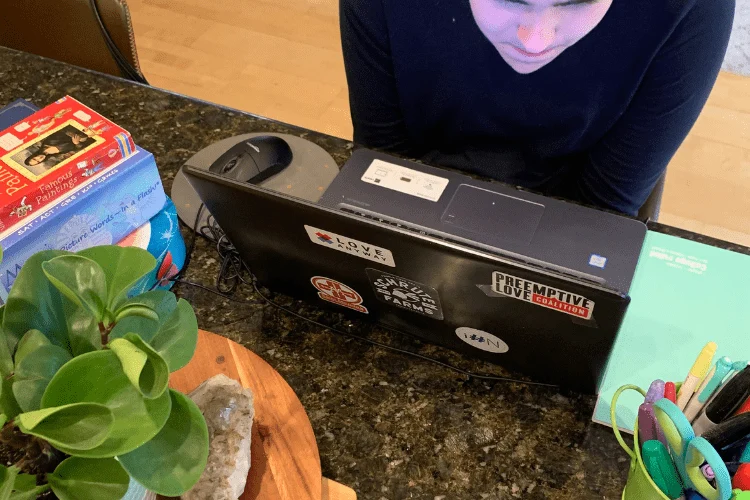
As the academic calendar draws to a close for families across the country, veteran educator and author Shawna Wingert finds herself at a bittersweet milestone familiar to many parents. After seven years of sharing her family’s educational journey publicly, Wingert is simultaneously helping one son graduate high school while preparing to guide her younger son through the very same four-year threshold. With only six weeks remaining in her older son’s K-12 education, Wingert has taken time to reflect on the realities, surprises, and emotional shifts that defined the high school phase—an era of home education she admits went by in a blur, yet proved to be surprisingly rewarding.
Writing for educational platforms and drawing from her extensive background in special education and alternative learning environments, Wingert notes that the high school years were fundamentally different from what she originally anticipated. When she first faced the prospect of her oldest son entering the ninth grade seven years ago, she felt the familiar anxieties shared by many parents stepping outside traditional institutional education. However, looking back from the vantage point of senior year, she has identified five key insights that transformed her understanding of homeschooling through the upper grades.
Homeschooling High School Doesn’t Have To Be Totally Different From The Younger Years
When preparing for her oldest son’s freshman year, Wingert initially assumed that high school required a stark departure from their established routine. Culturally ingrained expectations suggest that high school must inherently become more rigorous, rigid, and serious—leaving behind the flexible, exploration-heavy methods of childhood.

Instead, her son’s high school experience closely mirrored his earlier education, remaining rooted in interest-led, hands-on, and project-based learning. Having already identified the specific ways her son absorbed information best, Wingert chose to trust their established routine rather than forcing a conventional institutional model. By the end of senior year, that personalized approach had proven successful, validating the decision to prioritize individual learning styles over traditional expectations.
Don’t Be Afraid Of High School Transcripts and Course Credits
For many parents transitioning into the high school phase of home education, administrative requirements represent a significant source of intimidation. The formal nature of transcripts and course credits can initially feel threatening to educators accustomed to flexible progress tracking.
However, Wingert discovered that the process was far more manageable than anticipated. Once she established a clear system for recording completed work, organizing credits actually became a satisfying task. Rather than remaining a bureaucratic burden, the transcript emerged as a tangible, observable measure of academic progress—a milestone that can occasionally prove elusive for educators working outside traditional classrooms.
Your Role Will Change Over The Four Years
As her son progressed through the upper grades, Wingert experienced a notable evolution in her daily responsibilities. The shift happened faster than expected, moving her from a hands-on daily instructor to a logistical coordinator—handling administrative details, purchasing specialized materials, and transporting her student to various educational and extracurricular commitments.

While the transition initially felt disconcerting, Wingert recognized it as a necessary evolution. This changing dynamic fostered a profound sense of independence and active engagement in her son’s education that had not been visible in earlier years. Embracing the role of administrator and facilitator, rather than traditional teacher, ultimately served the student’s growing autonomy.
Your Child Will Have More Opinions
Navigating high school education inevitably intersects with the broader reality of parenting adolescents. As students develop stronger personal identities, their opinions regarding their education, future plans, and daily schedules become more pronounced.
Wingert observed that accommodating these independent viewpoints—such as her son’s strong desire to pursue four-year colleges despite initial reservations about the fit—required letting go of strict parental control. This developmental milestone mirrors standard parenting transitions, highlighting the importance of stepping back and trusting the young adult as they begin charting their own course.
The Memories Are Irreplaceable
Perhaps the most prominent takeaway from Wingert’s journey is the unique emotional value of the upper-grade memories. As children mature into young adults, the dynamic within the home education environment shifts into something deeper and more conversational. Shared discussions regarding current events, historical developments, and artistic endeavors create an engaging intellectual partnership between parent and student.

Wingert notes that these high school years represent the period when home education truly matured into its most rewarding phase. The collaborative projects, mature discussions, and shared milestones formed a collection of memories that she would not trade for anything, offering a fitting conclusion to an era of intense, daily mentorship.
As she prepares to watch her oldest son take the next major step toward college in the fall, Wingert reflects on the entire experience with profound gratitude. Having navigated the anxieties of transcripts, changing roles, and shifting dynamics, she approaches the upcoming four-year cycle with her younger son equipped with perspective and confidence, ready to experience the journey all over again.
