Beyond a Luxury: Decades of Interdisciplinary Research Confirm Play is Foundational to Childhood Development
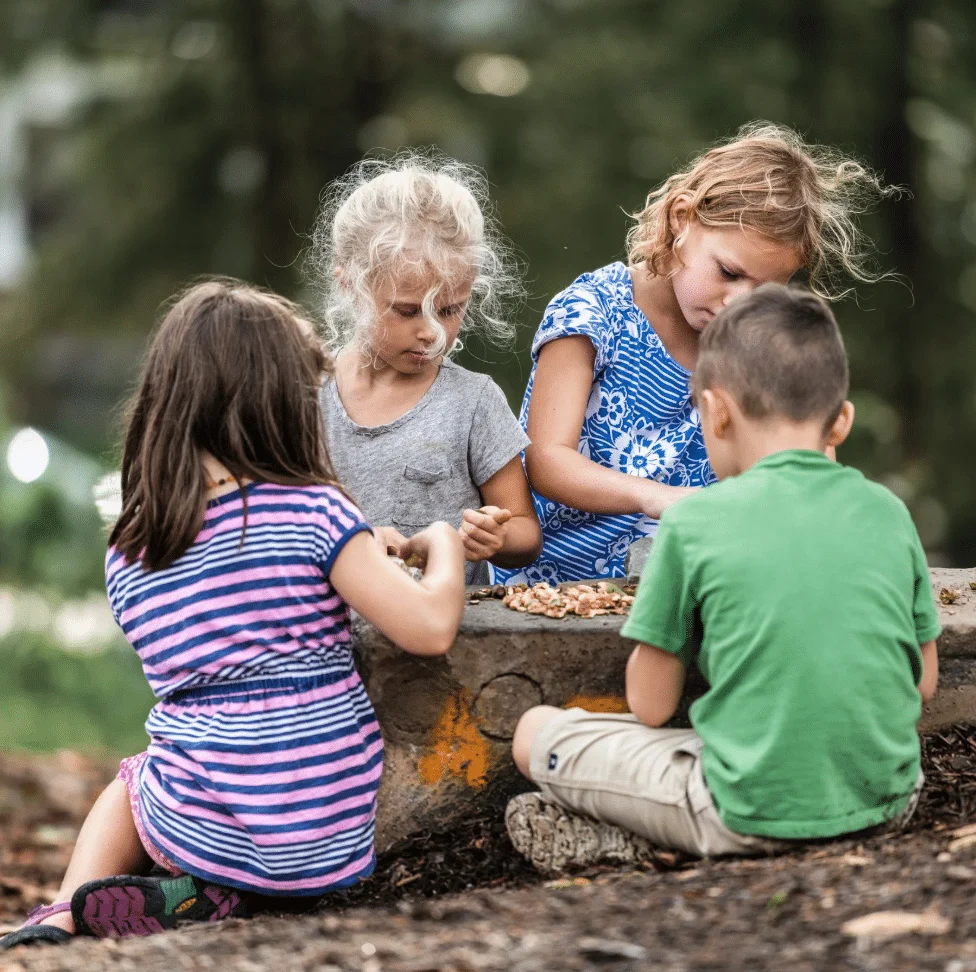
Play has long been viewed by adults as a pleasant pastime, a way for children to burn off energy between academic lessons or a reward for finishing homework. However, an expanding body of interdisciplinary research confirms what many educators and parents have instinctively known for generations: unstructured, child-led play is not a luxury. It is foundational to healthy childhood development, building critical capacities across physical, cognitive, emotional, and social domains.
Over the past twenty-five years, thousands of empirical studies have explored the profound impact of play on executive function, self-regulation, emotional intelligence, cognition, creativity, and physical development. The findings across these diverse fields are striking and remarkably consistent. As educational settings face continuous pressure to accelerate academic timelines, this growing scientific consensus offers a timely reminder that what looks like simple recreation is actually the vital work of growing minds and bodies.
A Strong Start: Physical and Cognitive Development
Observers easily recognize play’s role in motor development. Whether children are climbing playground equipment, building elaborate structures with blocks, or balancing along a fallen log, they strengthen both fine and gross motor skills through movement-rich environments. These physical activities build spatial awareness, muscle tone, and coordination that serve children well into adulthood.
Yet, play also builds the brain in sophisticated ways. A growing body of research shows that executive functions—such as working memory, cognitive flexibility, and impulse control—all develop through playful activity. Problem-solving, creativity, planning, and symbolic thinking are nurtured most effectively through hands-on, open-ended engagement rather than passive instruction.
Recent academic literature underscores this relationship. A systematic review published in 2025 in the Journal of Intelligence analyzed twenty-five empirical studies and concluded that loose parts play, which involves open-ended materials like sticks, stones, fabric, and boxes, significantly enhances problem-solving, divergent thinking, and overall academic readiness.
In addition, a 2024 review published in Frontiers in Public Health confirmed that physical play is a key contributor to early motor coordination. Furthermore, the review noted that pretend play allows children to explore consequences, integrate new learning, and safely simulate real-life scenarios. The researchers found that both structured and unstructured play in preschool significantly improved motor and cognitive skills, with the most pronounced benefits occurring when programs provided ample time exceeding 3,000 minutes of play-based engagement.
The Brain at Play
To gain a closer look at the neurological inner workings of play, researchers often turn to controlled animal models that parallel human behavioral development. A notable 2018 study published in Science Direct, focusing on juvenile rats, demonstrated that social play is essential for the proper development of inhibitory synapses in the medial prefrontal cortex. This region of the brain is critical for decision-making and impulse control. Interestingly, the study found that rats deprived of social play displayed lasting deficits in cognitive flexibility, underscoring the absolute necessity of early, unstructured interaction for neurological health.
These biological findings are strongly echoed in human studies. A longitudinal Australian study published in Science Direct in 2022 followed children from the ages of two to seven. The researchers discovered that one to five hours of active, unstructured play per day predicted significantly stronger self-regulation later in childhood, regardless of the children’s earlier cognitive baselines. This suggests that free play acts as an equalizing force, helping children build the internal controls necessary to navigate complex social and academic environments.
Intrinsic Motivation and Lifelong Learning
Beyond cognitive and social development, play fosters something even deeper: intrinsic motivation. When children engage in play, they do so for its own sake, driven by the sheer joy of discovery, mastery, and self-expression rather than the pursuit of external rewards, grades, or praise. This internal drive is the cornerstone of lifelong learning.
Research thoroughly backs this dynamic. The aforementioned longitudinal study, Free Play Predicts Self-Regulation Years Later, demonstrates a clear, measurable link between free play and long-term autonomy and creative thinking. Similarly, the Encyclopedia of Early Childhood Development, in its 2023 updates, confirms that exploratory play environments actively nurture imagination, independence, and a genuine love of learning that persists long after formal schooling ends.
Mental Health and Emotional Resilience
Among the most compelling and frequently overlooked benefits of play are those related to mental health and emotional well-being. Play helps children regulate stress, builds psychological resilience, and serves as a protective factor against anxiety and depression.
Recognizing these profound benefits, the American Academy of Pediatrics issued a policy statement in 2018 titled The Power of Play: A Pediatric Role in Enhancing Development in Young Children. The organization recommended that pediatricians actively advocate for play during wellness visits, treating it with the same clinical importance as sleep, nutrition, and physical safety. According to the pediatricians, imaginative and physical play reduce toxic stress and foster crucial emotional well-being.
These clinical recommendations are supported by empirical data. A 2020 study published through the National Library of Medicine reinforced these findings by showing measurable increases in children’s reported happiness and playfulness following structured play-based interventions in various settings.
The Bottom Line for Educators and Policymakers
When it comes to shaping educational curricula, institutional pedagogies, and public policy, the accumulated research is remarkably clear. Play is not a distraction from education; it is essential to it. It represents the true work of childhood and forms the biological and psychological foundation of executive function, creativity, social well-being, and emotional resilience.
Reducing or marginalizing playtime in schools under the banner of strict "academic focus" not only contradicts decades of scientific research, but it also undermines the very capacities that children need to succeed both in school and in life.
Educational traditions such as Waldorf education have long placed play at the absolute heart of early learning. By thoughtfully integrating imaginative play, rich sensory experiences, and unstructured outdoor exploration into the daily schedule, institutions like the Waldorf School of Philadelphia offer children the holistic developmental foundation they need to grow into capable, resilient, and joyful learners.
Ultimately, by investing in environments, daily practices, and public policies that prioritize play, society invests not only in the well-being of children today, but in the creation of healthier, more capable, and far more adaptable adults tomorrow.
