As the holiday season approaches, families engaged in home education are turning their attention toward meaningful ways to celebrate the season while reinforcing their daily learning rhythms. According to a recently published resource from the Classical Conversations community, the best holiday gifts for homeschooling families are those that invite everyone to continue learning together. Rather than temporary novelties, educators and parents are increasingly seeking out beautiful books to read aloud, simple instruments, strategic games that sharpen young minds, and small reminders of the faith and friendships that shape each day at home.
The comprehensive holiday gift guide, curated by lead sales and marketing writer Kyleen Bontrager, organizes recommendations by educational program levels, offering tailored suggestions for Foundations, Essentials, and Challenge students. Additionally, the guide features dedicated selections for homeschool mothers, stocking stuffers, splurge-worthy items, and practical educational gear designed to fit every budget.
Homeschool Gift Ideas by Program
Every developmental season of a child’s education invites a distinct approach to learning and gift-giving. Young children in the early stages of education thrive on sensory experiences, touch, song, and repetition. Middle school students naturally gravitate toward sorting, comparing, and asking critical questions about why things work. Meanwhile, teenagers tackle monumental ideas, wrestling with complex concepts and learning to articulate their convictions.
For students in the Foundations program, which serves children ages four to twelve as they practice the foundational art of grammar through the five core habits of naming, attending, memorizing, expressing, and storytelling, gifts that encourage singing, reading aloud, and hands-on discovery are an ideal match. Popular items in this category include traditional instruments like the tin whistle, which bridges musical practice with joyful family participation.
Moving into the Essentials program, students refine their command of English grammar, writing, and mathematics, cultivating habits of careful analysis that strengthen the classical art of dialectic. For these middle-grade learners, gifts that make studying feel personal, organized, and engaging—such as specialized wax highlighters and orderly study supplies—prove exceptionally popular during the school year.
In the Challenge program, students transition from questioning to persuading, actively practicing the arts of dialectic and rhetoric through rigorous seminars, debate, and engagement with great books. Gift selections for Challenge students honor both their growing intellectual independence and their deepening convictions, featuring items such as the official CC Mountain Challenge t-shirt and specialized apparel that reflects their academic community.
Clothing and Community Apparel
New clothing items under the Christmas tree remain a cherished tradition in many households. Classical Conversations has expanded its seasonal offerings to include officially licensed apparel that lets families wear their love of learning, faith, and community spirit.
Among the accessories, classic caps designed for nature walks, field trips, and sunny afternoons outdoors are available in several styles. A specialized ponytail baseball cap, created specifically for mothers and female students, features a hidden ponytail opening for all-day comfort and serves as a subtle reminder of the community’s core mission to know God and to make Him known. For colder days and cozy indoor study sessions, timeline socks featuring the historical memory cards that families recite each week offer a playful nod to history education.
Outerwear options include the "Keepers of the Books" sweatshirt, inspired by founder Leigh Bortins’ charge to homeschool parents who prioritize timeless literature and the written word. Durable pullover hoodies with roomy front pockets for chilly mornings on Community Day, long-sleeve Comfort Colors t-shirts bearing the organization’s guiding statement, and Latin-inscribed apparel featuring John 1:1 provide comfortable, mission-minded options for students and parents alike.
Accessories such as stretchy friendship bracelets, silver-tone dangling earrings with navy blue hearts, women’s charm necklaces, Croc charms, and collectible enamel pins for backpacks and lanyards offer affordable ways for students, mothers, and tutors to display their community pride.
Books and Family Literature Collections
Literature remains at the heart of the classical education model. Books make enduring Christmas gifts because they invite students into conversations with the greatest minds and ideas in history while cultivating wonder, wisdom, and virtue.
For young learners, selections from the Copper Lodge Library include Tanglewood Tales, in which Nathaniel Hawthorne retells classic Greek myths for a new generation, and The American Experience Storybook, which brings historical figures and events to life during cozy evening read-alouds. Parenting resources such as Gladys Hunt’s Honey for a Child’s Heart offer valuable guidance and encouragement for building a rich family culture centered around quality literature.
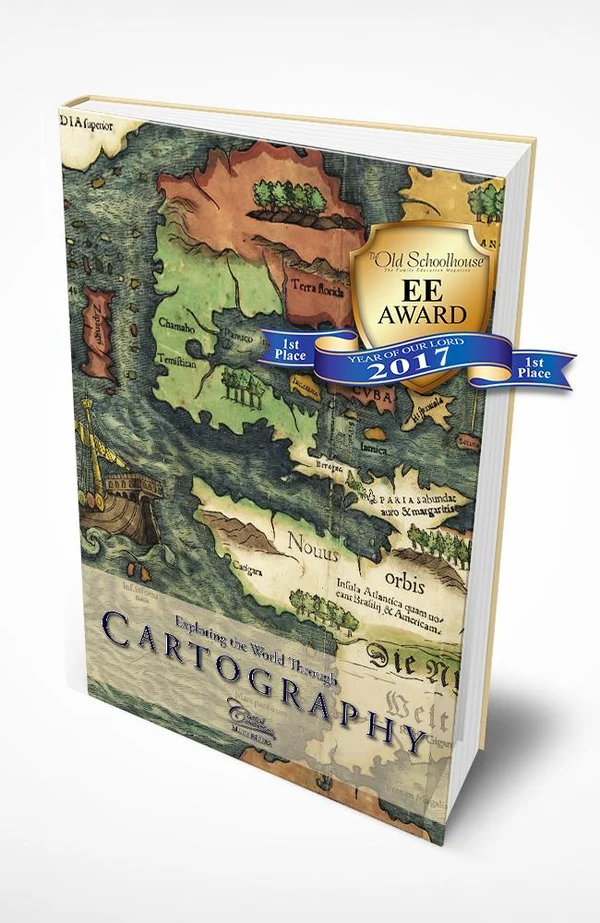
Coffee table additions and home library centerpieces include Marvelous to Behold, a museum-quality art book featuring full-color masterworks from history’s most celebrated artists, and Exploring the World Through Cartography, which illuminates the art and science of mapmaking and alters how students perceive geography.
The expansive Copper Lodge Library series also provides families with foundational read-aloud material. The Echoes trilogy—encompassing Ancient World Echoes, Old World Echoes, and New World Echoes—gathers myths, legends, and poetry from around the globe. Similarly, the Roman history series, including Kings of Rome, Senators of Rome, and Emperors of Rome, traces the trajectory of Western civilization from antiquity through the age of emperors, providing rich narrative material for families gathered together during the winter break.
For older tweens and teens, timeless literature editions such as The Secret Garden, Pride and Prejudice, The Lion, the Witch, and the Wardrobe, The Hobbit, and The Call of the Wild offer enduring explorations of morality, courage, friendship, and human nature.
Educational Supplies and Everyday Gear
Practical learning supplies support the daily operations of a homeschool household, from reviewing memory work to sketching during nature studies. Desk and book bag favorites include Latin Scripture pencils printed with John 1:1, multi-packs of vinyl stickers for laptops and water bottles, wooden bookmarks, and the Lead Learner Supply Kit—a zippered pouch filled with writing instruments in a calming blue palette designed as a token of appreciation for tutors and directors.
Everyday gear features embossed journals for note-taking and reflection, stainless steel insulated tumblers in 16-ounce and 30-ounce sizes for warm drinks during long study sessions, and 20-packs of full-color notecards featuring inspirational quotes from leadership. Rugged backpacks and utility totes round out the gear selection, ensuring students and parents are well-equipped for Community Day travel. For those uncertain of specific needs, bookstore gift certificates provide a flexible alternative, arriving with unique digital codes and printable cards.
Gifts for Homeschool Moms and Spiritual Growth
Recognizing the immense dedication required of home educators, the guide highlights items specifically chosen to refresh mothers. Beyond cozy comforts like slippers, blankets, and pajamas, mothers often value resources that nourish their own intellects. Featured books include The Habits of a Classical Education: Practicing the Art of Grammar, serving as a companion to The Core and offering practical methods for weaving the five core habits into daily family life. Additional restorative texts include Classical Christian Education Made Approachable, Stratford Caldecott’s Beauty for Truth’s Sake, and Neil Postman’s media critique Amusing Ourselves to Death.
To support the central mission of knowing God and making Him known, Christian homeschool gifts focus on deepening spiritual formation. Selections include study Bibles for all ages, Donald Whitney’s Praying the Bible, and John Bunyan’s classic allegory The Pilgrim’s Progress. These resources encourage families to anchor all academic pursuits in the worship of God and to recognize His hand in history, science, and literature.
Toys, Games, and Experiential Learning
In alignment with the classical emphasis on accessible, foundational learning methods, traditional toys and games are highlighted for their ability to cultivate strategic thinking, patience, memory, and face-to-face interaction. Branded playing cards, chess, backgammon, dominoes, and memory matching games reinforce the logical and mathematical skills prized in classical education. Similarly, building blocks, Lincoln Logs, puzzles, active sporting goods, and traditional arts and crafts supplies encourage spatial reasoning, physical health, and creative expression.
Beyond physical items, shared experiences serve as enduring holiday gifts. Tickets to local theater performances, concerts, historical site visits, museum memberships, and classes in woodworking, painting, or dance transform abstract concepts into tangible memories. National park passes and outdoor activities like horseback riding or ice skating further encourage perseverance, physical vitality, and an appreciation for the natural world.
As families finalize their holiday shopping, these curated resources reflect a shared commitment to education that extends beyond the classroom walls. By investing in tools, literature, and experiences that foster lifelong learning, classical homeschooling families can carry the spirit of the holiday season throughout the entire year.
In an era defined by relentless professional demands and the constant ping of digital notifications, the pursuit of productivity has become a central preoccupation for the modern workforce. Yet, despite an endless stream of advice, books, and technological tools designed to streamline our days, many professionals find themselves working longer hours while achieving less actual depth in their output. Recent insights into cognitive science, habit formation, and workplace psychology are offering a clearer picture of what it actually means to be productive, challenging long-held assumptions about willpower, schedules, and the nature of busyness itself.
How do I train myself to be more productive?
The journey toward sustainable efficiency is rarely about dramatic overhauls or sudden lifestyle transformations. Instead, behavioral experts emphasize the gradual incorporation of new, helpful habits, such as identifying a single top priority for the day, practicing single-tasking, and actively reducing digital distractions. Rather than attempting to restructure an entire routine overnight, individuals are encouraged to start with one small change and repeat it until it feels entirely natural.
This gradual approach aligns closely with psychological research regarding how human brains form routines. One well-known study on habit formation found that adopting a new behavior takes an average of 66 days to feel automatic, with timelines varying widely from 18 to 254 days depending on the individual and the complexity of the task. Recognizing this wide variance provides essential context for professionals attempting to optimize their workflows, underscoring the importance of giving oneself adequate time to adjust without frustration.
Do people with ADHD struggle with productivity?
For a significant portion of the workforce, standard productivity advice often falls flat, raising questions about neurodiversity and executive function. Individuals with Attention Deficit Hyperactivity Disorder (ADHD) frequently encounter profound barriers to productivity that have nothing to do with personal effort, motivation, or willpower. ADHD involves inherent neurological differences in executive function—the complex suite of mental skills required to initiate tasks, plan multi-step projects, and sustain attention over time.
This neurological reality explains why even starting tasks that an individual genuinely wants to do can feel like an insurmountable hurdle. While foundational strategies like reducing distractions and prioritizing tasks remain broadly useful, neurodivergent professionals often need to tailor these approaches to match the unique operational patterns of their own brains. Understanding that executive dysfunction is a structural challenge rather than a moral failing allows for more compassionate and effective adjustments to daily work life.
What is productivity peacocking?
As corporate environments increasingly value visible output, a new cultural phenomenon has emerged: productivity peacocking. This term describes the tendency to invest more energy into looking busy to colleagues and management than into executing meaningful, high-impact work.
Manifestations of productivity peacocking are widespread in modern digital offices. They include compulsively replying to instant messages the second they arrive instead of protecting the time needed to finish a complex task, or reorganizing a digital to-do list for the third time in a single morning as a form of procrastination disguised as organization. This performative busyness often creates a false sense of accomplishment while ultimately draining the cognitive resources required for substantive progress.
What time of day are people most productive?
For decades, productivity gurus have promoted rigid morning routines, suggesting that waking up at dawn is the ultimate secret to professional success. However, contemporary chronobiology reveals a more nuanced reality: there is no single best time of day to work that applies universally to everyone.
Instead, optimal performance depends heavily on an individual’s body clock and the natural fluctuations of their circadian rhythm, which dictate when their personal energy levels naturally rise and fall. Rather than attempting to force a schedule that contradicts their biological predispositions, professionals are encouraged to monitor when they feel most alert and mentally sharp, reserving those specific windows for their most demanding and intellectually rigorous work.
Is it possible to be more productive without working longer hours?
The cultural glorification of overwork has long linked high output with excessive hours at the desk. However, data suggests that logging more hours does not automatically translate to greater achievement. In fact, a substantial portion of the modern workday is systematically lost to task-switching and reacting to constant interruptions.
It is entirely possible to enhance daily output without extending working hours by shifting focus toward efficiency and recovery. This can be achieved by protecting dedicated blocks of uninterrupted time, committing strictly to single-tasking, and incorporating proper breaks throughout the day. Because a fatigued brain operates at a noticeably slower pace, strategic rest functions not as a reward for finishing work, but as a biological necessity to help maintain cognitive momentum.
How does stress affect productivity?
The relationship between mental pressure and professional output is deeply intertwined, with stress acting as a direct impediment to cognitive function. High levels of stress impair an individual’s ability to focus, plan strategically, and think with clarity.
From a neurological perspective, when a person experiences acute stress, the brain systematically pulls vital metabolic resources away from the prefrontal cortex—the region responsible for high-level focus and working memory—and redirects them toward survival responses. Mitigating this physiological reaction by deliberately lowering stress and calming the mind through simple techniques like slow, intentional breathing can help restore cognitive capacity.
What’s the best way to stop getting distracted while working?
In an environment saturated with notifications, open tabs, and constant communication channels, relying solely on willpower to maintain focus is a losing battle. Consequently, the most effective strategy for eliminating distractions involves removing them proactively before a work session even begins.
Experts recommend silencing notifications, closing extraneous browser windows, and placing mobile devices physically out of reach to eliminate temptation entirely. When the mind inevitably wanders—a natural cognitive occurrence even in the most controlled environments—the objective is to gently guide attention back to the task at hand without self-criticism or frustration.
Can meditation really help me be more productive?
While meditation is rarely thought of as a direct professional tool, research indicates it offers powerful indirect benefits for workplace performance. Controlled investigations into mindfulness practices have demonstrated tangible cognitive improvements among participants.
In one randomized study, individuals who completed a brief two-week mindfulness course experienced measurable enhancements in working memory alongside a significant reduction in the frequency of task-irrelevant mind-wandering. Achieving these benefits does not require prolonged, uninterrupted hours of silent retreat. Even dedicating a few minutes each day to focusing attention solely on the breath exercises the exact same mental muscle required to maintain concentration and stay on track during a demanding workday.
As the United States looks ahead to the high-stakes political landscape of the 2026 midterm elections, a diverse coalition of faith and civic leaders is stepping forward to reinforce the foundations of American democracy. Four prominent fellows from Interfaith America’s prestigious “Vote is Sacred” initiative recently convened for a virtual roundtable discussion. The gathering utilized the structured dialogue format known as a “Living Room Conversation,” an intentional framework designed to empower everyday citizens to engage in constructive discussions about critical civic issues with peers from differing backgrounds and political affiliations.
The conversation, held in preparation for the upcoming electoral cycle, brought together leaders dedicated to ensuring free, fair, and peaceful elections. Against a backdrop of heightened political polarization and widespread public anxiety regarding the integrity of democratic institutions, these leaders explored how spiritual values can bridge divides and foster a renewed sense of shared civic responsibility. The dialogue underscored a growing movement among faith communities to treat the defense of democracy not merely as a political obligation, but as a deeply moral and spiritual imperative.
Faith in Elections
Moderated by Becca Kearl, Director of Empowerment for Mormon Women for Ethical Government, the virtual discussion prompted the fellows to reflect deeply on the intersection of faith and the electoral process. Participants examined the unique challenges currently facing the democratic system, alongside the myriad opportunities available to build, restore, and sustain trust among voters. Through sharing their personal and institutional perspectives, the leaders highlighted how their respective faith traditions directly inform and inspire their unwavering commitment to election protection and voter empowerment.
For Aasees Kaur, Community Development Director at the Sikh Coalition, the motivation to protect the ballot box is drawn directly from the core tenets of her faith. “I lean on the Sikh principle that there is nothing higher than truthful living,” Kaur explained during the discussion. She elaborated on how this foundational belief translates into active civic engagement, noting that the daily work her organization undertakes—sharing accurate information, ensuring that every eligible voter is fully aware of their rights at the polls, empowering each human being, and honoring their inherent dignity as they step forward to cast their vote—is entirely rooted in this spiritual principle.
This sentiment was echoed by Jeremy Bannett, Vice President of Programs and Partnerships at A More Perfect Union. For Bannett, efforts directed toward securing free, fair, safe, and accessible elections are deeply intertwined with his Jewish identity and historical consciousness. American democracy, he noted, has provided an environment where the Jewish community has been able to flourish in a manner that is extraordinary when viewed across the broad scope of world history. Recognizing this rare historical privilege brings with it a profound responsibility. “We know that the rights and the freedoms and the opportunities that democracy provides only work if they’re available equally to everybody,” Bannett emphasized, framing equal access to the ballot as an essential safeguard for the collective well-being of society.
Building Trust in Democracy
Moving beyond the philosophical motivations rooted in their respective traditions, the conversation quickly pivoted toward actionable strategies and practical methods for cultivating lasting trust in American democratic institutions. In a political climate where cynicism often threatens to undermine public participation, the fellows stressed that confidence in elections is not a passive state, but an active achievement requiring sustained effort and genuine human connection.
“Trust just doesn’t happen. You invest in it through connection, asking hard questions, trying to understand another person better, appreciate our differences, and finding common ground,” Kearl observed, highlighting the relational labor required to heal fractured communities and overcome partisan hostility. Her remarks underscored the philosophy behind the Living Room Conversation format, which prioritizes listening and mutual respect over debate and ideological victory.
Adding a localized perspective to the discussion, Jennifer Daniels, President of the Faith Citizenship Institute, drew attention to the grassroots nature of American elections as a powerful antidote to national division. Daniels emphasized that while citizens across the country are frequently bombarded by media coverage of controversial, highly polarizing debates occurring on the national stage far away from their daily lives, the actual mechanism of voting is deeply local.
“I think that’s a really beautiful part of our democracy,” Daniels said. “While we may be voting about controversial and polarizing issues that are happening far away from us, we’re actually doing it together as a community right in our own backyard […] so personal relationships and even understanding the process can give a sense of positivity and hope.” By bringing neighbors together around local polling places and civic boards, the electoral process itself serves as a community-building exercise that can transcend national partisan divides.
Despite acknowledging the significant structural, social, and political challenges that lie ahead of the 2026 midterm elections, the participants consistently returned to a shared sense of enduring hope. For the Rev. Carlos Malave, founder of the Latino Christian National Network, that optimism is anchored not in political parties or transient policy victories, but in the resilient foundation of shared human values and community bonds.
“What is giving me hope right now is the resiliency of our sense of commonality […] The bottom line is that I do trust the common good. I do trust the heart of people. And if we continue to work together towards educating people and coming out of goodwill, people will see that,” Malave concluded, offering a vision of civic renewal rooted in mutual trust and collective perseverance.
For Carlin Gettliffe, the turning point arrived not with a flashing notification or a critical quarterly report, but with a profound, bone-deep exhaustion. Years ago, Gettliffe made the dramatic decision to step away entirely from the relentless pace of the startup world. Days once defined by ten to fifteen frantic phone calls, endless hours anchored in front of a glowing computer screen, and the mounting pressure of corporate demands were suddenly left behind. In their place came a daring leap into the unknown: a nine-month adult immersion program at the Wilderness Awareness School, nestled in the damp, towering forests of Duvall, Washington.
It was there, tucked quietly into the final stretches of an intensive curriculum, that Gettliffe encountered wilderness rites of passage for the very first time. Far from a glamorous or cinematic wilderness retreat, this initial encounter was gritty, strange, and deeply uncomfortable, yet subtly interwoven with moments of unexpected grace. Surrounded by the wild with few creature comforts to soften the elements for days and nights on end, the rigid architecture of modern life—schedules, plans, and grand schemes—simply dissolved.
Stripped of digital distractions and urban conveniences, the human body reclaimed its role as the primary guide. Gettliffe moved when the chill of the forest air demanded motion, curled up directly into the damp moss when exhaustion set in, ate only when hunger genuinely arose, and paused to listen when fear whispered through the trees. The body led the way forward, communicating through the primal language of belly grumbles, sudden shivers, muscular tension, and the sweet relief of release.
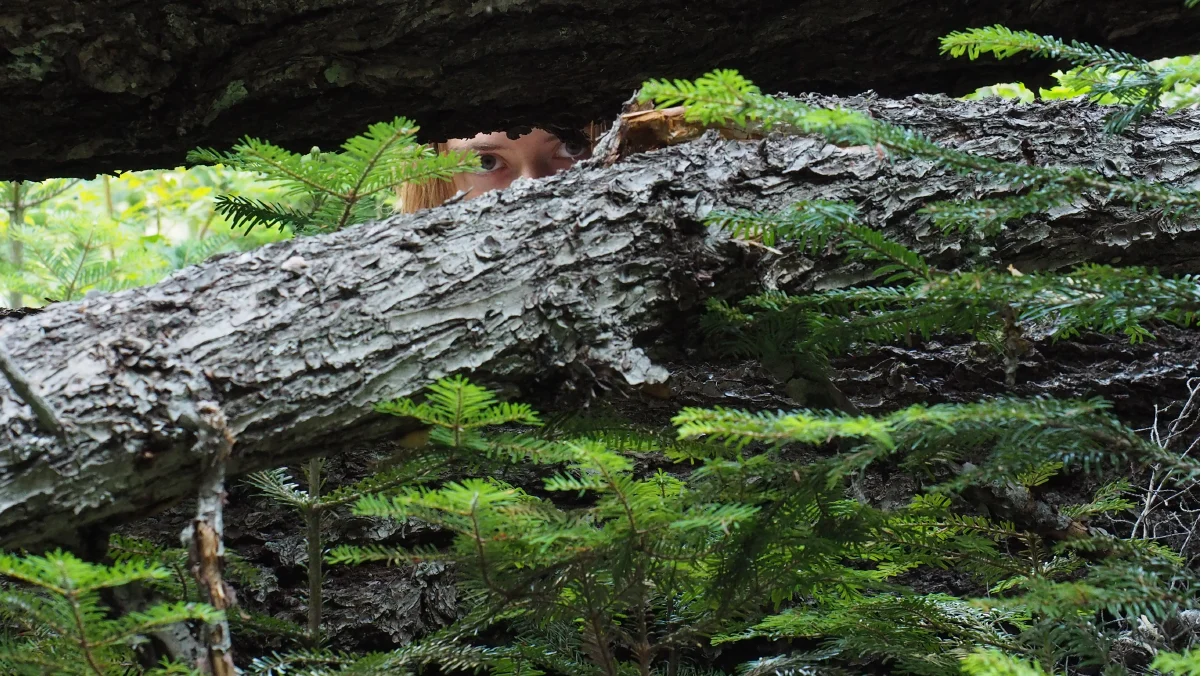
Among the memories that lingered from this transformative period was a quiet night spent laying flat on the forest floor following a long, disorienting wander in total darkness. Hovering at the fragile boundary between wakefulness and dreams, Gettliffe heard a family of mice nearby in the grass, quietly chattering and cooing to one another in the dark. Paralyzed by the fear of making a sudden movement that might startle them away, Gettliffe lay completely motionless, listening for what felt like hours. In that stillness, a mysterious, profound connection was forged with those unseen woodland beings, bound together momentarily by a tiny, intricate universe of sound.
Yet, this immersion was not merely a romanticized nature walk. At other times, the human psyche experienced what felt like a free-fall through empty space. Deeply ingrained stories, personal assumptions, and psychological defenses cracked and crumbled under the pressure of the wild. Fear seized hold, offering a rigorous psychological shaking. Gettliffe was swallowed, both literally and figuratively, by the enveloping dark of the forest. Yet, it was precisely in allowing oneself to be swallowed—in surrendering the frantic, ego-driven struggle for control, physical comfort, and intellectual understanding—that genuine space finally opened up for something entirely different to emerge.
Articulating that "something" remains a formidable challenge. It might be described as a profound sense of presence, an underlying resonance, or the quiet vulnerability of true belonging. Yet, it would be just as accurate to simply call it an oak tree, an owl, water, and wind. More than anything else, it represents a deep remembering—a long-awaited return to what poet Mary Oliver so memorably termed "our place in the family of things."
A genuine rite of passage, understood in its truest sense, is never merely a sterile test of physical endurance or specialized survival skills. Instead, it serves as a rigorous test of a person’s willingness to be profoundly pierced: by beauty, by grief, by fear, and by the stark realization of how deeply humans need the natural world, and how much the world needs us in return. It is within these raw, unshielded moments that individuals discover something far more precious than individual ambition, career recognition, or social status. They uncover an abiding sense of kinship and devotion to life itself—a devotion that does not arise from some lofty, cerebral notion of "doing good," but is instead firmly grounded in the dirt beneath one’s fingernails, the resilient moss pressed against one’s cheek, and the haunting call of the saw-whet owl echoing through the midnight air.
This specific kind of profound remembrance is not a notch to be added to a professional belt, nor is it a marketable credential or resume-builder. It is unlikely to lead to financial riches, and it certainly will not bring fame. It may not even make an individual happier; in fact, this deep reckoning will likely put a person in touch with a reservoir of grief they never even knew they carried. It operates much like a blind trust fall, offering zero guarantees, no absolute sureties, and no comfortable, easy path forward.
What this profound descent will do, however, is shatter the persistent cultural illusion telling us that we are meant to navigate existence entirely on our own—a falsehood easily disproven in the wild. It breaks apart the self-centered narrative claiming that an individual’s frantic scramble for personal comfort and absolute control is the center of the universe. Furthermore, it dismantles the notion that a person could ever be anything other than desperately needed by the broader web of life, reinforcing the reality that every single human is vital.
When these sobering truths finally land, they arrive simultaneously as a profound, physical relief and as an urgent new call to devotion. Our first and final responsibility as human beings is directed toward the intricate web of relationships and wholeness that not only contains us, but upon which our very existence depends. Rites of passage, therefore, are the ancient mechanisms through which humanity tends to that fragile web, repairing the fraying edges of modern culture. They are not designed "for" the individual ego; rather, they exist fundamentally for the village, the community, and the collective.
Ultimately, what a fragmented society needs most are individuals capable of living gracefully within the great paradox of existence: recognizing oneself as a small, seemingly insignificant drop in a vast ocean, while simultaneously showing up to do the vital work that life demands. This involves carrying out responsibilities with the steady awareness that every person is irrevocably, permanently woven into the greater whole.
Out of this philosophy emerged Shadowcraft, a deliberate ode to traditional rites of passage and a direct offering to the wild spirit waiting to meet each human soul within the quiet sanctuary of the forest. True thresholds in modern life are exceedingly rare. Over the span of an entire lifetime, an individual might consider themselves fortunate to cross paths with a small handful of them. In a contemporary culture that so rarely sees, validates, or acknowledges the moments of genuine import and deep personal transformation occurring within human lives, Shadowcraft stands as an intentional opportunity for something entirely different. It provides a structured, supportive space to traverse a threshold in, with, and in dedicated service to community and the more-than-human world.
Carlin Gettliffe now serves as the lead instructor for the Shadowcraft Intensive, as well as the specialized Sacred Dark weekend program, helping others make the vital journey from the isolation of modern digital life back to the grounding embrace of the earth.
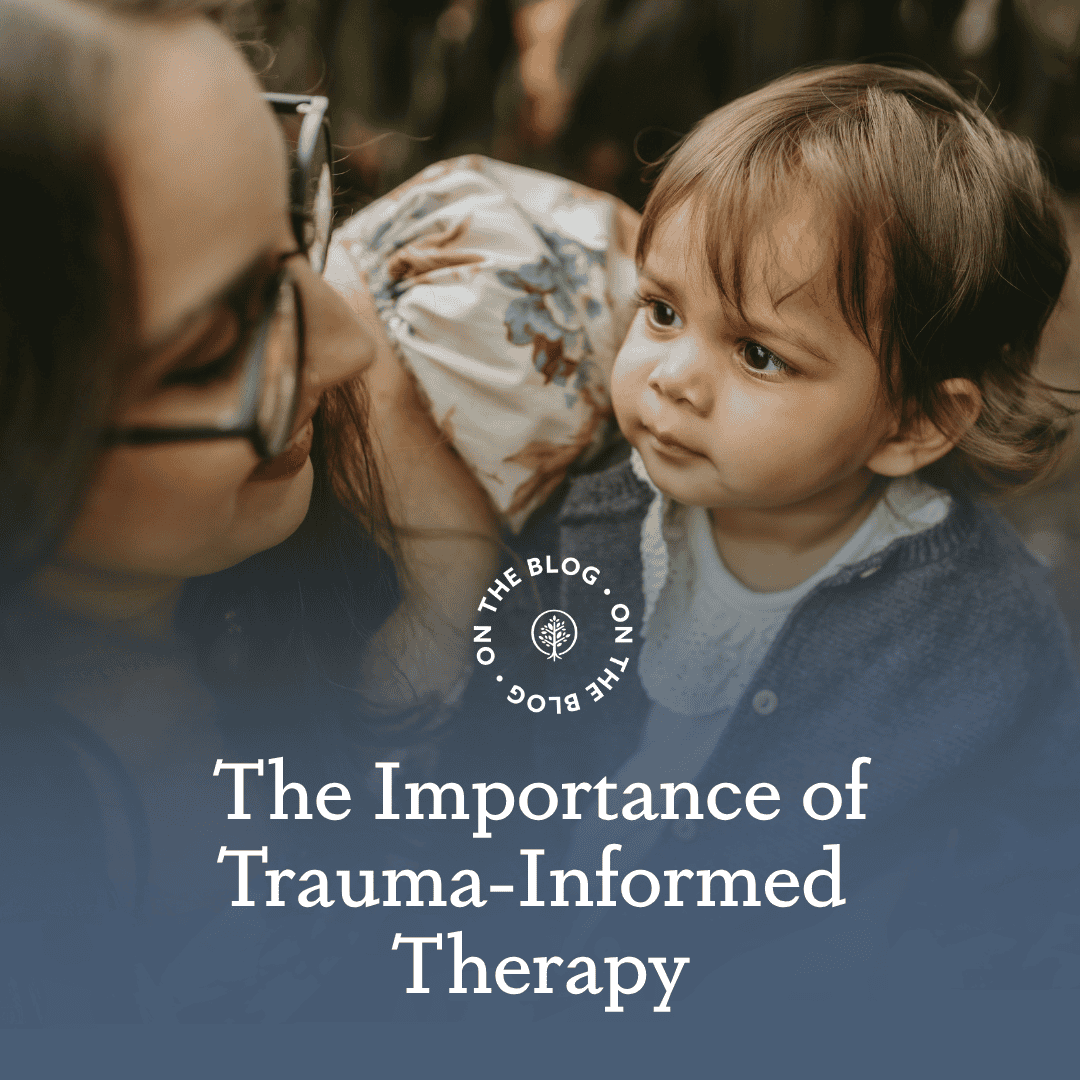
Raising children brings an array of profound joys alongside unexpected challenges. At times, however, families face behavioral, emotional, and psychological hurdles that extend far beyond ordinary growing pains. Symptoms such as persistent anxiety, deep-seated depression, severe family conflict, and sudden emotional or behavioral shifts often indicate that a child is wrestling with deeper distress. For children who have been impacted by adoption or foster care, these struggles are frequently tied to early, unaddressed trauma. Recognizing this connection has led child welfare advocates and mental health professionals to emphasize that specialized, trauma-informed therapy can make a transformative difference in helping a child begin the journey toward genuine healing.
What Is Trauma-Informed Therapy?
To understand why specialized care is so vital, one must first look at how trauma-informed therapy fundamentally operates. In a trauma-informed setting, a clinician understands the profound ways trauma impacts the whole child, shaping every facet of the therapeutic approach around that reality. Traditional psychological models have historically asked the diagnostic question, "What is wrong with this child?" In stark contrast, a trauma-informed therapist shifts the paradigm entirely, asking instead, "What has this child experienced, and what do they need to feel safe?"
Within this specialized framework, a trained therapist is acutely attuned to the signs and symptoms of trauma and works actively toward holistic solutions. Throughout the therapeutic process, extreme care is taken to avoid re-traumatization—a risk inherent in older, more invasive therapeutic styles. Furthermore, these clinicians act as guides not just for the youth, but for parents and caregivers as well, teaching practical regulation activities that families can easily integrate into their daily routines at home.
Trauma-Informed vs. Traditional Therapy
While conventional therapy methods may serve some individuals adequately, certain traditional approaches can inadvertently prove more harmful than helpful for children with complex developmental histories. For instance, traditional therapeutic settings sometimes require a child to recount their traumatic experiences in vivid detail or share deeply personal history within a group dynamic. For children whose nervous systems are already wired for survival and hyper-vigilance, these expectations can reinforce fear, anxiety, and distress rather than fostering an environment conducive to healing.
Trauma-Informed therapy, by design, moves strictly at the child’s own pace. It places safety, relational trust, and deep emotional connection ahead of clinical timelines or behavioral compliance. By prioritizing a secure foundation first, the therapist ensures that the difficult and courageous work of healing rests on ground that the child can reliably trust.
Why It Matters Even for Children Adopted as Infants
A common misconception among families and observers is that an infant welcomed home through adoption has escaped the imprint of trauma, simply because they were too young to form conscious memories of the event. Yet, child development experts point out that separation from a birth parent, even very early in life, can trigger profound attachment trauma.
The neurodevelopmental effects of this early disruption may not become immediately apparent during infancy or toddlerhood. Instead, they often remain dormant until later developmental stages—such as early childhood, the transition to school, or adolescence—when greater emotional and social demands are placed on the child. This latency underscores why maintaining a trauma-informed lens is exceptionally valuable for families navigating the long-term realities of adoption and foster care. For parents and guardians seeking specialized guidance, professionals recommend looking for counselors who specifically focus on adoption-competent care, utilizing dedicated resources such as the national directory provided by the Center for Adoption Support and Education.
What Is TBRI®?
Organizations across the child welfare spectrum have increasingly aligned their practices with evidence-based frameworks designed to address these complex needs. Show Hope, for instance, partners closely with the Karyn Purvis Institute of Child Development (KPICD) to champion Trust-Based Relational Intervention, commonly known as TBRI®.
Describing the framework, the KPICD notes that TBRI offers a practical, deeply compassionate approach to helping the whole child heal. Grounded firmly in best practices drawn from modern neuroscience, attachment theory, and developmental research, TBRI equips caregivers to address a child’s underlying physical, emotional, and developmental needs. In doing so, it offers what punitive or purely behavioral approaches historically cannot: genuine connection, biological regulation, and lasting neurological change. While TBRI serves as an invaluable philosophy and toolset for the home environment, families can also seek out certified TBRI Practitioners through specialized directories to integrate these principles directly into professional counseling sessions.
Help Paying for Therapy
Financial barriers have long prevented families from accessing the specialized mental health services their children desperately need. Advocates maintain that financial constraints should never stand in the way of a child receiving adequate care. To help mitigate these obstacles, organizations like Show Hope offer targeted Medical Care grants directed to select mental health providers. These financial supports are designed to lower the medical and monetary barriers often associated with adoption and specialized post-placement care, ensuring that cost does not dictate a child’s access to healing.
There Is No Shame in Seeking Help
As families walk the often intricate and demanding path of parenting children with complex histories, mental health professionals emphasize that seeking outside help carries zero stigma. Children and teenagers who have experienced the disruptions inherent in adoption and foster care frequently carry unique, layered needs that require professional intervention. Acknowledging the need for a counselor or therapist is, in no uncertain terms, a reflection of dedication and love—never a reflection of inadequacy as a parent or caregiver. Embracing this truth allows families to shed unnecessary guilt and step forward into a supportive community focused on restoration, resilience, and hope.
WASHINGTON — When Jamie C. Martin, founder of the educational resource Simple Homeschool, surveyed her readership several months ago to uncover their primary homeschooling anxieties, she expected a diverse array of logistical challenges, curriculum complaints, and scheduling fears. Instead, she received a flood of hundreds of responses that revealed a startling consensus. Over 75 percent of the replies boiled down to a single, haunting question that keeps parents awake at night: Am I doing enough?
This pervasive insecurity transcends different family dynamics, unique child personalities, and varying educational philosophies. Whether parents are seasoned veterans with multiple graduates or novices embarking on their very first semester of education at home, the haunting feeling of falling short remains a constant companion. As educators and parents step across the threshold of a new academic year, examining the psychological weight of this single word—and learning how to break free from its grip—has become a central conversation within the modern homeschooling community.
To understand the psychology behind this educational anxiety, Martin suggests looking at another domain where the exact same word dominates human consciousness: personal finance. Financial studies consistently demonstrate that most people never feel as though they possess quite enough money. Regardless of individual income brackets, individuals almost universally hope for just a bit more capital to feel secure.
However, psychological and economic research has established a distinct threshold regarding wealth and well-being. Increased money generally correlates with increased happiness only up to a specific financial threshold—traditionally calculated around $75,000, where basic needs and fundamental desires are met. Beyond that specific point, accumulating more cash fails to yield a proportional increase in joy or life satisfaction.
This economic phenomenon offers a profound lesson for educators navigating the complexities of instruction. The concept of "enough" possesses a definitive set point. Operating below that threshold triggers a genuine sense of lack and vulnerability. Yet, continuing to pile on endless tasks, extra assignments, and rigorous extracurricular demands yields diminishing returns. Identifying that optimal, balanced set point is the true challenge facing modern households striving for educational harmony.
This realization becomes glaringly apparent the moment educators open planners, spreadsheets, or curriculum catalogues on their desks. The pursuit of the ultimate, flawless schedule is an illusion if the educator fundamentally doubts their own intrinsic worth. No checklist, no matter how meticulously curated, can ever bestow a deeper sense of personal value. Homeschool plans, academic achievements, and daily productivity metrics do not define the character or worth of the parent guiding the instruction.
Validation for this universal struggle extends far beyond the kitchen table and home schoolroom. Public school educators operating within traditional institutional settings grapple with the exact same emotional burden. When Martin posed the question to a dear friend teaching within the local public school system—asking whether she ever felt she was falling short—the response was immediate and unequivocal.
The public school teacher confirmed that the sentiment arises constantly. Whenever a student struggles academically or emotionally, dedicated educators do their absolute best while quietly harboring lingering doubts about whether they could have done more. Recognizing that deeply committed teachers—whether operating at home or within traditional brick-and-mortar schools—wrestle with these identical insecurities provides a comforting reminder that the feeling is a hallmark of conscientious instruction rather than personal failure.
Furthermore, a critical examination of traditional institutional systems reveals that they rarely function as the flawless, hyper-efficient machines society often imagines. Traditional schools frequently incorporate downtime, administrative pauses, and flexible pacing disguised by rigid bells. Martin noted this reality when reviewing her niece’s high school AP Psychology syllabus for the eleventh-grade year. Alongside the rigorous advanced curriculum, the course outline featured a list of over a dozen feature films scheduled to be watched in class during a single semester, including mainstream comedies like Groundhog Day and What About Bob.
Highlighting these institutional realities is not intended as a critique of public education, but rather as an invitation to dismantle the impossible, idealized standards of productivity that parents often impose upon themselves. Modern educators frequently hold home-based education to a hyper-rigorous standard of continuous output that simply does not exist anywhere in the broader educational landscape.
Rather than attempting to duplicate a struggling, institutionalized system within domestic spaces, educators have a unique advantage that traditional schools can never replicate: the environment of the home itself.
Rather than allowing the home to morph into a rigid institution, educators can establish an "enough" threshold dictated by the specific needs of their unique children in the present moment. For families committed to long-term homeschooling, abandoning artificial grade-level boxes offers a profound sense of liberation. Families can embrace flexible methods that genuinely suit their household dynamics.
Conversely, families who anticipate transitioning their children back into traditional school environments may require a different approach to manage anxieties surrounding academic progression. Easing those fears can be achieved through slow, steady, and incremental progress, such as incorporating a modest daily routine centered on the fundamental triad of reading, writing, and arithmetic.
Utilizing structured workbooks, such as age-appropriate grade-level educational materials, provides a tangible framework. Completing a minimal number of daily pages—such as a single language arts exercise, a handwriting practice page, and a foundational math assignment—ensures consistent progress without overwhelming the student or the instructor. Breaking large tasks into manageable segments, such as working through standardized workbooks across a realistic timeline, transforms intimidating workloads into achievable daily habits.
Establishing these routines can be paired with positive reinforcement, transforming the completion of daily milestones into a collaborative and encouraging ritual rather than a dreaded chore. These small practices help establish positive habits while actively quieting the persistent internal voice questioning whether enough is being accomplished.
However, incorporating a foundational baseline of core subjects does not mean abandoning the broader, enriching potential of a home environment. Once the fundamental academic boxes are checked for the day, the remaining hours can be filled with the distinct advantages of domestic life.
From cozy read-aloud sessions and shared cooking projects to managing sibling conflicts, maintaining household chores, building with construction blocks, watching educational documentaries, playing strategic board games, and engaging in passion-driven community co-ops, the possibilities are vast. Online learning tools, educational apps, audiobooks paired with treats, and independent explorations all contribute to fostering a genuine, lifelong love of learning and familial connection.
Embracing this balanced perspective marks the arrival at a sustainable definition of enough. By letting go of impossible standards and recognizing the inherent value of a supportive home environment, educators can find peace in their daily routines while allowing their children the space to truly enjoy their educational journey.
For nearly eight years, a simple terracotta dish garden sat as a sacred focal point on a patio potting bench in California’s Inland Empire. Filled with thriving succulents, a miniature gray memorial bench, an angel, an angel dog, an angel cat, and a tiny horse—the favorite animal of its namesake—the garden was a living tribute created by Alix Wright for her daughter, Mia.
Mia passed away in October 2018 at the age of 22, following a long struggle with addiction and the deep trauma surrounding a failed adoption reunion. In the wake of her death, Wright had carefully assembled the memorial using succulents from an arrangement sent by a relative for Mia’s memorial service, accented by a delicate blue glass river designed to balance the gray tones of the decorative figurines. Over the years, the terracotta bowl had aged gracefully, darkening into a rich patina while weathering the elements outdoors.
That routine, and the fragile peace it represented, shattered in April 2026.
While relocating the dish garden to a sunnier spot on the patio to give a rosebud-shaped succulent more light, Wright accidentally bumped the small table. The entire arrangement crashed onto the concrete, shattering the terracotta container and scattering plants, soil, and memorial accessories across the patio and yard.
The immediate emotional fallout was swift and devastating. Beyond the practical mess, the accident triggered profound feelings of grief and self-reproach. In Wright’s mind, the shattered pot was far more than a gardening mishap; it felt like a symbolic repetition of an unthinkable tragedy. Just as she had been unable to hold her daughter together during her tragically short life, she now felt she could not even be trusted to preserve her physical memory. The heavy, critical presence of her late husband, Oliver, seemed to loom over the accident, intensifying her self-doubt and urgency to fix the mistake before anyone else could notice.
Faced with a ruined container, Wright initially sought a replacement at a local garden store. However, the new terracotta dishes available were too pristine, lacking the weathered history and intricate details of the original. They felt hollow, incapable of capturing the heavy love and memory embedded in the first arrangement.
The solution came from an unexpected place: a bereavement support group Wright had attended nearly a year prior. During one of their sessions, the group facilitator had introduced the ancient Japanese art of kintsugi—the centuries-old practice of repairing broken pottery with lacquer dusted or mixed with powdered precious metals, most commonly gold. The philosophy behind kintsugi posits that breakage and repair are part of an object’s history, rather than something to disguise, transforming flaws into a visible testament to resilience and beauty.
While the group had practiced with simple mugs and basic epoxy kits containing silver and gold dust, the results were far from museum-quality. Wright’s initial attempt during the workshop had yielded a gloppy, uneven mess. Yet, the consensus among the grieving participants had been profound: life itself is messy, and human creations do not need to be perfect to hold deep meaning.
Determined to apply this philosophy to Mia’s garden, Wright embarked on a month-long restoration project, accompanied by the audiobook of Ozzy Osbourne’s Last Rites. Armed with a kintsugi kit, epoxy, sculpting clay, copper wire, and a healthy dose of persistence, she began piecing the shattered terracotta back together like a complex jigsaw puzzle.
The process was far from straightforward. The dull gold from the basic kit clashed horribly with the deep orange-red of the terracotta, looking more like tarnished brass than precious metal. The side pieces refused to align neatly, leaving thick, jagged seams resembling hasty surgical sutures, while the bottom of the container remained a fractured catastrophe.
Rather than giving up, Wright innovated. She used an epoxy-clay combination to fill large gaps and bridge areas that could not be glued directly. Finding inspiration through online tutorials, she carefully drilled holes into the hardened terracotta halves to stitch the worst of the bottom fractures together with copper wire. To fix the lackluster metallic finish, she painted over the seams with a vibrant, nearly garish shade of gold paint. When freehand attempts at painting gravestone symbols onto the sides proved too difficult for her self-described lack of artistic ability, she utilized stencils to add heartfelt, if imperfect, markers.
After nearly a month of meticulous work, the container was whole again. More importantly, the laborious reconstruction transformed from a frantic repair job into a powerful metaphor. The mended vessel reflected not only her daughter’s complex beauty and struggles, but also the collective, yet ultimately vain, efforts of everyone who loved Mia and tried to keep her from falling apart.
When the restored container was finally placed back onto the patio—this time in a safer, more secure location—Wright realized she had gained far more than a repaired memorial. Through the process, she rediscovered her own persistence, ingenuity, and unexpected artistic capability. Above all, she learned to extend to herself the same gentle grace she so readily offered to others.
The replacement terracotta dish she had originally purchased still sits forgotten in the back seat of her car, waiting for a future day. For now, the memorial garden stands restored, its visible scars and imperfect beauty bearing a truer resemblance to reality than the original, unbroken pot ever could.
There is a specific, profound moment during the birthing process that Kara, a midwife and the Continuing Education Manager for Spinning Babies®, says never loses its intensity. "Just before a newborn’s first cry, everyone in the room seems to hold their breath," she reflects. Even after years of clinical experience as a nurse and midwife, she continues to find the gravity of that instant unmatched. For Kara, this fleeting, silent interval encapsulates the essence of her profession—a practice she describes as "the perfect mix of science and art."
Midwives have served as the bedrock of family support through pregnancy and birth for generations, blending deep-rooted clinical knowledge with an intuitive, community-centered approach to care. Yet, as the global healthcare landscape undergoes rapid transformation, the profession of midwifery looks vastly different depending on the geographic, cultural, and regulatory context in which a midwife practices. To better understand the current state of the field, we sat down with three professionals: Venus, a nurse-midwife in the United States; Kara, whose career spans the United States and the Netherlands; and Claire, a homebirth midwife based in New Zealand with a teaching practice across Europe. Together, they offer a window into how midwifery has evolved, the systemic challenges practitioners face today, and how they continue to define the future of maternity care.
Midwifery’s Roots: Skilled Care Across Generations
The history of midwifery predates the existence of hospitals, modern medical education, and professional licensing by thousands of years. For the vast majority of human history, the knowledge required to usher new life into the world was shared through familial bonds, community observation, and hands-on experience. Traditional and Indigenous midwives developed sophisticated practices tailored to the specific needs, cultural beliefs, and local environments of their communities.
The International Confederation of Midwives (ICM) underscores this rich lineage, recognizing midwifery traditions that have flourished across Africa, Asia, Europe, and Indigenous communities worldwide for millennia. However, as medicine became increasingly organized and institutionalized, the role of the midwife within the broader healthcare spectrum began to shift. In some regions, midwifery was successfully integrated into formal maternity care, resulting in clear education pathways and professional autonomy. In others, the profession faced significant friction, including legal restrictions, exclusion from hospital settings, and the displacement of established, community-based care models.
In the United States, the legacy of Black midwives is a testament to the resilience and necessity of the profession. These practitioners, often known as "granny midwives," provided essential maternity care in communities where systemic segregation and discrimination created insurmountable barriers to hospital access. Their contributions, particularly in the rural South, were vital to the health of their communities and have been formally documented by the Smithsonian National Museum of African American History and Culture.
Today, while formal education and rigorous professional standards define the modern midwife, the history of the profession is not a simple linear progression from traditional knowledge to modern expertise. The question of whose expertise is deemed "valid" remains a point of intense contemporary debate. During the International Confederation of Midwives’ June 2026 Congress in Lisbon, the organization faced significant protests from Indigenous midwives and their allies regarding a decision to temporarily suspend a position statement on partnerships between Indigenous and non-Indigenous practitioners. Critics argued that the move highlighted a bias toward Western, license-based definitions of midwifery at the expense of traditional, community-held knowledge. The ICM has since acknowledged these concerns, committing to a review of the statement with a revised version expected by 2027. For many, this is not merely a bureaucratic dispute; it is a fundamental struggle over the recognition, respect, and preservation of ancestral knowledge systems.
What Does It Mean to Be a Midwife Today?
The daily reality of a midwife is as diverse as the patients they serve. Venus, for instance, works as a hospital-based nurse-midwife in North Carolina. Her schedule is a complex rhythm of clinical office hours followed by intensive overnight hospital calls. Her autonomy is inextricably linked to the institutional structures of the hospital and the specific state regulations governing her practice.
Contrast this with the experience of Kara, who trained as a certified nurse-midwife in the United States but also gained experience in the Netherlands. In the Dutch system, midwifery is a pillar of the national maternity care infrastructure. Midwives are recognized as the primary care providers for uncomplicated pregnancies, with obstetricians stepping in only when medical complications arise. In the U.S., Kara notes that she often finds herself in the position of advocate, explaining to patients and even other providers that midwives are fully qualified to attend hospital births and collaborate seamlessly with physicians, even in the presence of medical interventions.
Claire, practicing in New Zealand, offers a third model: the continuity-of-care approach. This allows her to accompany a family from the earliest stages of pregnancy through the postpartum period. This relationship-based model allows for a deeper integration of care that spans the physical, emotional, and social needs of the family. Despite these varying settings, the International Confederation of Midwives defines all such professionals by their responsibility and accountability across the spectrum of pregnancy, labor, birth, postpartum care, and newborn wellness. Whether working in a clinic, a hospital, or a home, the core of the profession remains the marriage of clinical judgment, ongoing education, and a commitment to individualized care. For parents, understanding this spectrum is vital; choosing midwifery is not a singular choice about birth location or the absence of pain relief, but a choice to work with a professional whose entire scope of practice is built around the holistic needs of the childbearing person.
Beyond Birth: Caring for the Whole Person
For all three practitioners, the definition of success extends far beyond the clinical outcome of a healthy baby. Venus frequently challenges the standard medical measurement of a "successful" birth, arguing that it is not enough to focus solely on the physical health of the parent and infant. Families deserve to feel heard, respected, and empowered throughout the process. Venus often poses a poignant question to her peers: "Who’s holding the mom?"
This inquiry acknowledges that once the intense focus on the newborn subsides, the person who has just given birth is often left to navigate recovery and transition with little support. Midwifery care, at its best, creates space for both the baby and the parent. This desire to foster deep, human connections is what initially drew Kara to the field. She sought a profession where the scientific rigors of medicine could coexist with the profound vulnerability of human experience.
In New Zealand, Claire observes how these relationships evolve when the midwife is present throughout the journey. She recalls sessions where her patients’ other children or extended family members participate in prenatal visits, turning the clinical encounter into a moment of collective learning and family bonding. These interactions underscore that birth is not an isolated medical event, but a significant milestone woven into the fabric of family life.
The Challenges Behind the Calling
The profession is not without its systemic hardships. Long, irregular shifts, the emotional labor of attending to high-stakes situations, and the constant pressure of financial and regulatory hurdles make sustainability a recurring challenge. Venus highlights that professional recognition is a significant barrier. Working in environments where the scope of nurse-midwives is misunderstood can lead to friction, though regulatory landscapes are slowly shifting. For instance, North Carolina’s 2023 move to allow experienced certified nurse-midwives to practice without a collaborative physician agreement is a notable step toward greater professional autonomy.
However, these challenges are often compounded by personal and systemic bias. Venus recounts a formative experience during her nursing education where a Black professor, holding her to an exceptionally high standard, told her she would need to be "twice as good" to be considered half as good as her white counterparts. This memory remains a stark reminder of the additional burdens placed on Black professionals to prove their competence. For Venus, the future of midwifery is inextricably linked to the fight for equitable care and the dismantling of these professional barriers.
Kara adds that the lack of public awareness regarding the role of the midwife makes it difficult for new professionals to envision a career path. Furthermore, the emotional toll of the work necessitates a robust sense of community. Birth workers need networks of peers who understand the unique weight of their responsibilities to avoid burnout and remain connected to their mission.
Protecting Physiology Through Knowledge and Collaboration
Despite the challenges, these midwives remain focused on the potential of physiological birth. Supporting this process requires a delicate balance of observation and intervention—knowing when to step in and, just as importantly, when to step away. This is where the Spinning Babies® approach has become a valuable tool for these practitioners. By focusing on body balance, fetal positioning, and movement, the approach provides an anatomical framework for understanding why labor might stall or why a patient might be experiencing discomfort.
For Claire, the primary benefit of this approach is the creation of a shared language. Being able to explain clinical observations through the lens of anatomy and biomechanics allows midwives to communicate more effectively with obstetricians and nurses. Kara notes that it changes her diagnostic process: when labor stalls, instead of reflexively reaching for medical intervention, she asks, "Where is the baby?" This pivot to a physiology-first inquiry allows her to assess if fetal position or movement could be addressed through non-invasive means before escalating the level of intervention. Importantly, this is not an "all-or-nothing" philosophy; these techniques can be applied in conjunction with epidurals, monitoring, or inductions, provided they align with the patient’s clinical needs.
The Future of Midwifery Is Already Taking Shape
The future of the profession, as envisioned by these three midwives, aligns with the World Health Organization’s push for person-centered, evidence-informed care. Progress, they argue, is contingent on mutual respect among all healthcare disciplines, the addressing of racial and professional biases, and the removal of barriers for those entering the field. For Claire, the most vital aspect to preserve is the ability to be fully present, even in the most demanding hospital environments.
Whether in a home, a clinic, or a hospital, the commitment remains the same: skilled, compassionate care that sees the whole person. As midwives continue to act as clinicians, educators, and advocates, they are not only changing the way individual families experience birth—they are actively reshaping the global maternity care landscape. For those currently in practice, continuing education remains a vital tool for growth, allowing birth workers from every setting to build on their expertise and ground their practice in the common, enduring reality of the physiology of birth.
Renowned children’s author Kate DiCamillo has made a welcome return to the airwaves, joining a familiar podcast platform for a special conversation about her celebrated literary career and a major milestone for one of her most beloved modern classics. DiCamillo, whose timeless stories have captivated young readers and adults alike for decades, sat down with the show’s host to discuss the brand-new, collector’s edition of The Miraculous Journey of Edward Tulane, marking two decades since the porcelain rabbit first captured the hearts of readers worldwide.
For fans of the author and the podcast, the episode serves as a joyful reunion. DiCamillo has been a guest on the program and has visited its premium community several times over the years, establishing a warm and familiar rapport with the host and listeners. Known for crafting some of the most enduring and cherished books on children’s shelves, DiCamillo’s bibliography includes such modern masterworks as the whimsical and humorous Mercy Watson series, the Newbery Medal-winning fantasy The Tale of Despereaux, and her breakout debut novel, Because of Winn-Dixie.
The primary catalyst for this latest appearance is the release of a stunning, newly designed 20th-anniversary edition of The Miraculous Journey of Edward Tulane. Described by hosts and collectors alike as a visually arresting piece of bookmaking, the special edition is poised to find a permanent home on the bookshelves of dedicated literature enthusiasts and families who grew up reading DiCamillo’s works. The conversation touches heavily on the aesthetic appeal of collector’s editions, noting that bibliophiles with a weakness for beautifully crafted volumes will undoubtedly want to add this commemorative release to their permanent shelves.
Beyond the physical beauty of the new anniversary publication, the interview dives deep into the creative philosophy and personal history that shaped the novel in the first place. During the discussion, DiCamillo shares insights into her writing process, emphasizing the importance of serving the story itself rather than writing to please external expectations or audiences. This uncompromising approach to narrative integrity has defined her career, allowing her to tackle complex themes of love, loss, and redemption in ways that resonate deeply with readers of all ages.
Listeners are also treated to a fascinating behind-the-scenes look at the genesis of The Miraculous Journey of Edward Tulane. DiCamillo reveals the real-life gift that originally inspired the poignant tale of the vain porcelain rabbit who learns what it means to love, to suffer, and to be broken and put back together again. The discussion illuminates how everyday objects and personal experiences can be transformed into universal stories that endure across generations.
The episode further explores the broader impact of storytelling and what a book can truly achieve when it connects authentically with a reader. As the conversation winds through various aspects of DiCamillo’s storied career, it reinforces why her literary contributions remain a cornerstone of contemporary children’s literature.
Listeners interested in diving deeper into the conversation can access the full episode, complete with video content and accompanying discussions, through the show’s official platforms. While specific resources and affiliate links associated with the episode are detailed on the program’s website, the primary focus remains on celebrating the enduring legacy of Kate DiCamillo’s work and the milestone release of a modern classic.
As November approaches and families prepare to observe a month rich in Church history and traditions, Catholic resources creator Angie and her publishing partner have announced the release of a complimentary "November Saint of the Day Calendar" printable. Designed to make living the liturgical year accessible and engaging both at home and in the classroom, the newly available resource highlights a different saint or blessed for every single day of the month.
The release comes as part of ongoing efforts by the creators behind Catholic Icing and Real Life at Home to provide beautiful, practical materials that help parents and educators integrate the Catholic faith into daily life. With November 1st marking the celebration of All Saints’ Day, the creators noted that the weekend serves as an ideal time to distribute the calendar free of charge to subscribers.
Originally featured as part of the November 2023 Catholic Icing Monthly Membership pack, the decorative calendar is designed to fit standard U.S. letter-size paper and includes two distinct font choices to suit various preferences. Families and educators can frame the 8.5×11-inch pages, place them on a refrigerator, or incorporate them into home altars and prayer tables to keep the saints front and center throughout the month.
November holds a unique place in the liturgical calendar, packed with prominent feast days and significant historical observances. Alongside All Saints’ Day, the month features the feast days of St. Martin de Porres, St. Cecilia, and Martinmas, while also marking the general beginning of the Advent season. Beyond individual saint commemorations, November is traditionally dedicated in the Catholic Church to praying for the holy souls in purgatory. Additionally, the month is recognized as Black Catholic History Awareness Month, a designation established in 1990 to honor the contributions and heritage of Black Catholics, given that individuals of African descent make up a specific portion of canonized saints.
The free calendar set is being offered as an exclusive download for subscribers to the platform’s weekly newsletter. While recipients retain the option to unsubscribe at any time, the creators hope the weekly dispatches will continue to provide families with ongoing ideas for feast day celebrations and liturgical living. Those wishing to obtain the calendar must submit a request through the designated signup link, a step required even for existing newsletter subscribers to ensure proper delivery of the digital files.
For families seeking a more comprehensive approach to tracking the liturgical year, the creators also offer broader resources, including the Catholic Icing Monthly Membership. The membership program provides continuous access to themed printables, prayer table decorations, liturgical recipes, coloring pages, and saint-themed crafts. Furthermore, an extensive liturgical living book and binder system, titled Weaving the Faith, is available to help parents organize resources, plan celebrations year after year, and build a lasting library of Catholic traditions for the home.