From Silicon to Soil: How One Former Startup Professional Traded Digital Burnout for Wilderness Rites of Passage
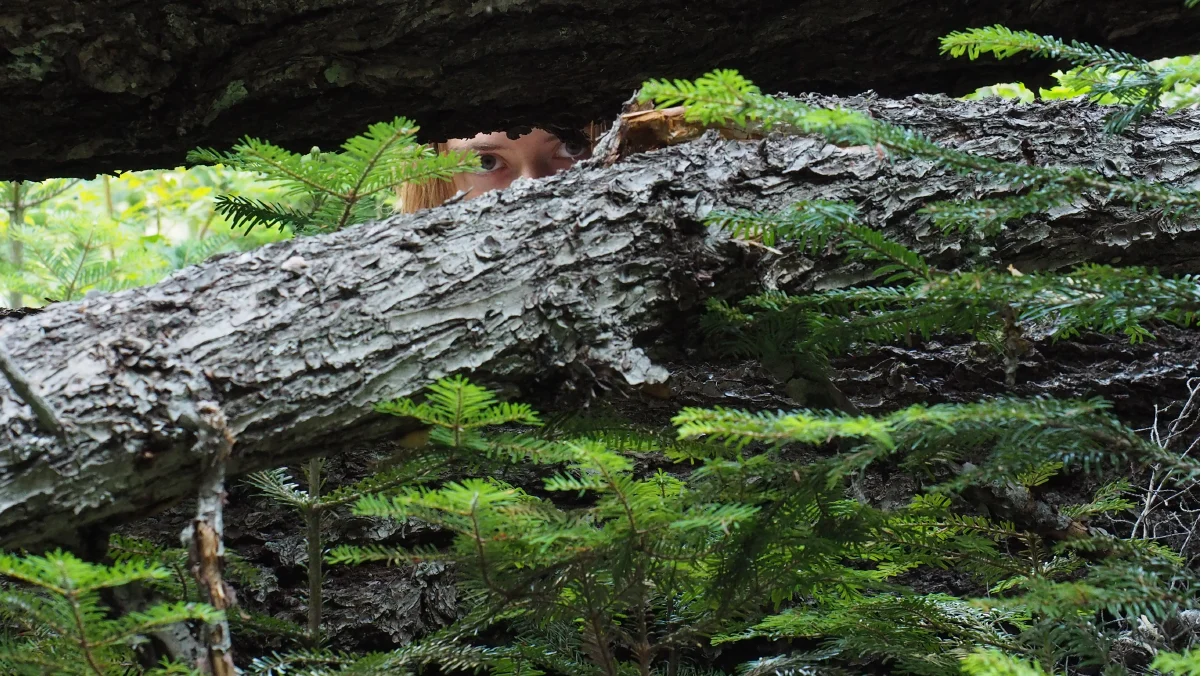
For Carlin Gettliffe, the turning point arrived not with a flashing notification or a critical quarterly report, but with a profound, bone-deep exhaustion. Years ago, Gettliffe made the dramatic decision to step away entirely from the relentless pace of the startup world. Days once defined by ten to fifteen frantic phone calls, endless hours anchored in front of a glowing computer screen, and the mounting pressure of corporate demands were suddenly left behind. In their place came a daring leap into the unknown: a nine-month adult immersion program at the Wilderness Awareness School, nestled in the damp, towering forests of Duvall, Washington.
It was there, tucked quietly into the final stretches of an intensive curriculum, that Gettliffe encountered wilderness rites of passage for the very first time. Far from a glamorous or cinematic wilderness retreat, this initial encounter was gritty, strange, and deeply uncomfortable, yet subtly interwoven with moments of unexpected grace. Surrounded by the wild with few creature comforts to soften the elements for days and nights on end, the rigid architecture of modern life—schedules, plans, and grand schemes—simply dissolved.
Stripped of digital distractions and urban conveniences, the human body reclaimed its role as the primary guide. Gettliffe moved when the chill of the forest air demanded motion, curled up directly into the damp moss when exhaustion set in, ate only when hunger genuinely arose, and paused to listen when fear whispered through the trees. The body led the way forward, communicating through the primal language of belly grumbles, sudden shivers, muscular tension, and the sweet relief of release.
Among the memories that lingered from this transformative period was a quiet night spent laying flat on the forest floor following a long, disorienting wander in total darkness. Hovering at the fragile boundary between wakefulness and dreams, Gettliffe heard a family of mice nearby in the grass, quietly chattering and cooing to one another in the dark. Paralyzed by the fear of making a sudden movement that might startle them away, Gettliffe lay completely motionless, listening for what felt like hours. In that stillness, a mysterious, profound connection was forged with those unseen woodland beings, bound together momentarily by a tiny, intricate universe of sound.
Yet, this immersion was not merely a romanticized nature walk. At other times, the human psyche experienced what felt like a free-fall through empty space. Deeply ingrained stories, personal assumptions, and psychological defenses cracked and crumbled under the pressure of the wild. Fear seized hold, offering a rigorous psychological shaking. Gettliffe was swallowed, both literally and figuratively, by the enveloping dark of the forest. Yet, it was precisely in allowing oneself to be swallowed—in surrendering the frantic, ego-driven struggle for control, physical comfort, and intellectual understanding—that genuine space finally opened up for something entirely different to emerge.
Articulating that "something" remains a formidable challenge. It might be described as a profound sense of presence, an underlying resonance, or the quiet vulnerability of true belonging. Yet, it would be just as accurate to simply call it an oak tree, an owl, water, and wind. More than anything else, it represents a deep remembering—a long-awaited return to what poet Mary Oliver so memorably termed "our place in the family of things."
A genuine rite of passage, understood in its truest sense, is never merely a sterile test of physical endurance or specialized survival skills. Instead, it serves as a rigorous test of a person’s willingness to be profoundly pierced: by beauty, by grief, by fear, and by the stark realization of how deeply humans need the natural world, and how much the world needs us in return. It is within these raw, unshielded moments that individuals discover something far more precious than individual ambition, career recognition, or social status. They uncover an abiding sense of kinship and devotion to life itself—a devotion that does not arise from some lofty, cerebral notion of "doing good," but is instead firmly grounded in the dirt beneath one’s fingernails, the resilient moss pressed against one’s cheek, and the haunting call of the saw-whet owl echoing through the midnight air.
This specific kind of profound remembrance is not a notch to be added to a professional belt, nor is it a marketable credential or resume-builder. It is unlikely to lead to financial riches, and it certainly will not bring fame. It may not even make an individual happier; in fact, this deep reckoning will likely put a person in touch with a reservoir of grief they never even knew they carried. It operates much like a blind trust fall, offering zero guarantees, no absolute sureties, and no comfortable, easy path forward.
What this profound descent will do, however, is shatter the persistent cultural illusion telling us that we are meant to navigate existence entirely on our own—a falsehood easily disproven in the wild. It breaks apart the self-centered narrative claiming that an individual’s frantic scramble for personal comfort and absolute control is the center of the universe. Furthermore, it dismantles the notion that a person could ever be anything other than desperately needed by the broader web of life, reinforcing the reality that every single human is vital.
When these sobering truths finally land, they arrive simultaneously as a profound, physical relief and as an urgent new call to devotion. Our first and final responsibility as human beings is directed toward the intricate web of relationships and wholeness that not only contains us, but upon which our very existence depends. Rites of passage, therefore, are the ancient mechanisms through which humanity tends to that fragile web, repairing the fraying edges of modern culture. They are not designed "for" the individual ego; rather, they exist fundamentally for the village, the community, and the collective.
Ultimately, what a fragmented society needs most are individuals capable of living gracefully within the great paradox of existence: recognizing oneself as a small, seemingly insignificant drop in a vast ocean, while simultaneously showing up to do the vital work that life demands. This involves carrying out responsibilities with the steady awareness that every person is irrevocably, permanently woven into the greater whole.
Out of this philosophy emerged Shadowcraft, a deliberate ode to traditional rites of passage and a direct offering to the wild spirit waiting to meet each human soul within the quiet sanctuary of the forest. True thresholds in modern life are exceedingly rare. Over the span of an entire lifetime, an individual might consider themselves fortunate to cross paths with a small handful of them. In a contemporary culture that so rarely sees, validates, or acknowledges the moments of genuine import and deep personal transformation occurring within human lives, Shadowcraft stands as an intentional opportunity for something entirely different. It provides a structured, supportive space to traverse a threshold in, with, and in dedicated service to community and the more-than-human world.
Carlin Gettliffe now serves as the lead instructor for the Shadowcraft Intensive, as well as the specialized Sacred Dark weekend program, helping others make the vital journey from the isolation of modern digital life back to the grounding embrace of the earth.
