Faith and Civic Leaders Gather to Discuss Trust, Protection, and the Sacred Nature of the Ballot Ahead of 2026 Midterms
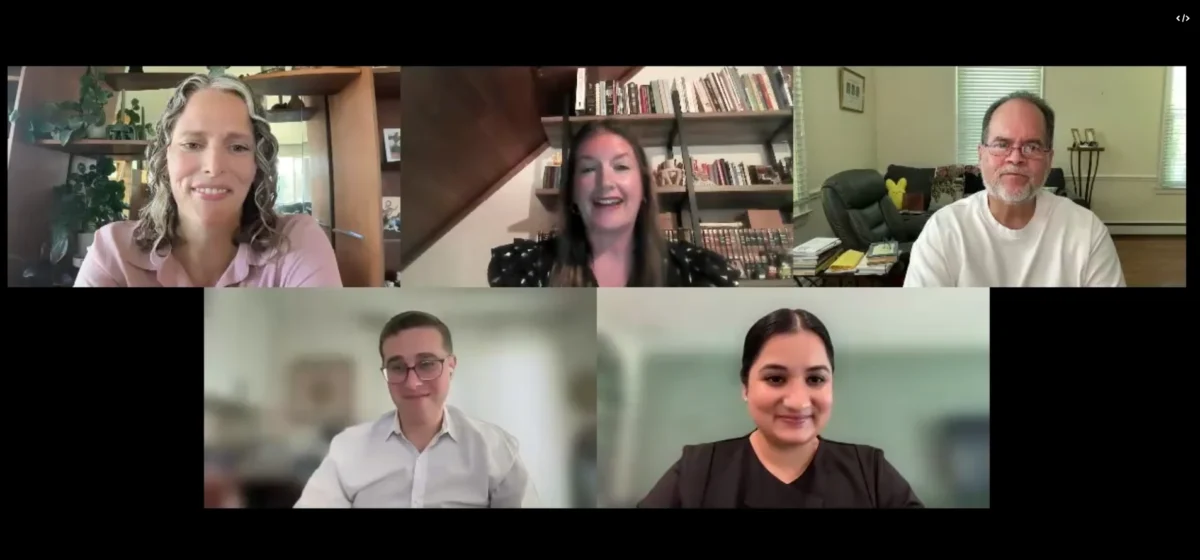
As the United States looks ahead to the high-stakes political landscape of the 2026 midterm elections, a diverse coalition of faith and civic leaders is stepping forward to reinforce the foundations of American democracy. Four prominent fellows from Interfaith America’s prestigious “Vote is Sacred” initiative recently convened for a virtual roundtable discussion. The gathering utilized the structured dialogue format known as a “Living Room Conversation,” an intentional framework designed to empower everyday citizens to engage in constructive discussions about critical civic issues with peers from differing backgrounds and political affiliations.
The conversation, held in preparation for the upcoming electoral cycle, brought together leaders dedicated to ensuring free, fair, and peaceful elections. Against a backdrop of heightened political polarization and widespread public anxiety regarding the integrity of democratic institutions, these leaders explored how spiritual values can bridge divides and foster a renewed sense of shared civic responsibility. The dialogue underscored a growing movement among faith communities to treat the defense of democracy not merely as a political obligation, but as a deeply moral and spiritual imperative.
Faith in Elections
Moderated by Becca Kearl, Director of Empowerment for Mormon Women for Ethical Government, the virtual discussion prompted the fellows to reflect deeply on the intersection of faith and the electoral process. Participants examined the unique challenges currently facing the democratic system, alongside the myriad opportunities available to build, restore, and sustain trust among voters. Through sharing their personal and institutional perspectives, the leaders highlighted how their respective faith traditions directly inform and inspire their unwavering commitment to election protection and voter empowerment.
For Aasees Kaur, Community Development Director at the Sikh Coalition, the motivation to protect the ballot box is drawn directly from the core tenets of her faith. “I lean on the Sikh principle that there is nothing higher than truthful living,” Kaur explained during the discussion. She elaborated on how this foundational belief translates into active civic engagement, noting that the daily work her organization undertakes—sharing accurate information, ensuring that every eligible voter is fully aware of their rights at the polls, empowering each human being, and honoring their inherent dignity as they step forward to cast their vote—is entirely rooted in this spiritual principle.
This sentiment was echoed by Jeremy Bannett, Vice President of Programs and Partnerships at A More Perfect Union. For Bannett, efforts directed toward securing free, fair, safe, and accessible elections are deeply intertwined with his Jewish identity and historical consciousness. American democracy, he noted, has provided an environment where the Jewish community has been able to flourish in a manner that is extraordinary when viewed across the broad scope of world history. Recognizing this rare historical privilege brings with it a profound responsibility. “We know that the rights and the freedoms and the opportunities that democracy provides only work if they’re available equally to everybody,” Bannett emphasized, framing equal access to the ballot as an essential safeguard for the collective well-being of society.
Building Trust in Democracy
Moving beyond the philosophical motivations rooted in their respective traditions, the conversation quickly pivoted toward actionable strategies and practical methods for cultivating lasting trust in American democratic institutions. In a political climate where cynicism often threatens to undermine public participation, the fellows stressed that confidence in elections is not a passive state, but an active achievement requiring sustained effort and genuine human connection.
“Trust just doesn’t happen. You invest in it through connection, asking hard questions, trying to understand another person better, appreciate our differences, and finding common ground,” Kearl observed, highlighting the relational labor required to heal fractured communities and overcome partisan hostility. Her remarks underscored the philosophy behind the Living Room Conversation format, which prioritizes listening and mutual respect over debate and ideological victory.
Adding a localized perspective to the discussion, Jennifer Daniels, President of the Faith Citizenship Institute, drew attention to the grassroots nature of American elections as a powerful antidote to national division. Daniels emphasized that while citizens across the country are frequently bombarded by media coverage of controversial, highly polarizing debates occurring on the national stage far away from their daily lives, the actual mechanism of voting is deeply local.
“I think that’s a really beautiful part of our democracy,” Daniels said. “While we may be voting about controversial and polarizing issues that are happening far away from us, we’re actually doing it together as a community right in our own backyard […] so personal relationships and even understanding the process can give a sense of positivity and hope.” By bringing neighbors together around local polling places and civic boards, the electoral process itself serves as a community-building exercise that can transcend national partisan divides.
Despite acknowledging the significant structural, social, and political challenges that lie ahead of the 2026 midterm elections, the participants consistently returned to a shared sense of enduring hope. For the Rev. Carlos Malave, founder of the Latino Christian National Network, that optimism is anchored not in political parties or transient policy victories, but in the resilient foundation of shared human values and community bonds.
“What is giving me hope right now is the resiliency of our sense of commonality […] The bottom line is that I do trust the common good. I do trust the heart of people. And if we continue to work together towards educating people and coming out of goodwill, people will see that,” Malave concluded, offering a vision of civic renewal rooted in mutual trust and collective perseverance.
