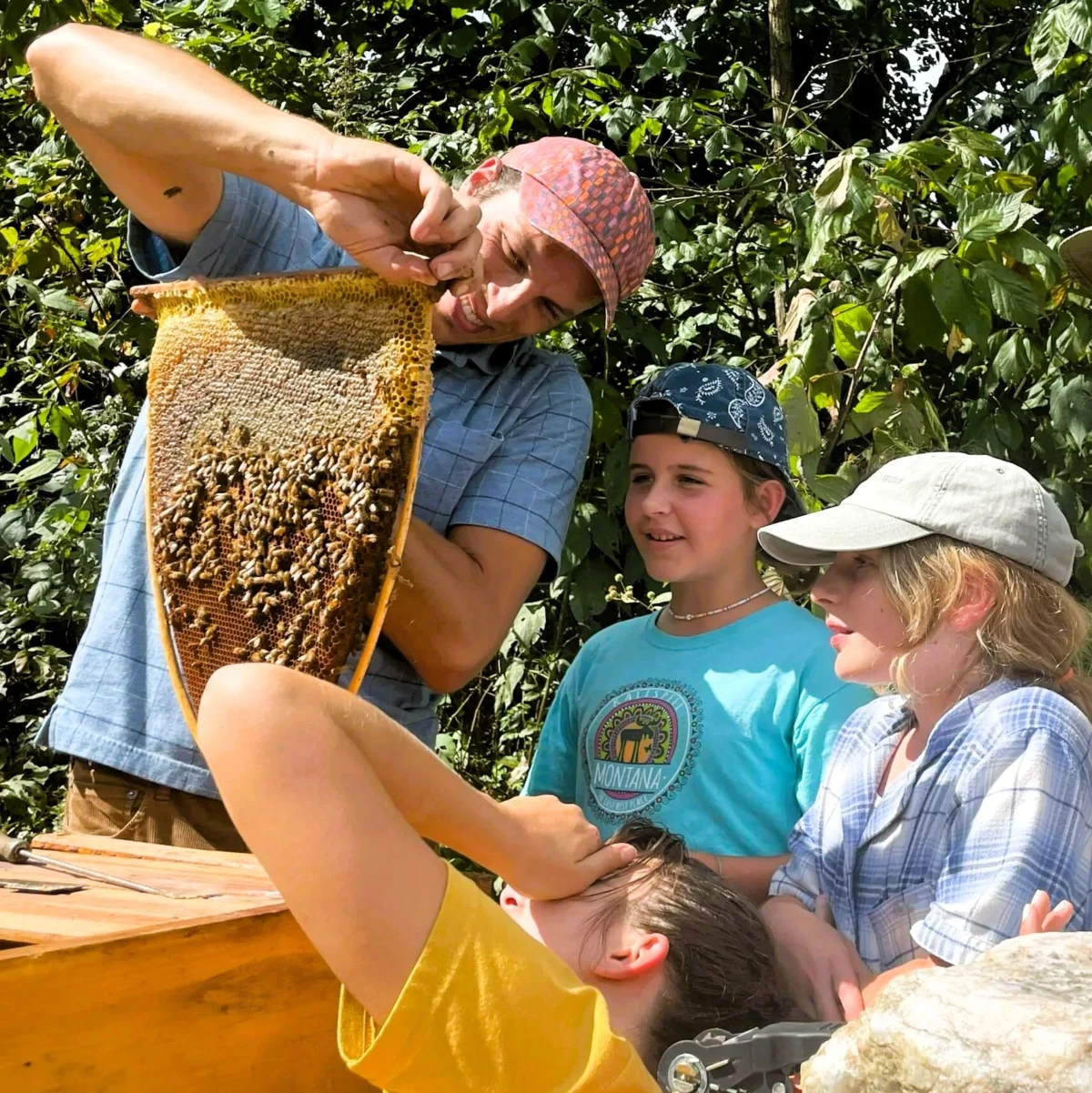
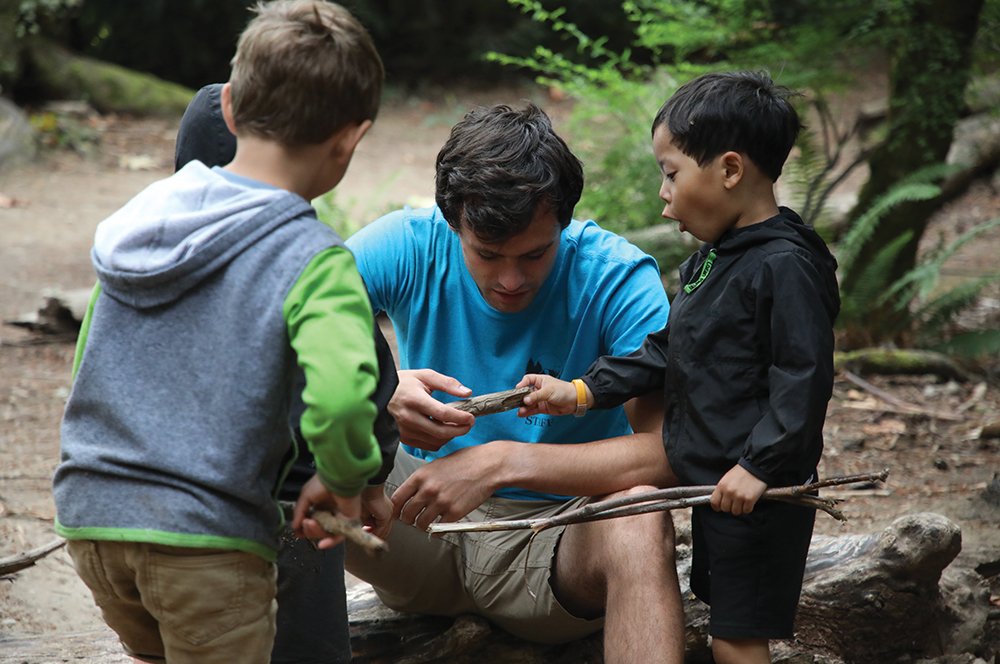
A sweeping body of large-scale educational research has reaffirmed what progressive educators have argued for decades: students learn best when academic concepts are grounded in lived experience, physical movement, and active engagement. Across subjects ranging from mathematics and science to language arts and environmental studies, empirical data spanning decades demonstrates that hands-on learning significantly outperforms traditional, abstract instruction.
Whether students are learning fractions by baking in a kitchen, grasping physics principles through the observation of light, exploring history via dramatic performance, or studying biology through meticulous outdoor observation, direct engagement transforms passive listeners into active participants. This educational approach aligns closely with natural human development. Younger children absorb knowledge primarily through play, movement, storytelling, sensory exploration, and art, while the intellectual development of adolescents is deepened through critical reflection, discourse, and meaningful involvement within the broader community.
Recent academic literature provides a rigorous examination of these methodologies, highlighting the specific instructional frameworks that consistently foster deep conceptual understanding, sustained engagement, and long-term memory retention.
Comprehensive Research Analysis and Meta-Studies
The empirical foundation for experiential education rests heavily on extensive meta-analyses that aggregate decades of classroom data. A landmark study published in 2023 synthesized findings from numerous investigations over a 30-year period, comparing traditional didactic teaching models against project-based, inquiry-driven learning frameworks. The results revealed that students immersed in experiential environments achieved significantly superior learning outcomes. Beyond standard academic achievement, these students demonstrated measurable improvements in critical thinking skills and developed a stronger growth mindset.
Building upon these findings, a subsequent meta-analysis published in 2025 sought to isolate the specific variables within experiential learning that yield the greatest academic gains. The researchers categorized various interventions and concluded that "fully embodied learning"—defined as educational activities that actively involve a student’s entire body and full sensory apparatus—produces the most profound effect on overall student success. When the physical body is engaged in the learning process, cognitive retention and comprehension increase dramatically.
Integrating Nature into the Curriculum
Among the most compelling subsets of experiential education is outdoor learning. A systematic review examining 20 years of research dedicated to nature-specific educational practices uncovered extensive emotional, academic, and wellness benefits for students of all ages.
Researchers analyzed outcomes derived from diverse outdoor settings, ranging from localized curricular lessons and focused fieldwork to immersive multi-day programs conducted entirely in natural environments. The data consistently showed that sustained periods spent outdoors—characterized by hands-on exploration, peer collaboration, and structured reflection—resulted in heightened student engagement, improved emotional resilience, and superior academic performance. Nature serves as an expansive, living laboratory where theoretical concepts manifest in tangible, observable ways.
Deepening Language Comprehension Through Movement and the Senses
Language acquisition and literary comprehension also benefit substantially from physical and sensory integration. A comprehensive review published in ScienceDirect examined 30 years of literature surrounding embodied learning in language education. The authors investigated how physical movement and sensory engagement influence linguistic competence, reading comprehension, and communicative connection.
The findings indicated that whole-body, sensory-rich instructional approaches increased student participation rates across all grade levels while facilitating deeper cognitive processing and comprehension. Specifically, researchers observed a direct correlation between physical gestures, motor activity, and enhanced vocabulary acquisition. Furthermore, arts-based modalities—including drama, music, and the visual arts—not only elevated language learning outcomes but also generated notable motivational and emotional gains for participating students. Drama and role-playing were found to be particularly effective in establishing authentic, meaningful contexts for language use, allowing learners to internalize vocabulary and syntax within realistic communicative scenarios.
Mastering Mathematics Through Collaboration and Manipulatives
Mathematics education has traditionally relied heavily on abstract symbols, yet contemporary research underscores the necessity of concrete experiences in numeric reasoning. A meta-analysis focusing on primary school mathematics outcomes demonstrated that project-based learning methodologies markedly improve collaborative problem-solving and critical thinking capabilities.
The most successful framework in mathematics instruction involved sustained, collaborative project work. In these settings, students engaged in multi-week initiatives, cooperating to investigate and resolve complex mathematical problems. This cooperative structure allowed students to refine their interpersonal skills, learning how to advocate for their own viewpoints, voice constructive opinions, listen attentively to peers, and participate in rigorous mathematical discussions.
In addition to collaborative projects, the use of physical manipulatives proved advantageous across educational tiers, extending from primary classrooms up to collegiate instruction. However, researchers noted that pedagogical guidance is paramount for success. Manipulatives yielded the highest academic returns when teachers explicitly integrated the tools into the curriculum, actively scaffolding the cognitive bridge between concrete objects and abstract mathematical concepts. Students taught with scaffolded manipulatives retained mathematical principles over the long term far more effectively than those who learned strictly through symbolic abstraction.
Strengthening Science Through Inquiry and Project Learning
The sciences represent an ideal domain for experiential methodologies, and comparative studies consistently highlight the limitations of conventional lecturing. A prominent meta-analysis contrasting inquiry-based science education with conventional instruction revealed that inquiry approaches generate a substantial, positive impact on students’ higher-order cognitive skills.
When evaluating different forms of inquiry, researchers determined that guided inquiry, research-based investigations, and argument-driven inquiry yielded the most pronounced positive effects. These benefits were maximized when students were challenged to formulate research questions, systematically analyze empirical evidence, and construct justified scientific conclusions. Furthermore, inquiry models anchored in authentic, real-world challenges stimulated deeper reasoning, critical reflection, and collaborative debate, effectively preparing students to apply scientific knowledge in practical contexts.
The Foundations of Experiential and Lived Education
Taken as a whole, this vast body of contemporary research validates educational philosophies that have prioritized holistic, hands-on learning for generations. Methods that encourage children to encounter the world—both indoors and outdoors—through rich sensory experiences, purposeful projects, and inquiry-driven problem-solving consistently produce resilient, adaptable learners.
In an increasingly digitized and abstract contemporary society, experiential education provides a vital anchor. By engaging the whole child, this pedagogical approach fosters an understanding of the world that is lasting, human, and deeply relevant. Experiential learning invites students into a transformative process, reshaping not only their academic capabilities but their fundamental understanding of the world around them.
For individuals navigating spiritual practices, a recurring monthly publication offers regular insights into personal transformation and daily contemplation. Readers returning to the recurring feature often look for tools to enhance their spiritual routines, ground their daily intentions, and pick up new perspectives on ancient practices. Among the core teachings explored in these monthly reflections is the nature of prayer, particularly how desires are communicated, processed, and ultimately fulfilled by the universe.
In a recent comprehensive feature titled “Unanswered Prayers: A Skeptic’s Guide,” spiritual leader Rev. Lauren Martin addressed a common hurdle faced by many spiritual seekers: the persistent feeling that prayers go unanswered. Martin’s perspective challenges the conventional narrative of divine rejection, offering a framework that reframes how individuals view the timing and outcomes of their requests.
Never Fret. There Is No Such Thing as an Unanswered Prayer.
Many people find themselves questioning the efficacy of prayer when there is a significant delay between the initial request and its manifestation, or when the outcome appears to be a definitive rejection. According to Martin, however, the premise that prayers can go entirely unanswered is fundamentally flawed.
The core philosophy presented suggests that the universe responds to human prayers in one of three distinct ways: a direct affirmative, a prompt for patience through timing, or the redirection toward an outcome far greater than the original request. A foundational concept within this worldview is that neither the subconscious mind nor the universal creative medium possesses a mechanism for processing the concept of "no." Instead, the universe either delivers what is asked, takes the necessary duration to cultivate it, or provides an alternative so remarkable that the human mind cannot initially comprehend it.
Naturally, skepticism persists. Many individuals point to instances where their desires were not fulfilled or where their prayers seemingly fell on deaf ears as definitive proof that spiritual petitioning lacks efficacy. To counter this, practitioners focus on refining and strengthening prayer work, bridging the gap between doubt and powerful manifestation, thereby enabling even the most pragmatic skeptics to engage meaningfully with the practice.
Freedom of Speech in Spiritual Practice
When Martin first began studying the Science of Mind, one of the most liberating discoveries was the realization that spiritual practitioners are not bound to memorize rigid prayers or recite them by rote. For individuals entirely new to the concept, formal prayer structures can occasionally feel intimidating, prompting a need for simplification.
The traditional framework for affirmative prayer, originally outlined by Ernest Holmes, provides a structured approach consisting of specific conceptual steps. How an individual navigates these steps remains entirely personal and flexible. Some practitioners prefer elaborate, poetic language, crafting prayers that resemble love sonnets directed at the cosmos. Others favor a direct, concise approach, getting straight to the point without ornamentation. Ultimately, the style matters far less than the authenticity of the voice, provided the speaker feels genuinely heard and understood.
To assist beginners in streamlining this process, a simple conceptual template can be applied. The underlying premise begins with the acknowledgment that the divine encompasses all things and resides within the individual. From this foundational realization, a person can articulate their specific desire, concluding with an expression of gratitude and a release of control into the hands of a higher power.
As an example, a practitioner might ground themselves in the understanding of an internal divine presence, declare an openness to receiving unlimited financial abundance, and release the intention with gratitude, trusting the process to unfold naturally.
It Is All About the Feeling and Universal Energy
A vital aspect of this spiritual framework is the recognition that human words and inner dialogues function as continuous prayers. Individuals remain in a constant state of communication with the universe, and that creative medium is perpetually attentive.
Given this ongoing dialogue, whatever energy a person cultivates and emphasizes is precisely what they manifest in their physical reality. The universe does not differentiate between positive and negative emotional charges; it simply responds to the focal point of human energy and attention. Where an individual directs their strongest feelings and most persistent thoughts, the universe answers with a matching reality.
Treat and Move Your Feet
Within the teachings of the Science of Mind, releasing a prayer into the creative medium is often compared to planting a seed. Spiritual instruction frequently cautions against the counterproductive habit of repeatedly digging up the seed to check for initial signs of growth. However, this metaphor does not imply passive inaction. Just as a planted seed requires water and sunlight to thrive, human intentions require active nourishment.
In practical terms, personal actions and spoken words must remain in complete alignment. If an individual prays for physical health and vitality while remaining sedentary and maintaining poor nutritional habits, the universal energy lacks a clear and coherent pattern to manifest. True manifestation requires physical movement and lifestyle adjustments that reflect the desired outcome, removing any ambiguity from the creative process.
Acknowledging the difficulty of this discipline is an important part of the journey. Achieving perfection is not the objective, and experiencing moments of worry, fear, or doubt during the manifestation process is entirely natural. The key is to avoid becoming permanently stuck in those lower emotional states. Practitioners are encouraged to acknowledge their feelings fully, reconnect with their core identity, and remember that an abundant universe continually operates in their favor.
Developing new habits and altering deeply ingrained thought patterns presents a universal challenge. Yet, every small, imperfect step taken in the right direction moves an individual closer to their ultimate objective. The guiding philosophy reminds seekers that they are always operating at their personal best, and structured prayer simply serves as a tool to focus that best effort toward achieving desired outcomes.
The purpose of the Advent season has long been understood as a time to prepare hearts for the coming of Christ, reflecting on His historical birth while waiting in hopeful expectation for His eventual return. For Robert Bortins, CEO of Classical Conversations, this period of waiting offers profound lessons regarding faith, parental presence, and the unexpected theological questions children bring home from church. According to Bortins, the holy nature of waiting is something modern families must intentionally make room for amid the rushed schedules of contemporary life.
A Question After Communion
The reflection on modern family dynamics and sacred waiting often begins in ordinary moments. Following communion during a Sunday service, Bortins’s church traditionally recites together the proclamation: “Christ has died, Christ has risen, Christ is coming again.” Not long after hearing these familiar words, Bortins’s young son turned to him with a blunt and searching inquiry: “We’ve been saying this for nine years. When is He coming?”
Faced with a question that resists tidy answers, Bortins realized his son was voicing the central inquiry of Advent itself. It is also, he suggests, one of the fundamental questions of family life: how do parents and children navigate the reality when the anticipated arrival does not align with human timetables?
The Ancient Meaning and Purpose of Advent
Derived from the Latin adventus, meaning arrival, Advent signifies a "coming." Encompassing the four weeks leading up to Christmas, the season invites Christians to prepare for the celebration of Christ’s first coming while simultaneously looking ahead to His promised second coming.
This liturgical season requires believers to inhabit the same tension experienced by Old Testament saints who awaited the Messiah for centuries. Although the divine promise remains certain, its fulfillment often tarries. Drawing on the theological insight of Augustine—who observed that human hearts remain restless until they find rest in God—Advent serves as a spiritual training ground that transforms restlessness into enduring hope. It reminds believers that God operates outside human schedules and continues working purposefully through every hour of waiting.
Why Faith Questions Surface at the Family Table
What resonated most with Bortins about his son’s inquiry was the setting in which it occurred. The question was not raised in a formal classroom environment with a bell signaling the end of the lesson. Instead, it was posed at home, around the family table, immediately following church in the ordinary flow of a Sunday afternoon. It was directed to a father in a spontaneous moment, hanging in the air long enough for both to contemplate its weight.
This organic timing mirrors the foundational instructional model outlined in Deuteronomy 6. Ancient directives did not instruct families to enroll children in weekly seminars on commandments; rather, parents were encouraged to discuss matters of faith naturally when sitting at home, walking along the way, lying down, and rising. The historical transmission of faith was always designed to occur within the unhurried, unscheduled, and repeated rhythms of daily household life. Unsurprisingly, this environment is precisely where the most profound and challenging questions tend to emerge.
The Conviction Behind the Household Economy
This conviction forms the core of Bortins’s book, SILK: More Kids, More Wealth, which examines the acronym SILK representing "Single Income, Lots of Kids." While the work addresses significant economic principles, its primary argument centers on where human character is genuinely shaped and who answers a child’s most important questions.
Children who voice wonder regarding the return of Christ, the presence of suffering, or the distinct choices required of their family unit need a parent within immediate earshot. Furthermore, those parents must possess the time, availability, and theological seriousness required to sit with complex inquiries rather than delegating the responsibility to external institutions, regardless of their academic excellence. Cultivating this atmosphere requires a deliberate ordering of household life to ensure parental presence remains possible.
Aristotle’s Household and the Nature of Advent
In classical philosophy, Aristotle referred to the household, or oikos, as the primary and most fundamental human community, serving as the initial sphere where life is ordered toward the good before broader societal structures take shape. Bortins notes that Advent is inherently a household season, observed around tables and Advent wreaths through the gradual lighting of candles that mark an unhurried wait.
For educators and parents, this patient waiting is a familiar reality. Seeds planted in the autumn months often yield no visible harvest until spring, years later, or sometimes not at all within this lifetime. Epiphanies and moments of deep understanding rarely arrive on demand; instead, they manifest in due time, echoing the timing of the first Advent.
A household structured around a single income and the steady presence of a parent provides the structural foundation necessary for genuine spiritual and intellectual formation. When both parents are consumed by full-time employment and external institutional timetables, the necessary margin to engage a child’s deep theological questions vanishes, resulting in deferred conversations or rushed responses.
Plato articulated a similar observation in the Laws, arguing that the earliest and most decisive years of a child’s development occur at home under the consistent attention of parents. These caregivers shape habits and affections long before formal instruction begins, making the attentive parent the architect of essential educational work.
Rootedness and the Formation of Character
Reflecting broader cultural themes, Bortins connects the virtue of patience found in Advent with literary archetypes of steadfastness, such as J.R.R. Tolkien’s depiction of the Shire. In times of severe trial, the rooted, unhurried hobbits proved resilient because they had been shaped daily within a culture that valued enduring principles.
Conversely, C.S. Lewis warned in The Abolition of Man against cultural shifts that abandon objective values, producing what he termed "men without chests"—individuals possessing intellect and appetite but lacking a moral center or the capacity for sacrificial commitments. Building moral resilience, much like answering a difficult theological question, occurs slowly and honestly around the family table through the steady presence of a parent willing to remain engaged.
Reclaiming Time for Formation
Addressing his son’s question about the return of Jesus, Bortins emphasized that Christians have anticipated this event for nearly two millennia, a shared wait that connects generations of believers and embodies the promise of renewed strength found in biblical scripture. This patient endurance represents the central invitation of a home-centered life, echoing historical warnings by theologians like J. Gresham Machen regarding the intense institutional competition for children’s attention and hours.
Ultimately, Bortins suggests that while parenting is rarely executed without imperfection, the ultimate goal transcends tidy answers. The enduring value lies in parental presence—remaining in the room when difficult questions are raised and teaching children the virtue of waiting well as an essential expression of faith.
Nightmares can be a significant disruption to health and overall well-being. Jolting awake in the middle of the night in a cold sweat with a racing heart is an unsettling experience that many people know all too well. The lingering residue of a bad dream often leaves individuals feeling shaken, on edge, and struggling to fall back asleep. When sleep is disrupted in this manner, daily challenges become increasingly difficult to manage.
Recurring nightmares can wreak havoc on regular sleep patterns, leaving individuals drained, anxious, and unsettled the following day. For those who frequently search for answers regarding why bad dreams persist or how to stop them entirely, the frustration is a shared experience. Nightmares are often triggered by a wide range of factors, extending from daily stress and sleep disorders to late-night snacking or certain prescription medications. Fortunately, various strategies exist to help reduce their frequency and assist individuals in returning to sleep after being awakened by a disturbing dream. Exploring the common causes of nightmares, preventative measures, and techniques to calm the mind and body can provide a pathway toward more restorative rest.
The Truth About Nightmares and Their Impact
Sleep disruptions, including frequent nightmares and bad dreams, take a substantial toll on human well-being. The impact extends far beyond simple daytime fatigue, influencing mood, energy levels, productivity, and overall mental health. Obtaining sufficient, high-quality sleep is crucial for rejuvenating the body and resting the mind. However, for those experiencing regular nightmares, achieving peaceful sleep can feel like an unattainable goal.
Despite the challenges posed by bad dreams, there is hope. Developing an awareness and understanding of the underlying causes of nightmares, paired with effective management strategies, makes it possible to control and even prevent them. Tools such as mindfulness and meditation assist in cultivating a more peaceful state of mind, which can significantly enhance overall sleep quality.
What Causes Nightmares? Common Reasons Bad Dreams Happen
Nightmares rarely occur at random; rather, they are typically the product of various intersecting factors at work within the subconscious or conscious mind. Identifying the specific triggers behind these disturbances serves as a vital first step in gaining control over them.
Common culprits include elevated stress levels, generalized anxiety, post-traumatic stress, sleep disorders like sleep apnea, late-night eating, consuming heavy or spicy meals close to bedtime, and certain medications. Alcohol consumption and caffeine intake can also disrupt normal sleep cycles, particularly rapid eye movement (REM) sleep, where the majority of vivid dreams and nightmares take place.
Understanding these triggers helps individuals take control of their sleep experience. The objective is not to eliminate dreaming altogether—as dreams are a natural, magical, rejuvenating, and creative component of sleep—but rather to foster a more relaxed and peaceful resting environment.
Strategies to Prevent Nightmares and Stop Bad Dreams
Recognizing the potential causes of nightmares allows individuals to implement practical strategies designed to keep bad dreams at bay. Establishing a consistent bedtime routine plays a fundamental role in regulating sleep. The human body thrives on routine, and maintaining regular sleep and wake times signals to the internal clock when it is time to wind down and when it is time to rise.
Creating an optimized sleep-friendly environment is equally important. Ensuring that the bedroom is dark, quiet, and cool provides ideal conditions for restful sleep, while investing in a comfortable mattress and supportive pillows can significantly impact overall sleep quality.
Active daytime stress management is another key preventative measure. When stress or anxiety acts as the primary catalyst for nightmares, addressing the root cause directly is essential. Implementing stress-relief techniques, such as deep breathing exercises or guided mindfulness practices, can work wonders in soothing an active mind before bedtime.
Additional preventative measures include avoiding stimulating activities, bright screens, and demanding work at least an hour before sleep to allow the mind to transition smoothly. Regular physical activity during the day promotes better sleep, provided it is not performed too close to bedtime. Furthermore, limiting heavy meals, alcohol, and caffeine helps prevent digestive and neurological disruptions that often feed into bad dreams. Incorporating relaxing evening activities, such as reading, listening to calm music, or talking through worries with a trusted confidant, further prepares the body and mind for a tranquil night.
How to Return to Sleep After a Nightmare
The most formidable challenge after waking from a nightmare often involves calming the body and mind sufficiently to drift back to sleep. Lying awake in the dark at 3 a.m. can amplify feelings of vulnerability and fear.
Several techniques can help guide an awakened mind back into a state of rest. Deep, controlled breathing exercises serve as a powerful tool to calm the nervous system, shifting focus away from disturbing dream imagery and onto the natural rise and fall of the breath. Progressive muscle relaxation, which involves tensing and releasing various muscle groups throughout the body, helps ground individuals and provides a physical distraction from anxious thoughts.
Visualizing a soothing, peaceful scene—such as a serene beach, a quiet forest, or any environment that brings tranquility—can steer the conscious mind away from the remnants of a nightmare. Engaging in a comforting, low-intensity activity in dim lighting, such as reading a physical book or listening to a calming sleep story, can also ease the transition back to sleep without pressuring the mind to shut down immediately.
Keeping a soft nightlight on can provide psychological comfort by reducing the shadows that often amplify fear after a bad dream. Similarly, maintaining a dream journal allows individuals to write down the details of their nightmare, a therapeutic process that helps drain the bad dream of its emotional power. Taking a mindful moment to notice immediate physical surroundings—such as the texture of the sheets or the ambient sounds in the room—helps anchor individuals in the safety of reality, reinforcing the reassurance that the nightmare has passed.
In an era defined by polarized social media feeds and increasingly fractured civic relationships, finding common ground with neighbors who hold opposing political views can feel like an insurmountable challenge. Across the United States, kitchen tables and family gatherings are frequently sidelined by ideological clashes, leaving communities more isolated and distrustful than in decades past.
Yet, for one Arizona community leader, a routine Sunday afternoon argument on Facebook served as the catalyst for a much-needed reminder about the enduring power of human connection, local relationships, and the simple act of sharing food.
The experience dates back to the height of the 2000 presidential election cycle. Like millions of Americans, she spent her time scrolling through social media, observing the political commentary posted by family members, neighbors, and fellow churchgoers. Coming home from Sunday services, she noticed a post published by a fellow member of her congregation regarding the upcoming election.
Opting to engage rather than scroll past, she weighed in with a different perspective. What followed was an hour-long volley of replies, with other church members tracking the online debate and clicking "like" on responses from both sides. In real-time, the interaction transformed into a digital arena for choosing sides and deepening ideological divisions. Finally, feeling drained by the hostility, she stepped back, recognizing that the online persona she was adopting did not reflect who she truly wanted to be.
We don’t grow connectedness by cutting off ties.
The realization hit home because the man on the other side of the screen was far more than an abstract political opponent. His family had previously watched her children when she and her husband traveled out of town, and she had spent countless hours serving alongside his wife in their church’s youth ministry. She faced a pivotal question: Would their relationship be permanently defined by their intended votes, and would her political identity become the primary lens through which she viewed her community?
Opting for offline reality over online friction, she instructed her husband to load the family into the minivan while she prepared a batch of freshly baked chocolate chip banana bread. Grabbing a makeshift sign bearing a spontaneous, lighthearted phrase—"Make America Bake Again"—she headed to her fellow congregant’s home.
When the church friend opened his front door to find her family standing on his porch, he was visibly surprised. Her message was direct and disarming: "You are my friend. We have so much more in common than that Facebook exchange suggests. I don’t want to forget that."
Reflecting on the encounter, she acknowledges that she does not always respond thoughtfully to politically charged situations. Nevertheless, she expresses a sincere desire to do so, particularly as families, cities, and states navigate a civic culture marked by deep division. Her approach is rooted in an effort to push back against the daily currency of polarization and instead invest in the power of pluralism.
This perspective aligns closely with the central concerns raised by sociologist Robert Putnam in his seminal book, "Bowling Alone," where he argued that the decline of social capital represents one of the most pressing threats to modern society. Social capital—the networks of relationships among people who live and work in a particular society—does not expand when individuals conform to the norms of polarization. Instead, it erodes when people opt out of neighborhood gatherings, civic organizations, and family events simply because political differences feel too difficult to navigate.
Cutting off ties does not foster community resilience. Rather, encountering disagreements serves as an opportunity to listen, grow, and connect, rather than a reason to walk away from vital relationships.
We need more shared experiences.
Translating this philosophy into action, she has taken her commitment back to the kitchen. Looking ahead, she is organizing her inaugural annual Make America Bake Again Voter Prep Party. By casting a wide net, she is inviting community members of all backgrounds to join her for an evening centered around baked goods and open dialogue regarding upcoming ballot measures. The goal is to provide a fun, informative, nonpartisan, and welcoming environment to prepare for civic participation.
Participants are encouraged to bring homemade treats to share, drawing inspiration from historical recipes, including traditional cookies associated with various First Ladies and a centuries-old recipe for Election Cake. Among the offerings will be Pat Nixon’s Lemon Sugar Cookies.
The initiative draws inspiration from the observations of the famed American chef and author James Beard, who once wrote that "food is our common ground, a universal experience." Society, she suggests, is in urgent need of more shared experiences—specifically those characterized by low-stakes, high-calorie interactions. Sharing a cookie or sitting down for a meal can act as a catalyst for community-building, allowing individuals with diverse lived experiences and perspectives to bridge gaps that might otherwise remain wide.
In her professional role in Arizona, where she leads the Civic Engagement Impact Team for the local nonprofit Valley Leadership, she sees firsthand the impact of structured communal gatherings. Part of her responsibilities includes organizing the organization’s Dinners & Dialogues Program. Through this initiative, participants gather for a shared meal before engaging in moderated, small-group conversations focused on critical issues facing Arizonans, ranging from public education to declining trust in civic institutions. These dinners lay the groundwork for constructive dialogue centered on collaborative, shared solutions.
The broader application of this approach requires little more than a recipe book and a willingness to reach out. Whether it means delivering a batch of chewy gingersnaps to a neighbor with differing views and asking about their family, thanking local election workers with a delivery of Abigail Adams’ Molasses Raisin Cookies, or organizing a neighborhood dinner to discuss local community-building efforts, deliberate actions can leave a lasting, positive impact.
Political differences do not inherently require division, and civic conflict does not need to result in ongoing contention. As Yuval Levin, author of "American Covenant," observed, "Unity doesn’t mean thinking alike. Unity means acting together."
For communities seeking a path forward through political turbulence, unity may also begin at the kitchen table, proving that breaking bread can be a powerful antidote to a divided nation.
For the vast majority of human history, children developed an understanding of the world around them through unstructured play, driven entirely by their own imagination and natural curiosity. Throughout millennia—long before the advent of television screens, digital video games, or mass-manufactured plastic toys—kids spent the majority of their free time roaming outdoors, turning natural landscapes into their primary playground. In those eras, the great outdoors was quite literally home.
While modern childhood looks radically different, a specialized approach to outdoor education is seeking to reconnect young people with those ancestral roots. At the Wilderness Awareness School, children experience a summer camp environment that initially looks familiar: days are filled with bugs, mud, campfire songs, hands-on activities, creek splashing, tree climbing, and roasting food over open flames. Yet, beneath the surface of these classic camp activities lies a radically different pedagogical philosophy designed to fundamentally shift how children learn and interact with the natural world.
Piquing Curiosity Is Key
At the heart of this unconventional curriculum is a teaching methodology known as Coyote Mentoring. Drawing inspiration from the behavior of the coyote—a creature deeply embedded in traditional folklore as a master of cleverness, adaptability, and cunning resourcefulness—the technique relies on stealthy guidance rather than direct instruction. In the wild, coyotes thrive on the edges of habitats, moving seamlessly between developed environments and deep wilderness while remaining hyper-aware of their surroundings through fully tuned senses.
Coyote Mentoring flips traditional education on its head by drawing knowledge out of children rather than forcing information into them. Instructors practice this by maintaining constant, keen observation of their campers, scanning for spontaneous moments when a child’s attention is genuinely captured by something in their environment. These flashes of fascination serve as optimal learning catalysts. By building upon these moments, mentors create an immersive space where complex ecological concepts and life lessons are absorbed organically, often leaving campers unaware that they are undergoing formal education at all.
Teetering On The Edge
Rather than relying on lectures, mentors employ the art of guided questioning to stoke organic curiosity. Consider a common scenario: a group of campers discovers a single feather resting on the forest floor. Instead of immediately identifying it as belonging to a Barred Owl, a Coyote Mentor initiates a dialogue with a series of investigative prompts. They might ask the children what colors are visible on the vane, what size bird the feather likely belonged to, how long it may have been lying in the dirt, or how it might have detached from the bird in the first place.
This process typically begins with foundational questions that the children can easily answer, steadily elevating the complexity level until each camper reaches what educators call their "edge."
Recognizing and navigating a child’s edge is a critical component of the methodology. When a camper reaches the edge of their engagement or comfort zone, they may exhibit signs of distraction, hesitation, or frustration. Skilled mentors pay close attention to the group dynamic, intentionally guiding students toward these mental or emotional boundaries while knowing precisely when to pause, pivot, or introduce a break. Timing, communication styles, individual learning preferences, and distinct personality traits all dictate how a mentor approaches a student. Rather than forcing campers to adapt to a rigid teaching style, the instructor dynamically tailors their approach to fit the individual child based on ongoing observation.
Planting Seeds Engages An Audience
Instructors at the Wilderness Awareness School purposefully avoid rigid, minute-by-minute agendas. While activities may be loosely planned for the opening hours of the day, the remainder of the schedule remains fluid, driven entirely by the natural rhythms and interests of the students.
Days typically begin with high-energy icebreaker games designed to burn off excess physical energy and build camaraderie. During these activities, mentors discreetly "plant seeds"—perhaps casting a game where one child plays an eagle swooping after several sparrows, or where campers scamper around an imaginary mud pit. As mentors observe the energy of the group beginning to wane, and before enthusiasm entirely flatlines, they gracefully transition the group into a resting period, gathering the children around to listen to a story.
Storytelling serves as another powerful vehicle for planting educational seeds. A mentor might narrate a tale about a young protagonist who develops a unique relationship with spiders, learning the geometry of weaving directly from observing the arachnids. Intrigued by the narrative, the group will often naturally transition into a trek through the woods, actively searching for spiders out of a genuine, self-generated desire to see how they spin their webs.
As these outdoor adventures unfold, campers are encouraged to step into their own awareness, choosing which elements of the natural landscape capture their imagination. The Coyote Mentor observes quietly from the periphery, deciding whether to pose relevant questions in the moment or save those curiosities to weave into the curriculum later in the day.
By afternoon, those early morning seeds bear fruit. When an afternoon hike serendipitously leads the group to a real, physical mud pit, children who played an imaginative game hours earlier are thrilled to find an authentic setting to reenact the morning’s narrative or simply dive in and get their hands dirty. Through this fluid process, a standard day of summer camp organically evolves into a cohesive narrative of discovery.
Opportunities To Explore
By masterfully integrating strategic questioning, narrative storytelling, flow learning, and close observation, mentors provide children with the tools needed to forge deep, lasting connections with the natural world and with one another. For decades, the Wilderness Awareness School has observed that children immersed in this environment develop into remarkably resilient, compassionate, self-aware, and resourceful individuals.
While the institution may superficially resemble a traditional nature camp offering fresh air and seasonal socialization, the underlying experience is carefully orchestrated. Campers are given the autonomy to explore, provided with deliberate opportunities to foster curiosity, and gently nudged past their comfort zones. Ultimately, the true measure of success is realized when a camper returns home, leaves their digital tablet untouched on the coffee table, and turns to their family with a simple request to go for a hike.
For those looking to adopt these philosophies, the Wilderness Awareness School offers various professional training opportunities in the art of Coyote Mentoring, including its established manual, Coyote’s Guide to Connecting with Nature. The organization also hosts an annual Coyote Mentoring Weekend each spring and a comprehensive Nature Instructor Training program designed for deep-dive professional development.
As researchers and future parents dive into this intricate world, they are immediately faced with a staggering array of considerations. They must balance critical factors such as state licensing and national accreditations, navigate complicated financial structures and fee transparency, and evaluate the breadth of supportive services each organization claims to provide. For many families, the sheer volume of information can quickly become overwhelming.
Industry advocates emphasize that understanding what warning signs to avoid can bring much-needed clarity to an otherwise daunting decision-making process. Experts in child welfare and adoption advocacy have outlined eight primary red flags that prospective adoptive parents should monitor closely when evaluating an agency, offering a clearer picture of what a trustworthy organization looks like and highlighting the vital questions families should ask along the way.
1. The Agency Isn’t Licensed to Place Children
Encountering an agency that cannot readily provide proof of a current state license to place children for adoption serves as an immediate and serious warning sign. Representatives from the National Council for Adoption (NCFA) strongly recommend meticulously verifying an agency’s active licensure status directly through a state’s department of health and human services, while also examining any formal complaints registered on public record. Families are advised to be precise in their inquiries, as some organizations hold licenses exclusively for foster care placements rather than domestic or international adoption.
Furthermore, state licensure and verified nonprofit status carry profound financial implications, particularly for families hoping to secure outside financial assistance. For instance, applicants seeking a Show Hope Adoption Aid grant must be working directly with a licensed, child-placing agency that operates as a recognized 501(c)(3) nonprofit organization. A home study provider alone does not fulfill this strict institutional requirement. Additionally, families utilizing an adoption consultant or waiting concurrently with multiple entities are generally advised to delay submitting grant applications until they are officially matched through a verified child-placing agency.
2. No Hague Accreditation for International Adoption
For families pursuing an international adoption pathway, regulatory compliance is non-negotiable. Agencies facilitating intercountry placements must maintain active accreditation under the rigorous standards established by the Hague Adoption Convention. This official credential guarantees that the organization adheres strictly to both federal and international benchmarks for ethical, legal, and transparent child welfare practices. Operating an international adoption program without this mandatory accreditation represents a major regulatory violation and a definitive red flag. While domestic-only agencies are not legally required to hold Hague accreditation—though some choose to pursue it voluntarily—prospective parents can utilize established directories, such as those maintained by the NCFA or the Christian Alliance for Orphans (CAFO), to filter and verify accredited organizations.
3. A Vague or Shifting Process
While every adoption journey is inherently unique and subject to unpredictable variables, a reputable and professional agency should be capable of providing a transparent, step-by-step overview of the entire process before a family ever signs a contract or commits funds. Prospective parents are urged to proceed with caution if staff members offer vague explanations, if procedural timelines shift noticeably from one conversation to the next, or if administrators prove consistently difficult to reach and slow to respond to routine inquiries. Reputable organizations typically provide clear, documented milestones that outline what families can expect at every stage of the journey.
4. Unclear or Front-Loaded Costs
Financial transparency remains a cornerstone of ethical adoption practices. A trustworthy agency routinely provides a comprehensive, written breakdown of all anticipated costs upfront, itemizing specific expenses such as home study evaluations, administrative agency fees, and required in-country travel. Red flags emerge when fee schedules are communicated only verbally, when unexpected costs materialize repeatedly after contracts are signed, or when an agency demands the vast majority of its total payment before any substantial services have actually been rendered. Industry standards dictate that financial disbursements should generally align with the procedural progress of the adoption itself. Moreover, an organization that displays hesitation or defensiveness when asked to share its formal financial statements warrants a much closer examination by prospective parents.
5. Pressure Tactics or Promises That Sound Too Good to Be True
The emotional vulnerability inherent in the adoption process can occasionally make families susceptible to high-pressure sales tactics. Experts advise extreme caution when dealing with agencies that push prospective parents to make immediate, impulsive decisions, offer to temporarily reserve or "hold" a specific child while paperwork is being completed, or guarantee unusually short wait times and exceptionally low costs that competing organizations cannot match. Because adoption timelines are subject to a multitude of unpredictable domestic or international factors, ethical agencies maintain realistic expectations and refuse to make unrealistic guarantees regarding the speed or cost of a placement.
6. Minimizing a Child’s Needs
Ethical child placement relies fundamentally on absolute transparency. A credible agency is obligated to share every available piece of background, medical, and developmental history regarding a child. Furthermore, trustworthy organizations actively encourage prospective parents to have these detailed records evaluated independently by qualified medical professionals specializing in pediatric adoption medicine. If an agency actively discourages independent medical reviews or attempts to brush off documented health and developmental concerns, families should treat this immediate dismissal as a critical warning sign. Gaining a comprehensive understanding of a child’s specific needs well in advance is essential for preparing a supportive, equipped home environment.
7. Weak Education and Post-Adoption Support
Preparation and ongoing education are vital components of a successful adoption, particularly during the critical transition period before a child joins the family. An agency that provides little to no pre-adoption educational programming—or abruptly terminates its institutional involvement the moment a child arrives home—can leave families isolated and unequipped to handle complex post-placement challenges. Top-tier agencies typically offer robust, continuous training opportunities designed to support not only the adoptive parents and the children, but biological families as well, fostering long-term stability and holistic care.
8. Unsolicited Outreach
Adoption advocacy groups, including the NCFA, frequently caution the public regarding potential predatory schemes and outright scams within the broader adoption sphere. Unsolicited communications—such as unexpected phone calls, emails, or direct messages on social media platforms offering immediate placement opportunities—are highly irregular. In standard professional practice, prospective adoptive parents initiate contact with licensed agencies, rather than the reverse. Families who receive unexpected outreach are strongly encouraged to independently verify the legitimacy of the contact by calling the official main line of the referenced agency before disclosing any personal, financial, or sensitive information.
How to Choose an Adoption Agency You Can Trust
Industry professionals suggest a systematic approach to narrowing down agency options to ensure peace of mind. Families are encouraged to independently verify active state licensure, confirm Hague accreditation for international programs, and request a detailed, written fee schedule outlining every projected cost before executing any agreements. Attending introductory informational sessions, scheduling formal consultations, and thoroughly investigating the extent of pre- and post-placement educational support resources can further safeguard prospective parents. Additionally, connecting directly with experienced adoptive parents within local communities or trusted networks can provide invaluable, real-world perspective on an agency’s operational integrity.
For families planning to apply for external financial assistance, such as a Show Hope Adoption Aid grant, verifying institutional qualifications ahead of time remains a critical final step. Organizations like Show Hope continue to provide extensive, free public resources, including online guides through platforms like HowToAdopt.org, designed to help families navigate every phase of their adoption journey with clarity, confidence, and reliable support.
The modern homeschool environment is undergoing a quiet revolution, forcing educators and parents alike to reconsider what constitutes legitimate learning. Last week, as veteran homeschooling mother and author Shawna Wingert settled into a routine phone call with a fellow parent, a familiar dilemma took center stage. The mother on the line was wrestling with how to educate her twelve-year-old son without running into the daily walls of resistance and burnout that defined their previous academic year.
When Wingert gently suggested implementing an interest-led approach to learning—a method that tailors curriculum to a child’s natural curiosities—the mother replied with frustration and discouragement, asking how such a philosophy could possibly work when her son’s only apparent interest was video games.
It is a sentiment shared by countless families across the country. Within the broader educational and homeschooling communities, video games have long been cast as adversaries of productivity and intellectual growth. For many, they represent hours spent isolated in dark rooms, disconnected from the physical world and traditional academic milestones. Wingert admits she once held those exact views. However, watching her own sons mature into teenagers and searching for meaningful ways to bridge the generational and communicative gap completely shifted her perspective. Over the past few years, she has come to view video games not as an educational threat, but as an untapped pedagogical tool.
The core issue, according to educational advocates, is that traditional schooling often overlooks the sophisticated cognitive demands of modern gaming. When families dismiss digital pastimes entirely, they risk missing significant opportunities to engage children on their own terms.
Not All Games Are Created Equal
The prevailing anxiety among parents often involves the fear that children will spend their days immersed in violent, mindless, or degrading content. While such games certainly exist within the vast digital marketplace, the modern gaming landscape is equally populated by complex simulations, historical narratives, and creative platforms that offer profound intellectual benefits.
Wingert points to specific examples within her own household to illustrate this shift. Minecraft, a global phenomenon centered around block-building and resource gathering, has been a cornerstone of her family’s educational journey since she discovered a simple feature: players can place digital signs throughout the virtual world. By strategically positioning these signs, Wingert was able to help her struggling reader practice essential sight words in an engaging, low-pressure context.
History, too, has found a digital classroom in unexpected places. Through war simulation titles like Battlefield One, Wingert’s son absorbed intricate details regarding the events, geography, and socio-political climate of World War I—retaining historical knowledge far beyond what a standard textbook was ever able to convey.
Video Games Provide Opportunities To Connect With Our Children On Their Level
Bridge-building between parents and children often relies on mutual validation. Just as younger children eagerly run to show their parents a freshly painted art project or demonstrate a new trick on a skateboard, older children and adolescents take pride in showing off their proficiency within complex virtual environments.
By actively learning what games their children play, inquiring about the mechanics behind them, and offering genuine positive reinforcement, parents can foster an environment of mutual respect. This respect serves as the vital foundation for interest-led education. Educators argue that video games can hold just as much academic and developmental value as traditional pursuits, whether that means wildlife conservation, creative writing, or computer programming. The primary requirement is that adults are willing to step back, observe, and allow their children to act as the guides in an unfamiliar digital landscape.
Video Games Can Help Lead To Strength-Based Learning
The intersection of personal interests and innate cognitive strengths is where personalized education thrives. For families focused on strength-based learning, digital media has frequently revealed unexpected talents in children who might otherwise struggle with conventional pen-and-paper instruction.
Wingert notes that one of her sons demonstrated an extraordinary aptitude for three-dimensional spatial thinking and architectural design through gaming. While these skills initially manifested purely on screen, recognizing them allowed the family to intentionally incorporate spatial reasoning and tactile building projects into their broader, offline homeschool routine. Identifying these natural gifts bridges the gap between what a child enjoys doing and how they process information academically, helping parents design comprehensive learning plans that highlight what children do best rather than fixating on their challenges.
How To Use Video Games In Interest-Led Learning
Integrating digital media into a structured curriculum does not require parents to become hardcore gamers themselves. Practical application can be straightforward, beginning with active involvement. For Wingert, this means sitting alongside her sons while they play, asking questions about their strategic choices, and inviting them to demonstrate their hard-earned virtual skills.
Furthermore, games can easily serve as natural springboards for broader academic lessons. When a child encounters a specific geographic location, historical event, or cultural reference within a game, that moment can be transformed into a spontaneous research project. Pulling out physical maps, conducting joint online searches, and comparing real-world history against its digital depiction turns passive entertainment into active critical thinking.
Mobile augmented-reality games offer similar bridges to the physical world. For instance, outdoor-based mobile titles that involve searching for virtual creatures can encourage children to step outside for fresh air and exercise. Afterward, those experiences can transition naturally back indoors for shared reading sessions or creative writing exercises inspired by the themes of the game.
Finally, creative sandbox titles can function as modern assessments of comprehension. Rather than relying solely on traditional tests or written reports, complex building games allow children to construct virtual environments—such as medieval villages or historical reconstructions—to demonstrate their mastery of a particular history or literature unit study. These digital projects function much like traditional school dioramas, offering a tangible reflection of what the student has learned.
As families continue to navigate the complexities of educating children in a digital age, shifting the narrative around video games from opposition to collaboration may offer a powerful path forward. By understanding the virtual spaces where children spend their time, parents can transform a common household friction point into an effective avenue for connection, curiosity, and lifelong learning.
In the quiet, often isolating aftermath of a profound personal tragedy, those who are grieving frequently encounter a heavy, silent burden that rarely receives the open discussion it deserves: the bewildering presence of joy alongside deep, unending sorrow. It is a psychological paradox as old as literature itself, famously captured nearly a century ago by poet Kahlil Gibran in his 1923 literary classic, The Prophet.
Writing in the section titled On Joy and Sorrow, Gibran offered language to a deeply complex human emotional experience that resonates across generations. “When you are joyous, look deep into your heart and you shall find it is only that which has given you sorrow that is giving you joy,” Gibran wrote. “When you are sorrowful look again in your heart, and you shall see that in truth you are weeping for that which has been your delight.”
For individuals living through the devastating loss of a loved one—particularly a child—this coexistence of light and dark is not merely poetic philosophy; it is a daily, sometimes jarring reality. Yet, when grieving individuals experience a genuine moment of happiness, a spontaneous laugh at a shared joke, or a fleeting sense of connection with the world around them, that emotion is frequently accompanied by a heavy wave of guilt and unease. Many struggle immensely to find a delicate balance between these two opposing forces. In the minds of the newly bereaved, enjoying an activity, making a connection with others, or simply experiencing a moment of peace can feel like a direct contradiction to the immense, all-encompassing sorrow that defines their grief.
During the early years following a profound loss, everything is often completely shrouded by pain. The world, once vibrant and predictable, loses its color and meaning. This sentiment was vividly illustrated by a young nine-year-old boy who, speaking to a grief counselor a couple of years after the tragic death of his brother, offered a heartbreakingly succinct description of his reality. “Since my brother died, my life lacks luster,” the boy said.
This exact feeling has been echoed in countless ways by people of all ages who are navigating the shattering reality of profound loss. For many, the simple acts of living, finding purpose, enjoying a fleeting moment, or forging meaningful connections with other human beings can seem entirely unattainable—or worse, impossible to ever experience again. The horizon of the future disappears behind a wall of permanent heartbreak, leaving individuals stranded in a perpetual winter of the soul.
Yet, organizations like The Compassionate Friends (TCF) work tirelessly to illuminate a different path, providing living, breathing examples of individuals who have walked through their absolute worst nightmare and ultimately found a way to cultivate meaning, purpose, community, and yes, even joy. These individuals serve as a testament to the fact that while life does not miraculously return to the way it was before the loss, and grief does not simply evaporate with the passing of time, healing is still possible.
There is no secret pathway beyond the pain, and there are no shortcuts through the darkness. Instead, through immense struggle, heartbreaking moments, hard-fought persistence, and the grueling daily work of moving from one moment to the next—with all the messy, unpolished realities that grieving entails—many people eventually find a way to carry both joy and sorrow simultaneously, mirroring the profound truth of Gibran’s enduring words.
Recent insights shared by grief experts emphasize that wherever individuals might find themselves in their journey of grief, rediscovering personal footing and agency remains entirely possible. These newfound coping mechanisms do not replace the grief; rather, the bereaved gradually learn how to carry their grief, adapting to the unfamiliar landscape of life after loss. Over time, they discover ways to construct a new life amid ongoing sorrow, while simultaneously carving out space for joy, meaning, and purpose.
This resilience is not an isolated phenomenon; it is a shared reality visible among communities of survivors who bear witness to one another’s endurance. This collective strength forms the bedrock of The Compassionate Friends. Within this supportive network, individuals extend a gentle hand to one another. When someone is overwhelmed by the weight of their sorrow, others step forward to offer support and care. When that person regains a measure of strength, they, in turn, reach out to support someone else who is just beginning the arduous journey.
At the heart of TCF’s mission is the fundamental belief that no one should have to walk this path alone. By walking alongside one another, members offer patience, deep understanding, and steady support through every single step of the process. The organization encourages families to stay connected, offer mutual support, and share resources with others who may desperately need a compassionate community of understanding peers.
To help families navigate these complex emotional terrains, the organization continues to expand its digital and community resources. Individuals seeking guidance, articles, and connection are encouraged to visit the official TCF website to learn more about the wide array of specialized programs offered. Additionally, those seeking deeper perspectives on life after profound loss can access recent educational materials, such as the organization’s comprehensive webinar titled Living, Coping, And Grieving After Profound Loss. This presentation offers candid perspectives from a panel of experienced individuals often referred to as “seasoned grievers,” who share their personal stories, coping strategies, and hard-earned wisdom.
Furthermore, the community is actively inviting the public to participate in its ongoing awareness initiative, titled I Know Someone, designed to foster greater empathy, visibility, and connection for bereaved families nationwide.
At the helm of these supportive efforts is Andy McNiel, MA, a nationally recognized author, trainer, bereavement support professional, and non-profit leader with three decades of experience facilitating support groups and providing compassionate care to grieving individuals of all ages. McNiel currently serves as the Chief Executive Officer of The Compassionate Friends, guiding the national non-profit in its mission to support families following the unimaginable death of a child.
Throughout a career spanning hospice care, regional and national grief organizations, and executive leadership, McNiel has dedicated his life to creating safe, empathetic spaces where bereaved people can connect with others who truly understand their pain. Highly regarded as a dynamic presenter, educator, and thought leader in the fields of grief and bereavement support, he lectures and delivers keynotes extensively on topics relating to loss and personal wellness. McNiel is also the author of Understanding and Supporting Bereaved Children: A Practical Guide for Professionals, alongside numerous book chapters and articles addressing grief and loss across the human lifespan.
His extensive professional commitments include serving as a member of the Tragedy Assistance Program for Survivors (TAPS) Advisory Board, acting as a national trainer for the American Foundation for Suicide Prevention, and maintaining membership in the International Workgroup on Death, Dying, and Bereavement. McNiel holds a Bachelor of Arts in Religion and a Master of Arts in Counseling, credentials that underpin his lifelong dedication to helping individuals find light even in the deepest shadows of sorrow.
There is no right or wrong way to conduct a family book club, but educators and parenting advocates increasingly recommend focusing on a simple foundational framework: read aloud, relate, and remember. Across households looking to pull children away from digital screens and foster deeper connections, the family book club is emerging as a popular and impactful strategy to make reading a central pillar of daily life.
No one is born an avid reader. While it might easily seem as though certain children come into the world with a book permanently in their hands, literacy experts emphasize that any child can grow into a lifelong reader given the right environment. A child truly becomes a reader when they are shaped by the stories, characters, and knowledge they discover within the pages of a book. Reading transforms from a mandatory chore into a natural way of life—becoming the very heart of a child’s insatiable curiosity and boundless creativity.
Often, children who naturally want to read on their own are those whose families read together. Supporting this observation, educational researchers William Dee Nichols and Michelle Kearney from the University of Maine noted that older kids and teenagers who describe themselves as committed readers tend to come from families that read to them from a young age, kept books accessible as their personal interests evolved, and treated reading together as a genuine priority.
Nurturing a lasting love of reading can prove challenging, particularly in an era when countless digital distractions vie for a child’s attention. Yet, families are increasingly turning to a time-tested approach to counter these distractions: the family book club.
What is a Family Book Club?
At its core, a family book club operates much like a family movie night. Just as a household might select a film, pop some popcorn, and gather together in the living room, a family book club involves choosing a book, preparing some simple snacks, and reading aloud together. Depending on the length of the literature chosen, a family book club session can often take considerably less time than a standard movie night, making it an accessible addition to busy weekly schedules.
Essentially, a family book club provides a dedicated opportunity to share a narrative with the people closest to you, leaving any additional activities entirely up to the preferences of the participants.
Reflecting on her own experiences, parent Leilani Curtis recalled a particularly memorable family book club centered around The Man with the Violin, a picture book inspired by the surprise free performance given by violin virtuoso Joshua Bell in a Washington, D.C. subway station. After reading the book with her husband and children, the family sat down to a spaghetti dinner—highlighting a key detail from the end of the story—and listened to a curated playlist of Joshua Bell’s music.
Curtis described the experience as wonderfully simple yet deeply memorable. Growing up in a household where reading was highly valued primarily as a solitary pursuit, she has deeply appreciated how family book clubs have helped transform reading into a shared, communal activity that the entire household can enjoy together. Furthermore, shared reading helps strengthen overall family culture, providing household members with valuable reference points that naturally evolve into inside jokes, shared vocabulary, and collective moral frameworks.
Who Benefits from a Family Book Club?
The versatility of a family book club makes it suitable for households of all configurations, regardless of whether children are toddlers, pre-teens, or teenagers. A well-chosen book possesses a unique capacity to draw diverse family members together into a unified experience.
While siblings of differing ages might occasionally struggle to find common ground during daily routines or household chores, a compelling narrative places everyone on the same side. Whether cheering for characters like Meg, Charles Wallace, and Calvin as they battle dark forces in Madeline L’Engle’s A Wrinkle in Time, or exploring entirely different worlds, stories invite participants to view situations not only through the eyes of the characters but also through the perspectives of one another.
Different developmental stages bring unique advantages to the shared reading experience. Younger children benefit immensely from the comforting routine of being read to, while older kids receive a welcome respite from the social and academic pressures of adolescence. Parents, meanwhile, are given an opportunity to slow down and savor focused, meaningful time with their children.
Rather than overcomplicating storytelling, families are finding that classic children’s literature, picture books, and middle-grade novels often function similarly to acclaimed animated films—offering layers of appeal that resonate across generations. Curtis noted that reading together has allowed her to understand her children on a much deeper level. Through the organic conversations sparked by book club sessions, she frequently finds herself surprised by her daughters’ thoughtful insights, proving that literature serves as a powerful catalyst for authentic human connection.
Selecting Material for Your Family Book Club
When deciding what material to explore, almost any book that a family enjoys reading aloud is appropriate. Picture books, in particular, remain a favorite choice even among families with older children. Because they are designed specifically to be read aloud and shared, picture books offer immersive, self-contained experiences that often incorporate more sophisticated vocabulary and complex language patterns than texts written solely for developing independent readers.
Writing in a column for The Guardian, journalist Joel Snape highlighted the unique appeal of this medium, observing that picture books act as a great equalizer because anyone can engage with them immediately without needing to push through dense introductory chapters. Snape noted that sharing these books has become a rewarding alternative to mindless social media scrolling. In addition to picture books, middle-grade novels read over the course of several days or weeks, historical accounts, and biographical works all serve as excellent options for family reading initiatives.
Establishing a Practical Structure
While there is no rigid formula for a successful family book club, establishing a consistent rhythm helps turn the concept into a sustainable routine. Families frequently struggle to implement new shared activities due to a lack of specific planning. Consequently, experts recommend committing to a definite day and time, and recording it visibly on a household calendar. Establishing predictability by scheduling initial meetings on a monthly basis allows families to test the format and adjust frequency as needed.
Once a meeting time and book are secured, the overall experience is anchored by three fundamental principles: reading aloud, relating to the story, and remembering the shared time together.
The foundational step is simply reading the text aloud. Even for children who are already proficient independent readers, listening to a story read aloud provides substantial academic, communicative, and psychological benefits. Merely gathering to hear a story read as a family holds tremendous intrinsic value.
Following the reading of a story or a specific chapter in a longer novel, families can transition into the "relate" phase by inviting deeper engagement. With picture books, parents and children can examine the illustrations more closely to uncover hidden visual details or artistic clues. With longer novels, participants can share specific sentences or plot points that captured their attention and discuss the reasons behind their choices. Utilizing open-ended questions devoid of rigid right-or-wrong answers encourages children to express their thoughts freely, transforming the discussion into an organic exchange of curiosity rather than a formal quiz.
Finally, families can enhance the memorability of their book club meetings by incorporating sensory elements that align with the narrative. Sharing a thematic snack around the kitchen table, listening to complementary background music, or engaging in a lightweight craft or creative writing project helps solidify the experience. By engaging multiple senses, families create lasting memories associated with their time spent together around literature.
Ultimately, sharing books deepens mutual understanding and affection within a household. By establishing a gentle, intentional structure, families can successfully integrate reading into their daily lives and build a lasting tradition centered around the joy of storytelling.