September 11, 2026 — For generations, those navigating the profound loss of a child or loved one have been met with a well-intentioned but fundamentally flawed platitude: “Grief is just a season.”
In the immediate wake of tragedy, the notion of a season offers a fragile lifeline. It implies a beginning and an end, a temporary winter that will inevitably yield to spring, allowing the bereaved to eventually return to the exact version of themselves they were before the world fractured. But for those living in the reality of long-term loss, that phrase quickly reveals its limitations.
Reflecting on twenty-five years since the tragic drowning death of her young son, Drew, best-selling author, master coach, and CEO Melissa Hull offers a radically different perspective on bereavement. Rather than a passing weather pattern, Hull argues that grief is a lifelong language—one that individuals are forced to learn when their world splits apart, and a dialect that ultimately shapes how they navigate existence forever.
Her insights, detailed in her new book, Dear Drew: Creating a Life Bigger Than Grief, challenge societal expectations surrounding healing, time, and the pursuit of normalcy.
The First Words We Learn in Grief
In the earliest hours and days following a catastrophic loss, grief does not arrive with polished vocabulary or quiet wisdom. According to Hull, it arrives with a roar—a guttural, breathless, and bottomless wail that human language struggles to contain.
Recalling the immediate aftermath of Drew’s passing, Hull describes a sound escaping her body that she did not even recognize. It was raw, primal, and entirely unscripted. Yet, despite its harrowing nature, that initial outcry marked the first hesitant syllable in a complex language she never wanted to learn.
In the beginning, this language knows only pain. It is an overwhelming, physical reaction to an impossible reality, stripping away social niceties and leaving the individual exposed to a profound, disorienting silence.
When the World Speaks a Different Language
One of the most isolating aspects of long-term grief is the sudden realization of a profound linguistic disconnect between the bereaved and the world around them.
A grieving parent might walk through a neighborhood grocery store with a shattered heart while fellow shoppers casually discuss weekend plans, holiday parties, or trivial errands. Upon returning to the workplace, unspoken expectations often dictate that an employee should quickly “be okay” again, operating under the assumption that a return to daily routines equates to a return to a former self.
These societal expectations rarely stem from malice; rather, they highlight the fact that the surrounding world is speaking an entirely different language—one built around productivity, goals, task management, and surface-level interactions.
Meanwhile, the person carrying the loss is operating on an entirely different frequency. They are quietly listening for echoes of a lost child’s voice in an empty room, searching for hidden meanings in a random song, a familiar scent, or a flickering ray of sunlight. They remain protective of physical relics—a child’s toothbrush, a favorite cup, or a treasured piece of clothing—while speaking a fluent dialect of grief that few around them appear capable of translating.
Finding the Words to Stay Alive
Eventually, a turning point arrives, though the exact timeline varies for every individual. This is the moment when the primary objective shifts away from mere physical survival toward an attempt to understand the pain itself.
It is the juncture where grief transitions from raw, deafening chaos into communication. The screaming softens into a whisper, and the overwhelming force that once flattened the individual begins to offer a dialogue, provided the listener is willing to pay attention.
Hull recalls returning to the practice of journaling during her own healing process, noting that her early entries were far from profound. In the beginning, simple declarative statements were all she could manage: “I got out of bed today. I fed the dog. I cried in the car.”
Even those modest sentences represented critical progress. They provided a tangible shape to an abstract sorrow, introducing a fragile rhythm back into a chaotic storm and helping to interpret the language of grief one word at a time.
The Evolution of Loss and Love
Over extended periods, the internal dialogue of grief undergoes a natural transformation. What begins entirely as agonizing pain gradually shifts into memory, then into broader perspective, and eventually—in unexpected moments—reconnects with a profound sense of love.
This love does not mirror the physical interactions of the past; it does not involve daily physical cuddles, shared giggles, or hand-holding. Instead, it evolves into a spiritual, infinite, and knowing connection that transcends time and space, surfacing quietly in the everyday environment. For Hull, this might manifest as a sudden breeze moving through a room, the lyrics of an unexpected song, or the cadence of a stranger’s laugh that momentarily echoes her son’s voice.
This phenomenon represents grief speaking in a new, more integrated dialect, and love answering back.
Real-World Fluency and Relationships
Achieving fluency in grief does not mean the grief eventually stops. Rather, it means learning to carry the loss with grace, allowing it to move through the body and mind without exerting total control. It involves recognizing when to articulate the experience out loud and when to hold it in quiet reverence, all while maintaining the capacity to participate in joy.
This internal fluency ultimately transforms interpersonal relationships. Learning the language of grief helps individuals communicate more authentically, teaching them how to articulate their needs without apology by simply stating when they are not okay. Furthermore, it equips them to hold space for the suffering of others without rushing in with the impulse to "fix" them, fostering a deep capacity for discomfort, active witness, and genuine presence.
Drawing from her journey, Hull notes that her experience with grief ultimately shaped her into a more attuned mother to her surviving children, a stronger partner, and a more compassionate guide for others. This growth did not come from finding a way to bypass or overcome the loss, but rather from learning how to remain present with the pain, with oneself, and with the surrounding world.
A Continuing Journey
For those currently navigating the raw, wordless phases of early bereavement, Hull’s perspective offers reassurance: the inability to find the right words does not mean a person is broken; it simply means they are in the earliest stages of learning.
Grief lacks a standardized dictionary or a quick translation guide. Yet, through patience and self-reflection, understanding gradually deepens. In time, the language of loss becomes a tool that helps others feel seen, heightens an appreciation for everyday beauty, and brings a profound sense of internal coherence.
Grief is not a temporary season, nor is it linear or easily dismissed. It is a persistent, enduring reality that, when approached with honesty and courage, can coexist with a meaningful life.
For twelve years, the Read-Aloud Revival community has explored every facet of children’s literature, from epic middle-grade fantasy series to deeply moving YA fiction, and from picture books rich with watercolor illustrations to foundational poetry collections. Yet, despite dedicating over a decade to the transformative power of reading aloud with children, there is one foundational format that has rarely taken center stage in discussions: the humble board book.
To rectify this omission and shine a much-needed spotlight on the very first medium of literature that children encounter, the podcast recently launched a deep dive into the world of board books. Joining host Sarah Mackenzie for this special exploration is bestselling author, illustrator, and speech-language pathologist Tabitha Paige. Known for creating visually stunning and developmentally appropriate board books, Paige brought her unique professional expertise to the conversation, unpacking the profound impact these sturdy little volumes have on infant and toddler development.
Board books occupy a unique and vital space in the literary ecosystem. For most children, they represent the literal gateway to storytelling. Long before a child can comprehend complex plotlines or sit still for a chapter book, they are introduced to board books. These are the books that babies and toddlers are permitted—and indeed expected—to genuinely get their hands and mouths on.
Unlike delicate paper pages that require adult mediation, board books are engineered to withstand the rigorous, tactile exploration characteristic of early childhood. Little ones can grab them, gum them, feel the varied textures of the illustrations, and physically turn the heavy, rigid pages all by themselves. This physical autonomy is not merely a matter of durability; it is a child’s very first independent interaction with a book, transforming reading from a passive listening experience into an active, multisensory engagement.
During the conversation, Tabitha Paige explained that board books are far more than mere entertainment or teething-adjacent distractions. Drawing from her professional background as a speech-language pathologist, Paige illuminated the intricate ways these books serve as powerful teaching tools. They are specifically designed to meet the cognitive, visual, and linguistic needs of the youngest learners, helping bridge the gap between sounds, images, and the physical world.
When infants and toddlers look at a well-designed board book, they are processing critical early visual and auditory data. The contrast of the images, the simplicity of the text, and the rhythm of the language work in tandem to stimulate brain development. Paige shared expert insights on what parents, caregivers, and educators should look for when selecting board books, moving beyond simple aesthetics to evaluate how a book can genuinely foster language acquisition and early communication skills.
The discussion also touched upon the broader philosophy of reading aloud to infants. Many adults mistakenly believe that babies are too young to benefit from books, assuming that literacy instruction only begins when a child starts learning the alphabet or entering a formal classroom setting. However, reading experts and specialists like Paige consistently emphasize that language development begins at birth—and often even before. Board books provide the ideal vehicle for this early engagement, encouraging bonding, conversational turn-taking, and vocabulary building through shared reading routines.
To help parents extend these literary conversations beyond the final page, the Read-Aloud Revival team provides supplementary resources designed to foster meaningful dialogue. Reading may get the literary journey started, but engaging conversations help solidify a child’s comprehension and connection to stories. To support families in this endeavor, the platform offers a complimentary guide featuring three simple ways for parents to talk with their children about books—even in cases where the adult may not have personally read the text. This resource, complete with instructional video content and a practical PDF mockup, aims to make literary discussions accessible and natural for families of all reading levels.
As the conversation between Mackenzie and Paige demonstrates, the books that occupy the lowest shelves in our nurseries and playrooms deserve far more credit than they traditionally receive. By understanding the deliberate craftsmanship behind high-quality board books and leveraging the expertise of professionals who understand early childhood development, parents can transform everyday storytime into a rich, foundational learning experience. Through sturdy pages, engaging illustrations, and spoken language, these little books lay the permanent groundwork for a lifelong love of reading.
For years, the Spinning Babies® approach—a method focused on fetal positioning and maternal movement to facilitate smoother births—operated largely within the realm of clinical practice and anecdotal success. While midwives, nurses, and laboring parents frequently reported positive experiences, the scientific literature remained sparse. However, the landscape of evidence surrounding this approach has shifted dramatically in recent years. Today, a growing body of peer-reviewed studies is beginning to examine the method through the lenses of professional education, clinical outcomes, fetal rotation, and hospital-wide implementation.
As the body of research matures, it has become increasingly clear that there is no simple “yes-or-no” answer to the question of whether Spinning Babies® “works.” Birth is an inherently complex physiological process influenced by a multitude of variables: the parity of the mother, the specific fetal position, the setting of the labor, the model of care, and even the precise moment during labor when an intervention is introduced. To interpret the current data accurately, researchers and clinicians are shifting toward more nuanced inquiries, asking not just if the approach works, but for whom it is most effective, in what context it is applied, and how it compares to standard clinical practices.
The Critical Role of Study Design in Birth Research
Understanding the current evidence requires a deep appreciation for the different methodologies used in perinatal research. Not all studies are created equal, and the design of a study dictates the strength of the conclusions that can be drawn from it.
Observational studies, which reflect real-world clinical practice, are excellent for identifying patterns and potential associations. They provide a window into how interventions are used in the field. However, these studies face the challenge of “selection bias.” In a hospital setting, a clinician might be more inclined to suggest specific movements or positioning techniques when a labor has stalled or a fetal position is less than ideal. If these complex, higher-risk cases are later compared to straightforward, uncomplicated births where no intervention was deemed necessary, the groups were fundamentally different before the study even began.
Randomized controlled trials (RCTs) aim to mitigate this by randomly assigning participants to either an intervention group or a control group. This process helps ensure that both groups are as similar as possible at the start of the study, allowing researchers to more confidently attribute differences in outcomes to the intervention itself. While both designs are essential to the broader scientific dialogue, they serve different purposes. As Maíra Libertad Soligo Takemoto—a midwife, researcher, and Spinning Babies® Approved Trainer—points out, current studies are helping to frame the right clinical questions, while the rigor of the study design determines the level of confidence one can have in the results.
Professional Education and Clinical Confidence
A key pillar of the current research involves the impact of Spinning Babies® on the professionals who provide maternity care. A 2024 study, which evaluated 109 labor and delivery nurses and certified nurse-midwives across three hospitals, sought to measure the impact of an eight-hour training program. The results showed statistically significant improvements in both the participants’ confidence in implementing the techniques and their foundational knowledge regarding safety in labor positioning.
For hospital leadership, these are meaningful outcomes. A workforce that feels more confident and equipped with a broader toolkit for supporting physiologic birth is better positioned to navigate the complexities of labor. While this study did not track whether these professional gains translated directly into changed patient outcomes, it highlighted the effectiveness of the training as an educational intervention for clinicians.
Assessing Cesarean Rates and Labor Support Models
The question of whether Spinning Babies® can impact surgical intervention rates has been a primary focus of recent inquiries. In another 2024 study, Bridget Funk, PhD, examined the outcomes at a metropolitan hospital following the introduction of both Spinning Babies® education and a new model of labor support. Among a cohort of 51 nurses with a full year of pre- and post-training data, the average Nulliparous, Term, Singleton, Vertex (NTSV) Cesarean rate dropped from 27.2% to 13.96%. Furthermore, the nurses’ self-efficacy scores showed a significant increase.
However, researchers are careful to contextualize these findings. Because this was a quasi-experimental, before-and-after study rather than a randomized trial, it is difficult to isolate the approach as the sole cause of the decrease in Cesarean births. Over the course of the year, other variables—such as hospital culture, staffing changes, and the natural increase in experience among the nursing staff—could have contributed to the improved outcomes. While the reduction in NTSV rates is encouraging, the study design serves as a reminder of the complexity of clinical environments and the necessity of interpreting such data with caution.
Fetal Rotation and Real-World Observations
The mechanical aspects of birth, specifically fetal rotation, were the focus of a 2025 Italian retrospective study. By reviewing 244 vaginal births where the baby began labor in an occiput-posterior or occiput-transverse position, researchers found that anterior rotation occurred in 93.3% of births where the Spinning Babies® approach was documented, compared to 63.6% in the control group. After adjusting for variables such as parity and the use of epidural analgesia, the application of the approach was associated with a 45% greater likelihood of anterior positioning.
While these findings are promising, they highlight the inherent limitations of observational research. Because the study was retrospective and excluded Cesarean sections—largely because fetal position at birth was not consistently documented for those cases—the results show a strong association rather than a definitive cause-and-effect relationship.
This is further illustrated by a 2026 Swedish study of over 2,000 births. Researchers noted that the Spinning Babies® approach was most frequently employed during labors that were already characterized as induced, prolonged, or augmented. While operative births appeared more common in the group using the approach, the authors cautioned against blaming the intervention. This phenomenon, known as “confounding by indication,” occurs when an intervention is used precisely because a situation is already complicated. Consequently, the study underscored the need for prospective, more controlled research to untangle these variables.
Looking Ahead: The First Randomized Controlled Trial
The scientific community is now moving toward more rigorous, prospective methodologies. A significant development occurred in May 2026, when researchers published the protocol for an open-label, two-arm randomized controlled trial in a large public university maternity hospital in Southern Brazil.
This trial is designed to address the methodological gaps seen in previous research. By randomizing nulliparous women in spontaneous labor to either standard care or a standardized Spinning Babies® protocol—which includes the “Three Balances”: the Jiggle, the Forward-leaning Inversion, and the Side-lying Release—the study aims to provide more reliable data. The researchers are measuring total labor duration as the primary outcome, with secondary goals of assessing labor progression, the need for augmentation, and modes of birth. Because all participants are in the same clinical environment, this study is expected to provide a clearer picture of how the intervention performs in a defined population.
Interpreting the Evidence for Clinical Practice
For clinicians and hospital administrators, the current body of evidence offers a nuanced path forward. The findings to date—ranging from increased professional confidence to promising associations with fetal rotation and potential impacts on Cesarean rates—should neither be dismissed nor over-interpreted.
The current research landscape is best described as an evolving body of evidence. Studies like the ones conducted by Darlene Sears, PhD, CNM, and the initiative at South Miami Hospital led by Lisa Acosta, RN, provide motivation for continued investigation. In both cases, researchers observed positive associations between the use of the approach and successful vaginal deliveries, adding to the growing interest in the field.
The responsibility of those involved in maternity care is to remain curious and critical. By examining the methods as closely as the results, clinicians can ensure that they are using the evidence to provide the best possible support for physiological birth. As the research matures, the goal remains the same: to move from observing patterns to understanding the precise, replicable elements that can truly improve the experience and safety of birth. The field is clearly moving toward a more precise era of inquiry, with the next generation of studies likely to offer even greater clarity on how these techniques fit into the broader spectrum of clinical care.
In the demanding world of modern fertility care, practitioners frequently encounter prospective parents who share a single, urgent goal: they want to conceive successfully, and they want it to happen as quickly as possible. For Riannon Page, a practising naturopath at Mungbean Health writing on behalf of the Endeavour College of Natural Health, helping clients navigate this deeply emotional and physiological journey is a daily routine. However, amidst the desire for rapid results, Page emphasizes that biology operates on its own timeline, requiring careful preparation long before a positive pregnancy test appears.
A fundamental biological fact often overlooked by prospective parents is the maturation timeline of an egg. It takes approximately ninety days for an oocyte, or egg, to fully mature prior to ovulation. This crucial ninety-day window serves as an ideal timeframe for individuals to optimize their overall health, fine-tune their nutritional intake, and prepare their bodies for the immense physiological demands of growing a healthy baby.
Consequently, healthcare practitioners generally advise starting a structured preconception regimen a minimum of three months before actively trying to conceive. For individuals managing prior health conditions or complex hormonal imbalances—such as polycystic ovary syndrome, commonly known as PCOS, or endometriosis—an even longer preparation window is frequently recommended to help restore internal balance.
When patients arrive at clinics like Mungbean Health hoping to accelerate their fertility journey, the process does not begin with a generic set of recommendations. Instead, practitioners initiate comprehensive pathology testing to evaluate specific biological markers and identify precise areas requiring extra therapeutic support. Based on these diagnostic insights, clinicians design personalized preconception treatment plans tailored to each patient’s unique physiological profile. Within these customized regimes, three specific supplements frequently emerge as foundational recommendations: N-acetyl cysteine, the active form of coenzyme Q10 known as ubiquinol, and high-quality essential fatty acids.
First up is N-acetyl cysteine (NAC)
Among the primary therapeutic agents utilized in clinical preconception care is N-acetyl cysteine, widely recognized by its acronym NAC. This compound functions both as an amino acid and as a potent antioxidant, playing a critical role in supporting egg quality and cellular maturation. Its significance is particularly pronounced for women over the age of forty who are navigating the challenges of conceiving later in life.
A substantial body of scientific literature has demonstrated the efficacy of NAC in supporting reproductive health through various mechanisms. Research highlighted in recent clinical reviews, including studies by Skoracka and colleagues published in 2021, underscores the compound’s ability to improve ovulation and enhance pregnancy rates among patients with PCOS, as well as those experiencing unexplained infertility. NAC achieves these outcomes primarily by mitigating oxidative stress, a destructive process that can damage and compromise the integrity of reproductive cells.
Furthermore, NAC offers metabolic and hormonal benefits by helping to lower insulin levels and balance key hormones in women diagnosed with PCOS. By regulating the menstrual cycle, the compound supports healthy ovulation. Clinical observations also note its mechanical benefits, such as assisting in the thinning of cervical mucus, which facilitates the passage of sperm to successfully fertilize the egg.
Beyond general fertility support, NAC serves as a valuable clinical tool for managing complex conditions such as endometriosis and reducing the incidence of recurrent miscarriages, as documented in fertility literature by experts like McDonald. Because of its multifaceted benefits, practitioners at clinics like Mungbean Health routinely incorporate NAC into personalized therapeutic compounds for clients attempting to conceive, with precise dosages carefully calibrated to meet individual clinical needs.
Second is ubiquinol – the active form of coenzyme Q10
The second essential component frequently integrated into personalized preconception protocols is ubiquinol, which represents the active, highly bioavailable form of coenzyme Q10, or CoQ10. CoQ10 is a naturally occurring enzymatic substance distributed throughout the body that functions essentially as a biological power pack, supplying vital energy to cellular structures. Alongside its role in cellular energetics, it acts as a robust antioxidant, shielding internal tissues against the damaging effects of reactive oxygen species and harmful free radicals.
Ubiquinol has earned widespread recognition within modern fertility treatments, particularly for individuals undergoing assisted reproductive technologies such as in vitro fertilization, or IVF. Clinical data indicates that CoQ10 can significantly enhance reproductive potential in both women and men. For patients undergoing IVF cycles, the inclusion of CoQ10 is often viewed as an invaluable addition to their treatment protocol, as research consistently shows it can improve overall egg quality and optimize ovarian response to hormonal stimulation medications.
Comparative studies examining IVF outcomes demonstrate distinct advantages for patients supplementing with CoQ10. Research evaluating cycles from 2018 revealed that women utilizing CoQ10 supplementation achieved higher egg yields, superior embryo quality, an increased number of viable embryos suitable for freezing, and a notable reduction in the number of cancelled treatment cycles overall. These findings underscore the profound impact that cellular energy optimization can have on reproductive outcomes in clinical settings.
And thirdly, the beautiful essential fatty acids found in diet and quality supplementation
The third pillar of a comprehensive preconception strategy involves the inclusion of essential fatty acids, sourced either through a nutrient-dense diet or via high-grade supplementation. For many clinicians, incorporating essential fatty acids into a daily regimen is treated as a non-negotiable requirement due to their critical role in supporting early neurological development in the growing fetus.
The preferred clinical approach for many naturopaths involves the administration of high-quality, practitioner-only fish oil supplements formulated with a higher concentration of docosahexaenoic acid, commonly known as DHA. This specific fatty acid is indispensable during the initial stages of pregnancy when the fetal brain is developing at an extraordinary rate.
From a physiological standpoint, a developing fetus relies entirely on maternal stores for these essential nutrients. If a mother lacks adequate levels of essential fatty acids during gestation, her body will mobilize its own internal reserves to supply the growing baby. This maternal depletion can adversely affect the mother’s cognitive function, contribute to persistent low moods, and increase vulnerability to perinatal challenges such as postpartum depression and anxiety, as supported by research from Coletta and colleagues.
The benefits of maintaining optimal fatty acid levels extend far beyond the first trimester, continuing well into the later stages of pregnancy and throughout the postpartum and breastfeeding periods. While DHA can be obtained naturally by consuming oily fish, nuts, and seeds, clinicians frequently encourage patients to consciously increase their dietary intake of healthy fats.
However, professional guidance remains vital when managing supplementation timelines. For instance, clinical protocols typically require patients to pause fish oil supplementation approximately thirty-six weeks into gestation to mitigate the risk of increased bleeding during delivery. Supplementation is then safely resumed following childbirth to continue supplying essential fats to the infant via breast milk, provided the mother chooses and is able to breastfeed.
Fast-track your results
While lifestyle modifications and dietary improvements form the foundation of preconception care, targeted supplementation offers a direct method for improving egg quality and enhancing the biological probabilities of successful fertilization and implantation. For prospective parents eager to achieve results efficiently, working with structured nutritional protocols provides a reliable pathway.
Crucially, modern reproductive health specialists emphasize that preconception care is not exclusively a female domain. Contemporary scientific research increasingly highlights the significant role that male reproductive health plays in overall fertility outcomes. Consequently, targeted nutritional supplements can offer substantial benefits for male partners as well. Despite the accessibility of over-the-counter vitamins, health professionals strongly advise against self-prescribing supplements, urging patients instead to consult qualified naturopaths or medical practitioners to ensure safe and effective use.
Are you ready to start your preconception journey?
For individuals contemplating parenthood, initiating a professional partnership with a specialized fertility naturopath three to six months prior to actively trying to conceive offers the greatest potential for success. Navigating the complex landscape of fertility requires addressing a multitude of interconnected variables, ranging from daily nutritional habits and physical activity to broader environmental and lifestyle exposures. Because each person’s biological landscape is entirely unique, seeking expert guidance from qualified health professionals ensures that preconception preparation is both comprehensive and safe.
Abusive marriages are far more common than many people realize, carrying damaging and life-long effects on both spouses and their children. No one walks down the aisle expecting to find themselves trapped in an abusive relationship. Yet, for millions of men and women—including many individuals active within the church—vows that were intended to establish a sanctuary of safety and mutual belonging have instead become the primary source of their deepest pain and fear.
Abuse does not always announce itself with a bruise, a visible injury, or a raised fist. Frequently, it wears a more subtle mask: a slammed door, a relentless stream of cruel and degrading words, or the persistent, quiet anxiety of never truly knowing which version of a spouse is going to walk through the front door at the end of the day. For Christians in particular, recognizing and responding to marital abuse can feel overwhelmingly complicated. The church often speaks loudly and frequently about the undeniable sanctity of marriage and God’s clear opposition to divorce, while remaining nearly silent about His equally explicit compassion, protective heart, and concern for the abused and the oppressed. For anyone wrestling with the agonizing decision of whether to stay or leave, or simply trying to understand what the scriptural text genuinely says about domestic discord and violence, the journey can feel deeply isolating.
The reality of this silent struggle is reflected in the private pain of individuals like Emma. Sunk to the floor in the back of her walk-in closet, tears streaming down her face, Emma huddled against the drywall. Never in her wildest dreams during her wedding preparations had she imagined that her life would lead to an abusive marriage. Rolled-up socks and a tennis shoe lay scattered on the floor around her. Her husband, Josh, had hurled them at her only minutes prior as he physically blocked her inside the closet and launched into a severe verbal assault, calling her appalling and degrading names.
Over the years, Josh’s brand of physical, emotional, and verbal abuse had progressively worsened, pushing Emma to the absolute verge of an emotional and psychological breaking point. Closing her eyes, she whispered a desperate internal plea: “God, what should I do? Should I stay in my marriage for the kids? Or should I leave?”
Emma was consumed by confusion, uncertainty, and stark terror. Having been raised firmly in the church, she had repeatedly been taught that divorce was a grave sin and that God hated the practice, citing scriptural passages to reinforce the point. She had also sat through numerous sermons emphasizing that children need a father actively present in their lives. Yet, her internal debate shifted to a chilling question: should they have a father around who was actively teaching them that abuse, intimidation, and control were acceptable behaviors?
Just the previous week, their six-year-old son, Oliver, had witnessed a severe episode of Josh’s verbal abuse. In an attempt to protect his mother, the young boy tried to intervene in the only way a child knew how, stepping forward to shout, “Don’t you yell at my mommy!” and shoving at his father with all his might. The reaction from Josh was swift and harsh; Oliver was pushed forcefully to the floor and locked alone in his bedroom for the remainder of the night. Witnessing this escalation left Emma questioning whether remaining in the marriage was ultimately inflicting far more psychological harm on her children than a separation ever could.
To understand the scope of this crisis, it is helpful to look at definitions and broader societal patterns. The Legal Information Institute at Cornell University defines abuse broadly as any action that intentionally causes harm or injures another person. Abusive marriages resembling Emma’s occur across all demographics, cutting across economic, educational, and religious lines. Data from organizations such as the National Domestic Violence Hotline illustrate how pervasive domestic control and violence are within modern society.
Crucially, experts emphasize that abusers may be of any gender, meaning that both wives and husbands can fall victim to domestic abuse. Furthermore, faith communities are not immune, and research consistently shows that individuals in Christian marriages tend to remain in abusive situations significantly longer than their secular counterparts due to religious pressures and institutional expectations.
God’s intended design for the family never included abuse or subjugation. Within an abusive dynamic, various forms of harm can manifest, ranging from overt physical violence to insidious emotional manipulation, financial control, and verbal degradation. Sometimes, the abuse is difficult to identify clearly, while in other instances, the victim struggles simply to acknowledge that the person who vowed to love and cherish them is the very source of their intentional harm.
Christian men and women frequently delay leaving dangerous relationships because of well-known theological teachings emphasizing that God hates divorce. However, theologians and biblical scholars point out that Scripture also explicitly states that abuse is a sin, that God detests the actions of the oppressor, and that He holds a tender, protective heart toward the abused. Theology professor Beth Felker Jones notes that committing violence against the person intended to be one flesh within a marriage represents a profound violation of God’s foundational intentions for a faithful union. While the traditional view holds that God hates divorce, the broader biblical narrative demonstrates that He also grieves deeply when His children are subjected to violence and degradation within their own homes, and He does not mandate that anyone remain in a physically or psychologically dangerous environment.
The impact of such an environment on children is profound. While God’s design for the family involves a nurturing relationship between parents that fosters mutual love and growth, toxic and abusive households produce entirely different outcomes. Children who witness domestic abuse between their parents consistently exhibit higher rates of behavioral, emotional, and mental health challenges compared to their peers. Growing up amidst violence often normalizes abusive behavior in a child’s developing mind. Statistical research indicates that a significant percentage of children raised in domestic violence environments eventually perpetuate abusive behaviors themselves later in life, and they face a drastically increased likelihood of entering into abusive romantic relationships as adults. Because domestic abuse almost invariably escalates over time, a parent who lacks physical and emotional safety is rarely able to provide a truly safe haven for their children.
For families trapped in these dynamics, finding a way forward is rarely simple. Leaving an abusive marriage involves navigating immense logistical, emotional, and safety hurdles. Data from support agencies shows that an abused partner often attempts to leave an abusive situation an average of multiple times before successfully breaking away, even when facing severe physical danger.
Recognizing that the victim bears no responsibility for the perpetrator’s behavior is a vital first step toward healing. Both adults and children possess an inherent right to live free from fear and violence. Whether an individual ultimately decides to remain in the marriage or pursue separation, the path ahead remains exceptionally challenging, requiring external support, community resources, and professional guidance. Ultimately, those navigating these difficult decisions are encouraged to seek help through established domestic violence resources while holding onto the assurance of personal resilience and spiritual support through their darkest moments.
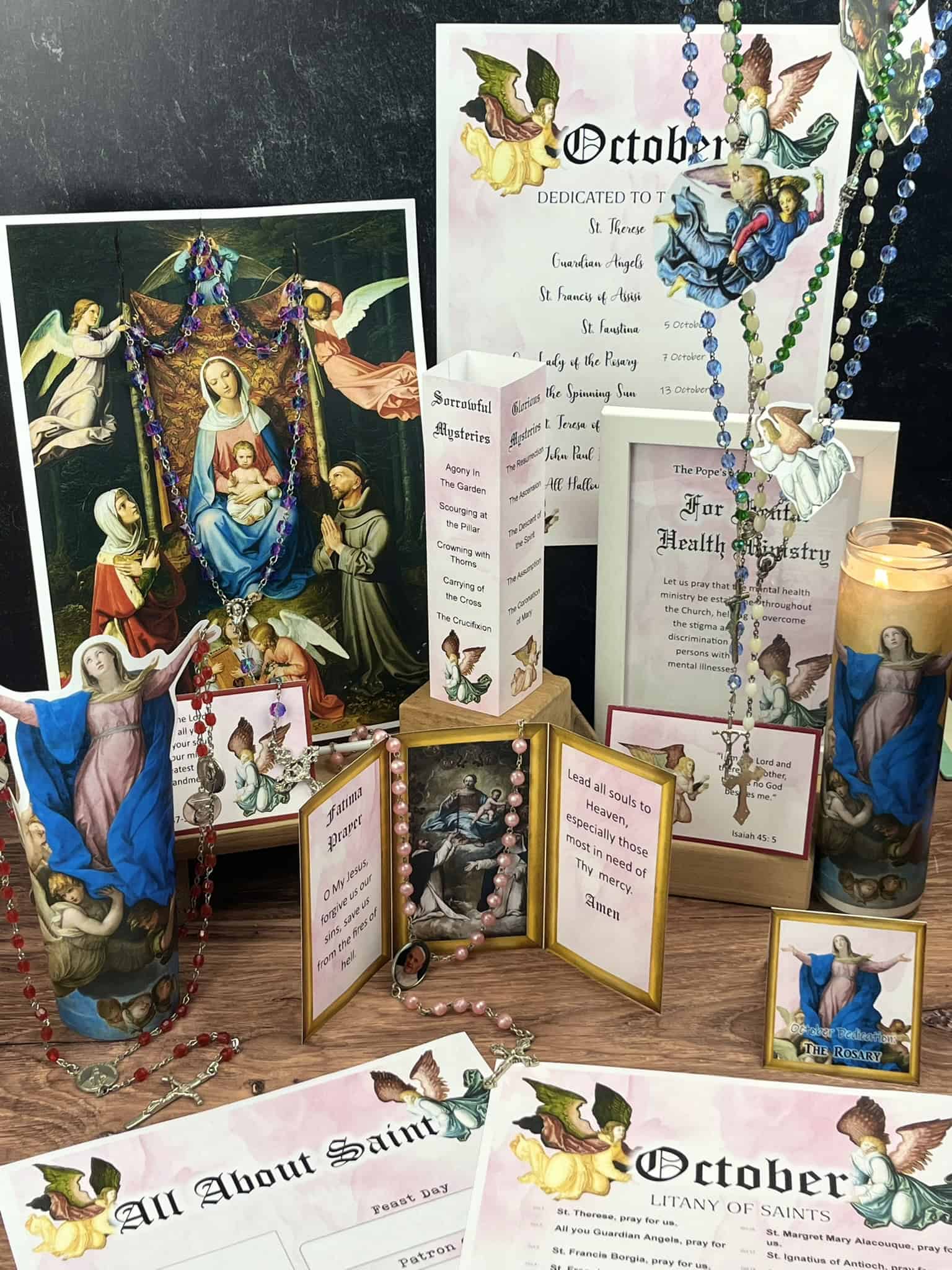
As the month of October begins, families and educators looking for creative ways to bring the Catholic liturgical calendar into their homes and classrooms have been provided with a new resource. A free printable "Saint of the Day" calendar has been released, offering a visual daily reminder of the holy men and women commemorated throughout the month.
The printable is part of a broader ongoing effort by creators Angie and the team behind the Catholic Icing Monthly Membership to design materials that are both visually appealing and practically useful. These resources are specifically tailored to help families integrate the rhythm of the church year into daily life, whether around a home altar, a classroom prayer table, or posted in prominent household locations such as the refrigerator.
While the comprehensive materials included in the Catholic Icing Monthly Membership rotate regularly and vary from year to year, organizers decided to make one of the decorative printable Saint of the Day calendars available to the public for free. The featured calendar was originally part of the October 2024 membership pack, but its redistribution offers a timely opportunity for those preparing for the new month.
October is widely recognized in the Catholic tradition as a month rich with major feast days and special devotions. Among the prominent celebrations occurring during this period are the feast days of St. Francis of Assisi and St. Therese of Lisieux, as well as the Feast of the Guardian Angels. In addition to these saintly commemorations, the entire month of October holds a traditional Catholic dedication to the Holy Rosary, prompting many families to incorporate related crafts, prayers, and activities into their daily routines.
The newly available free printable set includes two U.S. letter-sized pages titled the Litany of Saints in October. Designed to match the aesthetic theme of the October 2024 membership collection, the pages list one saint for every single day of the month. To accommodate different preferences and learning environments, the set features two distinct font choices, allowing users to select the style that best suits their family or classroom needs.
The pages can be framed in standard 8.5 by 11-inch frames or displayed in other creative ways to keep the saints front and center. Educators and parents are also encouraged to use the calendar as a springboard for extended learning, suggesting that children look up additional details about the designated saint or blessed individual each day to deepen their understanding of church history and tradition.
The release of the free calendar also highlights the broader ecosystem of resources available through the Catholic Icing platform, which aims to alleviate the common challenges parents face when trying to live liturgically. Many families express a desire to celebrate feast days and follow the church calendar more closely, but often find themselves constrained by busy schedules, a lack of preparation time, or uncertainty about where to begin. Organizers note that well-intentioned efforts can sometimes fall by the wayside amid the demands of daily life, leaving seasonal decorations up long after a liturgical season has passed.
To address these hurdles, the Catholic Icing Monthly Membership provides subscribers with pre-planned digital content prior to the start of each month. These subscription packages include home altar and prayer table printables, themed recipes with matching documentation, children’s activity pages, coloring sheets, and saint-themed crafts.
Beyond monthly subscription offerings, creators have developed long-term organizational tools such as the "Weaving the Faith" ebook and binder system. This resource is designed to help families map out and customize the liturgical year over multiple years, allowing them to build a permanent library of printables for feast days, sacrament anniversaries, and home worship spaces.
Access to the free October Saint of the Day calendar is being offered as an exclusive benefit for subscribers of the platform’s weekly newsletter. Individuals who request the download are automatically added to the newsletter distribution list, though recipients retain the option to unsubscribe at any time. Organizers have clarified that existing subscribers must still submit a specific request to receive the October file through the automated delivery system, ensuring that current followers do not experience duplicate newsletter subscriptions while still obtaining the new content.
With the arrival of October 1st, the release serves as a practical tool for parents and educators seeking to connect children with the communion of saints and the traditional devotions of the autumn liturgical season.
As the series continues to explore the complexities of cultural integration, conversion, and commitment, these traditional milestones serve not only as pivotal plot points for the characters, but also as windows into authentic Jewish practices. By weaving these customs into the fabric of television storytelling, the creators provide mainstream audiences with a nuanced look at rituals that mark significant life transitions and domestic milestones within the Jewish community.
Hanukkat Habayit
In the third episode of the third season, the central characters, Noah and Joanne, embark on a major relationship milestone by throwing a housewarming party to celebrate their shared living space. During the preparations, Joanne suggests a specific Jewish ritual to mark the occasion: hanging the final mezuzah on their doorpost. Impressing Noah with her growing familiarity with Jewish customs, she notes that the gathering can be framed as a hanukkat habayit.
A hanukkat habayit is a traditional Jewish custom rather than a strict legal commandment, meaning that the specific observances associated with it can vary widely depending on family background, geographic origin, and personal preference. However, Joanne’s instinct is entirely accurate; hanging a mezuzah is one of the most common and enduring ways individuals choose to fulfill this domestic custom. Linguistic enthusiasts may also note the etymological connection between the term and the winter holiday of Hanukkah. Both words share a foundational Hebrew root meaning “dedication,” with hanukkat habayit translating directly to the “dedication of the house.”
Because the custom is rooted in tradition rather than rigid law, its historical execution has taken many forms. For Sephardic Jewish communities in Amsterdam during the eighteenth century, a hanukkat habayit served as a formal occasion for communal Torah study and scholarly reflection. In the fictional world of Noah and Joanne, the ritual takes on a decidedly more contemporary television flavor, serving as a convenient social backdrop to make Joanne’s ex-boyfriend jealous and to impress Noah’s professional colleagues.
For many viewers, the term itself may be entirely unfamiliar—a reality playfully acknowledged in the show when Noah humorously remarks that the custom feels “too Jewish” for his immediate comfort. Yet, the underlying impulse behind the ritual is universally relatable. The custom transforms the basic, practical act of moving into a new residence into an intentional opportunity to gather loved ones under one roof, share a meal, and celebrate a fresh chapter in life. It reflects a cultural tendency to take a meaningful domestic milestone and infuse it with community, food, and connection, turning a simple housewarming into a profound act of home-making.
The Mikveh
As the narrative arc of season three reaches its climax in the final episode, Joanne formally completes her conversion to Judaism. A central element of this transformative journey involves visiting the mikveh, a traditional ritual bath designed for spiritual immersion. According to Jewish law, immersion in a mikveh is prescribed ahead of specific major lifecycle events, including formal conversion to Judaism and marriage, making Joanne’s ritual bath the natural and timely culmination of her spiritual preparation.
The theological and psychological dimensions of the mikveh are profound. As educational resources like My Jewish Learning explain, the waters of the ritual bath are designed to provide a symbolic spiritual cleansing from past actions and experiences. Within the framework of Jewish law, an individual who completes the conversion process and emerges from the waters is viewed similarly to a newborn child. This spiritual rebirth prepares the convert to engage with God, the community, and the world with a renewed spirit, unburdened by the past and oriented entirely toward the future. While this transition does not invalidate the meaningful experiences of a person’s prior life, it establishes that history as a prologue to a new identity and life as a member of the Jewish people.
While television drama often takes creative liberties, Joanne’s choice in the series to utilize the ocean as her natural mikveh is entirely kosher according to traditional standards, which permit natural bodies of living water. However, physical spaces designated for this purpose vary significantly across different communities. In the show, Joanne humorously compares traditional indoor facilities to a modest motel hot tub. In reality, while some historical or community spaces may be simple, others are meticulously designed, modern, and even spa-like in their architecture and amenities, reflecting the dignity and emotional weight of the ritual.
The ceremony itself follows precise protocols that vary slightly depending on specific community customs. In Joanne’s depiction, the process involves submerging herself fully beneath the water three separate times, reciting a specific traditional prayer with each immersion. The sequence begins with the standard blessing for the mikveh, followed by the foundational declaration of faith known as the Shema, and concludes with the Shehechiyanu, a blessing expressing gratitude for reaching a new and joyous milestone in time.
Following these solemn and deeply personal ceremonies, post-immersion celebrations within real-world communities vary widely, though renting an expansive beach house is perhaps unique to the dramatic license of television storytelling. Nevertheless, the integration of these authentic cultural and religious milestones into a popular streaming series underscores a broader trend of bringing lesser-known traditions into the mainstream cultural conversation.
An open letter addressed to Christian, Jewish, and other faith-based communities across the United States is calling for robust solidarity with the nation’s Muslim population. The appeal comes in the wake of an environment that community leaders describe as having been purposely and artificially saturated with Islamophobia by bad-faith political actors.
The core of the appeal relies on a shared sense of reverence for sacred figures across the Abrahamic traditions. To illustrate the gravity of the rhetoric, the letter invites readers to imagine a public political crowd laughing openly at the name of Mary, Moses, or Joseph—names deeply held and frequently carried by loved ones at home, whether as a mother, a grandfather, or a son. For Muslim Americans, that hypothetical scenario became a reality following remarks made during a political rally.
According to reports from Reuters and regional media coverage, the incident occurred during a campaign event in Dalton, Georgia. At the rally, comments were made regarding how individuals might address someone from the Middle East whose name is unknown, suggesting a generalized and dismissive placeholder. The rhetoric subsequently turned toward a Muslim Senate candidate from Michigan, drawing attention to identity and names in a public forum.
While reporting from the event noted that the crowd’s immediate response was relatively muted—a silence that observers say speaks volumes—the psychological impact on Muslim communities has been profound. For many families, the name Muhammad is carried with deep affection and honor, named in reverence for the Prophet of Islam. Hearing that name treated as a punchline or dismissed lightly at a high-profile political gathering has left many feeling alienated, vulnerable, and hurting.
The Broader Context: Attacks on Muslims in the Name of Sharia
Community advocates emphasize that this incident did not occur in a vacuum. For months, Muslim Americans have increasingly found themselves framed as an inherent societal threat under the recurring banner of "Sharia law." Civil rights and advocacy groups point out that no American Muslim organization has ever petitioned the courts or legislature to replace established American legal frameworks with religious law. Yet, legislative proposals, public speeches, and political talking points continue to invoke the concept as an imminent danger, persistently manufacturing a sense of alarm.
When viewed collectively, these occurrences form a distressing pattern rather than isolated incidents. A casual dismissal of a revered prophetic name at a political rally, localized educational controversies characterizing religious figures in derogatory terms, and legislative measures designed to counter entirely nonexistent threats all converge on a singular, exclusionary message: that Muslims do not belong in the broader American fabric. Historians, theologians, and interfaith leaders alike have long recognized where such rhetoric inevitably leads if left unchallenged.
Muhammad Ali and the Meaning of a Name
To contextualize the cultural weight, resilience, and eventual acceptance associated with the name Muhammad, community leaders often look back to the legacy of legendary heavyweight boxing champion Muhammad Ali. When Cassius Clay formally adopted the name Muhammad Ali in 1964 upon embracing Islam, the reaction from much of the mainstream sports establishment and public was marked by hostility and rejection. Many commentators and fans flatly refused to use his chosen name, subjecting him to ridicule and institutional pressure.
The challenges intensified significantly in 1967 when Ali refused military induction based on his religious convictions and conscientious objection. As a consequence, he was stripped of his championship titles, banned from boxing during the prime of his athletic career, and threatened with imprisonment. His legal battle ultimately reached the United States Supreme Court, which ruled unanimously in his favor in 1971 in an eight-to-zero decision.
Decades later, public sentiment underwent a profound transformation. By the conclusion of his life, Muhammad Ali had achieved status as a universally beloved American icon, transcending sports, politics, and religion. He was chosen to light the Olympic flame at the 1974 Atlanta Olympic Games and was awarded the Presidential Medal of Freedom in 2005.
When Ali passed away in 2016, his memorial service in Louisville, Kentucky, was designed as a multi-faith gathering, incorporating Muslim, Christian, Jewish, and other religious leaders who took active parts in honoring his memory—a structure he had personally planned prior to his passing. The trajectory of his life demonstrated that a man bearing the name Muhammad could ultimately become a source of immense pride for the entire nation. His historical journey remains a touchstone for interfaith organizations seeking to foster meaningful dialogue regarding faith, identity, and human dignity in public life.
As interfaith dialogues continue across the country, Muslim communities and their allies are emphasizing the importance of mutual support and shared values. The ongoing appeals for solidarity stress that preserving the dignity of all citizens is essential to maintaining a pluralistic society. Leaders from various religious backgrounds continue to express gratitude for those who stand resolute against bigotry, reinforcing a mutual commitment to support one another through challenging social and political climates.
For many parents, navigating the social behaviors of young children can feel like trying to solve a complex puzzle with missing pieces. This parenting paradox is familiar to countless families: a child who is loud, opinionated, energetic, and completely uninhibited within the familiar sanctuary of their own home suddenly transforms into a completely different person the moment they step into the outside world.
Renowned parenting expert and author Janet Lansbury recently addressed this exact phenomenon on an episode of her podcast, Unruffled. Responding to a distressed mother seeking guidance on her three-and-half-year-old daughter, Lansbury offered a fresh, counterintuitive perspective on what it actually means when a spirited child clams up in public social settings—and how parental anxiety might inadvertently be keeping them stuck.
The Home-Versus-Public Disconnect
The parent who wrote to Lansbury described her daughter as fun, busy, smart, and delightfully opinionated around her parents and grandparents. However, the moment other people are introduced—even familiar cousins or children the toddler has played with multiple times—the dynamic shifts dramatically. Instead of engaging with the enthusiastic greetings of her peers, the little girl retreats, refusing to answer and asking her mother to play with her instead.
This behavioral split becomes even more pronounced during structured weekly activities like gymnastics. The toddler eagerly anticipates the class, happily participates in initial stretches, and completes the first rotation on the bars without issue. Yet, the moment the class transitions to the next event, such as the balance beam, she abruptly stops moving. Despite knowing the coaches well and being offered gentle encouragement, hand-holding, or assistance, she sits frozen, occasionally shaking her head no, and remains stationary for the remainder of the class.
With preschool just around the corner, the mother expressed deep anxiety. Having experienced childhood shyness herself, she hates seeing her daughter labeled as "shy" by well-meaning observers and fears her daughter will experience similar roadblocks in a classroom environment where a parent cannot step in to rescue her.
Redefining ‘Shyness’ as an Alpha Behavior
Addressing the listener’s concerns, Lansbury noted that this dichotomy is far more common than many families realize. More importantly, she argued that labeling these children as "painfully shy" or fearful fundamentally misunderstands what is happening beneath the surface.
Lansbury, drawing from years of experience facilitating parent-toddler classes, categorizes these children as "strong-willed" or exhibiting "alpha behavior." These are bright, powerful children who possess big, intense personalities. While those traits manifest at home as bossiness, loudness, and strong opinions, they translate into a very different strategy in public social settings.
According to Lansbury, these children are not paralyzed by fear. Instead, they are taking a powerful, albeit stuck, position as observers. They want to enter a new situation gracefully, already knowing what to expect and executing everything perfectly. They do not want to risk vulnerability or make a mistake. Consequently, when peers and adults attempt to coax, encourage, or push them into participating, the child perceives a challenge to their autonomy and digs their heels in further.
The Trap of Well-Meaning Intervention
When parents, coaches, or relatives notice a child holding back, the natural human instinct is to intervene, rescue, or encourage them to join the fun. However, Lansbury explains that these well-intentioned actions often backfire.
When a parent rushes in to hold a child’s hand, coax them off the sidelines, or negotiate with them to try the next gymnastics apparatus, the child absorbs the parent’s underlying anxiety. They feel the pressure and the emotional weight of the adult’s concern. This dynamic inadvertently grants the behavior immense power, locking the child even deeper into their defensive stance. The child essentially thinks, Everybody wants me to do this, but I am holding my ground.
Lansbury draws parallels to other common developmental phases, such as toddlers asserting bodily autonomy by demanding adults stop touching them, or children latching onto specific controversial words because they notice the powerful reactions those words elicit from adults. In each case, the behavior persists largely because the adults around them react with worry or resistance.
Trusting the Child’s Process
The core solution, according to Lansbury, lies in a fundamental shift in parental perspective. Parents must move past the fear and worry that their child is missing out or suffering socially. By recognizing the behavior not as a painful handicap, but as a deliberate and intelligent choice by a child taking her time to assess her environment, the entire dynamic changes.
Parents are encouraged to clear the air of anxiety and worry. When visiting relatives or attending classes, adults should step back entirely from trying to orchestrate social interactions. If the child refuses to play with cousins, accept the refusal without trying to manufacture entertainment. If the child wants to sit quietly next to the parent or ask the parent to play, the parent can calmly decline to entertain them while warmly offering a secure, welcoming presence.
At gymnastics or upcoming preschool environments, Lansbury advises parents to resist the urge to step onto the floor or pull the child into the activity. Instead, parents should establish themselves as a calm, secure base, communicating through their relaxed demeanor that the child is entirely capable of participating whenever they feel ready—on their own terms and at their own pace.
By letting go of the need to fix or rush the child’s social development, parents free up the child to do their own important work: navigating complex social landscapes independently. This approach not only relieves the pressure on the family, but ultimately helps the child build genuine confidence, happiness, and pride in who they are.
In the ever-evolving landscape of modern home cooking and viral food trends, culinary innovators are constantly searching for ways to reinvent classic comfort foods. The latest creation capturing the attention of busy parents and food enthusiasts alike is the "Smash Chicken Caesar Taco"—an unconventional yet surprisingly harmonious fusion that marries the distinct, punchy flavors of a traditional Caesar salad with the crispy, handheld convenience of a smashed taco.
While the concept of combining a salad with a tortilla might initially sound strange or unorthodox, proponents of the recipe report that it delivers exceptional results. Packed with high protein, nutrient-dense vegetables, and wholesome healthy fats, the dish has quickly proven to be a hit among families, with home cooks noting that children eagerly consume the protein-rich meals without hesitation.
Smash Chicken Caesar Tacos
The foundation of a traditional Caesar salad is steeped in culinary history, traditionally featuring a rich, creamy emulsion crafted from anchovies, fresh garlic, sharp mustard, and other savory components. Tossed alongside crisp romaine lettuce leaves and substantial croutons, the classic salad has undergone numerous adaptations over the decades while preserving its core flavor profile.
This new culinary spin maintains those beloved foundational elements while introducing a modern cooking technique popularized by the viral "smash burger" trend. Rather than simply rolling shredded or grilled chicken into a tortilla, this recipe applies a seasoned minced or blended chicken mixture directly onto the surface of a tortilla shell. As it cooks in the pan, the meat becomes deeply golden and delightfully crispy, locking in moisture while adding a robust, savory depth.
The chicken component is heavily seasoned with an aromatic blend of Italian herbs, pungent garlic, onion powder, and a bright kick of lemon pepper. For the base, home cooks generally prefer using organic flour tortillas, though alternative options such as almond flour or cassava flour shells work equally well. Culinary experts suggest selecting tortillas that are relatively modest in size to ensure they remain manageable and easy to flip during the high-heat cooking process.
The Caesar Dressing Foundation
No Caesar-inspired dish is complete without a proper dressing, and this recipe offers versatility by accommodating both quick variations and more traditional preparations. The dressing relies on a balanced base of mayonnaise and yogurt, which introduces a tangy creaminess without overpowering the palate. Traditional earthy notes are brought forward through the inclusion of Worcestershire sauce and anchovy paste, while fresh lemon juice delivers brightness and acidity. Finished with a layer of herbs and grated Parmesan cheese, the sauce ties the entire dish together.
While culinary purists often advocate for scratch-made mayonnaise, contemporary home kitchens frequently rely on quality store-bought alternatives to save time during busy weeknights. Options utilizing avocado oil, such as those produced by brands like Primal Kitchen, provide a health-conscious shortcut for households managing multiple children and demanding schedules. Bulk pantry stocking through services like Thrive Market further assists busy families in maintaining access to wholesome ingredients.
Preparation and Meal-Planning Strategies
For optimal texture and taste, the completed tacos are best served fresh immediately after assembly, allowing the diner to experience the striking contrast between the warm, crispy meat-topped shell and the cool, crunchy salad ingredients. However, the recipe lends itself well to advance meal preparation.
Home cooks frequently double the recipe to yield enough portions for multiple meals, mixing the seasoned chicken blend and whipping up the Caesar dressing well ahead of time. Culinary notes suggest that the dressing actually improves in flavor after spending extended time resting in the refrigerator, as the robust ingredients are given the opportunity to thoroughly meld. Delivering a balanced nutritional profile rich in vitamins, minerals, and macronutrients, the smash chicken Caesar taco continues to redefine how traditional flavors can be reimagined for modern family dining.