The journey to starting a family is often envisioned as an exciting and joyous chapter in a couple’s life. However, for many, the reality of trying to conceive can quickly transform into a strenuous emotional and physical trial. According to medical experts and marriage counselors, the pressure of navigating fertility struggles can place an immense burden on a relationship, making it vital for couples to approach the process with awareness, patience, and mutual support.
Dr. W. David Hager, a prominent gynecologist and longtime member of Focus on the Family’s Physicians Resource Council, emphasizes that while trying to conceive is a natural milestone, the path is not always straightforward. Drawing on years of clinical experience, Dr. Hager offers critical insights into how couples can safeguard their marriages, manage physical and emotional stress, and navigate the complex medical landscape of fertility.
The Emotional and Relational Toll of Infertility
The difficulty of trying to conceive often takes couples by surprise. The emotional strain can manifest in feelings of inadequacy, resentment, and depression. A vivid picture of this struggle is detailed in the book Making Your Marriage a Fortress by Gary Thomas, which chronicles the experiences of a couple named Joe and Janelle.
Reflecting on the toll that years of unsuccessful attempts and medical interventions took on their relationship, Janelle shared in the book, "What it did to us emotionally was horrible. We both felt inadequate, and at various times we ended up blaming each other and fighting depression, and Joe even underwent surgery. It was one thing after another that took a large toll on us and our marriage."
Experts note that Joe and Janelle’s story is far from unique. When pregnancy does not happen immediately, partners frequently turn inward or direct their frustration at one another. To prevent this, healthcare professionals advise couples to recognize potential relational pitfalls early and prepare themselves for the possibility that conception may take longer than anticipated.
Managing Stress and Understanding Timelines
One of the primary recommendations from medical professionals is to actively manage stress. While easier said than done when facing fertility challenges, stress has a tangible, physical impact on the human body. Dr. Hager explains that elevated stress levels can directly alter ovulation in women and lower sperm counts in men, inadvertently working against the couple’s goals.
"Try your very best to relax and not rush the process," Dr. Hager advises. He encourages couples by highlighting that the statistical outlook for those seeking help remains promising. Approximately 50% of couples who seek professional treatment for infertility are eventually able to conceive, though a portion may face challenges carrying a pregnancy to term.
When it comes to knowing when to seek professional medical guidance, time serves as the primary benchmark. For women of reproductive age who are not using contraception, a standard guideline is to consult a physician after one full year of unsuccessful attempts. For women over the age of 35, that window is shortened to six months due to the natural decline in age-related fertility.
However, medical professionals stress that the one-year timeline should be viewed as a general guide rather than a rigid rule. Dr. Hager notes that many patients visit his clinic after fourteen or fifteen months of trying, only to find that no underlying medical pathology is present. In many cases, couples simply require a bit more time—sometimes an additional 18 months—before achieving a natural pregnancy.
Medical Evaluations and Underlying Factors
When a couple decides to consult a physician, the medical evaluation process typically begins with basic, stepwise testing. Obstetricians and gynecologists are generally trained in the foundational management of infertility, starting with comprehensive lab evaluations to assess overall health.
Physicians look for underlying medical conditions that could interfere with fertility, such as diabetes, hypertension, and disorders affecting the heart, liver, or kidney. If initial screenings yield normal results, doctors proceed to evaluate specific markers, including ovarian function, the performance of the hypothalamus and pituitary glands, and male sperm counts.
In many instances, identifying and treating an underlying medical issue can dramatically improve a couple’s chances of conceiving. For example, a hidden condition like an underactive thyroid can disrupt a woman’s ovulation, while certain routine medications—such as specific blood pressure drugs taken by men or treatments for hyperthyroidism—can alter or dilute sperm counts. A primary care physician can often resolve these barriers simply by adjusting a patient’s medication regimen or recommending targeted treatments.
For those situations that require specialized care beyond the scope of a general gynecologist, physicians will typically refer patients to a reproductive endocrinologist for advanced interventions.
Practical Steps and Enhancing Intimacy
For couples actively trying to conceive, integrating practical, medically sound habits into their daily routines can optimize their chances. Understanding the female reproductive cycle is paramount. Because ovulation—the release of an egg from the ovary—occurs roughly 14 days before a woman’s next menstrual period, tracking cycle lengths is essential. While some women experience a standard 28-day cycle, others have longer cycles, such as 35 days.
To pinpoint ovulation with greater precision, women can monitor their basal body temperature using a specialized basal body thermometer. Dr. Hager points out that a woman’s basal body temperature experiences a slight dip just prior to ovulation, followed by a rise of a few tenths of a degree on the exact day of ovulation. Additionally, over-the-counter ovulation predictor kits available at local pharmacies can take much of the guesswork out of the timing.
While timing intercourse around ovulation is critical, experts caution against overcompensation. Having sexual intercourse more than once a day can actually prove counterproductive by diluting the sperm count, thereby reducing the likelihood of conception.
The Role of Faith and Mutual Encouragement
Beyond the physical and clinical aspects of fertility, medical professionals and counselors emphasize the importance of emotional solidarity and spiritual grounding. Dr. Hager highlights joint prayer as a powerful tool for keeping couples unified, noting that partners are not always on the same page regarding their timeline or emotional readiness for children. Bringing faith into the process can also provide comfort, with many looking to biblical accounts of women such as Sarah, Anna, and Elizabeth, who faced infertility before eventually conceiving through grace.
Maintaining a positive, encouraging environment within the marriage is crucial. Blaming a partner for struggles with conception inflicts deep wounds on a relationship. Dr. Hager strongly encourages husbands to attend doctor appointments alongside their wives, noting that active participation fosters a sense of shared responsibility.
Support is equally vital for men who receive difficult news, such as a low sperm count. Such diagnoses often lead to feelings of inadequacy, making compassionate reassurance from a spouse indispensable. The ultimate goal, experts stress, is to ensure that the stress of the journey does not overshadow the strength of the marriage itself.
Exploring Alternatives: Hope Beyond Conception
While medical statistics show that a majority of couples dealing with infertility will eventually succeed in having a biological child, that outcome is not universal. For those who exhaust medical avenues, including multiple trials of in vitro fertilization without success, the journey does not necessarily end with an empty nursery.
Dr. Hager reminds patients that alternative paths to building a family remain deeply rewarding. Thousands of children in foster care and adoption networks are waiting for stable, loving homes. For couples who face the reality that biological conception may not be in their future, transitioning toward foster care or adoption can fulfill the deeply rooted desire to raise a family.
Reflecting on the broader picture, medical professionals offer a reassuring perspective to couples navigating these uncertain waters: even when a specific path does not go as planned, there are enduring avenues for building a family and raising children in a loving home environment.
When actor and cultural icon Henry Winkler recently sat down across the microphone from fellow Jewish comedian and actor Ike Barinholtz on the podcast "Funny You Ask," listeners were treated to an unexpected master class in gratitude, resilience, and unadulterated joy. Part trivia show and part long-form interview, the episode spans roughly an hour and thirty-eight minutes, yet manages to pack an extraordinary amount of emotional depth, humor, and heart into every single minute. For fans accustomed to Winkler’s decades-long presence in Hollywood, the conversation reveals a side of the octogenarian actor that goes far beyond standard celebrity charm, offering a profound look into a life shaped by both profound historical tragedy and an intentional, daily practice of celebrating the good.
At the heart of the conversation is a concept deeply rooted in Jewish tradition: hakarat hatov. While the term is most frequently translated simply as gratitude, its literal Hebrew meaning is "recognizing the good." It represents an active, deliberate practice of seeking out what is worth appreciating in the world around us, regardless of whatever challenging circumstances or personal trials we might be facing. Throughout the podcast episode, Winkler embodies this philosophy effortlessly, demonstrating a remarkable capacity to find wonder in everything from the majesty of nature to the thrill of meeting artists he deeply admires.
Among the many memorable stories Winkler shares during the sprawling interview is a humorous and unconventional reflection on how he spent a recent Yom Kippur. Instead of attending traditional services at a synagogue, Winkler decided to retreat into his garden, channeling his inner Emily Dickinson. There, surrounded by nature, he listened to Johnny Mathis’s stirring rendition of "Kol Nidre" while, in his own words, "musing with God." The image captures Winkler’s unique blend of spiritual introspection and lighthearted self-awareness, balancing solemn tradition with personal comfort and peace.
The conversation also highlights Winkler’s endearing, unbridled fandom, particularly when the discussion turns toward contemporary music. With a tone of pure awe, the Hollywood veteran brings up his genuine obsession with singer-songwriter Brandi Carlile, excitedly recounting an encounter where he managed to hug her. The sheer delight in his voice—recounting that he hugged her twice—reveals a performer who, despite decades of iconic status and widespread fame, retains the capacity to be utterly starstruck and enchanted by the creative work of others. Rather than leaning into jaded industry cynicism, Winkler greets the cultural landscape with the enthusiasm of an eager fan.
This same sense of profound appreciation and mindfulness extends to one of Winkler’s favorite pastimes: fly fishing. When discussing the sport, he explains that he invariably practices catch-and-release with the trout he hooks, viewing the creatures as far too majestic to ever consider eating. His respect for the animals is so absolute that he maintains he never consumes trout. He jokes playfully about his catches—swearing that while he never lies about the size of the fish he pulls from the water, he freely jokes about other personal matters—before pivoting to a sincere reflection on the emotional payoff of the experience. Describing the moment he successfully reels in a fish, Winkler explains that he feels joy radiating from his head to his toes, emphasizing that he never takes success for granted and remains endlessly grateful whenever it occurs.
Beneath the steady stream of self-deprecating jokes and lighthearted banter lies a profound acknowledgment of the people, memories, and experiences that have enriched his remarkable life and career. Winkler frequently describes his decades in the entertainment industry as an incredible journey, and his willingness to deflect the spotlight to kvell over fellow artists and friends underscores a deeply ingrained generosity of spirit.
As the conversation progresses, the discussion turns inward, prompting Barinholtz to remark on the distinctly cultural atmosphere of the episode, playfully labeling it "the Jewish hour." This designation unlocks a deeper, more poignant layer of the interview as Winkler opens up about his German-Jewish upbringing, balancing humor with devastating historical reality. When Barinholtz wryly asks why Winkler’s parents chose to leave Germany in 1938, Winkler delivers a classic, deadpan quip about a "short guy with a mustache" who struggled to comb his hair.
Behind the dark humor, however, lies an immense tragedy. While Winkler’s immediate family managed to escape Nazi Germany and emigrate to the United States, his extended family members were not as fortunate, ultimately perishing in the concentration camps. Reflecting on the heavy absence left by the Holocaust, Winkler shares a heartbreaking truth with Barinholtz, noting that he never had traditional aunts, uncles, or grandparents growing up in New York City.
True to form, Winkler quickly pivots away from dwelling solely on the devastating loss to honor the vibrant life and community his parents managed to build for their young family in America. He describes the German-Jewish immigrant enclave in New York, including the synagogue his parents helped found, and the rich exposure to nature and culture they provided. He notes how these cultural experiences included encounters with a traveling Russian dance group, whose artistry directly inspired the signature moves Winkler would later use to famously dance to "Hava Nagila" on the classic television sitcom "Happy Days."
Winkler makes it clear that while his family’s journey was fraught with hardship, the community they forged out of the ashes of tragedy became a powerful found family that allowed him and his parents to thrive. The resilience passed down through these generations informs the profound gratitude that defines Winkler’s outlook today.
While there is no single, monolithic Jewish approach to joy or gratitude, Winkler’s reflections provide a moving modern template for hakarat hatov in action. His willingness to notice what is worth celebrating, to deeply appreciate the people who bring color to our lives, and to allow himself to be genuinely delighted by the world offers a powerful lesson. Whether he is marveling at a trout in a quiet stream, listening to music in his garden, or recounting the improbable journey of his family’s survival, Henry Winkler reminds listeners that recognizing and celebrating the good in life is an intentional, joyous, and transformative practice.
Cancer remains one of the most pressing public health challenges in the United States, standing firmly as the second leading cause of death nationwide. While the disease can impact individuals across all demographics, health organizations emphasize that women face a uniquely elevated risk. According to data from the American Cancer Society, some of the most prevalent forms of cancer affecting women include lung, colorectal, endometrial, cervical, ovarian, skin, and breast cancers. Among these, breast cancer is by far the most diagnosed among women in the United States.
Statistics provided by the National Breast Cancer Foundation indicate that approximately one in eight women in America will receive a breast cancer diagnosis during their lifetime. These sobering numbers ripple outward, affecting entire communities, families, and social circles. Mothers, daughters, sisters, and friends form the backbone of countless households, yet they frequently encounter systemic barriers and personal hurdles that prevent them from addressing their own medical needs. Advocates stress that these women urgently need community encouragement and systemic support to place their physical and mental health at the forefront of their daily lives.
Medical researchers note that a variety of factors can influence an individual’s risk of developing breast cancer. Some of these risk elements are entirely outside of a person’s control, such as advancing age. However, other contributing factors offer opportunities for proactive lifestyle adjustments. These include physical inactivity, carrying excess weight after menopause, never having a full-term pregnancy, having a first child after the age of 35, abstaining from breastfeeding, and utilizing specific hormonal contraceptives or alternative hormone replacement therapies.
Health professionals point out that mitigating controllable risk factors can serve as an essential component of preventative wellness. Simple yet impactful measures—such as carving out time for regular physical activity, maintaining a healthy body weight, and engaging in open, proactive dialogues with healthcare providers about personal risk profiles—can significantly enhance long-term health outcomes. Yet, the reality of daily life for many women often pushes these vital health maintenance steps into the background.
Societal expectations often place an immense burden on women, particularly mothers, who routinely sacrifice their own well-being to care for children, partners, and aging parents. The cultural narrative that demands endless selflessness frequently leads women to neglect their own physical, psychological, emotional, and spiritual needs. When caregivers operate under the assumption that their own health can wait, the cumulative cost to their overall wellness can be severe.
Public health experts and community leaders argue that self-care is not a luxury or an act of selfishness, but an absolute necessity for sustaining long-term health and family stability. Navigating the delicate balance between overwhelming daily responsibilities and necessary personal rest remains a profound challenge for many. Nevertheless, establishing sustainable boundaries is critical for preserving the resilience required to manage life’s multifaceted demands.
Self-Care for Moms
Challenging cultural misconceptions about personal maintenance is the first step toward building a sustainable wellness routine. Health advocates emphasize that taking care of oneself is a fundamental responsibility rather than a selfish indulgence. Because individuals intimately understand their own bodies better than anyone else, paying close attention to physiological changes and seeking timely medical advice can make a profound difference in early detection and treatment. Transitioning toward a healthier lifestyle does not require an immediate, radical overhaul; rather, it begins with small, manageable habits designed to support long-term cancer prevention and general vitality.
One of the most common oversights in busy households is the postponement of personal medical appointments. Mothers are frequently the primary organizers of family healthcare schedules, ensuring that children, spouses, and elderly relatives attend their regular check-ups, dental visits, and specialist consultations. Unfortunately, a mother’s own appointments often take a permanent backseat. Public health advocates urge women to afford their own health the exact same level of diligence and urgency that they dedicate to their families, ensuring that routine screenings and preventative evaluations are never skipped.
Concurrently, patient education plays a pivotal role in early intervention. By familiarizing themselves with the common warning signs and symptoms associated with various cancers, women can engage in more informed discussions with their healthcare providers. Recognizing subtle physiological changes and refusing to dismiss persistent health concerns while busy caring for others allows patients to become empowered advocates for their own wellbeing.
Beyond clinical visits, addressing the unrealistic societal expectations placed on women is vital for reducing chronic stress, which is widely recognized as a contributor to various illnesses. Women are frequently expected to maintain high levels of productivity, manage domestic responsibilities, look a certain way, and contribute economically, often while navigating systemic hurdles such as unequal pay and limited institutional support. Setting firm boundaries to make room for rest, enjoyment, and simple moments of quiet reflection can dramatically lower stress levels. Whether it is taking a quiet walk, enjoying a favorite beverage, or simply stepping away from daily chores for a few minutes, these moments of respite help restore emotional and physical equilibrium.
Integrating physical activity into a busy schedule presents another major hurdle for many women, but starting small can pave the way for lasting habits. Whether through walking, strength training, yoga, cycling, dance, or martial arts, finding an enjoyable form of movement is key. For those who struggle with motivation, partnering with a friend or family member can provide the necessary accountability and turn exercise into a rewarding social activity.
Furthermore, fostering strong connections with friends and family remains a vital emotional pillar. Individuals who have navigated serious illnesses like cancer frequently reflect on the immense value of time spent with loved ones. Cultivating these relationships through regular phone calls, shared meals, or simple visits offers invaluable comfort, affection, and emotional companionship.
Dietary habits also play an integral role in maintaining holistic health. Many individuals look to traditional and religious guidance for nutritional wisdom, focusing on consuming wholesome, nourishing foods and staying adequately hydrated while avoiding the overconsumption of heavily processed, fatty, or sugary items. Incorporating traditional dietary elements into everyday meals in alignment with individual health needs can further support overall vitality.
Finally, nurturing spiritual well-being provides a vital framework for resilience. Engaging in regular spiritual practices, prayer, and reflection helps individuals navigate health crises and life challenges with patience, hope, and peace of mind. These moments of quiet devotion serve as a powerful reminder that individuals do not have to face life’s hardships alone.
The widespread prevalence of cancer means that virtually everyone is touched by the disease in some capacity, whether through a personal diagnosis or the experience of watching friends and family members fight the illness. Community advocates emphasize that while preventative measures and lifestyle modifications cannot entirely eliminate the risk of illness, they provide a strong foundation for overall health and well-being. Ultimately, prioritizing personal care serves as an expression of gratitude for life, while individuals continue to place their trust in medical science and faith for healing and strength.
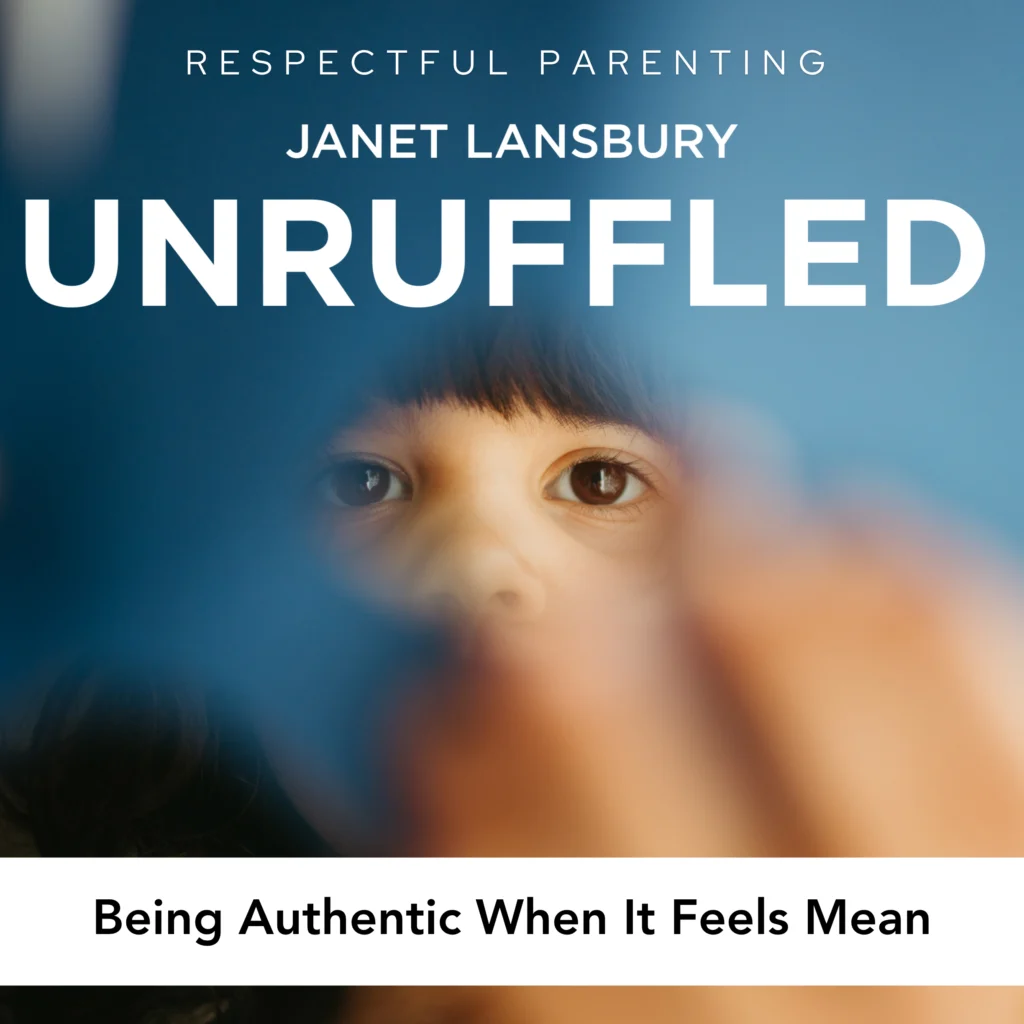
In a recent episode of her parenting podcast Unruffled, renowned author and parenting specialist Janet Lansbury addressed a common and deeply relatable dilemma faced by caregivers: how to remain authentic with young children when genuine emotional responses—such as annoyance or anger—feel harsh, mean, or potentially damaging to the parent-child bond.
The discussion was prompted by a candid email from a mother of a three-year-old and a nine-month-old. The parent shared her ongoing struggle to balance her personal therapeutic journey of identifying and allowing her own emotions with her desire to protect her young children from feeling rejected. Specifically, she questioned whether it is appropriate—or emotionally honest—to decline a hug from her toddler after feeling frustrated by disruptive behavior, or if doing so unfairly projects adult emotional baggage onto a small child.
The parent’s dilemma highlighted a nuanced tension in modern gentle parenting frameworks. While philosophies like Lansbury’s emphasize building authentic, respectful relationships where children learn that all feelings are acceptable, parents frequently grapple with how to manage their own boundaries when they feel depleted, impatient, or genuinely unenthusiastic about physical affection in moments of friction.
Lansbury, who has long advocated for respectful parenting approaches rooted in the philosophies of Magda Gerber, noted that the mother’s question opens up several critical layers of understanding regarding child development, parental triggers, and the true definition of emotional authenticity within a household. Rather than dismissing the mother’s concerns, Lansbury used the inquiry to unpack the complex dynamics at play when young children push boundaries and parents try to navigate their own emotional landscapes without masking or over-sharing.
At the heart of the mother’s dilemma was a specific daily scenario: her three-year-old son would repeatedly throw items she had just finished tidying, not out of malice, but seemingly for fun or impulsively. In response, the mother would typically offer a detailed explanation outlining why she found the behavior unacceptable and why she was moving the items away. Shortly afterward, the toddler would approach her asking for a hug on the couch. Because the mother still felt lingering annoyance from the earlier disruption, she felt that offering a warm embrace would be entirely inauthentic, yet she worried that refusing the hug would make her son feel rejected or lead him to believe he is only loved when he is "good."
Lansbury acknowledged the profound weight of this struggle, pointing out that a significant portion of adults were raised in environments where expressing strong emotions—particularly anger—was discouraged or treated as unwelcome. For adults working through this conditioning, learning to recognize and allow their own feelings is an ongoing process. However, Lansbury offered a vital reframing of the child’s perspective, suggesting that parents often underestimate a child’s deep awareness while overestimating their impulse control.
According to Lansbury, children do not engage in disruptive actions simply to annoy their parents or because they are having harmless fun. Instead, such impulsive behaviors often signal underlying stress, a cry for connection, or a subconscious test of boundaries. In the context of this specific family, Lansbury noted that the arrival and growing mobility of a nine-month-old sibling represented a massive, often terrifying life transition for a three-year-old. When toddlers feel out of sorts, overwhelmed, or anxious about their shifting place in the family dynamic, they frequently resort to impulsive behaviors that draw a strong reaction from their parents, effectively signaling a need for safety and co-regulation.
When parents understand the vulnerability and anxiety driving a child’s behavior, Lansbury explained, it becomes much easier to move past raw annoyance and respond with calm, confident authority rather than reactive frustration. However, Lansbury firmly validated the mother’s instinct that she does not need to force a physical hug when she genuinely does not feel like offering one.
Lansbury emphasized that true authenticity in parenting does not mean unloading every adult emotion onto a child, nor does it require performing enthusiasm or affection that does not match one’s internal state. Forcing a warm embrace when feeling genuinely irritated can create an insincere dynamic that children are intuitively sensitive to. Instead, Lansbury suggested that parents can establish clear, respectful boundaries without over-explaining or bringing adult baggage into the interaction. A simple, calm statement—letting the child know that a hug is not available right now, but that love remains constant and physical affection will return later—allows the parent to remain honest while reassuring the child of the relationship’s security.
Throughout the discussion, Lansbury praised the mother’s high degree of self-awareness and her dedication to working through personal triggers in therapy. She emphasized that striving for an honest relationship where a parent can acknowledge their own boundaries respectfully is a powerful gift to a child. By separating adult emotional processing from the immediate behavioral correction, parents can maintain clear limits without making children responsible for managing their caregivers’ moods.
The conversation underscored a central tenet of Lansbury’s broader philosophy: that parenting is not about achieving perfection or remaining endlessly patient, but about striving toward a direction of mutual respect, emotional honesty, and continuous repair. By recognizing that boundaries can be set firmly and kindly without falling into the trap of over-explanation or forced affection, caregivers can model genuine emotional regulation for the children in their care.
For many households, the morning rush presents a daily logistical challenge, particularly when it comes to preparing a nutritious breakfast before work, school, and other early commitments. While quick options like smoothies and overnight oats remain popular mainstays of the morning routine, a growing emphasis on high-protein diets has shifted attention toward more substantial, savory meal-prep solutions. Among these, the broccoli cheddar egg bake has emerged as a favored option for families seeking a balance between minimal effort and high nutritional value.
The appeal of this particular breakfast casserole lies in its efficiency. Requiring only a few minutes of active preparation time before the oven handles the remaining work, the dish can easily be assembled during the early-morning coffee-making ritual. Once in the oven, the bake cooks unattended, allowing individuals to progress through their morning routines without standing over a stove. Furthermore, its ability to retain texture and flavor upon reheating makes it an ideal candidate for weekend meal prepping, providing ready-to-eat portions for breakfast or lunch throughout the busy workweek.
Why I Love This Broccoli Cheddar Egg Bake
Egg casseroles have long been recognized by home cooks as a cornerstone of efficient meal planning due to their inherent versatility. This specific recipe modernizes the traditional egg bake by incorporating cottage cheese alongside standard whole eggs. This addition serves a dual purpose: it significantly boosts the overall protein content—delivering roughly 30 grams of protein per serving—while imparting a rich, creamy texture without the need for heavy cream. Meanwhile, shredded cheddar cheese introduces a savory depth of flavor, and broccoli contributes vital color, dietary fiber, and essential micronutrients.
Another notable advantage of the recipe is its reliance on pantry and freezer staples. Fresh produce can easily be substituted with frozen broccoli without compromising the final outcome, eliminating the need for an extra grocery run. The seasoning profile is intentionally understated, featuring simple additions that allow the primary ingredients, particularly the cheese and the broccoli, to take center stage.
Naturally gluten-free, the casserole adapts seamlessly to various dining scenarios, ranging from rushed weekday mornings to relaxed weekend brunches. It pairs well with a variety of side accompaniments, such as fresh fruit, sliced avocado, or roasted potatoes, transforming a simple egg dish into a more comprehensive meal. Because the recipe yields multiple servings, it offers a practical solution for feeding larger households or simply getting ahead of the weekly meal schedule.
Tips for the Best Egg Casserole
Achieving optimal results with an egg bake relies on a few straightforward culinary techniques. Whisking the cottage cheese directly into the eggs creates a smooth, uniformly fluffy base, while the broccoli cooks evenly within the mixture without turning unpleasantly mushy. Allowing the casserole to rest for a brief period after removing it from the heat source is an essential step; this rest allows the internal structure to set properly, facilitating clean and neat portioning when serving.
Storage and reheating methods further enhance the practicality of the dish. Leftovers maintain their quality when stored in the refrigerator for several days. Reheating a portion is easily accomplished using an oven, toaster oven, or air fryer, methods that restore much of the texture and warmth associated with a freshly baked casserole.
Nutritional data for the broccoli cheddar egg bake indicates a robust profile designed to sustain energy levels through the morning hours. Each serving contains approximately 383 calories, with 26 grams of total fat—including 12 grams of saturated fat—and a substantial 30 grams of protein, accounting for roughly 60 percent of the recommended daily value. The dish also provides notable amounts of essential vitamins and minerals, including calcium, vitamin A, and vitamin C, alongside moderate sodium levels.
Whether the goal is efficient weekly meal preparation, hosting a weekend gathering, or simply finding a nourishing morning meal that minimizes active kitchen time, the broccoli cheddar egg bake represents a practical addition to the culinary rotation. Combining wholesome ingredients with straightforward preparation, it offers a dependable solution for navigating the demands of busy modern schedules.
Waldorf education has found itself in the national spotlight, featured prominently in the August issue of Parents magazine in an in-depth story titled "How Boys May Benefit From ‘Redshirting’ in Kindergarten." The piece explores the growing national conversation surrounding the practice of delaying kindergarten entry, particularly for young boys whose developmental timelines may not yet align with traditional academic pressures.
However, the mention in the prominent parenting publication has also sparked a necessary clarification from educators within the Waldorf community regarding how their pedagogical model approaches early childhood development. While the Parents article claims that "Waldorf schools advocate for redshirting," educators and representatives from the movement emphasize that framing their philosophy through the lens of redshirting misses the fundamental design of the curriculum itself.
Rather than viewing the delay of formal schooling as a tactical holdback—which is the typical definition of redshirting in conventional American education—Waldorf schools operate on a foundational framework where early childhood education is intentionally designed without the premature introduction of formal academics. In a true Waldorf setting, children do not begin formal academic instruction, such as reading, writing, and structured arithmetic, until they reach the first grade, which typically aligns with their seventh year of life.
To understand why Waldorf education often intersects with discussions on delayed kindergarten entry, it is essential to examine the core principles guiding the movement. Founded on the educational philosophies of Rudolf Steiner, Waldorf pedagogy prioritizes a developmentally appropriate approach that honors the unique pacing of childhood. Rather than rushing young children into abstract academic tasks, preschool and kindergarten years in Waldorf environments are dedicated to imaginative play, artistic activities, practical tasks, and social development.
This deliberate structure means that the question of whether a child is "ready" for kindergarten in the traditional sense is reframed. In conventional school districts, kindergarten has increasingly absorbed the academic rigor and testing culture once reserved for older grades. Consequently, parents of children with summer birthdays, or parents of boys whose neurological and emotional maturation may lag slightly behind their female peers, often feel compelled to hold their children out of school for a year so they can cope with these heightened academic demands.
In contrast, Waldorf educators argue that their schools are inherently structured to meet the young child’s developmental stage from the outset, eliminating the need for parents to strategize about when to push their children into an environment that might otherwise demand too much too soon. Nevertheless, the reality of modern educational landscapes means that families frequently look to Waldorf programs as an alternative precisely because they wish to avoid the pressures of early academics found in many public and private institutions.
Weighing in on the broader discussion of age, readiness, and academic entry points, Beverly Amico, the executive director of advancement at the Association of Waldorf Schools of North America, sheds light on the philosophy guiding these educational choices.
"Research shows that starting formal schooling closer to age seven supports stronger self-regulation, social skills, and cognitive readiness," says Amico.
The distinction Amico draws highlights a core tenet of alternative educational philosophies: the belief that pushing children into abstract learning before their bodies and nervous systems are fully prepared can create unnecessary friction and anxiety. By allowing children the space to develop foundational capacities through experiential learning and play, educators aim to build a resilient psychological and emotional foundation.
"This is not about holding children back," Amico explains, addressing the common misconception that delayed entry is a punitive or remedial measure, "but about ensuring that each student is ready to learn without undue stress at a young age. This is one factor in supporting the love of learning."
The perspective shared by the Association of Waldorf Schools of North America resonates with a growing segment of parents, pediatricians, and child development specialists who worry that the academicification of early childhood education may come at the expense of vital social-emotional growth. As discussions around kindergarten redshirting continue to make headlines in publications like Parents magazine, the debate brings broader visibility to alternative educational models that have long championed a slower, more deliberate entry into the world of formal schooling.
For families navigating the complex decisions surrounding school readiness, features in mainstream parenting outlets provide an opportunity to explore different educational paradigms. Whether examining the practice of redshirting within conventional school systems or looking at the inherent developmental pacing of a Waldorf curriculum, parents are increasingly seeking environments that prioritize the holistic well-being of the child.
Further details and the complete discussion on how boys and other students may benefit from thoughtful timing in early education can be found by reading the full feature in Parents.
Communities around the globe are increasingly seeking spaces for meaningful connection, thoughtful dialogue, and personal reflection. In response to this growing desire for deeper community engagement, a nationwide initiative is inviting individuals to spearhead local gatherings focused on modern spiritual principles. The program, known as Spiritual Living Circles, offers a straightforward yet profound framework for people to gather, converse, and explore elevated concepts of daily living in a supportive group setting.
At its core, the concept behind the Spiritual Living Circles program is remarkably accessible. Organizers are inviting community members, spiritual seekers, and anyone interested in philosophical exploration to host intimate gatherings of friends, neighbors, or colleagues. These circles serve as conversational hubs where participants can discuss ideas regarding how to live a purposeful, spiritual life. The primary literary touchstone for these discussions is Guide for Spiritual Living: Science of Mind magazine, a well-known publication dedicated to practical spirituality, positive thinking, and holistic personal growth.
To help hosts facilitate these gatherings without friction, the program provides comprehensive support. Organizers supply complimentary monthly discussion guides tailored specifically to the themes explored in the magazine. These guides are designed to spark organic conversations, ensuring that even first-time hosts feel fully equipped to guide their circles through nuanced topics without needing formal moderation experience or advanced theological training.
The accessibility of the program extends beyond the discussion materials. In an effort to encourage widespread participation and provide immediate resources to newly formed groups, the program features a direct incentive for registration. Once an individual officially registers their circle, both the host and all participating members receive an exclusive email containing a link for a complimentary, six-month digital subscription to Science of Mind magazine. This digital access ensures that every member of the circle has direct, ongoing access to the foundational texts and articles that inform their monthly meetings.
While the primary materials and current subscription offerings are provided in English, organizers have noted that the program is welcoming to diverse linguistic communities. The digital format of the magazine allows participants to utilize various online translation tools, making the content accessible to individuals who may prefer reading or discussing these spiritual concepts in languages other than English. This adaptability ensures that the circles can reflect the rich cultural and linguistic diversity of modern communities.
The origins of this initiative are deeply rooted in the broader mission of fostering connection and spiritual evolution through shared dialogue. For decades, publications and organizations affiliated with the Science of Mind philosophy have championed the idea that individual spiritual awakening is amplified when shared within a community of like-minded seekers. Spiritual Living Circles translate this philosophy into a grassroots format, shifting the locus of spiritual education from traditional lecture halls and auditoriums into living rooms, community centers, and local coffee shops.
Observers of modern community trends note that programs encouraging face-to-face dialogue are experiencing a notable resurgence. As people navigate increasingly digital lifestyles, initiatives that foster intentional, in-person conversations about values, purpose, and personal well-being fulfill a critical social need. By leveraging the structured insights of a monthly magazine, these circles provide a safe and intellectually stimulating environment where participants can explore big questions without the polarization frequently found in other public forums.
Participation in the program is designed to be entirely voluntary and flexible, allowing hosts to tailor the frequency, duration, and exact format of their gatherings to suit the preferences of their specific group. Whether a circle meets weekly, bi-weekly, or on a monthly basis, the foundational goal remains the same: to cultivate a space of authenticity, open-mindedness, and mutual support.
For those interested in learning more about how to establish a circle, obtain the complimentary monthly discussion guides, or begin the registration process for the six-month digital magazine subscription, organizers have established a direct point of contact. Individuals can reach out directly via email to the dedicated coordination team at [email protected] to receive simple instructions on how to get started and bring an awakened conversation to their local community.
As autumn arrives, the changing leaves and steady rhythm of community days signal that homeschool families are settling deeply into their academic year. Around Week 7 of the fall term, however, parents frequently pause to reflect on a fundamental question: what is all this memory work really for?
To address that core inquiry, Classical Conversations has released its October 2026 Parent Connections newsletter. Designed specifically to encourage and equip member families, the latest edition introduces a new multimedia video series, recommended reading for parental continuing education, exciting extracurricular opportunities like the National Number Knockout, and enriching historical field trip ideas as the nation approaches its 250th anniversary.
What’s the Point? Seeing the Connections in Foundations Memory Work
The heart of the October newsletter tackles the apparent disconnect that parents often notice when looking at a single week of study. For instance, in Week 7 of Foundations Cycle 3, a typical family might find themselves tackling the 13s multiplication facts, Latin noun vocabulary, the human excretory system, the conjugation of the verb “to rise,” the historical context of the Monroe Doctrine, and memorizing United States states and capitals.
Viewed strictly on paper as isolated data points, these subjects can appear entirely unrelated. Yet, the foundational philosophy of classical education relies heavily on helping students recognize underlying patterns and connections. A child who learns to perceive order and mathematical patterns in arithmetic is simultaneously exercising the exact same cognitive skill required to trace cause and effect through complex historical eras or accurately map out a nation’s geography.
To bridge the gap between rote memorization and meaningful comprehension, Classical Conversations has launched a new video series titled "What’s the Point?" Featuring short, accessible weekly segments, the series walks parents and students through specific weekly memory work, demonstrating how seemingly disparate facts build lasting, interconnected habits of mind. Rather than focusing solely on what children are learning, the series equips parents to discuss why that learning matters in the broader context of a classical education.
The weekly rollout begins with the featured segment on Foundations Cycle 3, Week 7, guiding families on how to integrate the series into their regular home routines.
Memorization Is Just the Beginning
A persistent challenge for families new to the classical model is overcoming the common misconception that classical education is defined entirely by rote memorization. Addressing this head-on, the Classical Conversations blog and the Everyday Educator podcast have dedicated their fall programming to dismantling this myth and exploring the true scope of classical, Christian education.
Through ongoing discussions and practical episodes, the Everyday Educator podcast continues to serve as a companion for homeschool parents, emphasizing that classical learning is not merely a curriculum, but an entire lifestyle. These resources aim to provide daily encouragement, showing how early memorization acts simply as the raw material for later stages of logic, reasoning, and articulate expression.
Books to Grow Your Own Classical Education
Recognizing that classical education is a lifelong journey meant for parents as well as children, the October newsletter highlights several literary resources designed to foster adult learning and professional growth within the homeschool community.
Among the top recommendations is The Habits of a Classical Education: Practicing the Art of Grammar. Serving as a comprehensive guide for the entire homeschool journey, the book offers practical insights across traditional academic disciplines, including reading, writing, math, geography, history, science, and the fine arts. Each chapter is thoughtfully structured to help parents actively live out the Five Core Habits alongside their children.
Additionally, families are encouraged to download Echo in Celebration: A Call to Home-Centered Education, a complimentary ebook detailing the personal homeschool journey of Leigh Bortins, the founder of Classical Conversations. The text provides historical context on the origins of the organization and explores the enduring benefits of educating children at home using time-tested classical Christian methods. Additional reading can be found through the Cultivating Christian Leaders collection in the official CC Bookstore.
Putting Knowledge into Practice with National Number Knockout
For students looking to put their mathematical habits of mind to the test, the October update brings exciting news regarding the National Number Knockout competition. Often referred to as N2K, this mental math tournament challenges students to roll three dice and race against a 60-second timer to construct as many valid mathematical equations as possible to match numbers on a dedicated game board.
Designed to foster a genuine love for mathematics, build academic confidence, and encourage excellence, the competition is open to students ages 11 to 14 participating in Essentials, Challenge A, or Challenge B programs. The 2027 tournament cycle will culminate in an exciting championship event held aboard the 2027 CC Family Cruise, with interested families encouraged to subscribe to the N2K newsletter for updates and preparation guidelines.
Taking Learning on the Road: Museum of the Bible Homeschool Days
Beyond the home and community day classrooms, the October newsletter highlights hands-on member benefits that turn travel into education. As the United States prepares to celebrate 250 years of history, homeschool families are invited to participate in Homeschool Days at the Museum of the Bible in Washington, D.C.
The immersive exhibits are designed to engage students of all grade levels by exploring the historical impact of the Bible on the nation’s founding, cultural ideals, and historical development. To assist families in making the most of their journey, the organization also provides comprehensive guides for planning broader Washington, D.C. educational field trips.
Staying Connected with Classical Conversations
The Parent Connections newsletter remains a staple communication channel for member families each month, keeping communities informed alongside active updates on platforms such as Facebook, Instagram, YouTube, and BAND.
The current edition also directs members toward seasonal promotions, including the CC Bookstore’s Fall into Savings Sale and Best Equation of the Year features, alongside partner resources from Heritage Defense and College Prep Genius. Furthermore, community members interested in expanding their involvement with the organization can explore ongoing career opportunities through the Classical Conversations home office.
In contemporary dating culture, the landscape of interpersonal relationships has expanded far beyond the traditional binary of casual dating and committed partnership. Among the various modern dynamics, the friends-with-benefits (FWB) arrangement has become an increasingly common phenomenon. Sitting squarely in the gray area between platonic friendship and romantic entanglement, these relationships offer a unique blend of physical intimacy and emotional independence. However, as many individuals discover, navigating this territory requires a delicate balance of boundary-setting, emotional awareness, and open communication.
At its core, a friends-with-benefits relationship means that two people who are already friends engage in physical intimacy without the traditional commitments associated with a romantic relationship. Within this dynamic, there is typically no assumed exclusivity and no defined future. It is an arrangement that exists somewhere between friendship and romance, built on mutual consent and convenience. For many, the appeal lies in the desire for physical connection without the heavy time investments, societal expectations, or future-focused pressures of conventional dating.
Despite the initial appeal of a low-pressure connection, these arrangements frequently encounter hurdles. Friends-with-benefits relationships often get complicated when feelings become one-sided. In the course of a physical and emotional connection, one participant may develop deeper feelings while the other does not. Furthermore, the situation can quickly turn tricky when expectations shift without an explicit conversation, when one person starts dating someone else outside the arrangement, or when the physical side of the dynamic begins to overshadow the foundational friendship that preceded it.
When assessing the viability of such an arrangement, questions often arise regarding its longevity. In practice, there is no set timeline for an FWB relationship. Some arrangements naturally run their course over a few months, while others endure successfully for years. Ultimately, the lifespan of the arrangement depends heavily on whether both individuals remain genuinely comfortable with the dynamic, whether communication stays transparent, and whether their respective feelings remain compatible over time as their lives evolve.
Deciding whether a friends-with-benefits relationship is a good idea requires careful personal evaluation. Such an arrangement may serve as a positive and satisfying choice if both individuals are completely aligned on what they are looking for and what they are willing to offer. Under the right circumstances, it can provide a comfortable, low-pressure space. Conversely, it can easily transform into a source of confusion and hurt if expectations are left undiscussed. Relationship experts frequently point out that open communication and regular self-reflection give this type of relationship the best possible chance of working without causing unintended harm to either party.
A common question that arises among participants is whether these casual dynamics can ever evolve into something more serious. The reality is that some FWB arrangements do indeed transition into fully committed relationships. This typically happens when both individuals happen to develop romantic feelings around the same time and find themselves mutually open to deepening their connection. That being said, remaining in a casual arrangement in the secret hope that it will eventually transform into a traditional romance carries a significant risk. Individuals who stay in this mindset often end up deeply hurt if the other person ultimately does not share the same romantic perspective.
Emotional hurdles are also a frequent reality, prompting many to wonder about the normalcy of experiencing jealousy within a casual framework. Experts note that jealousy is a completely normal reaction, even in FWB arrangements that are explicitly meant to be casual and non-exclusive. This emotional response occurs because physical intimacy naturally triggers human attachment and bonding hormones. When jealousy arises, it often serves as an important psychological signal that the current situation may no longer align with an individual’s true emotional needs and desires.
Eventually, many friends-with-benefits arrangements reach a natural conclusion, raising the delicate question of how to end the dynamic without destroying the underlying friendship. According to relationship specialists, the most effective approach is to be direct and honest. Ghosting, making excuses, or actively avoiding the other person typically inflicts far more damage to the platonic bond than having an adult conversation. Successful navigation of this phase involves being clear about why circumstances have changed, expressing genuine appreciation for the positive aspects of the experience, and allowing both individuals to give each other some necessary space afterward to readjust the boundaries of their friendship.
As the mother of three children ages 14, 12, and 10, the daily rhythm of life is defined by a familiar and relentless routine of logistical management. Between keeping track of who needs their violin for school, searching for a misplaced lunchbox, or wondering how the household has managed to run out of groceries yet again, my mind is constantly occupied by the immediate needs of my family. Yet, somewhere between the endless cycle of school pickups, evening gymnastics practices, and folding towering piles of laundry, my thoughts inevitably drift toward a much larger, weightier question: What kind of future are we actively creating for our children, and what sort of country will they ultimately inherit?
Like most parents navigating the complexities of modern life, I want my kids to grow up in an America where differences are not viewed as existential threats, but rather as valuable opportunities to learn from one another. I want them to witness living examples of mutual respect, peaceful engagement, and active civic responsibility. With midterm elections now just weeks away, the present moment offers a critical window to model those essential values directly within our own homes, dinner tables, and local neighborhoods.
Election seasons have historically brought out the best in American democracy. There is a palpable sense of shared purpose when we proudly wear our bright red, white, and blue "I Voted" stickers, serving as a reminder that ordinary citizens possess a direct voice in shaping the trajectory of our communities and our nation. At the same time, however, election cycles can starkly expose real and present risks. Contemporary political seasons are frequently complicated by widespread disinformation campaigns, deep and enduring societal divisions, a measurable decline in public trust in democratic institutions, and the looming, persistent threat of political violence.
These complex challenges extend far beyond the outcome of any single election. They serve as a stress test for the democratic norms and the foundational civic trust that have successfully sustained the United nation for generations. At times, it can certainly feel as though our political differences are widening into unbridgeable chasms while our collective ability to converse across those divides is rapidly shrinking. Too often, contemporary American culture encourages citizens to view one another with deep suspicion rather than assuming the best intentions of our fellow community members.
In truth, however, a functioning democracy has never depended on uniform agreement. In fact, disagreement is inherently baked into the American experiment. What truly matters is our ongoing willingness to engage constructively despite our deep-seated differences.
In moments of societal uncertainty and polarization, faith communities are uniquely positioned to model what that constructive engagement looks like in practice. Religious and spiritual organizations have the capacity to demonstrate that political disagreement is fundamentally distinct from personal disrespect. They can show that people holding vastly different theological and political beliefs can still work collaboratively toward common goals, and that enduring human values like dignity, humility, and compassion far transcend temporary political labels and partisan affiliations.
That vital mission sits directly at the heart of the ongoing work at Interfaith America. The organization is dedicated to activating leaders across the country to respect, relate, and cooperate across deep-seated differences for the sake of the common good. At a time when partisan division frequently dominates our daily news headlines and social media feeds, Interfaith America helps everyday people develop the practical skills and interpersonal relationships necessary to strengthen our shared civic life.
For members of various faith communities seeking guidance during this tense period, resources are readily available. The Interfaith America "Faith in Elections Playbook," for instance, offers practical guidance tailored specifically for faith leaders, local congregations, and individual community members who are actively seeking to support peaceful and constructive civic engagement. The playbook includes concrete tools designed to encourage respectful dialogue, effectively respond to pervasive misinformation, and help local communities navigate high-stakes election seasons with integrity, patience, and care.
The urgent need for this type of intentional work has arguably never been greater in modern history. Democracy is not a self-sustaining entity that runs on autopilot; rather, it relies entirely upon citizens who are genuinely willing to invest time in relationships, uphold essential democratic norms, and consistently resist the easy temptation to demonize those with whom they disagree. Faith communities occupy a uniquely trusted position to model these vital habits for the broader public.
As part of these ongoing efforts, community members are invited to participate in the upcoming "Praying for America" gathering scheduled for November 1, hosted in partnership with organizations like Braver Angels. This event will bring together people from a wide multitude of faith traditions in a shared spirit of humility, hope, and collective concern for the future of the nation.
The Goal Is a Commitment to the Common Good and Human Dignity
The ultimate objective of these initiatives is not to manufacture superficial political agreement among citizens. It is something much deeper and more enduring: a steadfast commitment to the common good, the peaceful participation in our democratic processes, and the deliberate practice of treating one another with inherent dignity during a deeply consequential election season.
As Election Day draws closer, I sincerely hope my children observe far more than the incessant stream of campaign texts constantly lighting up my mobile phone screen. When I take them with me to the local polling place, I hope they witness neighbors treating one another with genuine civility and respect. I hope they see everyday people standing together across ideological lines in support of a healthier, more resilient civic culture.
Our children are constantly watching how we navigate the complexities of public life. Let us ensure we give them an example truly worth following.