Henry Winkler Brings Deep Jewish Joy, Vulnerability, and Laughter to Ike Barinholtz’s Podcast
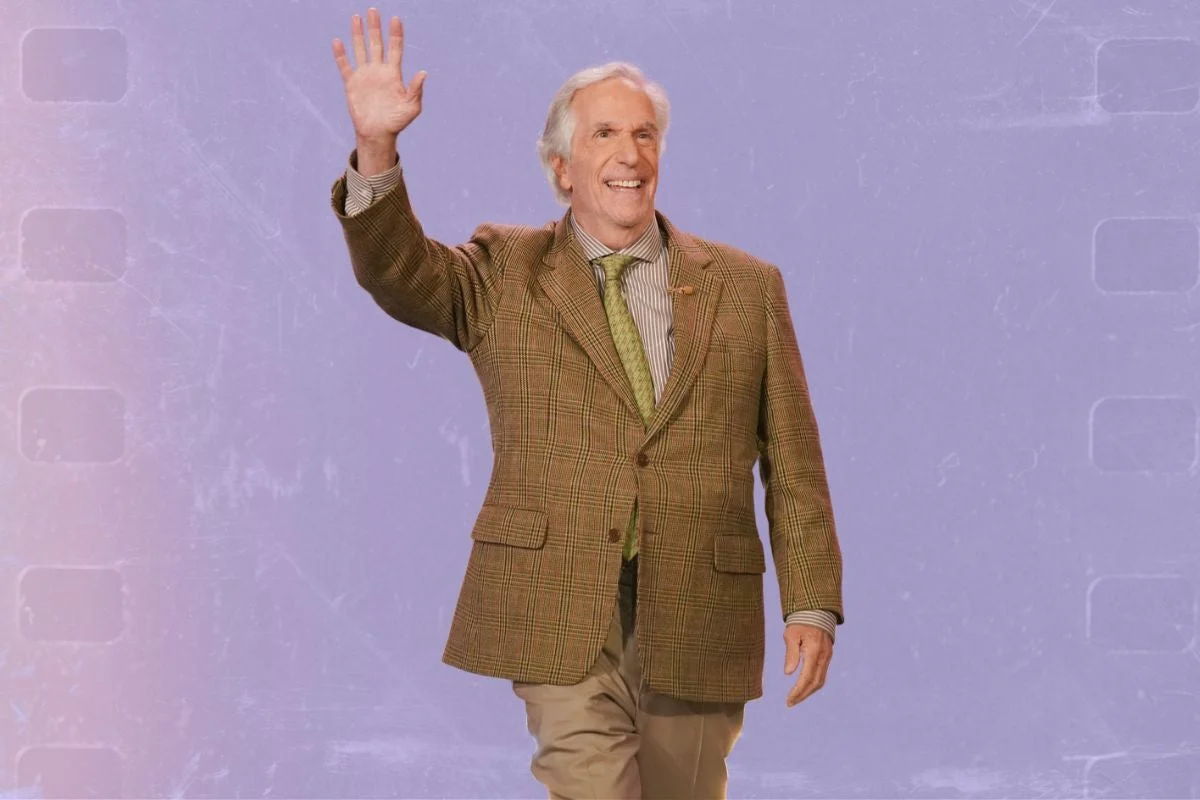
When actor and cultural icon Henry Winkler recently sat down across the microphone from fellow Jewish comedian and actor Ike Barinholtz on the podcast "Funny You Ask," listeners were treated to an unexpected master class in gratitude, resilience, and unadulterated joy. Part trivia show and part long-form interview, the episode spans roughly an hour and thirty-eight minutes, yet manages to pack an extraordinary amount of emotional depth, humor, and heart into every single minute. For fans accustomed to Winkler’s decades-long presence in Hollywood, the conversation reveals a side of the octogenarian actor that goes far beyond standard celebrity charm, offering a profound look into a life shaped by both profound historical tragedy and an intentional, daily practice of celebrating the good.
At the heart of the conversation is a concept deeply rooted in Jewish tradition: hakarat hatov. While the term is most frequently translated simply as gratitude, its literal Hebrew meaning is "recognizing the good." It represents an active, deliberate practice of seeking out what is worth appreciating in the world around us, regardless of whatever challenging circumstances or personal trials we might be facing. Throughout the podcast episode, Winkler embodies this philosophy effortlessly, demonstrating a remarkable capacity to find wonder in everything from the majesty of nature to the thrill of meeting artists he deeply admires.
Among the many memorable stories Winkler shares during the sprawling interview is a humorous and unconventional reflection on how he spent a recent Yom Kippur. Instead of attending traditional services at a synagogue, Winkler decided to retreat into his garden, channeling his inner Emily Dickinson. There, surrounded by nature, he listened to Johnny Mathis’s stirring rendition of "Kol Nidre" while, in his own words, "musing with God." The image captures Winkler’s unique blend of spiritual introspection and lighthearted self-awareness, balancing solemn tradition with personal comfort and peace.
The conversation also highlights Winkler’s endearing, unbridled fandom, particularly when the discussion turns toward contemporary music. With a tone of pure awe, the Hollywood veteran brings up his genuine obsession with singer-songwriter Brandi Carlile, excitedly recounting an encounter where he managed to hug her. The sheer delight in his voice—recounting that he hugged her twice—reveals a performer who, despite decades of iconic status and widespread fame, retains the capacity to be utterly starstruck and enchanted by the creative work of others. Rather than leaning into jaded industry cynicism, Winkler greets the cultural landscape with the enthusiasm of an eager fan.
This same sense of profound appreciation and mindfulness extends to one of Winkler’s favorite pastimes: fly fishing. When discussing the sport, he explains that he invariably practices catch-and-release with the trout he hooks, viewing the creatures as far too majestic to ever consider eating. His respect for the animals is so absolute that he maintains he never consumes trout. He jokes playfully about his catches—swearing that while he never lies about the size of the fish he pulls from the water, he freely jokes about other personal matters—before pivoting to a sincere reflection on the emotional payoff of the experience. Describing the moment he successfully reels in a fish, Winkler explains that he feels joy radiating from his head to his toes, emphasizing that he never takes success for granted and remains endlessly grateful whenever it occurs.
Beneath the steady stream of self-deprecating jokes and lighthearted banter lies a profound acknowledgment of the people, memories, and experiences that have enriched his remarkable life and career. Winkler frequently describes his decades in the entertainment industry as an incredible journey, and his willingness to deflect the spotlight to kvell over fellow artists and friends underscores a deeply ingrained generosity of spirit.
As the conversation progresses, the discussion turns inward, prompting Barinholtz to remark on the distinctly cultural atmosphere of the episode, playfully labeling it "the Jewish hour." This designation unlocks a deeper, more poignant layer of the interview as Winkler opens up about his German-Jewish upbringing, balancing humor with devastating historical reality. When Barinholtz wryly asks why Winkler’s parents chose to leave Germany in 1938, Winkler delivers a classic, deadpan quip about a "short guy with a mustache" who struggled to comb his hair.
Behind the dark humor, however, lies an immense tragedy. While Winkler’s immediate family managed to escape Nazi Germany and emigrate to the United States, his extended family members were not as fortunate, ultimately perishing in the concentration camps. Reflecting on the heavy absence left by the Holocaust, Winkler shares a heartbreaking truth with Barinholtz, noting that he never had traditional aunts, uncles, or grandparents growing up in New York City.
True to form, Winkler quickly pivots away from dwelling solely on the devastating loss to honor the vibrant life and community his parents managed to build for their young family in America. He describes the German-Jewish immigrant enclave in New York, including the synagogue his parents helped found, and the rich exposure to nature and culture they provided. He notes how these cultural experiences included encounters with a traveling Russian dance group, whose artistry directly inspired the signature moves Winkler would later use to famously dance to "Hava Nagila" on the classic television sitcom "Happy Days."
Winkler makes it clear that while his family’s journey was fraught with hardship, the community they forged out of the ashes of tragedy became a powerful found family that allowed him and his parents to thrive. The resilience passed down through these generations informs the profound gratitude that defines Winkler’s outlook today.
While there is no single, monolithic Jewish approach to joy or gratitude, Winkler’s reflections provide a moving modern template for hakarat hatov in action. His willingness to notice what is worth celebrating, to deeply appreciate the people who bring color to our lives, and to allow himself to be genuinely delighted by the world offers a powerful lesson. Whether he is marveling at a trout in a quiet stream, listening to music in his garden, or recounting the improbable journey of his family’s survival, Henry Winkler reminds listeners that recognizing and celebrating the good in life is an intentional, joyous, and transformative practice.
