When readers think about the intricate creative process that goes into producing a beloved children’s book, research is rarely the first thing that comes to mind. For many casual readers, the creation of a story for young minds feels like an exercise of pure imagination—a magical stroke of inspiration where characters and worlds spring fully formed from an author’s mind. In fact, research might not even make it onto a list of elements associated with children’s literature at all.
However, behind the colorful illustrations, playful rhymes, and engaging narratives lies a foundation of rigorous, often surprising research. Far from being a dry academic chore, investigative work serves as an essential engine for creativity in the realm of children’s publishing. According to literary professionals and creators, diving deep into a subject can transform a simple story into an immersive, authentic world that captures the imaginations of young readers and adults alike.
In a recent episode of the Read-Aloud Revival podcast, titled "Sparking Creativity with Research," host Sarah Mackenzie tackles this overlooked aspect of the publishing industry. The episode features insights from a lineup of incredible authors and illustrators who pull back the curtain on the unexpected investigative work required to bring their books to life. Whether listeners are aspiring authors hoping to break into the children’s book market or simply curious readers eager to understand the mechanics of their favorite stories, the episode offers a fascinating look at the hidden side of storytelling.
For those who have experienced it firsthand, the research process can be time-intensive, occasionally overwhelming, but ultimately one of the most delightful parts of the creative journey. Authors often find themselves tumbling down rabbit holes of historical archives, scientific journals, or cultural studies just to get a single detail right in a picture book meant for preschoolers. This meticulous attention to detail ensures that even the most whimsical tales maintain a core of truth and credibility that resonates deeply with readers.
Throughout the episode, the featured creators discuss the various ways investigation fuels their imagination rather than stifling it. While some might assume that facts and figures restrict creative freedom, these authors and illustrators demonstrate that boundaries and real-world truths actually provide a sturdy framework upon which fantastical ideas can safely grow. A deep dive into the habits of a specific animal, the architecture of a historical era, or the ecological details of a distant ecosystem can spark entirely new plot twists, character traits, and visual motifs that the creator never initially anticipated.
In addition to exploring the creative mechanics of children’s literature, the episode highlights the ongoing conversation about how adults can better connect with young readers through books. Reading a story aloud is often just the beginning of a larger literary journey; the conversations that follow can solidify a child’s comprehension, emotional intelligence, and lifelong love for literature. To help parents and educators navigate these discussions, the platform offers resources designed to make meaningful conversations about books simple and accessible. These materials provide practical strategies for adults to talk with children about books, even if the adult has not had the time to read the book themselves.
As the children’s book industry continues to evolve, the appreciation for well-researched, authentic storytelling remains stronger than ever. Listeners tuning into the latest podcast episode are invited to reconsider how stories are built and to appreciate the invisible labor of love that goes into every page turn. By shining a light on the intersection of research and creativity, the discussion ultimately reinforces the idea that great children’s literature is built on a foundation of genuine curiosity and discovery.
In the landscape of modern obstetrics, the conversation surrounding cesarean birth has reached a critical juncture. On November 24th, The New York Times published a significant report titled “These Hospitals Figured Out How to Slash C-Section Rates,” which investigated the persistent challenge of rising surgical intervention rates in the United States. The article highlighted the success of Rochester General Hospital in New York, which, through a fundamental re-evaluation of its birth culture, has successfully lowered its cesarean section rates in recent years. Among the strategies credited for this success was the integration of the Spinning Babies® approach, a methodology centered on fetal positioning and maternal comfort. The team at Spinning Babies® has since offered a formal reflection on these findings, viewing them as a validation of a physiology-first approach to labor and delivery that prioritizes patience, movement, and the innate capabilities of the birthing body.
A Shift Toward Patience and Physiologic Care
The success story out of Rochester General Hospital is particularly compelling because it did not rely on the introduction of high-tech medical devices or experimental surgical interventions. Instead, the hospital’s obstetrics team—which manages approximately 1,800 births annually—achieved its results through a transformative shift in the institutional philosophy regarding labor. For years, the facility had struggled with high cesarean rates, a trend that was especially pronounced among healthy, first-time parents. By pivoting away from a strictly clinical, intervention-heavy model, the staff began to prioritize the relational and physiological aspects of the birthing process.
This shift meant fostering a culture of patience. Rather than adhering to rigid timelines that often lead to unnecessary interventions, the staff at Rochester General began to emphasize thoughtful, steady support. This included a significant expansion of midwifery care, which is frequently associated with lower rates of medical intervention, and the active encouragement of maternal positions that create pelvic space and facilitate fetal descent. By embracing a "physiology-first" mindset, the hospital addressed the subtle but profound impacts that time pressure, staff expectations, and underlying beliefs about labor can have on the actual progression of birth. For many parents and advocates, these changes represent a return to the foundational belief that birth is a natural process that unfolds most effectively when the birthing person feels secure, respected, and empowered to find their own rhythm.
Understanding the Non-Medical Drivers of Rising Cesarean Rates
The New York Times report touched upon a reality that has long been discussed within the maternal health community: while medical necessity is always a factor, the frequency of cesarean sections is often influenced by variables that have little to do with the health of the parent or the baby. Research consistently points to a complex web of non-medical influences that shape how a clinician approaches a laboring patient. These include a provider’s personal comfort level with the nuances of birth, a clinical environment characterized by a fear of potential litigation or complications, and even logistical factors such as the time of day, current staffing patterns, and institutional payment structures.
It is essential to clarify that acknowledging these influences is not a dismissal of the cesarean section as a life-saving procedure. When medically indicated, the cesarean remains a vital, essential, and sometimes lifesaving intervention. However, the data from institutions like Rochester General suggests that when these non-medical pressures are mitigated, the rate of surgery drops, revealing that many prior interventions were potentially unnecessary. The narrative here is that birth is a deeply relational experience, shaped by the environment, the quality of interpersonal support, and the freedom of movement allowed to the birthing person. When the medical team prioritizes space and comfort, they allow the body and baby to work in tandem, often reducing the need for surgical escalation.
The Role of Physiology and the Spinning Babies® Approach
For years, families and birth professionals have observed a recurring pattern: when the body is supported in finding balance and the birthing person feels emotionally and physically secure, labor tends to flow with greater ease. From a physiological standpoint, babies move more effectively through the birth canal when they have the space and the time to rotate into optimal positions. The Spinning Babies® approach is built upon the premise that maternal movement and positioning can facilitate this process, helping to resolve minor malpositions that might otherwise result in a "stalled" labor.
The impact of this approach was clearly observed at Rochester General Hospital. As part of their efforts to modernize their labor and delivery protocols, the hospital introduced specialized training for its nursing staff on techniques designed to support fetal positioning. Clinicians reported that these strategies made a tangible difference, as nurses gained the confidence and the tools to offer patients positions that directly supported the physiology of birth. By providing this education, the hospital empowered its staff to move beyond traditional, restrictive labor management and instead engage in active, supportive care that helped babies navigate the pelvis with greater ease. These observations serve as a real-world confirmation of what many advocates have maintained for years: when clinical care is responsive to the physiology of birth, the birth process itself often unfolds with more confidence and efficiency.
Balancing Safety with Trust in the Birthing Process
While the trend toward lower cesarean rates is a positive development, it is equally important to maintain a realistic perspective on maternal health. The clinicians who contributed to the New York Times article were candid about the reality that the modern obstetric landscape involves a growing number of pregnancies complicated by health conditions that necessitate highly attentive, clinical care. In such instances, a cesarean birth is not just an option—it is the safest possible path.
However, the core takeaway from the success at Rochester General is that the "safety" of a birth is not solely defined by the presence of surgical intervention. Instead, it is found in a supportive culture that distinguishes between true medical necessity and interventions driven by institutional inertia or rigid, outdated timelines. When hospitals invest in the resources necessary for midwifery and nursing care, and when they foster a culture where birth is allowed to proceed at its own natural pace, the result is often a significant decrease in the number of people who feel pushed toward surgery. This creates a safety net where the cesarean remains a tool for emergencies, rather than a default response to a labor that is simply taking time.
A Reassurance for Families
The reflection provided by the Spinning Babies® team is intended not as a critique of individual providers or a glorification of a single institution, but as a message of empowerment for families everywhere. The core of this message is simple: the human body carries an inherent wisdom, and the birthing process is guided by the instincts of both the parent and the child. When a family is surrounded by care providers who have faith in the physiology of birth and the skill to support that process with patience, the result is a more positive, confident, and empowering experience.
This shift in the national conversation serves as a valuable reminder for expectant parents. It reinforces the importance of asking questions, exploring all available options, and collaborating with a care team that respects the individual’s needs and the body’s physiological requirements. Whether a birth follows a traditional path or requires medical intervention, every person deserves a standard of care built on partnership, mutual respect, and steady, informed support. As the medical community continues to analyze how to improve birth outcomes, the success of hospitals like Rochester General highlights that the most effective tool in the delivery room may not be a new machine, but a renewed commitment to the humanity and physiology of birth.
For individuals classified as highly sensitive persons (HSPs), the journey of parenthood brings a unique set of profound joys and intense challenges. Experiencing the full arc of life more vibrantly—capturing both the deepest pain and the most exquisite beauty—means that everyday experiences leave a lasting imprint. For clinicians and psychologists who navigate this trait firsthand, high sensitivity is understood as a dual reality: a profound gift that deepens empathy and connection, but also a distinct vulnerability to overstimulation, particularly within the chaotic environment of raising children.
To maintain emotional stability and achieve optimal wellbeing, experts emphasize that intentional self-care is not a luxury for HSPs, but an absolute necessity. This requirement becomes exponentially more critical when highly sensitive individuals step into the demanding role of parenthood, where sensory inputs, emotional demands, and constant decision-making can quickly deplete limited internal resources.
What is a Highly Sensitive Person?
Sensitivity, recognized scientifically as sensory processing sensitivity, is a biologically based temperament trait distributed across a continuum ranging from high to low sensitivity. Extensive research in the field indicates that human populations naturally divide into three distinct groups. A comprehensive study conducted in 2018 revealed that approximately 31 percent of the general population exhibits high sensitivity, while roughly 40 percent fall into the moderate sensitivity category, and the remaining 29 percent display low sensitivity.
At a neurological level, highly sensitive individuals are believed to possess a more reactive nervous system. This biological framework causes them to process sensory information with greater depth, leaving them more prone to sensory overstimulation, heightened emotional intensity, deep empathy, and an exceptional capacity for noticing fine details and subtle changes in their immediate environment. Because HSPs think and feel with such intensity, this deeper level of cognitive and emotional processing means they reach the threshold of overwhelm much faster than others. For many, environments like a brightly lit, loud children’s game arcade or a bustling shopping center can trigger complete sensory overstimulation in a matter of minutes.
Crucially, high sensitivity is a natural variation in human genetics—a form of neurodiversity present from birth. It is entirely distinct from a personal weakness, a character flaw, or a psychological disorder. Evolutionary and biological studies underscore this reality, as similar traits corresponding to high sensitivity have been documented in over 100 non-human animal species. This widespread presence across the animal kingdom strongly suggests that the trait confers a distinct evolutionary survival advantage.
Further research demonstrates that when placed in optimal environments—those characterized by deep support and nurturing rather than harshness and rejection—highly sensitive children and adults do not merely survive; they flourish. In supportive settings, HSPs frequently match or even outperform their less-sensitive peers across a variety of domains, including social competence and academic achievement.
However, unlocking this potential and maintaining psychological health as an HSP and a parent requires deliberate planning. According to Joel Moffat, a psychologist and therapist specializing in work with HSPs, highly sensitive individuals must seriously consider developing a structured framework for nurturing themselves in alignment with their unique physiological and psychological needs. This requires a careful evaluation of how daily life interacts with sensory thresholds.
Practising Self-Care as a Highly Sensitive Parent
The implementation of effective self-care for highly sensitive parents begins with a fundamental shift in perspective regarding priorities within the family dynamic.
HSPs are naturally endowed with deep empathy and a strong inclination toward caring for others. This innate compassion often makes it remarkably easy for them to place the needs of their children, partners, and workplaces far ahead of their own. Yet, developmental and psychological experts note that if parents want their children and families to experience them at their absolute best, tending carefully to their own fundamental needs is non-negotiable.
This dynamic mirrors standard airline safety briefings regarding emergency oxygen masks: passengers are instructed to secure their own masks before assisting others, including dependent children. This practice is rooted in practicality rather than selfishness. When an individual is depleted, they cannot effectively support those around them, reinforcing the timeless adage that one cannot pour from an empty cup. Consequently, investing time and energy into personal wellbeing functions as a vital act of love not only toward one’s children, but toward everyone sharing the household and community.
To operationalize this care without falling into chronic exhaustion, highly sensitive parents can utilize the concept known as spoon theory. Developed originally by Christine Miserandino, the metaphor uses physical units—spoons—to represent the finite amount of mental and physical energy an individual possesses for daily tasks and activities. By visualizing energy in this tangible format, HSPs can plan their days and weeks strategically to prevent severe depletion and overstimulation. Before committing to additional obligations, such as accepting an extra social invitation, attending a baby shower, or taking on extra shifts at work, highly sensitive individuals are encouraged to pause and evaluate their remaining capacity by asking a simple question: whether they possess enough spoons to complete the task without crashing.
Establishing firm personal boundaries represents another critical pillar of mental health for HSPs. While conversations surrounding boundaries have gained widespread attention across contemporary media and self-help literature, their practical application is exceptionally vital for those with high sensory processing sensitivity. Recognizing personal limits, defining where boundaries lie, and maintaining those boundaries with unwavering consistency protects against burnout. If an individual determines that their social threshold at a professional function is precisely one hour, honoring that limit is essential. Similarly, designating a specific day, such as Sunday, as a dedicated period of rest means feeling entirely comfortable declining weekend play dates, family gatherings, or social obligations.
For many modern parents, boundary-setting also extends into the digital realm. Authors and therapists specializing in anxiety management frequently highlight that taking deliberate, regular breaks from screens, smartphones, and social media platforms serves as an immediate mechanism for reducing stress and sensory overload. Failing to maintain these boundaries ultimately undermines an HSP’s capacity to protect their overall wellbeing.
Finally, navigating parenthood successfully as a highly sensitive person involves defining what optimal conditions look like on an individual basis. Because scientific literature confirms that HSPs are profoundly influenced by their surrounding environment—experiencing both positive and negative spaces more intensely than others—identifying supportive contexts is paramount. By paying close attention to how the nervous system reacts to diverse situations, different people, and unfamiliar locations, sensitive parents can tune into their body’s internal signals. Learning to recognize the moments when the nervous system communicates affirmation versus distress allows individuals to curate their lives accordingly. Spending more time within environments that elicit a positive physiological response provides a reliable pathway toward sustained emotional balance and daily resilience.
In a crowning achievement that has delighted fans of classic medical dramas and prestige television alike, PEOPLE magazine has officially named beloved Jewish actor and dedicated father Noah Wyle as the 2026 Sexiest Man Alive. At 55 years old, Wyle—globally recognized for portraying the earnest emergency medicine physician John Carter on the iconic television series "ER," and more recently as Michael "Robby" Robinavitch on the hit drama "The Pitt"—found himself genuinely stunned by the unexpected honor.
Reflecting on the milestone, Wyle admitted to PEOPLE that his initial reaction was disbelief. "I thought that sounded like a prank—just not in a million years did I think that this would be an honor bestowed on me," he shared, proving that his characteristic down-to-earth humility remains entirely intact even after decades in the Hollywood spotlight.
Yet, as millions of admirers can attest, Wyle’s appeal extends far beyond conventional good looks or his decades-long tenure as one of television’s most trusted physicians. Throughout his conversation with the magazine, the actor repeatedly redirected the spotlight away from himself and onto what truly anchors his life: his wife, Sara, and his children, Owen, 24, Auden, 21, and Frances, 11.
Discussing the profound transformation brought on by parenthood, Wyle offered a deeply reflective glimpse into his family life. Describing the birth of his first child, he recalled, "Fatherhood was the most life-changing event in my life. They handed my son to me, and I was like, ‘Now I get it. It’s not about me, it’s about you.’"
Demonstrating that romance and thoughtfulness are just as vital to him as fatherhood, Wyle also shared the most romantic gesture of his life—a story so touching it captures the very essence of why he has remained a heartthrob across generations. He recounted the early days of courting his wife, noting that because he already had two children from a previous marriage, the couple could not always be together immediately. For nearly a full year, as he carefully navigated introducing his children to his new partner, he found creative ways to bridge the physical distance.
"When we weren’t together, I would make these gifts for my wife," Wyle explained. "I’d make a book with photographs and mementos of things that we’d done on dates and drawings and poems and things that I’d find. Just ways of being able to do something for her when we were apart that I thought she’d like when we saw each other again."
Beyond these intimate insights, the conversation offered a few lighter, more whimsical moments. When asked what he would title a hypothetical memoir, Wyle quipped that it would be called "Noah’s Arc." Asked about the exact moment he finally felt completely comfortable in his own skin, he delivered a wry and self-effacing punchline: "I was so hoping today was going to be the day." He also revealed that his very first childhood nickname was Wyle Coyote—a playful nod to his famous last name.
Wyle’s placement on the coveted list places him in esteemed company. He joins a select group of Jewish men and fathers who have previously been awarded the title by PEOPLE, including Paul Rudd in 2021, David Beckham in 2015, Adam Levine in 2013, and Harrison Ford in 1998. However, Wyle’s 2026 victory marks a significant cultural milestone: he is the first Jewish actor to be crowned Sexiest Man Alive while simultaneously portraying an explicitly Jewish character on television.
On "The Pitt"—a critically acclaimed series for which Wyle has already earned four Emmy Awards—his character, Dr. Robby Robinavitch, is a gruff emergency room physician grappling with personal trauma and striving to find his footing in a chaotic world. Throughout the series, faith emerges as a powerful grounding force for the character. In a memorable moment at the end of the first season, viewers watch Dr. Robby turn to the Shema and a Star of David necklace for solace. In the second season, the character deepens his exploration of heritage when he meets a survivor of the Tree of Life synagogue shooting, bonding over shared Russian Jewish culture and gaining a fresh perspective on healing. Later in the series, following the death of a beloved colleague, Dr. Robby delivers a poignant eulogy to the staff, concluding with the deeply resonant traditional phrase, "May his memory be a blessing."
This rich character background is not merely a Hollywood invention; it is directly inspired by Wyle’s own paternal lineage. During the early development of "The Pitt," executive producer John Wells posed a simple question to the actor: "Noah, where’s your family from?" When Wyle explained that his family is of Russian Jewish descent, Wells immediately saw potential for the narrative. "Well, what’s a name? What can we play with there? Would you want to play in that blood memory?" Wells asked. Wyle embraced the opportunity, bringing a layer of authentic cultural resonance to the role that has deeply resonated with audiences.
Although Wyle does not describe himself as particularly religious in his personal life, his upbringing was a rich tapestry blending his father’s Jewish heritage with his mother’s Episcopalian background. Discussing his childhood in previous interviews, Wyle likened his upbringing to a cultural mosaic. "There were certain tenets of both faiths that my parents thought were very important to instill in us. It was like a Chinese menu—one from Column A, one from Column B," he remarked. Furthermore, his commitment to passing down elements of this heritage has continued into his own family life; in 2013, he shared that his children, Owen and Auden, occasionally attended Jewish Sunday school.
Combining professional acclaim, deep devotion to his family, and a willingness to explore his cultural roots both on and off the screen, Noah Wyle proves that true charisma encompasses kindness, depth, and authenticity.
Civic engagement has long served as a powerful means of outreach when executed with purpose and patience, a reality clearly demonstrated by contemporary Muslim activism in countering anti-Muslim rhetoric within the current political climate. Across various levels of society, Muslim politicians, scholars, community leaders, and everyday citizens facing hostility from right-wing political actors and Christian nationalists have continually shown how attempts to divide communities can instead be transformed into opportunities for meaningful dialogue. Time and again, when faced with intimidation and prejudice, Muslims respond with eloquence, patience, and resilience, gradually drawing the constructive attention of the broader public. Whenever malicious groups or individuals target Islam, affected communities push back against waves of misinformation, thereby opening a viable path toward understanding and mutual respect.
This resilience is deeply rooted in faith. As stated in the Quran, in Surah Al-Saff (61:8): "They wish to extinguish Allah’s light with their mouths, but Allah will certainly perfect His light, even to the dismay of the disbelievers."
For people of faith, this spiritual backing provides profound reassurance, yet it also carries a clear obligation to actively dispel harmful stereotypes and protect the fundamental right to practice one’s religion freely and openly. This responsibility typically begins by setting a positive example and participating fully in civic life in ways that reflect individual talents and professional skills. Such involvement frequently encompasses political participation, public advocacy, community education, using the arts to express lived experiences, writing to challenge prevailing misconceptions, or utilizing social media platforms to raise accurate awareness about Islam and Muslims. Whatever form these efforts take, they often function as collective endeavors. When children witness firsthand how their parents and elders respond to Islamophobia and anti-Muslim rhetoric, they learn vital lessons about standing up for themselves, their families, and their wider communities with dignity.
Putting Civic Engagement into Practice
These broader dynamics took on deeply personal dimensions recently for Wendy Díaz, a Puerto Rican Muslim writer, educator, and mother of six who found herself fighting an active anti-Muslim campaign in her home country of Puerto Rico. What began as a handful of unusual social media posts protesting the proposed construction of a new mosque in the western municipality of Mayagüez quickly escalated into a comprehensive propaganda war directed against everything associated with Islam and Muslims. While such hostile campaigns may sound familiar to individuals residing in the United States amid today’s polarized political climate, the development felt entirely out of character coming from the people of Puerto Rico, a society traditionally celebrated for its deep-rooted hospitality and historical solidarity with marginalized groups worldwide, including the Palestinian cause. Because the vast majority of Díaz’s family still resides on the island and remains non-Muslim, these targeted attacks hit particularly close to home, both literally and figuratively.
Historical context reveals that Muslim connections to Puerto Rico extend far back into the era of Spanish colonization and the forced arrival of enslaved Africans, some of whom practiced Islam. While most contemporary islanders readily recognize their complex mixed Indigenous, European, and African heritage, local awareness of historical Islamic influences on Puerto Rican culture remains relatively limited. Later waves of migration, stretching from the nineteenth century up to the present day, brought subsequent generations of Muslims from various parts of the world. Over decades, Arab Muslim and Christian immigrants have successfully established local businesses, integrated into the island’s economic fabric, and contributed to community life. Muslim residents eventually established formal Islamic institutions, including the construction of the island’s first freestanding masjid in 1981 in Río Piedras. Given this longstanding history of coexistence, questions naturally arose regarding who and what was driving the sudden surge in anti-Muslim propaganda.
Analyzing the Roots of Local Hostility
Observers note that there appears to be no single, straightforward explanation for the recent wave of anti-Muslim hostility observed in Puerto Rico. A potent mix of imported political rhetoric, online misinformation, and sensationalized rumors regarding a supposed Muslim "invasion" can easily generate unwarranted fear among populations largely unfamiliar with Islamic practices and communities. Muslims currently constitute a tiny fraction of Puerto Rico’s overall population—estimated at roughly 0.1 percent—meaning that local Islamic communities often maintain a very low profile. Residents living outside the specific municipalities that house mosques may not even be aware that these places of worship exist within their territory.
At the same time, this localized hostility must be examined within the broader framework of ongoing political and economic anxieties across the island. Deep-seated public concerns regarding economic displacement, restricted access to public beaches, escalating housing costs, failing public infrastructure, and the continuous privatization of essential public services have left many Puerto Ricans deeply frustrated, exhausted, and uncertain about their collective future. Under such strained socioeconomic conditions, historical patterns show that scapegoating vulnerable or unfamiliar minorities can become an especially potent tool for those seeking to exploit public discontent. While determining the precise origins of the anti-Muslim sentiment—and investigating whether external actors are financing these digital campaigns for specific political or economic gain—requires rigorous further investigation, the immediate reality of a continuous stream of online hostility demanded a direct, constructive response.
Leveraging Digital Platforms for Education
Faced with a persistent wave of anti-Muslim social media content, Díaz chose to approach civic engagement through proactive education, utilizing mainstream digital platforms such as Instagram and Facebook. Having previously utilized both platforms to promote her published literary works and children’s books, she recognized their distinct audience reach. Instagram allows content creators to connect with broader, more diverse networks outside immediate social circles, whereas Facebook facilitates direct communication with extended family members still residing across Puerto Rico.
To counter the prevailing misinformation effectively, she began producing short-form video reels entirely in Spanish. Some of these digital segments utilized gentle humor and satirical skits to highlight and dismantle the glaring factual inaccuracies driving the ongoing propaganda campaign. Other video installments focused squarely on educating the Puerto Rican public about foundational Islamic beliefs, everyday religious practices, and the rich historical presence of Muslims in the Caribbean. Complementing these video efforts, she regularly shared informative articles, historical timelines, and cultural explainers through platform stories and regular posts. Within just a few days of publication, the content garnered thousands of replays and widespread engagement, with numerous viewers responding positively and constructively in the comment sections.
Broadening Community Involvement
Sharing these personal experiences serves as a practical reminder to other parents, educators, and community members that multiple avenues exist for combating Islamophobia and misinformation. Every individual possesses unique talents, professional skills, and creative outlets that can facilitate meaningful connections across diverse populations. As a bilingual, Spanish-speaking Latina convert, Díaz is uniquely positioned to bridge cultural and linguistic divides, reaching individuals who share her specific background and heritage. Similarly, other community members bring valuable artistic abilities, technical knowledge, public speaking proficiencies, or gifts for creative storytelling to the table. Each of these distinct skill sets offers a viable mechanism for challenging pervasive misconceptions and fostering genuine cross-cultural understanding.
Examining how families can engage collectively involves identifying shared interests, hobbies, and individual strengths, and then considering how those specific capabilities might serve the wider community. When parents and educators guide children toward constructive approaches that match their personal inclinations, young people learn valuable lessons in agency and social responsibility. Collaborating with siblings, peers, or community groups allows youth to channel feelings of frustration or concern into purposeful, positive action.
While confronting the reality of potential discrimination can be daunting for families, preparing children in constructive ways significantly strengthens their confidence, resilience, and sense of civic empowerment. Such experiences teach young people that their voices carry weight and that they possess meaningful contributions to make to the neighborhoods and societies they call home. Ultimately, active civic engagement transforms into a profound expression of communal responsibility and outreach when individuals utilize their unique talents to uphold justice, disseminate accurate information, and serve their neighbors with integrity. By continuing to show up consistently as families and communities, citizens can collectively foster positive, lasting social change.
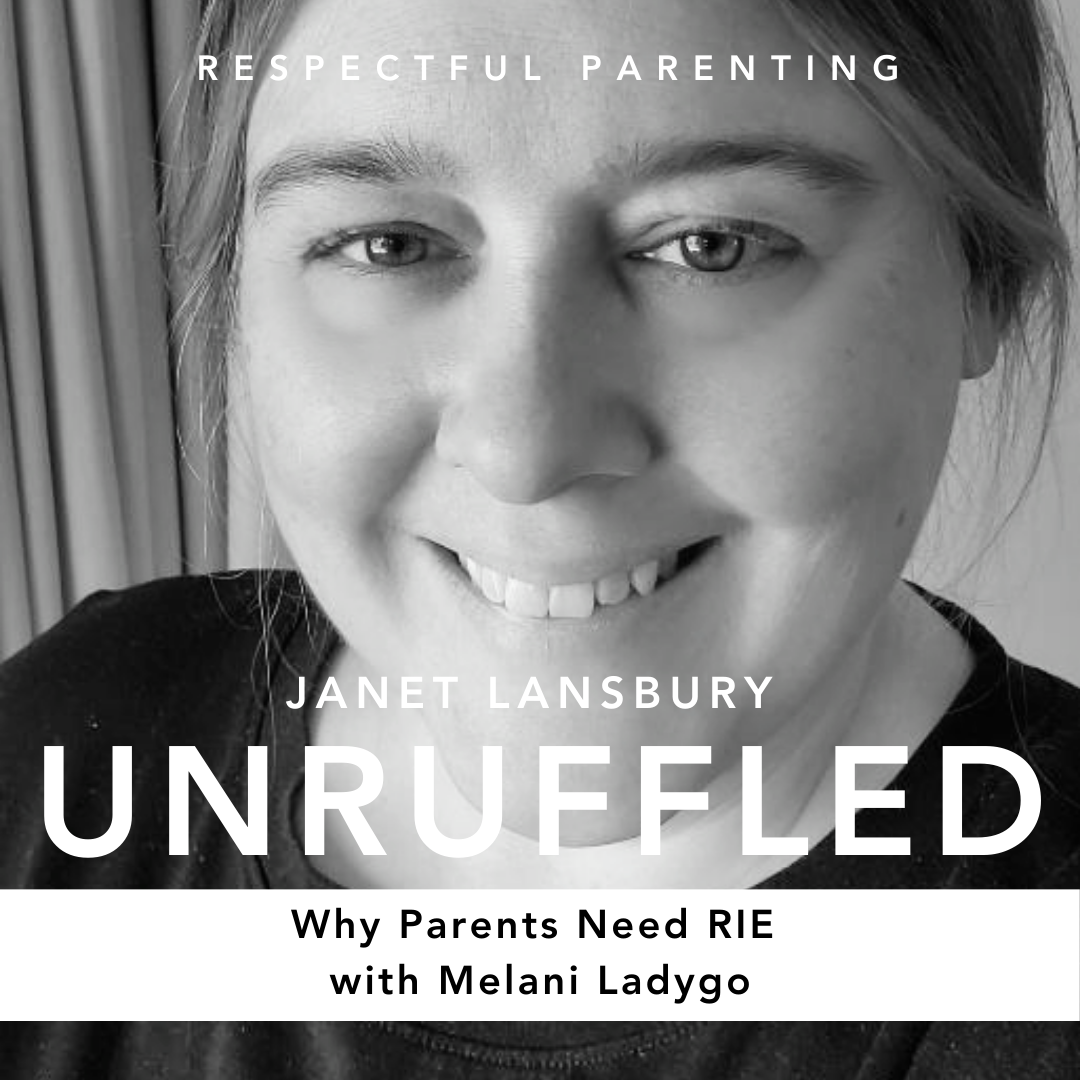
For decades, parents and early childhood professionals have encountered a parenting philosophy known simply as "RIE"—pronounced "rye." To some, it is described as a profound, life-changing approach to understanding babies and toddlers. To others, it can sound odd, controversial, or entirely counterintuitive compared to conventional parenting advice. In a recent episode of her podcast Unruffled, parenting expert and author Janet Lansbury sat down with Melani Ladygo, Executive Director of Resources for Infant Educarers (RIE), to dive deeply into what the RIE approach truly entails and why modern parents benefit so profoundly from adopting its principles.
The approach itself was founded by the late infant specialist Magda Gerber through the nonprofit educational organization Resources for Infant Educarers. For Lansbury, discovering RIE more than thirty years ago while attending classes with her firstborn daughter completely transformed her perceptions of infancy, childcare, and human relationships. After training one-on-one with Gerber and spending countless hours absorbing her teachings, Lansbury has dedicated much of her career to sharing these insights with a broader audience.
However, defining RIE in a concise way has always presented a challenge. Because it is a nuanced philosophy rather than a rigid set of rules, it resists simple summaries. To help crystallize the core concepts, Lansbury invited Ladygo—a longtime RIE associate, home-based parent-infant and toddler class instructor, and the organization’s executive director—to share her perspective and history with the method.
Reflecting on her early days with the organization, Ladygo noted that when she first took the intensive 60-hour training course—then known as "RIE I" and now called RIE Foundations—she hoped to find a quick, definitive elevator pitch to explain the work to others. Yet, even after completing the course alongside passionate early childhood educators, she found herself unable to easily sum it up. It was only through years of working in the RIE office, answering phones, and speaking directly with parents that she refined her understanding.
At its core, Ladygo explained, RIE is an organization dedicated to teaching parents and professionals how to build respectful, reciprocal relationships with babies and toddlers from birth to age two. The term "educarer," coined by Magda Gerber, reflects a dual philosophy: adults care while they educate, and educate while they care. The organization exists to support these educarers in developing lifelong bonds of trust and mutual respect with children.
Lansbury noted that before discovering RIE, she shared the common assumption that deep bonding and true mutual respect could only begin later in a child’s development, once language skills emerged and play felt more reciprocal. But observing her three-month-old daughter in an early RIE class revealed an astonishing internal world. She realized that her baby was a fully realized person with her own thoughts, feelings, and points of view—not merely a passive recipient of adult stimulation and care. That realization served as a life-changing invitation to truly get to know her child as an individual.
Ladygo’s introduction to the philosophy similarly stemmed from a pivotal shift in perspective. After taking a child development course and learning about the rapid pace of early brain development, she sought practical experience by working in an infant childcare center. As luck would have it, the center was heavily influenced by RIE. Surrounded by peaceful classrooms, Ladygo initially relied on conventional instincts—such as trying to distract a crying baby or physically assisting a toddler struggling to climb a playground slide.
Gentle interventions from seasoned colleagues challenged her assumptions. When she helped a little girl reach the top of a slide by pushing her feet, a teacher later asked whether the child had actually asked for help or looked frustrated. The colleague pointed out that while the child felt she had succeeded on her own, she had actually accomplished the task with adult intervention, which could undermine her growing confidence. That moment sparked Ladygo’s curiosity about the infant’s subjective experience and led her to enroll in the foundational training.
Both Lansbury and Ladygo emphasize that while RIE focuses on the needs of infants and toddlers, the ultimate beneficiary of the practice is often the adult. When parents learn to genuinely see the personhood in their baby, they free themselves from the exhausting pressure to perform as "perfect parents" or constantly manufacture artificial happiness and entertainment. Instead of feeling obligated to rescue children from every minor struggle or immediate frustration, parents can adopt a calmer, more present baseline.
Ladygo illustrated this dynamic by describing a busy toddler class held in a smaller indoor space due to rainy weather. Despite active children climbing, sliding, and moving furniture, the observing visitors were struck by how relaxed the parents appeared as they watched their children navigate challenges with confidence. That confidence is not innate; it is a muscle built over time through careful observation and a growing trust in children’s inherent capabilities.
This philosophy of stepping back and allowing children to work through situations also transforms how adults handle social interactions and conflict. Ladygo recalled an instance involving a mother who struggled when her strong-willed daughter refused to share a rocking boat with other children. Through discussion, the mother realized her anxiety stemmed from her own lifelong habit of automatically acquiescing to others’ demands at the expense of her own needs. RIE offered her a framework to support her daughter’s right to set boundaries while also teaching her to notice the impact of her actions on peers.
Rather than stepping in to arbitrate or dictate sharing, a RIE-informed adult acts as a neutral "buddyguard"—keeping everyone physically safe while allowing children to navigate social friction and discover authentic solutions on their own. According to Lansbury and Ladygo, children who practice this form of social problem-solving in early childhood develop a deep sense of resilience and emotional intelligence that serves them well into their school years and adult lives.
To further disseminate these ideas and build community among like-minded parents and professionals, the organization continues to host educational events, including the upcoming annual RIE conference. Featuring keynote speaker Peter Gray and a variety of workshops exploring authentic play and conflict resolution, the conference offers participants a broad view of how respectful educaring principles can be applied across different environments.
As Lansbury and Ladygo noted, finding a supportive community of individuals who view children with the same respect remains one of the greatest challenges for modern parents. By embracing the RIE framework, caregivers can find moments of genuine connection, reduce unnecessary daily stress, and foster a peaceful, trusting relationship with their children that lasts a lifetime.
In the modern kitchen, the secret to making healthy eating both effortless and exciting often comes down to a single strategy: keeping reliable, homemade staples on hand. While culinary trends frequently point toward complicated recipes and specialty kitchen gadgets, experienced home cooks and busy families alike are rediscovering the profound impact of simple, do-it-yourself spice blends and sauces. These pantry additions require very little active preparation time, yet they possess the remarkable ability to transform basic ingredients into deeply flavorful meals. Among the most versatile of these foundational elements is a well-crafted Greek seasoning, a Mediterranean-inspired blend that has quickly become a staple for everyday cooking.
The growing preference for homemade seasonings over commercial alternatives is driven by more than just flavor. Many pre-made seasoning blends found on supermarket shelves rely heavily on fillers, preservatives, artificial additives, and added sugars—ingredients that many people prefer to keep out of their kitchens. By contrast, creating a spice blend at home is remarkably simple, granting the cook absolute control over every single ingredient that goes into the mix. This level of transparency means no unwanted sodium compounds, hidden sugars, or mystery anti-caking agents. Furthermore, freshly mixed DIY versions frequently outperform store-bought alternatives that have been sitting dormant on a warehouse or retail shelf for months, losing their aromatic potency and essential oils over time.
To understand the appeal of this particular pantry staple, it helps to examine what defines the profile of traditional Greek seasoning. At its core, Greek seasoning is a vibrant, Mediterranean-inspired blend of dried herbs and savory aromatics traditionally used to add depth and complexity to meats, vegetables, sauces, and marinades. It masterfully combines classic flavors centered around oregano, basil, dill, garlic, and rosemary, resulting in a savory, well-rounded profile that adapts seamlessly to a wide variety of culinary applications.
Oregano stands as the undeniable anchor of authentic Greek flavors, delivering a distinctively pungent, earthy taste that elevates the blend far beyond standard Italian seasonings. To balance this intensity, complementary herbs such as basil, parsley, dill, thyme, and rosemary are introduced to hit every necessary flavor note on the palate. Meanwhile, a robust savory base is established through the inclusion of garlic powder and onion powder, ensuring the blend remains versatile enough for everything from proteins to starches. To complete the profile, a delicate touch of cinnamon introduces a subtle warmth that ties the savory elements together without overpowering the dish.
Beyond mere taste, incorporating these specific herbs into daily cooking offers an easy way to introduce a diverse array of micronutrients, antioxidants, and antimicrobial compounds into everyday meals. Human culinary traditions have utilized aromatic herbs for thousands of years, driven not only by the desire to make food taste exceptional, but also by an intuitive understanding of their role in supporting overall wellness and vitality.
The movement toward making more pantry staples at home is largely rooted in the desire to simplify ingredients without ever sacrificing flavor or culinary satisfaction. For large households, such as families managing multiple children, preparing staples in bulk and mixing them at home provides a remarkably cost-effective alternative to purchasing tiny, overpriced specialty jars at the supermarket. Seasoning blends represent one of the most logical and accessible entry points for this kitchen transition because they take only a matter of minutes to assemble and retain their quality for months when stored correctly.
Having a jar of homemade Greek seasoning ready in the pantry offers an immediate culinary upgrade to even the most basic meals. A plain chicken breast, a batch of simple roasted vegetables, or a humble everyday salad can be instantly elevated with just a pinch of the vibrant blend. Moreover, the inherent flexibility of home cooking means recipes can be tailored precisely to personal preferences. Cooks who favor a more pungent profile can easily increase the garlic content, while those who prefer an herbaceous finish can adjust the ratios of oregano, basil, or dill to suit their exact tastes.
The versatility of this seasoning is perhaps its greatest asset, lending itself effortlessly to both rapid weeknight dinners and more elaborate weekend cooking projects. It can be liberally sprinkled over chicken before grilling, thoroughly mixed into homemade burger patties, or used to coat roasted vegetables such as zucchini, yellow squash, and asparagus to draw out their natural sweetness.
One particularly popular preparation involves tossing diced potatoes with a generous glug of olive oil, coarse salt, and a dusting of Greek seasoning before roasting them at high heat. The resulting combination of oil and dried herbs bakes into a remarkably crispy, savory exterior coating that easily rivals the side dishes served at high-end Mediterranean restaurants. Beyond roasted vegetables and proteins, the blend can be seamlessly incorporated into homemade salad dressings, dusted over morning eggs, or stirred directly into plain Greek yogurt to create a quick, flavorful dip that requires no complicated sauces or extra ingredients.
For those looking to streamline meal preparation, the seasoning also serves as an ideal foundation for a rapid Mediterranean marinade. By combining the dry spice blend with extra-virgin olive oil and fresh lemon juice, home cooks can create a bright, acidic marinade that penetrates poultry or lamb prior to cooking. When grilled or baked, the marinated protein emerges tender, juicy, and infused with the bright, sun-kissed flavors of the Mediterranean coast.
When prepared at home, a standard batch of this savory Greek seasoning yields approximately twenty-eight servings, assuming a standard serving size of one teaspoon. Nutritional analyses for the blend highlight its health-conscious profile, contributing minimal calories while delivering concentrated flavor. Each teaspoon contains a negligible amount of total fat—primarily composed of trace amounts of polyunsaturated and monounsaturated fats derived from the dried herbs—along with roughly one gram of carbohydrates, a fraction of a gram of dietary fiber, and a modest amount of protein.
While the blend does contain sodium driven by the natural mineral content of the herbs and optional salt additions, it provides beneficial trace amounts of essential minerals and vitamins, including small percentages of calcium and iron, which contribute to the overall nutritional landscape of a balanced diet. To maintain optimal freshness and potency, culinary experts recommend storing the finished Greek seasoning blend in a clean, airtight glass container kept away from direct heat and light, where it will remain flavorful and aromatic for up to six months.
The origin story of the two musicians, better known by their respective stage names Panda Bear and Deakin, offers a fascinating look at how formative early childhood education can intersect with lifelong artistic pursuits. A recent deep-dive feature published in GQ magazine, titled "Panda Bear’s Long Road Home," sheds light on these foundational years, tracing the trajectory of a friendship and creative partnership that began in a Baltimore classroom and ultimately grew into an influential force in contemporary alternative music.
For educators, parents, and alumni associated with alternative and progressive educational models, the narrative serves as a compelling reminder of how environments that deliberately prioritize imagination, emotional resonance, and artistic exploration can help shape lifelong paths. Long before the international tours, critical acclaim, and boundary-pushing studio albums that would come to define Animal Collective, Lennox and Dibb were simply children immersed in a school environment designed to nurture individuality and creative freedom from an early age.
Reflecting on his time at the Waldorf School of Baltimore, Noah Lennox recalled an atmosphere vastly different from traditional, rigid academic settings. In the GQ feature, Lennox described an environment where creative expression was woven into the fabric of everyday learning, rather than relegated to an occasional extracurricular activity. "There was a lot of drawing, a lot of painting, music all the time," Lennox recalled. He also noted unique pedagogical elements characteristic of Waldorf education, such as eurhythmy—a expressive movement art originally created by Rudolf Steiner—describing how the curriculum allowed children to "stay in this dream world of imagination for as long as possible."
This intentional preservation of childlike wonder and uninhibited creative thought provided a fertile training ground for future artists. The Waldorf educational philosophy places a heavy emphasis on the arts, hands-on experiential learning, and the holistic development of the child, integrating music, movement, and visual arts deeply into core academic subjects. For Lennox, these early experiences laid the groundwork for an open-ended, fearless approach to sound and songwriting that would later become a hallmark of both his solo work as Panda Bear and his collaborative efforts with Animal Collective.
The story of how these two future bandmates ultimately crossed paths adds a deeply human layer to the lore of one of indie rock’s most idiosyncratic groups. According to the reporting in GQ, Josh Dibb joined the Waldorf School of Baltimore at the very end of second grade, having previously been homeschooled. Stepping into a traditional school environment after a childhood spent learning at home presented a transition, but it was within those classrooms that Dibb met Lennox, sparking a legendary friendship that would endure for decades.
Recalling their initial introduction, Dibb offered vivid recollections of his future collaborator and lifelong friend. "He struck me as special—a generic word to use, but he had these very attractive qualities," Dibb recalled in the interview. Pointing to Lennox’s early multifaceted strengths, Dibb noted that his classmate was "good at athletics, very smart, already evidence of being creative." Dibb humorously contrasted his own physical coordination with Lennox’s natural aptitude, noting, "He was very gifted at anything physical, and I had two left feet."
Despite their differences in athletic prowess, the two boys shared an intellectual and creative wavelength that quickly solidified into a deep bond. That initial classroom connection evolved over the years into a shared artistic language. Long after leaving the halls of the Baltimore Waldorf institution, Lennox and Dibb maintained their connection, eventually moving toward the music scenes that would birth Animal Collective alongside bandmates Avey Tare and Geologist.
The trajectory from Baltimore schoolmates to avant-garde innovators highlights a broader narrative about the enduring impact of childhood friendships forged in creative spaces. While Animal Collective would go on to challenge conventional song structures, incorporate dizzying sonic collages, and influence generations of musicians with seminal releases like Merriweather Post Pavilion, the seeds of that open-minded artistic risk-taking were arguably planted long before any instruments were plugged into amplifiers.
Ultimately, the shared history of Panda Bear and Deakin is a testament to the power of early educational environments that value unconventional thinking. Their enduring collaboration demonstrates how artistic curiosity, when encouraged and protected during formative years, can blossom into a profound, lifelong creative partnership. For those interested in the deep roots of modern independent music, the journey detailed in GQ offers a rare glimpse into the quiet, everyday moments that preceded a musical revolution.
For nearly three decades, Classical Conversations has walked beside families as they learn, grow, and navigate the rhythms of educating their children at home. Through the shifting tides of curriculum changes, daily lesson plans, and the evolving needs of growing children, one overarching truth consistently returns to the forefront of the homeschooling journey: the vast majority of homeschool days are entirely ordinary, and it is precisely within those quiet, unglamorous moments that true joy takes root.
According to scripture, joy is defined not as a fleeting emotional high, but as a lasting gladness that flows directly from the presence of God, serving as a profound source of strength for His people through every changing season of life. Biblical passages such as Psalm 16:11 and Nehemiah 8:10 illustrate that this enduring quality reaches far beyond milestone achievements or major celebrations. Instead, it meets individuals right where they are—at the kitchen table during morning lessons, inside the car on the way to a community gathering, or during the quiet, unstructured stretch of an ordinary afternoon.
What Is Giving You Joy Right Now?
The pursuit of this everyday gladness often begins with a simple, intentional question. Popular reflective podcasts frequently close their interviews by asking featured guests what is currently bringing them joy. Inevitably, the responses highlight simple, inspiring elements of daily life, ranging from a compelling book and a favorite mobile application to a newly established morning habit or a comforting daily ritual.
Encountering that question serves as an immediate invitation for listeners to turn inward, examining their own daily routines and asking a deeply personal question: What is giving me joy right now?
Lately, that inquiry has brought to mind an unexpected metaphor: water towers. An acquaintance whose brother lives with special needs shares an intense fascination with water towers. Whenever they meet, he enthusiastically describes the exact style, color, and height of water towers near hometowns, college campuses, and airports. After spending several days in his company, his surrounding family members also developed a keen eye for these roadside landmarks.
During a subsequent family road trip across Michigan, passengers could not help but shout out with jubilation every time a new water tower came into view. Those structures had always lined the highways, but because of a friend’s infectious passion, they suddenly transformed into a shared source of delight. When individuals actively seek out a specific focus, it remains readily available for the finding.
Joy operates in a remarkably similar fashion. It remains constantly present, waiting to be discovered, provided it is treated as something worth looking for. On days when circumstances feel difficult or life appears weighed down by mundane, repetitive tasks, pausing to ask that fundamental question helps refocus attention on the quiet goodness that continues to quietly wait in the background.
Finding Joy in Everyday Life
For many educators and parents, noticing this persistent goodness involves slowing down enough to truly observe the natural world. During seasonal transitions, such as the subtle shifting of autumn leaves, the transformation can happen so gently that it is easily missed by anyone moving too quickly.
Taking a deliberate pause—closing one’s eyes during a walk, breathing in the distinct scents of the season, and listening to the sounds of traveling birds—reveals a wealth of beauty. The sight of falling leaves swirling like tiny confetti in the wind, the artistic length of afternoon shadows, and the softening rays of golden sunlight offer immediate reminders of a steady, underlying grace present in the physical world.
Joy in Every Homeschool Season
Yet, recognizing this beauty does not mean the daily path is without its hurdles. Homeschooling children through their high school years, for instance, can frequently feel like an unrelenting grind. Parents looking back at the early years often experience a deep sense of nostalgia, missing the abundant field trips, the shared reading of rich picture books, and the deeply immersive experience of early childhood education.
As children grow older, a parent’s role naturally shifts. The daily routine transforms from collaborative reading into project management, transcript tracking, college preparation planning, and administrative record-keeping. Even though this advanced educational season carries an entirely different focus, joy remains entirely accessible. While the daily schedule may settle into a more predictable, ordinary rhythm, the intrinsic goodness within those responsibilities persists.
Joy in the Little Things
When joy is viewed through this everyday lens, it becomes evident that it is woven into the fabric of ordinary life. It is not confined solely to mountaintop achievements, such as a student writing an exceptional research paper or delivering a profound speech at a gathering.
Instead, it surfaces during quiet dinnertime conversations when teenagers ask about their parents’ high school experiences or seek advice on navigating their own adolescent challenges. It appears during routine car rides to the grocery store and during the repetitive task of folding laundry while discussing current events. Much like the water towers scattered across the landscape, these moments of connection and peace are everywhere. When individuals open their eyes to them, they often find themselves overwhelmed by a quiet sense of gratitude.
Frequently Asked Questions About Joy
Scripture consistently presents joy as a distinct spiritual gift that originates in the presence of God and provides steadfast strength to His people. Psalm 16:11 notes that fullness of joy exists in His presence, while Nehemiah 8:10 reminds believers that the joy of the Lord serves as a resilient foundation. Across the biblical text, gladness emerges through worship, through hardship, and through the simple gift of each new day, as referenced in Psalm 118:24.
A clear distinction exists between joy and happiness. While happiness tends to fluctuate in direct response to changing external circumstances, genuine joy remains anchored securely in the unchanging character and work of God. Romans 15:13 describes the God of hope filling believers with complete joy and peace as they place their trust in Him.
In theological terms, biblical joy is characterized as a deep, steady gladness grounded entirely in the divine. The apostle Paul identifies joy in Galatians 5:22 as a primary fruit of the Spirit, cultivated over time as the Holy Spirit shapes the human heart.
For those seeking to reconnect with a sense of gladness in daily life, the process frequently begins with small, faithful habits. Maintaining a simple gratitude list, reading a short Psalm each morning, protecting adequate time for rest, and surrounding oneself with an encouraging community can gradually shift one’s perspective, revealing the goodness that was present all along.
Christian joy, specifically, is rooted in the person of Jesus Christ. Because this form of gladness rests entirely on His steadfast love and completed work, it maintains its stability through both bright seasons and heavy trials, as reflected in Philippians 4:4.
When educators encounter burnout, it frequently serves as an indicator that the mind and body require intentional rest and a simpler daily rhythm. Trimming a demanding weekly schedule back to its core essentials, returning to beloved family read-alouds, and leaning on a supportive homeschooling community for encouragement can help restore balance. Passages such as James 1:2–3 remind believers that even challenging seasons contribute to the development of steadfast faith, allowing joy to return as families rest in the strength of the One who carries them.
For generations, parents picking their children up from school or sitting down for an evening meal have relied on a familiar, well-intentioned conversational opener: "Did you have a good day?" And for generations, that question has been met with the same predictable, uniform response: "Fine."
Communication experts, child development advocates, and everyday parents alike have long recognized that standard inquiries often lead to immediate dead ends. Children spend a substantial portion of their waking hours being directed, managed, and instructed—told to sit still, follow complex multi-step directions, finish homework, and adhere to strict schedules. In an environment where so much of the day is dictated by external rules, carving out a conversational space where children feel they can lead, explore their own thoughts, and speak freely has become an increasing focus for family wellness discussions.
Recent insights into family dynamics suggest that shifting away from routine interrogations toward open-ended, playful, and imagination-driven questions can fundamentally alter the dynamic between parents and children. Rather than treating conversation like a post-school debriefing, experts note that introducing unexpected concepts, absurdity, and gentle humor transforms dialogue from a chore into a shared experience.
Moving Beyond the Dead-End Dialogue
The core challenge of talking to young children often lies in the formulation of the question itself. Closed questions that can be answered with a simple "yes," "no," or single word inadvertently place pressure on a child who may already be mentally exhausted from the school day.
To bypass these conversational roadblocks, child development specialists recommend substituting standard queries with prompts that actively spark imagination and invite open storytelling. Asking a child, "What was the funniest thing that happened today?" or "If you could switch places with your teacher for a day, what would you do?" immediately shifts the cognitive load. Instead of recalling and summarizing an entire eight-hour day, the child is invited to focus on a specific, humorous detail or engage in safe, low-stakes roleplay.
When a question feels fun, unexpected, and entirely free of right-or-wrong answers, children are significantly more inclined to lower their guard and engage. This approach aligns closely with broader efforts to build foundational communication skills and emotional intelligence without making the interaction feel like an assessment.
The Power of Absurdity and Shared Laughter
For younger children, particularly those around six years of age, the appeal of the bizarre and the wacky is especially potent. At this developmental stage, children respond exceptionally well to short, highly visual questions that encourage pretend play and whimsical choices.
Prompts such as "What would you name a pet cloud?" or "If your stuffed animals had jobs, what would they be?" tap directly into the natural creativity of early childhood. Similarly, imaginative "would you rather" scenarios provide a structured yet hilarious framework for discussion. When a child enthusiastically declares a preference for riding a roller coaster that never stops over a Ferris wheel that spins at top speed, the conversational opportunity expands organically.
Participating in this playfulness—such as a parent offering their own equally ridiculous reasoning for an absurd choice—reinforces a sense of mutual connection. Laughter serves as a powerful social connector, and many unexpected, meaningful breakthroughs in parent-child understanding begin with a completely goofy premise.
Tailoring the Approach to Age and Mood
Selecting the right conversational strategy depends heavily on the specific objective of the interaction. Families navigating big emotional expressions require a different linguistic toolkit than those simply looking to share a quick laugh at the dinner table.
When uncertainty arises regarding how to approach a child, experts suggest beginning with a lighthearted or silly question to help the child relax, before gradually transitioning to deeper topics if the atmosphere permits. However, young children can easily lose the narrative thread if overwhelmed with multiple thoughts at once, making it crucial to ask single, focused questions rather than complex compound inquiries.
Getting substantive answers also requires careful attention to timing and environment. Children process their days differently, and the moments immediately following a school day—when cognitive fatigue is highest—are frequently the least productive times for deep dialogue. Conversely, moments of distraction or relaxation, such as car rides where eye contact is not strictly required, or the quiet wind-down period right before bedtime, often act as catalysts for spontaneous sharing.
When children feel safe, unpressured, and physically comfortable, they are far more likely to express what is genuinely on their minds.
Cultivating Consistent Connection
Ultimately, the overarching goal of engaging children through thoughtful inquiry is not merely to extract information, but to foster an enduring sense of value and validation. When children realize that their thoughts, creative ideas, and even their most nonsensical musings are genuinely valued by the adults in their lives, they develop the confidence to share not just the silly observations, but the significant emotional milestones as well.
Achieving this does not require elaborate planning or forced conversational rituals. It relies on consistency—showing up reliably in those organic, low-pressure everyday moments so that when a child is finally ready to talk, they are confident that someone is truly there to listen.