The Secret to Elevated Weeknight Cooking Lies in Your Own Pantry: Why Home Cooks Are Ditching Store-Bought Spices for DIY Mediterranean Blends
In the modern kitchen, the secret to making healthy eating both effortless and exciting often comes down to a single strategy: keeping reliable, homemade staples on hand. While culinary trends frequently point toward complicated recipes and specialty kitchen gadgets, experienced home cooks and busy families alike are rediscovering the profound impact of simple, do-it-yourself spice blends and sauces. These pantry additions require very little active preparation time, yet they possess the remarkable ability to transform basic ingredients into deeply flavorful meals. Among the most versatile of these foundational elements is a well-crafted Greek seasoning, a Mediterranean-inspired blend that has quickly become a staple for everyday cooking.
The growing preference for homemade seasonings over commercial alternatives is driven by more than just flavor. Many pre-made seasoning blends found on supermarket shelves rely heavily on fillers, preservatives, artificial additives, and added sugars—ingredients that many people prefer to keep out of their kitchens. By contrast, creating a spice blend at home is remarkably simple, granting the cook absolute control over every single ingredient that goes into the mix. This level of transparency means no unwanted sodium compounds, hidden sugars, or mystery anti-caking agents. Furthermore, freshly mixed DIY versions frequently outperform store-bought alternatives that have been sitting dormant on a warehouse or retail shelf for months, losing their aromatic potency and essential oils over time.
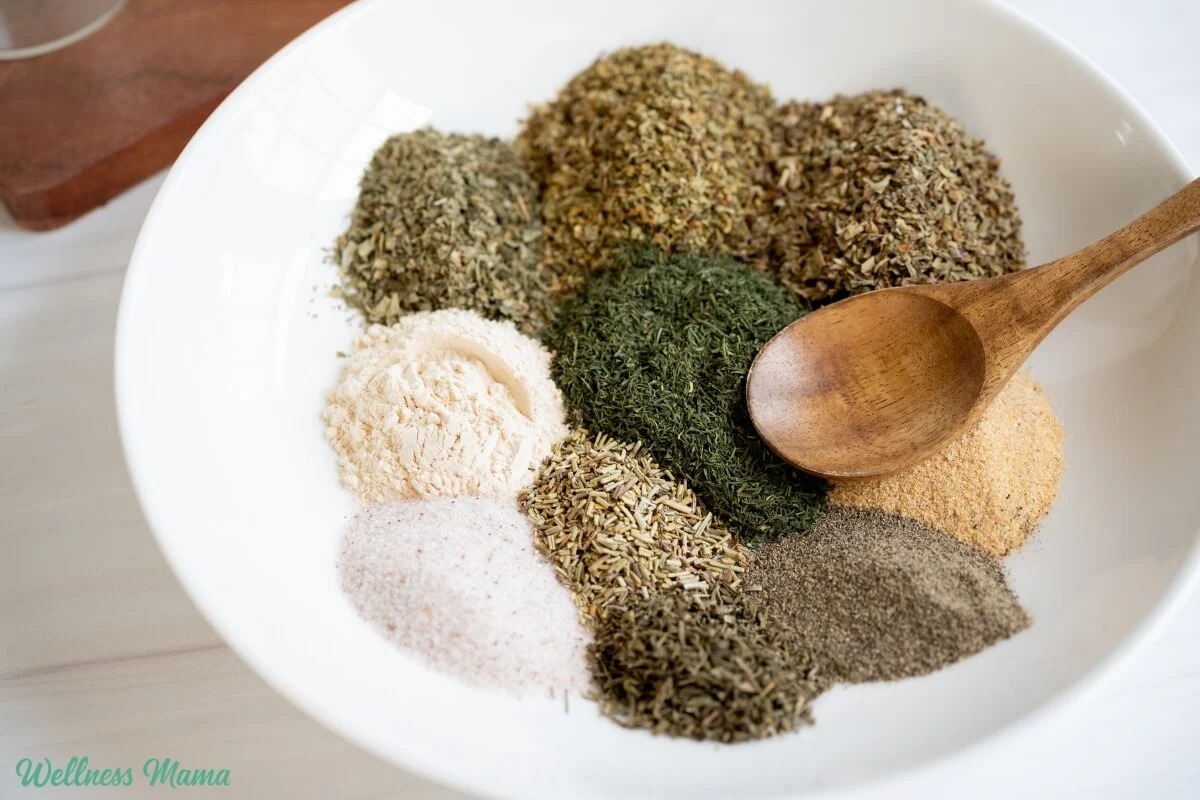
To understand the appeal of this particular pantry staple, it helps to examine what defines the profile of traditional Greek seasoning. At its core, Greek seasoning is a vibrant, Mediterranean-inspired blend of dried herbs and savory aromatics traditionally used to add depth and complexity to meats, vegetables, sauces, and marinades. It masterfully combines classic flavors centered around oregano, basil, dill, garlic, and rosemary, resulting in a savory, well-rounded profile that adapts seamlessly to a wide variety of culinary applications.
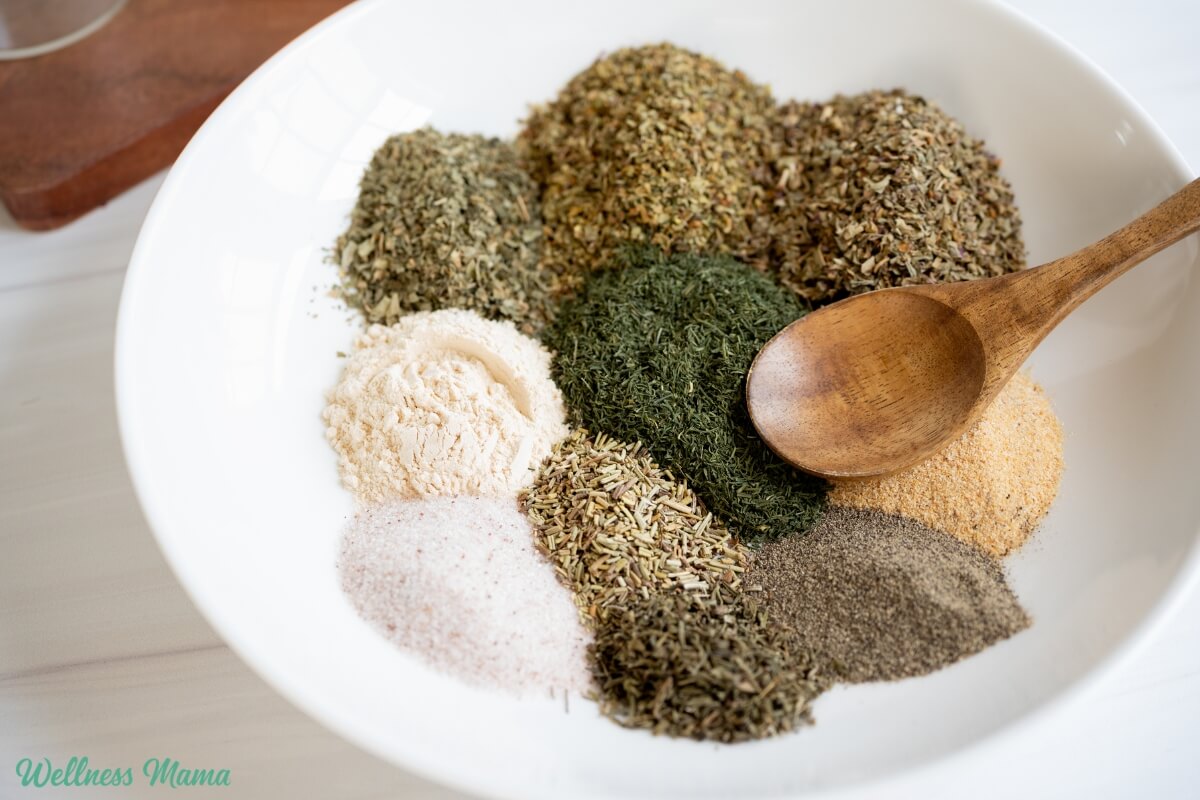
Oregano stands as the undeniable anchor of authentic Greek flavors, delivering a distinctively pungent, earthy taste that elevates the blend far beyond standard Italian seasonings. To balance this intensity, complementary herbs such as basil, parsley, dill, thyme, and rosemary are introduced to hit every necessary flavor note on the palate. Meanwhile, a robust savory base is established through the inclusion of garlic powder and onion powder, ensuring the blend remains versatile enough for everything from proteins to starches. To complete the profile, a delicate touch of cinnamon introduces a subtle warmth that ties the savory elements together without overpowering the dish.
Beyond mere taste, incorporating these specific herbs into daily cooking offers an easy way to introduce a diverse array of micronutrients, antioxidants, and antimicrobial compounds into everyday meals. Human culinary traditions have utilized aromatic herbs for thousands of years, driven not only by the desire to make food taste exceptional, but also by an intuitive understanding of their role in supporting overall wellness and vitality.
The movement toward making more pantry staples at home is largely rooted in the desire to simplify ingredients without ever sacrificing flavor or culinary satisfaction. For large households, such as families managing multiple children, preparing staples in bulk and mixing them at home provides a remarkably cost-effective alternative to purchasing tiny, overpriced specialty jars at the supermarket. Seasoning blends represent one of the most logical and accessible entry points for this kitchen transition because they take only a matter of minutes to assemble and retain their quality for months when stored correctly.
Having a jar of homemade Greek seasoning ready in the pantry offers an immediate culinary upgrade to even the most basic meals. A plain chicken breast, a batch of simple roasted vegetables, or a humble everyday salad can be instantly elevated with just a pinch of the vibrant blend. Moreover, the inherent flexibility of home cooking means recipes can be tailored precisely to personal preferences. Cooks who favor a more pungent profile can easily increase the garlic content, while those who prefer an herbaceous finish can adjust the ratios of oregano, basil, or dill to suit their exact tastes.
The versatility of this seasoning is perhaps its greatest asset, lending itself effortlessly to both rapid weeknight dinners and more elaborate weekend cooking projects. It can be liberally sprinkled over chicken before grilling, thoroughly mixed into homemade burger patties, or used to coat roasted vegetables such as zucchini, yellow squash, and asparagus to draw out their natural sweetness.
One particularly popular preparation involves tossing diced potatoes with a generous glug of olive oil, coarse salt, and a dusting of Greek seasoning before roasting them at high heat. The resulting combination of oil and dried herbs bakes into a remarkably crispy, savory exterior coating that easily rivals the side dishes served at high-end Mediterranean restaurants. Beyond roasted vegetables and proteins, the blend can be seamlessly incorporated into homemade salad dressings, dusted over morning eggs, or stirred directly into plain Greek yogurt to create a quick, flavorful dip that requires no complicated sauces or extra ingredients.
For those looking to streamline meal preparation, the seasoning also serves as an ideal foundation for a rapid Mediterranean marinade. By combining the dry spice blend with extra-virgin olive oil and fresh lemon juice, home cooks can create a bright, acidic marinade that penetrates poultry or lamb prior to cooking. When grilled or baked, the marinated protein emerges tender, juicy, and infused with the bright, sun-kissed flavors of the Mediterranean coast.
When prepared at home, a standard batch of this savory Greek seasoning yields approximately twenty-eight servings, assuming a standard serving size of one teaspoon. Nutritional analyses for the blend highlight its health-conscious profile, contributing minimal calories while delivering concentrated flavor. Each teaspoon contains a negligible amount of total fat—primarily composed of trace amounts of polyunsaturated and monounsaturated fats derived from the dried herbs—along with roughly one gram of carbohydrates, a fraction of a gram of dietary fiber, and a modest amount of protein.
While the blend does contain sodium driven by the natural mineral content of the herbs and optional salt additions, it provides beneficial trace amounts of essential minerals and vitamins, including small percentages of calcium and iron, which contribute to the overall nutritional landscape of a balanced diet. To maintain optimal freshness and potency, culinary experts recommend storing the finished Greek seasoning blend in a clean, airtight glass container kept away from direct heat and light, where it will remain flavorful and aromatic for up to six months.
