A New Paradigm for Childbirth: Examining the Shift Toward Physiologic Care and Lowering Cesarean Rates
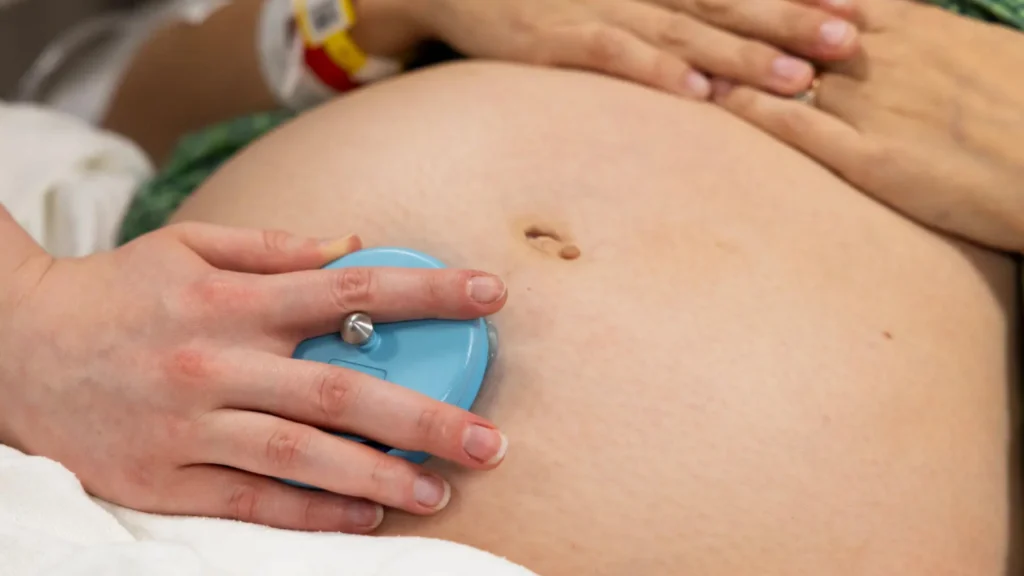
In the landscape of modern obstetrics, the conversation surrounding cesarean birth has reached a critical juncture. On November 24th, The New York Times published a significant report titled “These Hospitals Figured Out How to Slash C-Section Rates,” which investigated the persistent challenge of rising surgical intervention rates in the United States. The article highlighted the success of Rochester General Hospital in New York, which, through a fundamental re-evaluation of its birth culture, has successfully lowered its cesarean section rates in recent years. Among the strategies credited for this success was the integration of the Spinning Babies® approach, a methodology centered on fetal positioning and maternal comfort. The team at Spinning Babies® has since offered a formal reflection on these findings, viewing them as a validation of a physiology-first approach to labor and delivery that prioritizes patience, movement, and the innate capabilities of the birthing body.
A Shift Toward Patience and Physiologic Care
The success story out of Rochester General Hospital is particularly compelling because it did not rely on the introduction of high-tech medical devices or experimental surgical interventions. Instead, the hospital’s obstetrics team—which manages approximately 1,800 births annually—achieved its results through a transformative shift in the institutional philosophy regarding labor. For years, the facility had struggled with high cesarean rates, a trend that was especially pronounced among healthy, first-time parents. By pivoting away from a strictly clinical, intervention-heavy model, the staff began to prioritize the relational and physiological aspects of the birthing process.
This shift meant fostering a culture of patience. Rather than adhering to rigid timelines that often lead to unnecessary interventions, the staff at Rochester General began to emphasize thoughtful, steady support. This included a significant expansion of midwifery care, which is frequently associated with lower rates of medical intervention, and the active encouragement of maternal positions that create pelvic space and facilitate fetal descent. By embracing a "physiology-first" mindset, the hospital addressed the subtle but profound impacts that time pressure, staff expectations, and underlying beliefs about labor can have on the actual progression of birth. For many parents and advocates, these changes represent a return to the foundational belief that birth is a natural process that unfolds most effectively when the birthing person feels secure, respected, and empowered to find their own rhythm.
Understanding the Non-Medical Drivers of Rising Cesarean Rates
The New York Times report touched upon a reality that has long been discussed within the maternal health community: while medical necessity is always a factor, the frequency of cesarean sections is often influenced by variables that have little to do with the health of the parent or the baby. Research consistently points to a complex web of non-medical influences that shape how a clinician approaches a laboring patient. These include a provider’s personal comfort level with the nuances of birth, a clinical environment characterized by a fear of potential litigation or complications, and even logistical factors such as the time of day, current staffing patterns, and institutional payment structures.
It is essential to clarify that acknowledging these influences is not a dismissal of the cesarean section as a life-saving procedure. When medically indicated, the cesarean remains a vital, essential, and sometimes lifesaving intervention. However, the data from institutions like Rochester General suggests that when these non-medical pressures are mitigated, the rate of surgery drops, revealing that many prior interventions were potentially unnecessary. The narrative here is that birth is a deeply relational experience, shaped by the environment, the quality of interpersonal support, and the freedom of movement allowed to the birthing person. When the medical team prioritizes space and comfort, they allow the body and baby to work in tandem, often reducing the need for surgical escalation.
The Role of Physiology and the Spinning Babies® Approach
For years, families and birth professionals have observed a recurring pattern: when the body is supported in finding balance and the birthing person feels emotionally and physically secure, labor tends to flow with greater ease. From a physiological standpoint, babies move more effectively through the birth canal when they have the space and the time to rotate into optimal positions. The Spinning Babies® approach is built upon the premise that maternal movement and positioning can facilitate this process, helping to resolve minor malpositions that might otherwise result in a "stalled" labor.
The impact of this approach was clearly observed at Rochester General Hospital. As part of their efforts to modernize their labor and delivery protocols, the hospital introduced specialized training for its nursing staff on techniques designed to support fetal positioning. Clinicians reported that these strategies made a tangible difference, as nurses gained the confidence and the tools to offer patients positions that directly supported the physiology of birth. By providing this education, the hospital empowered its staff to move beyond traditional, restrictive labor management and instead engage in active, supportive care that helped babies navigate the pelvis with greater ease. These observations serve as a real-world confirmation of what many advocates have maintained for years: when clinical care is responsive to the physiology of birth, the birth process itself often unfolds with more confidence and efficiency.
Balancing Safety with Trust in the Birthing Process
While the trend toward lower cesarean rates is a positive development, it is equally important to maintain a realistic perspective on maternal health. The clinicians who contributed to the New York Times article were candid about the reality that the modern obstetric landscape involves a growing number of pregnancies complicated by health conditions that necessitate highly attentive, clinical care. In such instances, a cesarean birth is not just an option—it is the safest possible path.
However, the core takeaway from the success at Rochester General is that the "safety" of a birth is not solely defined by the presence of surgical intervention. Instead, it is found in a supportive culture that distinguishes between true medical necessity and interventions driven by institutional inertia or rigid, outdated timelines. When hospitals invest in the resources necessary for midwifery and nursing care, and when they foster a culture where birth is allowed to proceed at its own natural pace, the result is often a significant decrease in the number of people who feel pushed toward surgery. This creates a safety net where the cesarean remains a tool for emergencies, rather than a default response to a labor that is simply taking time.
A Reassurance for Families
The reflection provided by the Spinning Babies® team is intended not as a critique of individual providers or a glorification of a single institution, but as a message of empowerment for families everywhere. The core of this message is simple: the human body carries an inherent wisdom, and the birthing process is guided by the instincts of both the parent and the child. When a family is surrounded by care providers who have faith in the physiology of birth and the skill to support that process with patience, the result is a more positive, confident, and empowering experience.
This shift in the national conversation serves as a valuable reminder for expectant parents. It reinforces the importance of asking questions, exploring all available options, and collaborating with a care team that respects the individual’s needs and the body’s physiological requirements. Whether a birth follows a traditional path or requires medical intervention, every person deserves a standard of care built on partnership, mutual respect, and steady, informed support. As the medical community continues to analyze how to improve birth outcomes, the success of hospitals like Rochester General highlights that the most effective tool in the delivery room may not be a new machine, but a renewed commitment to the humanity and physiology of birth.
