Rediscovering Childhood Nostalgia: The Upgraded, Clean-Ingredient Rice Krispie Treat Making Waves in Healthy Households
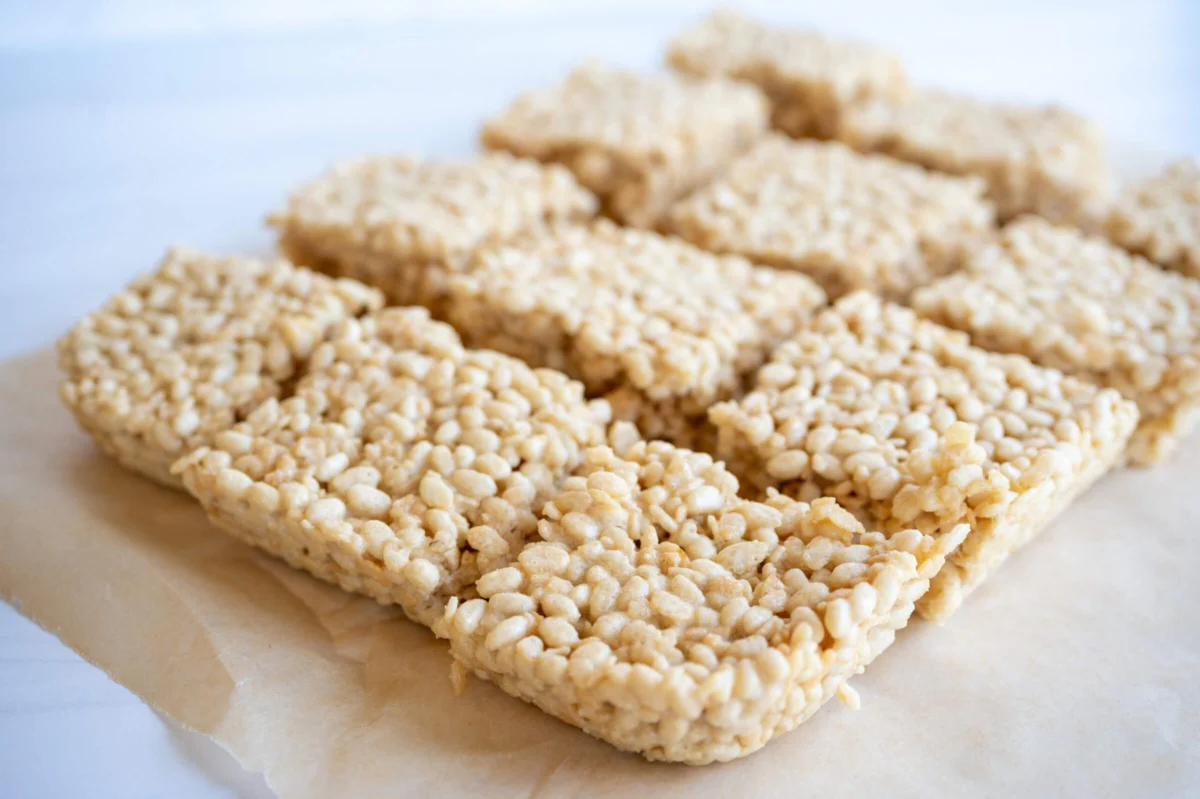
There is an undeniable, universal sense of nostalgia attached to biting into a thick, gooey square of a classic Rice Krispie treat. For many, these sugary confections evoke instant memories of childhood kitchens, school bake sales, and simple afternoon snacks. Yet, despite their enduring popularity, these iconic treats often fall by the wayside for adults pursuing cleaner, more intentional dietary habits. Store-bought versions, in particular, frequently carry a reputation for being overly firm, stale upon opening, and packed with an undesirable lineup of processed additives, ranging from high-fructose corn syrup and genetically modified soybean oil to artificial flavorings and unpronounceable chemical emulsifiers like acetylated monoglycerides.
Even traditional homemade versions, while certainly superior in flavor and texture compared to their mass-produced supermarket counterparts, rarely offer a significant nutritional upgrade. Packed with conventional processed cereals and standard marshmallows heavily laden with refined white sugars, they remain firmly in the category of occasional, highly indulgent junk food. However, a growing movement among health-conscious home cooks is demonstrating that classic comfort foods do not necessarily need to be abandoned entirely. Instead, they can be thoughtfully reimagined. A new, health-conscious recipe for homemade Rice Krispie treats is rapidly gaining traction as a household favorite, bridging the gap between nostalgic childhood indulgence and modern wellness standards.
An Upgraded Rice Krispies Treat Recipe
The momentum behind this culinary reimagining stems largely from the ongoing quest to adapt traditional comfort foods using whole-food ingredients. A common challenge for home cooks attempting healthier adaptations is finding ways to incorporate foundational scratch-made components—such as homemade marshmallows—into classic grain-based dishes. For many families navigating specialized diets, grains are deliberately restricted during specific health-recovery phases. As dietary boundaries expand to reintroduce grains on an occasional basis, experimentation with classic grain-based recipes naturally follows.
Embracing this balanced philosophy does not mean returning to a diet dominated by heavily processed, artificially fortified white flour or chemically treated crops. Rather, it centers on intentional choices and mindful moderation. In the case of this updated treat, the traditional, highly processed name-brand or generic supermarket rice cereal is entirely replaced by a superior alternative: sprouted brown cereal. While acknowledged as still being a processed grain product rather than a nutrient-dense whole food like grass-fed steak, sprouted cereal represents a marked improvement for those willing to make room for occasional, mindful indulgences. Sprouted grains offer the significant advantage of being considerably easier for the human digestive system to process. Furthermore, the preferred variety utilized in this approach is certified organic, non-genetically modified, and lightly sweetened exclusively with a touch of coconut sugar, offering a cleaner profile than its conventional grocery store counterparts.
Homemade Marshmallows
At the heart of transforming this nostalgic snack is the replacement of conventional, highly processed store-bought marshmallows with a scratch-made alternative. Traditional marshmallow recipes can be heavily adapted to prioritize wellness without sacrificing the essential sticky, pliable texture required for a proper treat. A nutrient-dense marshmallow base can be crafted using natural sweeteners like honey instead of refined white sugar. Additionally, incorporating gut-healthy, grass-fed gelatin and authentic marshmallow root provides functional wellness benefits, offering natural soothing properties for the digestive tract.
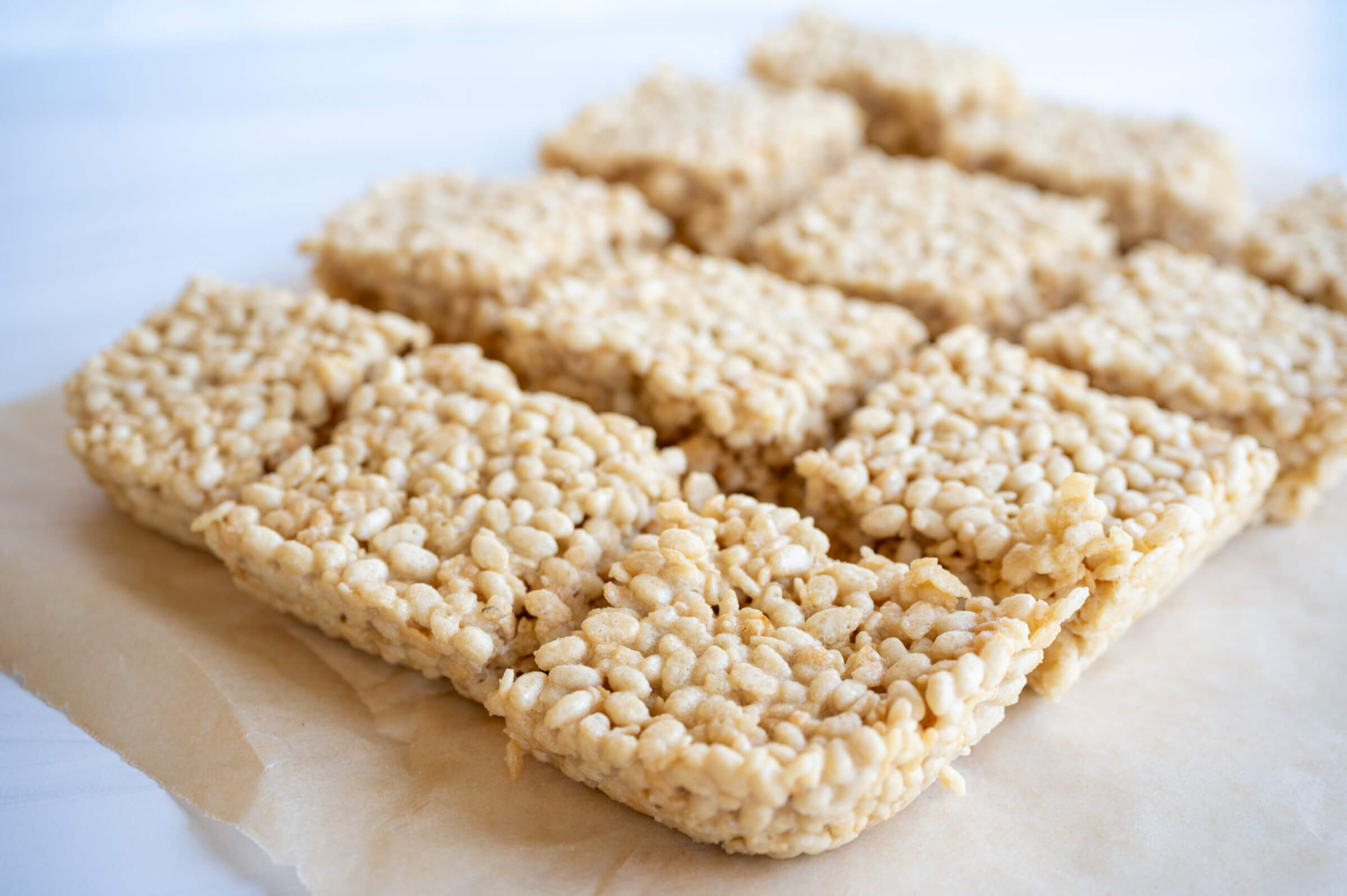
Culinary experimentation with these scratch-made marshmallows over the years has led to numerous creative variations, including infusions of elderberry, matcha, and delicate floral blends like hibiscus rose. When translating this marshmallow foundation specifically for Rice Krispie treats, the process streamlines nicely. Unlike standalone marshmallows, which require pouring into a pan and allowing adequate time to set and firm up, the warm, freshly whipped marshmallow mixture is combined directly with melted butter and gently folded together with the organic sprouted rice cereal.
Homemade Rice Krispie Treat Variations
The versatility of this scratch-made recipe allows for considerable culinary creativity, making it an instant hit among both children and adults. The foundational recipe delivers immediate appeal, often disappearing within minutes of being prepared in a household kitchen. However, home cooks looking to elevate the flavor profile further have a wide array of customizable options at their disposal.
A simple dusting of flaky sea salt across the top immediately transforms the profile into an addictive sweet-and-salty combination. For an even more decadent variation, the treats can be drizzled generously with melted dark chocolate, optionally finished with a final sprinkle of flaky salt. Alternatively, pressing miniature dark chocolate chips gently onto the surface before the mixture fully cools creates a rich chocolate-studded square, though precision and speed are required to prevent the chocolate from melting entirely into the warm base. Other popular culinary adaptations include mixing a quarter cup of creamy peanut butter directly into the butter and marshmallow emulsion for a nutty depth of flavor. For those seeking an exceptionally rich, caramel-like nuance, browning the butter prior to incorporating the marshmallows introduces a sophisticated toasted depth that elevates a simple childhood snack into a gourmet dessert.
How to Store Homemade Rice Krispie Treats
Because this recipe relies entirely on whole-food ingredients and scratch-made marshmallows without the chemical preservatives found in commercial alternatives, proper storage is essential to maintaining optimal texture and freshness. Homemade Rice Krispie treats are best stored at room temperature, securely sealed inside an airtight container to prevent them from drying out or becoming overly sticky. When stored correctly, they remain fresh and delicious for approximately four to five days. In most active households, however, these treats rarely last long enough to test the limits of their shelf life.