As artificial intelligence continues to reshape industries, redefine daily routines, and accelerate at an unprecedented pace, a growing emotional response is sweeping across society: AI anxiety. While the rapid integration of chatbots, automated workflows, and advanced machine learning models offers remarkable possibilities for scientific research and efficiency, it also fosters a pervasive sense of unease. According to insights from Dr. Chris Mosunic, Chief Clinical Officer at mental health platform Calm, this phenomenon represents a unique intersection of modern technology and evolutionary psychology, requiring deliberate strategies to maintain emotional equilibrium.
The anxiety surrounding artificial intelligence is not merely a passing trend, but a complex emotional reaction rooted in deep uncertainty. Defined broadly as the distress caused by the rapid acceleration of technological change, AI anxiety manifests in a spectrum of worries. Individuals frequently grapple with everyday risks, such as potential job displacement, financial scams, and data privacy breaches, alongside broader existential fears regarding humanity losing control over autonomous systems. Although artificial intelligence has evolved over decades, the sudden democratization of generative AI and image-generation tools has compressed years of technological advancement into a matter of months, overwhelming the human capacity to adapt.
Statistical data underscores the widespread nature of this phenomenon. A nationally representative survey conducted by Calm in March 2023 revealed that nearly one in three United States adults, or 29 percent, felt anxious about the proliferation of artificial intelligence. Furthermore, 18 percent described their primary emotional reaction as fear or dread. Interestingly, the data also highlighted a societal paradox: exactly 31 percent of respondents reported feeling optimistic, and an identical 31 percent felt excited, illustrating that many individuals experience a conflicting blend of amazement and nervousness simultaneously.
This duality of public sentiment has persisted as the technology matures. Findings from a Pew Research Center survey demonstrate that public concern remains high, with 52 percent of U.S. adults reporting that they feel more concerned than excited about the presence of artificial intelligence in daily life. This figure represents a notable increase from 37 percent in 2021, while only 9 percent of surveyed adults indicated that they felt more excited than concerned about daily AI integration. These shifting statistics point to a broader cultural friction between the desire for innovation and the fear of unforeseen consequences.
From a psychological perspective, anxiety in the face of uncertainty functions as an evolutionary warning system, designed to put humans on high alert when navigating uncharted territory. However, when this natural vigilance crosses the threshold into overwhelming distress or despair, it depletes the mental and emotional resources required to address complex societal questions constructively. When individuals feel paralyzed by the pace of change, engaging in thoughtful dialogue about the future of work, ethics, and governance becomes significantly more difficult.
Addressing AI anxiety requires moving past the instinct to suppress or invalidate difficult emotions. According to clinical guidance, attempting to brush off genuine unease as an overreaction can erode self-trust and personal confidence. Instead, acknowledging the validity of feeling anxious about an unpredictable technological landscape allows individuals to process their reactions more healthily. When people permit themselves to recognize both their fascination and their fear, they create psychological space to evaluate the situation objectively rather than reacting out of panic.
A major contributor to heightened AI anxiety is the tendency toward catastrophic thinking. When confronted with an ambiguous future, the human mind frequently anticipates the worst-case scenario, often in the absence of supporting evidence. This cognitive trap can transform low-level worries into a compounding cycle of distress. Practicing mindfulness and grounding techniques can help interrupt this cycle, anchoring individuals in the present moment rather than projecting fears into a dystopian future.
Polarized thinking also plays a significant role in fueling tech-related stress. Popular culture often portrays a strictly binary future, filled with either utopian abundance or dystopian collapse, making it easy to view technological developments in absolute terms. In reality, modern life exists in the nuance between these extremes. Experts emphasize that it is entirely normal to hold opposing emotions simultaneously—feeling fascinated and terrified, or anxious and grateful, all at once. Embracing these multifaceted truths allows individuals to navigate complexity with greater ease.
At the furthest end of the spectrum, some individuals experience deeper, subconscious fears regarding human obsolescence and the fundamental value of humanity in a machine-driven world. Remedies for this existential dread often involve leaning back into distinctly human experiences—such as reading physical books, engaging in face-to-face community interactions, or taking mindful walks—to reaffirm the value of living in the present moment.
Amid these discussions, mental health professionals emphasize a crucial boundary regarding the current wave of consumer technology: artificial intelligence is a tool, not a therapist. Recent incidents involving general-purpose AI tools responding in unsafe or harmful ways to vulnerable users highlight the limitations of automated systems. General chatbots and large language models lack the capacity for genuine empathy, cannot accurately recognize risk, and are entirely unequipped to provide crisis support. While structured digital programs guided by licensed professionals can offer valuable mental health support, general AI platforms are not a substitute for real human care. Individuals experiencing severe distress or crisis are encouraged to seek assistance from qualified professionals or established support lines, ensuring they receive thoughtful, personal, and safe intervention.
As the United States approaches its historic 250th anniversary, Veterans Day offers a vital moment of national reflection. It is a time not only to honor the brave men and women who have worn the uniform and defended the nation, but also to examine how their collective example demonstrates what it truly means to be an American. The story of the United States is, at its core, the remarkable chronicle of people from vastly different backgrounds, deeply held beliefs, and varied life experiences striving together to build a republic rooted in shared ideals.
That journey toward unity often begins long before public service, shaped by the quiet realities of everyday American life. Growing up in a middle-class family within a predominantly white Northern Virginia suburb during the 1970s and 1980s offered a traditional backdrop for such a journey. The household was anchored by a father who worked as a career police officer and a mother who stayed home to raise the children while simultaneously running a childcare business out of the family residence. Raised Catholic in a patriotic environment, the children rarely encountered the friction of overt political debate. It was never an explicit household rule; politics simply remained undiscussed. Years later, following the father’s retirement from the police force and the eventual divorce of the parents, a surprising family dynamic came to light: the mother was a progressive Democrat, while the father was a conservative Republican. Looking back, the realization that such fundamental political differences existed under the same roof—yet never defined or fractured the family—offers a powerful lens on how Americans can coexist without division.
Childhood and adolescence during those years were defined by routine, education, and athletics. The author and four siblings attended private Catholic schools, spending the majority of their free time immersed in sports. Year-round schedules of baseball, football, and basketball, complemented by wrestling, consumed the calendar, accompanied by the universal childhood dream of eventually playing professionally. Although recurring injuries through high school and college gradually dimmed those athletic aspirations, the competitive drive and love for physical challenge remained intact.
Leaving college without a definitive professional path is a common milestone, often accompanied by a period of transition and uncertainty. Moving back home, taking temporary jobs to earn spending money, and working to pay off student loans led to about a year of searching for direction. During that period of career ambiguity, advice from a parent proved pivotal. Recognizing a deep-seated enjoyment of teamwork, physical discipline, and strategic thinking, the father encouraged his son to pursue a career built around those genuine passions.
That guidance pointed directly toward the United States Marine Corps, where the search for camaraderie, physical challenge, and a team-oriented environment finally found a permanent home. Stepping into the military also unlocked a deeper sense of identity, purpose, and belonging inherent in a profession dedicated to a mission far greater than oneself. The journey commenced at Officer Candidate School, marking the initial steps of a career that would fundamentally shape an understanding of leadership, service, and national identity.
The Marine Corps readily satisfied an appetite for adventure while introducing the sobering realities of combat, the rigorous demands of leadership, and the profound responsibilities tied to military service. Crucially, it also provided immediate immersion in the rich tapestry of serving alongside individuals whose backgrounds, experiences, and perspectives varied wildly from one another.
We were Christians, Jews, Muslims, atheists, and agnostics, all serving together. We shared a commitment to serve our country and one another.
Throughout a military career, the armed forces consistently demonstrate how institutional structures can successfully unite individuals from vastly different walks of life behind a single, shared purpose. Service members arrive from every corner of the country—Midwestern farms, Rust Belt industrial cities, New England towns, the Deep South, coastal enclaves, Pacific Northwest mountain communities, and everywhere in between. Some are raised in small rural outposts, while others grow up amid the hustle and bustle of major metropolitan centers and sprawling suburbs. Within the ranks, Christians, Jews, Muslims, atheists, and agnostics serve side by side, bound not by uniform theological beliefs, but by an unwavering commitment to the country and to one another.
Vivid examples of this unique mosaic of diversity and unity leave lasting impressions on those who serve. Witnessing a proud Texan, a Jewish Harvard Law School graduate, and a Hispanic former gang member from East Los Angeles serving together as enlisted Marines in the exact same platoon might sound like the setup for a fictional anecdote. Instead, it serves as a genuine testament to how the military brings together a cross-section of American society that might otherwise never interact, let alone learn to deeply appreciate one another. Despite wildly divergent life experiences, service members quickly learn to depend entirely upon one another, uphold common standards, and drive toward a collective mission.
Another striking illustration of this dynamic unfolded during service as a Company Commander in Marine Special Operations. The leadership team featured two senior enlisted service members of starkly contrasting backgrounds. The Company First Sergeant grew up in the inner-city neighborhoods of Chicago as the child of Chilean immigrants. Meanwhile, the Operations Chief was a country boy from Oklahoma who spent his youth riding horses and competing in rodeos. Despite entirely different life trajectories and paths within the Marine Corps, the two worked with remarkable synergy during intense combat deployments in Afghanistan.
Despite our different backgrounds and life experiences, we adopted a shared identity.
Despite the myriad differences in upbringing, culture, and personal history, service members consistently adopt a powerful, shared identity. Earning mutual trust does not require identical backgrounds, shared worldviews, or matching beliefs. True unity is forged through shared responsibility, mutual respect, sacrifice, and collective service to the nation. Looking back, veterans often express deep gratitude for the privilege of serving alongside such an eclectic group of fellow citizens, an experience that reinforces the enduring value of foundational principles over superficial divisions.
As the nation honors its veterans and looks toward the horizon of America’s next 250 years, their enduring example offers a clear roadmap for what is possible when a society deliberately chooses service over division and a shared national identity over personal differences. This Veterans Day, honoring those who served means recognizing not only their profound personal sacrifices, but also the vital lesson their service imparts: citizens do not need to be identical to stand together. Personal differences do not have to drive people apart. As Americans, finding unity around a common identity and shared ideals remains entirely achievable, ensuring that national diversity continues to serve as an enduring source of strength.
The process of talking with a child about their adoption story is frequently viewed by parents as an intimidating and overwhelming prospect. However, child welfare advocates, pediatricians, and adoption professionals emphasize that these vital conversations are essential for fostering healthy emotional development and strengthening the parent-child bond. As families prepare to navigate these discussions, experts suggest that beginning with an understanding of why these conversations matter is a critical first step.
Establishing an open, honest, and safe dialogue regarding a child’s adoption story serves to reinforce mutual trust and connection within the relationship. Furthermore, research and clinical guidance indicate that the earlier these conversations begin, the more naturally they integrate into a child’s understanding of their identity. In insights published by the National Council for Adoption (NCFA), Jayne Schooler, founder of the Schooler Institute, noted that every adopted child carries a distinct past. When children have little to no information regarding their personal history, they can experience a profound sense of disconnection. Schooler describes a child’s story as the vital bridge connecting their past to their present and future.
These insights align closely with pediatric recommendations, trust-based parenting research, and the collective experiences of the broader adoption community. Together, these sources offer a framework for communicating a child’s story with both truth and gentleness, moving away from avoidance and toward relational transparency.
Start Early, and Continue the Conversation
Many parents wonder if there is a specific, ideal moment to introduce the concept of adoption to their child. According to the American Academy of Pediatrics (AAP), parents should not wait for a single, defining milestone. Instead, pediatric guidelines recommend incorporating words such as adoption, birth family, and foster care into everyday conversations from the very beginning. The AAP advises that children should be fully aware of their adoption status by the time they reach school age.
Rather than treating the topic as a single, monumental conversation, experts encourage families to approach adoption as a lifelong dialogue. Practicing these words out loud while a child is still an infant allows parents to become comfortable with the terminology long before complex questions emerge. As children grow and develop cognitive capabilities, their comprehension of their personal history evolves. Consequently, parents will retell the story repeatedly across different developmental stages, introducing nuanced details as the child demonstrates readiness.
A cornerstone of this ongoing dialogue is absolute honesty. Adoption professionals strongly advise against fabricating details or softening a child’s history to make it more palatable. While every minute detail does not need to be disclosed all at once, the information that is shared must be entirely truthful.
Many children entering adoptive families have backgrounds touched by trauma, abuse, neglect, or profound loss. It is entirely natural for parents to feel a protective instinct, hoping to shield their children from painful realities. Nevertheless, consensus among adoption professionals and adult adoptees indicates that withholding difficult information is rarely in a child’s best interest. When children eventually discover hidden truths independently, the foundational trust they place in their caregivers can be severely compromised.
Honor Their First Families and Their Roots
For many families, faith and personal values play a significant role in their daily lives, guiding how they approach relationships and difficult truths. Within this context, experts emphasize the importance of honoring a child’s birth parents, recognizing that birth families possess inherent dignity and worth. To act otherwise would run counter to principles of grace and compassion. As noted by advocates at the NCFA, the decision to place a child for adoption is complex, typically fraught with profound heartbreak alongside a desire for the child’s future well-being.
Whether or not an adoptive family maintains an open relationship or has direct knowledge of a child’s birth relatives, finding ways to speak respectfully about first families remains essential. Acknowledging the love, sacrifice, or difficult circumstances surrounding an adoption allows children to integrate their complete heritage into their developing self-image, validating both their past and their present environment.
Make Room for Big Feelings
As children process the reality of their adoption stories, they frequently experience a wide spectrum of emotions, including joy, gratitude, sadness, anger, and confusion. It is not uncommon for a child to exhibit several of these feelings within the span of a single afternoon. Adoption specialists stress that emotional volatility is not an indication of parenting failure; rather, it is a normal, healthy response as a child learns to hold the dual realities of love and loss simultaneously.
Much of contemporary post-adoption support is rooted in Trust-Based Relational Intervention (TBRI), a care model developed by Dr. Karyn Purvis and Dr. David Cross at the Karyn Purvis Institute of Child Development at Texas Christian University. Designed specifically for children impacted by early trauma, TBRI operates on a foundational premise: connection builds trust, and trust forms the basis for healthy, secure relationships.
In practical terms, applying these principles means remaining emotionally attuned and available when heavy feelings surface. When children struggle with emotions that feel larger than a family can manage independently, seeking external professional assistance is viewed by clinicians as a wise and supportive measure. Parents are encouraged to look for counselors who specialize in adoption and trauma, as well as utilize specialized training platforms designed to support caregivers through challenging developmental phases.
Reflecting on the emotional landscape of adoptive family life, Show Hope co-founder Mary Beth Chapman has frequently described adoption as gloriously hard, embodying the delicate tension between love and loss. Because both elements form integral parts of an adopted child’s narrative, parents often carry a heavy responsibility as the keepers of that story.
Experts reassure families that perfection is neither expected nor required. What children ultimately need are parents who keep communication channels open, speak the truth with compassion, and remain steadfast through every question and emotional shift. When mistakes happen, acknowledging them, seeking a fresh start, and continuing forward are vital components of relational resilience. While the journey presents distinct challenges, advocates encourage parents to share their children’s adoption stories openly, trusting in the process and the relationships they are building.
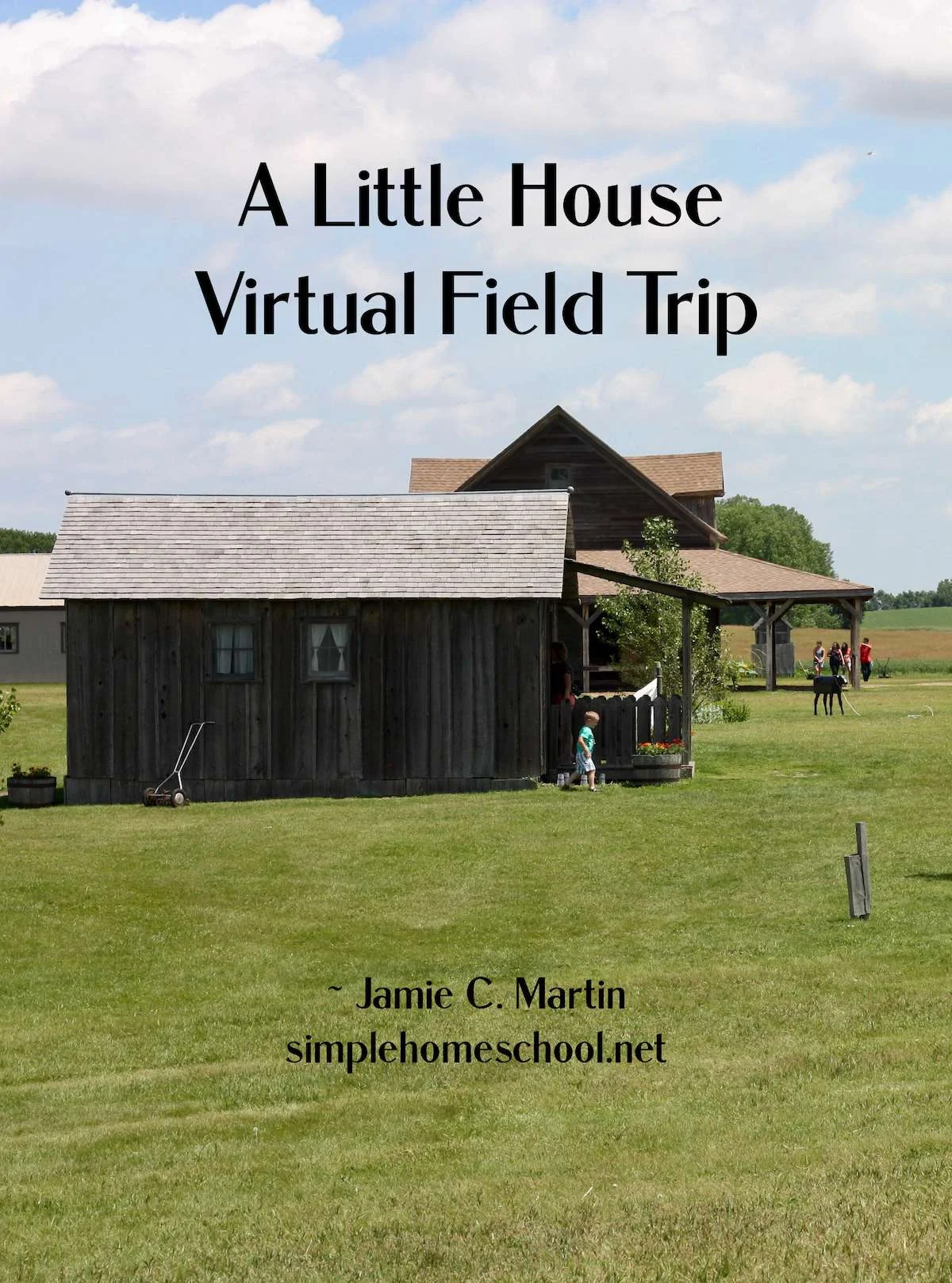
For generations, the timeless stories of Laura Ingalls Wilder have captured the imaginations of young readers, transporting them to a bygone era of covered wagons, vast prairies, and frontier resilience. For Jamie C. Martin, editor of Simple Homeschool, a lifelong dream rooted in childhood devotion is finally becoming a reality. This summer, Martin and her family are packing up their minivan to retrace the historic footsteps of the famous pioneer author across the American Midwest.
Rather than keeping the adventure to themselves, Martin is opening up the journey to families nationwide through a comprehensive virtual field trip. Designed for children, students, and homeschooling parents to explore from the comfort of their dining room tables or living room couches, the digital initiative maps out the physical geography behind the beloved Little House book series using modern tools like Google Earth and archival video footage.
The literary journey spans several states, covering the actual locations where the Ingalls and Wilder families lived, worked, and fought to survive against the backdrop of 19th-century American expansion.
Stop 1: Pepin, Wisconsin
The journey begins where Laura’s story started: the Big Woods of Wisconsin. Born there in 1867, Laura immortalized her earliest memories in her very first book, Little House in the Big Woods. While literary chronology places these memories slightly differently—with many actually occurring after the family returned from the Kansas prairie—the essence of the deep woods remains etched in the historical record.
Today, satellite views of the Pepin site show a landscape where only a handful of original trees remain. However, a meticulously reconstructed replica cabin stands on the location, accompanied by a public picnic area for visiting families. Visitors and virtual travelers alike can examine the geography that shaped Laura’s earliest perceptions of home, community, and wilderness.
Stop 2: Independence, Kansas
Moving south and west, the next major chapter of the family’s migration takes center stage in Independence, Kansas. In 1869, the Ingalls family relocated to this region, settling on land belonging to the Osage Nation after receiving word that the territory would soon be opened to homesteaders.
The year spent on the Kansas prairie was fraught with severe challenges, including harsh environmental conditions and rising tensions between Native Americans and encroaching settlers. Ultimately, the family was forced to leave the area. Today, a furnished replica cabin stands on the historic site, located just a short distance from the hand-dug well that Pa Ingalls constructed with his own tools.
Stop 3: Walnut Grove, Minnesota
After leaving Kansas and spending a brief period back in Wisconsin, the Ingalls family headed north to Minnesota in 1874. Their initial home on the Minnesota frontier was a humble sod house where they weathered a harsh winter before Pa constructed a larger timber home, which Laura fondly remembered as "the wonderful house" because it was the most spacious dwelling of her childhood.
While the original structures no longer stand, the natural landmarks endure. Plum Creek remains a central attraction for visitors, offering modern travelers the chance to wade in the same waters where Laura once played. The nearby town of Walnut Grove hosts a dedicated museum celebrating the era, and the historic church bell—purchased with funds raised through the sacrifice of Pa’s shoe money—continues to be preserved in the community.
Stop 4: De Smet, South Dakota
Following a series of agricultural disappointments in Minnesota and a brief stay in Iowa, the Ingalls family made their permanent move further west to De Smet, South Dakota. Here, Pa Ingalls secured employment with the expanding railroad, establishing a permanent home base where Laura, Mary, Carrie, and Grace would reside until adulthood.
De Smet serves as the geographical backdrop for several of Wilder’s most dramatic works, including The Long Winter, Little Town on the Prairie, and These Happy Golden Years. It is the setting where Laura endured the legendary blizzards of the Dakota territory, blossomed into a young woman, experienced her courtship with Almanzo Wilder, and began her married life.
Stop 5: Malone, New York
To fully understand the world of the Little House series, the itinerary extends beyond the Ingalls family trajectory to include the childhood home of Almanzo Wilder. Born on a New York farm in 1857, Almanzo’s early life is chronicled in the classic companion novel, Farmer Boy.
Almanzo’s family farmed the Malone property for nearly two decades before widespread crop failures necessitated their own move west to Minnesota. The original farmhouse still stands today, carefully restored to reflect the period detailed in Wilder’s writing, offering a glimpse into agricultural life in the 19th-century Northeast.
Stop 6: Mansfield, Missouri
The final chapter of Laura Ingalls Wilder’s life unfolded at Rocky Ridge Farm in Mansfield, Missouri, where she, Almanzo, and their daughter Rose relocated in 1894 in search of a fresh agricultural start. Over the course of nearly two decades, the family transformed the rugged landscape and built the white farmhouse that now operates as a historic museum.
It was within the walls of Rocky Ridge Farm that Wilder penned her entire literary canon, cementing her legacy in American children’s literature. Reflecting on the enduring values of her upbringing, Wilder famously noted that while material comforts and domestic routines had evolved significantly since her youth, the fundamental truths and principles taught by her parents remained timeless and unchangeable.
When the name William Shakespeare is mentioned in casual conversation, it frequently evokes a specific, collective memory for many adults: sitting at a wooden desk in a high school English classroom, squinting at dense Elizabethan prose, and laboriously struggling through Julius Caesar line by line, glossary in hand. For generations, the introduction to English literature’s most celebrated dramatist has been framed as an academic hurdle, an exercise in translation rather than an invitation to art.
According to literary advocates and theater professionals, this approach is an absolute tragedy. Shakespeare’s plays were never designed to be quietly parsed in silence or dissected for grammar and vocabulary tests. They were composed to be experienced dynamically—to be performed, seen, heard, and ultimately felt by audiences of all ages and backgrounds. Introducing children to the works of Shakespeare can transform what is often perceived as an intimidating scholastic chore into one of the most vibrant, joyful, and shared creative experiences a family can enjoy together.
In an effort to reshape how families approach classical literature, recent discussions highlight the enduring brilliance of the Bard through the eyes of one of his most passionate modern champions, acclaimed playwright Ken Ludwig. Best known for his celebrated contributions to the stage, Ludwig is also the author of the influential volume How to Teach Your Children Shakespeare. His theatrical works enjoy a rare distinction, being performed virtually every single night of the year in theaters across the globe. His infectious enthusiasm for Elizabethan drama offers a refreshing perspective on how timeless stories can resonate deeply with young, modern minds.
The core philosophy championed by Ludwig and fellow literary enthusiasts is that children possess an innate receptivity to rhythm, meter, and theatrical emotion long before they can academically analyze dramatic structure. Rather than waiting until adolescence—when reading often becomes mandatory and pressurized—introducing the musicality of Shakespeare’s verse during childhood allows the language to become second nature.
Ludwig’s approach strips away the intimidation factor associated with the Renaissance era, encouraging parents and educators to focus on the sheer theatricality of the stories. Shakespeare’s works are filled with high-stakes melodrama, slapstick comedy, magical creatures, thrilling sword fights, and larger-than-life characters that naturally captivate young imaginations. When children are allowed to hear the iambic pentameter read aloud, the cadence often mimics a heartbeat, making the poetry physically engaging and memorable.
The broader cultural conversation surrounding arts education frequently grapples with how to make classical texts accessible without "dumbing them down." Playwrights like Ludwig argue that children do not need simplified versions or modern translations to appreciate Shakespeare; rather, they need guides who can unlock the emotional core of the text. By focusing on motivation, conflict, and expressive performance, adults can help young listeners navigate the rich vocabulary naturally.
This philosophy challenges the traditional academic paradigm that prioritizes silent reading and text-based testing over auditory and performance-based learning. In theatrical traditions, the text is merely a blueprint for human expression. When parents read lines aloud with exaggerated emotion, humor, and theatrical flair, children quickly grasp the underlying meaning of words they might otherwise struggle to define.
As conversations around family literacy continue to evolve, the emphasis remains on fostering a genuine love for storytelling. Whether through listening to audio performances, watching live outdoor theater productions, or reciting famous passages in the living room, bringing Shakespeare into the domestic sphere proves that the sixteenth-century playwright’s insights into human nature remain brilliantly relevant today. Through the guidance of passionate advocates like Ken Ludwig, a new generation of readers and theatergoers is discovering that the world of the Globe Theatre is not a dusty museum exhibit, but a living, breathing celebration of the human experience.
In the landscape of modern prenatal care, the bridge between clinical assessment and the emotional experience of pregnancy is often narrow. However, a movement led by Gail Tully, the founder of Spinning Babies®, seeks to close that gap through a practice known as the Belly Mapping® Method. Designed as both a joyful guide for expectant parents and a supportive tool for birth professionals, this approach transforms the way individuals perceive the final stages of gestation, turning a clinical reality into an opportunity for deep, playful connection.
At its core, the Belly Mapping® Method is a deliberate, hands-on process that empowers parents to discover their baby’s position within the womb. By moving beyond the passive role of a patient, parents are invited to participate actively in their pregnancy journey. For healthcare providers, such as midwives, doulas, and childbirth educators, the method serves as a parent-centered approach that complements traditional clinical conversations regarding fetal positioning, maternal comfort, and labor preparation. As interest in this method continues to grow, the publication of the official Belly Mapping® Method book has become a central resource for those seeking to integrate this practice into their prenatal routines.
Navigating the Pregnancy Journey: A Resource for Parents
For many expectant parents, the physical sensation of a baby’s movement is a daily source of wonder, yet the exact meaning of those kicks, rolls, and stretches often remains a mystery. The Belly Mapping® Method book serves as a practical guide to demystifying these movements, providing parents with the tools to translate fetal activity into an understanding of how their baby is lying. This knowledge is not merely academic; it is deeply practical. By understanding their baby’s position, parents can gain a greater sense of agency over their birth preparation, fostering a heightened level of awareness that can influence labor outcomes.
The method is structured as a three-step process, encouraging parents to use the gentle pads of their fingers to palpate their belly. This practice is recommended to begin in the third trimester, typically after 28 weeks, when the baby’s size and the relative space in the womb make it easier to discern specific anatomical details. While some parents may feel curious enough to start earlier in the second trimester, the clarity of the mapping improves as the pregnancy progresses. Safety remains a cornerstone of the practice; the method emphasizes light touch, discouraging any forceful pressing or poking. If at any point a parent experiences discomfort, the protocol is to pause, adjust, and re-evaluate, ensuring the experience remains as gentle as it is informative.
One of the most common questions surrounding the method is its accuracy compared to clinical diagnostic tools like ultrasound. While ultrasound provides a precise, two-dimensional image of the fetus, the Belly Mapping® Method offers something distinct: a three-dimensional, sensory-driven experience. It is not intended to replace medical diagnosis, but rather to function as a supportive practice. Factors such as gestational age, amniotic fluid levels, and the baby’s size can influence the ease of mapping. However, with repetition, many parents find that their estimations become increasingly accurate and are often later validated by clinical ultrasound results.
The emotional impact of this practice is perhaps its most significant feature. By encouraging parents to imagine and physically connect with their baby’s form, the method turns prenatal check-ins into a bonding ritual. Many families have adopted creative ways to document these findings, such as painting or drawing the baby’s position on the mother’s belly, creating a cherished keepsake of their journey. This, in turn, helps to mitigate the anxiety often associated with the unknown aspects of labor, replacing fear with a sense of informed anticipation. If a parent struggles to identify the baby’s position—often due to the presence of an anterior placenta or the baby simply turning to the side—the method encourages patience, suggesting that they try again at another time or enlist the guidance of a partner or a birth professional.
A Professional Perspective on Fetal Positioning
While the benefits for parents are clear, the Belly Mapping® Method has also carved out a significant space within the professional birth community. Midwives, doulas, and childbirth educators are increasingly integrating the method into their prenatal care models to enhance the quality of support they provide. Unlike traditional clinical assessments, such as Leopold’s Maneuvers, which are largely provider-centered and focused on medical documentation, the Belly Mapping® Method is inherently parent-centered.
For the professional, the value lies in the dialogue it creates. When a practitioner asks parents to describe their baby’s movements and combines those observations with their own clinical expertise, the result is a more holistic understanding of the pregnancy. This collaborative approach allows providers to guide conversations about labor preparation with greater precision. For example, if a parent identifies that their baby is in a breech position or is not yet engaged, the practitioner can introduce body-balancing activities or discuss potential options, such as an External Cephalic Version (ECV), much earlier in the timeline.
Integrating this method into a professional practice does come with clear boundaries. Because the Belly Mapping® Method is a registered trademark of Spinning Babies®, there are specific guidelines regarding its presentation. While any professional can discuss the concepts during a one-on-one appointment, the formal teaching of the method as a service—such as offering "Belly Mapping® sessions"—is restricted to those who have undergone specific training and licensing, such as becoming a Spinning Babies® Certified Parent Educator. This ensures that the method is taught with consistency and integrity, maintaining the high standards set by the organization.
The professional utility of the method also extends into the management of labor. When parents have a baseline awareness of their baby’s position—whether posterior, breech, or engaged—they are often better prepared for the physical realities of the birth process. This awareness allows for proactive rather than reactive decision-making. If a labor is proving difficult, parents familiar with the concept of positioning are more likely to be receptive to suggestions for position changes, comfort measures, or timely referrals, knowing that their baby’s orientation plays a critical role in the ease of their descent.
Cultivating Awareness and Confidence
Ultimately, the Belly Mapping® Method serves as a bridge between the physical and the emotional aspects of childbirth. By inviting parents to engage in the process of discovery, it fosters a deeper sense of connection that extends from the prenatal period into the birth room. It acknowledges that the mother and the baby are active participants in the process, and that the more informed and connected the parents are, the more capable they feel when navigating the complexities of labor.
For those who have felt overwhelmed by the clinical nature of pregnancy, the method offers a return to the basics: touch, intuition, and the quiet observation of life growing within. Whether utilized as a tool for deeper emotional bonding or as a framework for understanding fetal positioning, the practice remains a testament to the idea that birth preparation is not just about the final outcome, but about the journey of preparation itself. As more families and professionals turn to the Belly Mapping® Method, the focus remains on the same goal: empowering parents with the knowledge and confidence to welcome their babies into the world with awareness and joy.
During a recent promotional appearance on "The Jennifer Hudson Show," actress and comedian Jackie Tohn experienced one of the most heartfelt and emotionally resonant moments of television in recent memory. Best known for her work on the hit Netflix series "Nobody Wants This," Tohn appeared alongside her co-star Kristen Bell to discuss the show and connect with host Jennifer Hudson. What began as a standard promotional interview quickly transformed into a deeply moving conversation about family, resilience, and hereditary health, culminating in an unexpected and joyful surprise that left the actress in tears.
The conversation took a poignant turn when Hudson steered the discussion toward Tohn’s personal life, specifically asking about her parents, Alan and Bella, and her father’s courageous cancer journey. Alan had been diagnosed with rare male breast cancer at the age of 71. In the wake of that diagnosis, further medical investigations revealed that he carried a BRCA1 genetic mutation, a hereditary marker that he subsequently passed down to his daughter.
For Tohn, learning that she carried the same genetic mutation brought profound and sobering news. Medical evaluations indicated that the BRCA1 mutation gave her an estimated 85% lifetime chance of developing breast cancer, alongside a significantly heightened risk of ovarian cancer. Confronted with these daunting statistics, Tohn made the proactive and courageous decision to take control of her health. Last December, she underwent a preventative double mastectomy, and she has scheduled a preventative hysterectomy for this coming December.
Rather than keeping her medical trials private, Tohn has demonstrated a steadfast commitment to ensuring that her family’s experience serves as a resource and a warning for others facing similar vulnerabilities. During her interview with Hudson, she used her platform to urge viewers to consider genetic testing. She specifically recommended the procedure for individuals
with a family history of rare cancers, those diagnosed with cancer at a notably young age, families or individuals dealing with multiple cancer diagnoses, and people of Ashkenazi Jewish ancestry, who statistically face a higher prevalence of certain hereditary genetic markers. Describing the process as a simple saliva test, she encouraged anyone meeting these risk criteria to take the proactive step of getting tested.
As the conversation shifted away from the frightening realities of hereditary cancer, the tone transformed into a celebration of the extraordinary and close-knit relationship Tohn shares with her parents. Hudson introduced a charming video clip featuring Alan and Bella putzing around their kitchen, displaying the humor and warmth that endeared them to the production team and the audience. Watching her parents on screen, Tohn grew visibly emotional as she reflected on the immense dedication and love they have consistently shown her throughout her life, noting how thrilled they would be to see themselves broadcast on television.
Sensing an opportunity to elevate the emotional resonance of the moment, Hudson had a major surprise prepared. Calling out "Mom! Dad!" to the backstage area, Hudson watched as Alan and Bella emerged onto the stage to join their daughter, instantly transforming the interview into a family reunion.
The couple immediately began kvelling over Jackie, expressing profound pride not only in her flourishing entertainment career but in the compassionate, resilient person she has become. Yet, amidst the joy and celebration, a moment of vulnerability emerged. Alan shared the deep weight of guilt he has carried regarding his role in passing the BRCA1 mutation down to his daughter.
Recognizing her father’s emotional burden, Tohn moved quickly and decisively to reassure him, blending her trademark wit with sincere affection. Reminiscing about her upbringing, she joked that her musical abilities came directly from her mother, who plays the triangle. Then, turning her attention firmly to her father, she addressed the genetic news with practical grace and profound love. She pointed out that her father gave her all of her best talents and loving personality traits, and because he passed down this vital information, she was able to take decisive action to protect her health. Telling him directly that he did not need to feel bad, her matter-of-fact reassurance prompted an enthusiastic "Hell yeah!" from her father on stage.
Reflecting on the exchange, co-star Kristen Bell noted during the interview that when faced with frightening medical information, individuals generally have two choices: to stay inside and feel defeated by fear, or to find a silver lining. Bell praised Tohn for choosing the latter path. Rather than allowing fear of a potential diagnosis to paralyze her, Tohn embraced gratitude for the knowledge she received. By openly sharing her medical journey with the public, she is actively arming others with vital information that could ultimately save lives, marking a powerful milestone in her ongoing advocacy work.
As the holiday season approaches, the annual search for the ideal present often leads back to the same familiar categories: standard kitchen appliances, clothing, and children’s toys. For those looking to break away from conventional gifting, a new wave of unconventional, highly practical, and health-conscious gift ideas is offering a refreshing alternative. Designed to be functional rather than gather dust on a shelf, these unique selections span food and beverages, nature-inspired items, advanced wellness tech, and home care innovations.
Whether intended for a wedding, a birthday, or simply as an unexpected token of appreciation, these creative items offer utility and wellness benefits that recipients are unlikely to already own. Furthermore, for those sharing a household with the recipient, these practical gifts often deliver shared health advantages.
Food and Drink
The culinary and beverage category offers several items focused on purity, nutrient density, and unique sourcing.
Water quality remains a prominent focus in wellness circles, leading to the popularity of devices like the Mayu Swirl. By mimicking the movement of fresh spring water rolling down a mountainside, the device helps recreate structured water. Modern plumbing and storage tanks typically strip water of its specific molecular structure and mineral content, but swirling helps restore this dynamic, particularly when minerals are added beforehand to improve infusion.
For chocolate enthusiasts, artisan bars such as Spring & Mulberry offer a blend of aesthetic appeal and nutritional mindfulness. Naturally sweetened with dates and crafted from fair-trade, organic ingredients, these bars feature unconventional flavor profiles that highlight unusual and healthy components from around the globe.
Coffee preparation also receives an artisanal update through the Chemex pour-over system. Designed to produce coffee free from bitterness and acidity while maintaining an elegant aesthetic, the glass coffeemaker pairs well with specialty wellness coffees like Four Sigmatic or Purity coffee, which focus on clean sourcing and health benefits.
Another unusual dairy alternative gaining traction is camel milk. Exhibiting a nutritional profile remarkably similar to human breastmilk rather than cow or goat milk, camel milk lacks the specific proteins responsible for many common dairy allergies. Because of its unique structure, it can be frozen while maintaining its original texture, making specialty suppliers like Desert Farms a valuable resource for those without local access to a camel dairy.
Nut variety is expanded through Barukas nuts, which are wild-harvested exclusively in South America. Recognized for a dense nutritional profile rich in protein, fiber, minerals, trace elements, and antioxidants, these nuts are roasted to neutralize anti-nutrients, enhancing both digestibility and flavor.
For fresh produce and local agricultural support, Community Supported Agriculture (CSA) box subscriptions offer a sustainable solution. By purchasing a share of a farm’s seasonal yield, members receive regular deliveries of items ranging from vegetables and fruits to dairy, meat, and fresh-cut flowers, connecting consumers directly to regional growers.
Beverage options extend to Cacao Calm, a stress-relieving hot cocoa blend crafted by chocolatier Jonathan Pantalis. Incorporating a targeted amount of adaptogens designed to support relaxation, the drink offers a functional evening beverage option.
Hydration on the move is addressed by the Clearly Filtered stainless steel water bottle. Utilizing an advanced built-in filter, the bottle removes up to 99.99 percent of common water contaminants while preserving beneficial minerals, allowing users to safely refill from almost any tap.
Nature Lovers
For individuals drawn to the natural world, gifts that incorporate earth-based materials and sustainable hobbies provide lasting engagement.
Mountain Rose Herbs serves as a primary source for ethically sourced bulk herbs, essential oils, tinctures, teas, and body care supplies, catering to both ready-made product users and those interested in crafting their own natural formulations.
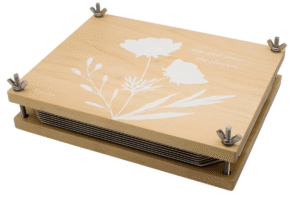
To preserve the beauty of seasonal flora beyond its natural lifespan, wooden flower and plant presses allow users to flatten leaves and blossoms for long-term storage. These preserved specimens can then be arranged inside hanging glass frames for minimalist botanical wall art.
Indoor cultivation is also represented by mushroom logs, which enable users to grow organic shiitake mushrooms directly in their homes within a ten-day window. Requiring no specialized gardening expertise, the logs are guaranteed to yield multiple successive crops.
Kids
Gifting for younger recipients shifts toward educational, developmental, and lower-stimulus options.
The Kids’ Daylight Computer offers a digital experience modeled after adult e-readers and low-blue-light devices. Stripped of flashy colors, high-speed video streams, and overstimulating interfaces, the device features calm learning applications and a paper-like display optimized for curiosity, growth, and outdoor usability in direct sunlight.
Language acquisition is approached through Talkbox, a family-oriented program designed around natural language progression. Rather than starting with traditional academic translation, the system mirrors natural learning by prioritizing listening and seeing before speaking in everyday household contexts.
For tactile problem-solving, Japanese puzzle boxes and money maze puzzle boxes offer traditional craftsmanship combined with a challenge. Handcrafted to require multiple steps of spatial reasoning, these boxes secure small valuables or cash gifts behind an engaging mechanical puzzle.
Addressing infant care sustainability, Hiro Diapers provide a disposable diaper alternative that breaks down in landfills thanks to an included mycelium decomposition packet. Constructed from cotton with a reduced plastic footprint, the product addresses environmental concerns for new parents.
Bodycare
Personal care and grooming items incorporate modern phototherapy and natural formulations.
Red light therapy devices have expanded significantly into personal care, represented by items such as red light face masks and portable face wands from BON CHARGE. These tools utilize targeted wavelengths at a cellular level to support skin health, collagen production, and localized reduction of inflammation.
Traditional body care is represented by hard lotion bars, which utilize simple, natural butter and oil bases infused with skin-friendly essential oils. Brands like MadeOn offer pre-made alternatives adhering to strict natural formulation standards.
Oral hygiene is also crossing paths with phototherapy through red light toothbrushes, which combine sonic vibration massage with near-infrared and red light to calm gum tissue inflammation and stimulate local circulation.
Facial cold therapy is facilitated by specialized ice rollers, such as the mint roller from Skinny Confidential, which help reduce skin puffiness, support lymphatic drainage, and tone the complexion without requiring direct ice water immersion.
LED teeth whitening systems, such as those from Primal Life, replace abrasive chemical peroxide treatments with a combination of red and blue light therapy to target bacteria and inflammation, paired with natural remineralizing agents like hydroxyapatite and charcoal.
Hair health receives targeted support from wearable wellness technology, including red light therapy caps designed to stimulate hair follicles using specific optical wavelengths during daily activities.
Rest and Recover
Recovery and relaxation tools focus on cellular health, physical tension release, and circadian alignment.
Portable red light therapy panels, such as the Joovv Go Light, offer miniaturized versions of full-body wellness systems, supporting mitochondrial function, skin health, and collagen production away from home.
For muscular tension, manual trigger point massage tools shaped like ergonomic canes allow users to apply direct, targeted pressure to hard-to-reach areas in the back and shoulders during everyday relaxation.
At-home thermal therapy is accessible through portable sauna blankets, offered by brands like BON CHARGE and Higher Dose, providing an affordable alternative to traditional wooden saunas for promoting regular sweating and relaxation.
Acupressure mats like the Pranamat utilize thousands of small relief points embedded in natural fabrics such as untreated cotton, linen, and buckwheat hulls to stimulate circulation, release endorphins, and ease muscle tension.
Frequency-based wellness devices, including the WAVwatch, use preloaded acoustic frequency sets aimed at supporting specific physiological areas, ranging from sleep patterns to general vitality.
Daytime light management is supported by blue light therapy glasses, which help supplement mood and energy during overcast winter days when natural sunlight exposure is limited.
Quantum-inspired energy harmonization is another emerging category, with products like LeelaQ quantum blocks designed to neutralize energetic stressors from modern environments, including wireless radiation.
Physical activity and ergonomics within the home or office are supported by mini trampoline rebounders, which encourage lymphatic drainage and low-impact cardiovascular movement, and balance chairs that combine yoga balls with rolling office seating to actively engage core muscles during desk work.
Full-spectrum lamps round out the environmental wellness category by simulating natural sunlight indoors to support healthy circadian rhythms and combat seasonal fatigue.
Everything Else
Miscellaneous lifestyle products complete the selection with unusual utility items.
Full-grain leather magic wallets from Saddleback Leather offer a clever folding mechanical illusion for card storage, backed by a century-long durability guarantee.
The full-sized Daylight Computer provides a circadian-friendly digital workspace after sunset, eliminating blue light interference to support evening productivity without disrupting hormonal rhythms.
Pet wellness is addressed through specialized probiotic formulas, such as those from Full Bucket Health, which incorporate digestive enzymes and beneficial bacteria for dogs, cats, and horses.
Environmental balance inside living spaces is supported by home probiotics like Homebiotic, which introduce beneficial environmental bacteria to help manage indoor microbiomes and discourage mold growth.
Finally, personalized photo books created through platforms like Mixbooks allow families to compile annual memories into durable hardcover or lay-flat formats, preserving travel experiences and milestones for years to come.
The Chicago Waldorf School has captured national attention, earning a prominent feature in Esquire Magazine for a groundbreaking educational partnership with the renowned Italian luxury fashion house Kiton. Together, the institutions have launched a first-of-its-kind high school course entitled "The Art of Tailoring," bridging the gap between traditional craftsmanship and modern industry practices.
The innovative program is designed to provide high school students with hands-on experience in traditional tailoring techniques while simultaneously immersing them in the foundational elements of branding and design. By combining meticulous artisanal skill with commercial insight, the course equips participants with valuable, real-world industry skills that are increasingly rare in contemporary education.
The collaboration began taking shape through an organic connection within the Chicago Waldorf School community. Victor de Leon, the North American director of wholesale made-to-measure for Kiton, is a parent whose children attend the Chicago Waldorf School. Stationed in the city, de Leon found himself observing the institution’s unique approach to early childhood and primary education, which places a heavy emphasis on tactile learning and practical arts.
During visits to the school, de Leon observed classrooms where very young students engaged in foundational manual tasks. He watched as seven-year-olds practiced sewing, weaving, and knitting items such as socks, gloves, and hats. What struck him was not merely that the children were performing these intricate manual tasks, but the manner in which they approached them. According to de Leon, they executed these complex physical crafts with remarkable ease, behaving much like miniature professional tailors. Witnessing this effortless aptitude proved to be a pivotal moment that sparked a larger creative vision.
Motivated by what he observed in the primary classrooms, de Leon initiated conversations with the school’s principal and found an enthusiastic and eager partner in Antonio De Matteis, the chief executive officer of Kiton. Together, they hatched a comprehensive plan to elevate the school’s longstanding commitment to handwork, translating those foundational tactile exercises into a rigorous, elevated curriculum tailored specifically for high school students.
The shared goal was to create a bridge between the time-honored traditions of a world-class Neapolitan tailoring house and the inquisitive minds of modern adolescents. The collaboration sought to move beyond surface-level design concepts and immerse students in the authentic, labor-intensive realities of garment creation.
The vision officially materialized in September 2024, when the doors opened on the inaugural sessions of "The Art of Tailoring." Since the course’s launch, de Leon has personally presided over the program, stepping out of the corporate luxury sector
and into the classroom to guide the next generation of potential designers and artisans. The curriculum was specifically conceived to instill direct, craft-based skills straight from the floor of the professional tailor’s shop, ensuring that students receive authentic instruction rooted in decades of sartorial heritage.
Through this unique educational offering, students at the Chicago Waldorf School are gaining rare access to the inner workings of high-end Italian fashion. By pairing the pedagogical philosophy of Waldorf education—which has long championed the integration of academic learning with practical arts and manual dexterity—with the uncompromising standards of a global luxury brand, the partnership represents a novel model for vocational and creative education in the twenty-first century. As the course continues to unfold, it stands as a testament to the power of community connections and the enduring value of handmade craftsmanship in an increasingly digital world.
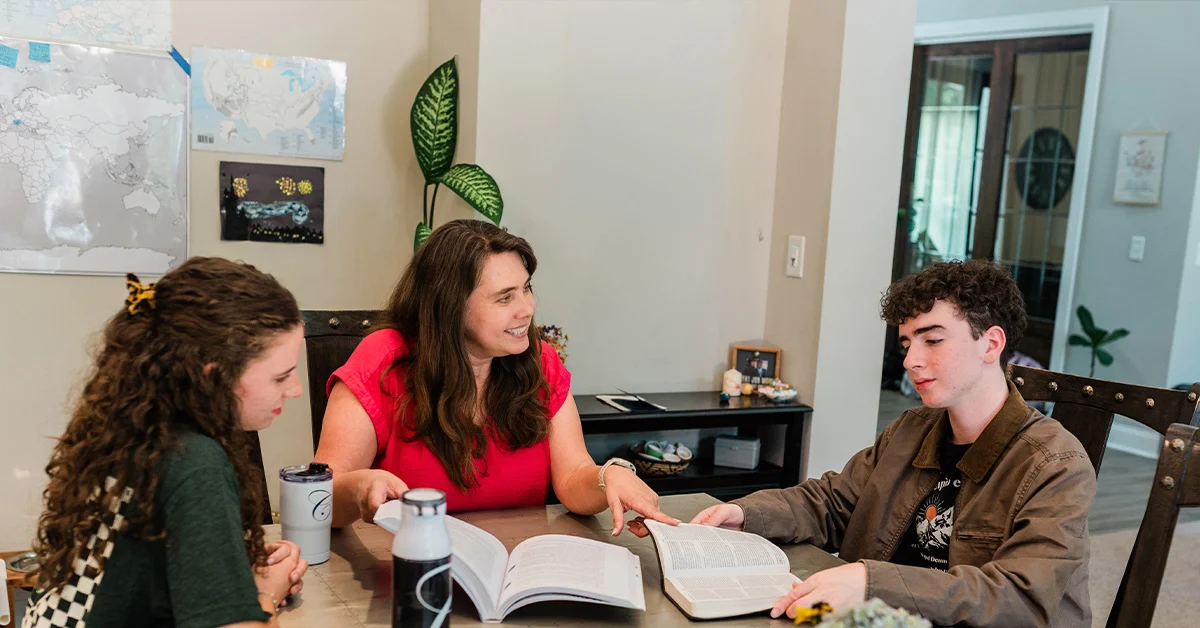
The journey of homeschooling often begins with hands-on, daily instruction—nature walks, kitchen-table grammar recitation, and side-by-side management of elementary subjects. However, as children grow, educational philosophies must evolve to meet them. For families participating in Classical Conversations, this evolution culminates in the Challenge-level homeschool schedule, a structured transition that shifts the family dynamic from direct instruction to mentorship, year by year, with the ultimate goal of teaching a student how to learn anything independently.
The foundational years spent observing nature and memorizing fundamental grammar build something remarkably durable. When students enter the Challenge years, ranging from Challenge A through Challenge IV, that foundation begins to yield fruit in entirely new ways. Rather than relying on parents for every step of the academic journey, students gradually assume ownership of their education, while parents step back from direct teaching to embrace the roles of mentor, guide, and accountability partner.
Despite this shift toward independence, family conversation and discussion remain the anchor of the week. What parents sacrifice in daily, direct instruction is more than recovered in the depth of their relationships with their children. Families experience richer debates and more meaningful discussions as maturing students gain the intellectual capacity to engage complex ideas alongside the very people who raised them. Consequently, a Challenge-level homeschool schedule looks entirely different by design, balancing independent study, family rhythms, and community engagement.
Why Challenge-Level Scheduling Looks Different from the Elementary Years
In earlier programs like Foundations, a typical homeschool schedule centers squarely on the parent, who moves through memory work and core subjects side by side with a young learner. Entering the Challenge phase requires a complete reorganization of that schedule around the student’s independent workflow. This transition does not signal a loosening of academic standards; rather, it represents a deliberate elevation of expectations.
Challenge students typically invest between 20 and 25 hours each week in their studies. A single community day, usually lasting six to seven hours, anchors four additional days of focused coursework completed at home across the program’s six core strands: Logic, Research, Reasoning, Debate, Grammar, and Exposition. Because programs from Challenge I through Challenge IV serve as a complete, rigorous college-preparatory homeschool curriculum for high school, establishing a workable, realistic schedule is just as critical to student success as the coursework itself.
This transformation asks something new of parents as well. Instead of teaching every topic firsthand, parents must train their students to assess a heavy workload, prioritize complex tasks, and complete assignments with growing autonomy—skills that will serve them well beyond graduation and into higher education or the professional world. Older Challenge students are consistently capable of handling far more of their own academic responsibilities than they, or their parents, might initially expect. While they will certainly still have questions, and while parents must continue to check completed assignments and provide steadfast accountability, an older Challenge student can and should spend the bulk of the day working independently. This frees parents to direct their attention toward younger siblings who are not yet ready for self-directed learning.
A Sample Challenge-Level Daily Schedule
Building a sustainable rhythm at home requires understanding how a typical day flows for a high school-aged homeschooler. While every family’s daily routine looks slightly different depending on their unique household dynamics, a sample Challenge-level schedule at home centers on dedicated blocks of independent study paired with regular check-ins for accountability and discussion.
On community days, however, the weekly rhythm shifts entirely. While parents and younger children participate in programs like Foundations, older students engage in a rigorous seminar format. These sessions involve deep discussion, formal debate, student-led presentations, and collaborative hands-on work alongside their assigned Tutor and peers. Following the community day, families return home equipped to apply the insights they practiced during seminar to their upcoming weekly discussions.
Families with multiple children frequently observe that community day serves as a litmus test for the rest of the week, revealing precisely how well the household’s at-home rhythm is functioning. A student who arrives at seminar unprepared typically points to a structural gap in their independent study blocks at home rather than a sudden lack of academic ability. Maintaining regular check-ins with Challenge students throughout the week provides a vital layer of accountability that significantly enhances their contributions during community day conversations.
Balancing Independent Study Time with Community Day
The core of a successful Challenge-level homeschool schedule lies in the delicate balance between independent study, parent partnership, and the weekly community day. A family’s Challenge Guide outlines the academic year’s six strands, while the student’s Tutor partners with the family to facilitate weekly seminar discussions, model effective learning habits, and offer much-needed support when the workload feels overwhelming. Crucially, neither the Guide nor the Tutor replaces the parent’s foundational role as the student’s primary mentor.
To manage the extensive coursework, many families turn to member portals and digital resources such as CC Connected, which offers strand-specific notes, instructional video tutorials, and discussion guides. These tools help shape how families build the at-home portion of the schedule around weekly assignments. Experienced parents often find that dedicating fifteen minutes each weekend to previewing the upcoming week—much like planning meals or organizing younger children’s assignments—keeps independent study blocks focused and purposeful rather than aimless.
True balance also requires protecting personal relationships and family well-being, rather than focusing solely on raw productivity. A homeschool routine functions best as a flexible rhythm rather than an unyielding rule. Even a demanding Challenge-level schedule benefits greatly from intentional anchors at the beginning and close of the day, such as shared scripture and prayer in the morning or a relaxed family meal and conversation in the evening. These daily touchpoints matter just as much for a sixteen-year-old high schooler as they did when that same student was reciting elementary memory work years earlier.
When the Schedule Needs Adjusting
Even the most carefully constructed Challenge-level schedule will occasionally require adjustment, and recognizing this need is never a sign of failure. If a student consistently arrives at community day unprepared, parents should first examine whether the independent study blocks possess sufficient structure and boundaries, rather than simply assuming the student needs to log more hours at the desk. Conversely, if a student moves through their assignments with time to spare, it may serve as an invitation to add intellectual depth rather than merely increasing the volume of busywork.
Keeping a pencil handy to regularly revisit and revise the schedule as real life unfolds is standard practice for seasoned homeschoolers. A schedule that possesses the flexibility to bend during a difficult week is a schedule that is doing its job well.
Frequently Asked Questions About Homeschool Schedules
The transition to high school-level homeschooling naturally raises several practical questions for families moving away from elementary models. A Challenge-level schedule fundamentally differs from an elementary routine by prioritizing independent study and student-led time management alongside the weekly community day, directly fostering the skills children need to learn anything on their own.
While older homeschool students certainly benefit from maintaining a set schedule, that routine typically evolves to become much more flexible and student-owned than a young learner’s minute-by-minute timetable. In terms of time investment, Challenge students generally dedicate between 20 and 25 hours per week to their studies, encompassing both at-home coursework and the six-to-seven-hour community day seminar.
Building a Schedule Your Family Can Grow Into
A Challenge-level homeschool schedule is far more than an elementary routine with a few extra hours of independent work tacked on. It represents an entirely different educational phase, specifically designed to train students in the personal ownership and discipline that will serve them well long after they complete Challenge IV. By trusting the established process, leaning on the expertise of student Tutors and Challenge Guides, and granting students the necessary room to grow into their newfound responsibilities, families can successfully navigate these advanced academic years and equip their children for lifelong learning.