Family Embarks on Ultimate "Little House" Road Trip, Bringing Historic Sites to Homeschoolers Everywhere
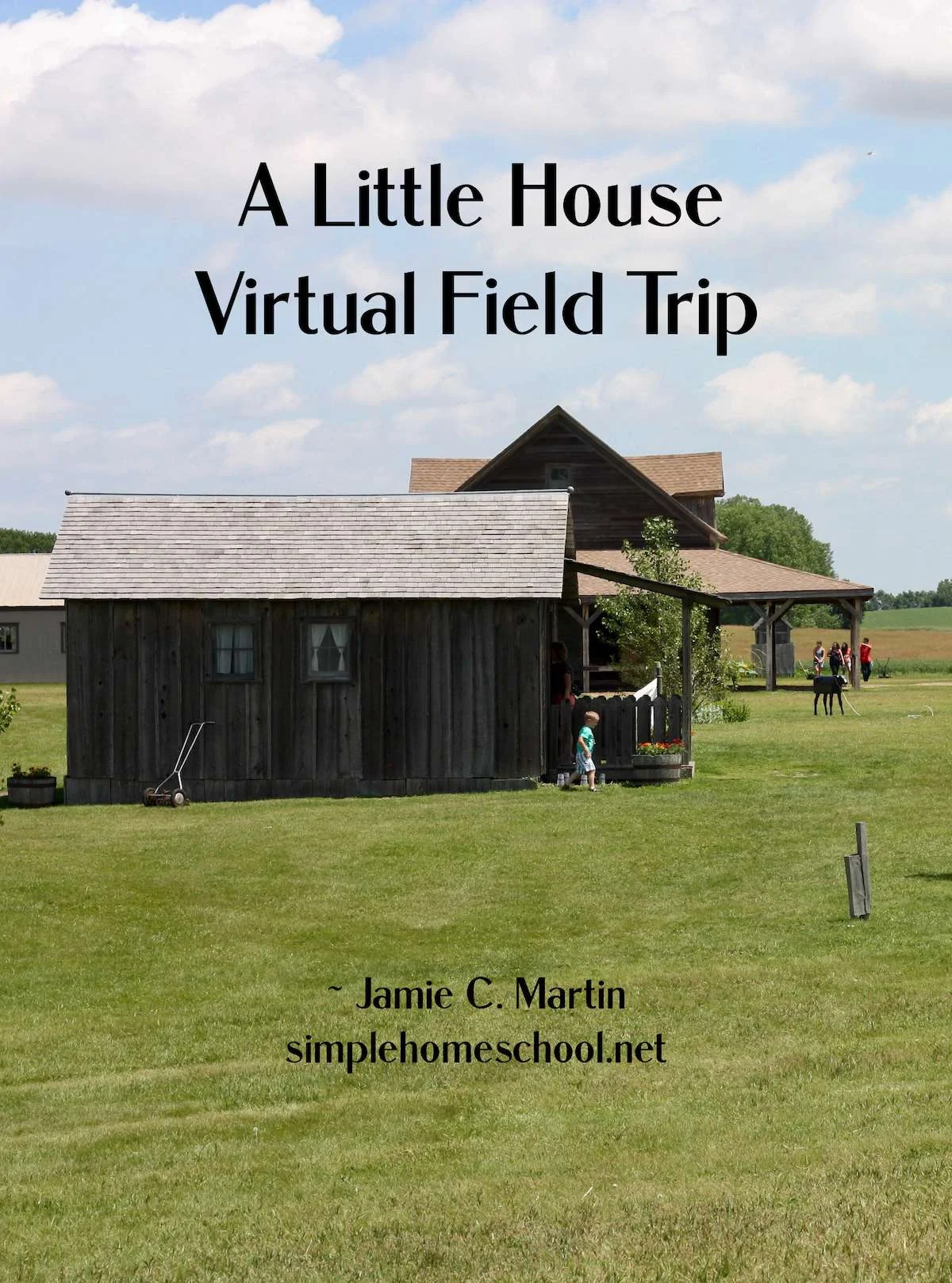
For generations, the timeless stories of Laura Ingalls Wilder have captured the imaginations of young readers, transporting them to a bygone era of covered wagons, vast prairies, and frontier resilience. For Jamie C. Martin, editor of Simple Homeschool, a lifelong dream rooted in childhood devotion is finally becoming a reality. This summer, Martin and her family are packing up their minivan to retrace the historic footsteps of the famous pioneer author across the American Midwest.
Rather than keeping the adventure to themselves, Martin is opening up the journey to families nationwide through a comprehensive virtual field trip. Designed for children, students, and homeschooling parents to explore from the comfort of their dining room tables or living room couches, the digital initiative maps out the physical geography behind the beloved Little House book series using modern tools like Google Earth and archival video footage.

The literary journey spans several states, covering the actual locations where the Ingalls and Wilder families lived, worked, and fought to survive against the backdrop of 19th-century American expansion.
Stop 1: Pepin, Wisconsin
The journey begins where Laura’s story started: the Big Woods of Wisconsin. Born there in 1867, Laura immortalized her earliest memories in her very first book, Little House in the Big Woods. While literary chronology places these memories slightly differently—with many actually occurring after the family returned from the Kansas prairie—the essence of the deep woods remains etched in the historical record.

Today, satellite views of the Pepin site show a landscape where only a handful of original trees remain. However, a meticulously reconstructed replica cabin stands on the location, accompanied by a public picnic area for visiting families. Visitors and virtual travelers alike can examine the geography that shaped Laura’s earliest perceptions of home, community, and wilderness.
Stop 2: Independence, Kansas
Moving south and west, the next major chapter of the family’s migration takes center stage in Independence, Kansas. In 1869, the Ingalls family relocated to this region, settling on land belonging to the Osage Nation after receiving word that the territory would soon be opened to homesteaders.

The year spent on the Kansas prairie was fraught with severe challenges, including harsh environmental conditions and rising tensions between Native Americans and encroaching settlers. Ultimately, the family was forced to leave the area. Today, a furnished replica cabin stands on the historic site, located just a short distance from the hand-dug well that Pa Ingalls constructed with his own tools.
Stop 3: Walnut Grove, Minnesota
After leaving Kansas and spending a brief period back in Wisconsin, the Ingalls family headed north to Minnesota in 1874. Their initial home on the Minnesota frontier was a humble sod house where they weathered a harsh winter before Pa constructed a larger timber home, which Laura fondly remembered as "the wonderful house" because it was the most spacious dwelling of her childhood.

While the original structures no longer stand, the natural landmarks endure. Plum Creek remains a central attraction for visitors, offering modern travelers the chance to wade in the same waters where Laura once played. The nearby town of Walnut Grove hosts a dedicated museum celebrating the era, and the historic church bell—purchased with funds raised through the sacrifice of Pa’s shoe money—continues to be preserved in the community.
Stop 4: De Smet, South Dakota
Following a series of agricultural disappointments in Minnesota and a brief stay in Iowa, the Ingalls family made their permanent move further west to De Smet, South Dakota. Here, Pa Ingalls secured employment with the expanding railroad, establishing a permanent home base where Laura, Mary, Carrie, and Grace would reside until adulthood.

De Smet serves as the geographical backdrop for several of Wilder’s most dramatic works, including The Long Winter, Little Town on the Prairie, and These Happy Golden Years. It is the setting where Laura endured the legendary blizzards of the Dakota territory, blossomed into a young woman, experienced her courtship with Almanzo Wilder, and began her married life.
Stop 5: Malone, New York
To fully understand the world of the Little House series, the itinerary extends beyond the Ingalls family trajectory to include the childhood home of Almanzo Wilder. Born on a New York farm in 1857, Almanzo’s early life is chronicled in the classic companion novel, Farmer Boy.

Almanzo’s family farmed the Malone property for nearly two decades before widespread crop failures necessitated their own move west to Minnesota. The original farmhouse still stands today, carefully restored to reflect the period detailed in Wilder’s writing, offering a glimpse into agricultural life in the 19th-century Northeast.
Stop 6: Mansfield, Missouri
The final chapter of Laura Ingalls Wilder’s life unfolded at Rocky Ridge Farm in Mansfield, Missouri, where she, Almanzo, and their daughter Rose relocated in 1894 in search of a fresh agricultural start. Over the course of nearly two decades, the family transformed the rugged landscape and built the white farmhouse that now operates as a historic museum.

It was within the walls of Rocky Ridge Farm that Wilder penned her entire literary canon, cementing her legacy in American children’s literature. Reflecting on the enduring values of her upbringing, Wilder famously noted that while material comforts and domestic routines had evolved significantly since her youth, the fundamental truths and principles taught by her parents remained timeless and unchangeable.
