The Bridge Between Birth and Breastfeeding: Why Holistic Preparation Matters
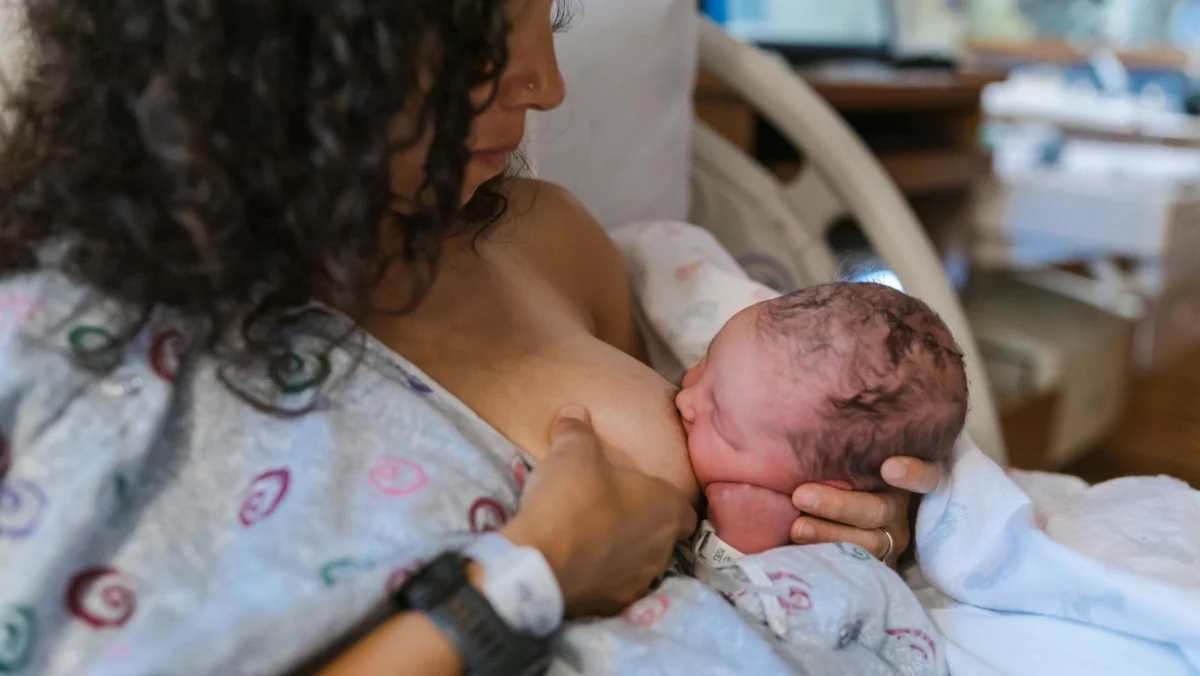
Birth preparation is often viewed through the narrow lens of the labor experience itself, but emerging research suggests its impact extends far beyond the delivery room. A study of 3,080 mothers has revealed a compelling correlation: women who describe their birth experiences in positive terms are statistically more likely to initiate breastfeeding and maintain the practice for longer durations. While this research does not establish a direct causal link, it highlights a profound connection between the quality of the childbirth experience and the subsequent transition into the postpartum period.
This relationship serves as a strong argument for parents to adopt a more comprehensive view of birth preparation. Rather than focusing exclusively on the mechanics of labor, prenatal education is increasingly being recognized for its ability to foster self-efficacy and reduce anxiety. By delving into the physiology of birth, understanding common medical decisions, planning for postpartum recovery, and prioritizing the emotional connection between parent and baby, families can enter the birthing process feeling more informed and empowered.
Redefining the "Positive" Birth Experience
One of the most common misconceptions in maternal health is the definition of a "positive" birth. Clinical experts and organizations like the World Health Organization (WHO) emphasize that a positive childbirth experience is not defined by the specific mode of delivery—whether vaginal, assisted, or surgical. Instead, the focus is on the quality of care. A birth is considered positive when it is characterized by respectful, individualized treatment, clear and compassionate communication, and the meaningful involvement of the parent in decision-making.
A vaginal birth is not inherently positive, just as an induction, an epidural, or a cesarean section is not automatically negative. The core of a positive experience lies in whether the parents feel informed, respected, and included in the choices made about their own bodies and their infants. Comprehensive birth preparation acts as a foundation for this engagement. When parents take the time to understand the spectrum of possibilities that may arise during labor, they are better equipped to navigate the unexpected. This preparation nurtures an internal connection to both self and baby, making it easier for parents to rely on their intuition, pose informed questions, and remain active participants in their care even when medical circumstances shift.
Integrating Birth and Postpartum Recovery
It is common for expectant parents to spend months meticulously planning for the birth while giving little thought to the immediate postpartum period. Amara Cashion, a certified parent educator, doula, and breastfeeding counselor, notes that many parents arrive at the birth with a clear vision for labor but find themselves unprepared for the reality of recovery and early feeding. Developing a vision for those first few days can significantly ease the transition, turning a period of chaos into a more manageable experience.
Rhonda McGregor, a registered nurse and International Board Certified Lactation Consultant, views pregnancy, labor, birth, and lactation as a single, continuous physiological story. She argues that physiology does not conclude the moment a baby is born; rather, birth is merely the beginning of a new chapter in the same biological process. For those who intend to breastfeed, this next chapter is marked by a significant hormonal shift. Following birth, the body begins the complex task of establishing milk production. This process is supported by the physical act of suckling, but it is also deeply intertwined with the closeness shared between parent and infant.
The Role of Skin-to-Skin Contact
When safe and feasible, early skin-to-skin contact is a critical component of the transition to parenthood. The World Health Organization advocates for uninterrupted skin-to-skin contact immediately following birth, encouraging parents who wish to breastfeed to initiate the process as soon as possible. Evidence supporting these recommendations shows a clear link between early skin-to-skin contact and successful breastfeeding initiation, as well as increased duration.
These initial moments serve as the bedrock for physiological regulation and emotional attachment. While newborns possess innate instincts that guide them toward early feeding, the way these behaviors manifest can be influenced by the environment of the birth and the immediate postpartum period. Although every infant’s journey is unique, recognizing natural feeding cues and reflexive behaviors can help parents facilitate this connection, making the process of welcoming a new life feel more supported and intuitive.
Empowering Parents Through Body Awareness
At the core of the Spinning Babies approach to birth preparation is the relationship between the parent’s body and the baby. The baby is an active, moving participant in the birth process, navigating the pelvis throughout labor. Techniques such as Belly Mapping allow parents to become more attuned to their baby’s movements and positioning during pregnancy. This awareness, framed by the principles of balance, gravity, and movement, helps parents understand how body awareness can support a smoother physiological birth.
However, the sheer volume of information available to expectant parents can be overwhelming. In an era where social media feeds are saturated with conflicting advice, both Cashion and McGregor emphasize the necessity of curating one’s information sources. They suggest that parents should not feel the need to consume every available study or opinion. Instead, they recommend selecting a few trusted resources and bringing specific questions to qualified members of the care team, such as midwives, physicians, or childbirth educators. Understanding the basics is sufficient to allow for meaningful participation in one’s care; parents ultimately decide which perspectives resonate with their own values and needs.
Preparing for the Unpredictable
Preparation for breastfeeding should ideally begin long before labor, even for those who are unsure exactly what their feeding journey will look like. Systematic reviews suggest that prenatal breastfeeding education significantly increases a parent’s knowledge and confidence, which in turn boosts initiation rates. While education cannot insulate a family from every challenge, it provides a roadmap for recognizing when things are going well and when additional professional guidance might be beneficial.
Support systems play a vital role in this preparation. Partners can serve as essential advocates, helping to remember questions for the care team, ensuring the parent is well-fed and hydrated, and assisting with comfortable positioning. Furthermore, knowing in advance how to access lactation support—whether it is a hospital-based consultant or a community resource—can provide peace of mind.
It is important to acknowledge that even the most thoughtful preparations can be sidelined by reality. A parent may experience a surgical birth, or a baby may require time in the Neonatal Intensive Care Unit (NICU). In these instances, the focus must shift to compassionate, practical care. Missing the immediate "golden hour" of skin-to-skin contact does not mean the opportunity for bonding has been lost; it can be prioritized as soon as it is safe to do so. For those temporarily separated from their infants, lactation professionals can offer guidance on hand expression or pumping to maintain milk supply.
Ultimately, breastfeeding is not the sole metric of a parent-child bond. Families who choose to formula-feed, use donor milk, or adopt combination feeding can still prioritize skin-to-skin contact, close physical affection, and responsive care. Preparation should be viewed as a tool to expand options and provide comfort, rather than a rigid standard that can lead to feelings of failure. By approaching the transition with flexible, evidence-based knowledge, parents can enter birth and the postpartum period with greater resilience, prepared to navigate whatever story their new chapter may hold.
