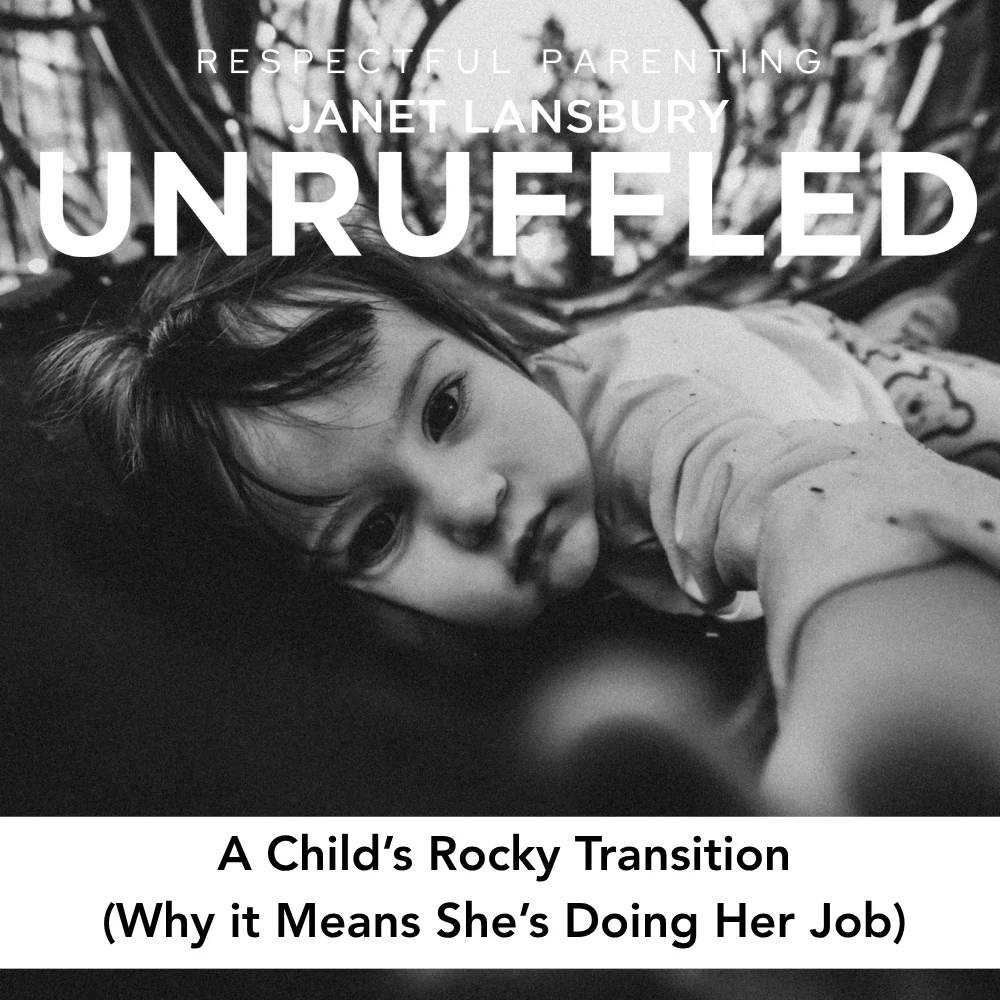
For many parents and early childhood educators, entering a new childcare environment can be an emotional trial-and-error process. While adults frequently view tears and resistance as signs that a placement is failing, renowned parenting expert and author Janet Lansbury suggests that a difficult adjustment period often indicates a child is doing precisely what they are supposed to do to feel secure.
In a recent episode of her Unruffled podcast, Lansbury addressed a challenging scenario submitted by a stay-at-home mother who recently launched a small in-home learning group. Operating Monday through Thursday, the provider hosts one to three children alongside her own two toddlers, who recently turned three and two. While the group has largely been a rewarding venture, one particular participant—a two-and-a-half-year-old girl attending two days a week—has been struggling deeply with the transition, prompting widespread reflection on how caregivers interpret toddler behavior.
The childcare provider, who has no formal early childhood background but relies heavily on Lansbury’s philosophies, described a draining dynamic. The young girl cries through much of her eight-hour day, flits restlessly from one activity to another within seconds, and repeatedly seeks emotional reassurance by asking, “Do you like me?” Despite the provider’s genuine affection and consistent kindness toward the child, the constant distress has begun taking a heavy toll on the provider’s own nervous system, leaving her feeling overwhelmed and contemplating whether the girl might be happier elsewhere or back at home.
The situation highlights a common phenomenon in early childhood education: the intense pressure caregivers feel to immediately "fix" children’s distress. Lansbury notes that while this urge is entirely natural and stems from a place of deep empathy, reacting with worry or attempting to eliminate negative emotions can inadvertently hinder a child’s natural adaptation process.
Reflecting on the nature of early childhood transitions, Lansbury emphasizes that leaving home and familiar surroundings to spend extended hours in a new environment is a massive undertaking for any toddler. Because young children lack the advanced cognitive ability to fully understand and articulate their complex needs, these major adjustments frequently manifest as behavioral distress, frequent crying, and restlessness. While some children possess temperaments that handle environmental shifts with relative ease, nearly all young children experience some degree of turbulent adjustment.
Interestingly, Lansbury offers a counterintuitive perspective on the frequency of the girl’s attendance. While conventional wisdom might suggest that reducing a struggling child’s hours—such as limiting attendance to just two days a week—would ease their burden, Lansbury argues the opposite. For a two-and-a-half-year-old, two days a week is often insufficient time to build lasting familiarity. With long gaps between sessions, the environment can feel like a brand-new, unpredictable situation every time the child arrives. Increasing attendance might actually help the child establish a routine and feel more deeply rooted in the setting, though such a change would require the agreement of both the provider and the child’s parents.
Addressing the girl’s frequent questioning—asking repeatedly if the provider likes her—Lansbury provides critical context about toddler psychology. While such a targeted search for validation might seem precociously complex for a two-and-a-half-year-old, Lansbury suggests it does not stem from a genuine, deep-seated emotional deficit. Instead, children often latch onto specific phrases or themes that they sense register a reaction from the adults around them. When an adult feels momentarily thrown off balance, worried, or slightly uncomfortable, perceptive toddlers frequently pick up on that subtle vulnerability and return to it repeatedly as a way of exploring relational boundaries.
Rather than viewing the question as proof of underlying insecurity or perceived rejection, Lansbury encourages caregivers to respond with calm, steady, and lighthearted validation. By meeting the inquiry with an unruffled attitude—such as offering a simple, cheerful reminder that she is loved and welcome—the adult removes the emotional charge from the interaction. Once the caregiver stops feeling intimidated or anxious about the questioning, the child typically loses interest in probing that particular pressure point.
The provider’s observation of the child rapidly cycling through activities is similarly interpreted as a natural stress-release mechanism. Just as an animal circles repeatedly before settling down to rest, children often need space to flit, release tension, and express their discomfort before they can truly settle into an activity on their own internal timeline. Trying to artificially manage or cater to every fleeting impulse can disrupt this natural self-regulation process.
Lansbury also touches on the provider’s broader contemplation of ending the arrangement or suggesting a larger preschool setting. Lansbury cautions against recommending a larger group environment for a child already struggling with transitions, noting that smaller, intimate settings offer a safe space for children to express their frustrations and vent their emotions freely. A child who feels secure enough with a secondary caregiver to be entirely "a mess" is often demonstrating a deep, albeit turbulent, sense of trust.
Ultimately, Lansbury emphasizes that the core challenge in these scenarios is often the adult’s own comfort level rather than the child’s capability. By putting the child’s healthy, natural feelings into proper perspective, caregivers can step off the emotional rollercoaster of trying to fix the unfixable. Trusting a child to navigate their own rocky transition allows the adult to provide a truly stable, anchored presence—ultimately offering the most effective support a young child can receive during their early years of growth and discovery.
For many home cooks seeking a transition toward whole-ingredient meals, breaking free from the gravitational pull of fast-food takeout can prove to be a significant hurdle. Years ago, one dedicated culinary creator faced this exact challenge, moving away from heavily processed, Americanized versions of Asian cuisine commonly found at nationwide chains like Panda Express. What followed was a long-term culinary experiment centered on developing fresh, nutrient-dense alternatives that capture the complex, vibrant profiles of traditional Asian cooking without relying on refined additives, excessive sodium, or MSG.
The latest result of this kitchen experimentation is a dish designed to bridge the gap between heavy comfort food and light, vegetable-forward dining: sesame ginger cabbage rolls. Packed with lean protein and fresh produce, these rolls deliver familiar flavor notes—such as toasted sesame oil, pungent ginger, and savory coconut aminos—in a format that requires minimal hands-on preparation. Whether served as a savory appetizer or integrated as the centerpiece of a larger evening meal, the dish offers a streamlined approach to home-cooked meals that can easily be scaled up for batch cooking and meal prep.
Sesame Ginger Cabbage Rolls
For individuals who appreciate the taste profile of traditional dumplings or potstickers but prefer to avoid the tedious labor of rolling individual wrappers, these cabbage rolls offer a practical alternative. While commercially prepared wonton wrappers certainly save time in the kitchen, they often contain refined ingredients that do not align with a whole-foods philosophy. Napa cabbage, by contrast, transforms dramatically after a brief blanching process, becoming remarkably tender, pliable, and easy to manipulate. Furthermore, substituting cabbage for traditional flour-based wrappers introduces an extra serving of vegetables directly into the meal without compromising the savory integrity of the filling.
When selecting proteins for the filling, home cooks have considerable flexibility, though lean ground chicken stands out as an optimal choice. Because chicken has a relatively neutral profile, it readily absorbs surrounding aromatics like fresh garlic and ginger rather than overpowering them, all while providing a substantial source of protein. To ensure the lean poultry remains succulent throughout the cooking process, finely diced shiitake mushrooms can be folded directly into the meat mixture. The mushrooms not only contribute a deep, earthy umami flavor but also help retain moisture within the filling as the rolls cook.
The culinary anchor of the dish, however, is the accompanying dipping sauce. By combining coconut aminos—a naturally soy-free alternative that mirrors the deep, savory profile of traditional soy sauce with a hint of natural sweetness—alongside earthy ginger, aromatic sesame, and chili crisp for heat, the dish achieves layers of complex flavor. Every bite offers a robust taste experience completely detached from the ultra-processed condiments typically associated with fast-food dining.
Tips for the Best Cabbage Rolls
Achieving optimal results with this recipe relies heavily on proper ingredient selection and handling, starting with the cabbage itself. Napa cabbage is specifically favored for its soft, flexible leaves, which roll smoothly around a filling once blanched. If a leaf features a thick, stiff white stem at the base, simply trimming it away prior to filling and rolling prevents the leaf from tearing and makes the assembly process seamless.
Portion control during the wrapping phase is another critical factor. Maintaining a modest portion of filling—approximately one-third of a cup per leaf—ensures that the rolls remain manageable and do not burst during cooking. Should a leaf split unexpectedly, the fix is straightforward: simply overlapping a secondary piece of cabbage around the compromised area reinforces the structure. Once steamed, any structural imperfections disappear entirely, leaving a cohesive, neat package.
Cooking techniques also play a role in the final texture of the dish. After initially browning the bottoms of the rolls in a skillet for a couple of minutes to develop flavor and color, adding a small amount of liquid and covering the pan allows the cabbage to steam while the chicken filling cooks through completely. Removing the lid for the final moments of cooking encourages any residual moisture to evaporate, yielding a lightly textured base.
Easy to Customize
The inherent adaptability of the recipe makes it well-suited for a variety of dietary preferences and pantry inventories. Ground turkey or shredded pork can easily substitute for chicken, while the addition of finely shredded carrots introduces natural sweetness and color. For diners who prefer added textural contrast, folding finely chopped water chestnuts into the raw filling mixture provides a pleasant crunch.
The practical nature of the rolls extends well beyond initial preparation, as the finished product holds up exceptionally well in storage. Storing leftovers in an airtight container in the refrigerator for up to three days makes the dish a viable option for weekly meal prep. Reheating is easily accomplished by placing the rolls in a covered skillet with a splash of water on the stovetop, restoring their original texture and warmth for a quick lunch or weeknight dinner.
Ultimately, these sesame ginger cabbage rolls serve as a functional shortcut for households seeking homemade comfort food without the added labor of traditional dumpling making. By substituting processed wrappers with tender, nutrient-dense cabbage leaves, home cooks can enjoy familiar savory flavors while maintaining a commitment to whole-food ingredients.
For generations, readers of Guide for Spiritual Living: Science of Mind magazine have turned to its pages not only for philosophical exploration, but for a daily anchor. Among the publication’s most cherished offerings are the Daily Guides, a staple section that continues to offer fresh, profound spiritual insights month after month. Authored by esteemed members and leaders within the Centers for Spiritual Living communities, these daily reflections provide lifelong spiritual wisdom that cannot be found anywhere else. As the publication prepares for the upcoming release of the November 2026 Daily Guides—penned by Rev. Ryan Alexander—subscribers and spiritual seekers alike are once again reminded of the enduring impact of daily, grounded inspiration.
The format of the Daily Guides is designed to gently guide a reader’s mind and heart into alignment each morning. Every single day brings a carefully curated pairing of two distinct quotes from various wisdom teachers, a deeply personal and reflective guide drawn from the author’s own lived experience, and a powerful, affirmative statement meant to anchor the reader’s consciousness throughout the day. This routine of daily inspiration has profoundly impacted generations of readers, offering a steady harbor in an increasingly complex and fast-paced world. For those who may not yet subscribe to the magazine, a special look inside the upcoming November 2026 edition reveals the profound depth, practical wisdom, and transformative power embedded in Rev. Alexander’s daily entries.
My Perspective Isn’t the Only One?
At the heart of one of Rev. Alexander’s standout November entries is a deceptively simple question: "My Perspective Isn’t the Only One?"
The immediate, straightforward answer provided in the reflection is succinct: "Nope." Yet, as the author points out, while the intellectual realization is easy to state, life is often significantly simpler in word than in deed. Human beings naturally view the world through the singular lens of their own sensory experiences, cognitive patterns, and emotional histories. Moving past that automatic reflex requires conscious intention.
To explore this further, the reflection examines one of the foundational tenets of empathy: perspective-taking. At its core, the baseline unit of perspective-taking relies entirely on the basic awareness that our own individual experience of life is not the universal blueprint or the only reality operating in the room. While this sounds straightforward and universally understood in theory, putting it into daily practice can frequently prove to be a challenging hurdle in human relationships.
This understanding—that every human being is a unique, unrepeatable expression of the divine with their own distinct set of thoughts, lingering fears, formative life experiences, inherent strengths, unique gifts, hidden traumas, and specific ways of interacting with the world—was a cornerstone of the teachings of Ernest Holmes, a foundational figure in the Science of Mind philosophy. Holmes consistently expressed this principle to anyone who would listen, emphasizing that recognizing this multiplicity of experience is the absolute pinnacle of human oneness and wholeness.
When individuals truly grasp this concept, it grants them the capacity to step outside the familiar confines of their own subjective experiences and genuinely imagine what it might feel like to walk in someone else’s shoes. This cognitive and spiritual leap opens the vital door to understanding how our everyday actions, casual words, and deeply held beliefs ripple outward and impact other people far beyond our own immediate self-interest.
Empathy as an Active Spiritual Adventure
As the November 2026 guide elaborates, any authentic adventure into empathy must start right here, at the acknowledgment of multiple realities. And as Rev. Alexander notes, true empathy is very much an adventure. It calls individuals into a much deeper, more rigorous understanding not only of their own internal landscapes, but also of the vast, interconnected world moving around them.
Empathy, in this context, is defined simply as love in action. It aggressively breaks the isolated mold of the old idea that human beings create, think, and feel entirely in a vacuum. Every thought and action has social and spiritual consequences.
When we finally begin to truly see the world through the eyes, histories, and hearts of another person, we simultaneously activate both a profound power and an inescapable responsibility. That power and responsibility lie in our collective ability to help forge a world rooted in genuine justice and authentic belonging—a world where we consistently remind ourselves that our own perspective is never the only one governing reality. In doing so, the narrative suggests, humanity as a whole becomes vastly better for the shift in consciousness.
Wisdom Through the Ages
Rooting these modern reflections in a long-standing tradition of philosophical thought, the November Daily Guides pair Rev. Alexander’s contemporary insights with timeless words from historical thinkers. Highlighting the necessity of continuous inner evolution, the writings draw upon the words of acclaimed author Virginia Woolf, who famously observed that a self that goes on changing is a self that goes on living.
This sentiment of fluid, dynamic spiritual growth echoes the core tenets of the Science of Mind tradition. It is bridged directly with the teachings of Ernest Holmes himself, who wrote in his Beverly Hills Lectures, on page 16.4, that "our whole theory is that every person individualizes God." Through these interwoven quotes, the Daily Guides continue to bridge the gap between individual psychological awareness and expansive spiritual truth, offering readers a steady companion for daily contemplation throughout November 2026 and beyond.
Classical education has long relied on a distinct, time-tested pattern of learning: building a rich store of knowledge in a child’s earliest years, training them to reason with those facts as they grow, and ultimately equipping them to express wisdom gracefully. To help homeschooling families visualize this developmental design unfolding week by week, Classical Conversations has introduced a brand-new YouTube series titled What’s the Point?.
Designed specifically for Foundations parents, the series walks viewers through each week of Cycle 3 memory work. Every episode uncovers surprising and intricate connections between different subjects, demonstrating precisely where individual facts will reappear later in the Challenge program. By bridging the gap between early childhood memorization and advanced academic analysis, the series offers families a vivid, comprehensive picture of why the classical model shapes students so effectively.
Why Classical Education?
At its core, classical education mirrors a natural human pattern of learning: knowledge first, followed by understanding, and finally wisdom. Young children possess a natural delight in names, numbers, songs, and Scripture, absorbing this information with remarkable ease and profound joy.
In the debut episode covering Week 1 of the curriculum, the series describes this formative season of childhood as a storehouse with its doors wide open. It is a vital window of time dedicated to filling the shelves with foundational truths while the act of gathering still feels like play. Later in their academic journey, when students are mature enough to think deeply and argue well, they will possess a tangible, robust storehouse of knowledge to draw from. As the episode aptly notes, a student cannot analyze a fact that was never given to them in the first place.
Classical Conversations deliberately integrates this historical educational method with a biblical worldview. During the Week 1 episode, the hosts examine the science memory work focusing on the four types of human tissue, pausing to reflect on connective tissue—the biological component whose primary function is to hold the physical body together. Within a classical Christian educational framework, God serves as the ultimate connective tissue of every academic subject. History, mathematics, Latin, geography, and science are not viewed as isolated silos, but rather as pieces of a single, unified story unfolding for His glory. Drawing from Colossians 1:17, which affirms that "He is before all things, and in him all things hold together," the series emphasizes that the ultimate purpose of this rigorous study is to know God and to make Him known.
Furthermore, classical education thrives within a vibrant community. Families chant together on Community Day, Tutors draw conceptual connections across subjects on whiteboards, and parents embark on the learning journey right alongside their children.
The Trivium in Plain Words
The foundational framework of classical education is the trivium, a Latin word meaning "three ways" that historically describes the meeting point of three roads. In an educational context, it represents three distinct arts that guide a student progressively from basic knowledge to deep understanding and, eventually, to wise expression.
To understand the trivium, educators often point to the imagery of a well-stocked pantry. The first art, grammar, fills the shelves with names, facts, definitions, and foundational rules. The second art, dialectic, explores the purpose of each ingredient and how they interact with one another. Finally, the third art, rhetoric, prepares a meal worth sharing by expressing what is true with clarity, eloquence, and grace. Classical Conversations frequently summarizes these three stages with memorable biblical archetypes: name like Adam, question like Jesus, and persuade like Paul.
Students practice these foundational arts through fifteen distinct skills. Five core habits of grammar—naming, attending, memorizing, expressing, and storytelling—build the pantry of the mind. Five common topics of dialectic—definition, comparison, relationship, circumstance, and testimony—teach students how to ask probing, intelligent questions. Five canons of rhetoric—invention, arrangement, elocution, memory, and delivery—shape how students articulate their thoughts in speech and writing.
How the What’s the Point? Series Works
Each week, a new installment of What’s the Point? breaks down the Cycle 3 Foundations memory work across every subject, including history, science, English, Latin, geography, math, timeline, and fine arts. Along the way, the hosts illuminate the invisible threads tying one subject to another, offering a glimpse into where those facts will resurface in the Challenge years.
These interdisciplinary threads explain why Foundations students are encouraged to memorize across numerous subjects simultaneously. For instance, the Week 9 episode observes how the political and social conditions surrounding a historical event rarely reside neatly within the history subject alone. During that specific week, students skip count by 15s in mathematics, while historical records show that in the year 1850, the United States maintained exactly 15 free states and 15 slave states—a delicate balance on the verge of being shattered by California’s petition for statehood. A child equipped only with a history sentence can recount what happened, but a student who simultaneously holds the mathematics, geography, and historical timeline begins to comprehend the complex mechanics of how it was possible.
Each episode concludes with practical, straightforward ideas for reviewing memory work at home, reinforcing the gentle reminder that classical learning is not merely a checklist, but a sustainable lifestyle.
A Journey Through the Trivium, One Week at a Time
A consistent viewing pattern emerges across the series: while each week’s memory work firmly belongs to the foundational art of grammar, every episode quietly previews the dialectic and rhetoric stages awaiting students in the future.
The series delights in illustrating the profound value of simply possessing a fact. In the Week 1 episode, the grammatical definition of an infinitive serves as a metaphor for all early memory work: unconjugated, full of inherent meaning, and patiently waiting for the day it is put to active use. Similarly, Christopher Columbus set sail across the Atlantic without knowing the full historical magnitude his voyage would ultimately achieve.
Another perspective is offered in the Week 4 episode, which highlights that a memorized fact represents a unique form of knowledge requiring zero travel time. Consider two children tasked with arranging chairs in rows: one instantly recalls the multiplication product, while the other laboriously calculates the sum through repeated addition, expending mental energy on basic arithmetic. Only the first child retains the cognitive bandwidth to notice a wobbly chair in need of repair. The same episode reminds families of historical figures like Homer and Confucius, who left behind no original manuscripts of their own, yet whose words outlasted collapsed empires simply because devoted individuals memorized them word for word.
As students transition into dialectic reasoning, the series models the critical questions they will soon learn to ask. In the Week 4 episode, the principal parts of an English verb become an unexpected lesson in personal responsibility. Children quickly discover that passive phrasing like "it is broken" reports mechanical damage while neatly omitting the speaker from the narrative. Restoring the verb to its active past tense restores accountability, sequence, cause, and a complete story capable of fair judgment.
Similarly, the Week 9 episode explores the common topic of circumstance—the analytical tool examining what made an event possible. When gold was discovered in California in 1848, local merchant Sam Brannan had already stocked his shelves with essential mining equipment, whereas John Sutter, the owner of the land where the gold was found, ultimately lost nearly everything. Identical historical circumstances yielded vastly divergent outcomes. Even a simple musical note demonstrates this principle: a quarter note placed on the bottom line of a treble staff is an E, whereas the exact same note placed on the top line becomes an F, its auditory identity entirely dictated by its immediate circumstances.
Looking further ahead, the series points toward the ultimate destination of rhetoric: the moment when accumulated knowledge hardens into lifelong conviction, expressed both in word and deed. The Week 6 episode examines the historical courage of Davy Crockett, the lone member of the Tennessee congressional delegation to vote against the Indian Removal Act of 1830, standing resolute against his president, his peers, and many of his own constituents. Crockett’s unwavering stance stemmed from deeply rooted convictions instilled long before he entered public office, proving resilient precisely when it mattered most.
Where Foundations Memory Work Leads in Challenge
One of the primary benefits of the What’s the Point? series is its ability to grant parents a clear, unobstructed view of the academic road ahead. By connecting early grammar-stage memory work directly to advanced Challenge-level coursework, the series reassures families that the facts chanted today provide the essential raw materials students will use to reason, debate, and write tomorrow.
New episodes of the series continue to release throughout the academic semester on the official Classical Conversations YouTube channel. Whether families utilize the videos as a preview before Community Day or as an engaging review tool at home, the series offers a renewed appreciation for the patient, deliberate architecture of a classical Christian education—one fact at a time, and one week at a time.
In an era where capturing a child’s milestone is often simultaneous with posting it to the internet, the phenomenon known as "sharenting"—the practice of parents and caregivers sharing details, photographs, and videos of their children on social media—has become more common than ever. From a first lost tooth to humorous dinner table quotes, documenting childhood online feels entirely natural to millions of families. Yet, this widespread habit raises profound questions about digital footprints, consent, and the boundary between private family memories and public consumption.
Research reviews indicate that approximately three in four parents routinely share photos, stories, or videos of their children online, with the majority utilizing their children’s real names. While previous generations shared family updates via holiday letters, birth announcements, and mailed prints, contemporary social media has vastly amplified the audience. Furthermore, it has made posts far more public and significantly harder to remove, fundamentally altering how a child’s personal history is recorded and distributed.
The motivations behind sharenting are almost universally rooted in positive intentions. Parents are proud of their children and naturally desire to share their lives with friends, family, and extended support networks. Studies examining parental posting habits point to a desire to stay connected, celebrate milestones, and build community with other parents. For many caregivers navigating the isolation of early parenthood, online spaces offer a vital sense of shared experience and reassurance.
However, child safety advocates and privacy experts point out that sharing a child’s life online carries distinct risks that warrant careful consideration. Chief among these concerns is the creation of a lasting digital footprint. Screenshots, reshares, and archived web pages mean a digital artifact can easily outlive the original post. Consequently, many children accumulate years of documented history online long before they are old enough to understand who has access to view it.
Privacy and consent form another critical dimension of the debate. Young children lack the developmental capacity to weigh in on what is shared about them. Their public image begins to take shape long before they can grant informed consent, a trajectory that can be difficult to reverse as they grow older. Additionally, piecing together a scattering of individual posts over time can inadvertently expose sensitive personal information, such as a child’s full name, birth date, hometown, and specific school.
Background details and location tags pose further vulnerabilities. House numbers, distinctive school logos, or frequently visited neighborhood parks can inadvertently broadcast a child’s daily routine to strangers on public accounts. Moreover, the evolution of digital technology has introduced new variables, including facial recognition software and artificial intelligence tools. Photos shared on public accounts can be saved, scanned, and collected by automated systems, with some advanced tools capable of generating unauthorized and misleading imagery from ordinary photographs.
Despite these challenges, experts emphasize that parents do not necessarily need to abandon social media entirely to protect their children. Instead, many advocate for a balanced, mindful approach to sharing that preserves connection while safeguarding privacy. Adopting deliberate habits—such as taking a mindful pause before posting, verifying privacy settings regularly, and omitting identifying details like full names or specific locations—can substantially reduce potential risks.
Additional protective measures include withholding real-time location updates by delaying posts by a day or two, seeking a child’s input as they grow older, and evaluating whether a post might feel overly revealing if viewed by the child years into the future. Reviewing past social media accounts to archive or remove overly detailed older posts can also help mitigate long-term exposure. Because extended family members and caregivers often share photos out of affection and pride, having open conversations about family boundaries regarding online sharing helps ensure a unified approach to a child’s digital safety.
Ultimately, the conversation surrounding sharenting reflects a broader societal adjustment to a rapidly digitizing world. As parents continue to navigate the tension between community connection and personal privacy, adopting mindful, intentional habits allows families to celebrate childhood moments while respecting the future autonomy and safety of the next generation.
For families embarking on the profound journey of adoption, the financial landscape can often present a daunting hurdle. Recognizing these economic challenges and seeking to ease the burden for prospective parents, the adoption advocacy organization Show Hope has outlined a comprehensive set of recommendations designed to streamline the application process for its widely sought-after Adoption Aid grants.
Show Hope’s financial assistance program has long served as a vital resource for families committed to bringing children into safe, loving environments. The organization’s grants typically range between $8,000 and $12,000 per family, directly covering approximately 20% to 30% of the total costs associated with the adoption process. The impact of this initiative has been substantial over the years. To date, Show Hope has awarded more than $52 million through its Adoption Aid program, directly impacting the lives of 10,000 children who have found stability and permanence in adoptive homes.
However, because the demand for financial support remains high and the application review process requires rigorous attention to detail, organization leadership emphasizes the importance of preparation. Before prospective applicants dive into the formal submission process, understanding the nuanced requirements and administrative expectations can mean the difference between a seamless review and frustrating delays.
The foundational requirement for any family hoping to secure a grant through Show Hope is confirming the fundamental eligibility of their adoption pathway. Show Hope Adoption Aid grants are specifically designated for adoptions facilitated exclusively through a licensed, 501(c)(3) nonprofit placing agency. Ensuring that an agency meets this strict legal and structural definition is the critical first step for any applicant before investing time into compiling documentation or drafting personal statements.
Complications often arise for families who choose to partner with adoption consultants or utilize multiple agencies simultaneously during the early phases of their search. For those navigating the process through a consultant or keeping options open across several different agencies, Show Hope advises holding off on submitting an application until an official match with a specific placing agency has been secured. Conversely, families who are already exclusively partnered with a single placing agency do not need to wait and are encouraged to submit their applications whenever they feel fully prepared to do so.
Beyond structural agency requirements, alignment with the organization’s core values plays a significant role in the review framework. Prospective applicants are strongly encouraged to take time to thoroughly review Show Hope’s Statement of Faith before initiating the application process. This step ensures that applying families fully understand the organizational ethos and foundational beliefs that guide Show Hope’s mission and daily operations.
Preparation of documentation represents another critical phase where administrative bottlenecks frequently occur. Gathering all necessary personal, financial, and legal documents ahead of time can drastically reduce the stress of the application period. While applicants assemble their files, organization representatives emphasize an important privacy precaution: families should securely black out their social security numbers on all financial and personal documents before uploading them to the portal. Taking this proactive security measure protects sensitive data while still allowing reviewers to verify the necessary financial information.
Once all documentation is gathered and eligibility is confirmed, the focus shifts to the quality and thoroughness of the written application. Organization administrators stress that applicants must complete every single section of the form thoroughly. While the reminder to be thorough and deliberate might evoke memories of academic assignments, the underlying principle is practical. Taking the time to provide complete, thoughtful, and accurate answers allows the review committee to gain a holistic understanding of the family’s situation, motivations, and readiness, ultimately making the review process smoother and more efficient for everyone involved.
Equally important is a careful final review before submission. Applicants are strongly urged to double-check that all required documents are successfully attached and uploaded to their digital file before officially hitting the submit button. Missing attachments or corrupted files are among the most common reasons for administrative delays, and verifying these details beforehand prevents unnecessary back-and-forth communication.
Life during an adoption journey is rarely static, and circumstances can shift rapidly. Show Hope encourages applicant families to maintain open lines of communication and promptly inform the organization if any significant changes occur after their application has been submitted. Whether there are updates to financial circumstances, changes in timelines, or adjustments within the adoption plan itself, keeping the organization informed ensures that family files remain current and that staff can continue to serve and support them effectively.
For families who encounter questions or uncertainties along the way, comprehensive resources are readily available. The organization maintains an extensive FAQ section on its digital platform to address common inquiries regarding the grant process, timelines, and criteria.
Recognizing that the entire adoption journey can occasionally feel overwhelming, Show Hope has also developed broader educational initiatives to support parents well beyond the grant application phase. Through platforms like HowToAdopt.org, the organization aims to walk alongside families continuously, offering guidance and resources from the earliest pre-adoption stages all the way through post-adoption life.
For families who have reviewed the criteria, gathered their documentation, and are ready to take the next step in funding their adoption journey, applications and further information can be accessed directly through the Show Hope adoption aid portal.
For years, the digital landscape of parenting blogs, Facebook status updates, and Instagram feeds was dominated by a specific type of idealized motherhood: the "yes mom." Pioneered by lifestyle and mom bloggers, the concept urged parents to resist the instinctual urge to say no to their children whenever a "yes" was remotely possible. Whether it was allowing ice cream before dinner, embracing spontaneous jumps into muddy puddles, or dropping everything to play an impromptu board game, the movement was heralded as a blueprint for creating magical childhood memories.
Among the practitioners and chroniclers of this trend was Kris Bales, a veteran homeschooling mother and the voice behind Weird, Unsocialized Homeschoolers. Bales admits to having penned and snapped numerous posts celebrating these high-engagement parenting moments herself, acknowledging that the philosophy yielded genuinely wonderful experiences with her children. However, as the cultural pendulum swings and the realities of modern parenting catch up with these intensive ideals, a vital counter-narrative is taking root. Bales, alongside a growing chorus of exhausted parents, is reminding families of a fundamental truth that often gets lost in the quest for perfection: it is entirely okay to say no.
The pressure to say yes to every request, opportunity, and societal expectation has left countless mothers and fathers facing severe exhaustion, emotional overwhelm, and outright burnout. At its core, this movement toward perpetual accommodation forgets a basic reality that parents are human beings, too. Adults require rest, personal hobbies, quiet downtime, and unstructured mental space to function. For introverted parents, particularly those who shoulder the relentless demands of homeschooling and educating their children around the clock, that psychological white space is not merely a luxury—it is an absolute necessity.
This tension between the desire to enrich a child’s life and the absolute necessity of self-preservation plays out across several common battlegrounds of modern family life, beginning with the heavy cultural push toward community volunteering.
The Heavy Burden of Volunteering
In many homeschooling and community circles, volunteering is frequently championed as a cornerstone of childhood development, offering a powerful way to give back to neighborhoods and instill the value of service in young minds. Yet, when these commitments are undertaken without careful discernment, they can quickly become overwhelming. This vulnerability is especially acute for parents who are assumed to possess an abundance of free time simply because they are home during the day.
Reflecting on her own early parenting years, Bales recalls working in her church nursery on Sunday mornings during a time when few others volunteered, save for one steadfast senior parishioner and the mothers of infants. Back then, an hour of nursery duty provided a welcome respite where someone else could cuddle the babies while she recharged.
As her children grew, however, the societal assumptions shifted. Because she was a homeschooling mother, people naturally presumed she would be the ideal candidate to lead children’s church every Sunday morning. Yet, after spending the entire week teaching her own children, she experienced little desire to step into another classroom on her day of rest—a boundary she struggled to articulate in her earlier years. Over time, experience brought the wisdom to gracefully and firmly decline service roles that induce personal stress. Ironically, now that her children are grown, Bales has returned to volunteering in the church nursery by choice, motivated by a desire to offer modern mothers of little ones the same safe harbor and peace of mind she once appreciated.
Reevaluating the Co-Op Culture
Beyond volunteering, modern educational choices—particularly within the homeschooling community—present another major arena for parental pressure. Organized cooperatives, or co-ops, have become a staple for many families seeking group learning environments, social opportunities, and external academic support.
Despite spending over fourteen years homeschooling her children, Bales and her family never participated in a traditional, organized co-op. Aside from a brief, informal nature study group shared with a single family during her children’s younger years and a later government study group with a couple of teenagers, their educational journey remained largely independent. Invited to join a co-op during her very first year of homeschooling, she declined, choosing instead to protect that foundational year to find the family’s footing at home. Subsequent discussions about other co-ops never gained traction because her children simply lacked interest, and they ultimately emerged as well-adjusted young adults without a traditional co-op background.
The perspective emerging from these experiences is one of pragmatic balance. If joining a co-op actively serves a family’s educational or social needs, it remains a viable and valuable option. However, parents are increasingly warned against enrolling in such programs merely out of outside pressure, societal expectation, or unfounded guilt over perceived educational deficiencies. Children are widely believed to fare far better at home in the care of a calm, stress-free parent than they would traveling to a forced co-op class alongside an overextended and exhausted adult.
Managing the Exhaustion of Fun Outings
The breaking point for many parents often arrives not from major obligations, but from the accumulation of everyday, seemingly positive outings. The reality of modern family logistics frequently transforms what should be joyful activities into grueling endurance tests.
Illustrating this dynamic, Bales shares a recent weekend experience when her teenage daughter requested a shopping trip to spend newly acquired birthday money. Having spent the entire preceding week functioning as a full-time chauffeur, organizer, and host, the response was a firm, guilt-free refusal.
The preceding days had included navigating the Department of Motor Vehicles for a successful learner’s permit test, running errands for an older daughter, chauffeuring to and from photography classes, managing fast-food dinner runs between commitments, and delivering her daughter to church worship team practice. The following day involved an exceptionally lengthy medical appointment for her oldest child, followed by intensive house cleaning, cookie baking, and hosting a birthday party complete with an indoor trampoline park visit—all while battling severe traffic congestion that delayed the attendees. The subsequent day brought grocery shopping, rushing home to unpack, transporting teenagers to an academic group, delivering a forgotten item from the previous day’s festivities, dropping children off at a concurrent birthday party, and squeezing in personal errands.
Faced with this whirlwind of activity, the decision to decline a Saturday shopping trip required no second thoughts. Recognizing that no disaster could compel a return to the road, the weekend remained quiet, proving that setting firm boundaries is essential for maintaining household harmony.
Ultimately, the overarching message for parents is that it is impossible to say yes to every single opportunity without sacrificing personal well-being. While embracing the spirit of a "yes mom" or dad can create unforgettable memories, it should never come at the cost of chronic stress, severe burnout, and the neglect of basic self-care. Learning to say no—and feeling entirely comfortable with that choice—allows parents to protect their energy, ensuring that the moments they do say yes are met with genuine presence and joy.
MONTREAL — Long before she understood the true weight of the human condition, a younger Rachel Abugov sat in a developmental psychology classroom, listening to a lecture that would eventually collide with her reality. The coursework taught that every stage of life carried distinct psychological tasks. For seniors, the curriculum stated, the task was learning to accept and live with loss. To a woman in her mid-thirties at the time, the concept felt alien and remote—an abstract milestone on a distant horizon she could scarcely imagine experiencing, let alone feeling.
Now, through the unsparing lens of lived experience, that academic theory has transformed into a daily reality. Abugov is currently navigating the early, jagged stages of profound personal loss: the death of her son, Kevin, in January, followed just ten weeks later by the loss of her only brother, Ian.
While she had learned how to cope with the passing of her parents years prior—accepting it as part of the natural order of life—nothing could prepare her for the inversion of that order. She fondly remembers joking with her son about the prospect of becoming a crotchety old lady whom he would simply have to tolerate. In response, Kevin had playfully bought her a T-shirt featuring Sophia from The Golden Girls and routinely sent her internet memes of the famous "Where’s the beef?" commercial lady.
Then came cancer, acting as a relentless Trojan horse that attacked her son from the inside out. Abugov became intimately familiar with the exhausting mechanics of modern oncology: learning the technical side effects of chemotherapy, both common and rare, and scouring medical databases for potential clinical trials. Yet, despite every effort, there arrived a final, definitive day in the emergency room when a doctor stated bluntly: "He’s not going to make it. He’s dying."
In that harrowing moment, a new and unbearable responsibility fell upon her shoulders. She had to find a way to break the devastating news to extended family members and, worst of all, return home to tell her daughter-in-law—who was upstairs with a sleeping grandson—that she was merely hours away from becoming a widow.
Abugov never came to terms with the disease itself. She prayed fervently that Kevin would be cured, hoping he would step out of the overcast realm of aggressive medical treatments and back into the brilliant sunshine. Though the sun continues to shine, her son is no longer here to experience it. She notes the stark coincidence that the day Kevin learned his time on Earth was limited coincided with a major solar eclipse. Though they had purchased special viewing sunglasses, they ultimately never used them; their entire world had suddenly and permanently gone pitch-dark.
Amidst the darkness, however, there remained fleeting moments of profound joy and normalcy. There was the uplifting memory of Kevin playing his final two live gigs with his punk rock band, and the celebration of her grandson’s first birthday. Just two weeks before Kevin passed away, he, his wife, and Abugov gathered for a quiet lunch at one of their favorite local Vietnamese restaurants.
Over bowls of pho, they casually discussed plans to see the upcoming Superman movie and debated which television shows were worth binge-watching. It felt entirely like old times, provided one chose to ignore the underlying reality: they had specifically selected the restaurant because it was wheelchair-accessible, and Kevin was eating very lightly because chemotherapy had severely impacted his digestion. They masked their underlying fears, smiled, and pretended everything was stable, even making plans for their next restaurant outing. There was, as Abugov acknowledges, no next time.
In the wake of these twin tragedies, Abugov has sought solace and solidarity wherever she can find it. She has actively participated in various grief support groups, engaging both in-person and online, while leaning heavily on cherished family members. Her local chapter of The Compassionate Friends has proven to be a vital lifeline. Even though their structured meetings last only an hour and a half each month, the connections forged with fellow members are profound. She describes them as true "foxhole buddies" who inherently understand the solitary trenches of parental and familial bereavement.
Along this difficult path, Abugov has also developed an unexpected companion: Grief itself. Personifying the emotion, she describes Grief not as a classic best friend, but as a persistent shadow—much like a cat waiting eagerly by the treat cabinet. In Abugov’s mental imagery, Grief resembles an eccentric older woman who overcompensates for lost youth by wearing oversized purple cat-eye glasses and loud leopard-print clothing, ensuring she is always easily recognized.
Grief is there to offer quiet comfort during unexpected moments of vulnerability, such as a sudden emotional breakdown in the potato chip aisle at Walmart upon the sudden, painful realization that she can no longer pick up a bag of Sriracha chips for Kevin. Grief attempts to help her adjust to a "New Normal," offering the perspective that everyone in the world eventually walks around with a metaphorical stone in their shoe—an irritation that cannot be shaken out, no matter how hard one tries. At first, Abugov’s instinctual reaction was one of fierce rejection and disbelief, telling Grief to leave her alone, often punctuated by colorful language. But she soon realized that expending precious energy fighting Grief was only draining what little emotional reserve she had left in her tank.
This realization led to a pivotal shift toward radical acceptance. Abugov wondered what might happen if she simply stopped fighting, sat down on the couch next to Grief, and allowed the emotion to hand her tissue after tissue while she wept for her son and her brother. She figured she could not possibly feel any worse than she already did.
To her surprise, the mental experiment worked. Much like the culinary trick of soaking raw onions in cold water to tame their harsh pungency, facing Grief directly seemed to progressively defang the pain. She was not necessarily welcoming the sorrow with open arms, but she was resisting it far less. Whether she was finally coming to terms with her new reality or simply watching her acute pain gradually transition into a chronic, manageable state, the dynamic shifted.
While the pain remains present, it no longer dictates every waking hour. Abugov no longer spends days trapped in bed doomscrolling. While she remains an early riser, she now identifies equally as a "mourning person" alongside being a morning person. Honoring her lost loved ones no longer looks like lying in a dimmed room; instead, it can look like boarding a plane with her niece to attend a music festival because Kevin and Ian loved those bands, wearing their old T-shirts so they remain present in some tangible way.
The bottom line, Abugov reflects, is that Grief is permanent. It will remain a part of her for the rest of her days. And when her own time on Earth finally comes to an end, she figures she will ask Grief to serve as a faithful shadow to everyone who loved her in return. It is, she concedes, a tough job—but somebody has to do it.
Rachel Abugov lives in Montreal with her cat, Monty. She is a former stand-up comic, a romantic comedy author, and, above all, the proud mother of Kevin, who remains forever 43, and the devoted grandmother of his son, Jacob.
Every parent wants their children to succeed, and one of the most enduring aspirations is raising a child who not only knows how to read, but genuinely wants to do so. The goal is rarely just literacy for academic purposes; it is about cultivating a deep, lasting habit—raising kids who will eventually grow up and keep choosing to read because they desire to, rather than because they are forced to.
Yet, educators and parenting experts point out a curious contradiction. Those who care most deeply about fostering a lifelong love of literature in children often inadvertently implement strategies that mirror the exact opposite of how adult readers actually interact with books.
Examining current approaches reveals a heavy reliance on systemic control over a child’s reading life. Adults frequently select all the books their children read, dictate the exact duration of reading time, and enforce rigorous questioning to verify that the story was both read and comprehended. To ensure accountability, children are often required to write essays that analyze plot points, themes, and character motivations to prove their comprehension even further.
Underneath these well-intentioned practices lies an unstated expectation: that after years of external compulsion, testing, and bureaucratic evaluation—when no one is making them do any of this anymore—young adults will suddenly choose to pick up a book for the pure joy of it. Experience and observation suggest that this transition rarely happens organically under such conditions.
Child development and literacy advocates are now urging parents and educators to reframe the fundamental inquiry. Instead of asking the traditional question of how to force or incentivize kids to read, experts suggest shifting the focus entirely. The more productive question may be to ask what real, lifelong readers actually do in their day-to-day lives.
Once those authentic behaviors are identified, the next logical step is to provide children with more opportunities to engage in those exact same practices. Adult readers typically choose their own materials based on personal interest, abandon books that fail to capture their attention, read at varying paces without standardized testing attached, and discuss books socially rather than through forced academic essays.
The conversation surrounding this shift in perspective is gaining traction among educators, parents, and literacy advocates who grapple with declining leisure reading rates among adolescents and young adults. As discussions continue, experts hope to bridge the gap between institutional reading requirements and the intrinsic
motivation that drives a genuine, lifelong passion for books.
In an era defined by antibacterial wipes, hand sanitizers, and aggressively disinfected home environments, modern society has achieved unprecedented levels of physical cleanliness. Yet, alongside this sterile standard, health experts and researchers are noting a paradoxical rise in chronic childhood ailments. Conditions such as asthma, persistent skin issues, food and environmental allergies, and various gastrointestinal complications have become increasingly common among the younger population. This growing medical landscape has prompted scientists, pediatricians, and researchers to reevaluate a fundamental question: have we become too hygienic for our own good?
While modern hygiene remains an undeniable cornerstone of public health—crucial for keeping harmful pathogens and dangerous infectious diseases at bay—experts suggest a vital distinction is frequently overlooked. Beyond the harmful microbes that cause sickness lies a vast, invisible ecosystem of friendly, beneficial microorganisms known collectively as the microbiome. These beneficial bacteria, fungi, and other microscopic organisms colonize the human body, particularly the gut and the skin, playing an indispensable role in human development, immune regulation, and overall physiological health.
Emerging research into the human microbiome has quickly become one of the most dynamic fields in modern science. Investigators are only beginning to decode the intricate ways these microscopic communities influence human biology. Multiple clinical and observational studies continue to confirm that a diverse and flourishing microbiome acts as a significant health regulator. Not only does it assist in shielding children from the onset of chronic health conditions, but it also supports mental well-being and heavily reduces the risk profile for developing severe allergies. As this scientific consensus hardens, the modern obsession with total eradication of bacteria is facing serious scrutiny from the medical community.
How Is a Child’s Microbiome Established?
Understanding how this internal ecosystem forms is central to modern pediatric health discussions. A child’s microbiome is primarily established during a critical window known as the first one thousand days of life. This foundational period means that the composition of a child’s internal microbial community is deeply dependent on their birth experience, early feeding methods such as breastfeeding, and their developmental journey through toddlerhood.
When these early developmental stages experience significant medical or environmental disruptions—such as the administration of antibiotics to treat infant infections—the natural formation of the microbiome can be hindered. Children who encounter these interruptions frequently require targeted, long-term nutritional and environmental support to help them cultivate a healthy, resilient, and diverse internal ecosystem. Consequently, healthcare professionals are increasingly examining how daily lifestyle factors can either nurture or deplete these delicate microbial networks during childhood.
The Case for Letting Children Get Dirty
One of the most prominent shifts in contemporary wellness discussions involves the reevaluation of everyday dirt. Far from being merely a source of undesirable grime, natural environments rich in soil and mud offer a powerful mechanism for promoting microbial diversity in children. Extensive observational studies have demonstrated that the diverse microbes residing in healthy soil can successfully colonize the human gut microbiome, substantially increasing its variety and resilience.
Beyond simply diversifying the gut flora, exposure to soil introduces specific types of non-pathogenic bacteria that interact directly with the human nervous system. Research indicates these soil-dwelling organisms can stimulate the serotonergic system, meaning that physical contact with nature and outdoor play can physiologically trigger the release of serotonin, commonly referred to as the body’s natural happy hormone. By shielding children from normal outdoor environments, parents may inadvertently deprive them of both necessary microbial exposure and the psychological benefits associated with natural landscapes.
Maintaining the Microbiome Through Nutrition
Once the microbiome has taken root during those crucial first thousand days, sustaining its diversity requires ongoing nutritional input. Health experts emphasize the continuous integration of prebiotic and probiotic foods into a child’s daily diet. These specific dietary components work synergistically to feed, populate, and maintain the beneficial bacteria residing within the gastrointestinal tract, ensuring that the microbial community remains robust against external stressors.
Closely tied to this nutritional approach is the growing recommendation to consume organically grown foods whenever financially and logistically possible. Non-organic agricultural products are frequently treated with a range of synthetic pesticides, fungicides, and herbicides. Because these chemical agents are explicitly engineered to destroy biological organisms, they can exert a similarly detrimental effect on a child’s delicate, still-developing gut microbiome.
Childhood represents a uniquely vulnerable window of development, during which children cannot always effectively clear the heavy metals and chemical residues that may coat conventionally grown produce. For families navigating these choices, prioritizing organic sourcing—or even cultivating homegrown fruits and vegetables—serves as a practical strategy to shield young bodies from unnecessary chemical burdens while providing clean fuel for beneficial gut bacteria.
Managing Dietary Sugar and Gut Health
While encouraging nutritious eating habits is vital, managing the presence of refined sugar in children’s diets remains a persistent challenge for many families. Children frequently exhibit strong biological cravings for sugary foods, a behavioral pattern that can often frustrate parents trying to establish healthy eating routines.
Medical and nutritional specialists note that a significant driver behind these persistent cravings is the biological makeup of the gut microbiome itself. Dietary sugar serves as a primary food source for the less desirable, pathogenic bacteria residing in the digestive tract. When children consume high amounts of sugar, these harmful bacterial strains multiply and become dominant, which in turn intensifies the child’s cravings for more sugary foods in a continuous cycle.
To help break this cycle without causing unnecessary mealtime friction, health practitioners often suggest introducing designated sugar-free days into the weekly routine. Parents can gradually substitute conventional sweets with creative, nutrient-dense alternatives that mimic the appeal of traditional treats while starving out the opportunistic microbes that thrive on refined sugars.
Gardening as a Nutritional and Microbiological Tool
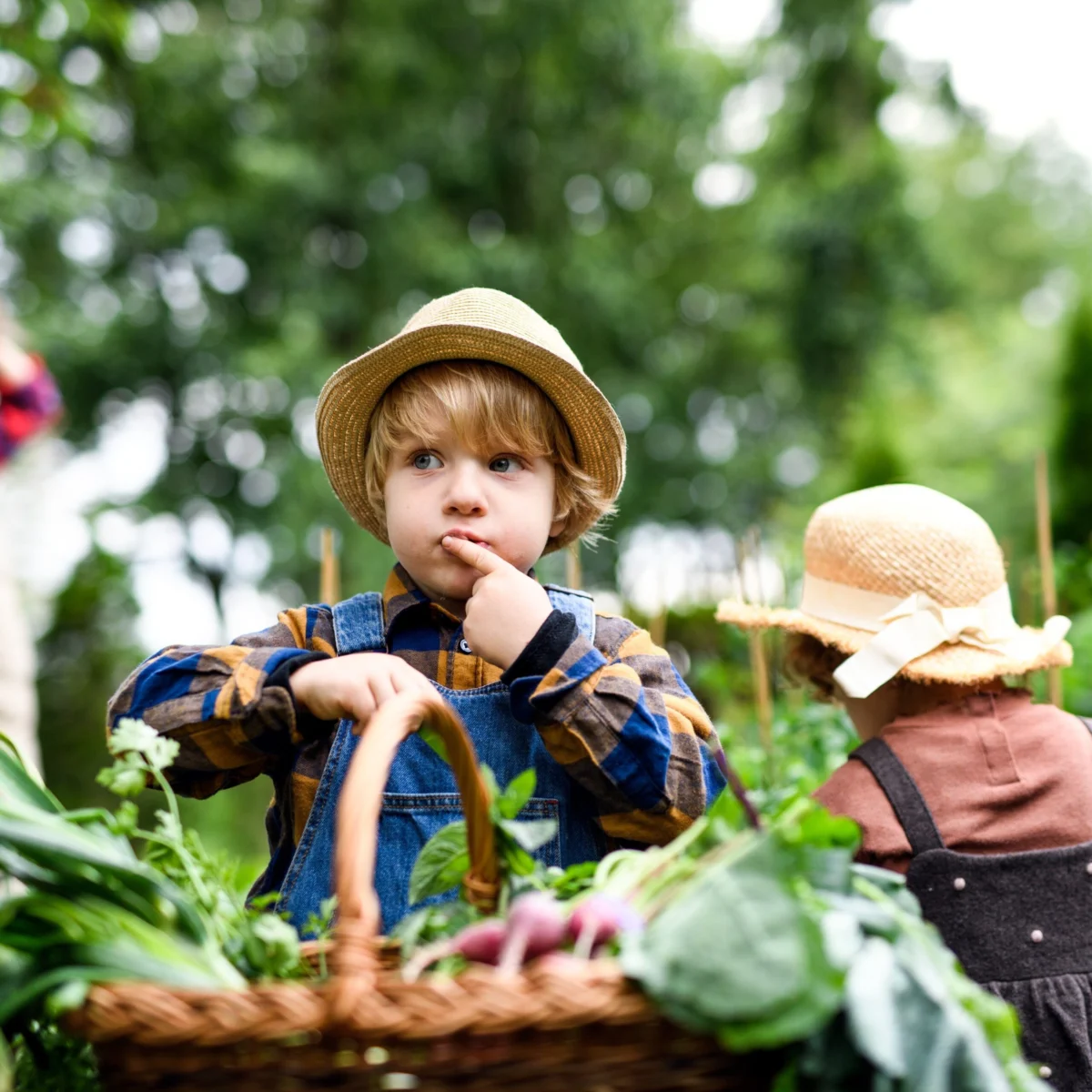
Encouraging children to actively participate in growing their own food offers a dual benefit that bridges environmental exposure and nutritional health. It is a widely observed phenomenon that children who assist in planting, tending, and harvesting greens are far more inclined to consume vegetables and fruits.
These fresh plant foods are packed with the essential fibers and nutrients required to feed and sustain beneficial gut bacteria. Furthermore, the act of gardening naturally combines physical interaction with soil—introducing beneficial environmental microbes—with the promotion of a fiber-rich, plant-forward diet that actively reinforces long-term gastrointestinal health.
Rethinking Personal Hygiene Products
In the bathroom, experts suggest a more discerning approach to personal hygiene products, particularly regarding the use of antibacterial soaps. While harsh antibacterial washes certainly have their place for specific, high-risk situations—such as handling animal waste or encountering particularly hazardous contaminants—they are largely unnecessary for daily bathing routines.
Frequent scrubbing with aggressive antibacterial soaps strips away the skin’s natural protective barrier, washing away the beneficial resident bacteria that help defend the body against pathogenic invaders. Pediatric skin health is often better served by utilizing exceptionally gentle, mild cleansers that respect the skin’s natural microbiome rather than attempting total chemical sterilization.
Recognizing Imbalances and Seeking Professional Guidance
Despite best efforts at home, parents may occasionally notice persistent health signals indicating that a child’s internal ecosystem requires professional medical attention. Common signs and symptoms that suggest a microbiome imbalance include recurrent colds, frequent secondary infections, chronic skin complaints, ongoing gastrointestinal disturbances, and a history of repeated antibiotic treatments.
Because every individual possesses a unique physiological profile, the underlying causes of a disrupted microbiome can vary widely from child to child. For families observing these ongoing health challenges, scheduling a comprehensive consultation with a qualified healthcare practitioner, such as a naturopath or a clinical nutritionist, can provide tailored guidance on how best to support a child’s developing health and restore microbial harmony.
Reporting by Laila Helena for Endeavour College of Natural Health.