Navigating Islamophobia on the Playground: How Muslim Parents Can Support Children Against Bullying and Discrimination
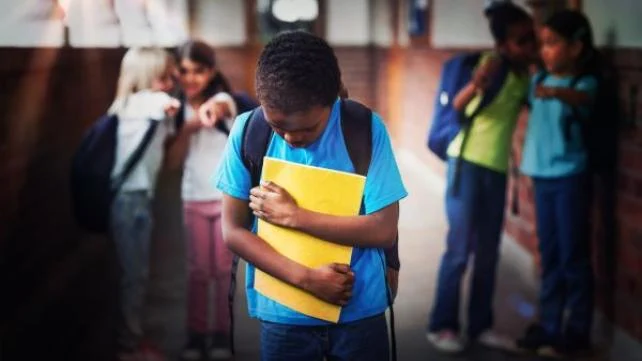
The scene plays out quietly in households across the country. A son comes home from school, quiet and withdrawn. At the dinner table, he pushes his rice around the plate, avoiding eye contact. Then, quietly, without looking up, he speaks: "A boy at recess kept saying, ‘Hello, Muhammad,’ and everybody laughed."
For many Muslim families, this scenario is not hypothetical; it is an impending reality in a climate marked by rising, politically motivated Islamophobia. Recent public rhetoric has frequently crossed into mainstream political discourse, where figures on public stages make disparaging remarks or jokes targeting Middle Eastern names and identities. When such rhetoric is broadcasted from the top, it quickly trickles down to the schoolyard, where children bear the brunt of normalized prejudice. Simultaneously, educational controversies—such as curriculum debates in states like Texas concerning how historical figures and prophets are framed in social studies classrooms—add another layer of tension for Muslim students navigating public spaces.
The children facing these environments did not ask for this burden. Yet, as anti-discrimination advocates point out, they will inevitably encounter it, and parents must be prepared to help them navigate it. Child educators, school counselors, and anti-bullying organizations emphasize a foundational principle: children handle hurtful words and bias much better when a calm, loving adult has prepared them ahead of time and established an open line of communication.
The urgency of this preparation is underscored by stark data. Bullying based on religion is significantly more common than many parents realize. According to the 2022 American Muslim Poll conducted by the Institute for Social Policy and Understanding (ISPU), a staggering 48 percent of Muslim families with school-age children reported experiencing a religion-based bullying incident within the preceding year. Furthermore, approximately one in five respondents indicated that these incidents occurred nearly every school day. Notably, the data reveals that such hostility does not always originate solely from peers; in some instances, children have reported facing bias from adults within the school system itself.
Given these statistics, experts urge parents not to wait for their children to bring up the subject. Many children, out of fear, shame, or a desire not to burden their parents, never mention the incidents they face at school.
For parents of young children aged four to seven, the approach requires laying a foundation of emotional security and self-worth. At this developmental stage, children are just beginning to understand social dynamics and group identity. Experts advise parents to focus on reinforcing positive self-image, teaching children basic assertiveness, and ensuring they know they have a safe harbor at home where they can express their feelings without judgment.
As children transition into the eight-to-twelve age bracket, the nature of peer interactions shifts, and teasing regarding names, cultural backgrounds, and faith frequently begins to surface. During these years, children are developing a stronger sense of social belonging, making targeted remarks particularly painful. Parents are encouraged to engage in proactive conversations about identity, helping pre-teens understand that teasing is often a reflection of the aggressor’s ignorance rather than any shortcoming in themselves. Role-playing potential scenarios at home can also empower children of this age to respond calmly and walk away from provocative situations.
For teenagers, the challenges evolve. Teens possess a broader worldview and are capable of comprehending the sociopolitical context behind the discrimination they may face. High schoolers and middle schoolers need spaces to discuss the bigger picture—to process media narratives, political rhetoric, and systemic biases. Open dialogues allow teens to articulate their frustrations and develop critical thinking skills regarding how media and political discourse impact daily life.
To fortify children against external negativity, educators often suggest grounding them in their faith and heritage within the domestic sphere. A child who deeply knows and appreciates their religious heritage and historical figures will not be easily shaken by a passing playground taunt. Simple domestic practices—such as exploring the character, patience, and kindness of the Prophet Muhammad through storytelling and family discussions—help internalize positive values. When children see these traits embodied in their daily family life through gentle and patient parenting, the teachings transition from abstract concepts into lived realities.
This cultural grounding applies directly to a child’s given name, particularly the name Muhammad. For families choosing this name, the intention is often to honor one of the most revered figures in Islamic history and to instill a sense of pride. Authors and cultural commentators have emphasized that a child should understand the deliberate choice and rich history behind their name rather than viewing it as a burden. Experts generally advise against altering, shortening, or westernizing a child’s name to preempt teasing unless the child explicitly expresses a desire to do so, reinforcing instead that their identity is something to be celebrated.
When playground teasing crosses the line into persistent harassment or discrimination, parents must know when and how to intervene with school administration. Documenting incidents, maintaining a paper trail of communications with teachers and principals, and understanding school district anti-bullying policies are critical steps. However, intervention should be strategic, balancing the need to protect the child with the child’s own comfort level and desire for privacy among peers.
Equally important is teaching children empathy and the responsibility of standing against injustice. The foundational ethics taught at home must extend outward, ensuring that Muslim children never participate in mocking others. Drawing from foundational texts such as the Quranic injunction against defaming others or using offensive nicknames, parents can guide their children to become defenders of classmates who are targeted—whether for their names, skin color, physical disabilities, or religious beliefs. A child who stands up for a peer is not only living out ethical values but is also building resilience and character.
Ultimately, the political rhetoric and social tensions that originate on public stages can find their way to a school playground in a matter of hours. Yet, a reassuring word, a listening ear, and a calm environment provided by a parent can travel just as quickly into a child’s heart. When a child returns home bearing the weight of a difficult day, the most vital tool a parent can offer is not a flawless solution, but a safe, steady space where questions can be asked and comfort can be found.
