Embarking on the adoption journey represents one of the most significant and transformative decisions a family can make. For many prospective adoptive parents, the process begins long before a child ever comes home, starting with a foundational choice that will shape the entire experience: selecting an adoption agency. While some families choose to navigate the complex legal and logistical landscape through an attorney or an independent adoption consultant, the vast majority of prospective adoptive parents work directly through a licensed, child-placing agency.
Because this partnership dictates everything from the timeline and financial requirements to emotional preparation and legal compliance, understanding how to evaluate and choose the right agency is a critical first step. Industry organizations and family advocacy groups emphasize several key pillars that prospective parents should carefully evaluate during their search. These core considerations range from regulatory accreditations and transparent financial structures to comprehensive pre- and post-placement educational resources and ongoing family support systems.
Look for Hague Accreditation
One of the primary safeguards for families entering the adoption process is ensuring that the chosen organization maintains Hague Accreditation. This formal accreditation serves as a vital guarantee that the agency strictly meets both international and federal standards as established by the Hague Convention on Protection of Children and Co-operation in Respect of Intercountry Adoption.
For prospective parents beginning their search, navigating the myriad of available organizations can be overwhelming. Experts recommend utilizing established professional directories that allow users to filter specifically for Hague-accredited agencies. Trusted resources include the National Council for Adoption directory as well as the Christian Alliance for Orphans member directory. Utilizing these specialized platforms helps families narrow their focus to established, vetted organizations that adhere to rigorous operational and ethical standards.
Choose an Agency That Is Transparent About the Process
Every adoption journey is uniquely shaped by individual circumstances, state or international laws, and the specific needs of the children awaiting placement. However, a reputable and reliable agency should be capable of clearly and comprehensively explaining each step of the process before prospective parents ever sign a contract or commit funds.
Uncertainty can breed anxiety during an already stressful time, making transparency a paramount virtue for any child-placing organization. Detailed timelines provided by experienced adoption ministries and agencies—such as the step-by-step breakdowns offered by Christian Adoption Services—help demystify the journey. These resources outline the trajectory from the initial application phase all the way through to finalization, giving families a realistic expectation of what lies ahead at each milestone.
Get a Clear Breakdown of Costs Upfront
Financial planning is universally recognized as one of the most daunting aspects of expanding a family through adoption. Consequently, the agency a family chooses must be completely upfront and transparent regarding the total financial commitment involved.
A trustworthy agency should be able to provide prospective parents with a comprehensive and itemized list of costs from the very beginning of their relationship. This transparent accounting should encompass all anticipated expenses, including home study fees, necessary administrative costs, in-country or domestic travel expenses, and final agency placement fees. Having a precise, unvarnished financial picture at the outset allows families to plan, budget, and seek appropriate fundraising or grant opportunities accordingly, mitigating the risk of unexpected financial strain down the road.
Prioritize Education Resources
Adoption is not merely a legal transaction or a bureaucratic process; it is the formation of a permanent family through unique circumstances that often involve trauma, loss, and distinct transitional challenges. Because of this, education is widely regarded as a critical component of successful adoption preparation, particularly before a child arrives in the home.
Prospective parents are encouraged to look closely at the educational opportunities provided by an agency, assessing whether they offer robust training both pre- and post-adoption. Organizations that invest in equipping parents with specialized knowledge regarding trauma-informed care and attachment strategies provide an invaluable resource for the entire family. Comprehensive learning experiences, such as the online educational programs offered by Lifeline Children’s Services, serve as exemplary models of how agencies can thoroughly prepare families for the realities of parenting adopted children.
Look for Thorough Agency Support
The responsibilities of a quality adoption agency extend far beyond the initial placement of a child. Comprehensive, long-term agency support designed to care for the adoptive parents, the adopted child, and the child’s birth parents is a crucial factor that demands careful consideration during the selection process.
The emotional and psychological dynamics of adoption continue to unfold long after the legal finalization takes place. Specialized programs, such as the Post Adoption Connection Center offered through Nightlight Christian Adoptions, illustrate the kind of continued, dedicated support systems that help all members of the adoption triad navigate long-term adjustment, identity questions, and relational health. Finding an agency committed to lifelong support ensures that families do not feel abandoned once the placement is finalized.
Adoption Agency and Show Hope Eligibility
For many families navigating the financial hurdles of adoption, external funding sources such as grants play an instrumental role in making their dreams a reality. Organizations like Show Hope offer vital financial assistance through their Adoption Aid grants, helping to bridge the gap for families committed to bringing waiting children into permanent homes.
However, organizations that provide financial grants often maintain strict eligibility criteria to ensure accountability and compliance. For families planning to apply for a Show Hope Adoption Aid grant, a fundamental requirement is that they must be working directly with a licensed, child-placing agency that operates as a recognized 501(c)(3) nonprofit organization. Furthermore, program guidelines dictate that families who find themselves on the waiting list with multiple agencies or who are currently working with an independent adoption consultant must wait to apply for a Show Hope grant until they have been officially matched through a licensed placing agency.
Choosing an adoption agency is undeniably one of the most consequential decisions a prospective parent will make, setting the tone for a deeply emotional and legally intricate journey. Organizations like Show Hope remain committed to walking alongside families through every phase of this complex process, offering resources and guidance from the initial agency search all the way home.
For generations of students, the mere mention of William Shakespeare evokes memories of high school English classrooms, tedious line-by-line translations, and the daunting task of decoding Early Modern English from textbooks. For many adults, these academic hurdles left a lasting impression that the world’s most famous playwright is synonymous with dry, academic obligation rather than entertainment.
However, cultural advocates and literary experts argue that this traditional approach fundamentally misses the point of the material. Shakespeare’s works were never intended to be pored over in silence on a page; they were written to be experienced, performed, seen, heard, and felt in a communal setting. Sharing that theatrical experience with children can transform what is often viewed as a chore into one of the most genuinely joyful and engaging activities families can undertake together.
In an effort to reshape how families approach classical literature, a recent installment of the "Read-Aloud Revival" series turns its attention back to this very topic, revisiting a popular conversation with celebrated playwright and Shakespeare aficionado Ken Ludwig. Ludwig, widely recognized as one of the most successful and frequently performed playwrights of the modern era, has dedicated a significant portion of his career to demystifying the Bard for younger audiences. His plays are performed on stages across the globe every single night of the year, and his infectious enthusiasm for Elizabethan drama forms the core of his book, How to Teach Your Children Shakespeare.
During the featured discussion, Ludwig and the podcast hosts dive deep into the mechanics of making classical literature accessible. Rather than treating the texts as intimidating relics of the past, the conversation focuses on how parents and educators can break down the barriers of language and meter to make teaching Shakespeare a true delight for both adults and children alike. The dialogue explores favorite plays, memorable characters, and the practical mindset shifts required to help young minds connect with the rhythm, emotion, and humor embedded in the verse.
The broader conversation touches upon a common pedagogical challenge: the fear that children are incapable of understanding complex literary themes or archaic vocabulary. Ludwig argues the exact opposite, noting that children possess a natural affinity for rhythm, rhyme, and dramatic storytelling. By introducing them to the cadence of the language before they ever encounter it on a printed page, parents can lay a foundation of familiarity and comfort. When children eventually encounter the full plays in performance or in print, they no longer see an impenetrable wall of text, but rather a familiar story filled with high stakes, comedy, and vibrant characters.
This philosophy aligns with a growing movement among educators and parents who advocate for oral storytelling and shared reading as primary educational tools. By prioritizing the auditory and visual elements of drama—such as reciting famous monologues aloud, acting out dramatic scenes in the living room, or listening to audio adaptations—families can bypass the frustration of silent reading comprehension and dive straight into the heart of the narrative.
Ken Ludwig’s background as a master craftsman of comedy and theatrical structure uniquely positions him to bridge the gap between classical literature and modern audiences. His theatrical works, which often blend wit, farce, and deep emotional resonance, reflect his profound appreciation for the classical dramatic tradition established during the Renaissance. In his writing and speaking engagements, he consistently emphasizes that Shakespeare’s comedies and tragedies were originally written for the general public, designed to entertain the groundlings just as much as the nobility. Restoring that sense of accessible entertainment is central to his mission of bringing the plays into contemporary households.
As families continue to look for meaningful ways to engage with literature beyond standard school curricula, discussions like the one featured on "Read-Aloud Revival" offer a refreshing perspective. By stripping away the intimidation factor and focusing on the shared joy of performance and language, parents can open up a centuries-old literary treasure chest for the next generation. Through enthusiasm, playful engagement, and a focus on the living, breathing nature of the theater, Shakespeare’s timeless works can reclaim their rightful place as a source of shared family delight.
Pregnancy and birth represent a profound transition for every family, yet the journey remains unique to each individual. Whether an expectant parent is preparing for their first child or their fifth, the need for accessible, evidence-based, and compassionate guidance remains a priority. In a significant development for prenatal education, Spinning Babies® has announced a major redesign of its flagship educational resource. The organization has launched "Spinning Babies® Birth Preparation in 60 Minutes," an online course meticulously crafted to be more accessible, both in terms of time commitment and cost, ensuring that a broader spectrum of families can approach their birth experience feeling informed, empowered, and supported.
The decision to overhaul the course curriculum was driven directly by feedback from families who expressed a clear need for a more flexible, efficient, and affordable preparation method. Modern life is often characterized by busy schedules and competing priorities, and traditional, time-intensive childbirth classes are not always feasible for every household. By condensing the core tenets of their approach into a concise, one-hour format, Spinning Babies® aims to meet families exactly where they are. Priced at $29.95, this updated course is designed as an accessible investment in a parent’s physical well-being, their baby’s positioning, and overall peace of mind throughout the transformative process of labor and delivery.
Why Choose the Spinning Babies® Approach?
For over two decades, Spinning Babies® has been at the forefront of supporting families and birth professionals worldwide. The organization distinguishes itself through a steadfast commitment to "physiological birth," a philosophy that prioritizes the natural capabilities of the human body. Rather than relying solely on medical intervention or rigid planning, the Spinning Babies® methodology focuses on the intricate relationship between body balance, fetal positioning, and maternal comfort. The underlying premise is that birth can unfold with greater ease and efficiency when parents are provided with the tools to support these physiological elements.
This approach has garnered significant trust within the global birthing community. Midwives, doulas, chiropractors, and countless parents have adopted these techniques, reporting a measurable reduction in prenatal and labor-related stress, alongside a marked increase in confidence. By emphasizing the body’s innate wisdom, the organization provides a bridge between clinical care and the personal, intuitive experience of bringing a new life into the world.
The Core Principles of Birth Preparation
The newly redesigned "Spinning Babies® Birth Preparation in 60 Minutes" is built upon three foundational principles: Balance, Gravity, and Movement. The course moves away from the traditional, often overwhelming reliance on rote memorization or complex birth plans, instead fostering a deeper, real-time understanding of how a parent can work in harmony with their body and their baby.
The curriculum encourages parents to cultivate a supportive daily rhythm. This is not about achieving a "perfect" birth, but rather about developing a repertoire of techniques that can be used to navigate the nuances of labor as it unfolds. By internalizing these movements and breathing patterns, parents are better equipped to respond to their body’s signals during the various stages of pregnancy and the labor process itself.
Integrating Practical Support into Daily Life
The self-paced nature of this course is intended to seamlessly integrate into a parent’s daily life, regardless of their current stage of pregnancy. Among the core lessons provided is the focus on mindful breathwork, specifically techniques such as "Aware Breathing" and "Breathe to Your Baby." These practices are designed to promote a state of calm and strengthen the bond between parent and child.
For those looking to incorporate these practices, experts suggest that consistency is more beneficial than duration. Integrating fifteen minutes of mindful breathing into a morning or evening routine—similar to routine tasks like brushing one’s teeth—can be highly effective. For those who find fifteen minutes daunting, even five minutes of dedicated focus can serve as a gift to the nervous system. The course advocates for a gentle rhythm, where the practitioner aims for a steady five-second inhale followed by a five-second exhale. This rhythmic pattern serves to ground the expectant parent, helping to manage stress and foster a sense of presence throughout the pregnancy.
Beyond breathwork, the course highlights the importance of daily physical activity designed to promote alignment. One such exercise is the pelvic tilt performed on all fours, a movement widely recognized in yoga as the "Cat-Cow." This simple, rhythmic motion is an effective tool for releasing muscular tension and hydrating the spine. By performing these fluid, rhythmic tilts—inhaling while lifting the face and tailbone, and exhaling while rounding the back—parents can foster greater connection between the upper and lower body. This practice is framed as a "moving meditation," creating necessary space and flow along the spine from the base of the skull down to the tailbone.
Mastering Balance for Optimal Positioning
A significant portion of the course is dedicated to the "Three Balances," a set of techniques including the Jiggle, the Forward-leaning Inversion, and the Side-lying Release. These methods are designed to restore balance to the pelvic structures, thereby creating more room for the baby to navigate the birth canal.
The Forward-leaning Inversion, which can be practiced as early as the second trimester, is particularly emphasized for its ability to lengthen supporting ligaments and align the uterus. This position helps alleviate tension in areas that might otherwise obstruct the baby’s descent. Because safety is paramount, the course emphasizes that these exercises should be performed with a spotter—a partner or support person—who can assist the parent in moving into and out of the position slowly. A short, thirty-second hold while breathing deeply is considered sufficient for these sessions.
Notably, these techniques are not limited to the prenatal period. When labor begins, the Forward-leaning Inversion can serve as a source of comfort and a way to support labor progress, particularly during periods where the process may seem to plateau. By using these techniques under the guidance provided, parents can help their baby rotate more effectively into an optimal position.
The Importance of Rest and Alignment
Finally, the course addresses "Rest Smart," focusing on how everyday postures—sitting, sleeping, and resting—can impact a baby’s position and the mother’s comfort. A key recommendation is to sit with the hips positioned higher than the knees. This simple adjustment encourages pelvic balance and softens tension in the lower body. Whether using a bolster, a cushion, or a physio ball, the goal is to maintain stability while keeping the feet flat and the heels directly under the knees.
This seated posture is not merely for comfort; it serves to support the pelvic floor and engage the leg muscles while maintaining an open, relaxed environment for the baby. By combining this physical alignment with the previously learned "Aware Breathing," even moments of rest become an intentional practice of preparing the body for the challenges of birth.
As Spinning Babies® continues to evolve its educational offerings, it remains committed to the principle that every parent deserves to feel capable and prepared. By providing these physiologically-based tools in a more accessible format, the organization hopes to empower families to approach the birth experience with greater confidence and connection. The journey to birth is a significant, meaningful transition, and through these simple, actionable techniques, parents are better positioned to advocate for their own comfort and well-being throughout the entire experience.
Some of author Judy Batalion’s earliest and most vivid memories are rooted in sudden, overwhelming waves of panic. Long before she could articulate what anxiety meant, her body reacted to the world as if it were a persistent threat. When she was just three years old, her family frequently visited Bonimart, a discount department store distinguished by a bubbly orange logo. While other children might have focused on the toys or the displays, Batalion’s heart would hammer against her ribs with a terror that the heavy doors would lock and she would be trapped inside forever.
At day camp, her extreme fear of water meant she spent swimming lessons doggie-paddling dry on the concrete deck, unable to bring herself to step into the pool. In kindergarten, a paralyzing dread of abandonment triggered daily stomach cramps before dismissal as she envisioned being stranded, alone and forgotten, for eternity. Her father tried to help her navigate these overwhelming emotions by explaining the difference between possible versus probable outcomes. Outside the doors of Bonimart, he developed an informal, gradual exposure program to help her cope. Each week, holding tightly to his hand, Batalion would take one more step inside the intimidating store. Through these exercises, she began to understand a fundamental premise: there was nothing truly to fear, except the fear disorders themselves.
Yet Batalion was not an isolated outlier in her family, nor was she simply the trembling black sheep. Anxiety was woven deeply into her biological and historical inheritance. She comes from a lineage of Holocaust survivors, meaning that constant worry and hyper-vigilance literally saved her genetic line. Her grandmother had successfully sniffed out unfolding danger in Europe; soon after Nazi forces occupied Warsaw, she overheard neighbors reporting on who was Jewish in the apartment building. Recognizing the immediate peril, her grandmother knew it was time to run instantly. Her parents and sisters who chose to stay behind were ultimately murdered.
That raw, life-saving trauma trickled down through generations of blood and memory. It established a household culture built entirely on being perpetually on alert. Stress and vigilance had undeniable evolutionary benefits, and her family clung to them for dear life. Years later, Batalion’s college roommates would crack up with amusement at her mother’s frantic answering machine messages warning them to sit at the very back of airplanes, declaring that cutting cuticles causes botulism, or demanding confirmation that lip gloss contained zero petroleum products.
Given this background, it was perhaps unsurprising that at the age of 12, Batalion developed a severe stomach condition during her very first trip to New York City. While standing near the Statue of Liberty and looking out onto a bustling horizon of possibility, she was suddenly overcome by nausea. That night, running a fever, she began vomiting relentlessly and racing to the bathroom. Although her acute physical illness eventually abated, the underlying symptoms lingered, leading to a formal diagnosis of ulcerative colitis.
This pivotal health crisis raised a lingering question that medicine has long debated: was this merely a classic "nervous stomach"? The exact medical causes of colitis have historically remained elusive. For decades, the condition was frequently considered psychosomatic, incorrectly pinned on individuals possessing what medical professionals at the time labeled a "neurotic psychological profile." By the 1990s, autoimmune theories gained mainstream scientific vogue, and her doctors heavily stressed that ulcerative colitis was categorically not caused by stress alone, even if Batalion found that difficult to fully accept.
Currently, modern medical consensus embraces a more nuanced view involving the complex, two-way mind-gut connection. Science notes that roughly ninety percent of the body’s serotonin, the hormone that regulates mood, is actually produced in the gastrointestinal tract. Consequently, psychological stress triggers physical gastrointestinal symptoms, while gut inflammation simultaneously releases chemical signals that trigger neurological stress. It is a feedback loop that offers little immediate comfort to those caught within it.
Eventually, through the heavy use of steroids, Batalion’s condition went into remission, where it remained until her grandfather, her Zaidy, passed away. The emotional blow triggered a severe colitis flare-up, and this time, her medications failed to work. Faced with worsening symptoms and growing medical concerns about the long-term risk of cancer, doctors made the definitive decision to remove her entire colon. Following the painful organ amputation, she felt physically better, expressing immense relief.
However, her lifelong anxiety was not so neatly excised alongside her digestive tract. While she could now leave a party without constantly monitoring the proximity of a restroom, a deeper question remained: did she even know how to live without worry? Anxiety abhors a vacuum. The phantom terrors of Bonimart’s doors morphed into fears of turbulence, heights, and eventually mutated into severe health anxiety—an ultra-sensitive bodily fear alarm.
Individuals who experience health anxiety are hyperaware of their internal sensations, remaining permanently convinced that any minor physical symptom is the direct harbinger of a life-threatening disease. Batalion would panic intensely before routine doctor visits and even faint when a blood test result returned the slightest fraction out of bounds. She remained entirely certain that cancer was coming for her next, operating under the assumption that she needed to stay vigilant even without a colon. After all, perpetual alertness was the mechanism that had kept her ancestors alive.
While she intellectually recognized that these catastrophic thoughts were absurd, she kept her deep-seated fears strictly secret. That defensive wall began to crumble during a routine family trip to a local pharmacy for flu shots. Her fourth-grader, a child who was otherwise ultra-mature and graceful, suddenly went berserk, staging a hysterical rampage through a midtown CVS that required family members to physically hold her down. In that chaotic moment, Batalion realized a sobering truth: despite her best efforts to bottle up her internal panic, her anxiety was unintentionally leaking out and passing down to her children, teaching them subconsciously that the world was fundamentally unsafe.
"I get it," Batalion told her daughter later, attempting to bridge the emotional divide. "I once fainted trying to put in contact lenses."
Her daughter countered with razor-sharp logic: "Why wouldn’t I be scared? A stranger with a bad haircut in a dingy drugstore was going to painfully poke through my skin with a needle!"
Her child’s perspective hit home, forcing Batalion to confront a fundamental parenting dilemma: how could she teach her daughter, and herself, to remain alert without descending into panic? How could they learn to calmly acknowledge a genuine threat, accurately assess it, and take appropriate action without catastrophic escalation? And threaded quietly beneath those questions was another anxiety-inducing thought: what if her daughter eventually develops colitis too?
Recognizing that the cycle had to break, Batalion dove into reading about trauma and actively sought out therapeutic support. She consciously worked to rewrite her family narrative, shifting the perspective from one of inherited weakness to one of profound resilience. Instead of viewing her lineage through the lens of permanent damage, she reframed it: her family was so remarkably strong that they survived the Holocaust. She reminded herself of physical endurance, noting that she had experienced the agonizing sensation of internal distress while chasing toddlers around the Coney Island aquarium, and she was still standing strong.
She even attempted to pass this reframed perspective on to her daughter, telling her that her body was intelligent enough to recognize a harmless faux virus and produce protective antibodies—though the comment was met with an eye-roll.
Batalion acknowledges that these intellectual and cognitive realizations have not miraculously halted her occasional doom spirals or completely erased the visceral, physical sensations of unease. Witnessing her young children navigate their own vulnerability forced her to confront her own youthful helplessness, making her realize that she needed to face the lingering fear and underlying anger toward her chronic illness that she had long repressed in her rush to simply move forward. Healing required confronting the very fear that was partially caused by the illness itself.
While she may no longer stand outside a discount department store having worst-case-scenario palpitations, she views herself as still working through her father’s metaphorical twelve steps, while fiercely hoping she will never need to design a similar program for her own children. Her grandmother’s vigilance successfully preserved her life during humanity’s darkest hours, but Batalion’s ultimate goal is clear: may the passing down of crippling, generational anxiety finally end with her.
While most voters treat Election Day as the final chapter of their civic involvement, seasoned government relations professionals and political strategists view it as merely the opening bell. For experienced advocates, the weeks immediately following an election represent the most valuable window of an entire legislative term. During this critical transition period, newly elected officials are busy hiring staff, establishing policy priorities, and remembering which community members, organizations, and volunteers stepped up to help them secure victory.
Those who show up during this formative window—bringing expressions of genuine gratitude, clear and constructive policy requests, and practical offers of assistance—frequently establish themselves as trusted advisors. These are the individuals and community groups that legislative offices will call upon for years to come when shaping policy, drafting bills, or seeking ground-level feedback from the district.
For any citizen who has cast a ballot, made a financial contribution, or volunteered their time on a campaign, a legitimate and earned place at the governance table awaits. Understanding how to leverage this transition period is essential for ensuring that campaign promises transform into tangible legislative action.
The First 72 Hours: The Power of Gratitude
The immediate aftermath of an election is a whirlwind for a victorious candidate and their inner circle. Amidst the flurry of concession calls, media interviews, and logistical planning, the first 72 hours offer a fleeting window to establish a positive tone for the upcoming term. Reaching out quickly with sincere congratulations and heartfelt thanks sets a collaborative tone.
Campaigns are grueling endeavors, and candidates rarely forget the faces of those who showed up in the rain to knock on doors, organized phone banks, or offered quiet encouragement when the polls looked tight. Sending a prompt note of congratulations reminds the newly elected official of their grassroots roots before they become entirely consumed by the institutional bubble of government offices. This initial interaction should be entirely devoid of heavy lobbying or immediate demands; instead, it should focus purely on acknowledging the hard work of the campaign and affirming a shared commitment to the community’s future.
The First 30 Days: Navigating the Transition Window
As the dust settles from election night, the focus shifts to the first month of the transition period. This is when the foundational architecture of a legislative office is built. Newly minted lawmakers are actively selecting committee assignments, outlining their legislative agendas for the upcoming session, and—most importantly—hiring their staff.
During these first 30 days, engaging with the transition team is vital. Government offices are heavily shaped by the personnel chosen to run them, and building rapport early with incoming chiefs of staff, legislative directors, and schedulers can dictate the accessibility an organization will enjoy for years. This window allows constituents to introduce their organizations, present key community concerns before priorities are set in stone, and offer local expertise to help onboard the new administration.
The First 100 Days: Translating Promises into Priorities
The traditional 100-day benchmark is frequently used to measure the early effectiveness of an executive or legislative body, but for community advocates, it represents the critical phase where campaign rhetoric must be converted into concrete legislative priorities. Campaign trails are filled with broad, sweeping promises designed to appeal to a wide electorate. The hard work of governance, however, requires specificity.
During this period, effective advocates work to bridge the gap between generalized campaign commitments and actionable policy. A vague promise to improve local infrastructure or support education must be translated into specific budgetary line items, upcoming bill numbers, scheduled committee hearings, or targeted regulatory changes. By engaging officials during their first 100 days, constituents help anchor the administration to the pledges it made on the stump, ensuring that accountability begins long before the next election cycle rolls around.
Sustaining the Full Term: Building Lasting Relationships and Accountability
While the opening months of a new term set the trajectory, true political influence is forged over the course of the full term through consistent engagement and mutual accountability. A healthy relationship with an elected official is not built on a single transactional meeting; it requires a steady rhythm of communication, community check-ins, and ongoing dialogue.
Maintaining this connection means celebrating victories when an official delivers on a promise, providing constructive feedback when legislation falls short, and consistently showing up to public forums, town halls, and district meetings. Elected officials respond to sustained presence. When a community remains visible and engaged throughout the entire multi-year term—rather than merely appearing when an election is imminent—their voice carries undeniable weight in the halls of power.
Strategies for Helping Officials Keep Their Promises
Elected officials are far more likely to fulfill their campaign commitments when specific conditions are met. Broadly speaking, politicians tend to keep promises when they actively remember the pledge they made, when they believe their constituents are paying close attention, when they are provided with a clear and viable path to deliver, and when they expect that fulfilling the promise will be publicly recognized and appreciated.
To ensure accountability, effective advocates document every commitment made during the campaign or subsequent meetings, keeping a detailed file of the date, the source, and the exact phrasing used. This documentation can be brought to initial meetings as a constructive reminder of what the local community is counting on. Furthermore, transforming general goals into specific targets—such as a specific bill number, a targeted budget allocation, or a scheduled public statement with a clear timeline—prevents initiatives from stalling in bureaucratic limbo.
Numbers and narratives matter immensely in the legislative process. Bringing organized groups of constituents, mobilizing district phone calls, and driving strong turnout at local town halls demonstrate tangible electoral interest. Yet, statistics alone rarely move a hardened politician as much as compelling local stories. Presenting a real family or a local business directly affected by an issue, with their explicit permission, humanizes abstract policy debates and resonates deeply with lawmakers and their staff.
Collaboration amplifies these efforts significantly. When a policy request is backed by a broad coalition representing diverse interests—such as faith communities, labor organizations, civil rights groups, student associations, and neighborhood coalitions—it becomes exceedingly difficult for an office to ignore.
Advocates can also ease the burden on overworked legislative offices by doing much of the heavy lifting. Offering draft legislative language, relevant data, expert contacts, and community-level support helps legislative staff do their jobs more efficiently. Once a goal is achieved, it is equally important to publicly thank the official, celebrate the outcome alongside the community, and share the credit. Conversely, holding officials accountable through public town hall questions, published scorecards, community op-eds, and a remembered record at the ballot box ensures that accountability remains a continuous reality.
Navigating Meetings with Officials and Staff
Engaging directly with elected representatives or their professional staff requires a delicate balance of preparation, diplomacy, and firmness. Successful meetings are built on thorough research regarding the official’s voting record, committee assignments, and stated positions. Advocates should arrive with a precise, concise ask—knowing exactly whether they are seeking a vote, a letter of support, a meeting, or a specific amendment. It is vital to respect time constraints, listen actively to the official’s perspective, and always follow up with a written thank-you note that summarizes the key points discussed and any commitments made.
Conversely, professional pitfalls can quickly derail advocacy efforts. Meetings should never devolve into personal attacks, shouting matches, or partisan posturing, as alienating an official or their staff guarantees a closed door in the future. Advocates should avoid making vague, unmanageable requests, monopolizing the conversation during group meetings, or showing up unprepared without a clear understanding of the legislative process. Treating the interaction as a professional negotiation rather than an outlet for generalized frustration yields far superior results.
The Vital Role of Legislative Staff
One of the most common mistakes made by novice advocates is treating legislative staff merely as gatekeepers standing between them and the elected official. In reality, staff members are the intellectual engine and operational backbone of any government office. Legislative directors, policy analysts, schedulers, and district representatives draft the bills, brief the members, and manage constituent services.
Crucially, today’s junior staffers are frequently tomorrow’s elected officials. An entry-level intern, a front-desk clerk, or a legislative assistant answering phones today may well be running for public office a decade from now, and they invariably remember who treated them with dignity and professional respect when they held no official title.
Political history is replete with examples of this trajectory. As a teenager, former President Bill Clinton famously met President John F. Kennedy at the White House through a youth leadership program, and later worked as a congressional clerk for Senator J. William Fulbright’s Senate Foreign Relations Committee while attending university. Those formative experiences on Capitol Hill helped shape a political career that ultimately led to the presidency. Many current members of Congress began their public service journeys in the exact same manner, writing memos and managing constituent correspondence for someone else.
Building authentic, respectful, and communicative relationships with staff members ensures that a community’s concerns are consistently understood, prioritized, and elevated to the decision-maker’s desk, ensuring a lasting and effective voice in government.
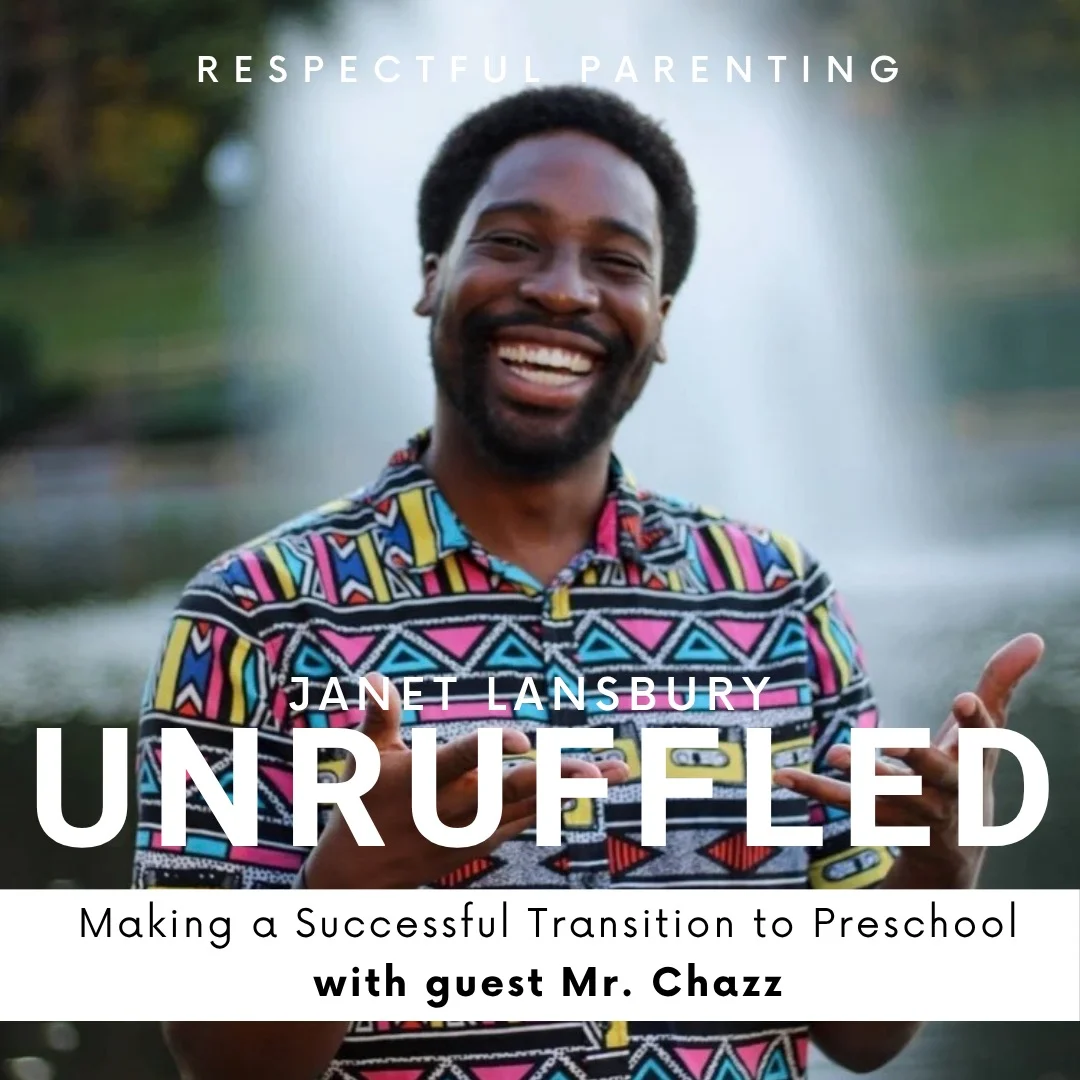
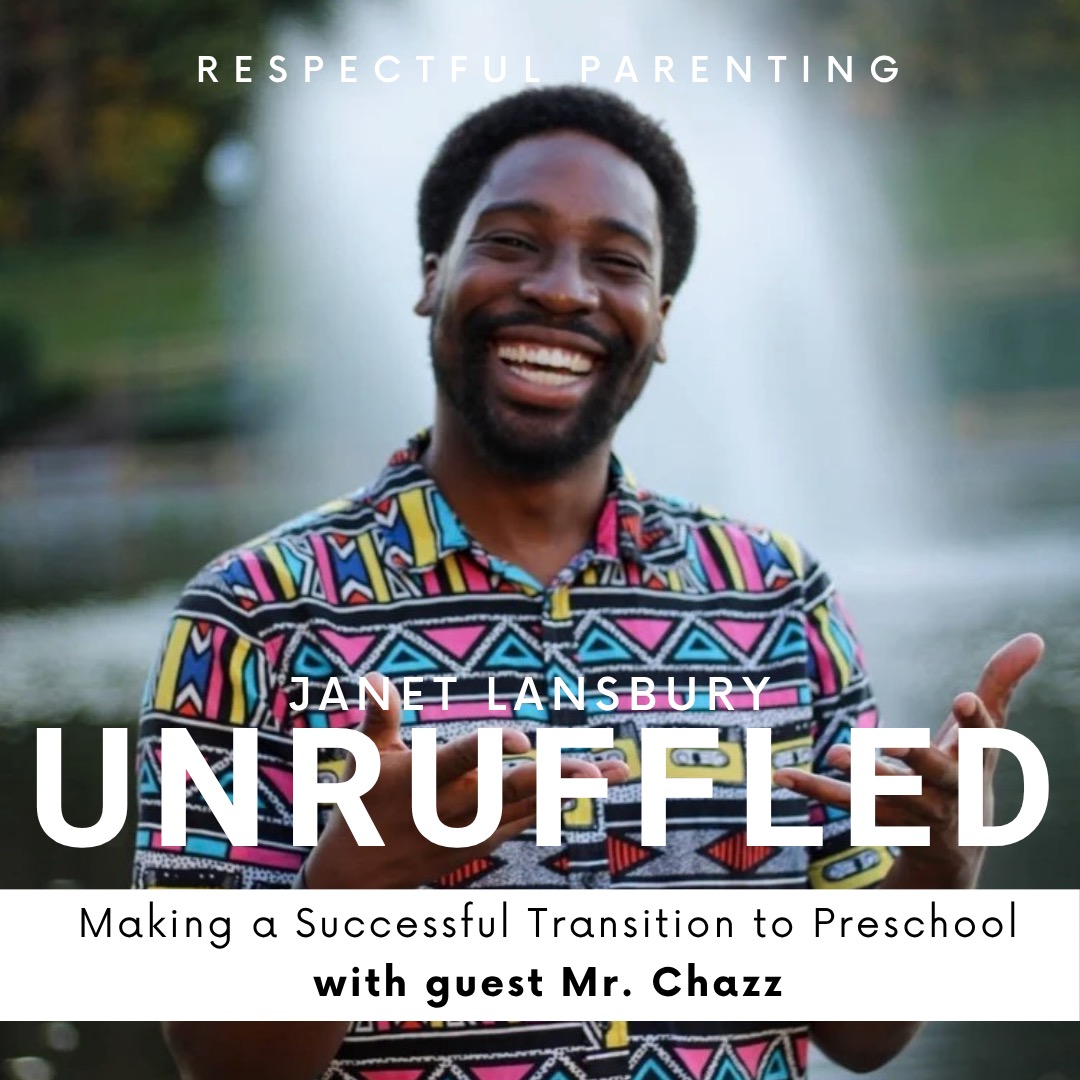
As families navigate the annual milestone of starting or returning to school, early childhood expert and educator Mr. Chazz recently joined parenting specialist Janet Lansbury on her podcast, Unruffled, to discuss how parents and teachers can ease the transition into preschool and childcare. Known widely across digital platforms for his engaging and empathetic approach to child development, Mr. Chazz shared insights from both his broader educational background and his latest venture, a Brooklyn-based learning and childcare center called Birdhouse.
The conversation centered on cultivating trust, redefining the separation process as an integrated routine of connection, and viewing big emotional moments not as failures, but as valuable opportunities for growth and co-regulation for both children and adults.
Reimagining the Early Childhood Environment
During the discussion, Mr. Chazz and Lansbury addressed the traditional challenges of early childhood transitions. Mr. Chazz noted that standard drop-off procedures in many childcare facilities often prioritize adult convenience over the emotional needs of the children, teachers, and families involved. He described typical drop-offs as rushed interactions where children are quickly ushered into classrooms while parents hurried away, a dynamic he likened to dropping off packages.
In contrast, Mr. Chazz’s newly established school, Birdhouse, aims to model a more supportive infrastructure starting with the educators themselves. By providing the head teacher with living quarters directly above the school to eliminate rent burdens, the program seeks to prevent educators from operating in a survival state. According to Mr. Chazz, when teachers feel genuinely cared for and supported, they possess the emotional bandwidth and prefrontal capacity required to properly care for young children. Lansbury emphasized that this model also fosters greater staff retention, providing the consistency that children and families desperately need.
From Drop-Off to Arrival: Shifting Language and Practice
To foster a greater sense of security, Birdhouse has replaced traditional terminology and practices around the start of the day, shifting from "drop-off" and "pick-up" to "arrival" and "reunion." The arrival process is designed to honor both the separation from the parent and the integration into the school community. Rather than a swift exit, the routine involves specific, structured steps supported by visual cues to help children navigate the transition with confidence.
Upon entering the facility, children engage in a personalized greeting, such as a high-five, fist bump, or hug, tailored to their individual preferences with the option to pass if they choose not to connect. Children then place their belongings in their cubbies, remove their outdoor footwear to maintain cleanliness, and wash their hands with the assistance of a parent or caregiver. Parents are also invited to participate in circle time before a formal goodbye song marks the transition for family members to leave. Additionally, the school encourages families to visit the space weeks in advance so children can familiarize themselves with the environment and build trusting relationships with the educators—whom they call "safekeepers"—before regular attendance begins.
Reframing Emotional Outbursts as Learning Opportunities
Even with thorough preparation, separation can sometimes trigger intense emotional responses. Mr. Chazz and Lansbury discussed how to handle days when a child experiences prolonged distress after a parent departs. Rather than viewing a crying child as an indication of failure or rushing to distract them, the educators at Birdhouse practice a calm, receptive presence. They remain nearby, offering available comfort without forcing physical touch, allowing the child to express their sadness fully.
Mr. Chazz shared an instance where a child cried through an entire circle time while missing his mother. Rather than ignoring the behavior, the teachers acknowledged the child’s feelings openly with the rest of the class. The other children responded by taking collective deep breaths and sending supportive energy toward their classmate. This approach turned a difficult moment into a powerful lesson in empathy, emotional awareness, and peer regulation. Once the child’s big feelings subsided, he was able to self-regulate, seek comfort, and rejoin the group’s activities.
Lansbury noted that parents often experience anxiety during such moments, worrying that bystanders or teachers might judge their parenting or the child’s distress. Both experts emphasized that caregivers should release these self-critical thoughts and allow emotions to run their natural course. Crying serves as an outlet for built-up energy, fatigue, or stimulation, and children inherently know how to process these feelings when provided with a safe and patient environment.
Practical Strategies for Families
Recognizing that most families do not have access to alternative models like Birdhouse, Mr. Chazz offered actionable strategies that parents can implement within more traditional school settings. He recommended creating visual routine cards that outline the sequence of arrival steps, helping children anticipate what comes next and reducing friction during busy mornings. Families can also review schedules, read photo books about the new school, or roleplay the arrival and departure routine using stuffed animals to build familiarity before the school year begins.
Furthermore, Mr. Chazz stressed the importance of communication between parents and teachers during the initial transition period. Because educators are learning the unique personalities, cues, and soothing preferences of multiple children simultaneously, providing detailed information about a child’s habits—such as naptime routines or comforting items from home—can significantly aid teachers in building secure attachments.
Concluding the conversation, both educators reflected on the profound rewards of working directly with children. Mr. Chazz highlighted that despite the emotional labor involved in teaching, witnessing moments of connection and breakthrough makes the daily challenges deeply meaningful. Lansbury echoed these sentiments, noting that young children consistently teach adults valuable life lessons through their honesty, resilience, and capacity to feel deeply.
In the modern wellness landscape, few tools are as profoundly impactful yet chronically overlooked as light. While conversations around health frequently center on nutrition, physical fitness, and stress management, the foundational role of light exposure often takes a back seat. From natural sunlight and morning rays to targeted red light therapy and indoor lighting choices, the spectrum of light we interact with daily plays a pivotal role in human biology, influencing everything from hormone production and immune defense to sleep architecture and circadian rhythms.
Experts and health advocates increasingly emphasize that healthy lighting is an essential component of overall wellness. While light exposure alone cannot replace fundamental lifestyle habits such as adequate sleep, proper hydration, and stress reduction, it serves as a powerful catalyst that amplifies the positive effects of these wellness pillars. Despite its profound impact, contemporary lifestyles have created a profound disconnect between humans and the natural light cycles that governed our ancestors for generations.
The Shrinking Connection to Natural Sunlight
Overall sunlight functions as a powerful biological and healing tool. When natural light strikes human skin and eyes, it initiates complex biochemical pathways, triggering the body to synthesize vitamin D—a crucial hormone that supports bone health, strengthens immune function, elevates mood, and assists in hormone balancing.
Yet, contemporary society has largely retreated indoors, finding refuge under flickering artificial lighting. Public health observations and demographic studies indicate that children now spend an average of just four to seven minutes outdoors each day, with some observational data revealing that young children may go outside to play as infrequently as once a week.
Adults fare little better in the modern built environment. The vast majority of working adults report spending less than an hour outside per day, and for a striking minority exceeding eighteen percent of the population, daily outdoor exposure drops below fifteen minutes. This indoor confinement under artificial bulbs represents a dramatic departure from evolutionary norms. Prioritizing deliberate time spent outside in natural light at various intervals throughout the day can catalyze profound improvements in physiological and psychological health, offering compelling reasons to step away from indoor environments and embrace natural illumination.
The Unique Power of Morning Light
Among the various phases of the daily light cycle, morning light holds a uniquely powerful position in physiological regulation. Historical health recovery accounts, such as those from individuals overcoming chronic immune and metabolic challenges like Hashimoto’s thyroiditis, often highlight morning routines centered around outdoor exposure at sunrise. Even for those struggling with chronic fatigue, engaging with morning sunlight can provide a much-needed biological reset.
Morning light is particularly valuable because it serves as an abundant natural source of red and near-infrared wavelengths while helping to anchor circadian rhythms and regulate cortisol production naturally. Incorporating morning light into daily routines has increasingly become a non-negotiable practice for those seeking to optimize their energy levels and metabolic health, providing a natural transition from night to day that internal biological clocks rely upon.
Cortisol, Circadian Rhythms, and the Internal Clock
Sunlight exposure—particularly catching the first light of sunrise and the fading hues of sunset—serves as the master regulator for circadian alignment. According to the Cleveland Clinic, the circadian rhythm functions as the body’s endogenous 24-hour clock. This sophisticated biological timing system governs a vast array of physiological processes, including the sleep-wake cycle, hormone secretion, digestive efficiency, and stress response mechanisms.
Light exposure is intrinsically linked to cortisol dynamics, frequently referred to as the body’s primary stress hormone. While chronic high stress is detrimental, the human body actually requires healthy, rhythmic fluctuations of cortisol to function optimally, with peak levels occurring in the morning to promote alertness. However, exposure to artificial blue light at inappropriate hours—such as late at night from screens and overhead fixtures—combined with other modern stressors, can severely disrupt cortisol rhythms and blunt natural sleep drives. Understanding how to leverage light exposure strategically allows individuals to realign their circadian biology and restore healthy hormonal patterns.
Re-evaluating Sunscreen and Safe Sun Exposure
The relationship between sunlight and skin protection remains a subject of ongoing debate within the medical community. While conventional dermatology heavily emphasizes rigorous, year-round sunscreen application to prevent ultraviolet damage, alternative perspectives argue for a more nuanced, balanced approach that acknowledges the evolutionary necessity of sensible sun exposure.
While severe sunburns and cumulative skin damage are universally recognized as detrimental, completely shielding the skin from all ultraviolet radiation can impair essential vitamin D synthesis and disrupt biological signaling pathways. A balanced perspective involves recognizing when sunscreen is genuinely useful, selecting cleaner formulations that avoid harsh chemical additives, employing physical barriers and protective clothing during peak UV hours, and appreciating the physiological benefits of moderate, non-burning sunbathing.
Targeted Applications of Red Light Therapy
While natural sunlight provides a broad spectrum of healing wavelengths, specific segments of the light spectrum can also be harnessed through targeted technologies. Morning and evening sunlight naturally deliver therapeutic red and near-infrared light during sunrise and sunset. To replicate and supplement these benefits in indoor environments, red light therapy devices have grown increasingly sophisticated and accessible.
Consumers and health practitioners now utilize a wide array of red light applications, ranging from facial rejuvenation masks and full-body wellness blankets to targeted panels and specialized dental care tools like red light toothbrushes designed to support gum health. These devices offer a concentrated method for delivering specific light frequencies to tissues, supporting cellular energy production and tissue recovery.
Optimizing Indoor Lighting and Mitigating Artificial Hazards
While outdoor light exposure is critical, indoor lighting choices are frequently overlooked in broader wellness discussions. The artificial illumination utilized within homes and offices can inadvertently sabotage health goals if deployed incorrectly. Standard LED lighting, for instance, often features microscopic flickering that can induce subtle stress on the nervous system—frequencies too rapid for conscious visual detection, yet readily perceived by the human brain.
Furthermore, exposure to artificial blue light during evening hours from digital screens and bright overhead fixtures signals the brain that it remains daytime, actively suppressing the natural production of melatonin and hindering the body’s ability to wind down for restorative sleep. Implementing healthier indoor lighting swaps, utilizing warmer color temperatures in the evening, and minimizing screen time late at night are crucial steps toward creating a biologically supportive indoor habitat.
Throughout years of exploring these topics through dialogue with medical experts, researchers, and personal investigations, the profound impact of light on human physiology continues to emerge as a cornerstone of integrative wellness. Whether through optimizing natural sunlight, harnessing red light therapy, or refining indoor illumination, mindful engagement with light remains one of the most accessible and transformative tools available for enhancing human health.
The Chicago Waldorf School has captured national attention, earning a prominent feature in Esquire Magazine for a groundbreaking educational partnership with the renowned Italian luxury fashion house Kiton. Together, the institution and the prestigious brand have launched a unique, hands-on high school course appropriately titled “The Art of Tailoring.” This pioneering program is designed to bridge the gap between traditional craftsmanship and modern commerce, teaching students classic tailoring techniques alongside contemporary concepts in branding and design to equip them with tangible, real-world industry skills.
The collaboration represents an innovative intersection of independent education and elite haute couture, bringing master-level craftsmanship directly into the classroom. While vocational programs and fashion electives are staples in various high school settings, this curriculum stands apart due to its direct lineage from one of Italy’s most exclusive sartorial houses. Kiton, globally celebrated for its commitment to uncompromising quality, meticulous hand-sewing, and the finest fabrics, brings an authentic standard of luxury to the Chicago Waldorf School curriculum, giving teenagers a rare glimpse into the upper echelons of the global fashion industry.
The genesis of this unique educational venture stems from a personal connection within the school community. Victor de Leon, Kiton’s North American director of wholesale made-to-measure, is a Chicago resident whose own children attend the Chicago Waldorf School. Like many parents, de Leon spent time observing the daily routines and specialized curricula of the school, which places a heavy emphasis on experiential learning, artistic expression, and tactile handwork from a very early age.
However, de Leon’s professional eye as a veteran executive in the luxury menswear industry allowed him to view these early childhood activities through a distinctly specialized lens. His observations ultimately planted the seeds for what would become an unprecedented partnership between the luxury fashion house and the independent school.
Reflecting on the initial inspiration that led to the creation of the high school course, de Leon recalls a moment of profound realization while watching the younger students engage in their regular classroom handwork exercises.
“I was watching seven-year-olds sewing and weaving and knitting socks and gloves and hats,” he says. “And they were doing it with such ease, like little tailors. It made me think.”
That casual observation sparked a series of thoughtful conversations regarding the continuity of skill development within the Waldorf educational model. Waldorf education is widely known for integrating practical arts, handcrafts, and fine motor skill development into its foundational curriculum, believing that working with one’s hands strengthens cognitive development, spatial awareness, and creative problem-solving. Students routinely engage in knitting, crocheting, woodworking, and sewing throughout their primary and middle school years.
Recognizing that this strong foundation in tactile dexterity created a natural runway for more advanced artisanal training, de Leon began formulating a vision to elevate these traditional handwork classes to a professional, vocational level for older students who were ready to explore complex trade skills.
Armed with a clear vision, de Leon approached the school’s principal to pitch the concept of a high-level tailoring curriculum. The proposal met with immediate enthusiasm and the eager, active support of Antonio De Matteis, the chief executive officer of Kiton. With institutional backing secured from both the school leadership and the upper echelons of the fashion house, de Leon successfully hatched a comprehensive plan to translate the traditional artistry of the Italian sartorial workshop into a formal high school elective.
The culmination of these collaborative efforts materialized in September 2024, when the doors officially opened on the new curriculum. Since that time, de Leon has been personally presiding over the Art of Tailoring course, bringing decades of industry expertise directly to the students. The program was specifically conceived to instill authentic, craft-based skills straight from the floor of the professional tailor’s shop, ensuring that students do not merely learn theoretical concepts, but rather master the physical, tactile realities of garment construction.
Through the course, students are immersed in the rigorous methodologies that define Kiton garments, which are famously crafted by master artisans who spend years perfecting their trade. By learning these traditional techniques alongside contemporary lessons in fashion branding and modern design, the teenagers gain a holistic understanding of the apparel industry. They discover the immense dedication required to construct a bespoke garment from scratch, from understanding fabric weight and drape to mastering needlework, pattern drafting, and structural fitting.
The inclusion of branding and design components ensures that the students understand the commercial and creative forces that drive the fashion world today, providing them with a well-rounded perspective that bridges the gap between historical craftsmanship and modern market demands.
The partnership has resonated far beyond the local Chicago community, drawing praise and widespread interest from fashion enthusiasts, educators, and industry insiders alike. The feature in Esquire Magazine highlights the innovative nature of the collaboration, showcasing how traditional independent schools and luxury commercial enterprises can successfully join forces to create meaningful educational opportunities for the next generation. As the students continue to hone their craft under the direct mentorship of industry leaders like de Leon, the Art of Tailoring stands as a testament to the enduring value of hand craftsmanship in an increasingly automated world.
When modern smartphone users open their device app stores in search of a mindfulness tool, they are immediately met with dozens of options promising everything from calmer days and deeper sleep to reduced stress and sharper focus. With so many choices competing for attention, determining where to begin or which marketing claims to trust can quickly become an overwhelming endeavor for consumers looking to build healthier mental habits.
To help demystify the crowded digital wellness landscape, a closer examination of three prominent meditation applications—Calm, Headspace, and Insight Timer—offers insight into how they compare across content variety, personalization features, pricing structures, and overall user experience. While each platform approaches mental health and wellness through a distinct lens, understanding their individual strengths allows
prospective users to identify the tool that best aligns with their personal routines and goals.
The market for meditation applications has expanded significantly over the past decade, backed by growing interest in digital health interventions. However, choosing the right application ultimately depends on individual preferences regarding teaching styles, audio narration, and specific wellness objectives, such as managing daily anxiety or overcoming persistent sleep difficulties.
Understanding How to Choose a Meditation App
Selecting the most appropriate meditation application requires users to evaluate their primary wellness goals before committing to a platform. Whether the objective is finding immediate stress relief during a difficult workday, establishing a consistent morning meditation practice, or addressing nighttime restlessness, different apps cater to distinct needs.
Pricing structures also play a critical role in the decision-making process. Because subscription costs and promotional offerings are subject to change, verifying current pricing directly through official platforms before subscribing is recommended. Most major applications provide introductory free trials or limited free content tiers, allowing users to evaluate the interface, narration styles, and overall functionality before investing in a paid membership.
Calm: Focus on Sleep, Soundscapes, and Diverse Instructors
Recognized as one of the most widely used meditation platforms globally, Calm extends beyond traditional mindfulness exercises to offer an extensive library of sleep content, soothing music, and gentle movement sessions. Research and user engagement patterns indicate that many individuals utilize Calm during evening hours to wind down for sleep, as well as throughout the day to manage stress levels.
The platform’s content library features Sleep Stories, which are bedtime narratives read by well-known public figures and soothing voices. These are complemented by daily meditation programs, including the platform’s flagship Daily Calm. Users also have access to breathwork exercises, mindfulness tools, ambient soundscapes, introductory courses, and longer structured programs addressing specific themes such as anxiety management and self-compassion.
Personalization within Calm is anchored by features like Check-Ins, which allow users to log their daily mood, sleep quality, and gratitude levels to observe behavioral patterns over time. Additionally, customizable reminders help users establish consistent mindfulness routines. Among its standout offerings, the sleep content—particularly the extensive collection of Sleep Stories—remains a primary recommendation for individuals struggling with nighttime restlessness.
Headspace: A Structured, Course-Led Approach
Headspace approaches digital mindfulness with a strong emphasis on structured education. Many of the platform’s sessions are organized into sequential courses that guide users through specific mental health and wellness topics step by step, making it a popular choice for absolute beginners.
The application’s content catalog includes beginner-friendly foundational courses, short "SOS" meditations designed for acute moments of stress, and themed collections focused on concentration and mindful movement. For users seeking evening support, the platform offers Sleepcasts, which combine ambient audio with descriptive storytelling to encourage relaxation.
Personalization features on Headspace include tailored content recommendations and an empathetic artificial intelligence companion named Ebb, which allows users to converse about their current emotional state and receive corresponding content suggestions. For many users, the primary appeal lies in the structured clarity provided by introductory pathways, such as the ten-session Basics course.
Insight Timer: Community-Driven Content and Extensive Free Access
Insight Timer originated as a basic digital meditation timer before evolving into a expansive library of guided meditations, talks, and music tracks. Operating on a hybrid model, the platform provides a substantial volume of free content alongside a premium subscription tier known as MemberPlus.
The application hosts a diverse catalog of meditations, philosophical talks, and musical selections contributed by a global community of teachers, in addition to a traditional timer for practitioners who prefer silent meditation. Personalization features include teacher-led challenges designed to maintain user engagement and a streak-tracking mechanism that monitors consecutive days of practice.
The standout feature of Insight Timer is the breadth of its free catalog. Because a large portion of the library is accessible without a financial commitment, users can explore a wide variety of teaching styles and traditions before deciding whether to upgrade to the paid membership tier.
The Science Behind Mindfulness Apps and Considerations for Care
As digital health tools have proliferated, researchers have increasingly studied their efficacy in supporting mental well-being. While scientific evaluation of meditation applications is still evolving, an updated review of randomized trials examining mindfulness apps found modest improvements in anxiety and depressive symptoms among users compared to control groups. However, researchers emphasize the continued need for larger, high-quality studies to determine the precise extent of these benefits and identify which populations benefit most.
Mental health professionals also stress that meditation applications are not intended to serve as a substitute for professional clinical care. Individuals experiencing significant psychological distress or mental health challenges are encouraged to consult qualified healthcare providers to secure appropriate, personalized support.
Evaluating the Role of Digital Tools in Daily Routines
Ultimately, the decision to invest time and resources into a meditation application depends on individual expectations and lifestyle needs. Whether an individual seeks immediate relief from a racing mind at bedtime, structured guidance through a period of life transition, or simple tools to build a daily mental health habit, modern digital platforms offer diverse pathways to mindfulness. By taking advantage of trial periods and exploring different instructional voices, users can find a tool that integrates seamlessly into their daily lives.
On the night of November 3, a charismatic figure stepped onto a brightly lit stage, looking out over a cheering crowd with a profound sense of history in the making. With his voice steady and his delivery resolute, he said his full name out loud with his whole chest, offering an astounding proclamation that would echo far beyond the convention hall: “My name is Abdulrahman Mohamed El-Sayed. And I am so proud and honored to stand here as your senator-elect for the great state of Michigan.”
For months leading up to that pivotal evening, the campaign trail had been fraught with political tension. Opponents had attempted to weaponize his name, turning it into a warning label rather than a simple identifier. Figures across the political spectrum, including former President Donald Trump, seemed determined to emphasize whichever part of Dr. El-Sayed’s Arabic and Islamic name sounded the most foreign. The underlying implication of these attacks was a persistent, insidious political trope: the notion that to be visibly and proudly Muslim in the United States is to be fundamentally un-American, carrying a dual loyalty that precludes true civic dedication.
Yet, on that November night, those tactical efforts failed. Dr. Abdul El-Sayed officially became Michigan’s newest senator, securing his place in history as the first Muslim ever elected to the United States Senate.
For millions of Americans watching the returns come in, the moment transcended standard political victory. It forced a deeply reflective question, one that has lingered quietly beneath the surface of many minority communities in recent years: Do we belong here?
A name carries an intricate story. It connects individuals to the generations of ancestors who came before them, bridging continents, cultures, and decades. It reflects the deep hopes, prayers, and aspirations of the parents and loved ones who first spoke it in love. Yet, throughout the complex history of the United States, certain names have routinely been treated as immediate proof of belonging, cultural assimilation, and civic entitlement. Conversely, other names have been scrutinized, mispronounced deliberately, or treated as concrete evidence of otherness and foreign intrusion.
It Was Never Really About El-Sayed’s Name
The intense focus on Dr. El-Sayed’s nomenclature during the grueling legislative campaign was never truly about syllables, linguistic roots, or pronunciation. At its core, the controversy was a referendum on whether the United States is large enough, confident enough, and inclusive enough to embrace the diverse, multifaceted stories that names like his inherently carry.
The stakes of the election extended far beyond a single seat in the upper chamber of Congress. It was about whether children growing up with names like Sulayman, Marwa, Dawud, and millions of other non-traditional names could visualize themselves not merely as residents or participants, but as future leaders of America. It asked whether a young boy named Abdul, watching the returns from his living room, could look at the highest legislative offices in the land and genuinely see a physical and cultural place for himself there.
On Election Day, the voters of Michigan answered that profound question.
They elected a candidate whose political opponents tried, and ultimately failed, to transform his identity into a permanent electoral liability. By doing so, the electorate helped author a fundamentally different narrative about the American identity—one not rooted in fear, division, or exclusion, but a story firmly grounded in the concept of collective belonging.
For the past several years, a rising generation of young Americans has come of age during a period marked by intense political division, rhetorical bitterness, and profound societal uncertainty. These young people have watched adults endlessly argue over whose pain, heritage, and perspective deserve national attention. They have stood on the sidelines wondering whether a single ballot can truly make a difference in the trajectory of the nation. They have questioned whether having a different name, practicing a different faith, or holding a distinct cultural story could potentially make them a target in public life.
No observer of contemporary politics can realistically promise that societal prejudice will vanish overnight. Nor can anyone guarantee that there will not continue to be political actors who attempt to make young Americans feel that the various intersecting parts of their identity are somehow incompatible with one another.
Even so, the outcome of this election provided a vital spark of hope—a sentiment that many civic observers have struggled to maintain in recent political cycles. It offered hope that everyday Americans are still fundamentally capable of rejecting fear-based politics. It offered reassurance that people holding radically different viewpoints can still coexist, engage in robust debate, and ultimately cooperate to build resilient, functioning communities. Most importantly, it offered the hope that the next generation will inherit a country where the fundamental right of belonging is not preserved as an exclusive privilege for a select few, but is broadly extended to all citizens regardless of background.
On election night, Senator-elect El-Sayed captured this sentiment in his victory speech, telling the audience, “We believe in an America big enough for all of us.”
Every Generation Decides Who Belongs
The exact challenges that await the incoming generation remain unknown. The specific policy debates, technological revolutions, and global crises that will define their era are yet to unfold, and new forms of social division will undoubtedly emerge as society evolves.
Every single generation in American history has been asked to decide who truly belongs within the civic body. And every single generation has been given the historical opportunity to answer that fundamental question by drawing a larger and more inclusive circle of "we."
The prevailing hope moving forward is that the nation will continue to cultivate the courage required to choose that expansive path. It calls for a country confident enough to embrace cultural complexity, demographic difference, and inevitable social change—a society where individuals are judged not by where their ancestors originated, the specific faith they practice, or how unfamiliar their name sounds to traditional ears, but strictly by the content of their character and the concrete contributions they make to their local and national communities.
It is a vision of a country large enough to hold our entire collective story, realizing an America big enough for all of us.