Navigating the Preschool Transition: Educator Mr. Chazz and Janet Lansbury Discuss Connection, Trust, and Emotional Regulation
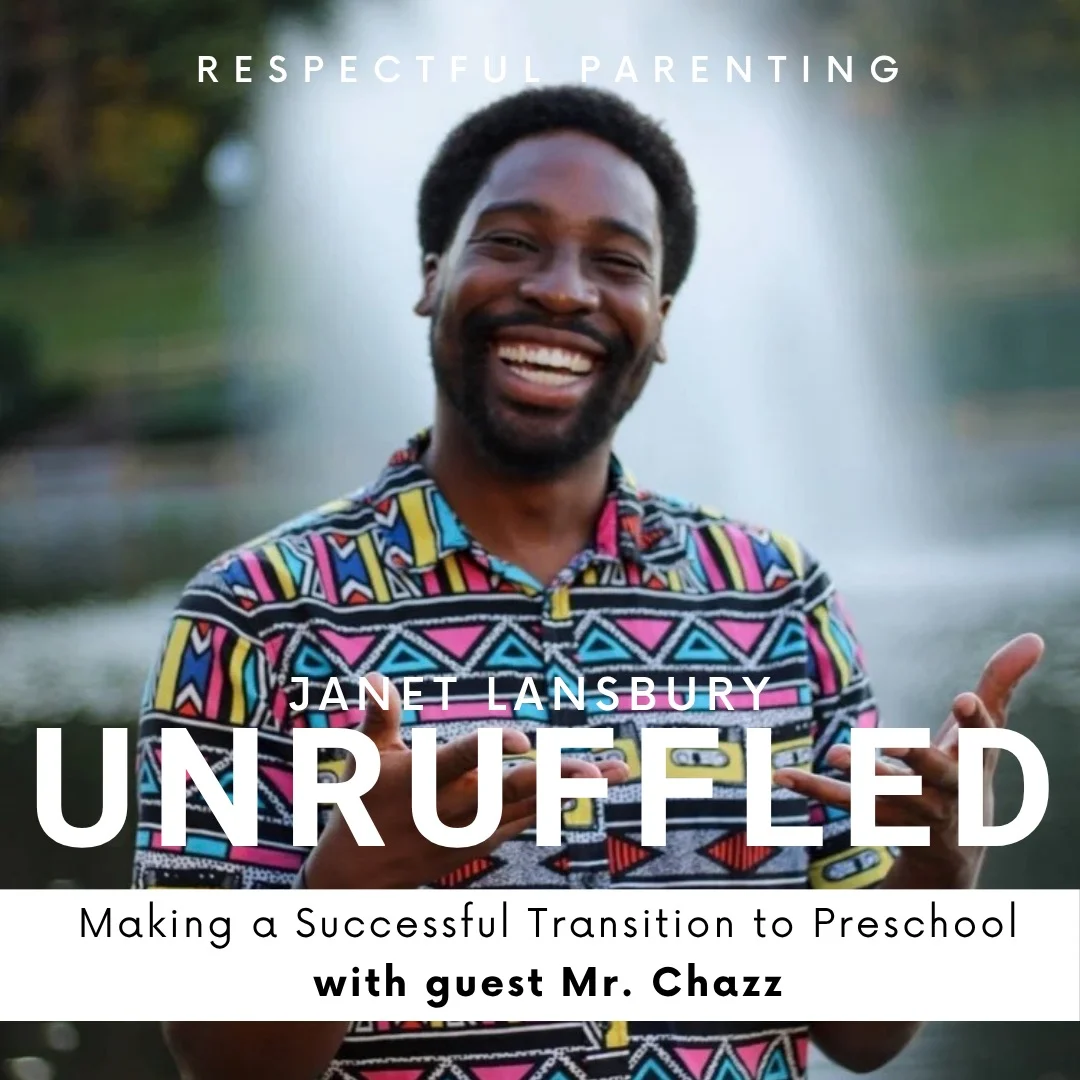
As families navigate the annual milestone of starting or returning to school, early childhood expert and educator Mr. Chazz recently joined parenting specialist Janet Lansbury on her podcast, Unruffled, to discuss how parents and teachers can ease the transition into preschool and childcare. Known widely across digital platforms for his engaging and empathetic approach to child development, Mr. Chazz shared insights from both his broader educational background and his latest venture, a Brooklyn-based learning and childcare center called Birdhouse.
The conversation centered on cultivating trust, redefining the separation process as an integrated routine of connection, and viewing big emotional moments not as failures, but as valuable opportunities for growth and co-regulation for both children and adults.
Reimagining the Early Childhood Environment
During the discussion, Mr. Chazz and Lansbury addressed the traditional challenges of early childhood transitions. Mr. Chazz noted that standard drop-off procedures in many childcare facilities often prioritize adult convenience over the emotional needs of the children, teachers, and families involved. He described typical drop-offs as rushed interactions where children are quickly ushered into classrooms while parents hurried away, a dynamic he likened to dropping off packages.
In contrast, Mr. Chazz’s newly established school, Birdhouse, aims to model a more supportive infrastructure starting with the educators themselves. By providing the head teacher with living quarters directly above the school to eliminate rent burdens, the program seeks to prevent educators from operating in a survival state. According to Mr. Chazz, when teachers feel genuinely cared for and supported, they possess the emotional bandwidth and prefrontal capacity required to properly care for young children. Lansbury emphasized that this model also fosters greater staff retention, providing the consistency that children and families desperately need.
From Drop-Off to Arrival: Shifting Language and Practice
To foster a greater sense of security, Birdhouse has replaced traditional terminology and practices around the start of the day, shifting from "drop-off" and "pick-up" to "arrival" and "reunion." The arrival process is designed to honor both the separation from the parent and the integration into the school community. Rather than a swift exit, the routine involves specific, structured steps supported by visual cues to help children navigate the transition with confidence.
Upon entering the facility, children engage in a personalized greeting, such as a high-five, fist bump, or hug, tailored to their individual preferences with the option to pass if they choose not to connect. Children then place their belongings in their cubbies, remove their outdoor footwear to maintain cleanliness, and wash their hands with the assistance of a parent or caregiver. Parents are also invited to participate in circle time before a formal goodbye song marks the transition for family members to leave. Additionally, the school encourages families to visit the space weeks in advance so children can familiarize themselves with the environment and build trusting relationships with the educators—whom they call "safekeepers"—before regular attendance begins.
Reframing Emotional Outbursts as Learning Opportunities
Even with thorough preparation, separation can sometimes trigger intense emotional responses. Mr. Chazz and Lansbury discussed how to handle days when a child experiences prolonged distress after a parent departs. Rather than viewing a crying child as an indication of failure or rushing to distract them, the educators at Birdhouse practice a calm, receptive presence. They remain nearby, offering available comfort without forcing physical touch, allowing the child to express their sadness fully.
Mr. Chazz shared an instance where a child cried through an entire circle time while missing his mother. Rather than ignoring the behavior, the teachers acknowledged the child’s feelings openly with the rest of the class. The other children responded by taking collective deep breaths and sending supportive energy toward their classmate. This approach turned a difficult moment into a powerful lesson in empathy, emotional awareness, and peer regulation. Once the child’s big feelings subsided, he was able to self-regulate, seek comfort, and rejoin the group’s activities.
Lansbury noted that parents often experience anxiety during such moments, worrying that bystanders or teachers might judge their parenting or the child’s distress. Both experts emphasized that caregivers should release these self-critical thoughts and allow emotions to run their natural course. Crying serves as an outlet for built-up energy, fatigue, or stimulation, and children inherently know how to process these feelings when provided with a safe and patient environment.
Practical Strategies for Families
Recognizing that most families do not have access to alternative models like Birdhouse, Mr. Chazz offered actionable strategies that parents can implement within more traditional school settings. He recommended creating visual routine cards that outline the sequence of arrival steps, helping children anticipate what comes next and reducing friction during busy mornings. Families can also review schedules, read photo books about the new school, or roleplay the arrival and departure routine using stuffed animals to build familiarity before the school year begins.
Furthermore, Mr. Chazz stressed the importance of communication between parents and teachers during the initial transition period. Because educators are learning the unique personalities, cues, and soothing preferences of multiple children simultaneously, providing detailed information about a child’s habits—such as naptime routines or comforting items from home—can significantly aid teachers in building secure attachments.
Concluding the conversation, both educators reflected on the profound rewards of working directly with children. Mr. Chazz highlighted that despite the emotional labor involved in teaching, witnessing moments of connection and breakthrough makes the daily challenges deeply meaningful. Lansbury echoed these sentiments, noting that young children consistently teach adults valuable life lessons through their honesty, resilience, and capacity to feel deeply.
