For many parents, the thought of sitting down to talk with a child about their adoption story can feel deeply intimidating and overwhelming. Yet, child development specialists, adoption advocates, and experienced families increasingly emphasize that these conversations are not only healthy but foundational to a child’s well-being and the strength of the parent-child relationship. As families prepare to navigate these discussions, experts suggest that beginning with an understanding of why the conversation matters is the essential first step.
Establishing an honest, open, and safe dialogue about adoption strengthens the fundamental connection within a family, and professionals note that the earlier these conversations begin, the better. In an article published by the National Council for Adoption, Jayne Schooler, founder of the Schooler Institute, explains that every adopted child carries a past. Having little or no information about their own narrative can leave children feeling profoundly disconnected. As Schooler describes it, a child’s story acts as a vital bridge connecting their past to the present and beyond.
To help parents approach this task with truth and gentleness, pediatric guidance, trust-based parenting research, and insights from the broader adoption community offer a framework for sharing these complex narratives. Rather than treating the topic as a single, monumental event, experts recommend framing adoption discussions as a continuous, lifelong dialogue that evolves alongside the child.
There is no single, perfect moment to wait for when introducing a child to their adoption story. According to recommendations from the American Academy of Pediatrics, parents should incorporate words such as adoption, birth family, and foster care into everyday conversations from the very beginning. Pediatric guidelines suggest ensuring that children are aware of their adoption story by the time they reach school age. Treating the subject as an ongoing conversation rather than one intimidating talk allows parents to practice saying the words out loud while their children are still infants, easing the path before questions grow more complex. Because children understand their stories a little more deeply at each successive stage of growth, parents find themselves returning to the narrative repeatedly, adding age-appropriate details as the child becomes ready to process them.
A cornerstone of this ongoing dialogue is absolute honesty. Adoption professionals strongly advise never lying about a child’s adoption story or softening the narrative into something it is not. While every minute detail does not need to be revealed all at once, everything that is shared must be grounded in truth. Many children’s backgrounds involve difficult realities such as trauma, abuse, neglect, and loss. While the natural parental instinct is to protect children from painful experiences, research and feedback from adult adoptees indicate that withholding vital information is rarely in a child’s best interest. When children discover hidden truths later in life, the discovery can fracture their trust in the caregivers who kept the information from them.
Equally vital to the narrative is honoring the child’s first families and roots. Advocates emphasize the importance of recognizing the inherent dignity and worth of birth parents. Dismissing or devaluing birth parents conflicts with the principles of grace and compassion, particularly for families motivated by faith. Organizations like the National Council for Adoption point out that the decision to place a child for adoption is rarely simple, often carrying a complex mix of heartbreak and hope. Whether or not adoptive families maintain direct contact with a child’s birth family, there are ongoing ways to speak respectfully about them, preserving the dignity of the individuals who gave life to the child.
As these stories are shared, children frequently experience a wide spectrum of emotions, ranging from joy and gratitude to sadness, anger, and confusion. It is not uncommon for a child to navigate multiple, conflicting emotions within the span of a single afternoon. Adoption professionals stress that such emotional responses are not indicators of parental failure, but rather the natural outcome of a child holding both love and loss simultaneously.
Much of modern post-adoption support draws from Trust-Based Relational Intervention, a care model developed by Dr. Karyn Purvis and Dr. David Cross at the Karyn Purvis Institute of Child Development at Christian University. This therapeutic framework is designed specifically for children impacted by trauma, resting on the core principle that connection builds trust, and trust subsequently fosters healthy relationships. Practically applied, this model encourages caregivers to meet emotional outbursts with calming presence, active listening, and unwavering reassurance. When emotional challenges exceed what a family can manage independently, seeking guidance from counselors experienced in adoption and trauma is viewed as a wise and supportive step, alongside utilizing specialized caregiving platforms like the Hope for the Journey training initiative.
Mary Beth Chapman, co-founder of the adoption support organization Show Hope, has frequently described adoption as gloriously hard, embodying the delicate tension between love and loss. Because both love and loss form integral parts of an adopted child’s story, acting as the keeper of that narrative can feel daunting for any parent. Experts reassure families that perfection is neither expected nor required. What children ultimately need are parents who keep communication channels open, speak the truth with love, and remain steadfast through every question that arises. When mistakes happen along the way, acknowledging them, asking for a fresh start, and trying again remains part of the journey. While the process is undeniably challenging, advocates encourage parents to continue telling their children’s adoption stories with courage and resilience.
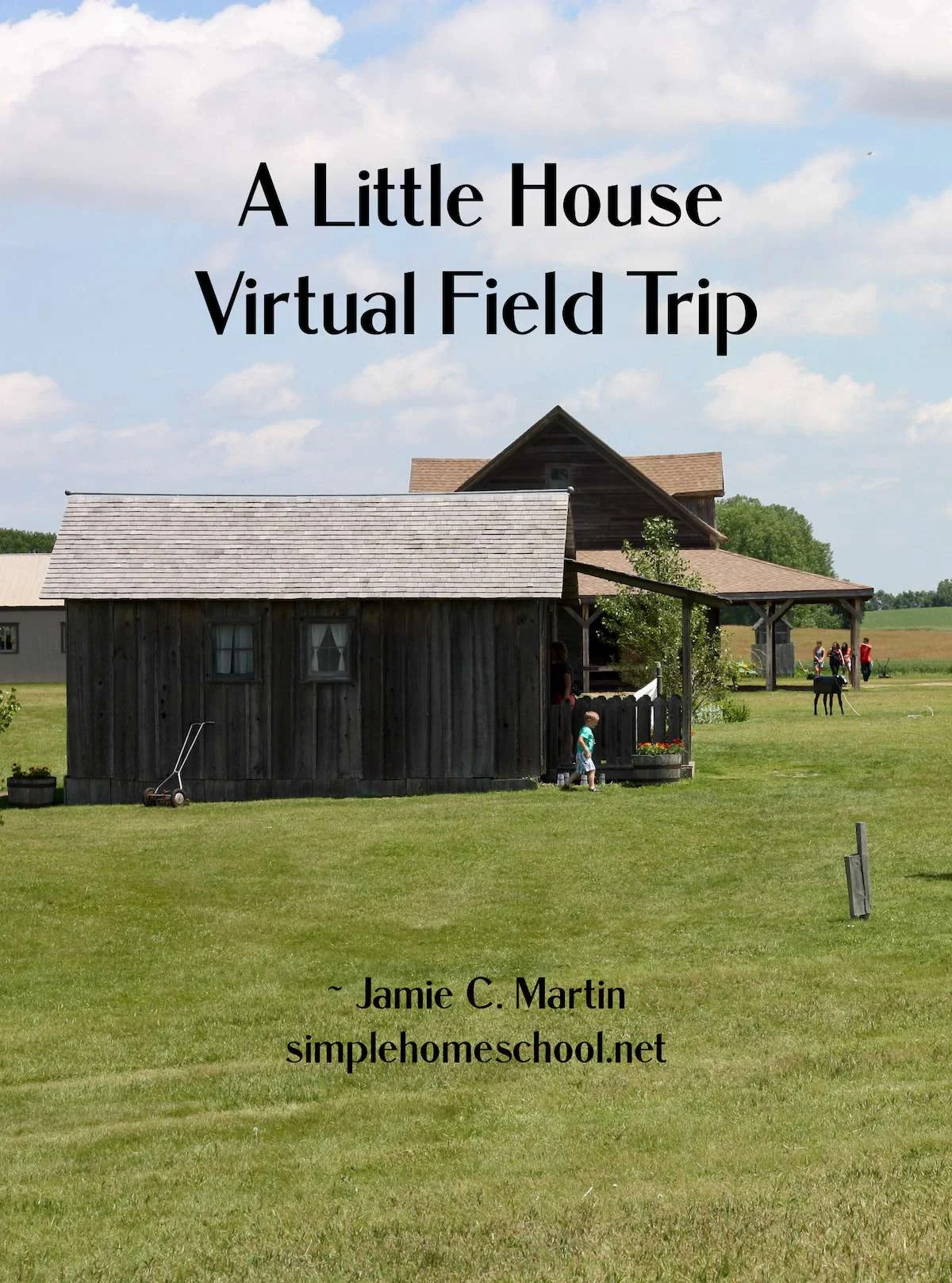
For generations, the classic Little House series by Laura Ingalls Wilder has captured the imaginations of readers young and old, transporting them to a simpler, albeit harsher, era of American frontier history. Among those deeply influenced by the tales is Jamie C. Martin, editor of Simple Homeschool, who first encountered the books as a young girl. Having read the entire series multiple times, Martin nurtured a lifelong dream: to walk where Laura walked, see where she lived, and share that historical inspiration with her own family along the way.
That dream is now becoming a reality. This summer, Martin and her family are packing up a minivan—trading the iconic covered wagon for modern horsepower—to embark on a massive road trip across Wisconsin, Minnesota, and South Dakota to visit the historic Little House sites. Recognizing that followers and homeschooling families everywhere could not possibly squeeze into the family vehicle, Martin decided to open up the itinerary, crafting a virtual field trip designed to allow children and parents alike to explore Laura’s historic homes from the comfort of their dining rooms or living rooms.
Stop 1: Pepin, Wisconsin
The journey begins in the dense landscape immortalized in Little House in the Big Woods. Laura Ingalls Wilder was born in the Big Woods of Wisconsin in 1867, and she described this initial childhood home in detail within her debut book. Interestingly, historical context reveals that the Ingalls family actually lived here twice, and many of the fond memories Laura shared in the book took place after the family returned from the Kansas prairie.
A look at the satellite view of the location today shows that only a handful of trees remain from the original thick forest, but a meticulously crafted replica cabin now stands at the site, accompanied by a peaceful picnic area for visitors. A replica cabin and wayside marker commemorate the birthplace, offering a tangible connection to the pioneer past where the literary journey first began.
Stop 2: Independence, Kansas
Moving further south chronologically and geographically, the trail leads to Independence, Kansas, the setting for Little House on the Prairie. In 1869, Laura’s family moved to this region and settled on land belonging to the Osage Nation, having received word that the territory would soon be opened for legal settlement.
After enduring a challenging year marked by environmental hardships and simmering tensions between Native Americans and encroaching settlers, the Ingalls family was ultimately forced to leave Kansas. Today, a replica cabin stands on the site, furnished precisely as Laura described in her memoirs, with Pa’s hand-dug well still standing nearby as a testament to the family’s brief, arduous stay on the prairie.
Stop 3: Walnut Grove, Minnesota
After leaving Kansas and spending a brief period back in Wisconsin, the Ingalls family packed up once more, moving to Minnesota in 1874. There, they initially spent the winter residing in a sod house. Pa eventually constructed a wood-framed house on the property—a structure that Laura lovingly referred to as "the wonderful house" because it was the largest dwelling she had lived in up to that point in her childhood.
While both of the original structures are gone, Plum Creek remains firmly anchored in the landscape. Visitors and literary enthusiasts can still walk along its banks and wade in the water, mirroring the simple joys Laura experienced. Furthermore, the exact site of the original dugout has been formally marked, and the town of Walnut Grove hosts a dedicated museum celebrating Laura and the historical period. Notably, the very church bell for which Pa famously donated his shoe money continues to hang in a local town church.
Stop 4: De Smet, South Dakota
Following a series of agricultural disappointments and relocations—including a brief stop in Iowa—the Ingalls family resolved to move further west. Pa secured employment with the railroad as it rapidly expanded across South Dakota. This destination ultimately became the final permanent move for the family until Laura, Mary, Carrie, and Grace eventually left home as adults.
De Smet serves as the primary setting for several pivotal books in the series, including By the Shores of Silver Lake, The Long Winter, Little Town on the Prairie, These Happy Golden Years, and The First Four Years. It was here that the family weathered the infamous blizzards detailed in The Long Winter, where Laura experienced her courtship with Almanzo Wilder, and where the couple eventually commenced their married life together.
Stop 5: Malone, New York
While much of the Little House saga focuses on the Ingalls family, the literary universe also encompasses the early life of Laura’s husband, Almanzo Wilder. Born on a farm in Malone, New York, in 1857, Almanzo’s formative years are vividly captured in the companion novel Farmer Boy.
Almanzo’s family farmed this land for nearly two decades until devastating crop failures ultimately compelled them to pack up and move west to Minnesota. Today, Almanzo’s original childhood home still stands and has been thoroughly restored to match the specific historical period chronicled in the book, offering a glimpse into nineteenth-century agricultural life in the Northeast.
Stop 6: Mansfield, Missouri
The final major stop on the literary trail is Rocky Ridge Farm in Mansfield, Missouri, where Laura, Almanzo, and their daughter Rose relocated in 1894 in search of a fresh start in agriculture. It was from this very location that every single volume of the beloved Little House series was written.
Over the course of nearly two decades, the family steadily transformed the rocky terrain and built the white farmhouse that now operates as a museum preserving their legacy. Visitors to the historic site can view artifacts such as Pa’s cherished fiddle, alongside Laura’s original kitchen and parlor. The property also highlights nearby structures, such as the site of the "Rock House," a stone dwelling built down the street by Rose as a gift to her parents. After living there for a brief period, Laura and Almanzo reportedly found it "too fancy" and experienced homesickness for their original farm, prompting them to move back down the road to Rocky Ridge.
Reflecting on the enduring legacy of her work years later, Laura Ingalls Wilder famously noted: "It has been years since I beat eggs with a fork or cleaned a kerosene lamp. Many things have changed since then, but the truths we learned from our parents and the principles they taught us are always true. They can never change."
When people contemplate the vast array of creative work, dedication, and artistic vision that goes into crafting a beloved children’s book, research is rarely the first element that comes to mind. For many readers, the process seems magical and spontaneous—an author sits down with a blank page, taps into their imagination, and conjures up whimsical characters, fantastical worlds, or poignant everyday tales straight from their mind. In fact, research might not make it onto a casual observer’s list of literary requirements at all.
Yet, behind the colorful illustrations and engaging storylines, thorough investigation and fact-finding are often essential pillars of the creative process. Far from being a dry or academic chore, diving into research can be a time-intensive, occasionally overwhelming, but ultimately deeply delightful task for creators. It is the invisible scaffolding that gives authenticity to fiction and depth to non-fiction, transforming a simple narrative into an immersive experience for young readers.
Recently, the Read-Aloud Revival podcast turned its focus toward this hidden dimension of children’s literature, releasing an episode titled "RAR Podcast: Sparking Creativity with Research." Hosted by Sarah Mackenzie, the episode features illuminating conversations with incredible authors and illustrators who pull back the curtain on the meticulous investigation required to bring their books to life. Whether targeting aspiring writers looking to break into the industry or curious readers hoping to understand their favorite stories on a deeper level, the episode offers plenty of surprising insights into how books are actually made.
Uncovering the Hidden Layers of Children’s Literature
The latest installment of the podcast addresses a common misconception about writing for young audiences. While adult literature and historical fiction are widely recognized for requiring deep historical and cultural investigation, children’s books—particularly picture books and early readers—are often assumed to spring entirely from pure imagination. However, creators frequently find themselves knee-deep in archival material, scientific studies, expert interviews, and firsthand observations just to get a single detail right.
This investigative groundwork can take many forms. For an author writing a picture book about an unusual animal, it might involve consulting marine biologists or ornithologists to ensure the creature’s behaviors are accurately depicted, even within a fantastical plot. For a historical fiction writer, it means pouring over old maps, personal letters, and period-appropriate clothing guides to recreate a vanished world that young readers can step into with confidence. Illustrators, too, engage in rigorous visual research, studying architecture, flora, fauna, and cultural artifacts to build a rich, believable backdrop for the narrative.
As discussed in the podcast, this investigative phase is rarely linear. It can be time-intensive, leading creators down fascinating rabbit holes that have little to do with the final manuscript, but everything to do with inspiring the creative spark. An author might spend three weeks researching 19th-century railway systems only to use a single sentence about a steam whistle, but that background knowledge infuses the entire text with an undeniable authenticity. It is this dedication to detail that separates a forgettable book from a timeless classic.
Connecting Books and Conversations Beyond the Page
The release of the podcast episode also coincides with broader resources designed to help parents, educators, and literature enthusiasts deepen their engagement with young readers. Great stories often serve as a catalyst for connection, moving beyond the pages of a book to spark meaningful dialogue between adults and children. While reading a story aloud gets the process started, facilitating thoughtful conversations about the themes, characters, and settings can truly seal the deal.
To support this aspect of childhood literacy, the platform offers complementary resources, including guides designed to help parents talk with their kids about books even if the adults have not personally read the titles in question. These tools aim to bridge the gap between reading and conversation, providing simple yet effective frameworks for discussing literature at home or in the classroom. By fostering these discussions, families can explore the underlying concepts of the books they read, tying the themes back to the real-world research and inspiration that the authors poured into them.
As the literary community continues to explore the intricate processes behind children’s literature, conversations like the one featured on the podcast highlight the profound thoughtfulness and dedication invested in books for young readers. Through meticulous investigation and unbridled imagination, authors and illustrators continue to spark creativity, proving that even the most magical stories are often grounded in a world of genuine discovery.
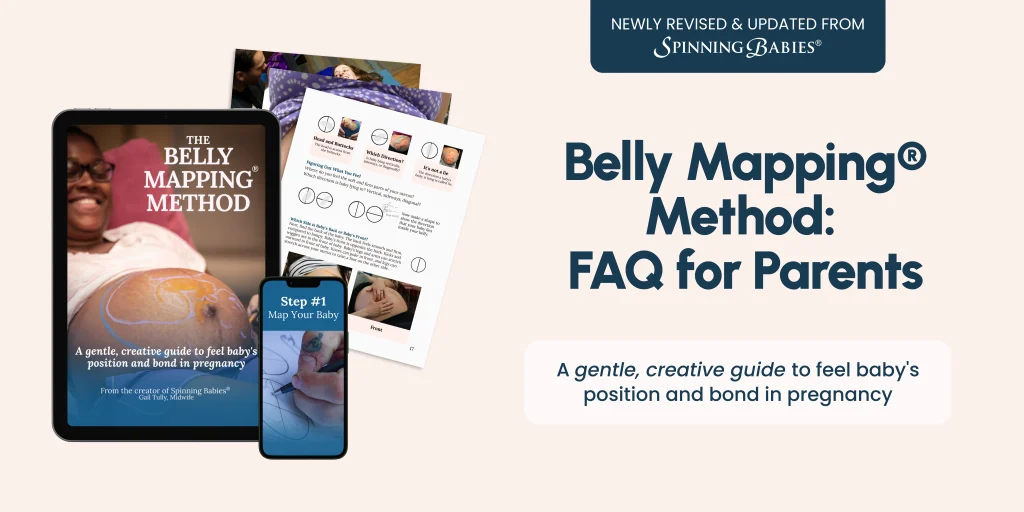
In the journey toward parenthood, the months of pregnancy are often filled with clinical check-ups, medical screenings, and a constant flow of data from ultrasounds and fetal monitors. Yet, amidst the technical landscape of modern obstetrics, there remains a deep, human desire for personal connection—a way to bridge the gap between the internal, unseen reality of a growing baby and the expectant parent’s anticipation. It is this intersection of physiological awareness and emotional bonding that founder Gail Tully seeks to address with the publication of The Belly Mapping® Method book, a resource designed to transform how parents and professionals perceive the final trimesters of pregnancy.
The Belly Mapping® Method is fundamentally a hands-on, three-step process that empowers expecting parents to gently palpate their abdomen to identify their baby’s position within the womb. More than just a clinical exercise, the method is presented as a joyful, intuitive practice that encourages parents to slow down and listen to the subtle cues provided by their baby’s movements. For the expectant parent, the practice offers a way to move beyond the passive observation of a screen and into an active, tactile relationship with their child. For the professional—whether a doula, midwife, or childbirth educator—it serves as a collaborative tool that shifts the focus from purely provider-led assessments to a parent-centered approach that fosters confidence and informed awareness.
A New Perspective for Parents
For many parents, the primary appeal of the Belly Mapping® Method lies in its simplicity and the sense of agency it provides. The process, which is best initiated in the third trimester after 28 weeks, allows families to develop a deeper understanding of how their baby is positioned. As the baby grows, the space within the uterus becomes more defined, making the practice increasingly intuitive. By using the pads of their fingers rather than forceful pressure, parents can explore the contours of the womb, turning a routine moment of rest into an opportunity for discovery.
While the practice is intended to be simple, it is not framed as a medical diagnosis. The developers of the method are clear that while it is a powerful tool for connection, it does not replace the precision of diagnostic tools like ultrasound. Instead, it offers a three-dimensional, sensory-based experience that can complement the information provided by clinical visits. Parents often find that their own estimations, built through daily or weekly interaction, are later validated by their healthcare providers. Furthermore, the method provides a unique psychological benefit: it transforms the abstract experience of pregnancy into something tangible. Many families have embraced the practice as a creative ritual, using the insights gained to document their journey, sometimes even through artistic expressions like belly painting, which serves as a lasting keepsake of the pregnancy.
The practical benefits are equally significant. Understanding the baby’s position can have a profound impact on the birth experience. By recognizing how a baby enters the pelvis, parents can work with their healthcare team to explore different postures and comfort measures that may facilitate a smoother labor. This awareness is particularly useful when a baby is in a less-than-ideal position, such as breech. Early identification through the Belly Mapping® Method allows parents to discuss balancing techniques and alternative options with their care providers well in advance, rather than discovering the position unexpectedly during the onset of labor.
Bridging the Gap in Professional Practice
While parents find the method inherently bonding, professionals in the birth community are also finding that the resource fills a critical gap in prenatal education. Traditional clinical palpation, such as Leopold’s Maneuvers, is designed for the provider to gather data for medical records. The Belly Mapping® Method, conversely, is designed to be shared. By inviting parents to participate in the assessment process, providers can turn a standard examination into an educational dialogue.
This collaborative approach allows professionals to use the parent’s observations—such as where they feel the most frequent kicks or where they perceive the baby’s back—as a starting point for deeper conversations about fetal positioning and labor preparation. When a midwife or doula validates a parent’s observations, it builds trust and reinforces the parent’s confidence in their own body. It also allows the professional to offer guidance, helping to correct common misinterpretations, such as confusing a firm head with a bony knee, or mistaking the sensations of an anterior placenta for the baby’s movements.
For the professional, the value of the method extends into the labor room. When parents have been practicing the method throughout their pregnancy, they are often more adept at identifying shifts in their baby’s position as labor progresses. This heightened body awareness can be a catalyst for meaningful intervention, such as encouraging the parent to change positions to help the baby navigate the pelvis more effectively. Because the method is a registered trademark of Spinning Babies®, it is presented as a professional-grade tool. While it is accessible to all, the brand emphasizes the importance of proper training; only those who have completed certification, such as Spinning Babies® Certified Parent Educators, are authorized to teach the method in a formal or promotional capacity. This ensures that the information shared with families remains consistent, safe, and evidence-informed.
Addressing Common Concerns and Misconceptions
The transition to using the Belly Mapping® Method is not always seamless, and the book addresses this with a pragmatic outlook. It is common for parents to feel unsure or frustrated when they first attempt the practice, particularly if the baby is active or tucked behind the placenta. The guidance provided in the text emphasizes that these challenges are normal. It encourages parents to view the practice as a process of learning rather than a test of accuracy. If a specific session does not yield clear results, the advice is simply to try again at another time or to invite a partner or professional to assist.
Safety remains a central tenet of the instruction. The method stresses that the touch involved must be gentle. The goal is not to manipulate the baby into a specific position through force, but to identify the position the baby has already chosen. If a parent experiences any pain or discomfort, they are instructed to stop immediately and adjust their pressure or position. The importance of comfort for the parent is also emphasized; for instance, the book recommends reclining on pillows with support under the knees, which not only helps the parent stay relaxed but also encourages the abdomen to soften, making the baby’s form easier to palpate.
Empowering Families for the Future
As more families and practitioners incorporate the Belly Mapping® Method into their prenatal routines, the conversation around birth is slowly shifting. By moving away from a model where the parent is merely a recipient of clinical information to one where they are an active, knowledgeable participant in their own care, the method fosters a sense of empowerment.
Whether it is used to alleviate the anxiety associated with an unknown fetal position or simply to foster a quiet moment of connection in the midst of a busy day, the method serves as a bridge between the physical and emotional aspects of pregnancy. The book acts as a comprehensive repository for this knowledge, ensuring that the techniques developed by Gail Tully are available to anyone looking to deepen their engagement with the birth process. By providing answers to common questions and clear, accessible instructions, it serves as a foundational resource for a more connected, informed, and confident approach to bringing a new life into the world. For those looking to integrate these practices into their own journey or professional repertoire, the text remains an essential starting point for exploring the intricate, and often surprising, landscape of the womb.
Could mental models be the ultimate key to streamlining our increasingly hectic days?
Do you ever experience those specific days when everything seems to spin completely out of control, and it feels entirely impossible to fit in all the tasks you need to accomplish? Of course you do. You are human, and more importantly, you are a parent balancing the unpredictable demands of raising children while managing a career and personal responsibilities.
Many parents know this feeling intimately. One recent morning began like any typical weekday, quickly spiralling into a whirlwind of chaos. While the author normally works from home, this particular day brought a major professional commitment: an invitation to present at a live international webinar. It was an important milestone, and careful preparation had been underway for some time.
The logistical plan was straightforward on paper. The schedule required getting dressed, feeding the children, dropping them off at school, and then heading directly to the studio where the webinar was scheduled to be broadcast live to a global audience.
However, reality quickly intervened. Going into the daughter’s room to wake her up, she was nowhere to be found. A search led to the bathroom, where she was suffering from a sudden bout of gastrointestinal illness. After helping her get clean and comfortable, attention shifted to waking the son to keep the morning moving forward.
During breakfast, the young boy felt that his sister was receiving all the attention due to her illness. In a classic bid to shift the focus back to himself, he began crying inconsolably because his socks felt "too lumpy."
Even after navigating the morning’s unexpected sock crisis, the mounting logistical puzzle remained daunting. The son still needed to be transported to school, the sick daughter needed to be dropped off safely at Grandma’s house, and the speaker had to make it to the broadcast studio on time. The mind was tumbling like a washing machine during a heavy spin cycle. Even the most simple, routine tasks had begun to feel as impossible as trying to put squeezed toothpaste back inside the tube.
Days of unexpected disruption and pressure are an inevitable part of everyday life. They are, without a doubt, a fundamental nature of parenting. Modern life can be remarkably complicated, requiring adults to constantly manage competing desires, urgent priorities, and sudden emergencies. So how can individuals predictably achieve good outcomes in such a complex, unpredictable environment?
Introducing Mental Models
Day to day, the sheer volume of information that human brains need to process can sometimes become completely unmanageable. To deal with this ongoing problem and safeguard ourselves against perpetual mental overwhelm, the human brain utilizes cognitive frameworks known as mental models. Mental models subconsciously order incoming information using higher-order representations, helping the brain simplify what is otherwise overwhelmingly complex.
These mental tools function much like cognitive shortcuts. They represent the accumulated wisdom that others have already figured out to improve overall life efficiency, distilling the complexity of thousands of thoughts and actions into simple, actionable explanations.
Shane Parrish, the founder of the popular self-improvement blog Farnam Street, has described the concept clearly: "A mental model is simply a representation of how something works. We cannot keep all of the details of the world in our brains, so we use models to simplify the complex into understandable and organisable chunks. The quality of our thinking is proportional to the models in our head and their usefulness in the situation at hand."
Being aware of different mental models, and consciously applying them in the right situations, can help individuals deal with modern complexity, reduce the risks associated with difficult decisions, and provide a broader range of options for how to respond under pressure.
Three Mental Models for Parenting
Experience shows that certain mental models are particularly useful when applied to the daily challenges of parenting. They help bring order to sudden chaos, overcome deep overwhelm, maintain necessary perspective, and successfully achieve desired outcomes even when plans go awry.
The first valuable concept is the Pareto principle, widely known as the 80/20 rule. This principle states that for many common outcomes, roughly 80 percent of consequences originate from approximately 20 percent of the causes. This mathematical observation proves remarkably handy in everyday life. It can be applied when juggling numerous competing priorities—which describes a parent’s reality most of the time—or when experiencing acute feelings of overwhelm.
When facing an avalanche of tasks, asking a single guiding question can change everything: "Of all the things I need to do, what are the one or two things that will produce 80 percent of the results I want?" This simple mental exercise helps direct focus toward just one or two critical actions while temporarily setting aside the rest, ensuring that energy is spent where it will produce the most significant outcome.
The second helpful concept involves analyzing bottlenecks and constraints. This mental model is frequently useful for identifying upstream blockages that prevent children and teenagers from progressing or achieving their goals. When young people face a difficult challenge, it is natural for adults to look at the immediate situation at face value. However, the root cause of the problem is often located much further upstream.
For example, when a child feels nervous about reading a passage aloud to a classroom, a superficial response might involve having the child repeatedly practice reading that specific passage at home. Yet, applying the bottlenecks and constraints model encourages a deeper look upstream, revealing that the core issue is often a lack of confidence and self-esteem. Treating only the reading performance provides merely a temporary band-aid solution to a much deeper challenge.
The third essential framework is the circle of competence. In professional psychology, the primary aim is to best serve patients by understanding the exact boundaries of where professional competence begins and ends with respect to a patient’s specific needs, leading to appropriate referrals when necessary. Similarly, parents are required to perform across extremely diverse domains. In some areas, parental performance carries minimal long-term implications, but in others, the stakes are exceptionally high.
Recognizing the difference between areas of competence and incompetence is vital. Utilizing the circle of competence mental model allows individuals to clearly differentiate the domains where they possess expertise from the areas where they do not. Acknowledging these knowledge gaps enables parents to bridge them effectively, either by actively improving their own understanding or by seeking outside input and professional support.
Mental models are certainly not universal cure-alls for every daily struggle. Just like any psychological tool, they remain open to interpretation and possess their own inherent limitations. However, many find that these frameworks provide the ability to see the broader picture in any given circumstance, highlighting precisely where to focus effort and attention. For busy parents navigating the daily balancing act of work, family, and unexpected crises, having structured ways to reduce stress and overwhelm can be a meaningful gift.
In the rhythm of daily life—juggling work commitments, managing household chores, raising children, and navigating the endless demands of modern schedules—it is easy for couples to slowly drift apart. Decades of marriage and a full family life can often extinguish the initial fire and romantic closeness that first brought two people together. For many, the profound sense of connection is replaced by parallel routines, leaving partners to wonder how they ended up feeling more like roommates than soulmates.
Drawing parallels to spiritual devotion, relationship experts and long-married couples suggest that just as maintaining a close relationship with God requires intentional time and persistent effort, nurturing a marriage demands the exact same dedication. Far too often, partners fall into the trap of taking each other for granted, assuming that a shared history is enough to sustain the bond. However, relationship advocates emphasize that couples do not have to remain passive victims of time and busyness. By adopting a few deliberate strategies, partners can actively reconnect and rebuild intimacy.
Examine Yourself First
When romantic distance creeps into a marriage, the instinctive reaction is often to point out the shortcomings of the other person. Yet, introspection is frequently cited as the critical starting point for renewal. Just as personal reflection and the acknowledgment of shortcomings can bring a sense of spiritual renewal, examining one’s own heart within a marriage can uncover hidden barriers to intimacy.
Relationship mentors note that superficial fixes, such as buying new clothing or planning a quick getaway, rarely resolve underlying emotional disconnection if unaddressed personal attitudes are standing in the way. True intimacy requires humbling oneself, evaluating personal faults, and seeking forgiveness where necessary. This involves asking difficult questions about one’s own contribution to a stagnant or strained relationship. Have external complaints become too frequent? Has the partner been taken for granted, or reduced merely to a functional contributor on a household chore list? By looking inward and addressing personal blind spots, individuals often discover that shifting their own posture can dramatically alter the dynamic of the relationship.
Spend Quality Time Together
In certain seasons of family life—particularly during the demanding years of raising teenagers—carving out dedicated alone time with a spouse can feel nearly impossible. Even after children leave the home, couples can find themselves entrenched in separate routines and distinct interests unless they consciously choose otherwise.
Just as regular communication and dedicated focus are necessary to cultivate any deep relationship, a marriage requires protected, uninterrupted time. Long-married couples often find that establishing routine habits can bridge the physical and emotional gap. Simple practices, such as taking a daily walk together without distractions, scheduling regular lunch dates while children are at school, or planning intentional getaways, provide the necessary space for meaningful dialogue. Experts stress that this time must go beyond logistics and household management; it requires what many call "heart talk"—sharing the genuine inner workings of one’s thoughts, challenges, and joys.
Have Adventures Together
Relationship research increasingly underscores the value of shared novelty in sustaining and reviving romance. Studies in social psychology indicate that engaging in activities that are new, interesting, challenging, and exciting promotes greater relationship quality, higher satisfaction, and deeper mutual commitment. When couples step out of their comfort zones and experience unfamiliar environments or challenges together, they learn new facets of one another and strengthen their emotional bond.
These shared adventures do not necessarily require grand gestures or extravagant travel. Couples have reported successfully rekindling their connection through unexpected activities, such as adopting new shared hobbies, learning to play pickleball, traveling to unfamiliar destinations, hosting dinners for new acquaintances, or taking on new volunteer roles within their communities. Whether it is learning to navigate a new sound system to dance in the living room or stepping into leadership roles within a community group, facing unfamiliar experiences as a team helps couples break out of monotonous cycles and rediscover joy in each other’s company.
Serve Your Spouse
The transition from passionate infatuation to long-term companionship often brings moments of frustration, leading some partners to feel as though their loving feelings have permanently vanished. However, psychological research suggests that love is not merely a passive emotion that happens to a person, but an active choice demonstrated through behavior. Studies indicate that performing intentional, loving actions toward a partner can actually cultivate and restore warm emotional feelings over time.
Serving a spouse—often in small, unnoticed ways—can profoundly shift a partner’s internal attitude. Whether it is taking extra time to fold laundry thoughtfully, offering a listening ear, or respecting a partner’s need for quiet transition time after a stressful workday, acts of service dismantle selfishness and foster genuine affection. By prioritizing a spouse’s needs and approaching daily interactions with an attitude of grace, individuals frequently find that their own capacity for love and patience expands, transforming the daily experience of marriage from the inside out.
In between promotional videos for her podcast, Group Text, television personality and producer Melissa Rivers has been treating her social media followers to a steady stream of nostalgic and heartfelt content dedicated to her mother, the legendary Jewish comedian Joan Rivers. Recently, Melissa posted a clip on Instagram from a 2015 appearance on The Tonight Show Starring Jimmy Fallon that instantly reminded audiences just how much they love, miss, and cherish the indelible comedy icon.
The resurfaced clip dates back to 2015, roughly a year after Joan Rivers passed away at the age of 81. At the time of the television appearance, Melissa was actively promoting The Book of Joan, a deeply personal memoir she wrote about growing up with her mother, chronicling the trials, tribulations, and endless laughter of their unique dynamic. During the segment, Melissa brought along a piece of rare memorabilia to share with Fallon and the studio audience: pages from Joan’s actual grade school report cards.
The first report card, dating all the way back to 1939 when Joan was just a first-grade student, offered an amusing glimpse into the early life of a future superstar. The teacher’s notes read, “Joan’s voice is still loud and she tries to gain attention this way. We are checking this habit as it occurs and seeing that the attention she wishes is not forthcoming when she is loud.”
Before reading the second report card, which came from Joan’s fourth-grade class, host Jimmy Fallon looked at the audience and remarked, “You can’t make this stuff up.” The fourth-grade evaluation continued the hilarious thematic preview of Joan’s adult personality, stating, “Joan is learning to be self-reliant and to gain recognition through accomplishment rather than through complaining. She is fast overcoming her tendency toward bribery in order to win friends.”
Complaining loudly for attention and resorting to minor bribery to secure friendships might not be standard advice for modern youth, but both traits felt so quintessentially, perfectly Joan Rivers. Long before she was breaking barriers as a trailblazing female comic, hosting red carpets, and dominating late-night television, Joan was already carving out a larger-than-life presence that demanded the room’s attention.
While the world knew Joan Rivers for her groundbreaking comedy career, sharp tongue, and fearlessly unapologetic humor—and generations of television viewers knew her lovingly as the voice of Bubbe in an iconic Yom Kippur episode of the animated children’s series Arthur—she was equally famous among friends and archivists for her meticulous record-keeping. Joan never threw anything away. Alongside those priceless grade school report cards, she saved decades of personal letters, telegrams, newspaper clippings, and historical mementos.
At the center of this archival treasure trove was her legendary joke archive. Joan kept every single joke she ever wrote on handwritten index cards, which were immaculately organized and filed away by category. In 2017, Melissa Rivers honored this obsessive organizational habit by publishing a stunning coffee table book titled Joan Rivers Confidential: The Unseen Scrapbooks, Joke Cards, Personal Files, and Photos of a Very Funny Woman Who Kept Everything.
Those very same joke cards—numbering more than 65,000 in total—now reside safely in a 52-drawer filing cabinet at the National Comedy Center in Jamestown, New York. Melissa made the generous decision to donate the massive collection in 2023, a move that proved not only culturally significant for the preservation of comedy history, but also fortuitous given subsequent personal tragedy.
In 2024, Melissa lost her home in the devastating Palisades fire. She has since spoken candidly about the heartbreak of losing the vast majority of her family’s physical legacy, particularly the belongings tied to her father’s side of the family. During a 2025 episode of her podcast, she reflected on the immense loss, noting that nearly every piece of physical evidence proving her father’s family ever existed had been completely destroyed, emphasizing the poignant reality of a family that had originally fled from the Nazis. Amidst such profound devastation, knowing that cultural institutions like the National Comedy Center hold pillars of Joan’s professional legacy provides a vital anchor to history.
The connection between the Rivers family and Jimmy Fallon’s show spans across a decade of shared television history. At the conclusion of Melissa’s 2015 appearance on The Tonight Show, she presented the host with a special gift: an original, framed joke card handwritten by Joan herself. Ten years later, coinciding with the resurfacing of the old clip, Melissa appeared on Fallon’s show once again, where the host proudly revealed that the framed joke card has been hanging in his dressing room every single day since the moment it was given to him.
As the holiday shopping season accelerates and consumers increasingly search for alternatives to conventional retail items, a new curation of unusual, health-conscious gift ideas has been introduced to the market. Moving past the standard rotation of predictable kitchen gadgets, clothing items, and conventional children’s toys, this specialized gift compilation focuses on practical, usable, and wellness-oriented products designed to ensure recipients never find their gifts relegated to gathering dust on a shelf.
Targeting weddings, birthdays, or everyday gift-giving occasions, these selections emphasize utility and health benefits. Furthermore, households sharing living spaces can capitalize on the inherent wellness advantages these items bring directly into the domestic environment. Spanning several categories—ranging from innovative food and beverage selections to advanced recovery tools, nature-inspired products, and eco-friendly home goods—the curation highlights items that many recipients are unlikely to already possess.
Food and Drink
The culinary category leads the collection with items focusing on molecular hydration, specialized nutrition, and artisanal craftsmanship. Among these is the Mayu Swirl, a device designed to recreate structured water reminiscent of fresh mountain springs. Modern plumbing systems and holding tanks typically strip water of the specific molecular structure and mineral infusion acquired as it flows through natural pathways. The swirling mechanism helps restore this structure, allowing users to enhance the water further by adding minerals prior to the aeration process.
In the confectionery space, Spring and Mulberry chocolate bars offer an artisanal approach to sweets. Sweetened naturally with dates and utilizing fair-trade, organic ingredients, these bars showcase unique flavor combinations that highlight diverse, health-supportive components available from global agricultural sources.
Coffee enthusiasts are targeted through the classic Chemex pour-over coffee maker, praised for producing a clean cup free of traditional bitterness and acidity. Pairing the glass coffeemaker with specialty wellness coffees, such as options from Four Sigmatic or Purity Coffee, elevates the brewing experience.
Other notable nutritional gifts include frozen camel milk, which shares biochemical similarities with human breastmilk, lacks common allergenic dairy proteins, and retains its texture through freezing. Additionally, Barukas nuts—wild-harvested exclusively in South America—offer a dense nutritional profile rich in protein, fiber, trace minerals, and antioxidants, with a roasting process designed to neutralize anti-nutrients.
Community Supported Agriculture (CSA) box subscriptions offer a sustainable way to support local farming operations while providing recurring deliveries of fresh vegetables, fruits, meats, dairy, or cut flowers. For a comforting evening beverage, Cacao Calm, crafted by artisan chocolatiers, incorporates stress-relieving adaptogens into a hot cocoa drink. Finally, the Clearly Filtered stainless steel water bottle and accompanying pitcher systems remove up to 99.99% of contaminants while preserving beneficial minerals, allowing users to filter water from virtually any source.
Nature Lovers
For individuals drawn to the natural world, the gift selections emphasize ethically sourced botanicals, preservation techniques, and home-cultivation kits
. Mountain Rose Herbs serves as a primary source for organic, ethically harvested bulk herbs, essential oils, teas, and DIY body care ingredients.
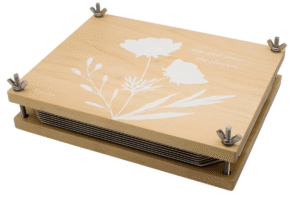
To preserve the beauty of fresh botanicals past their natural lifespan, wooden flower and plant presses allow recipients to flatten and store leaves and blooms. These pressed elements can then be arranged inside hanging glass frames for long-term home decoration.
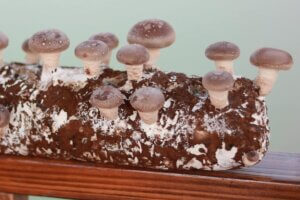
Additionally, indoor mushroom-growing kits featuring real organic logs enable recipients to cultivate shiitake mushrooms directly in their homes within ten days, requiring no specialized gardening expertise and guaranteeing two distinct harvests per log.
Kids
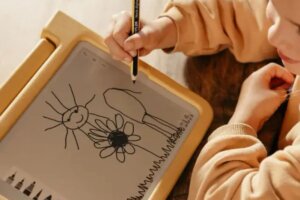
The children’s category focuses on educational tools, sustainable developmental products, and screen-time alternatives that prioritize cognitive well-being. The Kids Daylight Computer provides a tablet-style interface without the blue light, flashy colors, and overstimulating video content typical of standard devices, offering calm learning applications that remain legible in direct sunlight.
For language acquisition, Talkbox approaches foreign languages through a natural progression—hearing, seeing, and speaking—designed for real-life family integration. Older children and adults can engage with handmade Japanese wooden puzzle boxes, which require intricate problem-solving steps to secure valuable items, or Money Maze Puzzle Boxes that combine cash gifts with a mechanical challenge.
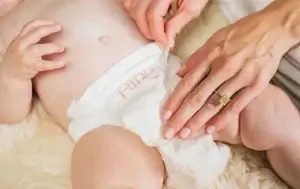
Addressing the needs of new parents, Hiro Diapers offer a sustainable alternative to traditional disposables. While many eco-friendly diapers exist on the market, Hiro utilizes a cotton composition, reduced plastic usage, and an included mycelium packet that facilitates complete decomposition in landfills.
Bodycare
The bodycare selection highlights advanced phototherapy and traditional natural remedies designed to improve skin health, oral hygiene, and cellular function. Red light therapy takes center stage with specialized devices such as facial masks and face wands from BON CHARGE, which operate at a cellular level to target inflammation and signs of aging.
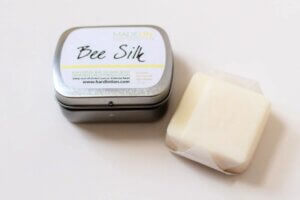
Oral hygiene is similarly upgraded through the introduction of a red light toothbrush, which combines sonic vibrations for gum massage with near-infrared and red light frequencies intended to calm gum inflammation and enhance circulation. Skin care regimens are further supported by mint-infused ice rollers for lymphatic drainage and depuffing, as well as LED teeth whitening systems that substitute harsh peroxides and chemicals with remineralizing hydroxyapatite and natural light therapy. For hair health, a red-light therapy cap stimulates follicles using specific wavelength technology during routine daily activities. Traditional hard lotion bars, formulated with nourishing natural ingredients and skin-friendly essential oils, provide a zero-waste moisturizing option.
Rest and Recover
Recovery and relaxation products emphasize portable wellness technology and ergonomic adaptations. Joovv offers compact red light therapy panels, such as the Go Light, alongside modular systems capable of expanding into full-body treatment setups. Self-massage tools, including cane-shaped trigger point massagers, allow users to apply targeted pressure to hard-to-reach muscle knots while resting.
At-home thermal therapy is represented by portable sauna blankets from brands like BON CHARGE and Higher Dose, offering an accessible method for daily sweating and relaxation. The Pranamat acupressure mat utilizes natural fibers such as untreated linen, cotton, and buckwheat hulls, featuring thousands of lotus-shaped relief points designed to stimulate circulation, release endorphins, and reduce muscle tension.
Further exploring alternative wellness technology, the WAVwatch utilizes preloaded restorative frequency sets to target specific organs and physiological concerns, ranging from sleep optimization to general discomfort. Blue light therapy glasses serve as a daytime supplement during gloomy winter months to support mood and energy levels, while LeelaQ quantum energy products aim to harmonize environmental frequencies.
Physical well-being is also supported through active seating and movement tools, including mini trampoline rebounders for lymphatic stimulation, ergonomic balance chairs that combine yoga balls with rolling desk bases, and full-spectrum light lamps designed to combat seasonal fatigue and regulate cortisol rhythms.
Everything Else
The miscellaneous category rounds out the curation with unconventional accessories, home environment solutions, and personalized keepsakes. This includes full-grain leather "magic wallets" manufactured with traditional craftsmanship and long-term durability guarantees, as well as the full-sized Daylight Computer, which provides a circadian-friendly, paper-like display for evening reading and note-taking without blue-light exposure.
Pet owners can access specialized probiotic supplements containing digestive enzymes and prebiotics formulated for dogs, cats, and horses. Extending microbiome support to the living space, Homebiotic products introduce beneficial bacteria to the household environment to help manage mold and odors. Finally, personalized hardcover photo books allow families to permanently catalog annual memories, trips, and milestones through customizable design layouts.
WHISTLER — Following a comprehensive, year-long campaign driven entirely by student initiative and community-wide collaboration, the Whistler Waldorf School has earned Canada’s highest environmental distinction for educational institutions, securing Platinum Certification from EcoSchools Canada.
The prestigious designation marks a historic milestone for the institution, establishing it as the first school in the local area to attain the top-tier environmental certification. The achievement recognizes a diverse portfolio of sustainability initiatives undertaken by students and staff over the past academic year, ranging from zero-waste school events and public community panels to rigorous composting programs and targeted fundraising efforts. By embedding these practices into daily operations, the school has successfully woven ecological stewardship into the fabric of its academic culture, laying a robust foundation for the next generation of environmental leaders.
Principal Eleanor West commended the student body and staff for their tireless efforts, pointing to the Platinum Certification as a direct reflection of the school’s enduring dedication to fostering ecological leadership among young people.
"This achievement demonstrates the power of collective action in creating lasting, meaningful change," Principal West stated, emphasizing that the milestone belongs to the students who spearheaded the daily work required to meet EcoSchools Canada’s most rigorous standards.
EcoSchools Canada is a national charity dedicated to environmental education and certification for K-12 schools. Its framework is designed to help students develop leadership skills through hands-on, school-based environmental projects that measurably reduce ecological footprints while building community-wide awareness. Achieving Platinum status requires a school to document comprehensive action across multiple pillars of environmental management, including energy conservation, waste minimization, school ground greening, and active community outreach.
For the Whistler Waldorf School community, the journey to Platinum involved transforming everyday routines into opportunities for education and conservation. Throughout the academic year, students took charge of waste reduction initiatives, ensuring that campus events operated under strict zero-waste guidelines. These efforts went beyond simple recycling programs, engaging students in the mechanics of organic waste diversion through comprehensive composting systems designed to handle food scraps and organic materials generated across the campus.
In addition to operational changes on campus, the school extended its reach into the wider community. Students organized and participated in community panels, raising public awareness regarding local environmental challenges and sustainable living practices. These public forums allowed students to articulate their learning, engage with local stakeholders, and advocate for ecological responsibility outside the classroom walls. Furthermore, student-led fundraising campaigns generated vital resources to support both on-site green initiatives and broader environmental causes, demonstrating a holistic approach to activism that combined education, community engagement, and financial mobilization.
The transition to a sustainable school culture at Whistler Waldorf reflects a growing regional and national emphasis on climate literacy and practical environmental action within educational curricula. By integrating these values directly into the student experience, the school has ensured that environmental stewardship is not merely an abstract concept discussed in textbooks, but a lived reality practiced daily by its students.
As the Whistler Waldorf School celebrates this unprecedented local distinction, the accomplishment sets a high benchmark for other educational institutions in the region. By proving that student-powered initiatives can achieve national recognition at the highest level, the school has paved the way for future environmental leadership, demonstrating how grassroots commitment can translate into substantial, certified recognition on the national stage.
As families dive into a new academic year, students participating in Classical Conversations are transforming flat textbook pages into a dynamic, working map of the United States. Through the Foundations program, parents and children are spending the autumn semester singing through the fifty states and their capitals, while the spring term is dedicated to mastering the nation’s vast physical features, including mountain ranges, winding rivers, and historic canals. To ensure this memory work takes deep and lasting root, educators and homeschooling parents are increasingly pairing traditional recitation with immersive, hands-on activities, field trips, and creative arts integration.
The curriculum, which draws inspiration from classical education resources such as The Habits of a Classical Education: Practicing the Art of Grammar and Scribblers at Home, is designed to extend beyond mere memorization. Rather than replacing traditional recitation, these supplemental experiences give students a chance to see, build, taste, and walk through the concepts they encounter in their weekly memory sentences. By anchoring abstract geography in tangible experiences, families are building a comprehensive mental map of the entire country, one week at a time.
Fall: Bringing States and Capitals to Life
During the fall semester, Foundations students focus intensely on memorizing all fifty states and their respective capitals as part of the New Grammar geography component. Daily practice at home is typically straightforward and efficient. Parents point to blackline maps, prompting students to locate specific cities or identify the geographic positions of state capitals. While this quick-fire recitation remains an effective cornerstone of classical learning, educators note that incorporating multi-sensory activities provides students with vital cognitive anchors.
To make the process more engaging, many families have adopted creative projects such as the Capital Road Trip Journal. In this ongoing project, students compile a personalized binder or passport booklet where they record essential data for each state, including the capital, state bird, official nickname, year of admission to the Union, and a memorable historical fact. Younger siblings often contribute by coloring state outlines, while older students engage in deeper research, creating a comprehensive keepsake that grows alongside the family throughout the academic year.
In addition to kitchen-table journaling, everyday errands are frequently repurposed for geography practice. Students often maintain a state abbreviation scavenger hunt, spotting and checking off license plates in grocery store parking lots or along highways using printable checklists. This low-prep activity turns routine transit times into active learning intervals between community days.
Culinary arts also play a role in anchoring the curriculum, with families occasionally hosting capital cooking days. By preparing regional dishes—such as gumbo to represent Baton Rouge or clam chowder for Boston—students connect regional culture and geography directly to their sense of taste. This integration of food and history provides a memorable bridge between the classroom and the kitchen table.
Music further enriches the geographical study, as families explore regional American musical traditions that mirror the country’s diverse landscape. From Appalachian bluegrass and Deep South blues to New England hymnody, Midwest ragtime, and the rich musical heritage of Hawaii and Alaska, students develop an ear for the cultural soundscapes of the regions they map. Educators often highlight historical figures such as composer Charles Ives, whose incorporation of New England hymn tunes demonstrates how early American music frequently evolved from regional worship traditions. Similarly, exploring the historical compositions of figures like Queen Liliuokalani in Hawaii adds vital cultural context to the study of statehood dates.
Spring: Feeling the Physical Features
As the academic calendar shifts to spring, Classical Conversations Cycle 3 expands its geographical scope far beyond political boundaries. Over a twelve-week period, students memorize a comprehensive list of physical features, including major mountain ranges, the Great Lakes, prominent bays, river systems, historic overland trails, engineering canals, Native American regions, deserts, and landmark geological formations ranging from the Grand Canyon to the San Andreas Fault.
The spring term begins with an exploration of mountain ranges spanning the continent, from the Adirondacks and Green Mountains in the East to the towering Rockies, Sierra Nevadas, and Cascades in the West. Educational experts emphasize that molding these ranges by hand using salt dough, clay, or even shaving cream serves a dual purpose. Beyond reinforcing immediate spatial awareness for Foundations students, these tactile exercises lay critical groundwork for advanced cartography in higher-level programs like Challenge A, where students eventually practice drawing the United States and the world freehand for public presentations.
Water systems command significant focus during the middle weeks of the spring semester, as students trace the Great Lakes, major bays, and the expansive river networks of the eastern and western United States. Because waterways historically dictated climate, settlement patterns, and economic development, parents frequently integrate fundamental earth science concepts into their geography lessons.
Human history and geography intersect directly when the curriculum turns to historic overland trails and nineteenth-century canals. Families often trace historic migration routes such as the Oregon, Santa Fe, and Old Spanish trails across floor maps to simulate the slow pace of pioneer wagon trains. For the study of canals—such as the Erie and the Chesapeake and Ohio—students frequently construct working model locks out of recycled materials and clay. These hands-on engineering projects demonstrate how lock systems raise and lowering water levels to transport boats across varying elevations, bringing industrial history to life through practical mechanics.
The curriculum also addresses Native American regions and major North American deserts. Educators encourage families to explore the distinct foodways, storytelling traditions, and environmental adaptations of specific indigenous groups using authentic and primary sources, thereby moving past generalized stereotypes. When studying arid regions and prominent geological landmarks like Mammoth Cave, Niagara Falls, or Death Valley, families frequently utilize the National Park Service’s Junior Ranger programs. By completing educational booklets and participating in ranger-led activities during family hikes, students earn official badges that transform routine outdoor excursions into memorable milestones.
Community Connection and Field Experience
While home-based activities provide a steady rhythm of learning, educators stress that Cycle 3 geography is uniquely suited for real-world exploration. Families across the country frequently align their weekend outings and vacations with their current memory work, visiting state capitals, historic trails, and national parks featured in the curriculum. Major metropolitan areas—including Houston, Atlanta, Chicago, St. Louis, Washington, D.C., Seattle, New York, and Boston—serve as living classrooms where students can observe the tangible results of the historical and geographical forces they study.
As the academic year draws to a close, local Classical Conversations communities frequently celebrate their collective progress through year-end geography showcases, map-drawing exhibitions, and shared meals featuring regional dishes from across the United States. Through this combination of rigorous memory work, creative arts, tactile building, and shared community experiences, students develop a profound familiarity with the geography, history, and cultural heritage of their nation.