Books have long been recognized as much more than simple collections of words printed on pages. Throughout history, literature has served as a cultural anchor, a form of education, and a source of profound comfort during times of societal distress. For many readers, stories act as lanterns that illuminate daily life in incredible and unexpected ways.
Recently, the remarkable legacy of a unique group of American women who dedicated themselves to this philosophy took center stage in literary discussions. During a difficult and turbulent period in American history, these women believed so deeply in the transformative power of literature that they were willing to endure immense physical hardship, unpredictable weather, and rugged terrain. Their mission was singular and vital: to deliver books directly into the hands of isolated rural residents who otherwise would have had zero access to reading material.
This historical chapter serves as the foundation for a compelling discussion featured in the latest installment of the Read-Aloud Revival podcast, designated as episode number 285. In this broadcast, host conversations center around the release of a new book titled Books Up the Mountain: A Packhorse Librarian Story. The guest of honor for the episode is author Caroline Starr Rose, whose creative work brings this lesser-known piece of American history to life for contemporary audiences.
Caroline Starr Rose is well-known in the literary community as an accomplished author and editor specializing in middle-grade literature and picture books. Her work often bridges the gap between historical fact and engaging narrative art, making complex or distant eras accessible to younger readers. During her extensive conversation on the podcast, Rose delves deeply into the real-life government program that inspired the narrative of Books Up the Mountain.
The initiative in question was part of the depression-era Works Progress Administration (WPA) in the United States, specifically operating within the remote and mountainous regions of Kentucky. During the 1930s, standard library infrastructure was virtually nonexistent in these isolated areas. To combat widespread illiteracy and provide a vital mental lifeline to families struggling through economic hardship, the government established the Packhorse Library Project. Brave women, often facing grueling conditions on horseback or mules, traversed steep mountain ridges, swollen creeks, and muddy trails to deliver books, magazines, and educational materials to families living in remote hollows.
In her discussion with the podcast host, Rose elaborates on the meticulous research process required to write historical fiction of this caliber. She describes the undertaking as resembling a scavenger hunt, where authors must piece together fragments of the past from archival photographs, historical records, and firsthand accounts left behind by the librarians and the patrons they served. This painstaking dedication to historical accuracy ensures that the resulting stories do not merely romanticize the past, but genuinely honor the lived experiences of real people.
Furthermore, Rose touches upon her philosophy regarding writing for children and young adults. Throughout her career, she has consistently emphasized the importance of crafting stories that genuinely respect the intelligence, emotional depth, and resilience of children. By exploring themes of perseverance, community support, and the love of reading through the eyes of youthful characters, Rose aims to connect modern readers with the historical realities of their forebears.
The conversation also highlights the broader cultural significance of books as tools for resilience. The historical packhorse librarians did more than simply drop off reading materials; they brought news from the outside world, established vital human connections, and fostered a sense of community among people who might otherwise have felt completely forgotten by society.
As listeners tune into episode 285 of the Read-Aloud Revival podcast, they are invited to reflect on these themes and consider how access to literature has shaped communities past and present. Through the combination of Rose’s insights and the enduring legacy of the Kentucky packhorse librarians, the episode serves as a powerful reminder of the lengths to which people have gone—and continue to go—to share the gift of reading with others.
Every parent knows the fierce, primal instinct to shield their child from pain, struggle, and discomfort. Whether dealing with a toddler taking their first unstable steps on a hardwood floor, a school-aged child facing social rejection on the playground, or a teenager navigating the turbulent waters of identity and academic pressure, the automatic parental impulse is to intervene. The deep-seated desire is to shoulder the burden, smooth out the rough edges, and make everything right because seeing children happy and thriving is the ultimate parental aspiration.
However, child development experts and family psychologists are increasingly pointing out a difficult truth: when parents constantly step in to rescue their children, they disrupt the natural course of events. By removing the friction from challenging situations, adults inadvertently rob kids and teens of the opportunity to grow. This interference, well-intentioned though it may be, runs counter to the fundamental purpose of parenting—raising independent individuals supported by a strong foundation of core values capable of navigating the unpredictable ups and downs of life.
The Parable of the Cocoon
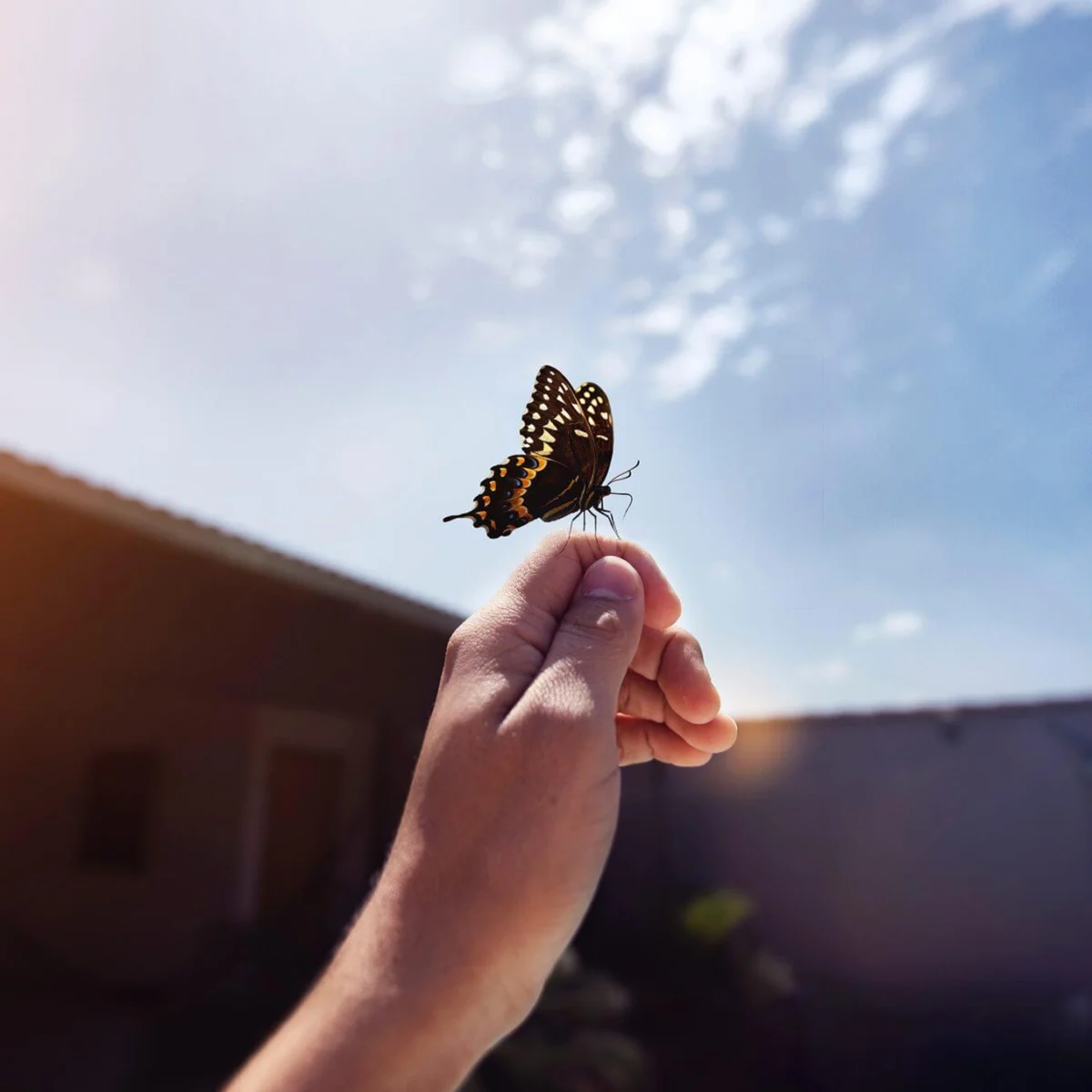
A simple yet profound biological tale illustrates this delicate balance best. The story follows a young boy who discovers a butterfly cocoon and brings it indoors to observe. Over the course of several hours, he watches as the insect struggles desperately to break free from its confinement. The butterfly manages to create a small hole, but its body remains too large to emerge easily, causing it to become tired and still.
Driven by a sweet and compassionate desire to help, the boy takes a pair of scissors and snips a neat slit in the cocoon. The butterfly emerges effortlessly, but its body is small and weak, and its wings are severely crumpled. The boy expects the creature to take flight at any moment, but instead, it can only drag its underdeveloped body along the ground, entirely incapable of flight.
The boy, much like any well-meaning parent, did not understand that the butterfly’s struggle against the tight walls of the cocoon is a biological necessity. That intense physical effort forces fluid from the insect’s body out into its wings, granting it the strength required for flight. It is the very struggle itself that makes the butterfly strong.
This dynamic plays out in households everywhere. Children face countless miniature cocoons daily—failing an exam, losing a spot in a team game, experiencing interpersonal conflict, or feeling unhappy in a job later in life. While the immediate instinct to swoop in, make amends, and heal the hurt is powerful, psychologists argue it is rarely the most beneficial long-term tactic.
Cultivating Agency and Responsibility from an Early Age
Reframing the approach from "helping" children to encouraging responsibility and agency forms the cornerstone of modern developmental psychology. According to Melanie Kelly, a psychologist based on the Central Coast of New South Wales, this process begins as early as the toddler years.
Young children naturally gravitate toward responsibility, Kelly explains. It provides them with a profound sense of achievement and a practical introduction to both internal and external rewards. Crucially, the nature of these responsibilities must align closely with a child’s developmental stage.
Many modern households find it easier to exclude children from domestic chores such as cooking, gardening, cleaning, and general tidying to save time and avoid messes. Yet, involving children in these shared domestic duties is vital for establishing self-confidence and an understanding of communal contribution. It teaches children to take pride in their own actions, fosters consideration for others, and inspires them to tackle more demanding challenges down the road.
As children learn the ropes of responsibility and independence, they require substantial encouragement. This involves offering external validation for their sincere efforts—even when the outcome falls short—alongside positive reinforcement to keep trying. This dual support system helps children build baseline resilience, sharpens problem-solving skills, and nurtures the grit and determination needed for future hurdles.
At the same time, experts caution against granting children and teenagers absolute control and freedom, which can destabilize the essential parent-child dynamic. Establishing healthy boundaries remains paramount, reinforcing the reality that adults hold ultimate responsibility for safety and guidance. For young children, developing the agency to brush their own teeth, manage personal hygiene, and assist with dinner preparation does not mean they possess the developmental maturity to determine their own bedtime or navigate the online world unsupervised.
Navigating the Adolescent Years
As children transition into teenagers and young adults, the specific challenges shift dramatically. Arguments over stuffed animals and toy collections give way to complex romantic crushes, and simple discussions about manners are replaced by intense, values-driven debates. Despite these shifts, professional consensus dictates that the core parenting approach remains remarkably consistent.
Annie Fox, a recognized parenting expert and author specializing in healthy tween and adolescent development, advocates for giving teenagers the necessary emotional space to mature. Often describing adolescents playfully as "semi-formed humans," Fox emphasizes that creating this space mindfully is essential for healthy psychological growth.
Among her key recommendations is the practice of talking less and listening more. Parents should strive to remain a safe and available sounding board for their children. This does not require parents to validate or agree with every emerging perspective, but rather to allow adolescents to speak openly without constant interruption. Voicing thoughts out loud gives teenagers a chance to hear their own ideas tested, while offering parents a valuable window into their children’s problem-solving strengths and limitations.
Furthermore, respecting adolescent boundaries remains a persistent challenge for many parents who struggle to grant increasing privacy and autonomy. True maturation, however, requires fertile ground for trial and error. To develop sound judgment, young people need ample opportunities to make mistakes and experience the natural consequences that follow, supported by encouraging guidance rather than heavy-handed control.
Modeling Values and Authenticity
Children and teenagers absorb behavior not merely through direct instruction, but through constant observation. Parents who aspire to raise trustworthy, responsible, honest, resilient, and good-hearted individuals must actively model those exact values within their own daily lives.
Authenticity is equally critical within the family ecosystem. Occupying the parental role does not mean possessing a monopoly on wisdom or perfection. Admitting personal confusion, acknowledging mistakes, and offering sincere apologies when appropriate demonstrates to children that adulthood is not a destination of absolute infallibility, but an ongoing process of personal evolution. Ultimately, both parents and children are works in progress, bound by the shared pursuit of progress rather than perfection.
Observing a young child navigate the world—discovering new vocabulary, mastering physical skills, and slowly shaping their distinct personality—evokes a complex mix of emotions for any parent. There is a persistent tug between the desire to hold them close and freeze time, and the wiser, grounding realization that love in parenting is not about possession. True parental love is found in opening the door to the wider universe, offering the full spectrum of human experience, and trusting them to eventually walk firmly in their own footsteps.
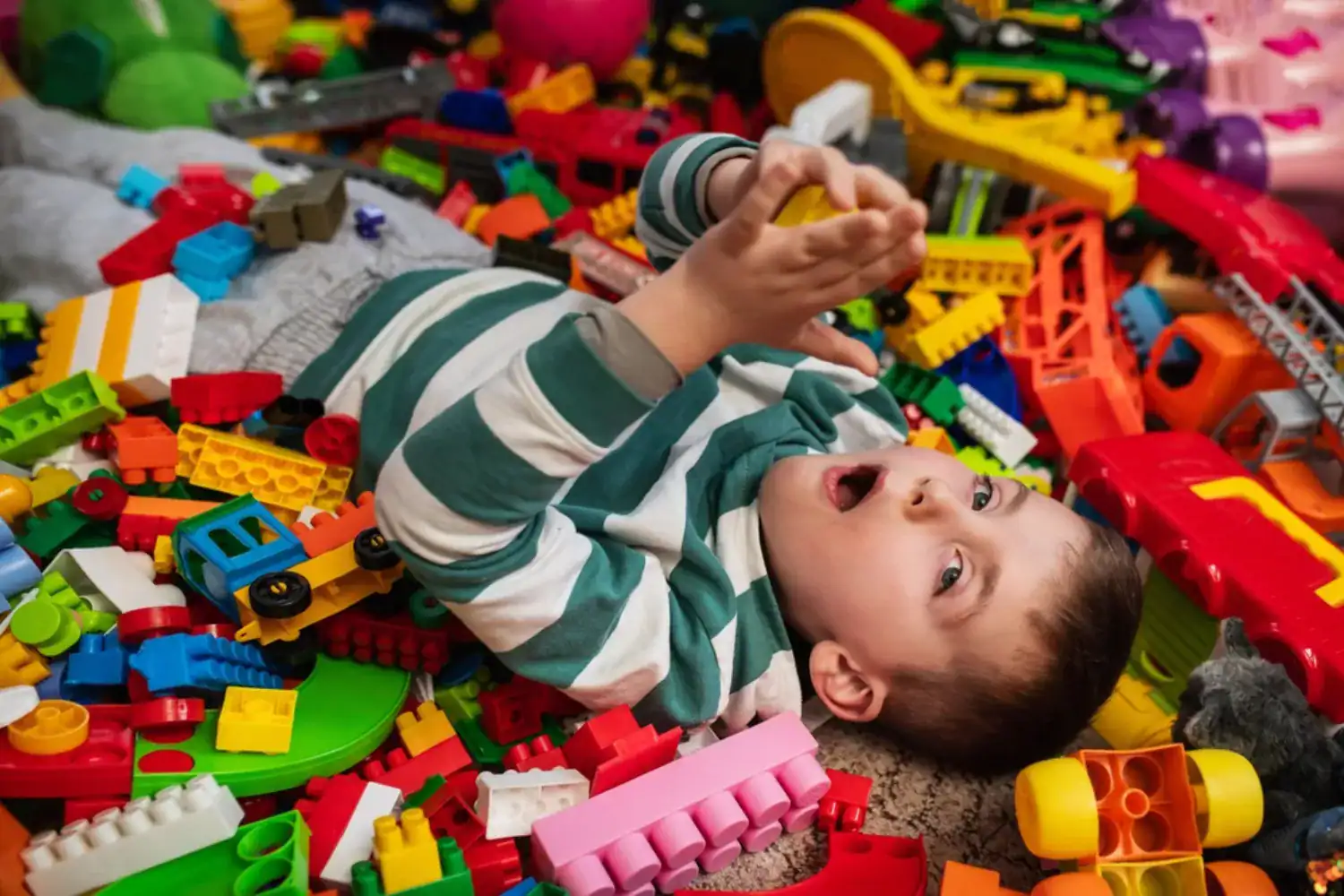
Researchers and parents alike are increasingly identifying modern children’s toys as a primary, yet frequently overlooked, catalyst for sensory overload, domestic clutter, and even long-term behavioral patterns. While contemporary parenting discourse often focuses on adding structure, scheduling more time outdoors, increasing discipline, or purchasing specialized sensory-sensitive playthings, a growing contingent of families is discovering that the most effective intervention is remarkably simple: subtraction.
The rising movement toward toy minimalism challenges deeply ingrained Western consumption habits. By scaling back the volume of playthings inside the home, families report a surprising shift—children display heightened creativity, engage more deeply with real-world activities, and exhibit calmer, more focused dispositions.
Do kids need a lot of toys?
The cultural contrast of childhood possessions became strikingly evident through the work of Italian photographer Gabriele Galimberti. Between 2009 and 2010, Galimberti traveled to more than 50 countries, documenting children alongside their most treasured belongings. His resulting project, Toy Stories, captured young subjects beaming with joy surrounded by their favorite items. While the collection has frequently been praised as a thoughtful commentary on cultural diversity, wealth disparities, and global economics, the underlying visual takeaway for many observers was one of profound uniformity.
Regardless of geographic location or socioeconomic standing, the sheer volume of possessions in these international photographs was markedly lower than what has become standard in many Western, particularly American, households.
For parents navigating the physical and mental demands of modern child-rearing, the accumulation of playthings often transforms into a persistent daily burden. The endless cycle of picking up items, negotiating cleanup, and navigating cluttered living spaces can take a significant toll on parental mental health. Traditional solutions—such as donating items, finding alternative storage, or requesting that family members stop purchasing gifts—frequently fall short against a relentless tide of incoming consumer goods.
This dynamic reflects a broader national imbalance. Statistical insights reveal that the United States accounts for approximately 3% of the world’s children yet consumes roughly 40% of global toy production. As this disparity becomes increasingly visible, many households find themselves searching for a manageable path backward from normalized excess, recognizing that the current baseline of material accumulation has far outpaced developmental necessity.
Do kids need to play?
Child development experts emphasize that while children inherently require play to thrive, the presence of an overwhelming quantity of items often impedes the natural play process. In fact, observational evidence suggests that fewer toys foster superior engagement and imagination.
Recent developmental research has begun to examine the direct correlation between toy saturation, heightened stress levels in children, and the compromised mental health of primary caregivers. Controlled observations have demonstrated that toddlers exhibit more sustained attention spans and more sophisticated play patterns when presented with a minimal selection of items—such as four choices rather than sixteen—compared to rooms filled with dozens of distractions.
Historical precedents further support this approach. In the 1980s, German researchers studying the roots of chronic distraction and addictive behaviors in later life implemented an experimental curriculum in local kindergartens. By systematically removing standard playthings from the classrooms, educators observed remarkable improvements in children’s focus, social interactions, and self-regulation.
Parenting specialists often note that while individual commercial products frequently market themselves as educational tools designed to teach engineering, spatial awareness, or empathy, an overabundance of items collectively generates the opposite effect. Instead of fostering growth, a saturated environment contributes to chronic distraction, sensory fatigue, and an early orientation toward consumerism.
What counts as a toy?
Transitioning toward a minimalist play environment often mirrors dietary adjustments—the objective is not the total elimination of specific categories, but rather the reduction of a debilitating overabundance. Just as a whole-food diet accommodates natural elements like fresh produce while excluding processed items, a minimalist approach to play distinguishes between open-ended developmental staples and hyper-specific, electronic novelties.
Families undertaking this shift typically retain versatile items that encourage open-ended imagination, such as basic building blocks, magnetic tiles, construction sets, art supplies, books, puzzles, dress-up clothes, and outdoor equipment like bicycles. Conversely, possessions designated for removal frequently include single-purpose electronic gadgets, plastic miniature kitchen setups replete with hundreds of tiny accessories, oversized plastic vehicle collections, and automated musical toys engineered to loop repetitive sounds.
When these specialized, high-stimulus items are removed from the environment, caregivers frequently observe a spontaneous shift in children’s behavior. Rather than relying on simulated versions of adult activities, children naturally gravitate toward authentic participation—assisting with real food preparation in the kitchen, engaging with actual acoustic or rhythm instruments, and taking on active roles in household responsibilities such as pet care.
A toy-free experiment to try
For families overwhelmed by domestic clutter, periods of transition such as summer break often provide an ideal opportunity to reevaluate household routines, as children naturally seek out outdoor activities and self-directed boredom solutions. Implementing a major reduction in possessions does not require immediate permanence, but rather functions as an exploratory trial period.
The process typically begins with an open conversation between parent and child. Rather than arbitrarily discarding possessions, children are invited to select a small, manageable number of favorite items to keep readily accessible in the living areas. The remaining inventory is then relocated to temporary storage—such as a garage, attic, or basement—where items remain retrievable should a genuine attachment surface over the following weeks.
During a trial period lasting several weeks or months, families routinely assess changes in domestic atmosphere, sibling dynamics, and individual focus. In many instances, children display little to no interest in retrieving the stored items, experiencing immediate relief from the ambient sensory clutter. For older children, surplus items that successfully pass through the trial phase can eventually be re-homed through donations or community sales, allowing children to participate directly in the curation of their living spaces and the mindful management of their personal environments.
For television fans looking for their next binge-watch obsession, the critically acclaimed comedy series Kid Sister is finally making its way to broader international audiences. Hailed by critics as a brilliant blend of sharp wit and cultural specificity, the show has frequently drawn comparisons to contemporary comedy hits like Fleabag and Shiva Baby. Until recently, however, viewers outside of New Zealand faced significant hurdles catching up with the series, as it was largely restricted to local broadcasting and streaming markets.
That landscape is shifting following a new distribution rollout. Seasons one and two of Kid Sister are now streaming on ChaiFlicks, a platform that has recently become accessible as an add-on subscription through Amazon Prime. This expansion opens up the deeply funny, culturally rich world of the series to a much wider global audience eager for fresh, distinctively Jewish storytelling on television.
At the heart of Kid Sister is its creator, writer, and star, Simone Nathan. Growing up within a tight-knit Modern Orthodox community in Auckland, New Zealand, Nathan developed a unique comedic perspective that bridges the nuances of her upbringing with universal themes of young adulthood, familial pressure, and romantic misadventures. Her journey to creating her own series spans continents and prestigious writer’s rooms. After studying dramatic writing at New York University, Nathan cut her teeth working as an assistant on acclaimed projects such as Bloodline and Inside Amy Schumer.
Her career trajectory eventually led to a writing position on Our Flag Means Death, the 2022 cult-favorite pirate comedy executive produced by fellow Jewish New Zealand creative Taika Waititi. Building on that industry experience, Nathan took on the monumental task of writing the entire first season of Kid Sister solo. The result is a series that captures both the claustrophobia and the profound warmth of close family networks. In celebration of the show’s wider availability, Nathan recently shared a deeply personal look into her creative world, highlighting six specific items and traditions that consistently bring her Jewish joy.
Among her eclectic list of cherished items are ceramic golems created by artist Annaliese Rosa. Nathan has expressed a profound admiration for Rosa’s work, noting that she has been gifted two of the sculptures alongside a custom mezuzah crafted for her wedding. The connection between the artist and the show runs deep; the production team for Kid Sister secured permission to feature Rosa’s golems prominently throughout the second season. In a delightful blurring of art and reality, the show incorporates the sculptures into storylines where Nathan’s character—who works as a ceramicist—is depicted as their maker, a creative choice Nathan describes with characteristic humor as feeling a bit like "stolen valor."
Family traditions also play a major role in Nathan’s daily life and creative inspiration, sometimes taking on humorous logistical proportions. She frequently reflects on the hand-embroidered challah cloths meticulously crafted by her grandmother. Originally conceived as special gifts for Nathan and her cousins upon their bat mitzvahs, the project has steadily ballooned over the years to accommodate a growing generation of grandchildren and great-grandchildren. With her mother and aunts pitching in to assist, the family matriarch effectively operates a solo production line of ornate linens. Noting the meticulous craftsmanship, Nathan jokes about the exhausting nature of the enterprise, contrasting the embroidered inscription of "Every stitch a labour of love" with the affectionate family sentiment that the ongoing endeavor has transformed into a labor of elder abuse.
Culinary traditions likewise occupy a central space in Nathan’s home, particularly around the Shabbat table. Homemade matbucha—a traditional Moroccan cooked salad of tomatoes and roasted bell peppers known for its smoky, sweet flavor profile—is a non-negotiable staple at her family meals. Served alongside other classic spreads like egg salad, guacamole, and babaganoush, the appetizers are traditionally piled high onto challah bread. According to Nathan, the spreads are so consistently abundant that family members routinely find themselves completely satiated before the main course is even served. Despite weekly vows to streamline Friday night dinners into a simple meal consisting solely of challah and dips, the family invariably falls back into their traditional routine, leaving behind a trail of red-stained Tupperware as testament to their love for the dish.
In addition to culinary and artistic touchstones, Nathan maintains a deep appreciation for traditional Judaica that blends aesthetic appreciation with personal history. For her bat mitzvah, she acquired the five-volume ArtScroll Machzor set in a white colorway featuring gold-embossed binding, a collection she describes as exceptionally classy. She regularly brings out the volumes for the High Holidays, though she humorously confesses that one specific volume in the set remains entirely pristine and unopened, leaving the identity of the overlooked holiday as an open question.
To keep track of the liturgical calendar and prevent religious observances from arriving unannounced, Nathan relies on modern digital conveniences. She is an enthusiastic user of the HebCal add-on for the iPhone calendar, a tool that seamlessly integrates Jewish holidays into her daily schedule and ensures that the chaggim never catch her by surprise—a development she greets with a characteristic expression of gratitude.
Looking back at popular culture that shaped her formative years, Nathan points to the cinematic landscape of her youth with distinct nostalgia. She singles out the romantic comedy Keeping the Faith as an iconic touchstone from her childhood. The film, which centers on the complicated reunion of three childhood friends—including a rabbi played by Ben Stiller, a priest played by Edward Norton, and the woman they both fall in love with—represents the kind of culturally resonant, character-driven entertainment that helped lay the groundwork for her own future in comedic storytelling.
SUMMARY:Explore how Muslims can respond with grace, resilience, and historical perspective to defend the honor of the Prophet Muhammad, may Allah send peace and blessings upon him, in an environment where Islamophobia is increasingly whipped up in society by politicians.
For millions of Muslims around the world, the Prophet Muhammad, may Allah send peace and blessings upon him, is cherished more than life itself. It is a testament to this profound reverence that observant Muslims rarely utter his name without immediately invoking peace and blessings upon him. This deep emotional and spiritual connection explains why recent political rhetoric and institutional actions targeting Islamic figures and history cause such acute pain within the community.
In an escalating climate where anti-Islamic sentiments find expression in public policy and political campaigns, the need for a measured, dignified response has never been more urgent. Recently, Texas officials approved school curriculum updates that characterize the Prophet Muhammad, may Allah send peace and blessings upon him, as "brutal," drawing sharp condemnation from civil rights advocates and Islamic organizations. This institutional pushback comes on the heels of incendiary political rhetoric on the national stage.
On Friday, October 16, 2026, during a campaign rally held inside an airport hangar in Dalton, Georgia, former President Donald Trump targeted Abdul Rahman El-Sayed, a Senate candidate from Michigan. Deliberately misnaming him, Trump referred to the candidate as "Mohammad" and remarked, "I’m the president. I can call you whatever the hell I want."
Expanding on the remark, Trump told the crowd, "If you’re in doubt about somebody’s name from the Middle East, just say ‘Mohammad.’ You have about a 65% chance." Mimicking a greeting, he added, "Hello, Mohammad," before asserting, "I’ve done it for years now. I’ve never been wrong."
These successive events—ranging from localized textbook controversies to prominent national ridicule—have left communities grappling with a familiar yet distressing question: How should individuals respond when their faith and heritage are openly mocked in the public square?
First, Check Your Own Heart
To find an effective response, historians and spiritual leaders suggest looking back to the earliest days of Islam. The name Muhammad was frequently mocked during the Prophet’s own lifetime. The leaders of Makkah, consumed by opposition to his message, refused to utter his actual name. Instead, they deliberately distorted it into "Mudhammam," an Arabic term meaning "the one who is blamed" or "the despised."
The Prophet’s response to this petty abuse was marked by extraordinary calm and perspective. According to a narration in Sahih al-Bukhari, he remarked to his companions, "Doesn’t it astonish you how Allah protects me from the abuse and curses of Quraish? They abuse Mudhammam and curse Mudhammam, whereas I am Muhammad." The insults failed to pierce his composure because they were aimed at a caricature, an alternate name that bore no relation to his true identity.
Believers today are encouraged to carry that same profound calm. A casual joke or political jab delivered at a campaign rally cannot diminish a name that has been elevated by divine decree. Across the globe, more than a billion people invoke blessings upon him multiple times a day in their personal prayers, cementing a legacy that transcends transient political discourse.
This approach aligns closely with foundational Islamic teachings regarding interactions with detractors. The Quran explicitly describes the true servants of the Most Compassionate as individuals who maintain their dignity and emotional equilibrium when confronted with ignorance or hostility, noting in Surah Al-Furqan: "The true servants of the Most Compassionate are those who walk on the earth humbly, and when the foolish address them improperly, they only respond with Salam."
The Greatest American Named Muhammad
Amidst contemporary political discourse, history offers powerful reminders of resilience and cultural impact. In 1964, a charismatic young boxer from Louisville, Kentucky, named Cassius Clay secured the heavyweight boxing championship of the world. Shortly after his historic victory, he announced his conversion to Islam and his new name: Muhammad Ali.
The reaction from mainstream American society at the time mirrors the casual disrespect seen today. Many sports commentators, public figures, and ordinary citizens refused to acknowledge his new name, deliberately mocking it in public much like modern political figures do with Arabic names.
Ali refused to compromise his identity or back down from his convictions. He maintained his name, remained steadfast in his faith, and ultimately transformed himself into one of the most universally admired athletes and cultural icons on the planet. Decades later, in 1996, a stadium full of cheering spectators in Atlanta, Georgia, watched in awe as a visibly trembling Ali stepped forward to light the Olympic flame. It stands as a profound historical irony that Georgia once cheered thunderously for a man bearing the name Muhammad as he carried a symbol of unity for the entire world.
Cultural touchstones continue to revisit this legacy. A major new biographical television series chronicling his life, titled The Greatest, is scheduled to premiere on Prime Video on Wednesday, November 4, 2026—the day immediately following the midterm elections. The narrative arc of the first season follows Ali’s journey from winning his Olympic gold medal in 1960 to claiming his first heavyweight title in 1964, the pivotal year he formally embraced the name Muhammad.
Observers note that cultural moments like this offer organic opportunities for dialogue. Watching such historical dramas alongside friends or neighbors of other faiths can open doors to deeper, more meaningful conversations about identity, conviction, and the significance behind names that carry deep personal and religious weight.
A Last Word
Public figures who resort to mocking names like Muhammad often seek a specific reaction: they want individuals from targeted communities to feel small, marginalized, and defensive. However, history and spiritual tradition demonstrate that targeted populations are not obligated to accept that framing.
Instead, community leaders emphasize that living out the highest ethical standards—being consistently honest, kind, brave, and genuinely helpful to neighbors—serves as an unshakeable counter-narrative. Upholding these values in daily life provides a powerful response that no political joke or campaign trail quip can ever dismantle.
In the realm of early childhood development, transitions can often look messy, exhausting, and counterintuitive to the adults guiding them. Parenting expert and author Janet Lansbury recently addressed a challenging dilemma faced by a stay-at-home mother who ventured into running a small in-home learning group. While the mother’s own toddlers have adjusted smoothly to the new dynamic, a two-and-a-half-year-old girl attending the group two days a week has sparked a profound question about behavior, emotional regulation, and the true meaning of a child’s adjustment period.
The situation highlights a common phenomenon in childcare settings: adults naturally want to fix a child’s discomfort, often misinterpreting normal transitional distress as a sign of deeper insecurity or an environmental mismatch. Lansbury’s insights offer a refreshing perspective on why trusting a child’s process, rather than rushing in to soothe or alter the situation, might be the key to helping them feel genuinely safe.
The Challenges of an In-Home Childcare Setting
The mother running the program, who has built her foundational approach around Lansbury’s widely followed parenting philosophy, opened an in-home learning group hosting between one and five toddlers from Monday through Thursday for a modest fee of fifty dollars a day. Having successfully navigated the steep learning curve of raising two boys close in age, she felt confident enough to expand her home environment to include other children, finding joy in watching her sons connect with peers.
However, the routine has been severely tested by a two-and-a-half-year-old girl who spends eight hours across two days a week in the group. According to the caregiver, the toddler struggles significantly with the environment, crying for the majority of her time there, frequently shifting activities within mere seconds, and repeatedly seeking verbal reassurance by asking, "Do you like me?"
Despite the caregiver’s unwavering kindness and genuine affection for the child, the constant tears and probing questions have begun to take a heavy toll on the adult’s nervous system. The caregiver admits that while she maintains composure throughout the day, the emotional weight forces her to decompress through long baths, retreating to bed, or breaking down once her husband returns home. This led her to contemplate whether the little girl might thrive better back home or within a larger preschool setting, while also questioning whether excessive tablet time at home or underlying personality traits were fueling the behavior.
Understanding the Reality of Childcare Transitions
Addressing the mother’s concerns on her Unruffled podcast, Lansbury emphasized that while the caregiver’s emotional exhaustion is completely valid, the behaviors exhibited by the toddler are entirely normal indicators of a child doing her "job" of adjusting. Separation from parents and home environments, coupled with integration into a new social setting, places a massive emotional load on young children who lack the cognitive maturity to fully understand or communicate their complex needs.
Lansbury noted that wanting to fix a child’s distress is a natural, loving response from any attentive caregiver. Yet, stepping in to alleviate every tear or rapidly shifting activity can inadvertently prolong the adjustment. Children need space to express their discontent without adults jumping in to rescue them from ordinary emotional discomfort.
In a counterintuitive recommendation, Lansbury suggested that the little girl might actually benefit from spending more days per week in the setting rather than fewer. Attending only two days a week makes the environment feel brand-new and unfamiliar every time, resetting the transition cycle repeatedly. Increasing her attendance could allow the toddler to truly settle into the rhythm of eating, playing, and napping alongside the group, fostering a deeper sense of belonging and familiarity.
Decoding Requests for Validation
The caregiver also questioned the unusual nature of a two-and-a-half-year-old seeking constant validation, noting that her own early-milestone-hitting boys never displayed such inward-focused questioning. Lansbury offered a distinct interpretation of this behavior, pointing out that it likely does not stem from a deep-seated, adult-like insecurity.
Instead, children often latch onto specific phrases or concepts if they sense it creates a ripple of discomfort or a shift in energy within their adult caregivers. Once a child notices that a particular question throws an adult slightly off balance, they may repeatedly probe that specific area as a way of testing the boundaries of the emotional environment. Lansbury advised that the most effective response is not to over-analyze or worry about whether the child doubts the caregiver’s affection, but rather to meet the repeated question with an open, steady, and lighthearted affirmation, stripping the phrase of its emotional charge.
Furthermore, Lansbury cautioned against moving the child to a larger preschool setting, noting that massive environments can be far more overwhelming for children under three who are already struggling to adapt. The smaller, intimate setting of an in-home group provides a safe container where the toddler feels secure enough to vent her frustrations, cry openly, and process her emotions.
Ultimately, Lansbury validated the caregiver’s incredible dedication, praising her compassionate approach and affirming that she possesses all the necessary qualities to succeed. Whether the caregiver chooses to continue navigating the rockiness of the transition or decides the arrangement is no longer sustainable for her own well-being, the core message remains a reminder for educators and parents alike: emotional turbulence during transitions is a healthy sign of a child doing the difficult work of growing and adapting, a process that requires trust rather than a quick fix.
Finding the ideal holiday present for the special women in your life can often feel like navigating an intricate puzzle. Whether shopping for mothers, sisters, aunts, wives, or close friends, holiday gift-giving requires a balance of thoughtfulness, utility, and genuine appeal. For many, the challenge lies in moving past fleeting commercial trends to discover items that will truly be integrated into a recipient’s daily routine and cherished over time.
Navigating the seasonal shopping landscape often involves looking past complicated gadgets or overly complex novelties. Experienced gift-givers frequently point out that the most treasured presents tend to be grounded in simplicity. Handcrafted items, personalized creations, and do-it-yourself beauty products often carry a higher sentimental value, showcasing the time and care invested by the giver. At the same time, balancing handmade crafts with thoughtfully chosen retail items provides a well-rounded approach to holiday giving, ensuring that recipients receive both personal tokens and practical goods.
When selecting commercial products, a growing emphasis is placed on items that align with health-conscious and natural lifestyles. Consumers increasingly look for quality merchandise they can feel genuinely good about purchasing and sharing. From everyday kitchen utilities to relaxation aids, the modern holiday curation focuses on items that promote well-being without compromising on quality or practicality.
Emphasizing Practicality and Pampering in Holiday Selections
A successful holiday shopping list typically blends everyday utility with opportunities for relaxation and indulgence. While items like high-end coffee makers, durable kitchenware, and comfortable blankets might lack the initial dramatic flair of flashy novelties, they consistently rank among the most appreciated and heavily utilized gifts. Practical items demonstrate an understanding of the recipient’s daily life and routines, offering genuine long-term value.
Alongside functional items, incorporating elements of pampering helps round out any thoughtful gift collection. Professional massage vouchers, creative art supplies, and luxury self-care products offer recipients a much-needed mental break from their daily responsibilities. While some of these items function as luxurious holiday splurges, plenty of budget-friendly alternatives exist to accommodate various financial plans without sacrificing thoughtfulness.
Furthermore, the process of holiday curation would be incomplete without addressing stocking stuffers. These smaller items provide an opportunity to introduce recipients to new natural skincare products, artisanal treats, or compact wellness tools. Offering an extensive variety of options ensures that gift-givers can tailor their selections to the unique tastes and preferences of every individual on their list.
Skincare and Beauty Essentials Rooted in Natural Wellness
The skincare and beauty category remains a cornerstone of holiday shopping, particularly for recipients who appreciate a dedicated self-care routine. In recent years, consumer preferences have shifted decidedly toward clean beauty products, organic ingredients, and sustainable manufacturing practices. Gifting items within this category allows shoppers to introduce loved ones to non-toxic alternatives for daily hygiene and cosmetic care.
When selecting skincare items for the holiday season, focus is frequently placed on hydration, gentle cleansing, and nourishment. Botanical facial serums, mineral-based cosmetics, and organic body lotions serve as practical luxuries that elevate a daily routine. Additionally, DIY beauty kits have gained popularity, allowing recipients to mix their own natural scrubs, bath salts, and facial masks using wholesome, kitchen-grade ingredients. These products not only prioritize physical health by avoiding harsh synthetic chemicals but also offer a restorative sensory experience that encourages relaxation.
Culinary Delights: Food and Drink Gifts for Every Palate
Food and drink items offer a universal appeal during the winter holiday season, serving as both comforting treats and experiential gifts. From artisanal coffee beans and organic loose-leaf teas to gourmet pantry staples, culinary gifts allow recipients to explore new flavors and elevate their daily meals or morning rituals.
Gift selections in this category often emphasize quality, origin, and health benefits. Premium dark chocolates infused with natural botanicals, small-batch olive oils, and heritage grain baking mixes provide a touch of luxury that can be enjoyed individually or shared with family. For beverage enthusiasts, high-end brewing equipment paired with locally roasted beans or specialty matcha powders creates a complete and thoughtful package. These offerings cater to both casual food lovers and dedicated home chefs, making them a versatile choice for a wide range of recipients.
Kitchen Essentials That Combine Form and Function
The kitchen is frequently considered the heart of the home, making culinary tools and kitchen essentials some of the most practical items one can give. Rather than single-use gadgets that risk cluttering drawers, the focus is increasingly on durable, high-performance tools that streamline meal preparation and enhance the cooking experience.
Cast iron cookware, precision chef’s knives, aesthetic ceramic bakeware, and high-speed blenders represent investments in daily home life. These items appeal to women who enjoy cooking, baking, or simply gathering with family over a homemade meal. By choosing kitchen essentials crafted from safe, non-toxic materials such as stainless steel, glass, and untreated wood, gift-givers can ensure that their presents support a healthy home environment while standing up to years of regular use.
General Wellness Gifts to Support Daily Health
Promoting overall health and vitality has become a central theme in modern gift-giving. General wellness presents encompass a broad spectrum of products designed to support physical, mental, and emotional balance throughout the changing seasons. Items in this category aim to enhance daily routines and encourage proactive health management.
Popular wellness gifts range from therapeutic aromatherapy diffusers and organic essential oil sets to advanced sleep trackers and ergonomic wellness tools. Supplements, herbal tonics, and supportive posture aids also find a place on comprehensive holiday lists. These gifts communicate care and consideration for the recipient’s long-term well-being, offering tangible support for their personal health journey and stress-management practices.
Relax and Unwind: Creating Space for Rest
In an increasingly fast-paced world, the gift of relaxation is exceptionally valuable. Items designed to help women unwind, decompress, and carve out quiet moments of solitude are perennial holiday favorites. These presents focus on cultivating a tranquil home environment and encouraging mental rest.
Weighted blankets, plush bathrobes, soothing eye masks, and ambient lighting solutions help transform any living space into a private sanctuary. Additionally, literature on mindfulness, guided journaling notebooks, and premium bath soaks encourage mental unwinding at the end of a long day. Providing tools that facilitate genuine rest acknowledges the busy lives led by many women and offers a gentle reminder to prioritize self-care and mental health.
Clothing, Accessories, and Sentimental Items
Clothing and accessories offer a blend of personal style and everyday comfort. While sizing can occasionally present a challenge, certain items remain universally accommodating and deeply appreciated during the cooler winter months. Luxurious cashmere scarves, sustainably sourced lounge wear, durable leather tote bags, and artisanal jewelry pieces allow recipients to express their personal style while enjoying high-quality craftsmanship.
Beyond wearable items, "just because" gifts capture the spirit of thoughtful appreciation. These can include personalized stationery, hand-poured beeswax candles, or curated books that reflect a recipient’s specific hobbies and interests. Such items do not necessarily serve a strict utility function, but they carry significant emotional weight, strengthening personal connections and showing the recipient that they are deeply known and valued.
Stocking Stuffers and Final Thoughts on Holiday Curation
Completing the holiday shopping experience often comes down to the details found within the Christmas stockings. These smaller items provide an opportunity for playful exploration, allowing gift-givers to include travel-sized natural lotions, organic lip balms, specialty teas, compact notebooks, and unique handcrafted trinkets.
Ultimately, the success of a holiday gift is measured not by its price tag, but by the thought, care, and intention behind it. By focusing on quality, practicality, and wellness-oriented choices, gift-givers can navigate the holiday season with confidence, ensuring the women in their lives feel appreciated and supported.
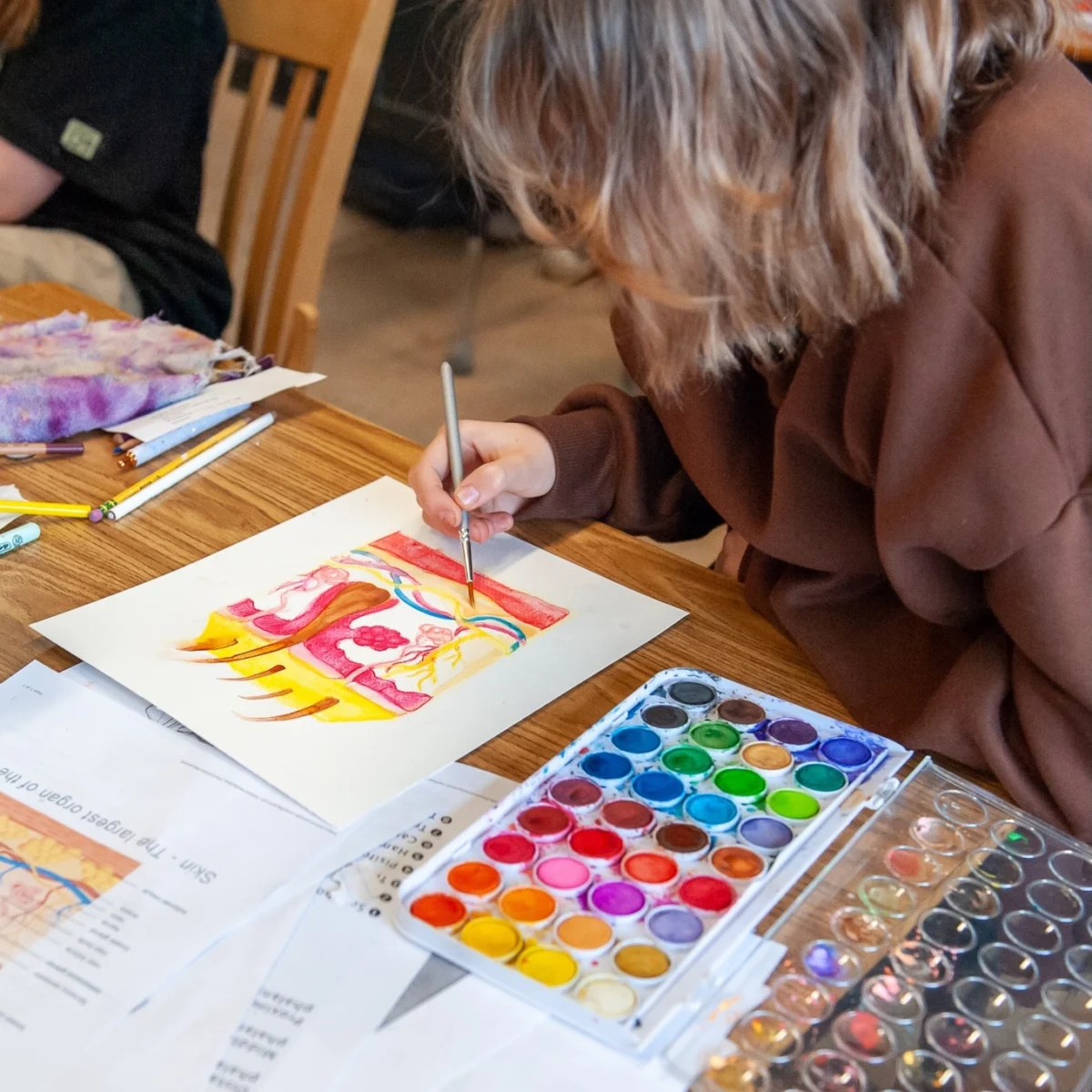
For well over a century, educators, cognitive scientists, and researchers alike have recognized a fundamental truth about human development: the arts are far more than mere enrichment or extracurricular window dressing. They are, in fact, essential to the core mechanics of learning. From music composition and dramatic performance to drawing, painting, and narrative storytelling, artistic expression has been repeatedly shown to strengthen academic achievement, foster robust creativity, enhance long-term memory retention, and build critical social-emotional skills. While many contemporary school districts and policy debates still treat the arts as optional fronds on the educational tree, a deep and mounting body of empirical research consistently demonstrates that creative disciplines are central to overall student growth and long-term success.
Education as an Art
The foundational idea that teaching itself is an art form has deep and enduring roots in pedagogical philosophy. Effective, transformative educators are not simply passive conveyors of standardized information; rather, they function as creative guides who awaken natural curiosity, invite deep exploration, and help students perceive the world around them in entirely new ways.
When lessons are thoughtfully infused with rhythm, imagination, and narrative structure, children find it vastly easier to connect abstract knowledge with lived experience. This dynamic was vividly illustrated in a major randomized trial conducted in Texas, entitled Investigating Causal Effects of Arts Education Experiences. The study provided compelling experimental evidence from the Houston Arts Access Initiative, demonstrating that students enrolled in schools with enhanced, comprehensive arts programming not only performed significantly better on standardized writing assessments, but they also displayed a notable reduction in disciplinary infractions alongside markedly higher levels of empathy toward their peers. When teaching is consciously approached as an art form, the scope of learning extends far beyond traditional academic metrics into the vital realms of character development, community building, and shared humanity.
Academic Achievement and the Arts
For decades, learning environments rich in the arts have been consistently linked to higher levels of overall academic performance across diverse student demographics. The landmark federal report Arts and Achievement in At-Risk Youth revealed a striking correlation: students who are deeply and consistently involved in the arts earn better grades across the board, graduate from high school at significantly higher rates, and exhibit a much greater likelihood of aspiring to and enrolling in higher education.
These findings have been reinforced more recently by the National Endowment for the Arts (NEA) in publications such as Snapshots of Arts Education in Childhood and Adolescence, which confirmed steady and consistent gains in fundamental reading, mathematics, and language skills when robust arts participation is maintained throughout a child’s schooling.
Further illuminating the cognitive mechanics at play, a prominent 2019 study by researcher Mariale Hardiman and her colleagues, titled The Effects of Arts-Integrated Instruction on Memory for Science Content, discovered that students who learned complex science concepts through arts-based methods retained and applied that knowledge far more effectively than control groups taught through traditional, lecture-based instruction. This research underscores a practice that many innovative classrooms have long utilized: abstract and complex concepts become significantly more accessible when introduced through hands-on artistic exploration. Whether it involves drawing geometric forms before attempting to solve advanced geometry formulas or illustrating the chemical phases of a science experiment as an integral part of the learning process, the arts serve as a cognitive bridge to understanding.
Creativity and Critical Thinking
In the rapidly evolving landscape of the modern global economy, creativity is no longer viewed as an optional luxury, but rather as an essential survival skill for the future workforce. A comprehensive report from the Organisation for Economic Co-operation and Development (OECD), titled Art for Art’s Sake?, highlights the profound ways in which structured arts education fosters flexible, innovative thinking among young learners.
Empirical studies consistently confirm that students who actively engage in artistic activities develop significantly stronger divergent thinking skills. This cognitive capacity enables them to generate truly original ideas, synthesize disparate concepts, and adapt fluidly to novel, unexpected situations. Whether a student is composing an original piece of music, performing a character in a drama production, or painting a detailed landscape, the creative process cultivates vital habits of mind: persistence, originality, and advanced problem-solving capacities that easily translate across academic disciplines and real-world challenges.
Memory, Engagement, and Multisensory Learning
The cognitive benefits of artistic practice extend deeply into the realms of memory formation and student engagement. The research spearheaded by Hardiman and her team demonstrates that arts-integrated instruction leads to deeper, more durable long-term recall of academic content.
This enhanced retention occurs primarily because the arts activate multiple sensory pathways simultaneously—incorporating visual, auditory, and kinesthetic elements—which effectively anchors new knowledge in embodied physical and emotional experience. Simple classroom techniques, such as reciting poetry with rhythmic movement, singing a complex mathematical formula, or illustrating historical turning points, embed learning into the brain much more powerfully than passive listening or rote memorization alone.
Social-Emotional Growth
Beyond traditional academic domains, the profound benefits of arts education spill over naturally into the social-emotional lives of students. The aforementioned Houston-based study documented increased compassion and markedly improved school engagement among students who experienced greater exposure to the arts.
Similarly, an NEA publication titled Arts in Early Childhood: Social and Emotional Benefits of Arts Participation documented empirical evidence showing that collaborative storytelling, group music-making, and dramatic play actively build cooperation, empathy, and psychological resilience in young learners. When children work together toward a common goal—such as rehearsing a theatrical play, participating in a school choir, or collaborating on a large-scale visual art project—they are forced to practice vital interpersonal skills. Collaboration, patience, conflict resolution, and shared responsibility are all forged in these creative spaces, serving as essential life skills that extend far beyond the classroom walls.
Equity and Access
Despite the overwhelming and unambiguous body of evidence supporting their value, arts and music programs are historically the very first areas to face severe budget cuts when school districts encounter financial tightening. Yet, extensive educational research demonstrates that consistent arts engagement can serve as a powerful equalizer for disadvantaged populations.
Landmark studies published by the NEA reveal that low-income students who maintain deep involvement in the arts consistently outperform their socioeconomic peers academically, demonstrate higher rates of college attendance, and show greater engagement in civic life and community affairs. Furthermore, nationwide initiatives like the Kennedy Center’s Turnaround Arts program confirm parallel outcomes, recording measurable improvements in daily student attendance, behavioral metrics, and overall school climate in historically underfunded schools that choose to embrace comprehensive arts integration.
A Universal Call
The collective weight of educational research presents an unequivocal conclusion: the arts are not peripheral distractions, but rather fundamental pillars of a complete education. They consistently elevate academic performance, spark vital creativity, deepen cognitive memory retention, and nurture human empathy. School systems that fully and courageously integrate the arts—whether through music, visual arts, movement, drama, or storytelling—directly embody what modern cognitive science and pedagogical research affirm as best practice for human learning.
For well over a century, alternative educational models such as Waldorf schools have provided a living example of what this holistic integration looks like in everyday practice, weaving the arts into every academic subject as an absolute matter of principle rather than an afterthought. Within these environments, the arts are recognized clearly for what they are: not mere add-ons, but the vibrant medium through which core academics are brought fully to life.
If you are asking whether you can really homeschool, you are in good company. Almost every Classical Conversations parent started with the exact same question. Some were nervous. Some were sure they would mess it up entirely.
They started anyway. Then thousands of them went back and wrote about their experiences, creating a massive digital archive of real-world feedback from families navigating home education.
An analysis of more than 4,000 Classical Conversations reviews on Google reveals that the same fundamental questions come up again and again among prospective parents. So do the same answers. Across more than 4,150 Google reviews, Classical Conversations communities maintain an average rating of 4.97 stars, with an overwhelming 98 percent of those reviews earning a perfect five-star score.
Behind those ratings are thousands of personal narratives from parents, Tutors, and graduates who have walked the path of classical Christian education from kindergarten through high school graduation. Their collective insights offer a candid look at what it truly takes to homeschool, addressing common anxieties about qualifications, difficulty, socialization, and long-term outcomes.
Quick Answers from Experienced Families
For parents standing on the threshold of home education, the initial inquiries are usually direct and practical. Can I actually teach my child? Is homeschooling overwhelmingly difficult? Will my kids have friends? Is the daily sacrifice ultimately worth it?
According to veteran parents who are eight, ten, and fifteen years into the journey, the answers provide both reassurance and realism. Yes, parents can successfully homeschool their children without a teaching degree, provided they are willing to learn alongside them and plug into a supportive community. While homeschooling certainly has hard days, having a weekly community to lean on makes those challenging moments significantly lighter. As for socialization, parents frequently report that the friendships formed within their local groups are one of the most unexpected and rewarding blessings of the program.
Understanding Classical Conversations
To understand why these communities maintain such high satisfaction ratings, it helps to examine the structure of the program itself. Classical Conversations operates as a Christian, classical homeschool program where families gather in local communities one day a week. During this community day, a trained Tutor leads each class, guiding students through memory work, presentations, and discussions. For the remainder of the week, parents serve as the primary educators at home, utilizing the same integrated curriculum materials provided by the program.
The educational continuum is divided into distinct stages, starting at age four with Foundations and running all the way through high school with the Challenge programs. What many prospective parents fail to realize at first is that enrolling in a community does not relinquish their role as the primary teacher. Instead, the program provides a comprehensive plan, ongoing adult training, and a built-in peer group, allowing parents to retain the profound experience of watching their children master difficult concepts.
Parents across the country frequently emphasize this dynamic in their public reviews. Ania W., a reviewer from West Michigan, noted that families remain responsible for their children’s education while the community provides essential accountability, shared creative ideas, and lasting friendships. Similarly, Claudia B. from Nevada highlighted how weekly community days offer encouragement and accountability, while the daily at-home guides make the curriculum simple to follow. For Stephanie T. in the Greenville, North Carolina area, encountering classical education for the first time served as a complete retraining of her own thinking, teaching her how to learn all over again alongside her children.
Tackling the Fear of Unpreparedness
One of the most persistent barriers for prospective homeschoolers is the fear of inadequacy. Many parents assume that educating a child requires a formal background in pedagogy or a specific college degree. In reality, most states do not require teaching credentials for parents who educate their own children at home.
To bridge the knowledge gap, Classical Conversations trains parents through specialized events such as the Parent Practicum, which focuses on the principles of classical learning. On community days, Tutors model these methods so parents can replicate them effectively at home. Furthermore, many parents experience what the community calls "redeeming your own education," discovering that they are learning right along with their students.
Heather C., an eight-year veteran of the program in Northeast Georgia, recalled feeling entirely overwhelmed and unsure of herself when she started homeschooling her oldest child in first grade. Though her initial year felt like drinking from a firehose, she recognized the long-term potential. Krista J. in North Alabama echoed those sentiments, noting that despite initial overwhelm, her family jumped in nine years ago and has never regretted the decision. Julie G., a Florida Panhandle parent who transitioned her children after ten years in the public school system, encourages hesitant parents to take the plunge as early as possible, assuring them that the daunting transition is entirely manageable.
Navigating the Hard Days and Overwhelming Seasons
Experienced homeschoolers are quick to dismiss the notion that home education is effortless. Some days are undeniably hard, and any parent claiming otherwise is likely overlooking the daily grind of lesson planning, behavioral management, and academic friction. However, veteran families emphasize that having a structured curriculum and a reliable community prevents a difficult Tuesday from derailing an entire academic year.
Katie S., a reviewer from South Alabama, acknowledged that the journey includes tough days, but credited the local community with providing the perseverance and companionship needed to keep moving forward. Alyssa C. in Central Virginia noted that whenever her family struggles or fails to understand a complex topic, their community is consistently there to patiently walk them through it until comprehension is achieved. Tatiana T., navigating her first year of homeschooling in Miami, Florida, described her local group as the essential village required to push through difficult moments, while Esther C. in Downstate Illinois praised her peers for offering genuine friendship, hospitality, and tangible support during exhausting seasons.
Cultivating Confidence and Community for Children
Beyond academic rigor, parents frequently evaluate homeschool programs based on their children’s social and emotional development. Classical Conversations addresses this by incorporating weekly public speaking presentations beginning at age four, helping young children build poise and confidence early in life. Memory work is frequently set to music, allowing complex historical facts, scientific formulas, and linguistic rules to stick in students’ minds for years.
Angela S. from Central Virginia observed that her children harbor no fear of public speaking simply because they have practiced it in front of peers since early childhood. Pavel F. in Western New York marveled at how naturally his children recall foundational facts years later because they originally learned them through song.
Socialization concerns are similarly put to rest by the consistent weekly structure of the program. Children interact with the same classmates year after year, building deep friendships that extend far beyond the classroom into regular playdates, field trips, and study groups. As students reach high school, the program introduces more advanced social and academic milestones, including debate, mock trials, and formal capstone events like Protocol, which families describe as pivotal highlights of their adolescent education. Rachael F., reflecting on nine years in Bismarck, North Dakota, stated that she could not have managed the journey without her local community, noting that her children have formed lifelong, positive friendships.
Long-Term Outcomes and Real-World Success
When evaluating whether the daily sacrifices of homeschooling are worthwhile, veteran families point to the ultimate results: well-adjusted graduates who successfully transition into higher education, the military, skilled trades, and the professional world. Lori O., a former public school teacher from Southern Mississippi, admitted she initially thought she knew everything necessary about education, only to find her perspective completely transformed. Her oldest child graduated from the program and is currently pursuing a nursing degree with a flawless academic record. Andrew H., a graduate of the program from Southern Maryland, credited the classical curriculum with helping him grow from a young boy learning basic academic disciplines into a cybersecurity engineer who applies those foundational reasoning principles in his daily professional career.
As thousands of reviews indicate, the journey of classical homeschooling requires dedication, faith, and patience. Yet for families willing to step out in community, the accumulated rewards—measured in strong family bonds, resilient faith, academic competence, and lifelong friendships—make the daily effort a profound and lasting success.
The mental health and meditation platform Calm has announced a major new collaboration with BBC Studios, bringing the breathtaking beauty, peaceful power, and soothing spirit of the ocean directly to users through an immersive content collection inspired by the landmark natural history series Blue Planet III.
The partnership taps into the profound emotional and psychological resonance of the natural world, offering users a digital escape into some of Earth’s most majestic and least understood aquatic environments. By combining the cinematic majesty of the BBC’s flagship underwater documentary franchise with Calm’s suite of science-backed mindfulness tools, the collaboration aims to provide a reliable sanctuary for individuals looking to decompress, center themselves, and find moments of quiet reflection in an increasingly fast-paced world.
The Science of the Sea: Understanding the Blue Mind Theory
For generations, humans have intuitively sought out the water for comfort, recreation, and spiritual renewal. Whether listening to the rhythmic crashing of waves on a shoreline or gazing out over the boundless horizon of the open sea, time spent near or thinking about water has a universally recognized ability to alter human consciousness and emotional states.
According to psychological concepts often referred to as the Blue Mind Theory, this phenomenon is far more than just a poetic sentiment; it is a scientifically supported reality. Extensive research has increasingly revealed a tangible, positive correlation between time spent near aquatic environments—particularly coastal regions—and measurable improvements in overall psychological well-being. Studies have shown that immersion in or exposure to natural aquatic settings can significantly lower psychological distress, reduce cortisol levels, and promote a state of mild, meditative calm that restores cognitive fatigue.
The ocean possesses an extraordinary capacity to transform emotional states through multiple sensory pathways. Its natural rhythms gently slow down human physiology, encouraging deeper breathing and a more relaxed heart rate. The sheer vastness of the marine landscape helps individuals gain crucial perspective on their personal challenges, dwarfing daily anxieties against the backdrop of deep-time geological and ecological processes. Furthermore, the sheer aesthetic beauty of marine ecosystems invites people to pause, while the remarkable resilience of ocean life provides a deep wellspring of hope and inspiration.
Recognizing these profound mental health benefits, Calm has teamed up with Blue Planet III from BBC Studios to translate the therapeutic qualities of the marine world into a digital format. The initiative encourages individuals to take mindful moments throughout their day to release stress, experience a sense of childlike awe, and escape beneath the waves, regardless of their physical location.
A Quarter Century of Oceanic Discovery
The partnership arrives at a significant milestone for natural history television. Twenty-five years have passed since the groundbreaking original Blue Planet series first premiered, fundamentally transforming how global audiences perceived the marine environment and bringing the hidden wonders of the deep ocean directly into living rooms around the world. Over the intervening decades, subsequent iterations and related programming have continually redefined wildlife cinematography and raised global awareness regarding the fragile state of marine ecosystems.
Now, Blue Planet III continues this storied legacy by illuminating incredible new stories from some of the planet’s most important and least understood habitats. The new series delves into cutting-edge marine research, behavioral discoveries, and environmental realities that affect creatures ranging from microscopic coastal organisms to the largest cetaceans on Earth.
In this new collaboration, the most calming, mesmerizing elements of the landmark television series have been thoughtfully reimagined and adapted for the Calm application. Rather than focusing strictly on the dramatic narratives of survival or the stark realities of climate change that often characterize nature documentaries, this curated collection deliberately isolates the tranquil, awe-inspiring, and meditative aspects of the footage to serve as a digital sanctuary for mental well-being.
Inside the Calm and Blue Planet III Collection
The newly launched content collection features a diverse array of immersive soundscapes, meditative visual montages, and musical compositions designed to engage the senses and quiet the active mind.
Among the standout offerings is an immersive audio experience titled Dive into Blue Planet III. This carefully crafted soundscape takes listeners on a rhythmic, auditory journey through vibrant tropical seas alive with the high-frequency communications of dolphins, out across the boundless and quiet expanse of the open ocean, and finally into seasonal seas characterized by the haunting, resonant mating calls of southern right whales. The audio design places the listener directly into the aquatic environment, utilizing authentic field recordings captured during the production of the television series.
For those seeking visual meditation, Drift Through the Reef offers a mesmerizing and hypnotic montage showcasing the kaleidoscopic colors and intricate structures of living coral reefs. The slow, rhythmic movement of the polyps and the gentle drift of ambient water currents create a visual anchor designed to help users settle their thoughts and practice present-moment awareness.
Another dynamic offering within the series is Find Your Flow, which captures a graceful, synchronized dance between playful sea lions and a massive bait ball—a natural phenomenon where thousands of small fish swim in unison to form a fluid, shifting cloud of silver. The harmonious movement of the school provides a visual metaphor for cognitive flow and mental alignment.
Users can also Bask in the Blue, an entrancing visualscape that follows a solitary seahorse drifting serenely through glistening sunbeams piercing the upper layers of the ocean. The play of light and water creates a warm, comforting atmosphere intended to soothe feelings of anxiety and promote deep relaxation.
Rounding out the collection is The Sound of Blue Planet III, featuring the enchanting and sweeping theme song composed by Hans Zimmer, Thom Lukas, and Laurentia Editha for Bleeding Fingers Music. The orchestral piece captures the grand scale, emotional depth, and mysterious allure of the world’s oceans, providing a stirring backdrop for reflection and mental unwinding.
Making Mental Health Support Accessible
The collaboration between Calm and BBC Studios underscores a broader, ongoing effort within the digital wellness sector to make mental health support more accessible, engaging, and culturally resonant. Modern life presents continuous challenges to emotional resilience, with stress and anxiety affecting millions of individuals globally. While professional therapy and counseling remain cornerstones of mental healthcare, daily self-care tools have become increasingly vital for preventive well-being and stress management.
By integrating the natural wonders of the earth into its platform, Calm continues to position itself as a versatile resource for individuals navigating the complexities of modern mental health. The integration of Blue Planet III content demonstrates how art, science, and nature can intersect to provide practical solutions for psychological stress.
As the pressures of daily life persist, initiatives that encourage individuals to step back, reconnect with the natural world—even digitally—and practice mindfulness offer a valuable pathway toward emotional balance. Through this unique partnership, viewers of the iconic television series and users of the mindfulness platform alike are invited to dive into the mindful magic of the ocean, explore the quiet majesty of the deep blue sea, and discover new ways to cultivate inner peace in an interconnected world.