The Hanukkat Habayit and Mikveh, as Seen in Season 3 of ‘Nobody Wants This,’ Explained
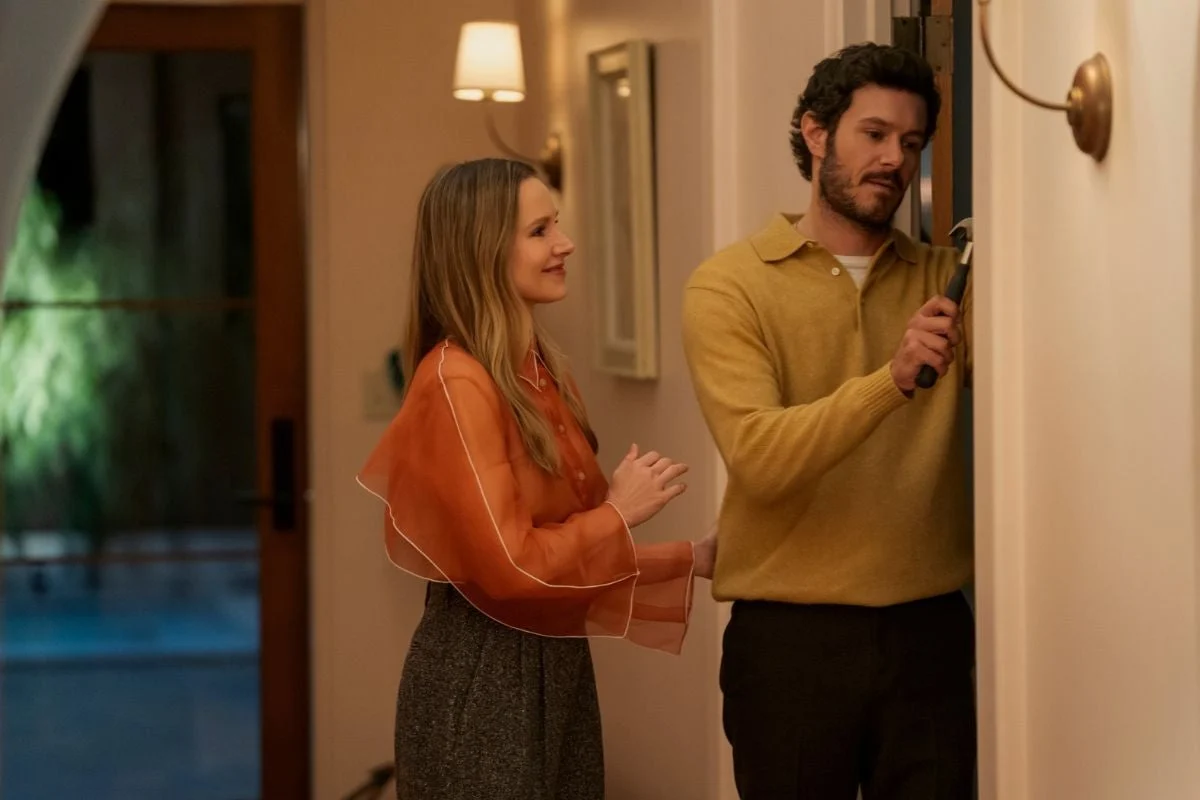
As the series continues to explore the complexities of cultural integration, conversion, and commitment, these traditional milestones serve not only as pivotal plot points for the characters, but also as windows into authentic Jewish practices. By weaving these customs into the fabric of television storytelling, the creators provide mainstream audiences with a nuanced look at rituals that mark significant life transitions and domestic milestones within the Jewish community.
Hanukkat Habayit
In the third episode of the third season, the central characters, Noah and Joanne, embark on a major relationship milestone by throwing a housewarming party to celebrate their shared living space. During the preparations, Joanne suggests a specific Jewish ritual to mark the occasion: hanging the final mezuzah on their doorpost. Impressing Noah with her growing familiarity with Jewish customs, she notes that the gathering can be framed as a hanukkat habayit.
A hanukkat habayit is a traditional Jewish custom rather than a strict legal commandment, meaning that the specific observances associated with it can vary widely depending on family background, geographic origin, and personal preference. However, Joanne’s instinct is entirely accurate; hanging a mezuzah is one of the most common and enduring ways individuals choose to fulfill this domestic custom. Linguistic enthusiasts may also note the etymological connection between the term and the winter holiday of Hanukkah. Both words share a foundational Hebrew root meaning “dedication,” with hanukkat habayit translating directly to the “dedication of the house.”
Because the custom is rooted in tradition rather than rigid law, its historical execution has taken many forms. For Sephardic Jewish communities in Amsterdam during the eighteenth century, a hanukkat habayit served as a formal occasion for communal Torah study and scholarly reflection. In the fictional world of Noah and Joanne, the ritual takes on a decidedly more contemporary television flavor, serving as a convenient social backdrop to make Joanne’s ex-boyfriend jealous and to impress Noah’s professional colleagues.
For many viewers, the term itself may be entirely unfamiliar—a reality playfully acknowledged in the show when Noah humorously remarks that the custom feels “too Jewish” for his immediate comfort. Yet, the underlying impulse behind the ritual is universally relatable. The custom transforms the basic, practical act of moving into a new residence into an intentional opportunity to gather loved ones under one roof, share a meal, and celebrate a fresh chapter in life. It reflects a cultural tendency to take a meaningful domestic milestone and infuse it with community, food, and connection, turning a simple housewarming into a profound act of home-making.
The Mikveh
As the narrative arc of season three reaches its climax in the final episode, Joanne formally completes her conversion to Judaism. A central element of this transformative journey involves visiting the mikveh, a traditional ritual bath designed for spiritual immersion. According to Jewish law, immersion in a mikveh is prescribed ahead of specific major lifecycle events, including formal conversion to Judaism and marriage, making Joanne’s ritual bath the natural and timely culmination of her spiritual preparation.
The theological and psychological dimensions of the mikveh are profound. As educational resources like My Jewish Learning explain, the waters of the ritual bath are designed to provide a symbolic spiritual cleansing from past actions and experiences. Within the framework of Jewish law, an individual who completes the conversion process and emerges from the waters is viewed similarly to a newborn child. This spiritual rebirth prepares the convert to engage with God, the community, and the world with a renewed spirit, unburdened by the past and oriented entirely toward the future. While this transition does not invalidate the meaningful experiences of a person’s prior life, it establishes that history as a prologue to a new identity and life as a member of the Jewish people.
While television drama often takes creative liberties, Joanne’s choice in the series to utilize the ocean as her natural mikveh is entirely kosher according to traditional standards, which permit natural bodies of living water. However, physical spaces designated for this purpose vary significantly across different communities. In the show, Joanne humorously compares traditional indoor facilities to a modest motel hot tub. In reality, while some historical or community spaces may be simple, others are meticulously designed, modern, and even spa-like in their architecture and amenities, reflecting the dignity and emotional weight of the ritual.
The ceremony itself follows precise protocols that vary slightly depending on specific community customs. In Joanne’s depiction, the process involves submerging herself fully beneath the water three separate times, reciting a specific traditional prayer with each immersion. The sequence begins with the standard blessing for the mikveh, followed by the foundational declaration of faith known as the Shema, and concludes with the Shehechiyanu, a blessing expressing gratitude for reaching a new and joyous milestone in time.
Following these solemn and deeply personal ceremonies, post-immersion celebrations within real-world communities vary widely, though renting an expansive beach house is perhaps unique to the dramatic license of television storytelling. Nevertheless, the integration of these authentic cultural and religious milestones into a popular streaming series underscores a broader trend of bringing lesser-known traditions into the mainstream cultural conversation.
