American students are facing a prolonged academic slump, and educators, parents, and policy experts are increasingly debating the root causes behind the decline. Recent educational metrics, including data from the 2024 Nation’s Report Card, highlight a persistent downward trend in academic performance across the United States. According to the federal data, the average reading score for fourth-grade students nationwide dropped by two points compared to 2022 and fell a striking five points from pre-pandemic benchmarks in 2019.
This ongoing slide has reignited intense discussions about how children learn, what forces might be hindering their educational progress, and whether modern classrooms are adequately preparing them for academic independence. While many analysts point directly to the disruptions of the COVID-19 pandemic—including prolonged school closures and shifting instructional formats—others look to modern lifestyle distractions. The proliferation of smartphones, ubiquitous social media platforms, and emerging artificial intelligence tools are frequently cited as digital temptations that pull children away from deep, focused learning. Traditional distractions like television, immersive video games, and constant media consumption also compound the challenge.
However, experienced educators and parents argue that focusing solely on external distractions misses a fundamental piece of the puzzle. Wendy Díaz, an author, educator, and mother of six who has spent two decades navigating the American school system, believes the conversation needs to shift toward how students are actually taught to handle academic material. Drawing from her extensive experience in both the household and the classroom, Díaz suggests that many children today possess the willingness to learn but lack a vital foundational skill: they have never been explicitly taught how to study.
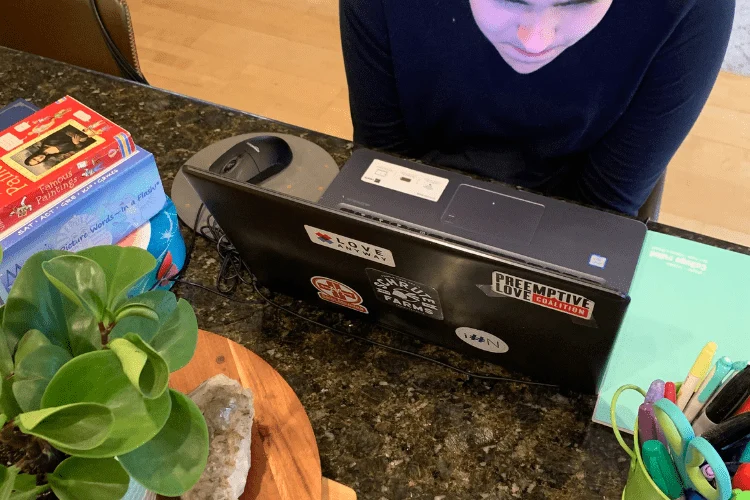
This gap in traditional study skills has become glaringly apparent in modern classrooms and homes, where digital devices and software platforms have largely replaced physical textbooks and paper notebooks. Díaz, observing the daily academic routines of her own children in elementary and middle school, notes a dramatic shift in how schoolwork is managed. Physical textbooks rarely make their way home, remaining instead locked inside classroom desks. Most afternoons yield little more than a take-home folder containing graded assignments and the occasional worksheet.
While students regularly utilize school-assigned laptops and specialized digital learning programs during the school day, these devices are typically kept at school, leaving students without digital access once the final bell rings. Compounding the issue, despite supply lists requiring numerous composition books and notebooks at the start of the school year, students frequently return home without class notes or study guides.
Without textbooks, comprehensive notes, or remote access to classroom materials, families face a perplexing dilemma. Educational experts and parents alike are left wondering what students are actually expected to review at home and how they can possibly cultivate independent study habits without the necessary tools. As schools increasingly lean on technology to streamline instruction and administer coursework, a critical question emerges regarding who this digital transition is ultimately serving best: the students navigating the material or the educators managing the workload.
Technology undoubtedly offers valuable utilities in modern education, but critics warn that its dominance can easily eclipse time-tested, analog teaching practices that are essential for cognitive development. Fundamental pedagogical strategies—such as reading aloud, handwriting practice, rigorous spelling drills, and looking up unfamiliar words in physical reference books—risk falling by the wayside in a hyper-digitized environment.
This critique does not necessarily call for a return to heavy backpacks overflowing with evening assignments. Many educators agree that burdening children with piles of homework after a grueling seven-hour school day is counterproductive and harmful to student well-being. Instead, the focus must be placed on teaching students the mechanics of studying itself. Rather than simply delivering vast amounts of information and expecting students to absorb it instinctively, educators and parents need to actively impart strategies for retaining, processing, and applying knowledge. This developmental process must occur collaboratively, bridging the gap between the classroom and the home environment.
Addressing this educational challenge requires a serious intervention aimed at equipping students with effective learning methodologies. For many advocates, this means embracing a degree of "old-school" methodology by scaling back an over-reliance on digital interfaces and restoring physical spaces for reading, writing, tactile practice, and independent academic exploration.
A significant part of this shift involves rethinking everyday communication and preparation habits. In many modern classrooms, teacher-to-student communication regarding assignments has been largely replaced by digital apps and portals directed exclusively at parents. While intended to keep families informed, these notification systems can easily overwhelm working parents juggling multiple responsibilities. When busy adults miss these digital alerts, children frequently lose track of key project details, leaving them unsure of their responsibilities or how to properly prepare for upcoming assessments. Encouraging students to manually record homework instructions, project guidelines, and daily expectations in a physical planner or notebook fosters personal accountability, transforming them into active participants who take true ownership of their education.
Similarly, the methods students use to decode and understand new vocabulary warrant a reevaluation. While modern tools offer instant digital gratification through quick web searches or automated AI assistance, educational advocates emphasize the cognitive benefits of traditional reference materials. Keeping a print dictionary within arm’s reach encourages children to pause, investigate, and actively contextualize unfamiliar terms by writing definitions in their own words and constructing original sentences. The tactile process of flipping through pages, navigating alphabetical order, and accidentally discovering neighboring words builds essential information-retrieval skills that digital shortcuts cannot replicate.
Classroom and household routines can also be significantly enriched by returning to classic instructional techniques like read-aloud sessions and structured dictation. Many adults fondly remember teachers reading aloud from novels chapter by chapter, a practice that fosters listening comprehension, sustained attention, and a lifelong appreciation for literature. Establishing similar short, daily reading routines—lasting just ten or fifteen minutes—can bridge the gap between home and school. Pairing these sessions with occasional dictation exercises, where children listen to sentences, write them down by hand, and compare their work to the original text, strengthens critical listening, spelling, and compositional skills simultaneously.
Furthermore, students frequently face high-stakes exams without ever receiving explicit instruction on how to curate, organize, and synthesize information from a lesson. Teaching children how to maintain structured subject-specific notes—whether through concise summaries, visual charts, conceptual diagrams, or mind maps—provides them with tangible frameworks for reviewing material. When studying at home, asking a child to explain a single core concept from their notes in their own words proves far more effective than passive rereading.
Interactive study tools like flashcards further reinforce active recall, helping students master complex vocabulary, mathematical formulas, scientific terminology, and historical timelines. By prompting themselves with a question, attempting an answer before flipping the card, and systematically isolating missed items for subsequent review, students engage in metacognition—evaluating what they genuinely know versus what requires additional effort. Distributed practice over several days yields far stronger retention than last-minute cramming the night before an exam.
Collaborative learning structures, such as peer quizzing, offer yet another avenue for reinforcing knowledge. By generating their own questions from class notes, taking turns quizzing a classmate or family member, and verbalizing explanations for disputed answers, students deepen their conceptual understanding through active dialogue.
Finally, integrating creative outlets like art and music into the study routine can transform studying from a grueling chore into an engaging exploration. Allowing students to sketch the water cycle, illustrate historical timelines, create comic strips depicting narrative sequences, or set academic facts to rhythm and rhyme makes abstract information memorable. When children can successfully explain their drawings or recite their educational songs without referencing their notes, they demonstrate true mastery.
Ultimately, these approaches highlight a broader consensus among educators and parents: improving academic outcomes requires more than simply adjusting curriculum standards or managing external distractions. It demands a deliberate commitment to teaching children how to approach new information, practice effectively, and retrieve knowledge when called upon. Cultivating these core competencies not only boosts academic performance and test scores but also builds lasting student confidence, laying a robust foundation for a lifetime of independent learning.
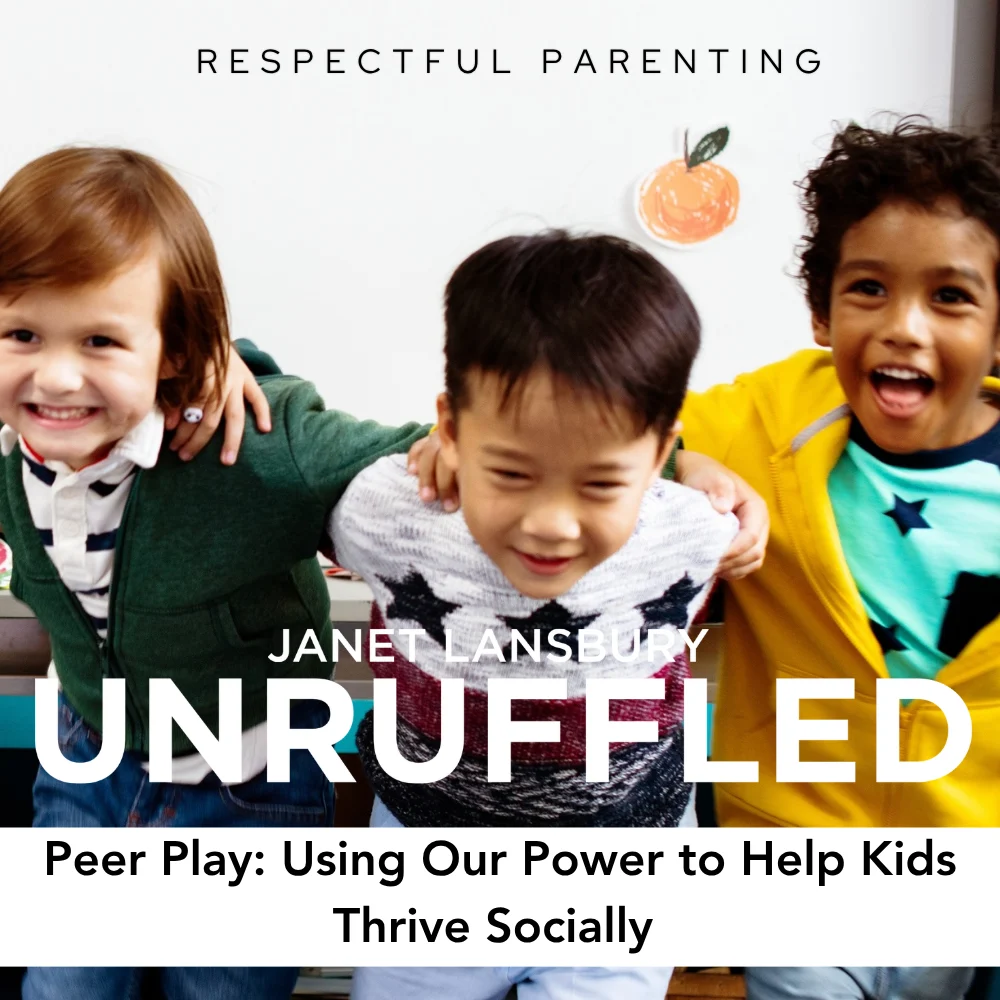
In the complex landscape of early childhood development, navigating peer interactions is often one of the most challenging hurdles for young children and their parents alike. Whether a 4-year-old struggles when friends refuse to follow rigid rules of play, a 3-year-old remains reserved around unfamiliar people, or a preschooler faces exclusion within a larger group, social dynamics can quickly become a source of parental anxiety. In a recent episode of her parenting podcast, Unruffled, early childhood expert and author Janet Lansbury addressed these common dilemmas, offering a fresh perspective on how parents might be inadvertently fueling these challenges and how they can pivot to foster genuine resilience, confidence, and social competence.
Analyzing messages from three distinct families, Lansbury highlighted a common thread: the fundamental desire of parents to help their children succeed socially. While conventional wisdom often points toward direct instruction, modeling kindness, or intervening to resolve playground disputes, Lansbury argued that the most effective parental influence operates beneath the surface. According to her approach, parents wield significant power not merely through direct teaching, but through the establishment of firm, reasonable boundaries and the difficult practice of truly trusting a child’s developmental process.
The discussion first turned to an email from a parent carrying the subject line "Help! Pretend play disaster." The mother described her imaginative 4-year-old daughter, who spends a vast majority of her day immersed in character play inspired by books, podcasts, and audio stories. While her boundless imagination is a hallmark of her age, a major friction point had emerged: the child demanded absolute compliance from her play partners, scripting every line and action. If a parent—or a friend—deviated by even a single word, the young girl would abruptly halt the game, express deep frustration, and insist on starting over from the beginning.
Although this exacting control manifested comfortably enough with her parents, the behavior had increasingly spilled over into peer interactions with neighbors and lifelong friends. When other children inevitably rejected these stringent directions, the interactions frequently ended in tears, leaving the parents caught in a loop of confusion after a full year of hoping the phase would naturally resolve.
Addressing this scenario, Lansbury noted that parents often fall into the trap of over-accommodating their child’s imaginative demands out of a desire to be supportive and encouraging. However, when a child’s demands in play become entirely unreasonable, it frequently signals an underlying call for a healthy, reasonable boundary from the adult. Lansbury explained that children often push boundaries to their absolute limits as a mechanism to process broader emotional experiences, such as adjusting to sibling dynamics—like the arrival of a younger sibling—or simply managing the overwhelming lack of control they feel in their everyday lives at age four.
Rather than attempting to satisfy impossible demands or continuously explaining why the game isn’t fun, Lansbury advised parents to step back and reclaim their own autonomy. By recognizing personal discomfort and refusing to play along under rigid, dictatorial terms, parents establish vital modeling for how relationships function in the real world. This boundary-setting teaches children that peers and adults will not always acquiesce to their every demand, providing a safe container at home where the child can fully express disappointment, anger, or sadness without the parent trying to instantly fix or rescue them from those natural feelings.
The second parental message explored a related theme under the heading "How does respectful parenting approach bullying?" A mother of a 4.5-year-old girl shared concerns regarding playground dynamics where older preschool peers—who were a year ahead in school and developmental maturity—frequently excluded her daughter, casting her as a monster, running away, or engineering scenarios designed to upset her. While the child maintained healthy one-on-one friendships with these girls, group settings consistently left her vulnerable. The situation had grown complex enough that other parents had begun intervening, with one father successfully stepping in by establishing a rule that the group must include her daughter or face going home.
Lansbury cautioned against immediately categorizing such interactions as bullying, noting that the term is often applied too broadly to young children. She emphasized that a one-year age gap during the preschool years represents a substantial disparity in social-emotional development, making it entirely natural that older children might gravitate toward peers on a similar wavelength. Rather than viewing the situation as a crisis or casting the young girl as a victim, Lansbury advocated for stepping back from the urge to intervene or fix the group dynamic.
While gestures like the father’s ultimatum offered temporary inclusion, Lansbury suggested that such adult interventions ultimately bypass the child’s opportunity to navigate social realities independently. True growth, she argued, comes from allowing children to experience normal rejections, assess whether they want to participate in challenging group environments, and process their feelings afterward with a supportive parent who neither pities them nor treats ordinary social friction as an emergency.
The final inquiry, submitted via a brief Instagram Q&A, addressed how to help a reserved 3-year-old become comfortable around other people. Lansbury underscored that the guiding principle for a reserved child mirrors the philosophy required for handling peer exclusion: profound trust. Coaxing, prompting, or attempting to force a child out of their shell communicates a subtle message that their natural temperament is a flaw that needs correcting. Instead, Lansbury encouraged parents to honor their child’s timeline, allowing them to observe social situations safely from the sidelines while maintaining their own parental boundaries and unruffled presence.
Throughout the episode, Lansbury reiterated that while parents possess a profound capacity to influence their children’s social development, that influence rarely stems from immediate fixes or perfect scripts. By leaning into self-care, establishing clear and reasonable boundaries, and extending deep trust to their children’s unfolding experiences, parents can provide the steady foundation necessary for young children to navigate the intricate world of peer relationships on their own terms.
In the modern kitchen, the secret to elevating a simple weeknight dinner often comes down to pantry staples that require minimal effort yet deliver maximum flavor. For home cooks looking to streamline meal preparation while avoiding the hidden additives found in commercial products, the answer increasingly lies in making homemade spice blends and sauces. Among the most versatile and rewarding of these pantry staples is a classic Mediterranean-inspired Greek seasoning, a savory herb combination that can instantly transform ordinary meats, vegetables, and marinades into vibrant dishes.
The appeal of crafting these blends at home goes far beyond simple culinary satisfaction. Many pre-made seasoning packets and bottles purchased off supermarket shelves contain a host of unwanted additives, including fillers, preservatives, added sugars, and anti-caking agents that many consumers prefer to keep out of their kitchens. By blending spices independently, cooks retain total control over the ingredients, choosing precisely what goes into the jar and what is left out. Furthermore, freshly mixed DIY versions frequently surpass store-bought alternatives in flavor, avoiding the stale taste that often plagues spice jars that have been sitting on retail shelves for months.
What Is Greek Seasoning?
Greek seasoning is a deeply aromatic, Mediterranean-rooted blend of herbs traditionally utilized to add complexity and depth to a wide array of culinary applications, ranging from roasted meats and fresh vegetables to savory sauces and marinades. At its core, the blend combines classic Mediterranean flavors such as oregano, basil, dill, garlic, and rosemary, resulting in a savory profile that adapts seamlessly to diverse recipes.
Oregano serves as the foundational pillar of the blend, offering a distinctively pungent and earthy taste that extends far beyond traditional Italian seasoning applications. Complementary herbs like basil, parsley, dill, thyme, and rosemary are incorporated to balance the flavor profile, hitting multiple sensory notes simultaneously. Meanwhile, garlic powder and onion powder provide a robust, savory base that anchors the blend’s versatility, while a subtle touch of cinnamon introduces an unexpected layer of warmth.
Beyond culinary enhancement, incorporating a diverse array of dried herbs into daily cooking offers an easy mechanism for introducing various micronutrients, antioxidants, and antimicrobial compounds into everyday meals. For thousands of years, cultures across the Mediterranean and beyond have utilized culinary herbs not merely for their ability to improve the palatability of food, but also for their long-standing associations with overall wellness and traditional health practices.
Why You Should Make Your Own Seasonings
The movement toward creating more pantry staples at home is driven largely by the desire to simplify ingredient lists without sacrificing flavor or quality. For busy households, particularly those managing large families, purchasing single-ingredient spices in bulk and mixing custom blends at home offers a significantly more economical solution than continually buying pre-blended jars. Seasoning blends represent one of the most accessible entry points for home cooking from scratch, requiring only a few minutes of active preparation time while yielding products that remain shelf-stable for months.
Maintaining a ready supply of a reliable Greek seasoning jar can completely change the dynamic of everyday cooking, offering an instant upgrade to simple meals. A plain chicken breast, a tray of roasted root vegetables, or even a basic green salad can be elevated instantly with a mere pinch of the homemade blend.
Another primary advantage of crafting these staples at home is the inherent flexibility of the process. Culinary preferences vary widely from household to household; individuals who favor a more pronounced garlic profile can easily increase the proportion, while those who prefer a brighter herbal note can adjust the amounts of oregano, basil, or dill accordingly. This adaptability underscores the fundamental appeal of scratch cooking, allowing recipes to evolve alongside individual tastes.
How to Use Greek Seasoning
The true strength of a well-balanced Greek seasoning lies in its remarkable versatility, making it equally well-suited for rapid weeknight dinners and more intricate culinary undertakings. The blend can be sprinkled generously over chicken before grilling, incorporated directly into ground meat for burger patties, or tossed with seasonal roasted vegetables such as zucchini, summer squash, and asparagus to enhance their natural flavors.
One particularly popular application involves tossing diced potatoes with high-quality olive oil, sea salt, and a generous measure of the seasoning blend before roasting them at high heat. The resulting combination of oil and dried herbs creates a remarkably crispy, savory exterior coating that easily rivals dishes served in restaurants.
Beyond roasted and grilled preparations, the blend can be seamlessly integrated into homemade salad dressings, dusted over morning eggs, or stirred directly into plain Greek yogurt to create a fast and flavorful vegetable dip. This approach allows home cooks to impart complex Mediterranean flavors into dishes without relying on complicated, heavy sauces or excessive extra ingredients.
For individuals seeking efficient meal preparation strategies, the seasoning also serves as an ideal foundation for a simple marinade. By combining the Greek seasoning blend with extra virgin olive oil and fresh lemon juice, cooks can quickly prepare a marinade for chicken prior to cooking. The resulting dish yields exceptionally tender, juicy meat infused with a bright, vibrant profile characteristic of traditional Mediterranean cuisine.
Proper storage is key to maintaining the potency and freshness of the blend over time. When kept in a tightly sealed, airtight container stored away from direct heat and light, a homemade Greek seasoning blend will retain its peak flavor and aroma for up to six months, ensuring that a quick flavor upgrade is always within reach for future meals.
The formative years shared by the two artists—better known to music fans worldwide by their respective monikers Panda Bear and Deakin—offer a fascinating look into how early educational environments can deeply influence creative trajectories. A recent feature in GQ magazine, titled "Panda Bear’s Long Road Home," brings renewed attention to the enduring friendship and shared artistic origins of the two musicians, tracing their journey from childhood classmates in Baltimore to influential figures in contemporary experimental music.
The foundation of their creative partnership was laid within the unique academic and artistic ecosystem of the Waldorf School of Baltimore. The institution, which champions an educational philosophy centered on holistic development, individuality, and imaginative exploration, provided a starkly different backdrop than a traditional public school setting. For Lennox and Dibb, this environment fostered an early comfort with artistic risk-taking and divergent thinking that would eventually manifest in Animal Collective’s groundbreaking sonic experiments.
Reflecting on his time at the institution, Noah Lennox has spoken candidly about the distinct atmosphere that defined his childhood education. Describing an environment heavily saturated with the arts, Lennox recalled a daily routine rich in creative expression. There was a constant presence of drawing, painting, and music woven into the academic day. He also noted unique pedagogical practices specific to the Waldorf method, such as eurhythmy—a movement art created by Rudolf Steiner that combines speech, music, and choreography. According to Lennox, these methods intentionally allowed children to remain immersed in a dream world of imagination for as long as possible, shielding traditional academic pressures in favor of emotional and creative resonance.
The narrative detailed in the GQ feature expands on this history by exploring how Josh Dibb entered this creative fold. Dibb joined the Waldorf School of Baltimore at the conclusion of second grade, having previously experienced a period of homeschooling. Stepping into a structured yet highly artistic school community presented a major shift for young Dibb, but it was also the catalyst for a life-altering meeting with Lennox.
The initial impression Lennox left on his new classmate remains vivid in Dibb’s memory. Recalling their early days together, Dibb noted that Lennox immediately struck him as someone distinct. While acknowledging that "special" might be a generic term, Dibb emphasized that his future bandmate possessed a constellation of attractive qualities that set him apart. Even at a young age, Lennox was athletic, exceptionally smart, and already exhibited clear evidence of a vibrant creative spark. Dibb humorously contrasted his own physical coordination with Lennox’s natural grace, noting that while his friend was gifted at anything physical, he himself felt he had two left feet.
Despite their differing early inclinations, the two boys forged a bond anchored in a mutual appreciation for creativity and a shared sense of curiosity about the world around them. This childhood alliance eventually evolved into a lifelong friendship that would withstand the test of time, geography, and the unpredictable ebbs and flows of the modern music industry.
The story of Lennox and Dibb is ultimately one of enduring friendship, artistic courage, and the development of a shared creative language that has sustained them through decades of artistic output. As core members of Animal Collective, both musicians have continually challenged conventional song structures, blending avant-garde noise, intricate vocal harmonies, and psychedelic textures into critically acclaimed bodies of work. Their collective and solo endeavors have left an indelible mark on independent music over the past twenty years, influencing generations of musicians who look to them as pioneers of texture and sound.
For educators, parents, and alumni associated with Waldorf education and alternative schooling models, the trajectory of Panda Bear and Deakin serves as a compelling and resonant reminder of how the earliest seeds planted in childhood education can shape lifelong paths. The freedom to imagine, to explore unconventional modes of expression, and to cultivate individuality within a supportive community can provide artists with the resilience and vision needed to carve out entirely new paths in their chosen fields. As "Panda Bear’s Long Road Home" illustrates, the echoes of those formative classroom days in Baltimore continue to reverberate through the enduring work and lifelong collaboration of two childhood friends.
Readers seeking a structured approach to spiritual growth and daily inspiration now have a new resource to help them engage with one of the foundational texts of the New Thought movement. Organizers have introduced a specialized reading checklist designed to help individuals journey through Ernest Holmes’s seminal work, “The Science of Mind,” over the course of a single year, making the profound teachings of the text accessible in manageable daily portions.
The initiative is designed to invite readers into a consistent, daily practice of reflection and study. By breaking down a comprehensive and historically significant philosophical work into daily readings, the program removes the intimidation factor that often accompanies dense spiritual literature. Instead of confronting the entire volume at once, participants can absorb the material gradually, allowing the core principles to integrate naturally into their daily lives and routines.
This comprehensive reading list was compiled with care and dedication by Rev. Dr. Edward Viljoen of the Center for Spiritual Living, Santa Rosa. Known for his deep understanding of New Thought philosophy and his commitment to making spiritual principles practical for contemporary life, Rev. Dr. Viljoen structured the curriculum to guide seekers systematically through the philosophical, metaphysical, and spiritual concepts articulated by Holmes. Readers interested in following along with the program can find the entire year of readings through the official online readings archive provided by the organization.
The effort to promote this daily reading routine underscores a broader, ongoing interest in the teachings of Ernest Holmes, who founded Religious Science and authored “The Science of Mind” first published in 1926. Holmes’s work synthesizes universal spiritual truths, ancient wisdom, and modern psychological insights, proposing that individuals can transform their personal lives and experiences through a shift in consciousness and the disciplined use of constructive thought. The text serves not merely as a book of philosophy, but as a manual for practical living, mental healing, and spiritual realization.
For those looking to align their current studies with the broader schedule, specific monthly resources are continually made available to the public. As part of this ongoing provision of study materials, the designated reading schedule for October 2026 has been officially highlighted and released for public access, allowing participants to sync their daily reflections with the broader community of readers traversing the text together. This structured accessibility ensures that whether someone is picking up the book for the first time or returning to its pages for a deeper study, they have a clear and supportive roadmap to follow.
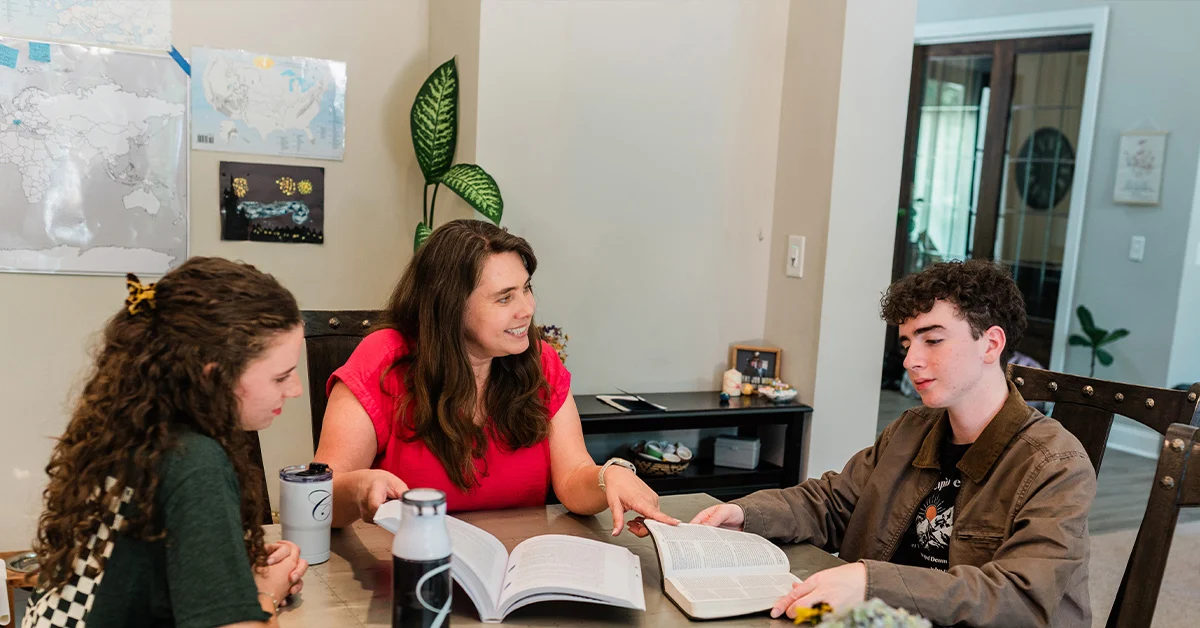
As homeschoolers transition from the hands-on instruction of elementary years to the rigorous landscape of high school, a fundamental shift takes place in the daily routine. A Challenge-level homeschool schedule moves a family gradually from direct, daily oversight toward mentoring, year by year, with the ultimate objective that every homeschool parent shares: teaching a child how to learn anything independently. This evolutionary shift in household rhythm is something that families participating in Classical Conversations programs look forward to as their children mature.
The foundational years spent attending to nature on walks, observing the world, and memorizing new grammar around the kitchen table build something durable. When a student enters the Challenge level, that foundation begins to bear fruit in an entirely new way. Spanning from Challenge A through Challenge IV, the program requires students to take on increasingly more of the work of learning. Simultaneously, parents step back from direct instruction and step into the vital role of mentor and guide.
Despite this growing independence, family conversation and discussion remain the anchors of the week. What a parent gives up in daily instructional time, a family gains in depth: richer debate and more meaningful discussion as a student grows increasingly able to engage complex ideas alongside the people who raised them. A Challenge-level homeschool schedule looks different by design, reflecting a deliberate pedagogical shift toward independent academic ownership.
Understanding what that schedule can look like, how to balance independent study with a weekly community day, and how to build a daily rhythm that an entire household—from the youngest reader to the oldest Challenge IV student—can live inside is essential for modern homeschooling families navigating these advanced years.
Why Challenge-Level Scheduling Looks Different from the Elementary Years
In earlier programs like Foundations, a homeschool schedule typically centers heavily on the parent, moving through memory work subjects side by side with a young student. In the Challenge levels, however, that same schedule reorganizes itself around the student’s own independent work. Parents shift from being the primary instructor to acting as a coach and accountability partner. Crucially, this transition does not represent a loosening of academic standards.
Challenge students typically invest 20 to 25 hours each week in their studies. One community day, usually lasting six to seven hours, anchors four additional days of coursework completed at home across the program’s six core strands: Logic, Research, Reasoning, Debate, Grammar, and Exposition. Because programs ranging from Challenge I through IV function as complete, college-preparatory homeschool curriculums for high school, establishing a workable and sustainable schedule matters just as much as the rigorous coursework itself.
This shift asks something entirely new of parents as well. Rather than teaching every academic topic firsthand, a parent is tasked with training a student to assess a workload, prioritize tasks, and complete assignments with growing independence. These executive functioning skills carry a student well beyond graduation and into higher education or the professional world.
Older Challenge students are capable of doing far more of their own work than they, or their parents, might initially expect. While they will still have questions, and while they will still need a parent to check completed assignments and provide consistent accountability, the bulk of the day for an older Challenge student can and should be spent working largely on their own. This allows a parent’s attention to shift toward younger children who are not yet ready to learn independently.
A Sample Challenge-Level Daily Schedule
Every family’s daily rhythm looks a little different, reflecting their unique household dynamics, outside commitments, and the specific ages of their children. However, a sample Challenge-level homeschool schedule at home generally prioritizes large blocks of uninterrupted independent study time. Mornings often begin with communal anchors, such as shared reading, discussion, or reflection, before students dive into their respective strands.
Throughout the day, students manage their workloads across logic, research, and writing assignments, consulting with parents during designated check-in windows rather than relying on constant hand-holding. This self-directed workflow prepares them directly for the expectations of higher education.
On community day, the rhythm shifts entirely. While parents and younger children attend Foundations programs, older students undertake a rigorous seminar of discussion, debate, presentations, and hands-on work alongside their Tutor and classmates. Afterward, everyone returns home ready to apply what they practiced to their next set of independent discussions and assignments.
Families with several children often find that community day, more than any other single day of the week, reveals how effectively the rest of the week’s rhythm is functioning. A student who arrives at a seminar unprepared typically points to a gap somewhere in the independent study blocks at home, rather than a lack of innate ability. Meeting regularly with Challenge students throughout the week adds a critical level of accountability that directly enhances their community day conversations.
Balancing Independent Study Time with Community Day
The heart of a Challenge-level homeschool schedule is the delicate relationship between independent study, parent partnership, and the weekly community day. A family’s Challenge Guide lays out the academic year’s six strands, and a student’s Tutor partners with the family to facilitate weekly discussions, model effective learning strategies, and offer support when the workload feels heavy. Neithering of these resources, however, replaces a parent’s fundamental role as a student’s primary teacher and mentor.
Digital resources like CC Connected, the member portal, offer strand-specific notes, video tutorials, and discussion guides that can shape how a family builds the at-home portion of the schedule around each week’s specific assignments. Many parents find that spending just fifteen minutes each weekend previewing the coming week—much like planning meals and assignments for younger students—keeps the independent study blocks focused and productive instead of aimless.
Balance within this framework also means protecting relational health, not just academic productivity. A homeschool routine is ultimately a rhythm, rather than a rigid rule. Even a demanding Challenge-level schedule benefits greatly from anchors at the start and close of the day, whether that is shared reading and reflection in the morning or a relaxed meal and conversation in the evening. Those relational anchors matter just as much for a sixteen-year-old in Challenge III as they did when that same student was reciting basic memory work years earlier in Foundations.
When the Schedule Needs Adjusting
Even a meticulously built Challenge-level homeschool schedule will need adjusting from time to time, and experiencing friction is never a sign of educational failure. If a student consistently arrives at community day unprepared, parents should look first at whether the independent study blocks have enough structural support, rather than immediately assuming the student simply needs to log more hours in the day.
Conversely, if a student moves through assignments with time to spare, that pace may be an invitation to add depth and exploration rather than simply piling on more busywork. Keeping a pencil handy to revisit and revise the schedule as often as real life requires is part of the process. A schedule that successfully flexes to meet a difficult week is a schedule that is doing its job well.
Frequently Asked Questions About Homeschool Schedules
Families transitioning into the advanced tracks often have practical questions regarding how the structure evolves. A Challenge-level homeschool schedule differs from elementary models by shifting decisively toward independent study and student-led time management, all supported by the weekly community day. The underlying mission remains teaching children the durable skills required to learn anything entirely on their own.
Older homeschool students should certainly still follow a set schedule, though it typically becomes far more flexible and student-owned than a young learner’s rigid daily checklist. In terms of time investment, Challenge students generally commit between 20 and 25 hours a week to their studies, split between at-home coursework and the community day, which usually runs for six to seven hours.
Building a Schedule Your Family Can Grow Into
A Challenge-level homeschool schedule is not simply an elementary schedule with a few more hours of independent work tacked on. It represents an entirely different kind of daily experience, deliberately built to train a student in the ownership and personal discipline that will serve them well long after they complete Challenge IV.
By trusting the established educational process, leaning on the guidance of Challenge Tutors and Guides, and giving students the necessary room to grow into the responsibilities that advanced coursework invites, families can successfully navigate the transition from hands-on instruction to lifelong, independent mentoring.
As the year 2026 draws to a close, the final two months bring a rich and diverse array of religious, spiritual, and cultural holidays. Building upon the observances that took place throughout September and October, communities across the United States and around the world prepare to engage in centuries-old traditions, commemorative services, and festive gatherings. This period highlights the deep tapestry of American pluralism, reflecting the varied worldviews, histories, and beliefs that shape the cultural landscape during November and December.
The transition from autumn to winter begins with ancient roots. Spanning October 31 and November 1, Samhain is observed as a significant Pagan and Wiccan festival. Marking the definitive end of the harvest season and the transition into the darker half of the year, Samhain is widely considered by practitioners to be the Wiccan new year, a time for reflection, honoring ancestors, and acknowledging the cyclical nature of life and agriculture.
November opens with a series of solemn and vibrant commemorations deeply rooted in Christian history and Mexican cultural heritage. On November 1, Christians observe All Saints Day, also known as All Hallows Day. This traditional day is dedicated to honoring all the saints from Christian history, reinforcing a spiritual connection believed to exist between heaven and earth.
Concurrently, November 1 and 2 mark the observance of Día de los Muertos, or the Day of the Dead. Traditionally celebrated in contemporary Mexico and among communities of Mexican heritage in the United States, this holiday is rooted in the belief that the souls of the dead return to visit their living family members. Communities and families celebrate this spiritual homecoming by visiting the graves of deceased loved ones and setting up elaborate ofrendas, or altars, decorated with photographs, candles, and the favorite foods and drinks of those who have passed. Prominent symbols associated with the Day of the Dead include calacas, representing skeletons, and calaveras, depicting skulls. Well-wishers frequently greet one another during this time with the traditional phrase, "Feliz día de los Muertos."
The solemn reflections continue immediately following these celebrations. November 2 marks All Souls Day, a Catholic holy day dedicated to prayer and worship commemorating the souls of all the faithful departed, offering a space for grief, remembrance, and communal prayer.
Shifting to traditions originating in South Asia, November 8 brings Dev Diwali, also known as Dev Deepavali. Often referred to as "the Diwali of the Gods," this full moon celebration takes place precisely 15 days after the main festival of Diwali. Dev Diwali commemorates the Hindu goddess Ganga ma, who serves as the divine personification of the sacred river Ganges. According to Hindu mythology, this is the auspicious time when the gods descend to Earth to bathe in the holy waters of the Ganges, prompting millions of devotees to participate in nighttime rituals, light earthen lamps, and gather along riverbanks in spiritual devotion.
Later in the month, on November 24, the Sikh community observes two deeply significant historical events. The first is the Martyrdom of Guru Tegh Bahadur Sahib, commemorating the supreme sacrifice made by the ninth Sikh Guru to protect the fundamental rights of religious freedom for Sikhs and non-Sikhs alike. Sharing this date is the celebration of Guru Nanak Dev Ji’s Birthday, which marks the birth of the founder of Sikhism, a pivotal figure whose teachings on equality, selfless service, and devotion continue to guide millions worldwide.
The final days of November encompass a variety of distinct global and faith-based observances. On November 28, followers of the Bahá’í faith observe the Ascension of Abdu'l-Bahá. This sacred day marks the passing of the Bahá'í leaderAbdu’l-Bahá, whose life is remembered for modeling the core humanitarian and spiritual principles of the faith, serving as an enduring moral example for its followers.
As the month closes, November 30 brings St. Andrew’s Day, a Christian feast day celebrating the life of St. Andrew, widely recognized as the "first-called" among the twelve disciples of Jesus. Additionally, November 29 marks the beginning of Advent, a season observed within the traditional Christian calendar spanning through December 24. Derived from the Latin word adventus, meaning "coming," Advent is a period of spiritual waiting, reflection, and active preparation for the celebration of the birth of Jesus at Christmas on December 25.
Beyond specific religious feast days, November is officially recognized as Native American Heritage Month. This federally designated month celebrates the profound contributions, rich cultures, diverse traditions, and complex histories of Indigenous peoples to the United States, providing an opportunity for education and broader cultural appreciation nationwide.
The momentum of cultural and spiritual observance carries strongly into December 2026. The month begins on December 6 with St. Nicholas Day, a Christian holiday that commemorates Saint Nicholas, historically revered as the patron saint of children and the historical figure who inspired modern holiday gift-giving traditions.
December 8 marks multiple significant observances across different religious traditions. In Buddhism, practitioners observe Bodhi Day, which commemorates the historic day that Gautama Buddha attained enlightenment, known as bodhi in Sanskrit and Pali. Bodhi Day is typically observed in a quiet, contemplative manner, often involving meditation, chanting practices, the decoration of bodhi trees with colorful lights or ornaments, and sharing simple cups of tea and cookies. Simultaneously, Roman Catholics observe the Feast of the Immaculate Conception, celebrating the theological doctrine that the Virgin Mary was conceived without original sin.
Just a few days later, on December 12, communities observe the Feast Day of Our Lady of Guadalupe. This important holiday commemorates the miraculous appearance of the Virgin Mary to St. Juan Diego, an Indigenous man in Mexico in 1531. The feast day holds deep significance in Mexico and among Mexican Americans, serving as a powerful expression of religious devotion and cultural identity.
Mid-December also brings the festival of Hanukkah, or Chanukah, which runs from December 5 to 12, with celebrations beginning at sundown on December 4. This eight-day Jewish festival of lights features the ritualistic lighting of a candle on the Menorah each evening, the giving of gifts, traditional games played with a dreidel, and the culinary preparation of foods fried in oil, most notably the traditional latke potato pancake.
Running from December 16 to 24 is Las Posadas, a traditional religious festival translating to "The Inns" in Spanish. Celebrated widely throughout Mexico and in various communities across the United States during the Christmas season, Las Posadas dramatically commemorates the difficult journey Joseph and Mary made from Nazareth to Bethlehem prior to the birth of Jesus. Each evening of the festival, children, often led by a child dressed as an angel, participate in a candlelit procession through neighborhood streets, reenacting the search for shelter.
As the winter solstice arrives on December 21, Pagan and Wiccan communities celebrate Yule. This ancient holiday honors the turning of the year and the return of the sun, characterized by common themes of light, fire, feasting, and community gathering.
Christmas follows closely on December 25, standing as one of the most widely recognized Christian holidays commemorating the birth of Jesus Christ. The sequence of holiday observances continues on December 26 with St. Stephen’s Feast Day, honoring the life, ministry, and ultimate martyrdom of St. Stephen, recognized as the first Christian martyr known for his dedicated service to the poor.
Finally, the year concludes with Kwanzaa, an annual celebration of African American culture observed from December 26 through January 1. Established to honor African heritage and community bonds, Kwanzaa traditions often incorporate elements from various traditional African harvest celebrations. The week-long holiday features storytelling, music, traditional dances, and culminates in a communal feast known as Karamu, usually held on the sixth day of the celebration.
Interfaith America continues to seek contributions that present a wide range of experiences and perspectives from a diverse set of worldviews, exploring both the opportunities and the ongoing challenges of American pluralism. The perspectives and details presented in this overview reflect the varied ways communities mark the closing months of the calendar year, though the opinions expressed within individual traditions do not necessarily reflect those of Interfaith America, its board of directors, or its employees.
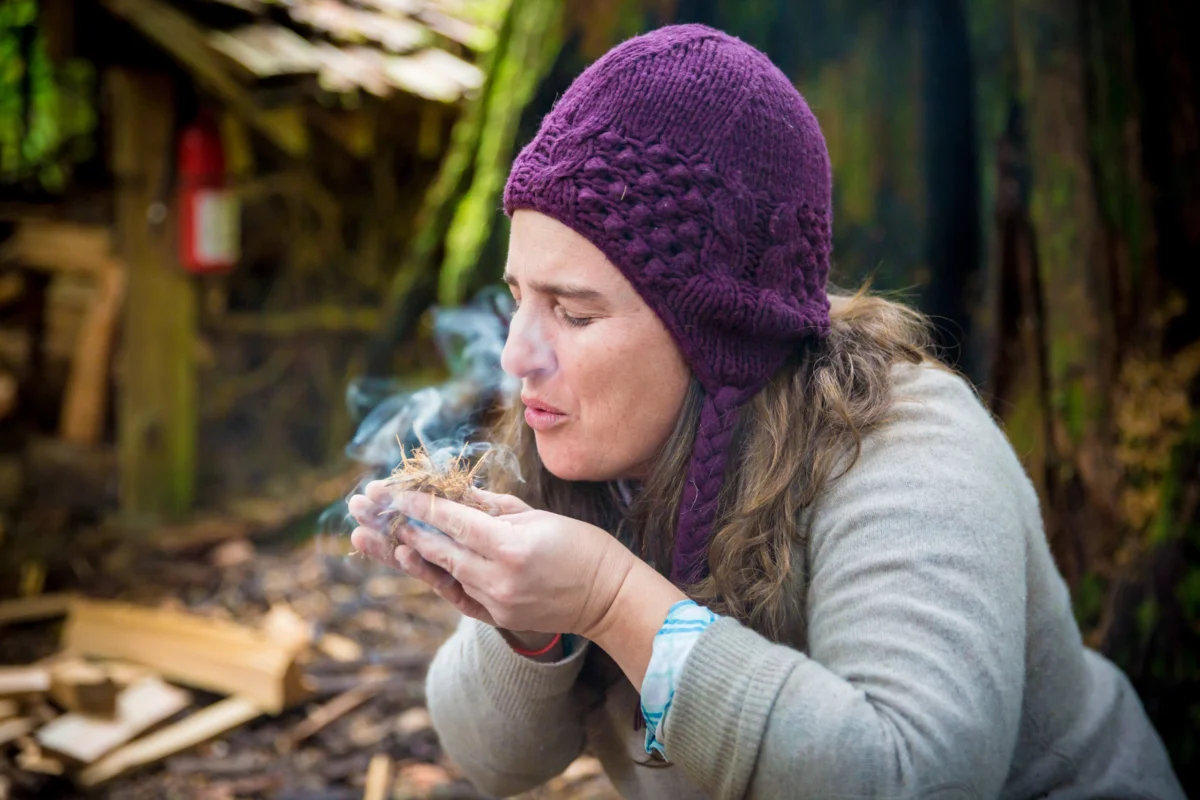
For many participants, the realization arrives quietly, often wrapped in the rustle of a Western Red Cedar or the sudden, sharp shift in the behavior of local wildlife. "Better late than never!" That is how one dedicated alumnus describes the day she finally registered for The Immersion program at the Wilderness Awareness School. Occasionally, graduates reflect on choices they might have made differently had they completed such a life-changing curriculum decades earlier. Yet, they often heed the timeless advice found in Galway Kinnell’s poem, Wait: "Distrust everything if you have to. / But trust the hours. Haven’t they / carried you everywhere, up to now?" In truth, entering The Immersion program happens at precisely the right juncture—at a specific point in an individual’s life when they are fully prepared to receive its profound teachings.
The relationship between this family and the school stretches back to the summer camps of 2010. That initial summer season served as a gateway to many more engagements with the organization over the years. Most notably, it included a pivotal year when the alumnus’s son participated in the Friday Community School program while he was in the sixth grade. At the time, he felt woefully underwhelmed and unchallenged by his standard middle school environment. However, those Fridays spent out on the land filled him with a joy fierce enough to protect and sustain him through the remainder of the regular school year. It proved to be a transformative, almost life-saving experience for the young student—and it sparked a desire in the parent to seek out that exact same connection for herself, ultimately leading her to enroll in The Immersion at the Wilderness Awareness School.
One of the enduring philosophies absorbed during the program centers on a vital awareness mantra: "Just because I didn’t know about something until now, doesn’t mean it wasn’t there all along." That perspective can apply to a multitude of scenarios in both the natural world and human society. It might refer to a barred owl perched quietly on a limb just overhead, a cougar silently stalking along the edge of a pond, a teenager subtly and desperately calling out for adult attention, or even a harmful pattern of privilege and unconscious bias that someone gently—or firmly—asks an individual to recognize and release. Developing this heightened state of perception is a core pillar of the time spent in The Immersion. While practitioners readily admit they remain imperfect in their application of these skills, the practice continually nudges them forward, fostering a deeper sense of curiosity, humility, and connection to their surroundings.
After successfully graduating from The Immersion in 2018, this alumnus did not step away from the community. Instead, she deepened her involvement by continuing into the Youth Nature Instructor Training program, becoming an active and contributing member of the school’s Equity Council, and regularly volunteering for both summer programs and school-year offerings. More recently, her dedication to the institution expanded further as she joined the Adult Nature Instructor Training program, stepping into a supportive role for the incoming cohorts of Immersion students.
This deep, ongoing dedication naturally raises a question: What is it about this specific program and community that continues to draw participants back year after year? The answer, veterans note, invariably comes down to two foundational concepts: awareness and camouflage.
Navigating daily life in an urban environment like Seattle involves balancing a diverse array of circles and responsibilities. This particular alumnus wears many hats within her local community: she serves on the board of a local outdoor preschool, remains active as a philanthropist, participates in parent-teacher associations at her children’s schools, and sits on the equity committees of three distinct organizations. Furthermore, she maintains a deep personal commitment to anti-racism work through ongoing self-reflection, participation in white caucus groups, and engagement in mixed-race communities of practice and action. Above all else, she identifies as a mother to three emerging adults—young people who are ultimately best served when she actively notices, listens deeply, and protects them for life’s challenges rather than trying to shield them from those inevitable experiences.
Before embarking on The Immersion, her understanding of camouflage was entirely conventional, bringing to mind clothing printed in splotches of green, brown, and tan, paired with similarly colored face paint caked onto the skin for tactical concealment. However, her perspective underwent a radical shift through her training. Today, she wryly notes that she considers herself to be in full camouflage when she is wearing a classic black dress and a string of pearls. Her instructors taught her that true camouflage is about blending seamlessly into the baseline of any given environment. Whether she is nestled quietly in a clump of sword ferns beneath a Western Red Cedar, sitting unobtrusively by a campfire surrounded by a circle of teenagers, or handling a salad fork with understated grace at a formal dinner inside a high-end hotel, the underlying principle remains the same. By mastering this art of blending in, an individual can accomplish remarkable, impactful work without causing unnecessary ripples or concentric rings of disturbance in their social or natural ecosystems.
Looking back across a decade of active participation, learning, mentoring, and community-building, the gratitude for the spaces found at the Wilderness Awareness School remains profound. It is a shared journey that began with a mother and her son, evolved through years of outdoor education and equity work, and continues to shape professional and personal endeavors alike, with many more years of growth and connection anticipated on the horizon.
For many adoptive parents, the moment an adopted child finally crosses the threshold of their home is often envisioned as the triumphant conclusion of a long and arduous process. From mountains of paperwork and home studies to international travel, court dates, and waiting periods, the path to bringing a child home can test the limits of a family’s emotional, physical, and financial reserves. However, organizations that work closely with the adoption community frequently emphasize a vital perspective that often catches new parents by surprise: bringing a child home is not the end of the adoption journey; in truth, it is merely the beginning.
Recognizing the complex, evolving needs of families as they transition into post-adoption life, organizations like Show Hope continue to expand their support systems to ensure that parents do not have to navigate the road ahead in isolation. Among these critical support mechanisms are Show Hope’s Medical Care grants, which are specifically designed to alleviate the heavy financial burdens associated with specialized healthcare, medical treatments, and therapeutic interventions for adopted children.
The reality for many families welcoming children through adoption—particularly those involving international adoption, older child adoption, or children with special needs—is that medical histories can be complex, incomplete, or entirely unknown. Once a child is integrated into a family, parents often encounter a wave of new medical discoveries, ranging from untreated congenital conditions and developmental delays to the long-term impacts of early childhood trauma and institutionalization. Addressing these needs often requires immediate access to specialized pediatric care, surgeries, medical equipment, and therapeutic services that can quickly overwhelm a family’s household budget.
To combat these challenges, Show Hope’s Medical Care grants provide substantial financial relief, ranging from $7,000 to $10,000 per award. These funds are structured to be versatile, addressing a wide array of medical and developmental necessities that standard health insurance policies may partially cover, deny, or exclude altogether. Families can utilize the grant funding for a broad spectrum of medical expenses, including necessary clinical procedures, complex surgeries, specialized medical devices, and approved mental health care.
Mental health care, in particular, plays a monumental role in the post-adoption landscape. Children who have experienced early trauma, neglect, or the disruption of primary attachment figures often require specialized therapeutic support to process their past and build secure, trusting relationships with their new families. Accessing qualified trauma-informed therapists and mental health professionals can be prohibitively expensive, making financial assistance grants an essential lifeline for parents striving to provide comprehensive, holistic care for their children.
As prospective applicants prepare to seek financial assistance, organizations like Show Hope emphasize the importance of approaching the application process with thorough preparation and care. While the application procedure is designed to be accessible, taking proactive steps can ensure a smooth experience for families who are already balancing the daily demands of parenting a child with specialized medical requirements. Ensuring that all necessary documentation, medical evaluations, and financial records are accurately compiled ahead of time can significantly ease the administrative burden on parents, allowing them to focus their energy where it matters most: on the well-being and integration of their child.
The overarching philosophy guiding these support programs is rooted in the belief that families should feel supported long after the adoption finalization papers are signed. The transition from the adoption phase to the lifelong parenting phase involves continuous adjustments, medical appointments, educational advocacy, and emotional healing. By reducing the financial friction caused by unexpected medical bills and specialized care costs, programs like the Show Hope Medical Care grants aim to stabilize households and foster environments where children can truly thrive.
Ultimately, the journey of adoption is a profound commitment that extends far beyond legal placement. For families navigating the intricate realities of post-adoption medical and mental healthcare, knowing that external resources exist can provide immense comfort and practical relief. Organizations committed to adoption aid continue to stand alongside parents, reinforcing the message that bringing a child home is just the beginning—and that families do not have to navigate what comes next alone. Those seeking more information regarding the Medical Care grants, eligibility requirements, and application details can visit showhope.org/medicalcare.
After seven years of navigating the multifaceted world of alternative education, veteran homeschooler and author Shawna Wingert is marking a significant milestone. As her oldest son prepares to graduate high school and transition into young adulthood, and her youngest prepares to embark on the very same educational tier, Wingert has taken time to reflect on a journey that has proven to be as rewarding as it is challenging.
Reflecting on the passage of time, Wingert notes that her oldest child was just eleven years old and her youngest was eight when they first began chronicling their experiences on the educational platform Simple Homeschool. Looking back on the last seven years, she describes the experience as a wonderful, joyful, occasionally stressful, and ultimately worthwhile endeavor. Now, standing at the precipice of a major family transition—with just six weeks remaining in her oldest son’s K-12 education—she finds herself looking back at a phase of parenting and teaching that shattered many of her initial preconceptions.
While the high school years flew by much faster than the earlier stages of education, Wingert emphasizes that they also turned out to be remarkably engaging. Because her children grew older, their shared interests began to align more closely with her own, transforming daily discussions about current events, history, and art into deeply stimulating intellectual exchanges. Preparing her eldest for life after high school prompted Wingert to compile a list of insights she wishes she had possessed at the outset of her high school homeschooling journey—lessons designed to reassure parents who might currently find themselves standing where she stood seven years ago.
Homeschooling High School Doesn’t Have To Be Totally Different From The Younger Years
When Wingert and her son initially prepared for his freshman year of high school, a wave of apprehension set in. Like many parents, she carried the preconceived notion that high school education needed to undergo a radical transformation to be considered legitimate. The societal expectation that ninth grade onward must look entirely rigorous, formal, and far less enjoyable weighed heavily on her preparations.
However, reality proved to be quite different. Her son’s high school experience ultimately mirrored his earlier years, relying heavily on interest-led, hands-on, and project-based learning. By the time her son reached the end of his senior year, Wingert realized that this personalized approach had not only worked, but it had honored the way her child naturally learned best. Rather than forcing her student into a conventional, rigid mold dictated by traditional schooling standards, she maintained a flexible, engaging environment, proving that effective high school education does not require abandoning individualized learning methods.
Don’t Be Afraid Of High School Transcripts and Course Credits
For many parents stepping into the realm of home education for older teens, administrative tasks can loom large. Wingert admits she was initially terrified at the prospect of compiling official high school transcripts and calculating course credits. The terminology felt formal, intimidating, and far removed from the day-to-day rhythms of family learning.
Yet, as she navigated the process, Wingert discovered that transcript management was far more manageable than anticipated. Once she established a system that worked for their specific needs, tracking and organizing credits actually became a satisfying task. Rather than remaining a bureaucratic hurdle, the transcript transformed into a tangible, observable measure of academic progress—something that can occasionally elude parents who teach outside traditional classroom walls. Gaining confidence in this area allowed Wingert to relax and better appreciate her son’s academic achievements as they accumulated semester by semester.
Your Role Will Change Over The Four Years
One of the more surprising developments during the high school phase was the natural evolution of Wingert’s daily responsibilities. Early on, she anticipated remaining the primary instructor directing every facet of her son’s daily schedule and academic output. Instead, she watched as her role shifted significantly over the course of four years.
Rather than acting as the central figure of direct instruction, Wingert found herself transitioning into a supportive facilitator—managing logistics, securing necessary learning materials, and driving her student to various commitments and activities. While this shift felt slightly disconcerting at first, she quickly realized it was a necessary and healthy evolution. This changing dynamic fostered a profound sense of academic ownership and independence in her son, allowing him to take charge of his own educational path. Looking back, she notes that acting as an administrator and driver was a worthwhile trade-off for witnessing her child’s growing self-reliance.
Your Child Will Have More Opinions
As children mature into teenagers and young adults, their developing autonomy naturally brings forth strong personal perspectives. Wingert experienced this firsthand when her son formed definitive opinions regarding his post-secondary plans—specifically his desire to apply to four-year colleges, a path she initially questioned as a potential mismatch for his unique learning profile.
Navigating these robust discussions required a delicate balance of guidance and letting go. Wingert acknowledges that while parenting a high schooler inevitably involves moments of emotional adjustment, these differing viewpoints are a natural part of growing up. Steering a high school homeschooler ultimately mirrors the broader experience of raising a teenager, which requires parents to respect developing voices and embrace the gradual process of granting independence.
The Memories Are Irreplaceable
Perhaps the most poignant realization from Wingert’s journey is the enduring value of the memories created during the high school years. As her son matured into an adult, the nature of their daily interactions evolved, yielding moments and shared experiences that felt distinct from—and deeply cherished compared to—the earlier stages of childhood.
Wingert notes that these high school years represent the phase when the combination of home education and constant family proximity truly flourished. The intellectual discussions, collaborative projects, and shared milestones formed a rich tapestry of memories that she would not trade for anything. As she prepares to close this chapter with her eldest son and simultaneously embark upon it with her youngest, Wingert reflects on the experience with profound gratitude. While the road ahead brings the bittersweet anxiety of seeing her child step out into the world of higher education, her overarching sentiment remains one of deep appreciation for the journey of homeschooling high school.