Diwali, universally recognized as the vibrant festival of lights, draws its name from the ancient Sanskrit term “Deepavali,” which translates directly to a “row of lights.” Observed annually by more than one billion individuals across the globe, the holiday stands as one of the most widely anticipated and extensively celebrated cultural events in India and throughout the global Hindu diaspora. Yet, beyond its prominent place in Hindu traditions, the festival holds deep significance for multiple religious communities, bridging diverse faith traditions through shared values of hope, renewal, and the ultimate victory of righteousness over malevolence.
The rich tapestry of the holiday extends far beyond a single religious narrative. Commemorations are observed not only by Hindus, but also by Sikhs, Jains, and select Buddhist communities. Across all these traditions, a unifying practice remains the ceremonial lighting of lamps, oil wicks, and lanterns to visually and spiritually signify the triumph of light over encompassing darkness, and the ultimate victory of good over evil. This shared symbolism serves as an annual reminder of moral resilience and spiritual awakening for communities worldwide, fostering a collective atmosphere of joy, reflection, and community solidarity.
Religious Diversity and Diwali
While the overarching themes of the festival are widely shared, the specific narratives and historical milestones commemorated vary significantly depending on regional geography, cultural heritage, and religious tradition. In her insightful article examining the multifaceted nature of the holiday, religion scholar Natasha Mikles explores the profound diversity of Diwali’s foundational stories. She notes that these varied accounts reflect unique theological and historical milestones cherished by different communities.
Among Hindus, a central narrative recounts the epic tale of Lord Rama—an earthly incarnation and avatar of the supreme deity Vishnu—alongside his triumphant return to Ayodhya after defeating the demon king Ravana. For Jains, the festival marks a profoundly solemn and joyful occasion commemorating the spiritual enlightenment and liberation of Mahavira, the twenty-fourth Tirthankara or spiritual teacher. Meanwhile, Sikhs observe the period to honor Bandi Chhor Divas, marking the historic day in 1619 when Guru Hargobind, the sixth Sikh Guru, secured the release of himself and 52 other imprisoned princes and rulers from the Gwalior Fort under the Mughal Empire.
Reflecting on these varied historical and theological touchstones, Mikles observes that the diverse origin stories of the festival collectively point toward a universal philosophical argument advanced by Indian culture. She writes that these accounts suggest goodness—whether manifested through the divine avatars of Lord Vishnu, the disciplined enlightenment of a Jain spiritual leader, or the courageous liberation of an imprisoned guru—will inevitably and necessarily triumph over the forces of darkness, demonic evils, systemic injustice, and spiritual ignorance.
Further exploring this multifaith dimension, organizations such as Hindus for Human Rights have highlighted the growing movement of collective, cross-cultural celebrations. Their ongoing commentaries and reflections on a multi-faith Deepavali underscore how communities from different backgrounds come together to honor the shared ethos of the holiday, finding common ground in the pursuit of social justice, human dignity, and mutual understanding.
Diwali Traditions and 2026 Dates
Just as the cultural and religious narratives surrounding Diwali are remarkably diverse, so too are the practices, rituals, and timelines through which the festival of lights is commemorated across the world. The observance often spans multiple days, each dedicated to distinct customs, domestic preparations, and spiritual devotions.
For many Hindu traditions, the celebration unfolds as a five-day festival. The observance commences with Dhanteras, which falls this year on Friday, November 6. This initial day is traditionally dedicated to thorough housecleaning, decorating living spaces with intricate floral patterns and colorful powders, and purchasing auspicious items such as utensils or precious metals to invite prosperity and wealth into the home.
The commemorations reach their spiritual peak with Lakshmi Puja, scheduled for Sunday, November 8. Widely regarded as the third and main day of the festival, Lakshmi Puja involves the formal worship of Goddess Lakshmi, the deity of wealth and auspiciousness. Families clean their homes meticulously, open doors and windows to welcome the goddess, and light traditional earthen lamps, known as diyas, while also making pilgrimages to local temples to offer prayers and seek divine blessings.
In several traditions, the festive sequence concludes on the fifth day, which falls on Tuesday, November 11. Known variously as Bhai Dooj, Bhai Tika, or Bhai Bij, this specific day is dedicated to honoring and celebrating the sacred, lifelong bond between brothers and sisters, with siblings exchanging blessings, gifts, and prayers for each other’s well-being and longevity.
The manner in which families and communities mark these days varies greatly. Some celebrations are characterized by vibrant public displays, including the lighting of dazzling fireworks, the sharing of rich traditional sweets, festive family gatherings, the wearing of new or fine garments, and communal worship. In contrast, other traditions and spiritual lineages prefer a more subdued approach, consciously avoiding loud displays or pyrotechnics to focus instead on quiet meditation, introspection, internal spiritual purification, and fasting.
Interfaith Resources and Stories
In recent years, the universal messaging of the festival has increasingly found a home in broader interfaith dialogues and public spaces. Tahil Sharma, an emerging leader within interfaith communities, has reflected extensively on Diwali’s enduring message of hope and social justice, recounting his memorable experiences attending official celebrations hosted at the White House. These public observances underscore the growing recognition of the holiday’s cultural significance in contemporary civic life.
The inclusive nature of the festival has also inspired creative adaptations among diaspora communities. Raja G. Bhattar, a former fellow and community organizer, has written about how domestic spaces frequently transform into inclusive sanctuaries during the holiday season. Describing past celebrations, Bhattar noted how a small apartment became a vibrant gathering space where individuals from Hindu, Muslim, Sikh, and Christian backgrounds came together to observe Deepavali, breaking bread and sharing in the festive spirit across religious lines.
Organizations continue to champion these cross-cultural connections through thematic campaigns. For instance, Hindus for Human Rights centered their interfaith messaging around the concept of "The Power of Light," emphasizing that the illumination of lamps serves as a shared, universal metaphor for breaking down religious and social barriers. As communities continue to navigate the complexities of modern pluralistic societies, the enduring traditions of Diwali offer a powerful reminder of humanity’s shared aspirations for light, justice, and enduring peace.
For one family residing in the picturesque Pacific Northwest town of Duvall, Washington, choosing where to lay down roots was never a matter of chance. Long before their son, Brayden, was even born, his parents made a deliberate, conscious decision about the environment in which they wanted to raise him. They specifically targeted Duvall so they could integrate the Wilderness Awareness School (WAS) as a cornerstone of his upbringing, education, and personal development.
From the very beginning, the vision was clear: to immerse their child in a community of passionate, dedicated educators and mentors who utilize the natural world as a primary classroom. For this family, the school was never viewed as a mere extracurricular activity or a weekend hobby. Instead, it was considered an essential, foundational component of Brayden’s education and childhood, providing a unique blend of land-based learning, social connection, and profound personal growth that traditional institutional schooling often struggles to replicate.
As an educator herself, Brayden’s mother approaches her son’s formative years with intense intentionality. She understands the psychological, emotional, and cognitive benefits of unstructured time spent in nature, recognizing how deeply the outdoors can shape a young mind, foster resilience, and cultivate genuine self-efficacy. Every family schedule, seasonal plan, and weekly activity is meticulously structured around Brayden’s participation in the school’s signature Foxes class.
Brayden’s journey with the Wilderness Awareness School began early, starting with the foundational Roots and Wings program. The family’s long-term roadmap was ambitious and unwavering: they intended to keep him enrolled in WAS School Year Programs year after year, uninterrupted, all the way until he graduated from high school and advanced into the Community School. It was a carefully crafted blueprint for a childhood rooted in ecological literacy, wilderness survival skills, and deep community stewardship.
However, as countless families across the country experience firsthand, life rarely follows a straight line, and even the most carefully laid plans can be upended by unexpected circumstances. In recent years, the family encountered severe and prolonged personal hardships. Recovery from these unexpected health and financial challenges took far longer than anticipated, casting a shadow over the bright, predictable future they had mapped out for their son.
The dreams they harbored for Brayden remained unchanged, but the economic reality of their situation shifted dramatically. Suddenly, the family found themselves in a position where they simply could not afford the tuition required to keep Brayden enrolled in the programs that meant so much to his daily life and long-term development. Without outside assistance, the very cornerstone of his childhood education was in jeopardy of being completely dismantled by forces entirely outside of their control.
Fortunately, the Wilderness Awareness School maintains a robust scholarship fund, sustained by the generosity of external donors, community members, and advocates of youth wilderness education. These financial aid resources exist precisely for moments of crisis, ensuring that children from diverse economic backgrounds do not have to forfeit life-changing educational opportunities simply because their families fall upon hard times.
For Brayden and his parents, receiving a scholarship was nothing short of a blessing. It completely altered the trajectory of their crisis, proving that financial barriers do not have to dictate a child’s access to transformative experiences. Because of the financial relief provided by donors, Brayden was able to remain enrolled in his classes, maintaining his vital connections with peers, mentors, and the natural landscape of the Pacific Northwest.
The impact of community-funded tuition assistance extends far beyond the basic mechanics of attending a class. Supporters who contribute to the Wilderness Awareness School scholarship fund are directly investing in the development of meaningful community bonds, genuine interpersonal relationships, and essential life skills that modern youth desperately need. These programs offer young people real-world opportunities to safely test their personal boundaries, challenge their own perceived limitations, and engage with authentic rites of passage designed to support adolescents as they transition into confident, capable young adults.
For Brayden, these elements are woven into every single week he spends at the school. Whether he is tracking wildlife, learning primitive skills, or collaborating with peers on outdoor projects, he is continually building the internal fortitude that defines his character. His mother notes that the experiences provided by the school are actively shaping him into the extraordinary person he is steadily becoming.
As she works diligently toward personal recovery and regaining her health, Brayden’s mother looks toward a hopeful future. One of her primary personal goals is to eventually reach a point of stability where she can turn the tables—moving from a scholarship recipient to a financial donor. She hopes one day to pay forward the immense kindness she has received, funding similar scholarships for other families who might find themselves facing unexpected hardships down the road.
Until that day arrives, the family remains sustained by an overwhelming sense of gratitude. They recognize that none of Brayden’s current experiences—his time in the Foxes class, his deep friendships, or his ongoing connection to the land—would be possible without the compassion and financial contributions of school donors. For this Duvall family, those contributions represent far more than monetary aid; they represent the preservation of a dream, the protection of a child’s education, and the enduring power of a community that looks out for its own.
For Mary Beth Chapman, co-founder of the adoption advocacy organization Show Hope alongside her husband, Christian music artist Steven Curtis Chapman, sitting down to review applications for the organization’s Medical Care grants is an experience defined by overwhelming emotion. It is a moment that almost always prompts the same internal refrain: “I want to give them all the money for all the things!”
And she means it. If an observer were to sit in on one of those review meetings—if they could read the unfiltered stories and grasp the immense daily weight these adoptive families are carrying—they would likely echo the sentiment. The reality of caring for children with complex, specialized medical needs requires a level of endurance, advocacy, and financial sacrifice that few outside the community can fully comprehend.
The genesis of Show Hope’s Medical Care grants is rooted in a deeply painful and transitional season for the Chapman family. For more than a decade, Show Hope operated extensive programs in China, most notably Maria’s Big House of Hope and other specialized care centers. These facilities served as sanctuaries where children with acute medical needs were seen, known, loved, and cared for in memory of the Chapmans’ late daughter, Maria.
Over time, however, shifting political landscapes in China made operating these facilities increasingly difficult. Understanding the geopolitical reasons behind the shift did not soften the blow of the closure. Maria’s Big House of Hope was far more than a building; it was a living tribute to Maria where medical interventions met profound personal care, acting as the literal hands and feet of Jesus to vulnerable children. When that chapter abruptly closed, Mary Beth Chapman’s heart was shattered.
Left grappling with a profound sense of loss, she found herself searching for a path forward. What could they do now? How could they possibly continue this specific brand of hands-on, compassionate work?
The answer was waiting for them right on their own doorstep, embodied by the families already turning to Show Hope through the adoption aid programs.
The organization began looking closely at the families who had successfully welcomed a child home through adoption, only to step immediately into an intense, labyrinthine world of specialized healthcare needs. For these families, an adoption homecoming is rarely the culmination of a journey; in many ways, it is merely the starting line. Ahead of them lay endless medical appointments, complex surgeries, ongoing treatments, physical and occupational therapies, specialized equipment purchases, exhausting travel, and a barrage of intricate diagnoses.
Many of the medical conditions facing these children bear names so complex that everyday parents struggle simply to pronounce them. Yet, out of necessity and fierce love, these parents quickly learn the specialized language of medicine. They morph into tireless advocates, amateur researchers, frontline nurses, and impromptu physical therapists because that is precisely what their vulnerable children require to survive and thrive. They keep showing up, they keep loving unconditionally, and they continue stepping willingly into the hard, often frightening realities of chronic pediatric illness.
Recognizing this vast, unaddressed need, Show Hope asked a simple question: Why not begin right there?
In the autumn of 2020, the organization officially launched its Medical Care grants initiative, designed specifically to alleviate the crushing financial burdens associated with medical expenses for children who had been welcomed home through domestic or international adoption.
For Mary Beth Chapman, the work remains inextricably linked to the memory of her daughter Maria. On some days, the connection is vividly clear—she can see lives being directly transformed in memory of one little girl, witnessing something remarkably beautiful grow out of her family’s profound grief. On other days, the loss remains simply a loss, heavy and unyielding.
It is a duality of grief and beauty, pain and purpose, heartbreak and hope, existing all at once.
From the very beginning of Show Hope’s existence, Steven and Mary Beth Chapman resisted the temptation to pursue wide, superficial expansions designed merely to make a public splash or court worldly applause. Their foundational desire has always been to go deep with families, forging genuine, sustainable connections rather than fleeting engagements.
The Medical Care grants represent one of the most direct ways the organization fulfills that mission of deep-level support.
To a family receiving assistance, a grant can translate into something intensely practical and life-altering. It might be a specialized braille reader for a child navigating total blindness. It can fund a custom, lightweight wheelchair for a young athlete determined to actively participate in sports rather than watch from the sidelines. It routinely covers critical surgeries, extended hospital stays, cochlear implant procedures, intensive therapy sessions, or vital pieces of specialized medical equipment. Furthermore, these grants provide crucial access to eligible mental and behavioral healthcare for both the adopted child and the entire family unit as they process trauma and chronic stress.
Crucially, these grants are rarely designed as a one-time fix for a solitary problem. Many of the children served by the program—each recognized as being made in the image of God—live with ongoing, complex, and lifelong medical requirements.
Recognizing this reality, Show Hope structured the program so that families are eligible to reapply for subsequent Medical Care grants every three years until their child turns 18. The organization understands fundamentally that a child’s medical needs do not simply vanish after a single procedure, a solitary treatment cycle, or one awarded grant.
While the foundation cannot magically erase every difficult hurdle from an adoptive family’s journey, the goal is to make the heavy load a little lighter and the arduous road feel a little less lonely. It is designed to send a clear, tangible message to a weary mother or father in the trenches of caregiving: You are not carrying this entirely by yourself. We see you, and we want to walk beside you.
In the eyes of the organization’s leadership, these everyday adoptive parents are the true heroes of the narrative. They are the ones who genuinely deserve public recognition and applause, not the organization itself.
Humbly, these parents reach out and ask for help because their primary commitment is doing whatever it takes to secure health and well-being for their children. They keep staying the course, even when the path stretches out indefinitely, the answers remain elusive, and the future is uncertain. They continue stepping into the daily challenges with remarkable courage, steadfast faith, and a rare, resilient kind of love.
To sustain this vital outreach, Show Hope is calling on the broader community to step forward and lend support.
For parents currently navigating the journey of raising a child welcomed home through adoption, the organization strongly encourages them to explore the available Medical Care grants and consider submitting an application. Leadership urges families not to assume that their child’s specific need is somehow too insignificant, or that another family is somehow more deserving of assistance. The Show Hope team stands ready to walk alongside applicants through every phase of the process.
Additionally, the organization asks anyone who knows an adoptive family to share information about the resource, noting that many families carry heavy burdens and financial struggles behind closed doors that friends and neighbors may know nothing about.
Beyond financial giving, Show Hope calls for ongoing prayer for these children and their families—specifically requesting petitions for daily strength, practical wisdom, adequate provision, long-term endurance, and enduring hope.
For those in a financial position to contribute, donations directly fund tangible resources in the lives of vulnerable children. Generosity can quickly transform into a braille reader, a custom wheelchair, a life-saving surgery, specialized medical equipment, vital therapy, or much-needed access to mental healthcare. Ultimately, these contributions help a strained family draw a collective breath of relief and keep moving forward.
Mary Beth Chapman maintains that if anyone could sit alongside her for a single grant review meeting and witness the raw realities of what these families face, they would undoubtedly feel the same pull. If they could see what she sees, they would want to give generously as well—living out the impulse to provide all the money for all the things, and together, making the road just a little bit easier to travel.
The late-night struggles of parenting and education often stem from a simple communication gap rather than a complex behavioral crisis. That was the realization experienced by homeschooling mother and author Jamie C. Martin, whose late-night anxieties over an unresolved issue with one of her children recently led to an unexpected breakthrough. After hours of reflection, prayer, and searching for answers, Martin reached out to a trusted friend and homeschooling mentor for guidance.
Describing the dilemma in just a sentence or two, Martin asked for advice. The mentor’s response was equally concise, posing a single question that reframed the entire situation: "What’s your child’s love language?"
While the concept of the five love languages is widely recognized in the context of adult relationships and marriage, Martin realized she had rarely considered how it applied directly to her children. Intrigued by the suggestion, she began researching her child’s specific love language and implemented targeted changes in how she showed affection and attention. The result, according to Martin, was swift and remarkable: the persistent issue largely vanished.
The framework of the five love languages was originally articulated years ago by relationship experts Gary Chapman and Ross Campbell. In their foundational work, they posited that every individual—child and adult alike—expresses and receives love best through one of five distinct communication styles. While parents naturally strive to express unconditional love across all avenues, understanding that each child possesses a unique emotional preference can significantly improve the relational health of a household, particularly within a homeschooling environment where families spend the vast majority of their time together.
What Is a Love Language and How Can It Be Determined?
Just as children exhibit vastly different personality traits, learning speeds, and temperaments, they also process emotional security through distinct channels. Recognizing these differences can prevent misunderstandings where parents feel they are giving constant affection, while children feel emotionally unfulfilled.
To help identify these preferences, tools such as online preference quizzes—frequently recommended for children ages nine and older—can provide valuable insights. Martin noted that her own children, Trishna, Jonathan, and Elijah, participated in the assessment process, which helped clarify how each individual uniquely processes emotional support.
An overview of the five love languages reveals distinct ways these principles manifest in daily family and educational routines.
Physical Touch
For children whose primary love language is physical touch, affection is communicated most clearly through tangible, bodily reassurance. These children desperately need hugs, kisses, and supportive pats on the shoulder. Without regular physical affirmation, they may misinterpret neutral situations, believing they have done something wrong or that their parents are displeased with them. In a learning environment, integrating physical reassurance can help ground an anxious student and provide the emotional security needed to tackle challenging academic tasks.
Words of Affirmation
In modern culture, the art of offering deliberate affirmation is frequently overlooked. However, supportive and well-chosen words do not damage children; rather, they fill them with confidence and resilience. Spoken encouragement powerfully communicates love, carrying exceptional weight for children or adults whose primary love language relies on verbal validation. Integrating words of affirmation into the school day can transform a frustrating lesson into an opportunity for growth, anchoring the student in a secure, supportive environment.
Receiving Gifts
The concept of receiving gifts is often misconstrued as materialism or excessive spending. However, exploring the framework more deeply reveals that gifts can be redefined around thoughtfulness and intentionality rather than financial cost. Reframing essential items—such as seasonal clothing or school supplies—into special presentations can alter how a child perceives the gesture. For instance, transforming practical purchases into small surprises left in a designated space can communicate care and consideration without requiring frequent trips to the store or large financial outlays.
Quality Time
Quality time presents a unique challenge for homeschooling families, who often mistakenly assume that physical proximity equates to emotional connection. As a homeschooling mother, Martin observed that simply being in the same room all day does not automatically fulfill the emotional needs of children whose primary language is quality time. If a parent is distracted, stressed, or focused entirely on administrative tasks, it fails to register in the child’s emotional bank account. Meaningful quality time does not require elaborate outings or specialized events; everyday activities, such as preparing a meal together while chatting, can effectively fill a child’s relational tank.
Acts of Service
Acts of service are frequently misunderstood as enabling or doing everything for a child while removing personal responsibility. Instead, this love language centers on recognizing that through helpful actions, a child feels deeply valued and loved. When parents identify acts of service as a child’s main preference, they can channel extra effort into assisting them with the specific duties or subjects they struggle with the most, transforming a chore or a difficult academic hurdle into a shared act of care.
Strengthening Family Connections Through Intentional Communication
Exploring the dynamics of children’s emotional needs highlights one of the unique advantages of homeschooling: the extended hours spent together each day provide ample opportunity to understand children deeply. This extended time allows parents to demonstrate unconditional love in ways that resonate most profoundly with each individual child.
Furthermore, practicing intentional communication yields an unexpected long-term benefit. By demonstrating love in ways children can distinctly recognize, parents model healthy relational behaviors, teaching the next generation how to offer care and empathy in return. As author Isabel Allende once observed, children are best accepted with gratitude and appreciation for who they are, much like trees that are loved in their natural state rather than forced to change.
By bridging the gap between parental effort and a child’s emotional reception, families can cultivate an environment where education and emotional well-being go hand in hand, turning daily challenges into opportunities for lasting connection.
It is a fundamental truth of human relationships that people naturally enter and exit our lives at different times and seasons. As the writer Brian A. Chalker once observed, each individual we encounter serves a distinct purpose, whether for a brief fleeting moment, a short chapter, or the span of a lifetime. For most of my life, I considered myself fortunate to possess a reliable handful of close friends—an inner circle I could turn to whenever life presented its inevitable hardships. Yet, it was not until I was forced to face an unimaginable, life-altering tragedy that I realized just how fragile and small that inner circle truly was. This stark realization opened up a deeply unsettling question that continues to echo through my days: are people inherently selfish by nature, or are human beings simply incapable of truly empathizing with circumstances they have never encountered firsthand?
In 2017, my son passed away from an opioid overdose following a grueling, ten-year battle with drug addiction. In the wake of such a loss, critics might argue that I should have been somewhat prepared for that devastating day. But the unvarnished reality is that I was not. Unlike other families grappling with the agonizing realities of substance use disorders who live in a state of perpetual fear, dreading the inevitable phone call in the middle of the night, that call never came for me. This was not because I was in denial or refused to accept the turbulent reality of my situation. Rather, it simply remained wholly unimaginable to me that my son would die. In my heart, despite all the evidence to the contrary, I maintained a stubborn, anchoring hope that he would eventually turn a corner.
Throughout those ten grueling years, I existed in a state of profound detachment from the rest of the world. To outside observers, my day-to-day existence might have appeared to mirror the lives of my friends, but the truth was vastly different. I felt intensely isolated, entirely unable to relate to the predictable, comfortable rhythms of conventional family life. While my peers attended their sons’ high school basketball games, cheering enthusiastically from the bleachers, my own days were consumed by monitoring my son’s fragile movements, researching specialized treatment facilities, and navigating the labyrinth of behavioral health systems.
This relentless cycle took a devastating toll on my emotional well-being. I frequently found myself daydreaming about what it might feel like to experience just a single day of a normal, uncomplicated life. I longed for the simple privilege of sharing proud stories about my son’s academic achievements or career aspirations, rather than awkwardly dodging intrusive questions when acquaintances asked what he was currently doing or where he was applying to college. Despite the constant turbulence that encumbered my existence, I held fast to the belief that the dark days would eventually yield to light. Tragically, that day never arrived, and at the age of twenty-eight, his life was abruptly cut short.
In the immediate aftermath of his death, caught somewhere between profound shock and a psychological refusal to accept the permanence of the loss, one particular memory stands out with startling clarity: I found myself sweeping my living room floor. Looking back, it seems an absurd and trivial action for such a monumental moment, yet in some strange, instinctual way, I suppose I was desperately trying to impose a sense of order amidst a universe that had suddenly devolved into complete chaos. I was attempting to manage the unmanageable, exerting control over a broom because I had zero control over the fate of my child.
Approximately a week after my son’s funeral, I stepped out of my New York City apartment to take a walk. The moment I crossed the threshold, the impact hit me like a physical blow to the stomach. It felt as though I had been detached from my own body, transformed into a detached spectator watching from above, barely recognizing the stranger putting one foot mechanically in front of the other. Overnight, the vibrant city that I had deeply loved for years felt entirely strange, alien, and unfamiliar. I no longer felt that I belonged there; even the quality of the air felt altered and harsh. Overwhelmed by sensory and emotional dissonance, I turned around, went back inside, and retreated into a three-year period of aimless drifting.
During this extended fog, basic cognitive tasks and complex thoughts could hold my attention for no more than five minutes before my focus would entirely dissolve. My days were consumed by a loop of replaying past conversations in my head, rereading old text messages from my son, and repeatedly calling his cell phone just to listen to the automated greeting featuring his recorded voice. How was it possible for him to be definitively gone when his presence still felt so overwhelmingly tangible in every corner of my home?
Although I had struggled with bouts of depression at various points earlier in my life, this experience was fundamentally different in scale and texture. For the very first time, I found myself entirely unable to administer a comforting internal pep talk or convince myself that time would inevitably heal the wound. I was confronted with the daunting, seemingly impossible task of constructing an entirely new identity from the ground up. For far too long, my entire existence had been utterly consumed by my son’s addiction, leaving virtually no space for personal identity, hobbies, or external relationships. Now, as I grieved the loss of my child and wrestled with the bleak realization that genuine happiness might never again be within my reach, I had to face a terrifying question: Who am I now?
In search of solace, I naturally turned to my established network of friends for support. Yet, rather than providing comfort, our interactions only served to widen the emotional gulf between us. They were fundamentally unequipped to comprehend the sheer intensity and complexity of the grief I was navigating. Their well-meaning but conventional words of reassurance suddenly rang hollow and superficial, leaving me feeling even more profoundly empty and misunderstood.
Then, amidst the darkest depths of my personal isolation, the global COVID-19 pandemic struck. Overnight, the acute feelings of loneliness, disorientation, and despair that had defined my private world were suddenly thrust upon the entire global population. In a strange twist of psychological defense, as mounting death tolls dominated the news and societal structures temporarily fractured, I experienced a surprising wave of relief. Suddenly, I no longer had to manufacture excuses to justify my ongoing absence from public life. The societal pressure to attend social functions, holiday gatherings, and professional networking events evaporated. For the first time in years, I could breathe a little easier. The crushing weight of expectation had been lifted, allowing me to dissolve into solitude without bearing the social stigma of having escaped society voluntarily.
It was during this unprecedented period of collective stillness that I arrived at a harsh, unvarnished realization regarding how human beings generally process and respond to grief. I had long operated under the assumption that those closest to me would remain steadfastly present during my time of greatest need. Instead, I watched as they slowly, almost imperceptibly, drifted away. Unlike other more traditional forms of loss that people encounter throughout the normal life cycle—such as the passing of aging grandparents, elderly parents, or even contemporaries—the premature death of a child defies all conventional understanding. It violently disrupts the perceived natural order of the human experience, leaving bystanders deeply uncomfortable, awkward, and entirely unequipped to relate. The uncomfortable truth is that people naturally gravitate toward comfort, happiness, and stability; anything that aggressively challenges their sense of security is instinctively pushed to the periphery.
The death of a child represents a heartbreaking tragedy that most individuals actively prefer to banish from their thoughts. To genuinely contemplate such a loss forces people to confront the terrifying, destabilizing possibility that the exact same catastrophe could happen to them or to someone they love. The loss of my son served as a devastating education in how profoundly difficult it is for individuals to offer sincere, effective support during moments of immense, catastrophic grief. It is a sobering reality that true empathy often requires personal proximity to suffering; only by walking through our own profound tragedies can we truly learn how to sit with others in their darkest, most desolate moments.
Recognizing this dynamic has ultimately offered a measure of grace. It is crucial to understand that when those closest to us retreat and distance themselves during our hours of greatest need, it is rarely intended as a malicious personal attack. They are simply buckling under the weight of their own limitations. In time, as perspective settles, we may even find it within our hearts to forgive them for their absence, accepting the human condition for all its frailties.
Andrea Magder is a New York City-based writer and the founder of The Artist Lives Gallery, a nonprofit organization dedicated to showcasing the works of artists who passed away without achieving public recognition. Previously, she worked as an independent film writer, producer, and development professional. Following the tragic loss of her son in 2017, she shifted her professional and creative focus toward writing and advocacy, utilizing her work to deeply explore the complex themes of grief, human resilience, and enduring purpose.
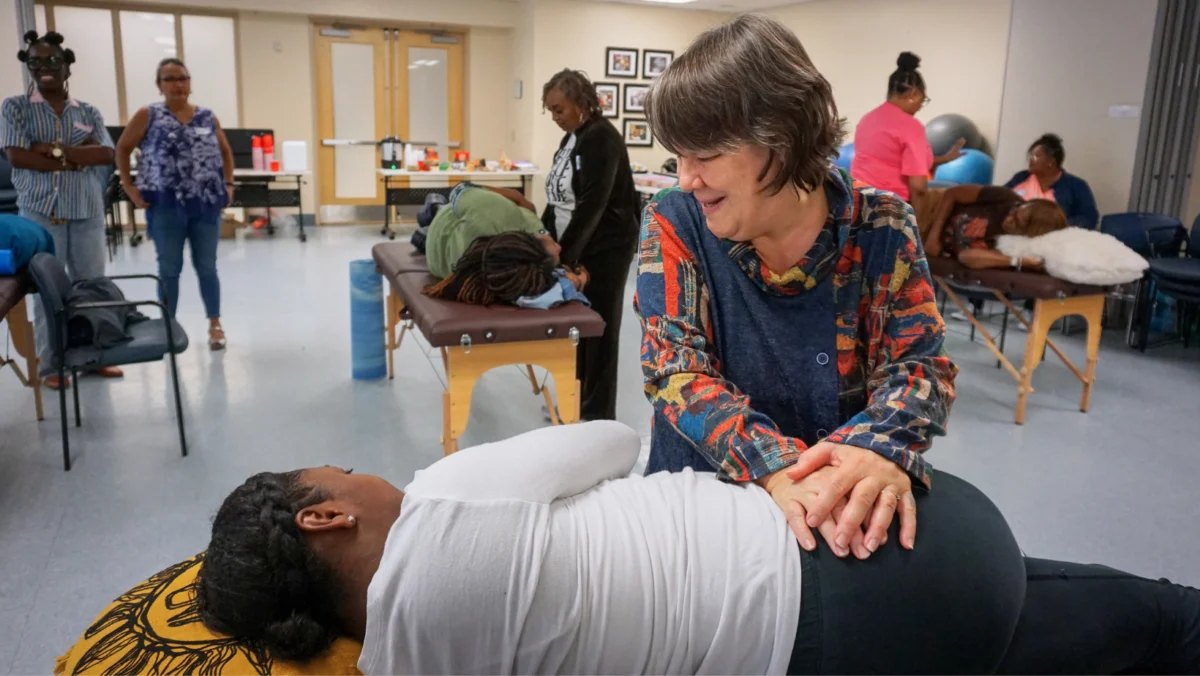
A recent study published in the European Journal of Midwifery has provided fresh insight into the role of physical intervention in childbirth, specifically regarding how babies rotate through the pelvis. As many expectant parents and birth professionals know, the orientation of a baby as they navigate the birth canal can significantly influence the efficiency and duration of labor. When a baby is in an optimal position, their descent is generally considered smoother and more manageable. The new research specifically investigates the efficacy of the Spinning Babies® approach in helping babies rotate from less favorable positions—such as occiput-posterior (OP) or occiput-transverse (OT)—into a more favorable anterior position.
The findings offer a compelling look at how targeted movement and positioning can work in harmony with the body’s natural physiological processes to support the progress of labor.
An Analysis of Fetal Rotation in Clinical Practice
The study, which was conducted by midwives in Italy, focused on a cohort of 244 births. Each of the participants in the study began their labor with their baby in an occiput-posterior or occiput-transverse position. These positions are often associated with more challenging labors, as they may require the baby to navigate the pelvis in a way that is less mechanically efficient, potentially leading to longer labor times or increased discomfort.
To determine if the Spinning Babies® approach could influence these outcomes, the researchers compared two distinct groups: one group of parents who utilized the Spinning Babies® techniques during their labor, and a control group that labored without these specific activities. The primary objective was to track how many babies successfully turned into an anterior position before birth. By observing these two groups under clinical conditions, the researchers sought to quantify whether the application of these techniques resulted in a statistically significant difference in fetal rotation.
Significant Findings on Fetal Positioning
The results of the study were striking. In the cohort where the Spinning Babies® approach was implemented, researchers observed that 93% of the babies successfully rotated to an anterior position. In contrast, the group that did not utilize these techniques saw a 64% rotation rate.
When the researchers adjusted for other variables—such as maternal age, parity, and other clinical factors—they found that the use of the Spinning Babies® approach was associated with a 45% higher probability of the baby rotating to the anterior position during the course of labor. This suggests a strong correlation between the implementation of these techniques and a more favorable fetal orientation.
However, the authors of the study remained measured in their interpretation. They noted that while the findings are promising and suggest that the approach may indeed encourage babies to turn, further research is necessary to confirm these results on a larger, more diverse scale. The study serves as an encouraging piece of evidence for the potential of physiological support during the birth process, even as the scientific community calls for continued investigation to fully validate these trends.
Understanding the Role of Fetal Position in Labor
It is important to note that this specific study was limited in its scope; it focused exclusively on the rate of fetal rotation and did not track other metrics such as the total duration of labor, the level of maternal discomfort, or overall clinical birth outcomes. Nevertheless, the position of the baby remains a fundamental component of how birth progresses. For many parents, understanding the mechanics of birth can be empowering, and learning gentle, non-invasive ways to support their baby’s descent can help them feel more active and confident throughout the labor process.
The Spinning Babies® methodology is built upon three foundational pillars: Balance, Gravity, and Movement. The philosophy behind this approach is that the body possesses an innate, natural ability to create space, which in turn facilitates the baby’s ability to rotate and descend. By emphasizing the importance of pelvic balance and the use of gravity, the approach aims to ease the physical constraints that might otherwise impede a baby’s natural rotation.
The Pelvic Levels Solutions® framework serves as an extension of these principles. It provides a structured way for birth workers and parents to recognize what interventions or movements are appropriate at different stages of labor. By guiding choices regarding specific positions and movements, the framework aims to open up space exactly where the baby needs it most for successful rotation and descent. The recent research in the European Journal of Midwifery offers early, evidence-based support for these physiological principles, suggesting that they may indeed play a role in optimizing the body’s natural birth process.
Clinical Context and Considerations for Expectant Parents
While the data from this study is encouraging, it is essential to keep a balanced perspective. Every pregnancy and every birth experience is unique, shaped by a multitude of biological, physical, and environmental factors. The study authors were careful to emphasize that their findings, while significant, should be viewed as a starting point for further investigation rather than a definitive medical standard.
Furthermore, it is critical for expectant parents to remember that techniques like those taught by Spinning Babies® are intended to be used as a complement to, not a replacement for, the professional care provided by midwives, obstetricians, and other medical practitioners. The goal of such approaches is to work in tandem with the clinical oversight provided by medical teams to ensure the safety and well-being of both the parent and the baby. Any techniques utilized during labor should be discussed with a healthcare provider to ensure they are appropriate for the specific clinical circumstances of the pregnancy.
The Path Forward in Birth Research
The medical community is increasingly interested in exploring how physiological interventions can improve birth experiences. As the evidence base grows, the dialogue between traditional clinical practice and holistic support methods continues to evolve. The researchers involved in this study and others around the world are continuing their work, seeking to better understand the nuances of how these techniques impact labor progress.
More studies are currently underway to further explore the efficacy of these methods in different populations and clinical settings. This ongoing research is vital for creating a more comprehensive understanding of how to best support physiological birth. For those interested in the latest developments, the scientific literature continues to grow, providing a more detailed look at the collaborations and data that underpin this field of study.
For parents, practitioners, and researchers alike, the focus remains on finding evidence-based ways to support the natural, often complex, journey of childbirth. By continuing to examine these techniques through rigorous scientific study, the medical community moves closer to a more nuanced understanding of how to best assist babies as they transition into the world. Those seeking to stay informed on these developments can explore the resources provided by organizations like Spinning Babies®, which maintains an extensive library of research, references, and collaborative findings aimed at documenting the growing evidence base behind these practices. As this field matures, the goal remains consistent: to ensure that the birth process is as safe, efficient, and supported as possible.
The team behind the popular parenting and literacy platform Read-Aloud Revival has addressed a frequent request from parents, explaining why they consistently decline to curate specific book lists designed to teach children moral values. In a recent media release and podcast episode, the organization’s founder discussed this philosophy alongside Creative Director Audrey, who is also her eldest daughter.
For years, the creators behind Read-Aloud Revival have been asked countless times to compile virtue-based book lists. Parents frequently look for curated selections aimed at instructing children in specific traits, such as kindness, honesty, perseverance, or patience. However, the consistent response from the platform has been a polite refusal. According to the leadership, the very premise of creating lists around designated moral lessons misunderstands how literature truly influences young minds.
During the discussion, the hosts explored the underlying reasoning behind this editorial stance. The core argument centers on the idea that all genuinely good books possess a profound capacity to inspire readers toward virtue. More importantly, the literature that proves most effective in shaping character is rarely the material that sets out explicitly to teach a lesson. Instead, the most impactful books focus entirely on telling a compelling story.
Good stories, by their very nature, naturally form readers in virtue without resorting to didactic messaging or heavy-handed moralizing. When authors prioritize plot, character development, and authentic human experiences over a moral agenda, readers are given the space to connect emotionally with the characters. This organic connection allows children to experience empathy, witness the consequences of actions, and reflect on complex ethical dilemmas naturally, rather than feeling as though they are being lectured or given an assignment.
The conversation also delved into the specific characteristics that elevate a story from mere entertainment to something truly formational for young readers. Rather than evaluating a book by how many times it mentions a particular value, the discussion highlighted the importance of literary depth, rich storytelling, and relatable human struggles.
To illustrate these concepts, the hosts shared several personal examples, highlighting some of their favorite books that have played a formative role within their own family over the years. These titles serve as practical examples of how compelling narratives naturally foster character development without relying on artificial pedagogical frameworks.
The release also noted that listeners tuning into the episode can expect deeper insights into the philosophy of reading aloud, the selection of family literature, and the ways stories shape the moral imagination of children. As with many of the platform’s media offerings, the episode includes references to various books and resources discussed during the conversation, complete with standard affiliate disclosures for community members interested in exploring the mentioned titles further.
Ultimately, the stance taken by Read-Aloud Revival challenges conventional approaches to children’s literature that seek to weaponize books as tools for behavioral correction. By trusting the intrinsic power of a well-told story, parents and educators are encouraged to focus on sharing rich, engaging narratives that capture the imagination, trusting that virtue will take root organically through the shared experience of reading together.
When a parent notices a child struggling with self-doubt, the initial instinct is usually to offer immediate reassurance, tell them they are capable, and encourage them to try harder. However, a recent personal experiment conducted by a parent seeking to help her eight-year-old daughter has highlighted a much deeper, often overlooked issue: the subtle, pervasive nature of low self-acceptance and how deeply it is tied to our own internal dialogue. What began as an effort to guide a child through academic anxiety ultimately transformed into a profound personal revelation about the ways adults judge themselves, the science of stress, and the critical role mindfulness plays in breaking the cycle of negative self-talk.
The journey began weeks prior, sparked by an email from a teacher. The educator noted that the young girl had been struggling significantly with assessments. While she performed remarkably well during day-to-day classroom activities, a wave of debilitating anxiety would wash over her whenever she was required to take a formal test. She would freeze entirely, becoming so overwhelmed that she could no longer progress.
When her mother gently questioned her about the classroom struggles, the little girl burst into tears. It became clear that this compassionate, caring child had been fighting the heavy burden of anxiety completely on her own. She had kept her struggles hidden, driven by a heartbreaking fear that her mother might think she was not smart enough or, worse, not worthy of love. For the parent, hearing those words was devastating. It exposed a painful reality: children often internalize academic and social pressures, masking their fears behind external behaviors like perfectionism or shyness while battling deep feelings of inadequacy.
As child development experts often note, adults usually become aware of low self-acceptance in children through these visible manifestations. Yet, caregivers and educators frequently focus exclusively on the expressed behavior rather than the underlying emotional landscape. This superficial approach makes it exceedingly difficult to effectively redirect or support those behaviors.
Observing her daughter’s struggles forced the mother to examine the language the eight-year-old was using. She noticed the child relying heavily on self-limiting statements, such as "There’s no way I can do that" and "I’m not as good as my friends at that." Language and beliefs are inextricably linked. Words do more than simply articulate existing beliefs; they actively contribute to the formation of new ones. Once these negative cognitive frameworks are established, they become remarkably stubborn and difficult to change. Consequently, recognizing self-limiting language early is vital before it solidifies into permanent self-doubt.
This process of helping her daughter eventually turned the spotlight inward. The mother began to evaluate her own internal language and the stark contrast between how she spoke to others compared to how she spoke to herself. Like many people, she found that while she was consistently kind, patient, and encouraging toward the people around her, she could be remarkably brutal with her own internal monologue. In some moments, that internal pressure escalated from mere self-criticism into a form of psychological self-abuse.
This personal reflection aligns with a growing body of psychological and medical literature highlighting the profound impact of self-acceptance on overall human wellbeing. According to research from Harvard University Medical School, self-acceptance is not merely a feel-good concept; it is a foundational element of mental health. Studies indicate that individuals struggling with low self-acceptance actually exhibit physical differences in the brain, specifically possessing less grey matter in the regions responsible for processing stress and anxiety.
This neurological reality makes low self-acceptance a self-fulfilling prophecy. A lack of self-acceptance physically alters the brain, reducing an individual’s capacity for emotional regulation and impairing their ability to manage everyday stress. This physiological shift makes it exponentially harder to maintain a positive outlook, trapping individuals in a persistent cycle of anxiety and self-doubt.
Determined to understand her own patterns better, the mother decided to run a controlled experiment on herself. She hypothesized that she treated and spoke to others significantly better than she treated herself, and that consciously improving how she treated herself would lead to a happier state of mind. Furthermore, she hoped the insights gained from the experiment would provide practical tools to help her daughter develop greater self-acceptance.
The methodology of the experiment was straightforward. For an entire week, she paid meticulous attention to her internal self-talk and her daily interactions with other people, rating every single interaction on a scale from one to five based on kindness.
The final data yielded results that were both surprising and astounding. Over the course of the week, she recorded 129 interactions with other people, resulting in a remarkably high average kindness rank of 4.6. In contrast, she noted 47 internal interactions with herself, which yielded a significantly lower average kindness rank of 3.2. A deeper look at the timeline revealed that during the first three days of the experiment, her self-kindness rank was even lower, averaging just 2.5. However, that figure rose during the latter half of the week, a shift she attributed to a growing self-awareness that naturally compelled her to be kinder to herself.
The experiment successfully validated her initial hypothesis, but it also illuminated three distinct and powerful takeaways. First, she realized that she was generally much kinder to other people than she ever gave herself credit for. Second, she discovered that she was significantly more negative, critical, and judgmental toward herself than she had anticipated. Third, and perhaps most importantly, simply bringing conscious attention to her negative self-talk allowed her to naturally reframe her language, fostering a more optimistic outlook.
These findings echo the perspectives of renowned historical figures in psychology. In the words of celebrated psychoanalyst Carl Jung, "The most terrifying thing is to accept oneself completely." Yet, as modern research continues to show, if long-term wellbeing and emotional stability are the ultimate objectives, complete self-acceptance is precisely what people must strive to achieve.
Self-acceptance serves as a vital structural scaffold upon which wellness and happiness ultimately rest. When an individual manages to quiet the internal critic, they immediately experience reduced stress levels and a greater sense of control over their daily life. This internal shift generates positive cascading effects that ripple across every area of human experience, improving relationships, professional performance, and general life satisfaction.
Reflecting on the week-long process, the mother noted that what started as a simple personal experiment provided incredible insight into her own psychology. Supported by academic research, her low self-acceptance had previously remained hidden from her conscious awareness. While she was occasionally aware of outward manifestations like frustration and stress, she had been entirely deaf to the steady stream of negative self-talk running in the background of her mind.
The experiment also demonstrated the profound power of mindfulness. Although she had been aware of mindfulness practices for quite some time, she had never truly experienced their utility firsthand until conducting this exercise. She now frequently applies mindful techniques to effectively "wiretap" her inner dialogue. This continuous awareness allows her to intervene immediately when negative thoughts arise, helping her maintain a much more consistent and positive outlook on life.
Meanwhile, the benefits of the experiment extended far beyond the mother’s own personal growth. Her eight-year-old daughter has also begun reaping the rewards. By adopting similar mindful strategies, the young girl has learned to recognize her own negative self-talk and actively reframe those limiting beliefs in real time. This shift is slowly but surely building her confidence, a positive change that is already beginning to reflect positively on her academic assessments and overall school experience.
It is all too easy to worry. In an era marked by shifting economic landscapes, health concerns, and the daily pressures of raising a family, uncertainties about the future can quickly spiral into deep-seated anxiety and fear for parents. Mental health experts and family counselors emphasize that to prevent chronic anxiety from taking root in the home, adults must be purposeful in practicing how to focus on the present moment rather than projecting fear onto an uncertain tomorrow.
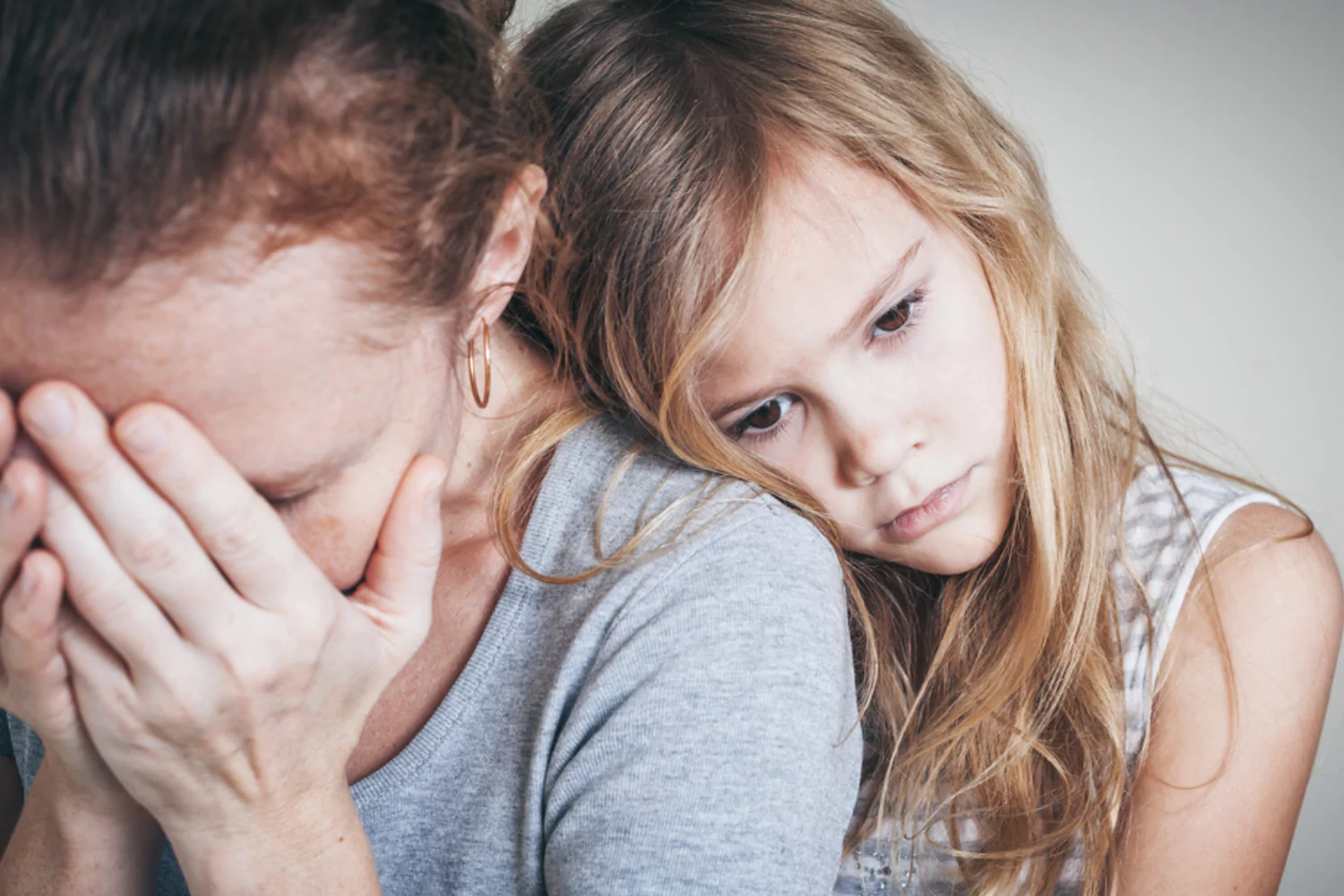
For many parents, the struggle begins in the quiet hours of the night. Consider the experience of Sarah, a mother who found herself staring at the ceiling at 2 a.m., her mind racing through a familiar, exhausting loop of hypothetical fears. What if my son’s cough turns into something worse? What if we can’t cover the bills this month? What if I’m failing at this whole parenting thing? Down the hall, she could hear her seven-year-old shifting restlessly in his sleep, wondering—not for the first time—if he could somehow feel the tension she carried, even in her silence.
The next morning, that unspoken tension manifested visibly. Sarah’s son refused to eat breakfast and snapped at his sister over a trivial matter. Sarah recognized the pattern immediately because she had seen the same emotional volatility in herself just hours earlier. Anxiety, she began to realize, does not stay contained to one person in a household. Instead, it moves through a family like an undercurrent, quietly shaping how everyone responds to the world around them. If she wanted peace for her children, she realized she would first have to find it for herself.
Family specialists note that it is critical for parents to train themselves to manage their fears and anxiety in order to protect their children and cultivate resilience. Overcoming chronic worry and safeguarding a family’s mental health starts squarely with the adults in the home.
Understanding the Nature of Anxiety
Most adults have experienced anxiety at some point in their lives. The physical symptoms are unmistakable: a pounding heart, sweaty palms, and sudden shortness of breath—all triggered by a perceived threat or worry. While some individuals experience these feelings only on occasion, others find that anxiousness is an everyday occurrence that interferes with daily life.
Psychologically, anxiety almost always manifests in the form of "what if" questions. A parent might ask, What if my health fails? Or they might worry, What if I lose my job and can’t make the mortgage payment? How will I feed my family? By its very definition, anxiety focuses entirely on the future and never on the present.
Consider a fundamental reality: Does the future exist yet? No. And how much control does anyone have over things that do not yet exist? Zero.
This disconnect makes it easy to feel as though circumstances are completely out of control. Imagining all of the possible ways for negative events to unfold can become an endless, exhausting road. Before long, the mind is racing, and anxiety has taken firm hold of a person’s emotional well-being.
The Limits of Worry and Its Toll on the Body
While humans cannot live in the future or control what happens there, they can certainly plan for it. Taking constructive actions today can make a meaningful impact on what happens tomorrow, next month, or next year. Wise planning and responsible decision-making are necessary parts of daily life. However, chronic worrying about the future does nothing to help individuals prepare for it.
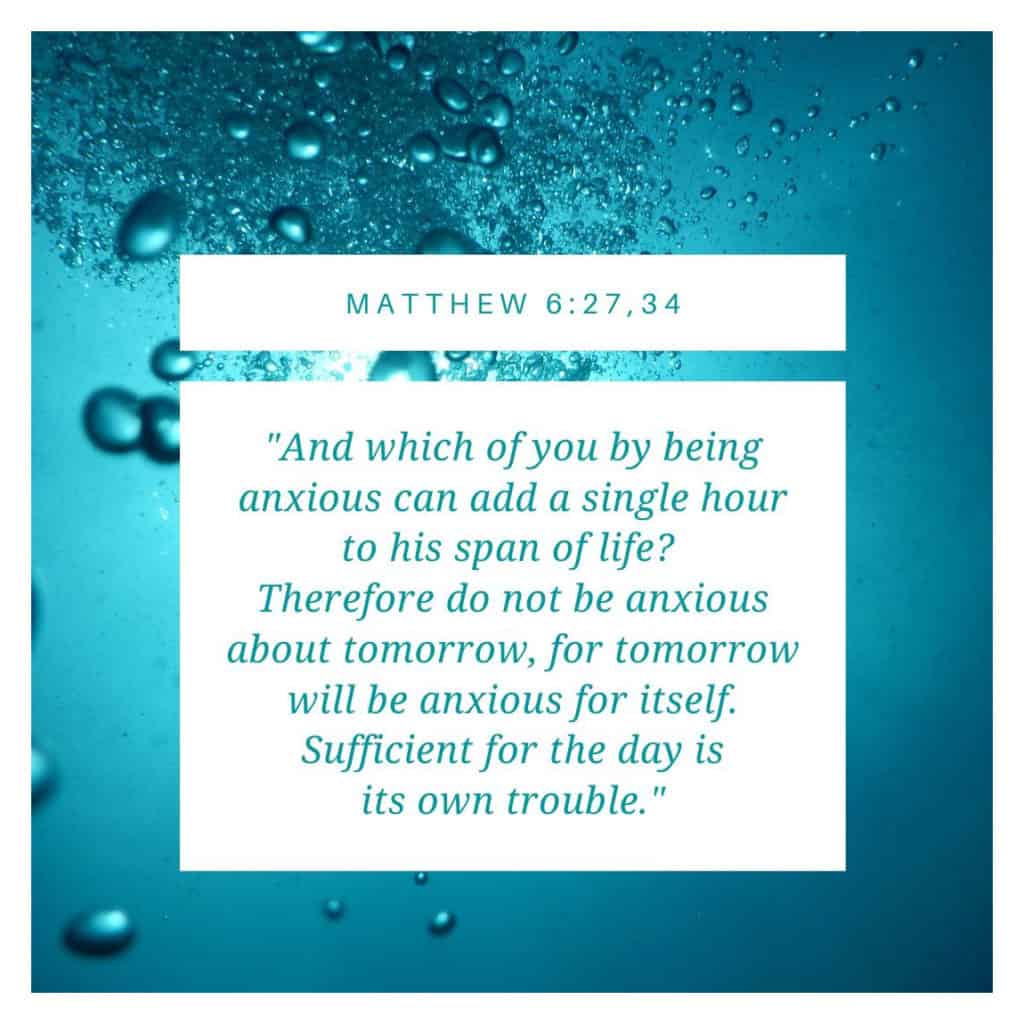
This principle is echoed across both psychological research and ancient wisdom. Centuries ago, addressing his disciples, Jesus spoke at length about the futility of anxiety, asking which of them by being anxious could add a single hour to their span of life. The message emphasized letting go of tomorrow’s anxieties, noting that each day brings sufficient challenges of its own.
Prolonged anxiety also takes a severe physiological toll on the human body. The brain does not function well under constant, high levels of stress. Anxiety causes the brain to burn through excessive amounts of serotonin, the vital neurotransmitter that contributes to feelings of happiness, stability, and overall well-being. Constant stress can eventually deplete the brain’s stores of serotonin, a deficit that can lead to clinical depression. Once that chemical depletion occurs, reversing the cycle can be exceptionally difficult. Consequently, mental health professionals stress that taking proactive steps to overcome anxiety is vital for long-term health.
Grounding the Mind in the Present
Because anxiety thrives on future-oriented "what if" scenarios, the most effective antidote is keeping the mind firmly grounded in the present. However, achieving this requires deliberate effort. Just as a large, untrained dog will bolt after a rabbit and drag its owner into the brush, an untrained mind will inevitably chase hypothetical worries down endless trails.
Training the mind requires active practice rather than passive reading. Mental health professionals suggest several practical techniques to pull racing thoughts back to the immediate surroundings. One such method, often utilized in clinical settings, involves methodical sensory observation. When individuals feel anxiety rising, they can pause to systematically observe and name specific details about their immediate physical environment—noting objects, sounds, and textures around them—before asking themselves a grounding question: What do I need to be thinking about right now?
Other immediate physiological and behavioral interventions include taking slow, deep breaths to calm the nervous system, maintaining predictable daily routines to foster a sense of stability, and engaging in physical exercise that requires immediate focus, such as a fast-paced game or sport that leaves no mental bandwidth for extraneous worry.
For many families, spiritual practices also play a foundational role in managing stress. Historical and theological frameworks encourage individuals to voice their concerns through prayer and meditation rather than internalizing fear. Passages from ancient texts advise individuals to replace anxious thoughts with reflections on things that are true, honorable, and pure, fostering an internal sense of peace that transcends difficult circumstances.
Anxiety and Its Impact on Children
Children are acute observers. Parents often believe they can mask their internal distress with a brave face, but child psychologists note that kids easily pick up on unspoken tension. Tim Sanford, clinical director at Focus on the Family, notes succinctly that "anxiety breeds anxiety." Because children absorb the emotional climate of their homes, the work of overcoming anxiety must begin with parents.
Just like adults, children experience anxiety, though younger kids frequently lack the emotional vocabulary to articulate what they are feeling. Instead, childhood anxiety often manifests behaviorally. A child may become unusually quiet and withdrawn, or conversely, they may exhibit hyperactive, bouncing-off-the-walls energy. Physical symptoms in children frequently present as somatic complaints, such as unexplained stomachaches, rapid breathing, or sweating.
When children face difficult times—such as family illnesses, financial stress, or global crises—they often ask tough questions like, "What will happen to us if we get sick? Will we die?" or "What will happen if Mom or Dad loses their job?"
Experts advise parents to respond by anchoring children firmly in the present. Rather than offering speculative predictions about an uncertain future, parents can offer honest, reassuring context focused on immediate reality: "We are thinking about and planning for that right now. We don’t have all the answers yet, but we will let you know when we do, and right now we are safe and taking care of each other."
Providing children with excessive, unfiltered information does not grant them control; it often only deepens their fear. Keeping communication consistent, age-appropriate, and centered on current safety helps children develop emotional resilience.
Recognizing When to Seek Professional Help
While everyday worries can often be managed through routine, mindfulness, and lifestyle adjustments, some individuals experience anxiety that is so frequent, intense, and disruptive that professional intervention becomes necessary.
Mental health professionals screen for Generalized Anxiety Disorder when individuals exhibit persistent symptoms such as chronic muscle tension, extreme fatigue, persistent restlessness, irritability, sleep disturbances, skewed perspectives, difficulty focusing, and a tendency to avoid routine situations due to fear.
When these symptoms become entrenched in a parent, spouse, or child, consulting with a qualified mental health counselor can provide essential support. Organizations such as Focus on the Family offer consultation resources and referral networks to help families navigate clinical anxiety and find professional care in their local communities.
Ultimately, managing anxiety in parenting is an intentional, daily discipline. By recognizing the contagious nature of worry, practicing mental grounding techniques, and maintaining a focus on the present rather than the unknown future, parents can foster healthier, more resilient homes even amidst challenging circumstances.
For players looking to bring a touch of the holiday spirit directly to the gaming table, several festive accessories have emerged on the market. Among the seasonal offerings is a navy blue mah jongg mat adorned with menorahs, Stars of David, and olive branches, designed to pair seamlessly with basic white tiles or beloved vintage butterscotch sets. Another option features a blue-and-white design created by Jewish artist Corey Paige, striking a balance between Hanukkah festivity and year-round usability. Alternatively, artist Anna Sokol offers an eight-night themed mat boasting funky designs and bright colors intended to complement a wide variety of tile styles.
Tile sets themselves have also received creative Jewish and seasonal redesigns. One popular option is the Menschie mah jongg set, featuring light blue and pink color palettes reminiscent of vintage bathroom aesthetics, alongside playful design elements such as evil eyes, cracked matzah, and bubbe jokers. For players seeking a more traditional yet sparkling touch, Mah Jongg Maven offers a dark blue sparkle tile set featuring engraved, hand-painted Stars of David on the backs and customizable jokers, with a portion of the proceeds directly benefiting Magen David Adom. Another distinct tile collection, Mazel Jongg, incorporates traditional Jewish motifs ranging from mezuzahs and Hebrew letters to Israeli cities, with jokers highlighting holidays and traditions like the shofar, menorah, dreidel, and challah.
Beyond the tiles and mats, the market for mah jongg accessories has expanded to include items that cross over into home decor, fashion, and needlepoint. A notable crossover piece is a hand-painted needlepoint canvas featuring a mah jongg and Hanukkah hybrid design, offering crafters a creative outlet away from the table. For dice management, a miniature sardine tin serves as a playful and whimsical catchall. Meanwhile, specialized Hanukkah-themed dice allow players to incorporate holiday flair directly into the rolling phase of the game.
The intersection of Jewish tradition and mah jongg culture has also manifested in unique artisanal creations and jewelry. Artisans have crafted mezuzahs constructed entirely from vintage mah jongg tiles, merging a sacred household object with game-night nostalgia. Retired tiles have also found new life in the form of necklaces, earrings, and bracelets, including a silver Lucky Joker bracelet designed to serve as a subtle daily nod to the game. Hand-beaded coin purses and specialized apparel featuring phrases like "nosh, kvetch, mahj" round out the lifestyle offerings for dedicated players.
Strategic resources and traditional refreshments further complete the game-night experience. For players looking to sharpen their competitive edge under the National Mah Jongg League 2026 card, a specialized strategy workbook provides exercises designed to help participants read opponents’ hands and refine their tactical play. Finally, traditional game-night snacks can be incorporated into the celebration through gift crates featuring babka and rugelach from Zabar’s, ensuring that players have classic baked goods on hand while maintaining proper tile hygiene.
For those seeking ongoing engagement with the community, resources like Kveller’s Jewish Mah Jongg Club newsletter continue to provide enthusiasts with game tips, fun facts, and regular product recommendations throughout the year.