MONTREAL — Long before she understood the crushing weight of profound personal loss, Rachel Abugov sat in a developmental psychology classroom as a young adult, learning about the theoretical milestones of human life. Back then, standard academic curriculums suggested that one of the final psychological tasks assigned to seniors was accepting and learning to live with loss. To a mind firmly rooted in her mid-thirties, the concept felt entirely alien—a distant, incomprehensible abstraction that seemed to belong to an alternate reality she could never truly picture experiencing.
Today, that academic theory has been violently replaced by lived reality. Abugov finds herself in the early, jagged stages of navigating an overwhelming double tragedy: the loss of her son, Kevin, in January of this year, followed just ten weeks later by the death of her only brother, Ian.
While she had previously learned how to process the deaths of her parents years prior—an eventuality she understood as part of the natural and expected order of things—nothing could prepare her for the disruption of losing a child. Before cancer upended their lives, Abugov and her son shared a lighthearted rapport, often joking about her eventual evolution into a crotchety old lady. In jest, Kevin had even purchased a t-shirt featuring Sophia from The Golden Girls and frequently sent her internet memes of the famous "Where’s the beef?" commercial lady.
That playful banter was abruptly silenced by the arrival of cancer, a relentless internal assailant that slowly dismantled her son’s health. Overnight, Abugov became fluent in the harrowing vocabulary of oncology: chemotherapy regimens, rare and common side effects, and the exhausting administrative hunt for promising clinical trials.
The battle culminated in a stark, unshielded moment in the emergency room, when a doctor delivered the blunt verdict that Kevin’s life was slipping away. That realization forced Abugov to perform one of the most agonizing duties imaginable: breaking the news to her extended family and, worst of all, informing her daughter-in-law—who was at home with Abugov’s sleeping grandson—that she was only hours away from becoming a widow.
Acceptance of the disease never came. Abugov spent the duration of her son’s illness fervently praying for a miraculous recovery that would pull him out of the overcast realm of medical treatments and back into the brilliant sunshine. Though the physical sun continues to shine, Kevin is no longer here to share in it. The tragic symmetry of the timing remains etched in her memory: the exact day Kevin learned his remaining time on Earth was severely limited coincided with a major solar eclipse. Though they had purchased special viewing glasses, they ultimately went unused; the family’s entire world simply went pitch-dark and stayed that way.
Yet, amid the shadow of the diagnosis, pockets of joy managed to break through. There were moments of profound connection, such as when Kevin played his final two live gigs with his punk rock band, and when her grandson celebrated his first birthday. Just two weeks before Kevin’s passing, he, his wife, and Abugov gathered for lunch at one of their favorite local Vietnamese restaurants.
Over bowls of pho, they engaged in the familiar rituals of everyday life, discussing plans to see the new Superman movie and swapping recommendations for television shows worth binge-watching. It felt entirely like old times, provided one chose to ignore the clinical realities: the restaurant had been specifically chosen because it was wheelchair-accessible, and Kevin was eating lightly because chemotherapy had severely compromised his digestive system. They masked their raw emotions behind polite smiles, pretending everything was stable, and casually discussed where they might meet for lunch next. There would, of course, be no next time.
In the wake of these compounding losses, Abugov has sought out various lifelines to steady herself. She participates in both in-person and online support groups, finding particular solace in her local chapter of The Compassionate Friends. Meeting with fellow bereaved parents for an hour and a half each month has provided her with a band of trusted "foxhole buddies" who instinctively understand the isolated terrain of grief without requiring any explanation.
Along the way, Abugov has also developed a metaphorical companion: Grief itself. Rather than a comforting presence in the traditional sense, Grief shadows her persistently, much like a household pet waiting by the treat cabinet. In Abugov’s mind’s eye, Grief resembles an eccentric elderly woman who overcompensates for lost youth by wearing purple cat-eye glasses and loud leopard-print clothing—outfits designed to ensure she is instantly recognized.
This personified grief makes her presence known in ordinary spaces, such as when Abugov experiences a sudden emotional collapse in the potato chip aisle of a Walmart, blindsided by the sudden, painful realization that she can no longer pick up Sriracha chips for Kevin. Grief attempts to guide her toward a "New Normal," offering the perspective that everyone walks through life carrying an invisible, unyielding stone in their shoe that refuses to be shaken out. Initially met with disbelief, this metaphor became increasingly validated as Abugov began opening up to others, discovering just how widely shared this hidden burden is among the people around her.
Her early instinct was fierce resistance. "Look, Grief. I don’t wanna hang out with you! Leave me alone," she recalls thinking, accompanied by a heavy garnish of frustration and profanity. But she quickly realized that the intense energy required to actively fight Grief was completely draining her remaining emotional reserves.
Faced with this exhaustion, she chose a different path: radical acceptance.
She wondered what might happen if she symbolically sat down on the couch next to Grief, allowing the companion to hand her tissue after tissue while she wept openly for her son and her brother. Given that her pain could scarcely grow any worse, the experiment felt worth trying.
To her surprise, the approach yielded results. Much like a culinary trick where a chef soaks raw onions in cold water to strip away their harsh pungency, Grief began to lose her sharpest edges through non-resistance. While Abugov could not claim to welcome the presence of sorrow, she stopped pushing back against it. Whether this shift marked the beginning of true acceptance or simply the natural transition of pain from acute to chronic, the daily experience changed. The suffering remained, but its texture was different.
The endless days spent in bed doomscrolling began to decrease. Abugov still rises early, but she now identifies as a "mourning person" as much as a morning person. Honoring her loved ones no longer requires lying in a darkened room; instead, it can look like boarding a plane with her niece to attend a music festival because Kevin’s and Ian’s favorite bands are performing, wearing their old t-shirts so they remain present in spirit.
Ultimately, Abugov has come to understand that Grief is a permanent resident, woven permanently into the fabric of her remaining days. It is a demanding, unyielding role, but one she approaches with clear-eyed resilience—recognizing that carrying the memory of those we love is simply a responsibility that must be borne.
Every parent wants their children to succeed, and one of the most widely shared aspirations is raising a child who not only knows how to read, but genuinely loves to do it. The ultimate goal is not merely achieving basic literacy or passing school-mandated reading tests, but fostering a deep-seated, enduring habit of reading by choice—not because an assignment demands it, but because the written word has become a source of pleasure and enrichment.
Yet, educators, parents, and child development advocates have long pointed out a curious and counterproductive paradox in how adults approach this goal. When it comes to nurturing lifelong readers, well-meaning adults often treat children’s reading lives in a manner that is diametrically opposed to how real, adult readers actually experience and enjoy books.
The typical modern approach to children’s literature is heavy-handed and heavily managed. Adults routinely choose all the books their children read, strictly dictating reading schedules and prescribing exact time limits. Furthermore, young readers are frequently subjected to a battery of questions designed primarily to test whether they have read and comprehended the story. To ensure compliance and measure understanding, these reading sessions are often followed by formal essays and written assignments.
Somehow, despite treating reading as a monitored, evaluated academic chore, adults nurture the expectation that once children reach adulthood and no longer face external mandates, they will miraculously choose to pick up a book purely for the joy of it. This disconnect has sparked a broader conversation among literacy advocates, who argue that the conventional framework of forced compliance may actually be working against the long-term goal of fostering independent readers.
Experts suggest that a fundamental paradigm shift is overdue. Instead of fixating on the perennial question of how to force or trick children into reading, parents and educators should step back and reexamine what drives genuine, adult reading habits. By observing what real, lifelong readers actually do, adults can begin to align children’s experiences with the natural behaviors of enthusiastic, self-motivated readers.
To bridge this gap, advocates emphasize the importance of granting children more autonomy, mirroring the freedoms that adult readers take for granted. Adults choose their own reading material based on personal taste, abandon books that fail to hold their interest without facing penalties, and read for pleasure without being forced to write analytical essays summarizing every chapter. By introducing these organic elements into childhood reading environments, parents can create spaces where stories are valued for their own sake rather than as a vehicle for testing comprehension.
The discussion surrounding these dynamics forms the core of ongoing media explorations into literacy, including recent episodes from prominent parenting and education resources. Conversations focusing on simple, sustainable habits for nurturing lifelong readers continue to draw attention from families seeking practical ways to reshape their approach to literature at home. Rather than relying on strict oversight and academic rigor, these modern perspectives encourage a more relaxed, self-directed culture of reading that respects a child’s growing autonomy and mirrors the authentic experiences of lifelong book lovers.
In an increasingly modern and sterile world, health experts and scientists are raising a pressing question: have we become far too hygienic for our own good? Across contemporary society, rates of chronic childhood ailments—including stubborn skin conditions, seasonal allergies, persistent asthma, and a wide array of gut-related issues—are on a noticeable upward trajectory. This growing epidemiological trend has prompted researchers to take a hard look at modern sanitation habits, questioning whether our relentless crusade against germs has crossed the line from necessary protection to biological deprivation.
Undoubtedly, fundamental hygiene remains a cornerstone of modern public health, vital for keeping dangerous pathogens and harmful microbes at bay. Yet, in our pursuit of absolute cleanliness, a critical distinction is often lost: the collateral damage inflicted upon the friendly, beneficial microorganisms that form the human microbiome. Microbiome research has rapidly emerged as one of the most dynamic and vital fields in modern science, peeling back the layers on a complex, hidden ecosystem that scientists are only just beginning to fully understand.
The mounting interest in this microscopic world is far from arbitrary. A rapidly expanding body of scientific literature continues to confirm that the microbiome acts as a fundamental health regulator within the human body. Far beyond mere passive inhabitants of the gut, these microbial communities play an active role in protecting children from chronic health conditions, bolstering mental well-being, and significantly mitigating the risk of developing severe allergies. As researchers delve deeper into the mechanics of human immunity, the spotlight has turned directly toward how these delicate internal ecosystems are initially formed and subsequently maintained throughout early childhood.
How is my child’s microbiome established?
The foundational architecture of a child’s microbiome is established during a critical developmental window: the first one thousand days of life. This means that the long-term composition of an individual’s gut health is intimately tied to their early life experiences, spanning the manner of their birth, the duration and exclusivity of breastfeeding, and the complex dietary transitions of their toddler years. When this delicate developmental timeline experiences disruptions—such as the administration of medical interventions like antibiotics during infancy—children frequently require targeted, proactive support to help them cultivate a healthy and diverse microbiome that can withstand future environmental challenges.
Given the profound implications of early microbial exposure, researchers and health practitioners are increasingly focusing on practical ways to foster and protect children’s microbiomes against the backdrop of an overly sanitized lifestyle.
Let your children get dirty
One of the most profound paradigm shifts in modern parenting advice centers on a very simple concept: letting children embrace the dirt. Far from being a mere aesthetic nuisance, allowing children to play freely among soil, mud, and natural outdoor environments serves as a powerful catalyst for microbial diversity. Scientific investigations have repeatedly demonstrated that the rich array of microbes found naturally in soil can successfully populate and enrich the developing human gut microbiome, driving greater biological diversity.
Beyond its direct impact on gut flora, soil harbors specific strains of beneficial bacteria that interact with the human nervous system in unexpected ways. Research suggests that exposure to these environmental microbes can activate the body’s serotonergic system. Consequently, when children get their hands dirty during outdoor play, their bodies can naturally trigger the release of serotonin, widely recognized as the body’s natural mood-regulating hormone.
Encourage your children to eat probiotic and prebiotic foods
Once the initial framework of the microbiome has been successfully established during those crucial first thousand days, the focus naturally shifts toward long-term maintenance. Sustaining a thriving microbial ecosystem requires a continuous supply of proper fuel, which comes in the form of healthy prebiotics and live probiotic foods. Integrating these specific nutritional components into a child’s daily diet helps actively feed, nurture, and populate the microbiome, ensuring that beneficial bacterial strains retain their competitive edge against less desirable microbes.
Eat organic whenever possible
While the conversation around organic agriculture may feel like familiar territory, its specific relevance to microbiome health cannot be overstated. Conventional non-organic food products are frequently treated with a chemical cocktail of pesticides, fungicides, and herbicides. Because these chemical agents are intentionally engineered to eradicate bacteria and biological pests, they can exert a similarly disruptive effect on the delicate, still-developing microbiome of a young child.
Childhood represents a uniquely vulnerable window of physiological development, during which young bodies lack the full capacity to effectively clear the heavy metals and chemical toxins that can coat conventionally grown produce. Experts note that if there is ever a critical life stage to prioritize organic consumption, it is during these formative early years. For families facing financial constraints, shifting toward home-gardening initiatives or prioritizing organic options for children’s dietary staples has become an increasingly recommended strategy to shield developing systems from unnecessary chemical exposure.
Have sugar-free days
Minimizing sugar intake is a universally acknowledged health goal, yet putting this principle into practice with children can prove exceptionally challenging. Young palates are biologically inclined to gravitate toward sweet flavors, and children frequently voice intense cravings for sugary foods, often leading to significant friction at meal times.
A primary biological driver behind these persistent sugar cravings is the nature of the gut microbiome itself. Dietary sugar serves as a direct fuel source for the less desirable, opportunistic bacteria residing in the digestive tract. Consequently, the more sugar a child consumes, the more these opportunistic bacterial populations thrive and dominate the gut environment, reinforcing a continuous cycle of intensified cravings. To break this cycle, health advocates suggest introducing structured sugar-free days, gradually easing children into the habit by substituting conventional sweets with cleverly disguised, naturally sweet alternatives that satisfy their cravings without feeding the wrong microbes.
Encourage children to grow their own food
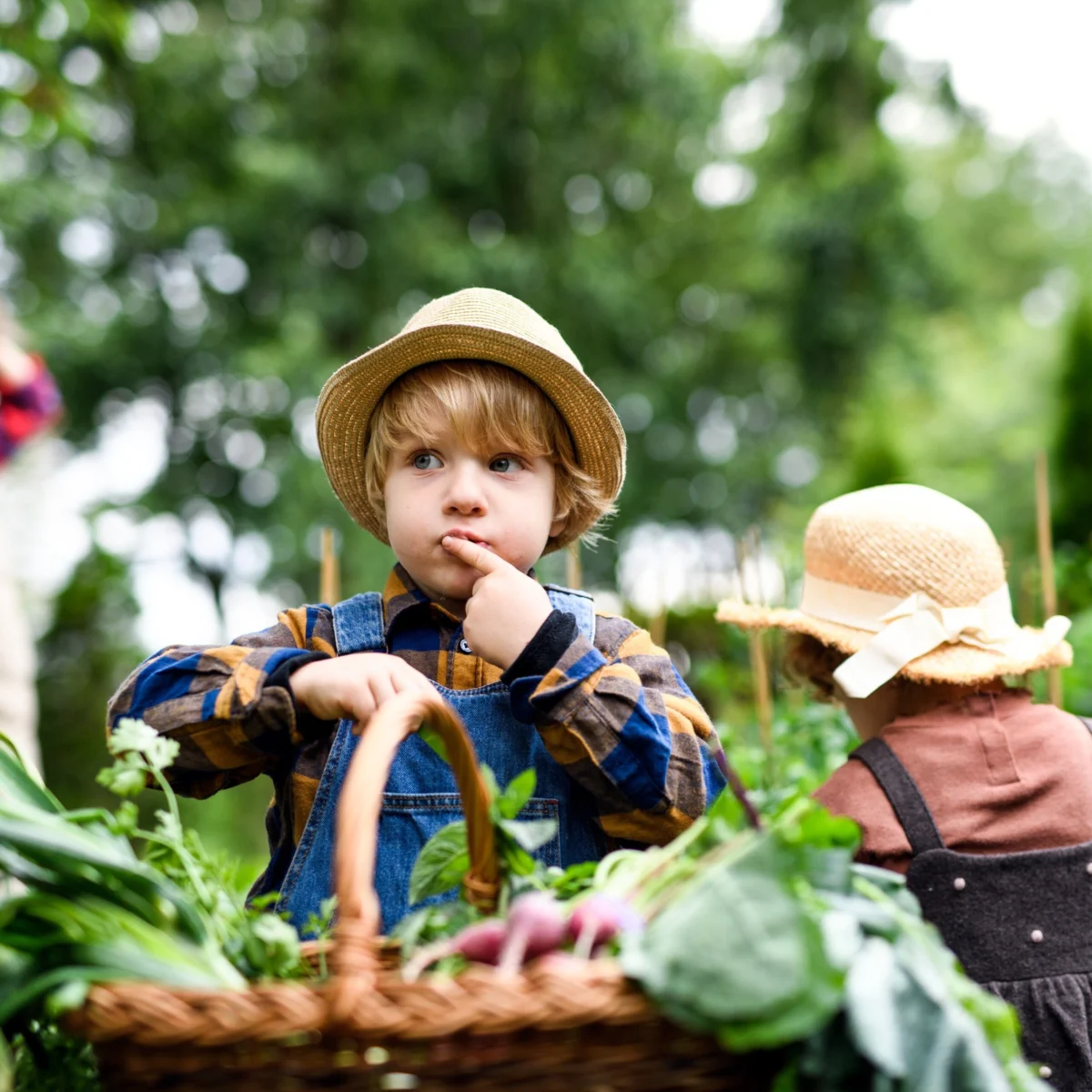
Engaging children directly in the cultivation of their own food offers a multifaceted approach to dietary health and microbial exposure. It is a well-documented phenomenon that children who participate in growing green vegetables are far more likely to actually consume them, along with a wider variety of fruits and vegetables. These whole plant foods are indispensable for supplying the dietary fiber necessary to nourish and sustain beneficial gut bacteria, anchoring a healthy nutritional foundation that lasts well beyond childhood years.
Choose gentle soaps over anti-bacterial soaps
In the ongoing debate over household hygiene, experts emphasize the importance of exercising discernment when selecting personal care products. Families are increasingly advised to opt for exceptionally gentle, mild soaps for routine bathing, reserving harsh anti-bacterial formulations strictly for rare, high-risk situations—such as accidental contact with contaminated outdoor waste or particularly hazardous biological hazards.
Children do not require rigorous soap applications across their entire bodies during every bath or shower. Over-cleansing strips away the skin’s natural lipid barrier and washes away the beneficial, commensal bacteria that naturally inhabit the skin’s surface to provide a protective barrier against pathogenic invaders.
When should you see a health care practitioner?
Despite the best preventive efforts at home, parents should remain vigilant for signs that a child’s internal ecosystem may be struggling. Persistent indicators that a child’s microbiome is out of balance can manifest in various ways, including recurrent colds, lingering infections, stubborn skin conditions, chronic digestive issues, and a history of repeated antibiotic use.
Because the underlying drivers of microbiome disruption vary greatly from one individual to another, uncovering the root cause is essential for effective long-term management. For families navigating these persistent health challenges, scheduling a professional consultation with a qualified naturopath, nutritionist, or pediatric health care practitioner can provide personalized guidance on how best to support a child’s unique health trajectory and nurture a resilient microbiome.
Originally reported by Laila Helena for the Endeavour College of Natural Health.
Few people know us as intimately as our spouse. Because of this profound closeness, partners are often uniquely positioned to notice subtle shifts, unusual behaviors, or unspoken struggles that a husband or wife might be experiencing. However, spouses may not always recognize these changes in themselves, making it vital for couples to remain vigilant and supportive. Addressing potential mental health warning signs early can pave the way for timely intervention and holistic healing.
Experts emphasize that recognizing these changes requires watching for drastic emotional, cognitive, physical, behavioral, or spiritual shifts. When a partner identifies a cause for concern, approaching the situation with a gentle conversation, asking thoughtful questions, and seeking an outside perspective can make all the difference in navigating marital and individual health crises.
What Do I Do If My Spouse Is Acting Strange?
Real-life situations often illustrate how easily subtle shifts in behavior can mask deeper underlying mental health or psychological challenges. For instance, a husband named Malik noticed that his wife, Jade, was exhibiting strangely antagonistic behavior toward their children, alongside having persistently red and dry hands. After consulting with a medical professional, Malik began connecting her frequent hand-washing to deeper issues. Jade was subsequently treated for obsessive-compulsive disorder, depression, and associated self-esteem and identity challenges.
In another instance, Angela noticed that her husband had grown unusually irritable, angry, and critical with their children, prompting her to encourage him to seek a medical evaluation. Upon agreeing to see a doctor, he disclosed an active opioid pain pill addiction. Similarly, when a woman named Jessica began excessively calling her husband, Ryan, throughout the day and displaying intense paranoia about the safety of their grandchildren, Ryan realized her anxiety had surpassed what mere verbal reassurances could manage. Seth experienced a parallel realization when his wife’s escalating depression and panic attacks eventually made it nearly impossible for her to leave their home, forcing him to take proactive steps to get her help.
These accounts highlight common scenarios where partners notice that something is fundamentally amiss. Understanding the warning signs allows couples to intercept a downward spiral before a crisis deepens.
How to Be Alert to Warning Signs of Mental Health Issues
While specific manifestations vary greatly from person to person, general patterns of change can serve as reliable indicators. Dr. Karl Benzio, a board-certified psychiatrist and co-founder of Honey Lake Clinic—a residential facility specializing in mental health, mood disorders, and addiction treatment—notes that identifying these shifts is not always straightforward.
"Hopefully the spouse is noticing the changes," Benzio explains, pointing to subtle alterations in daily habits like an increased reliance on sleeping aids or an escalating evening glass of wine. Frequently, a partner may overlook gradual transformations until the behavior escalates significantly, such as realizing a loved one is consuming multiple alcoholic drinks every night. Because mental and behavioral health can decline slowly over extended periods, the changes are often too subtle for daily observers to catch immediately, underscoring the importance of deliberate attentiveness within a marriage.
What Are the Main Warning Signs of Mental Health Issues in Marriage?
Mental health professionals categorize warning signs into five primary domains: emotional, cognitive, physical, behavioral, and spiritual indicators. Recognizing these categories helps couples pinpoint the precise nature of the distress their partner may be experiencing.
Emotional signs are often the most apparent, encompassing persistent fear, anxiety, depression, and anger. A partner might exhibit uncharacteristic levels of worry, loneliness, feelings of being overwhelmed, jealousy, or a sense of rejection and neglect. These internal states frequently manifest through tone of voice, facial expressions, body language, or a repeated inability to regulate everyday emotions.
Cognitive warning signs involve alterations in thought patterns and mental processing. An unusual surge in confidence or inflated self-esteem can sometimes point toward mania or hypomania. Decision-making capabilities may become noticeably impaired, accompanied by frequent distraction, trouble concentrating, mental confusion, or short-term memory challenges.
Physical changes often serve as tangible red flags for psychological distress. Fluctuations in sleep patterns, energy levels, or appetite frequently accompany mental health declines. Additionally, persistent somatic complaints—such as chronic heartburn, tension headaches, muscle tightness, teeth grinding, jaw pain, and occasional rapid heart rates—can be physical manifestations of deep-seated stress or anxiety.
Behavioral signs reflect departures from established routines and normal functioning. These can include significant shifts in daily habits, withdrawal from social interactions, neglect of professional or household responsibilities, or increased screen time that creates conflict and disrupts daily life. More severe behavioral indicators involve self-harming tendencies like skin-picking or hair-pulling, talking about disposing of personal belongings, or exhibiting suicidal ideation.
Spiritual signs often surface when a spouse struggles with profound feelings of helplessness, hopelessness, or guilt, or when their core values begin to erode. A noticeable loss of enthusiasm for personal spiritual disciplines, prayer, or communal worship, coupled with a generally negative or beaten-down outlook on life, can indicate that an individual is silently overwhelmed.
What Triggers Mental Health Issues?
Dr. Benzio stresses that psychological well-being rarely deteriorates or recovers overnight. Instead, specific life events often act as catalysts that accelerate a mental health decline. Individuals may function adequately for years until a major life stressor—such as a medical diagnosis, the loss of a job, financial strain, bereavement, or the disruption of familiar routines—causes their coping mechanisms to crumble.
External circumstances can also awaken repressed emotions rooted in past trauma. For example, a woman who suffered sexual abuse at age eight managed to bury the experience and its associated emotional fallout for decades. However, when her own daughter reached the age of eight, the mother began experiencing severe anxiety, panic, and insomnia. Lacking any rational cause, her underlying trauma manifested as irrational worries regarding her daughter’s school environment and social activities. Uncovering these deep-seated historical triggers often requires patience and outside professional insight.
Ways to Support a Spouse Facing Mental Health Challenges
When a partner recognizes potential warning signs, taking supportive and constructive action is crucial. Initiating a gentle conversation requires careful preparation. Before approaching a spouse, individuals should center their mindset, remembering the foundational commitment of marriage and approaching the discussion from a place of unconditional love.
Experts advise setting aside uninterrupted time and beginning the dialogue with explicit reassurance of affection and lifelong commitment. Framing the conversation around shared goals and a mutual desire to see one another thrive helps disarm defensiveness. Following this loving affirmation, partners can clearly articulate the specific behavioral or emotional changes they have observed without resorting to accusations or harsh judgments.
Asking open-ended, non-judgmental questions allows the struggling partner to articulate their inner thoughts and feelings. Acting as an empathetic detective helps identify potential environmental, physical, or historical triggers.
When couples find that an issue exceeds their own capacity to resolve, bringing in an outside professional perspective is vital. Whether consulting a trusted pastor, a mentor, or a licensed therapist, seeking external expertise is no different from hiring an accountant for taxes or a lawyer for legal counsel. Furthermore, a comprehensive medical evaluation and laboratory workup are essential to rule out any underlying physiological causes for the behavioral changes.
Medication often plays a supportive role in psychiatric care by mitigating overwhelming symptoms such as severe anxiety, depression, or cognitive fog. Dr. Benzio compares psychiatric medications to medical "Band-Aids" that stabilize brain chemistry just enough to allow individuals to sleep better, think clearly, and apply wisdom to their circumstances. While medications do not cure psychological or spiritual ailments, they can reduce emotional distress from extreme levels to manageable ones, empowering individuals to make sound decisions that facilitate genuine neurobiological and spiritual renewal.
Recognizing the widespread prevalence of mental health struggles helps dismantle lingering social stigmas and reduces feelings of shame. Acknowledging that every individual possesses psychological vulnerabilities fosters an environment of mutual grace within the marriage. This is particularly relevant for husbands, who often face societal expectations to project strength and leadership, frequently leading them to isolate themselves rather than communicate emotional distress.
Establishing regular relational check-ins ensures that discussing emotional and psychological well-being becomes a normal part of daily married life. Maintaining these open lines of communication reinforces the reality that spouses are teammates navigating life’s challenges together rather than opponents.
Integrating Science, Scripture, and Decision-Making
As both a psychiatrist and a Christian, Dr. Benzio views mental health through an integrated lens, bridging secular scientific understanding with biblical principles. Science helps decode the intricate biological mechanisms of the human brain created by God, while scripture offers timeless guidance on the mind’s proper function.
Referencing biblical principles, such as the relationship between clear perception, godly wisdom, and personal renewal found in scripture, professionals note that conscious decision-making directly impacts brain chemistry. Neuroplasticity demonstrates that as individuals consistently make healthy, godly decisions, neural pathways adapt and renew positively.
Ultimately, while believers do not receive an automatic psychological transformation upon salvation, marriages possess the potential for continuous renewal. By staying alert to each other’s blind spots, communicating with grace, leaning on faith, and seeking professional support when necessary, couples can navigate mental health challenges and foster enduring peace within their relationship.
As the calendar turns to September, families and educators seeking to incorporate the Catholic liturgical year into their homes and classrooms have a new resource at their disposal. The popular faith-based platform Catholic Icing has announced the release of a complimentary, printable September Saint of the Day Calendar, designed to keep holy figures front and center throughout the month.
Originally featured as part of the Catholic Icing Monthly Membership in September 2023, the calendar is now being offered as a free standalone download. Created in collaboration with Angie from Real Life at Home, the initiative aims to make living out the Catholic faith at home both aesthetically pleasing and practically accessible for parents and teachers who often find the process overwhelming.
The digital asset is tailored for home altars, prayer tables, or general display around living spaces and classrooms. By offering a dedicated saint for each day of the month, the creators hope to simplify how families celebrate the rich traditions of the Church without requiring hours of preparation or complex crafts.
September is particularly rich in significant feast days and devotions, making it an ideal time for such a resource. Throughout the month, the Catholic Church celebrates major events such as the Nativity of Mary, the feast day of St. Mother Teresa, and Michaelmas—the traditional feast of the archangels. Additionally, the entire month of September is traditionally dedicated to Our Lady of Sorrows, offering numerous avenues for children and families to engage with devotional practices through specialized crafts, foods, and educational activities.
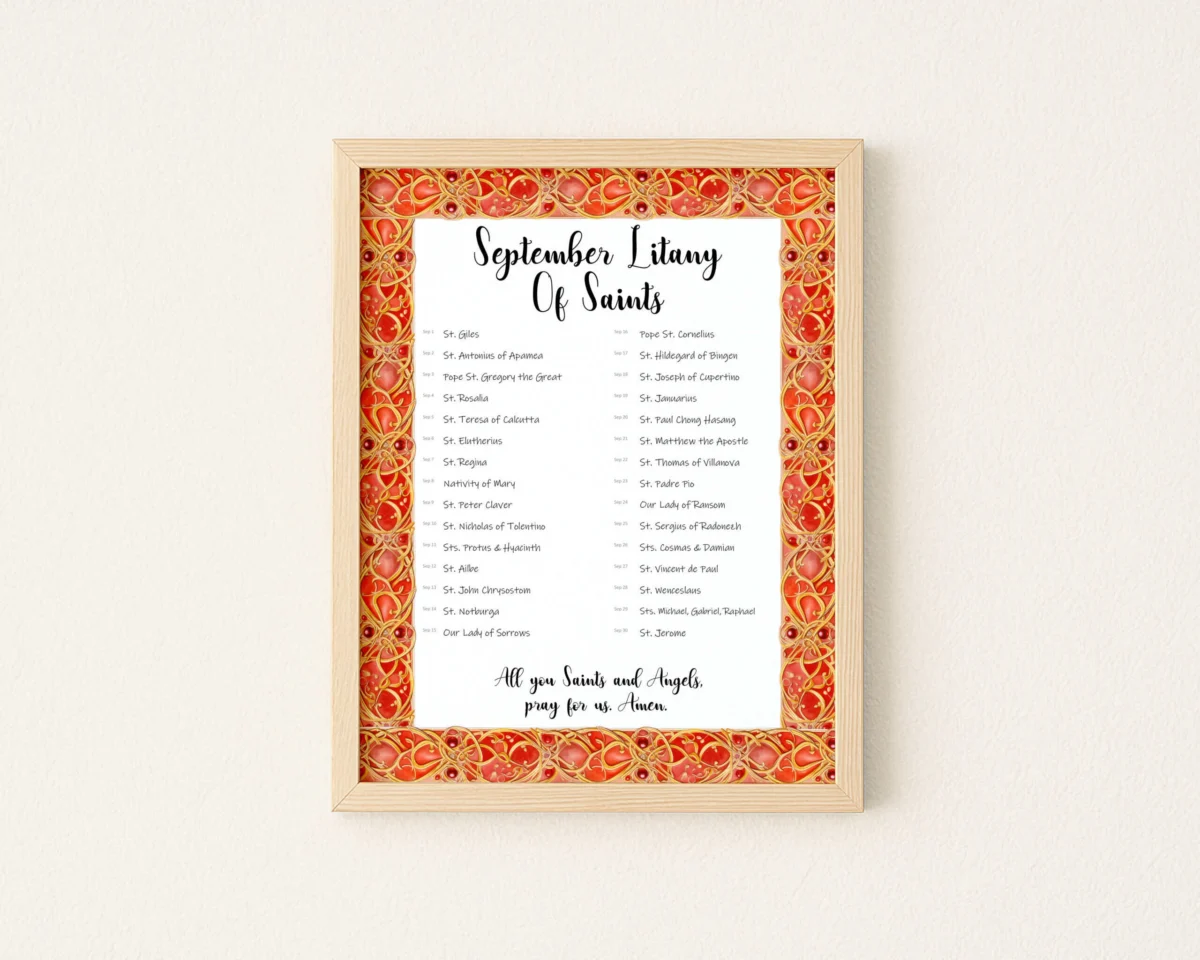
The newly released September set includes two 8.5 by 11-inch U.S. Letter-sized pages featuring a Litany of Saints for September, matching the design theme of the original membership pack. To accommodate different preferences, the resource provides two distinct font choices, allowing users to select the style that best fits their educational environment or home decor.
Families can easily display the pages by placing them in standard frames, posting them on refrigerators, or incorporating them into daily prayer routines. The developers suggest that parents and educators use the calendar as a springboard for extended daily learning, encouraging children to look up details about the specific saint or blessed listed for each calendar date.
While the free calendar offers a glimpse into the platform’s offerings, the broader Catholic Icing Monthly Membership provides subscribers with a continuous stream of seasonal resources. Founders note that many families struggle to maintain liturgical decorations or feel intimidated by the prospect of keeping up with the Church calendar amid busy daily schedules. The subscription service addresses this by delivering curated monthly content ahead of time, including prayer table decorations, themed recipes, coloring pages, children’s activity sheets, and specialized saint-themed projects designed to alleviate the burden of planning.
To access the free September Saint of the Day Calendar, interested individuals must sign up through the platform’s weekly newsletter portal. While subscribers can choose to unsubscribe from the newsletter at any time, the download requires an initial request submission to route the digital file correctly to inboxes.
Beyond monthly digital packs, the platform also offers comprehensive physical and digital resources for long-term liturgical planning. Among these is the Weaving the Faith binder, an ebook designed to help families organize their recurring feast day celebrations, sacrament anniversaries, and home altar materials across multiple years, allowing them to gradually build a permanent library of Catholic traditions.
With the release of the September calendar, organizers hope to provide a gentle, manageable entry point for households looking to deepen their connection to the saints, supported by a growing network of month-by-month devotional resources that span the entire liturgical year.
While many viewers tune into the hit Netflix series Nobody Wants This for the magnetic charm of the show’s resident "Hot Rabbi," a growing faction of the audience is showing up for a completely different reason: his mother.
Bina Roklov, brought to life with pitch-perfect comedic timing and commanding screen presence by veteran actress Tovah Feldshuh, steals nearly every scene she occupies across the show’s first three seasons. With her expertly timed one-liners, deeply expressive looks of disapproval, and larger-than-life personality, Bina embodies an overbearing Jewish mother stereotype. Yet, Feldshuh infuses the character with such a gloriously unapologetic spirit that the role transcends cliché, transforming into something uniquely compelling.
Feldshuh’s performance builds upon a remarkable, decades-long career on stage and screen. Notably, she originated the role of Yentl on Broadway in 1975, eight years before Barbra Streisand brought the character to the cinematic screen. Her impressive resume also includes portraying former Israeli Prime Minister Golda Meir in Golda’s Balcony, alongside memorable turns as matriarchal figures in Kissing Jessica Stein and Crazy Ex-Girlfriend.
In Nobody Wants This, Bina is introduced as a Soviet Jewish immigrant with a thick Russian accent. Married to Ilan, played by Paul Ben-Victor, she shares a complex family dynamic with her sons, Noah, played by Adam Brody, and Sasha, played by Timothy Simons. While the series offers viewers only glimpses into Bina’s backstory as an immigrant, Feldshuh anchors the character with the emotional weight of decades of Jewish life, resilience, and family traditions.
Across the series, several standout moments define Bina’s unforgettable presence, showcasing her unmatched ability to command a room with a single word or look.
Establishing the Matriarchal Force
Sometimes a television character requires an entire introductory episode to establish their footing, but Feldshuh accomplished the feat with just two words early in the series.
When Joanne, played by Kristen Bell, arrives unexpectedly at the synagogue as Rabbi Noah’s new non-Jewish love interest, his sister-in-law Esther, played by Jackie Tohn, asks who the stranger is. Bina delivers an immediate, razor-sharp assessment: "A shiksa."
The brilliance of the moment lies entirely in Feldshuh’s delivery. Without missing a beat, she manages to convey an entire spectrum of simultaneous emotions, blending profound shock, deep suspicion, and classic maternal disapproval into a single unforgettable line.
The tension between Bina and Joanne deepens in a later episode when Joanne visits Bina’s home bearing a fancy charcuterie board featuring prosciutto. As a rabbi’s mother, Bina reacts with absolute horror at the presence of pork under her roof, instantly declaring the entire platter tainted and sentencing it to the trash bin.
However, the power dynamic shifts when Joanne catches Bina secretly sneaking bites of the very prosciutto she had just condemned. Armed with this playful leverage, Joanne temporarily gains the upper hand. Yet, Bina recovers with characteristic poise. By the end of the episode, she flashes a smile and tells Joanne that she likes her much more than anticipated, before leaning in to whisper a sobering reminder that she will never ultimately end up with her son.
Commanding the Court and the Table
Bina’s ability to dominate a scene extends far beyond domestic squabbles, often spilling out into public spaces with cinematic flair.
During an outing at Noah and Sasha’s local basketball game, Feldshuh delivers what stands as one of the most memorable entrances of the second season. Strutting onto the court wearing dramatic sunglasses and a popped collar, she commands every eye in the gymnasium to the tune of Fergie’s "London Bridge." The comedic impact is heightened by the reactions of Noah and Sasha—two grown men who appear genuinely and hilariously terrified by their mother’s sheer presence.
Back at home, Bina’s authority is celebrated through rich cultural touchstones. During a Friday night Shabbat dinner in the Roklov household, she takes center stage. Dressed in a bold outfit with every hair immaculately in place, she leads the traditional Hamotzi blessing with gusto, her voice rising above the chatter of the family table.
Directing Joanne to her proper seat and enforcing the household rule against using phones at the table, Bina embodies the quintessential Jewish matriarch. Feldshuh’s portrayal feels entirely authentic, drawing naturally upon her own upbringing in Scarsdale, New York, where Friday night family dinners were a staple of her youth.
Softer Edges and Lasting Impressions
As the series progresses into its third season, the relationship between Bina and Joanne undergoes unexpected shifts. When Joanne finds herself worried about being perceived as a professional liability to Noah’s career, she turns to the one person she knows can help navigate the complexities of the community: Bina.
A visit to Bina’s stately home offers a rare, unguarded glimpse of the matriarch before she is fully dressed for the public eye. Wearing a simple champagne-colored satin blouse and applying her own makeup without her signature elaborate brooches, Bina listens to Joanne’s request. With a mischievous twinkle in her eye, she accepts the challenge and boldly declares her intention to transform Joanne into a rebbetzin, practically kvelling at the prospect of taking her son’s partner under her wing.
Even in moments of psychological leverage, Bina’s methods are uniquely memorable. While standing near the family’s backyard basketball court, she reminisces about Noah’s childhood hamster—which, fittingly, possessed a Hebrew name. The memory turns into a classic guilt trip when Bina reveals that the pet was buried nearby so it could always watch Noah play, using the sentimental story to subtly tug at her son’s heartstrings.
As Nobody Wants This continues its television run, characters like Bina demonstrate the enduring appeal of deeply textured, unapologetic family representation on screen. Whether she is doling out sharp rebukes, leading sacred traditions, or weaponizing childhood memories, Bina Roklov remains a central pillar of the series, leaving audiences eager to see where her formidable presence will lead next.
SUMMARY:An examination of how American Muslims can respond to intensifying Islamophobia in the political landscape—ranging from state-level educational curricula to national campaign trails—while drawing strength from faith, history, and the enduring legacy of the Prophet Muhammad, may Allah send peace and blessings upon him.
For Muslims around the world, the Prophet Muhammad, may Allah send peace and blessings upon him, holds a place of supreme reverence, affection, and devotion. So profound is this bond that adherents rarely mention his name without invoking the traditional blessing, "God’s peace and blessings be upon him."
Because of this deep spiritual connection, recent political developments in the United States have caused considerable distress within Muslim communities. Most notably, Texas authorities have moved to approve school lessons that slander the Prophet Muhammad as "brutal," introducing contentious characterizations into public educational frameworks.
This climate of political rhetoric was further underscored on Friday, October 16, 2026, during a campaign rally held inside an airport hangar in Dalton, Georgia. At the event, President Trump singled out Abdul Rahman El-Sayed, a Senate candidate from Michigan, mocking his identity by calling him "Mohammad" and declaring, "I’m the president. I can call you whatever the hell I want."
Expanding on the remark, the president told the crowd, "If you’re in doubt about somebody’s name from the Middle East, just say ‘Mohammad.’ You have about a 65% chance." Mimicking a greeting, he added, "Hello, Mohammad," before concluding, "I’ve done it for years now. I’ve never been wrong."
Incidents like these highlight a broader trend in which political figures increasingly utilize rhetoric targeting Islam and Middle Eastern heritage for electoral mobilization. For American Muslims, the immediate question following such public spectacles is not merely how to register disapproval, but how to respond constructively in defense of their faith and dignity.
First, check your own heart
History demonstrates that the name Muhammad was targeted and mocked even during the lifetime of the Prophet himself. The inhabitants of Makkah who opposed his message routinely refused to pronounce his actual name, deliberately twisting it into "Mudhammam," an insulting moniker that translates to "the one who is blamed."
The Prophet’s response to this persistent abuse was characterized by remarkable composure and equanimity. He famously remarked to his companions, "Doesn’t it astonish you how Allah protects me from the abuse and curses of Quraish? They abuse Mudhammam and curse Mudhammam, whereas I am Muhammad," as recorded in the collection of Imam Bukhari. Because the insults were directed at a fabricated distortion of his name rather than his true identity, the mockery failed to wound him.
Contemporary Muslims are encouraged to carry that same internal calm in the face of modern political satire. A disparaging remark made at a campaign rally carries no power to diminish a name that has been elevated by divine decree, nor can it diminish the devotion of more than a billion people who invoke blessings upon him daily in their prayers.
Islamic tradition provides clear guidance on how believers should conduct themselves when confronted with unwarranted hostility. The Quran describes the true servants of the Most Compassionate as individuals who maintain their poise when surrounded by ignorance or provocation:
"The true servants of the Most Compassionate are those who walk on the earth humbly, and when the foolish address them improperly, they only respond with Salam." (Quran 25:63)
The greatest American named Muhammad
In navigating public misconceptions and casual prejudice, history offers powerful parallels and narratives worth sharing. More than six decades ago, in 1964, a charismatic young heavyweight boxer from Louisville, Kentucky, named Cassius Clay captured the global imagination by winning the world title. Shortly after his historic victory, he announced his conversion to Islam and his new name: Muhammad Ali.
At the time of his announcement, much of the American public and media refused to acknowledge or use his chosen name. Many mocked it deliberately, mirroring the casual disparagement seen in contemporary political discourse.
Despite intense public pressure, Ali refused to compromise his identity. He steadfastly kept his name, remained firm in his faith, and ultimately transformed himself into one of the most celebrated and beloved athletes in global history. Decades later, in 1996, a massive crowd in Atlanta, Georgia, rose to its feet in roaring applause as Ali stepped forward to light the Olympic flame. The moment stands as a poignant historical reminder that Georgia itself once cheered enthusiastically for a man named Muhammad carrying a symbol of unity for the entire world.
Cultural touchstones continue to revisit this legacy. A major biographical television series chronicling his life, titled "The Greatest," is scheduled to premiere on Prime Video on Wednesday, November 4, 2026—the day immediately following the midterm elections. The first season follows Ali’s journey from his 1960 Olympic gold medal to his 1964 heavyweight championship victory, marking the pivotal era when he embraced the name Muhammad. Cultural observers note that sharing such media with friends and neighbors of different faiths can serve as a natural bridge for meaningful dialogue about identity, respect, and history.
A last word
Efforts to trivialize or mock the name Muhammad ultimately seek to evoke feelings of alienation and insignificance among Muslims. However, community leaders emphasize that believers are not obligated to absorb this negativity. Instead, individuals can choose to embody the highest virtues associated with that name: honesty, kindness, courage, and genuine utility to their neighbors. In an environment shaped by political rhetoric, quiet integrity and steadfast character remain an answer that no public jest can undermine.
Renowned parenting expert and author Janet Lansbury recently tackled one of the most agonizing dilemmas faced by modern mothers and fathers: how to break free from the negative cycles of an emotionally difficult upbringing. In a recent episode of her widely followed podcast, Unruffled, Lansbury responded to a deeply vulnerable letter from a mother struggling with high anxiety, perfectionism, and the residual effects of being raised by a mother she describes as practicing psychological abuse, guilt trips, and the silent treatment.
The mother, navigating the daily realities of raising children aged five and a half and three and a half, confessed that despite reading acclaimed parenting literature like No Bad Kids and The Whole-Brain Child, she finds herself falling back into the very patterns she is desperately trying to avoid. When her patience wears thin, she resorts to yelling, lecturing, and using harsh tones—methods she learned directly from her own childhood experiences. Compounding her daily stress is a complicated domestic dynamic involving screen-time battles originally cultivated by well-meaning in-laws, and a husband who frequently counters her parenting decisions and criticizes her tone.
Rather than dismissing these immense challenges, Lansbury offered a compassionate and grounded framework for self-reflection, emphasizing that overcoming an abusive or unsupportive upbringing is entirely possible. She stressed that it is never too late to reshape the relationship between parents and young children, noting that human relationships are always in motion and continuously developing.
At the heart of Lansbury’s advice is a fundamental shift in how parents view personal boundaries. Many adults who grew up in harsh environments internalize the message that their own needs do not matter and that asking for what they want risks outright rejection. This historical lack of emotional safety often breeds perfectionism and chronic anxiety, forcing individuals into an exhausting cycle of trying to perform perfectly just to feel acceptable.
Lansbury explained that true boundaries are not about negotiation, securing approval, or forcing children to agree with a parent’s decision. Instead, setting a healthy boundary means calmly asserting what is necessary for the household and the well-being of the children, while accepting that the children are allowed to feel frustrated, angry, or disappointed by those limits. When parents slip into lecturing, reasoning excessively, or shouting, they are typically operating from a defensive "back foot" position born of discomfort with asserting their own authority.
Drawing from the specific struggles outlined in the letter, Lansbury addressed the friction surrounding digital media and screen time. She noted that children thrive when limits are established with absolute clarity, rather than through vague compromises or half-measures that keep the prohibited item lingering in their minds. By implementing clear, resolute decisions—such as taking a definitive break from devices—and weathering the initial storm of emotional resistance without resorting to anger, parents can provide the steady leadership that children fundamentally crave.
Lansbury also highlighted the importance of letting go of elements outside a parent’s control. She acknowledged the difficult reality the mother faced when her wishes regarding screen time and snacks were initially bypassed by her mother-in-law during periods of free childcare, noting that when relying on others for help, perfection is rarely attainable, and holding onto lingering resentment only drains a parent’s emotional reserves.
While stopping short of offering formal marital counseling, Lansbury gently touched upon the tension caused by a partner’s constant criticism. She suggested that asserting respectful boundaries applies to adult relationships just as much as parent-child dynamics, noting that calmly and firmly letting a partner know when communication crosses the line can serve as a powerful model of self-respect for observing children.
Ultimately, Lansbury’s message centers on self-forgiveness and the realization that parents deserve to stand up for their own convictions. By trading perfectionism for self-compassion and recognizing that children actually find relief when guided by a confident, calm authority figure, parents can begin to dismantle the echoes of their own upbringing and build a lasting bond rooted in mutual trust and respect.
In the pursuit of holistic health and daily stress relief, wellness advocates are turning a classic evening ritual into a targeted health strategy. While a warm bath has long been praised as a simple method for winding down at the end of a long day, wellness experts and practitioners are highlighting the potential of specialized detox baths. Positioned as an inexpensive way to address skin issues and the modern accumulation of environmental toxins, these enhanced soaks utilize simple pantry ingredients to support the body’s natural elimination systems.
The concept of detoxification often brings to mind restrictive cleanses or expensive spa treatments, but health writers and practitioners emphasize that the human body is naturally equipped for the task. Organs such as the liver, kidneys, and skin work continuously to filter and remove waste products from the body. However, proponents note that the demands of modern life can sometimes place an increased burden on these innate systems, creating a need for gentle, targeted support. For individuals pressed for time, even a simple foot soak using these natural ingredients can offer many of the same relaxation and circulatory benefits as a full-immersion bath.
Because the natural detoxification process can occasionally leave individuals feeling fatigued, health advocates generally recommend incorporating these specialized baths into an evening or bedtime routine. This timing allows the body to rest and recover fully following the soak. Furthermore, these natural remedies are frequently noted as being safe and soothing for children, offering a gentle way to support the body’s natural defenses when formulated correctly. Nevertheless, medical professionals advise that anyone with underlying health conditions, as well as those who are pregnant or nursing, should consult with a healthcare provider before introducing new wellness routines.
At the center of these wellness routines is the traditional Epsom salt bath, which serves as a foundational recipe for many at-home remedies. Alongside magnesium-rich salts, a variety of alternative bath preparations utilize everyday household items such as clay, vinegar, and specialized spices. These ingredients are chosen for their ability to promote circulation, assist the body’s natural elimination processes, and provide deep relaxation.
Among the variations gaining attention is the clay detox bath, which incorporates bentonite clay. Known for its absorbent properties, bentonite clay is frequently utilized in natural skincare routines for its ability to bind to heavy metals that can accumulate in the body over time. When preparing a clay bath, practitioners often recommend utilizing a drain filter or cloth trap to prevent the sediment from accumulating in household plumbing and potentially causing blockages. The combination of bentonite clay and warm water works to draw out impurities, while Epsom salts help replenish magnesium levels in the body.
Another traditional variation focuses on botanical additions like organic mustard powder, distinct from the prepared condiment found in refrigerators. Historically utilized by ancient cultures to soothe the effects of seasonal colds, flus, and sore muscles, organic mustard powder contains properties that stimulate circulation. When combined with magnesium and select essential oils, a mustard bath offers both aromatic and soothing benefits designed to ease physical tension.
For those dealing with seasonal illness, congestion, or skin irritation, alternative preparations incorporating ingredients like ginger or apple cider vinegar are frequently utilized. Ginger is widely recognized for its ability to clear congestion, alleviate body aches, and stimulate circulation, which can aid the body during recovery. Similarly, vinegar baths are frequently employed to address specific skin concerns such as dryness, itching, sunburn, or dandruff. Because vinegar helps to balance the skin’s natural pH levels, an apple cider vinegar bath can leave the skin feeling soft and the hair with added shine, though individuals often choose to rinse off with a cool shower afterward to remove any lingering scent.
Medical reviewers and family physicians emphasize that any new health regimen, including natural bath therapies, should be approached gradually to allow the body to adapt. As interest in holistic lifestyle changes continues to grow, experts stress the importance of combining these home remedies with safe water filtration practices and professional medical guidance to ensure overall health and safety.
In Plato’s classic philosophical dialogue Phaedrus, Socrates offers a timeless caution regarding the invention of writing. He warns that relying on external text might weaken human memory and create the deceptive appearance of wisdom without true, internalized understanding. As one of history’s earliest educators to confront a major technological disruption in learning, Plato was not outright rejecting writing itself. Instead, he was deeply questioning how a powerful new tool might fundamentally reshape human thinking when it begins to supplant dialogue, genuine interpersonal relationships, and lived, physical experience.
Today, the rapid evolution and integration of artificial intelligence present a remarkably comparable moment in modern education. This technological shift compels educators, policymakers, and communities to ask not only if or how new digital tools should be integrated into classrooms, but whether the fundamental goal of education itself needs to change in a society that is becoming acutely algorithmic. As we look ahead, society must figure out how to reorient toward a future where human beings can still create independently, think deeply, persist through inevitable difficulty, and ultimately find meaning and thrive within their communities.
The Impacts of AI on Critical Thinking, Engagement, and Motivation
When MIT researchers recently surveyed school leaders to gather their perspectives on the accelerating use of artificial intelligence in education, cognitive offloading emerged as the primary fear among educators. This concern is far from unfounded, especially considering that growing research already demonstrates a clear human propensity to offload critical thinking tasks when interacting with AI systems.
A prominent study presented at the ACM CHI Conference on Human Factors in Computing Systems found that while generative artificial intelligence undeniably improved efficiency in knowledge-work, it simultaneously reduced critical engagement and fostered long-term dependence. As user confidence in the performance of AI tools rose, human effort shifted away from deep problem-solving and toward mere verification and integration, which ultimately weakened independent reasoning over time.
Another compelling study out of a business school in Switzerland explored similar dynamics but introduced a crucial twist. Researchers observed participants preparing to answer interview questions with the help of artificial intelligence, divided into groups with and without structured guidance. Those who used unguided AI engaged in heavy cognitive offloading without experiencing any improvement in the quality of their reasoning. Conversely, participants who received structured prompting help significantly enhanced both their critical reasoning and reflective engagement. At the educational level, these findings speak directly to widespread concerns about AI’s potential negative impact on learning if teachers and students are not equipped with proper training and boundaries.
Beyond reasoning skills, artificial intelligence possesses the capacity to make tasks so frictionless for users that it creates an almost immediate negative effect on intrinsic motivation. A study published in Nature.com revealed that direct collaboration with AI enhanced immediate task performance during specific assignments, but it simultaneously led to a notable decline in intrinsic motivation and an increase in boredom. This underscores a stark tradeoff between short-term productivity and long-term human engagement, making a particularly strong case against the unmonitored use of advanced AI tools for young, developing learners.
The Importance of Preserving Offline Learning
To understand the neurological impacts of technological dependence, MIT researchers recently asked subjects to write several SAT essays using either OpenAI’s ChatGPT, Google’s search engine, or no technological assistance at all. The resulting electroencephalogram (EEG) data reinforced the idea that students learn best without technological assistance, and specifically without the intervention of artificial intelligence. Mastering fundamental writing skills offline naturally increases brain connectivity and helps individuals internalize language, reading comprehension, and the structural nuances of written communication. This foundational mastery preserves long-term fluency and comprehension, ensuring that when students eventually choose to utilize AI tools later in life, they do so as empowered editors and authors rather than passive prompt recipients.
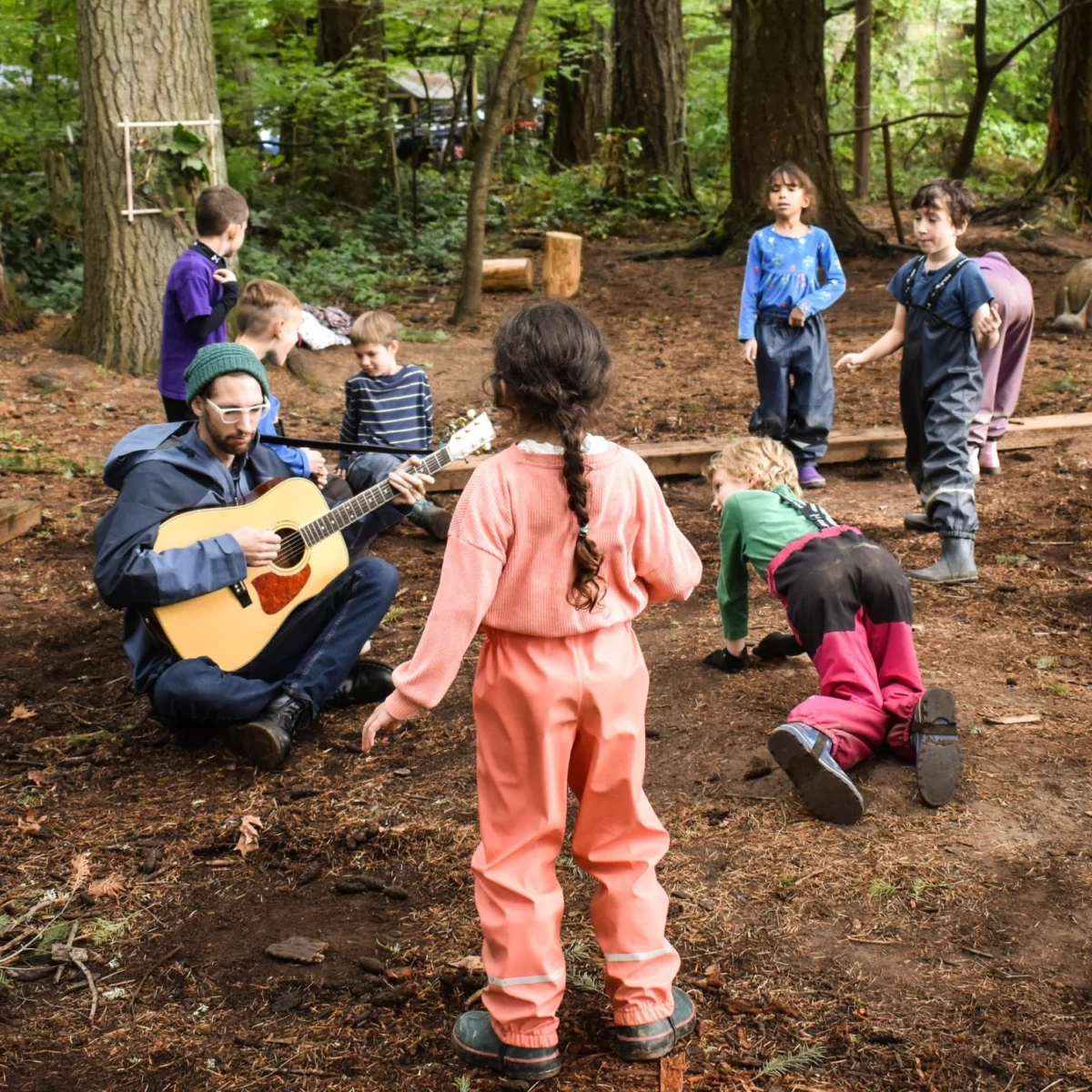
Engaging learners in the offline world will remain the absolute key to preserving natural curiosity and internal motivation. True resilience and willpower are best taught through productive struggle. For younger students, practical arts applications such as learning to play the violin, engaging in woodworking, or taking up knitting shine brightly in this endeavor. These moments of hands-on physical difficulty build perseverance, frustration tolerance, and an embodied understanding of the world in a way that is deeply engaging and joyful. In an increasingly AI-enhanced world where everyday friction is systematically removed, the human capacity to stay with difficulty becomes a profound advantage.
A Sense of Identity and Human Relationships at the Heart of Schooling
Healthy discernment is a critical skill that must be carefully developed in children long before they are given access to generative artificial intelligence. As a recent UNICEF article warns, the persuasiveness of modern AI systems—combined with sophisticated personality engineering designed to appeal to the human desire for praise and validation—means that children’s beliefs, behaviors, and even their core sense of identity could be shaped by these systems during a sensitive period of development. Malicious use or unfiltered exposure could make children uniquely vulnerable to manipulation, online exploitation, and abuse. Such dynamics threaten to undermine children’s personal agency, their right to freedom of thought, and their capacity for independent psychological development.
These concerns only intensify when artificial intelligence is centered directly in learning environments for young children. Experts at the American Academy of Child and Adolescent Psychiatry, in their guiding resource titled "Is AI Dangerous for Children?", highlight a wide array of mounting risks. These include hazardous overattachment to conversational chatbots, a reduction in vital real-world social relationships, data privacy vulnerabilities, the proliferation of deepfakes, and the gradual erosion of hands-on, creative, and critical learning experiences.
Ultimately, these challenges reveal that authentic real-world relationships are truly what is at stake in modern education. Human relationships must remain at the very center of schooling. A robust body of educational research shows that the teacher-to-student relationship, student-to-student interactions, and the connection between the student and their broader community serve as the primary teachers of empathy, responsibility, and social awareness, all while significantly boosting academic outcomes. These are not only human abilities that no machine can ever replicate, but they are also the essential capacities required for a grounded, meaningful life.
If society truly wishes to prepare children for an AI-enhanced world, education’s most urgent task is not to accelerate cognition or outsource thinking to algorithms, but rather to anchor children firmly in deep thinking, authentic relationships, and rich lived experiences. Only from this secure foundation can artificial intelligence properly serve human development rather than quietly reshaping what it means to be human.